


Disclosure: This article contains affiliate links. We may earn a commission from purchases at no extra cost to you, which helps our travel content.
The rust belt has been polished to a shine in Cleveland's vibrant food scene, where industrial history provides the perfect backdrop for culinary innovation. As someone who's spent decades studying how cultures transform spaces over time, I found Cleveland's gastronomic metamorphosis particularly fascinating. The city has layered new flavors atop its blue-collar foundations much like the ancient civilizations I typically document—each generation building upon the last, creating something both reverent of tradition and boldly original.

Day 1: West Side Market and Ohio City's Craft Revolution
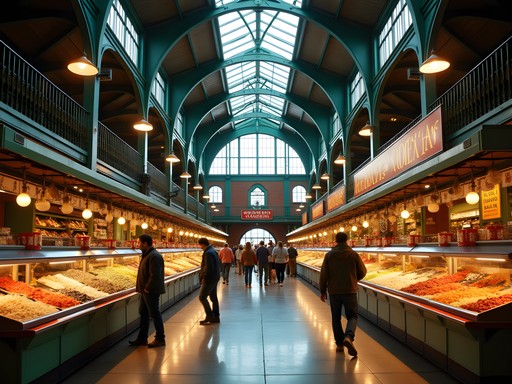
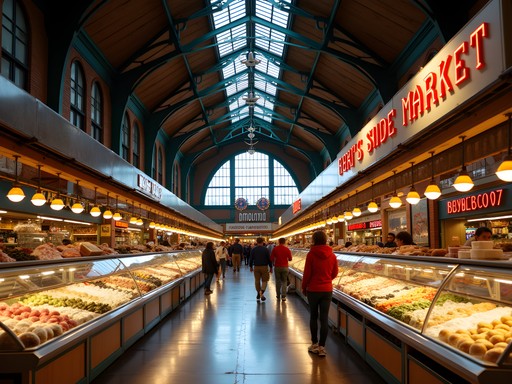
My exploration began where Cleveland's food story has unfolded for over a century: West Side Market. This cathedral of cuisine, with its vaulted ceiling and clock tower standing sentinel since 1912, offers an archaeological study in immigrant influences. The market's 100+ vendors represent the successive waves of European immigrants who shaped Cleveland's palate—from Polish pierogi to Italian sausages, each stall tells a chapter of the city's cultural evolution.
After gathering picnic provisions from the market, I headed to nearby Nano Brew Cleveland, where the fermentation vessels gleam like modern artifacts. The brewmaster explained how Ohio's agricultural bounty influences their seasonal beers, creating flavor profiles unique to this region. The connection between land, history, and taste reminded me of how Andean highlands communities developed crop varieties suited to specific elevations.
For dinner, I navigated to The Flying Fig, a pioneer in Cleveland's farm-to-table movement. Chef Karen Small's menu reads like a geographical survey of Northeast Ohio's agricultural capabilities. My insulated food container came in handy for taking leftover roasted seasonal vegetables back to my hotel—the flavors were too exceptional to leave behind.

💡 Pro Tips
- Visit West Side Market early on Saturday mornings for the fullest vendor selection and freshest products
- Many Ohio City breweries offer flight options—perfect for sampling multiple regional styles without overindulging
- Reserve dinner spots at popular restaurants at least two weeks in advance, especially for weekend evenings
Day 2: Exploring Cleveland's Cultural Corridors Through Taste
Cleveland's neighborhoods read like stratigraphic layers of immigration history, each with distinct culinary signatures. I started in AsiaTown, where I joined a local food tour guide who explained how waves of Korean, Vietnamese, and Chinese immigrants transformed this former manufacturing district into a vibrant cultural enclave.
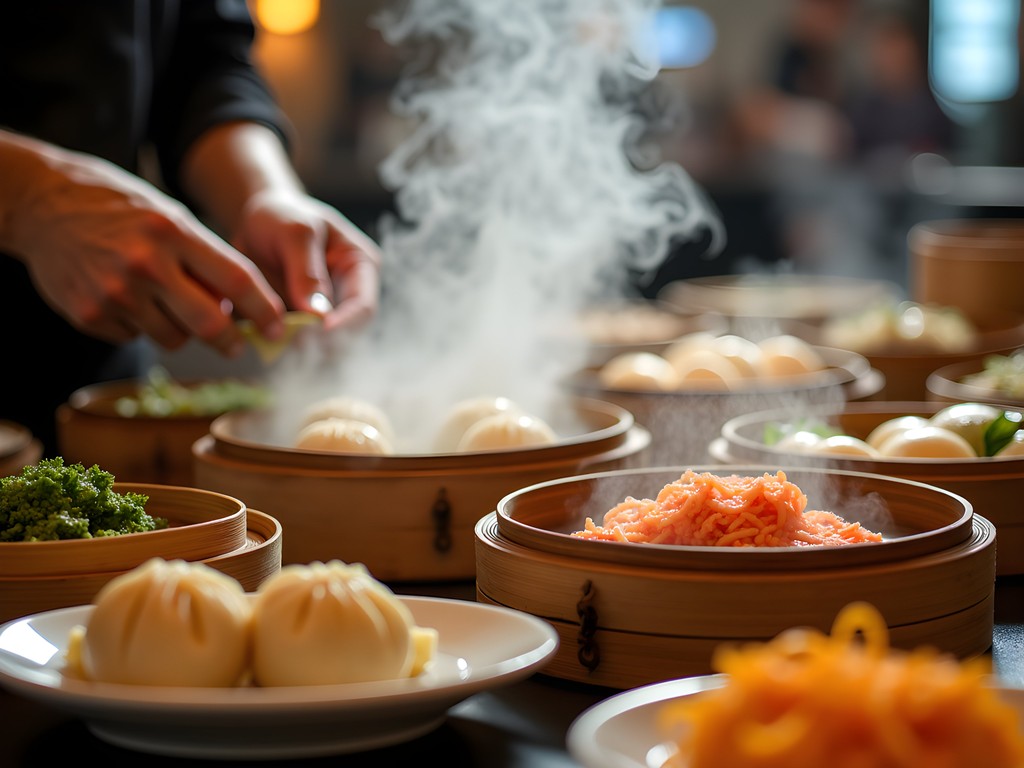
At Li Wah, I watched artisans craft dim sum with the precision of master potters. The repetitive movements reminded me of traditional craftspeople I've observed in Japanese rural villages—the same dedication to perfection through practiced motion. I recorded the experience in my waterproof notebook, which has accompanied me from Ethiopian historical sites to Cleveland's cultural corners.
For the afternoon, I ventured to Slavic Village, where the pierogi at Sokolowski's University Inn arrive on plates heavy with history. The restaurant feels like an archaeological site where each recipe preserves cultural memory. The owners shared stories of how their grandparents adapted Old World techniques to New World ingredients—a culinary adaptation similar to what I've documented in migrating populations throughout history.
Dinner at Larder, housed in a former fire station in Hingetown, showcased how preservation techniques connect us to our ancestors. Chef Jeremy Umansky's koji-cultured meats and foraged ingredients demonstrate that innovation often means rediscovering ancient wisdom. His fermentation methods echo practices I've studied in traditional communities across continents.
💡 Pro Tips
- Ask for the chef's recommendation at Li Wah—seasonal specialties often aren't listed on the regular menu
- When visiting ethnic neighborhoods, look for markets as well as restaurants to experience authentic ingredients
- Bring cash for smaller family-owned establishments that might not accept cards
Day 3: The East Fourth Street Renaissance and Beyond
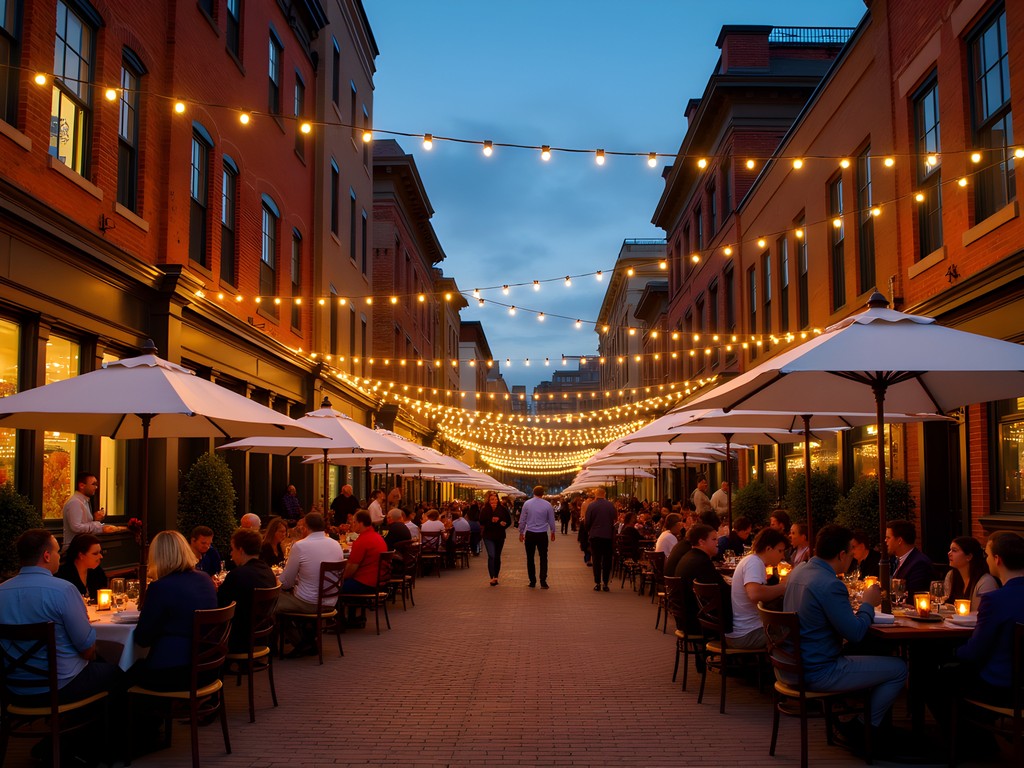
My final day centered on East Fourth Street, a pedestrian thoroughfare that embodies Cleveland's culinary rebirth. This narrow corridor, once abandoned, now pulses with energy like a rediscovered ancient pathway brought back to life.
Breakfast at Urban Farmer provided a lesson in how modern chefs are reviving heirloom varieties and traditional farming practices. Their commitment to local sourcing reminded me of the seasonal eating patterns I've observed in remote Japanese villages, where eating locally isn't trendy—it's necessary.
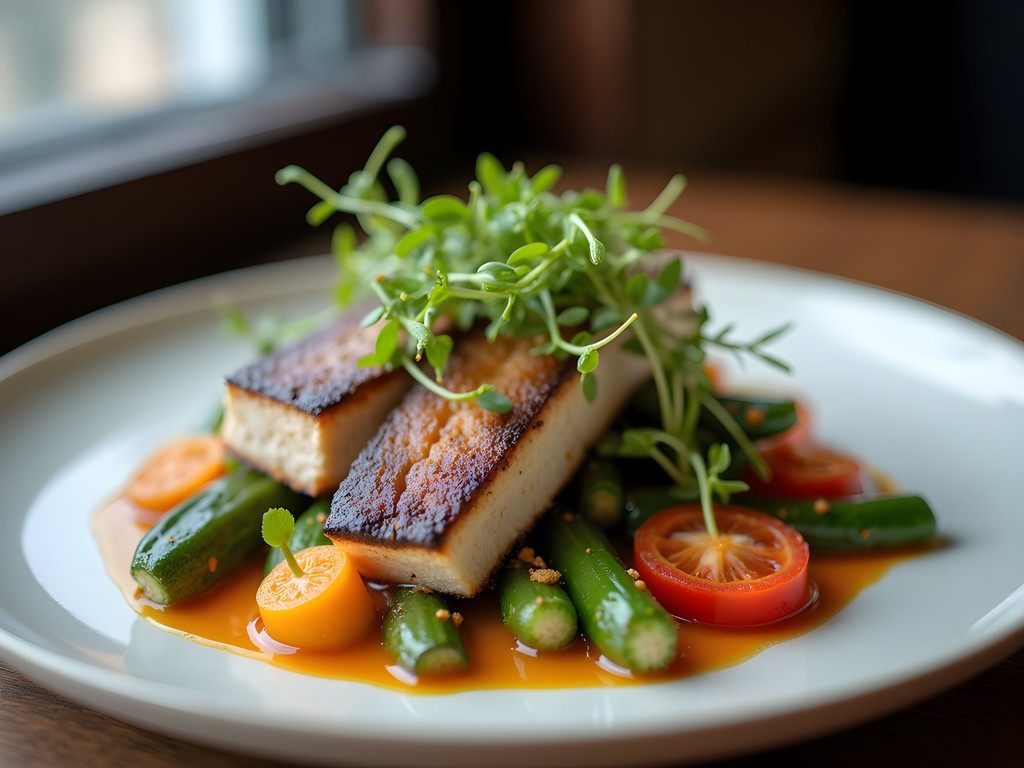
For lunch, I visited chef Michael Symon's Lola Bistro, where Midwestern ingredients meet Mediterranean techniques. The fusion reminded me of cultural crossroads I've studied in Jordan, where trade routes created hybrid cuisines. I used my food photography light to capture the stunning presentation of each dish, as the lighting tells as much of the food's story as the flavors themselves.
The afternoon called for something sweet, so I headed to Mitchell's Ice Cream in Ohio City, where seasonal flavors showcase the region's agricultural rhythm. Their sustainable practices demonstrate how modern businesses can honor traditional environmental stewardship.
I concluded my culinary expedition at Greenhouse Tavern, where Chef Jonathon Sawyer's zero-waste philosophy mirrors ancient practices I've documented where communities utilized every available resource. My meal of roasted pig's head was served with the same reverence ancient cultures showed when honoring the animals that sustained them. I tracked my tasting notes in my food journal, mapping flavor combinations like archaeological features on a site survey.
💡 Pro Tips
- Make reservations for East Fourth restaurants at least a month in advance—this compact district fills quickly
- Ask servers about the sourcing of ingredients—many chefs have personal relationships with local farmers
- Consider a progressive dinner, having different courses at different restaurants to maximize your tasting experience

Cleveland's Markets: Where History and Innovation Converge
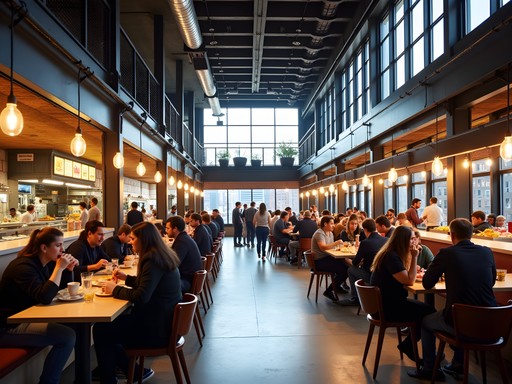
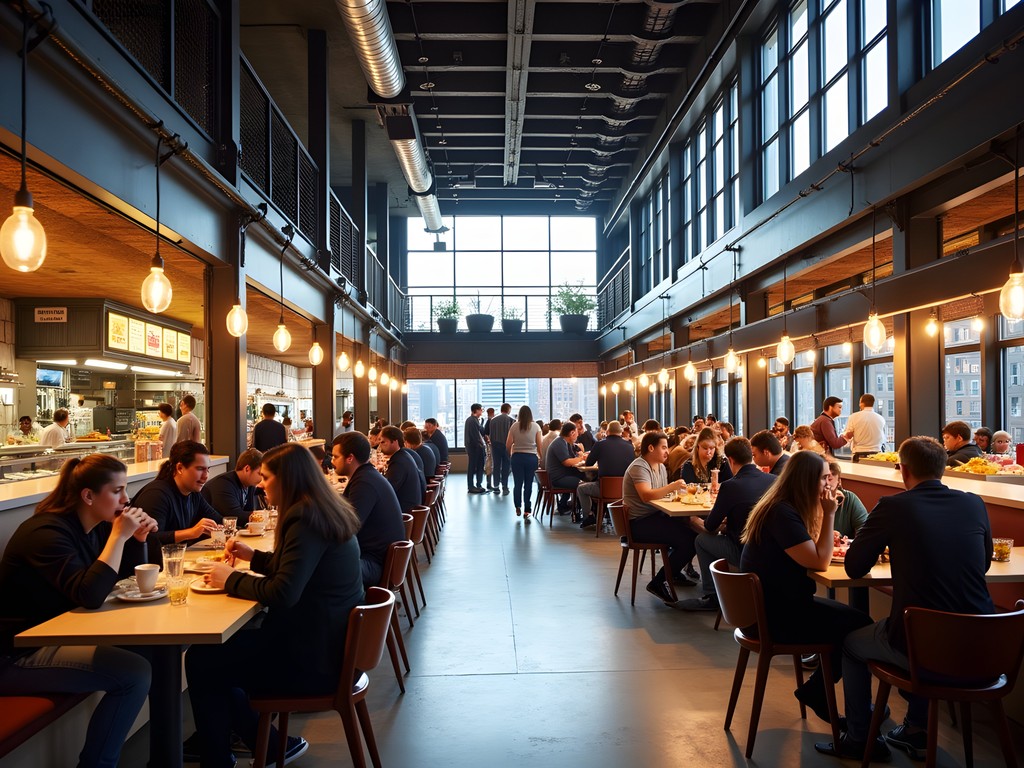
Beyond restaurant dining, Cleveland's markets offer a fascinating study in how food cultures evolve and persist. At the Van Aken Market Hall in Shaker Heights, I observed how modern food hall design intentionally creates community gathering spaces similar to ancient marketplaces I've studied in Mediterranean cultures.
The indoor-outdoor flow reminded me of Petra's marketplace structures, where architectural design facilitated both commerce and community. I used my collapsible water bottle to stay hydrated while exploring the various vendors—a modern tool that would have been valuable to ancient travelers navigating trade routes.
At the Cleveland Flea, held seasonally in various locations, artisanal food producers demonstrate how traditional techniques find new expression in contemporary contexts. A maple syrup producer explained how they've adapted indigenous harvesting knowledge to modern sustainable forestry practices—a beautiful example of knowledge preservation across generations.
What struck me most was how Cleveland's markets, like archaeological sites, reveal layers of cultural influence. The spice mixtures at Urban Herbs in the West Side Market contain blends that trace migration patterns across continents. The vendor explained how her grandmother's Hungarian paprika blend had evolved with American ingredients, creating something both authentic to its origins yet adapted to its new environment.
I documented these market explorations with my pocket audio recorder, capturing the ambient sounds and vendor stories that bring these spaces to life—an audio stratigraphy of Cleveland's living food culture.
💡 Pro Tips
- Visit multiple markets to understand the full spectrum of Cleveland's food culture—each has its own character and specialties
- Talk to vendors about their family histories—many businesses represent multiple generations of food knowledge
- Look for seasonal special events at markets, which often feature demonstrations of traditional food preparation techniques
Final Thoughts
Cleveland's culinary landscape reveals what archaeologists have long understood—that food traditions are among our most resilient cultural artifacts. As I departed this rust belt phoenix, I couldn't help but see parallels between Cleveland's food renaissance and the ancient sites I've studied worldwide. Both demonstrate how cultures adapt, preserve, and innovate through changing circumstances.
What makes Cleveland's food scene particularly compelling is its authenticity. Unlike cities that import dining trends, Cleveland's culinary identity emerges organically from its immigrant history, industrial past, and agricultural surroundings. The chefs and food artisans here aren't performing culture—they're living it, adapting it, and passing it forward.
For couples seeking a food-focused getaway, Cleveland offers an accessible entry point to world-class dining without coastal pretension or prices. Come with curiosity, a willingness to explore neighborhoods beyond downtown, and an appetite for both history and innovation. Cleveland's tables are waiting to tell you their stories.
✨ Key Takeaways
- Cleveland's food scene represents layers of immigration history, with each neighborhood offering distinct culinary experiences
- The city balances preservation of traditional techniques with innovative approaches to local ingredients
- Markets and food halls provide cultural context that enhances the dining experience
- Fall offers the ideal combination of harvest bounty and comfortable temperatures for food exploration
📋 Practical Information
Best Time to Visit
September-November
Budget Estimate
$75-150 per day for food (couple)
Recommended Duration
3 days
Difficulty Level
Beginner
Comments
adventureclimber
Going there next month, can't wait!
springlover
If you're doing East Fourth Street, make reservations ahead of time especially for weekends. We showed up on a Saturday night thinking we'd wing it and everything was booked solid. Ended up at Pickwick & Frolic which was great but not our first choice. Also the West Side Market is closed Sundays and Mondays - caught us off guard our first visit!
Hunter Thompson
Brilliant write-up Jamie! I did a similar food tour through Cleveland last autumn and was absolutely gobsmacked by how good it was. That pierogies stand at West Side Market is mental - I went back three days in a row. Also stumbled upon this tiny Vietnamese spot in Asia Town that wasn't on my radar at all, but locals kept recommending it. Cleveland's one of those cities where talking to people gets you the best finds. The craft beer scene rivals anything I've seen in the States too. Definitely adding your Day 3 suggestions to my list for when I'm back!
adventureclimber
Which Vietnamese place? Always looking for good pho
Hunter Thompson
Superior Pho! It's on Payne Ave. Cash only but so worth it.
travelqueen
OMG yes!! Cleveland is SO underrated for food! 🙌
mountaindiver
How's parking around the West Side Market? Planning a trip in July and not sure if I should uber or drive.
springlover
There's a decent lot right by the market, but it fills up fast on Saturdays. I'd get there before 10am or just park in Ohio City and walk over - it's only like 5 minutes and you'll see some cool murals along the way.
mountaindiver
Perfect, thanks!
coolperson
Great photos! Really captured the vibe of the market
Gregory Boyd
Fascinating read. I spent a week in Cleveland last autumn doing exactly this kind of food exploration on a backpacker's budget. What I appreciated most was the accessibility - you don't need deep pockets to experience quality food here. The West Side Market is brilliant for budget travelers, and many of the craft breweries in Ohio City have affordable food menus. The East Fourth Street area is pricier, but worth it for a splurge meal. One thing I'd add to your guide: the Asian food scene around Payne Avenue and Asia Plaza is exceptional and often overlooked by food tours. The Vietnamese and Korean restaurants there rival anything I've had in larger cities.
globewanderer
Been to Cleveland twice now. Pro tip: get the Cleveland guidebook if you're serious about the food scene - it has a ton of hidden gems not mentioned in most articles. Also the Barrio tacos on West 25th are insane, don't skip them.
Adam Nichols
Jamie, this is an excellent breakdown of Cleveland's evolution. I visited in 2023 and was genuinely surprised by the sophistication of the dining scene - particularly in Ohio City. What struck me most was how the city has preserved its working-class authenticity while embracing innovation. The pierogies at the West Side Market were outstanding, but I was equally impressed by the farm-to-table movement happening at smaller restaurants. Have you noticed how Cleveland's food identity compares to other rust belt cities like Pittsburgh or Detroit? I'm curious about your archaeological perspective on how industrial heritage shapes modern culinary trends.
globewanderer
Pittsburgh food scene is amazing too! Totally agree about the working class vibe staying authentic
oceandiver7445
Quick question - is the West Side Market open every day? Planning a trip in July and don't want to miss it!
coolperson
Not OP but I live near Cleveland - it's closed Sundays and Tuesdays. Definitely go on Saturday morning if you can, best time to visit!
oceandiver7445
Thanks so much! Super helpful
Venture X
Premium card with 2X miles, $300 travel credit, Priority Pass