


Disclosure: This article contains affiliate links. We may earn a commission from purchases at no extra cost to you, which helps our travel content.
When I first landed in Chengdu with my daughter Mia last spring, the air was thick with the intoxicating aroma of Sichuan peppercorns wafting from street-side vendors. Having explored markets from Valencia to Vietnam, I thought I understood the language of spice—but Chengdu quickly humbled me. This wasn't just another culinary destination; it was a masterclass in flavor complexity that would forever change how we approach food. The numbing má sensation of Sichuan peppercorns dancing with fiery chili heat creates that famous málà experience that's impossible to replicate elsewhere. After a week of methodical exploration (and yes, occasionally cooling our palates with local ice cream for Mia's sake), I've crafted this guide to help fellow food enthusiasts navigate Chengdu's remarkable culinary landscape—whether you're a spice veteran or just beginning your journey into the heart of China's most celebrated regional cuisine.

Understanding Sichuan's Flavor Palette
Before diving into restaurant recommendations, it's worth understanding the building blocks that make Sichuan cuisine so distinctive. While many Western diners equate Sichuan food simply with 'spicy,' locals recognize a sophisticated interplay of flavors categorized into 24 distinct types.
The most famous is málà (麻辣)—that addictive combination of numbing Sichuan peppercorns and chili heat that tingles your lips and transforms each bite into an adventure. But equally important are suān là (sour and spicy), xiāng là (fragrant spicy), and gān là (dry spicy).
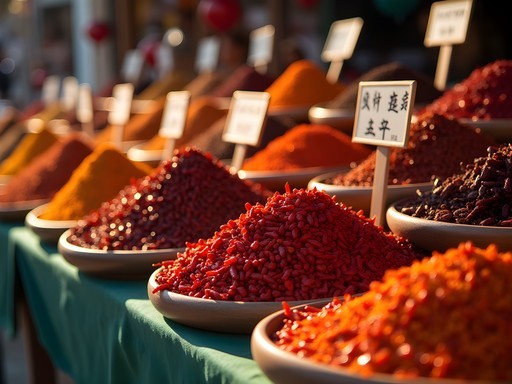
During our market tours, Mia and I created a little game, trying to identify these flavor profiles in different dishes. Even at four years old, she quickly became adept at pointing out when something was more xiāng là than pure málà—much to the amusement of local vendors.
The foundation of these flavors comes from the liberal use of píxiàn dòubànjiàng (Pixian bean paste), ginger, garlic, and various chili oils. I highly recommend picking up a quality Sichuan cookbook before your trip. Understanding these flavor principles transformed our dining experience from random sampling to educated appreciation.
💡 Pro Tips
- Take a small notebook to record your favorite flavor combinations
- Start with milder dishes if you're new to Sichuan spice levels
- Look for restaurants that specify the type of spice profile (málà, suān là, etc.) on their menus
Market Mornings: Where Chengdu's Culinary Magic Begins
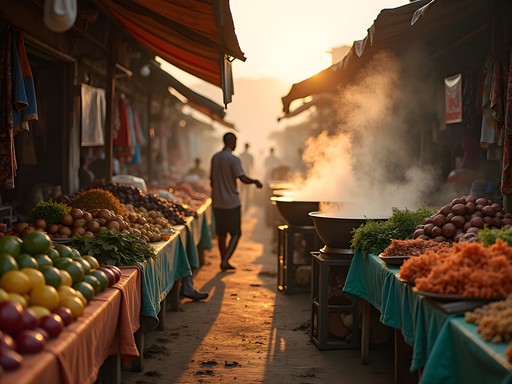
My investment background has taught me that understanding any economy starts at its markets—and culinary economies are no different. In Chengdu, the day begins at Wenshufang Food Street and Dongmen Bridge Food Market, where the foundation of the day's meals takes shape before most tourists have finished breakfast.
Arrive by 7:00 AM to witness the symphony of commerce between local chefs and farmers. The architecture around Wenshufang, with its preserved Qing dynasty elements, provides a stunning backdrop to the modern bustle of commerce. This juxtaposition of old and new is something I'm always drawn to in my travels.
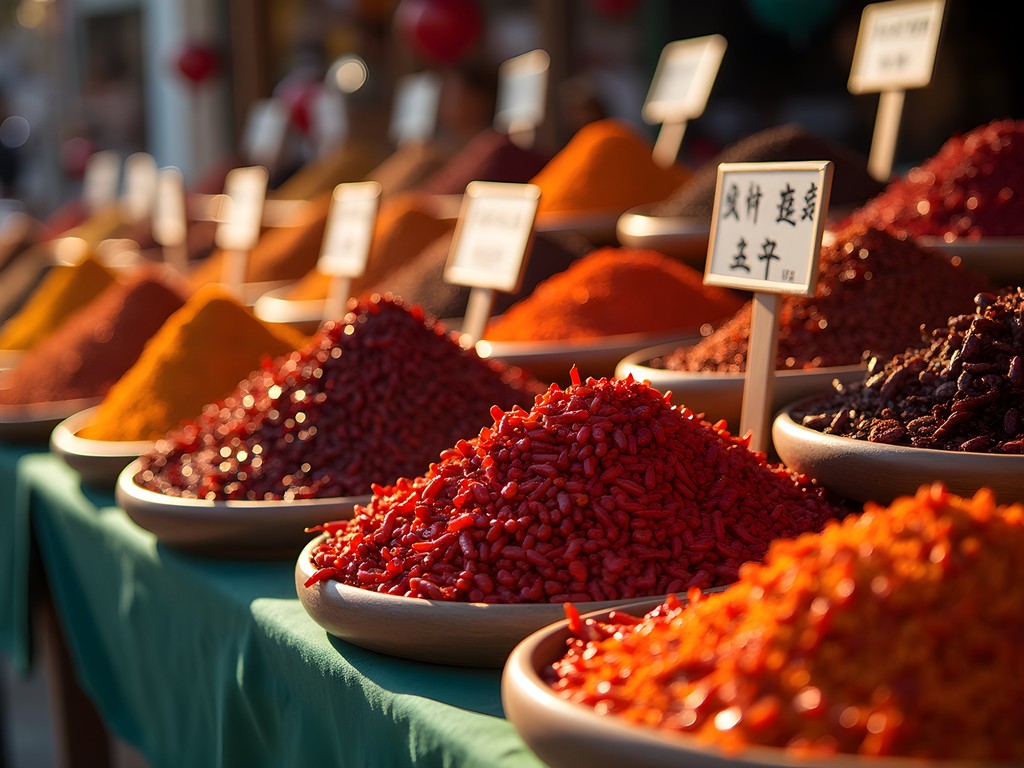
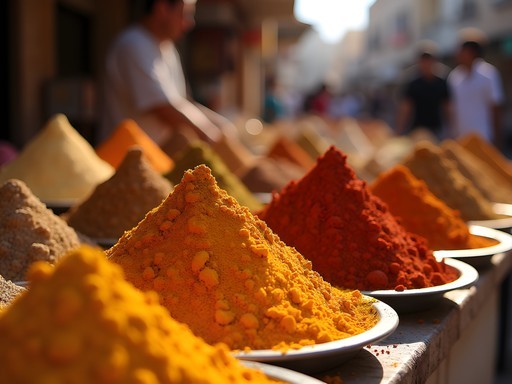
On our third morning, we joined a small group market tour with Chengdu Food Tours, which I cannot recommend highly enough. Our guide, Zhangwei, showed us how to identify the highest quality Sichuan peppercorns (look for those with the smallest seeds inside) and introduced us to elderly vendors who've been selling the same specialized ingredients for decades.
The most valuable lesson came when purchasing a spice grinder from a market stall. The shopkeeper demonstrated the proper technique for grinding different spices to release their optimal flavors—a skill I've since brought back to my kitchen in Valencia. This particular grinder has served me well for creating authentic Sichuan spice blends at home.
Don't miss the opportunity to try dòu huā (tofu pudding) with spicy sauce for breakfast. Mia initially approached it with skepticism but ended up requesting it every morning thereafter—a testament to how quickly children can adapt to new flavors when given the chance.

💡 Pro Tips
- Bring small bills (yuan) as most vendors don't accept cards or WeChat Pay from foreign accounts
- Learn the Mandarin phrases for 'not too spicy' (bú tài là) and 'very spicy' (hěn là) before visiting
- Take photos of ingredients you want to find later—shopkeepers can often identify what you're looking for from pictures
Essential Dishes: Beyond Hot Pot
While Chengdu's hot pot deservedly receives international acclaim, limiting yourself to this single dish would be like visiting Paris and only eating croissants. The true depth of Sichuan cuisine reveals itself through a diverse spectrum of preparations.
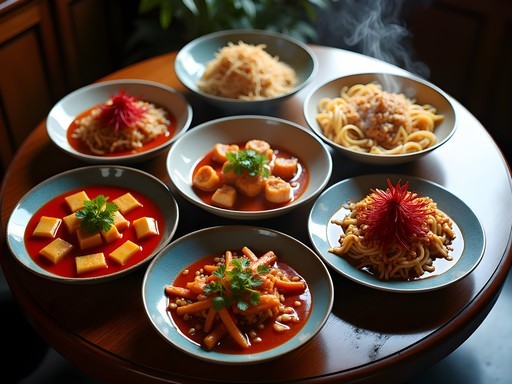
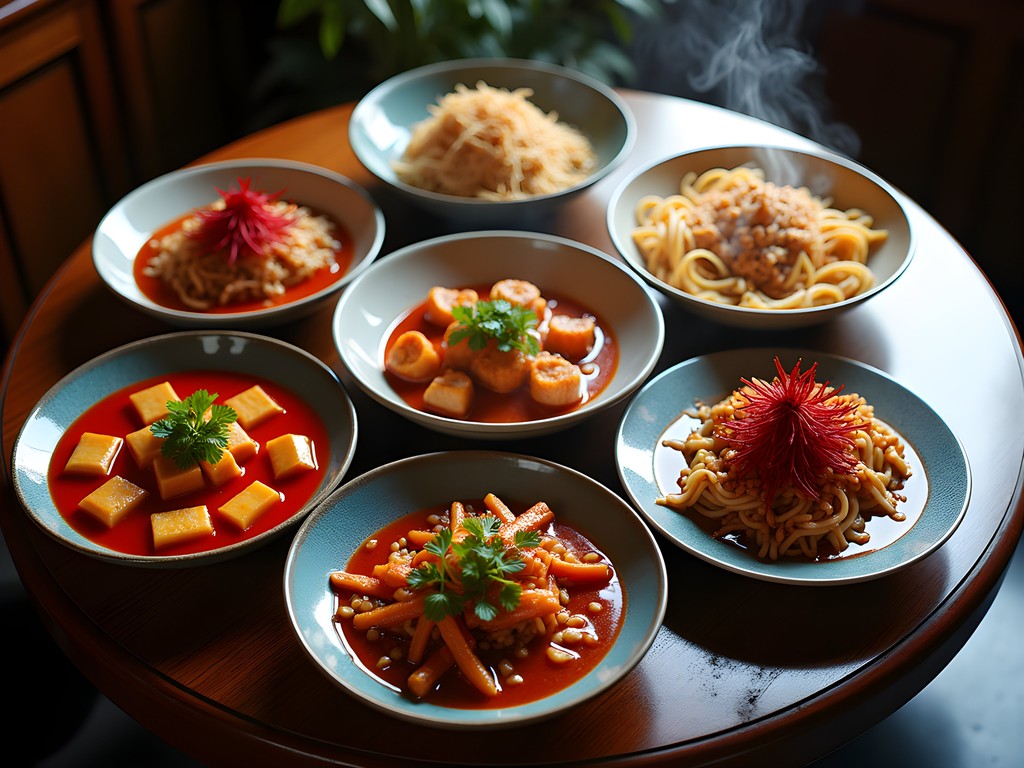
After methodically sampling dozens of establishments (a task Mia approached with surprising enthusiasm), I've compiled our essential dishes that showcase the breadth of Sichuan culinary artistry:
Mapo Tofu (麻婆豆腐): The benchmark of any Sichuan kitchen. Chen Mapo Tofu near Wenshu Monastery serves the definitive version—vibrant red oil floating atop silken tofu with fermented black beans and minced pork. The contrast between soft tofu and numbing spice creates a textural masterpiece.
Kung Pao Chicken (宫保鸡丁): Forget the westernized versions; authentic Kung Pao balances dried chilies, Sichuan peppercorns, peanuts, and chicken in perfect harmony. Yu's Family Kitchen prepares it tableside with theatrical flair.
Zhong Dumplings (钟水饺): These simple pork dumplings bathed in chili oil, garlic, and soy sauce at Chunyangguan restaurant became Mia's favorite lunch. The architectural simplicity of the dumpling allows the complex sauce to shine.
Twice-Cooked Pork (回锅肉): At Ming Ting restaurant, thin slices of pork belly are boiled, then stir-fried with leeks, fermented black beans, and chili bean paste. The textural contrast between crisp vegetables and tender meat is divine.
Dan Dan Noodles (担担面): These street food noodles topped with preserved vegetables, chili oil, Sichuan peppercorns, and minced pork vary dramatically between vendors. My favorite came from an unnamed stall near Jinli Street where the noodles had perfect al dente resistance.
To truly appreciate these flavors, I found it helpful to document our culinary journey using a food journal, noting flavor profiles, ingredients, and our reactions to each dish. This practice has enhanced my understanding of Sichuan cuisine and provided a delightful souvenir of our gastronomic adventure.
💡 Pro Tips
- Order family-style to try more dishes, even when dining solo—servers are accustomed to this approach
- Request 'zhōng là' (medium spicy) for your first order, then adjust according to your tolerance
- Look for restaurants with photographs on menus if you're struggling with language barriers

Hands-On Learning: Cooking Classes Worth Your Yuan
As an investor in sustainable tourism ventures, I've learned that the most valuable travel experiences are those that transfer knowledge across cultures. In Chengdu, cooking classes offer exactly this kind of meaningful exchange—and they're surprisingly family-friendly.
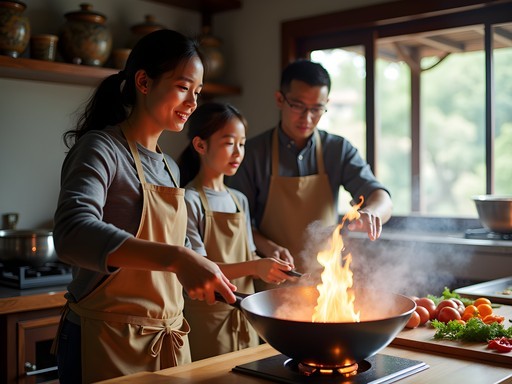
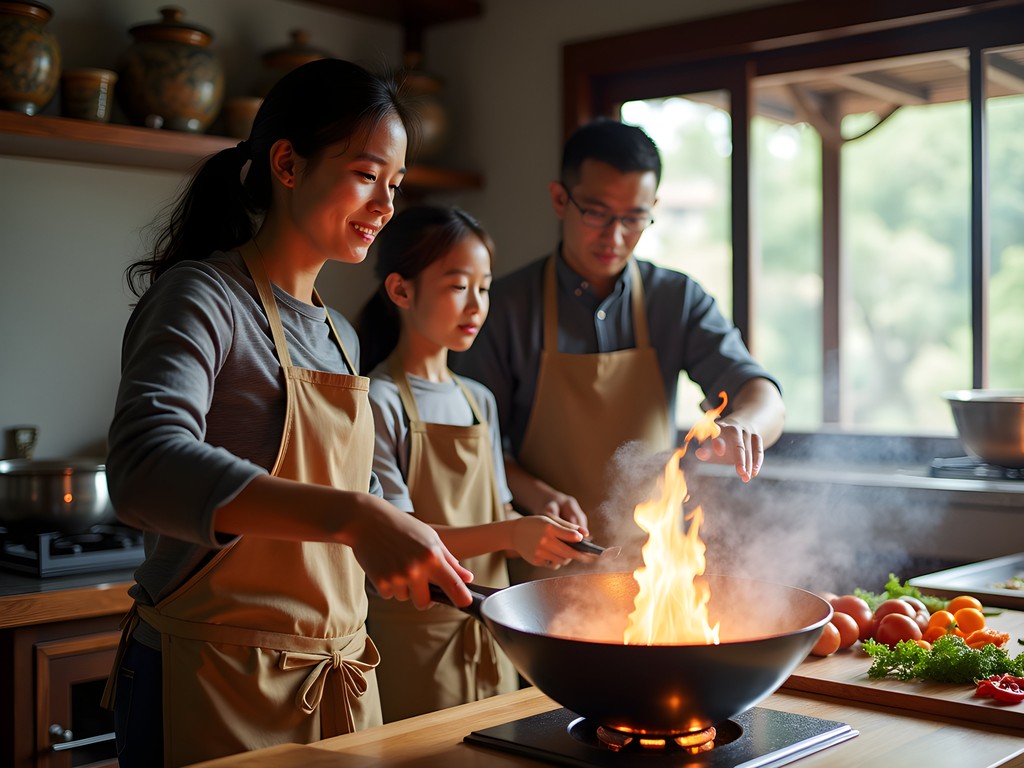
After researching several options, we settled on Sichuan Cooking Workshop near Wuhou Temple. What distinguished this class was their willingness to adapt to having Mia participate rather than merely observe. Chef Wang not only simplified certain tasks for her small hands but explained the architectural principles behind Sichuan kitchen design—how the traditional raised hearth allows for precise heat control essential for wok cooking.
Our five-hour experience began with a market tour where we selected ingredients, followed by preparation of four classic dishes: Kung Pao chicken, fish-fragrant eggplant (yú xiāng qié zi), dry-fried green beans (gān biān sì jì dòu), and mapo tofu. The workshop provided each participant with a chef's apron which has since become my go-to kitchen companion back home—its cross-back design and multiple pockets make it perfect for serious cooking sessions.
What made this class exceptional was the emphasis on technique rather than just following recipes. Chef Wang demonstrated how controlling wok temperature through movement rather than burner adjustment produces the elusive wok hei flavor. We learned to distinguish between different types of Sichuan peppercorns and when to use each variety.
For families, I recommend Sichuan Cuisine Museum's shorter workshops. Though less technical, they offer excellent cultural context through their collection of traditional kitchenware and ingredient displays. Their two-hour dumpling class was perfectly paced for Mia's attention span, and she still proudly demonstrates her pleating technique months later.
Both classes provided recipe cards to take home, but the true value was in the muscle memory developed through hands-on practice—something no cookbook can provide.
💡 Pro Tips
- Book cooking classes at least 3-4 days in advance as the best ones fill quickly
- Specify dietary restrictions when booking—most schools can accommodate with advance notice
- Wear closed-toe shoes as kitchen floors can become slippery with oil
Tea Culture: The Perfect Counterbalance
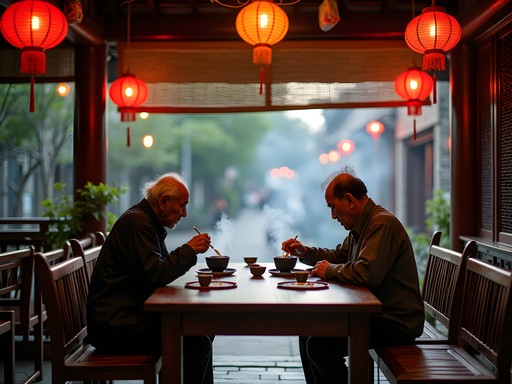
In the architecture of Sichuan cuisine, tea serves as the essential counterbalance to intense flavors. The relationship between spicy food and tea in Chengdu isn't incidental—it's a carefully designed harmony that has evolved over centuries.
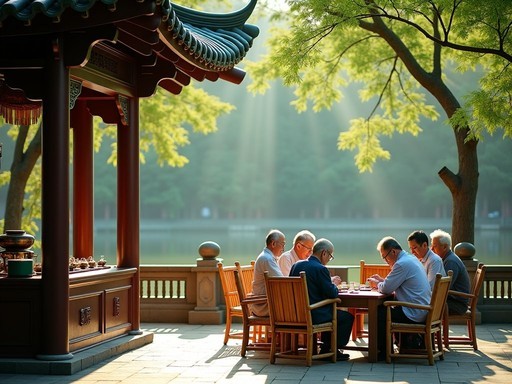
After particularly spice-heavy meals, we found refuge in the city's historic teahouses. Heming Teahouse in People's Park dates back to the Qing Dynasty and offers an atmospheric setting where the ritual of tea provides cultural context to your culinary adventures. The covered outdoor seating area features remarkable wooden architectural details that have weathered centuries of use.
What fascinated me from an investment perspective was how these teahouses function as social infrastructure—spaces where community happens organically. Elderly locals gather for mahjong, business associates conduct meetings, and families celebrate milestones, all centered around the ritual of brewing and serving tea.
For the full experience, order a pot of local jasmine tea with traditional bamboo snacks. The servers perform gōng fu chá (the formal tea ceremony) with theatrical long-spouted kettles, creating an impressive spectacle as they pour boiling water from remarkable heights without spilling a drop.
Kuan Zhai Alley houses several excellent teahouses in restored Qing dynasty buildings, where the architectural preservation work is as impressive as the tea selection. The juxtaposition of ancient wooden beams against contemporary city life creates a poignant reminder of China's rapid development.
My most memorable tea experience came at Wangye Temple Teahouse, where an ear cleaning service is offered alongside your tea—a peculiar but strangely relaxing traditional practice. While I was initially hesitant, the gentleman had been practicing his craft for over 40 years, and the travel journal where I recorded this experience has become one of my most treasured souvenirs, filled with observations about this unique cultural practice.

💡 Pro Tips
- Budget 2-3 hours for a proper teahouse experience—rushing defeats the purpose
- Learn the signal for a tea refill: simply leave the lid of your cup ajar
- Visit teahouses in late afternoon (3-5pm) when they're less crowded but still lively
Final Thoughts
As our week in Chengdu drew to a close, Mia and I sat at a small family restaurant near our homestay, confidently ordering in broken Mandarin and recognizing flavor profiles that had been foreign to us just days before. The culinary architecture of Sichuan cuisine—with its careful balance of flavors, textures, and traditions—had transformed not just our palates but our approach to food exploration. Back in Valencia, we now host 'Sichuan Sundays' where friends gather as we recreate dishes using techniques learned from Chengdu's generous culinary mentors. Whether you're a seasoned spice enthusiast or just beginning your journey into Chinese regional cuisines, Chengdu offers an unparalleled education in flavor complexity. Pack your sense of adventure (and perhaps some antacids for day one), but leave room for your palate to evolve. The numbing-spicy symphony of authentic Sichuan cuisine awaits.
✨ Key Takeaways
- Start with milder Sichuan dishes and gradually build your spice tolerance throughout your visit
- Invest time in a cooking class to understand techniques you can't learn from cookbooks alone
- Balance intense meals with traditional teahouse experiences
- Visit markets early to see the foundation of Chengdu's food culture in action
- Document your flavor discoveries to create a personalized culinary map of the city
📋 Practical Information
Best Time to Visit
March-May (spring) or September-October (autumn)
Budget Estimate
$50-100 USD per day for food experiences
Recommended Duration
5-7 days
Difficulty Level
Beginner (With Translator App)

Comments
skymate
The panda base AND amazing food?? Chengdu just moved to the top of my bucket list!! How many days do you think is enough to really experience the food scene?
Oliver Duncan
Brilliant guide, Claire! I backpacked through Chengdu on about $25/day last year and the food scene was the highlight. Pro tip for budget travelers: skip the touristy restaurants near Chunxi Road and head to the university districts. I found this incredible hole-in-the-wall place near Sichuan University where a massive bowl of dan dan noodles cost 8 yuan (about $1.20). The auntie running it didn't speak a word of English but we communicated through pointing and smiles. Also, I carried my translation device which saved me countless times when ordering. The street food near Jinli at night is unbeatable - just bring cash because most vendors don't take cards.
adventurelife
Omg thank you!! Screenshotting this right now
adventurelife
THIS IS EXACTLY WHAT I NEEDED!! Booking flights tonight. The hot pot section has me so excited I can't even!! Question - do I need to know Mandarin or is English okay in restaurants? First time to China and slightly nervous but SO READY for this food adventure!!!
moonwanderer6437
Going in March! Any vegetarian options?
Oliver Duncan
Tons! Try the Buddhist vegetarian restaurants around Wenshu Temple. Super cheap and delicious. Also eggplant dishes are everywhere.
Bella Harper
Claire, this brought back such wonderful memories! I spent three weeks in Chengdu back in 2019 and took a cooking class at the Sichuan Cooking School near Tianfu Square. Our instructor, Mrs. Wang, was this tiny woman who could toss a wok like nobody's business. She taught us the secret to twice-cooked pork - it's all about the ginger and fermented black beans. I still make it at home for my grandkids, though I tone down the heat considerably! The market mornings you described are absolutely magical. There's something about watching locals haggle over fresh produce at 6am that really connects you to a place.
skymate
Which cooking class would you recommend?? Planning my trip now!
Bella Harper
The one I mentioned - Sichuan Cooking School - was excellent! They do morning market tours too. Book ahead though, they fill up fast.
vacationlife
Love the photos! Making me hungry
freewanderer
The mapo tofu at Chen Mapo Tofu restaurant literally made me cry (in a good way lol). I thought I could handle spice but Sichuan peppercorns are a whole different beast. That numbing sensation is wild! Did you try the dan dan noodles at the place near Wenshu Temple? Best I've ever had.
adventurelife
How spicy are we talking?? I can barely handle jalapeños lol
freewanderer
haha you can always ask for less spice! just say "bu la" (not spicy). they're super accommodating to foreigners
AsianFoodExplorer
Just got back from Chengdu and followed your market recommendations - spot on! The morning visit to Dongmen Market was a highlight. One place I'd add to your list is Yu Bo's Family Kitchen if anyone can get a reservation (book months ahead). It's pricey by local standards but offers an incredible 20+ course Sichuan experience that shows the subtle side of the cuisine beyond just heat. The tea-smoked duck there ruined all other duck for me forever!
sunnyway
How spicy is the food there really? I love Thai spicy but wondering if Sichuan is on another level?
AsianFoodExplorer
It's different from Thai spicy! Sichuan has that numbing quality from the peppercorns that makes your mouth tingle. It's intense but in a unique way. You can always ask for less spice (微辣 - wēi là means mild).
FoodieTraveler2000
Those dandan noodles look INSANE! 🍜 Saved this post for my China trip!
TravelBug_Jamie
Which cooking class would you recommend for someone who's only in Chengdu for 3 days? The blog mentions several!
Claire Hawkins
If you're short on time, I'd recommend Sichuan Cuisine Museum's half-day class. It's centrally located and they offer market tours beforehand. The instructors speak excellent English and you'll learn 3-4 classic dishes in one session!
TravelBug_Jamie
Perfect, thanks Claire! Just booked it for my trip next month!
Venture X
Premium card with 2X miles, $300 travel credit, Priority Pass