


Disclosure: This article contains affiliate links. We may earn a commission from purchases at no extra cost to you, which helps our travel content.
I've chased waves across four continents, but nothing prepared my taste buds for the flavor tsunami I encountered in Cape Coast, Ghana. As a guy who typically plans trips around surf breaks and brewery tours, pivoting to a food-focused adventure in West Africa was definitely outside my comfort zone. But after a patient (a Ghanaian expat) spent months raving about his homeland's cuisine during adjustments, I found myself booking a budget flight to Accra with Cape Coast as my primary destination. What followed was seven days of culinary exploration that cost less than a weekend in San Diego but delivered exponentially more in cultural experience. Whether you're a solo traveler looking to connect with locals through food or simply tired of the same old tourist trail, Cape Coast's markets and eateries offer an authentic taste of Ghana that no resort buffet could ever replicate.

Navigating Cape Coast's Market Maze
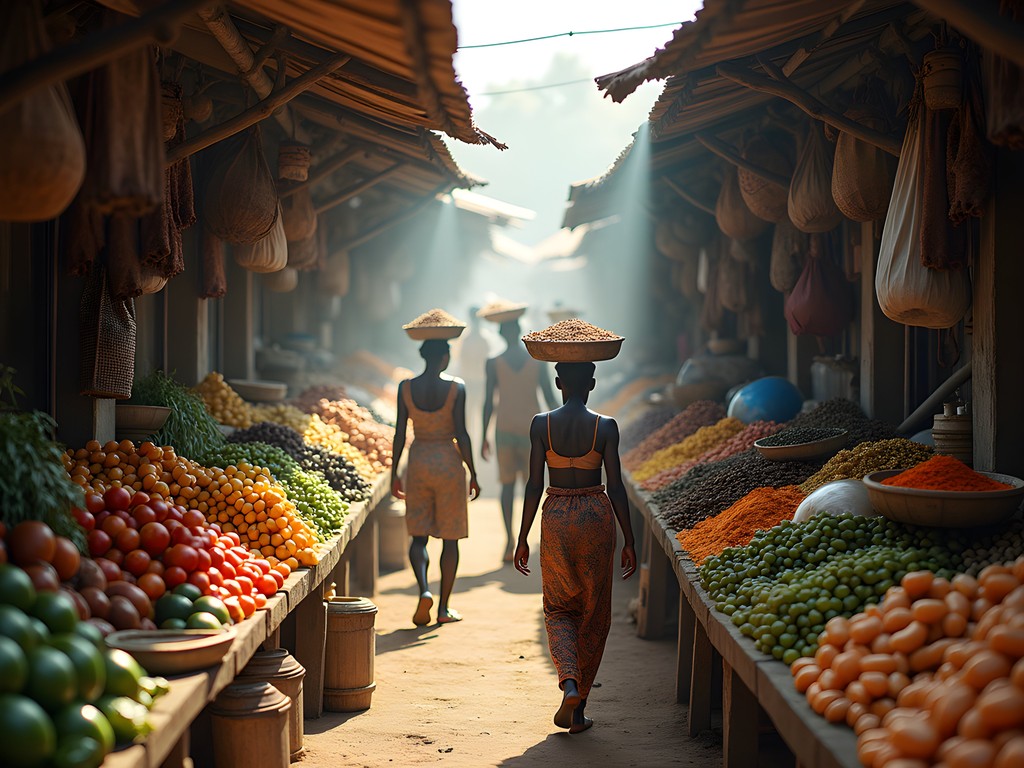
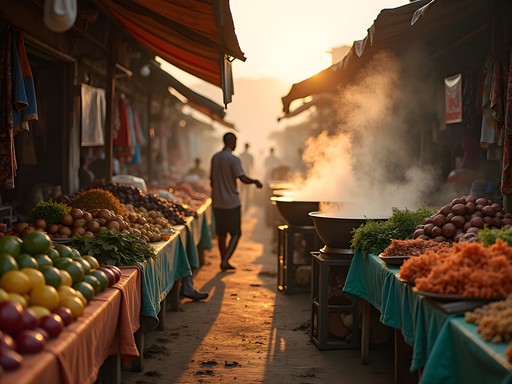
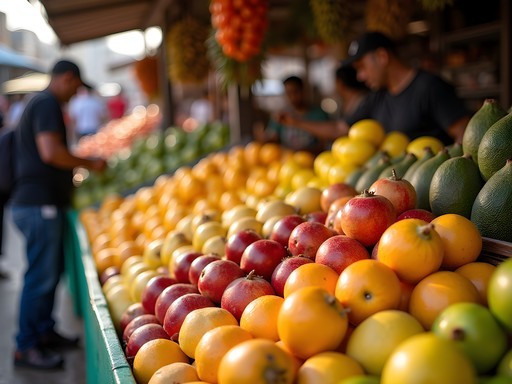
My culinary adventure began at Kotokuraba Market, Cape Coast's beating heart of food commerce. This sprawling marketplace is where locals shop daily, and where I quickly learned that personal space is considered an optional luxury. The market's narrow pathways wind between colorful stalls stacked impossibly high with everything from fresh produce to handcrafted cookware.
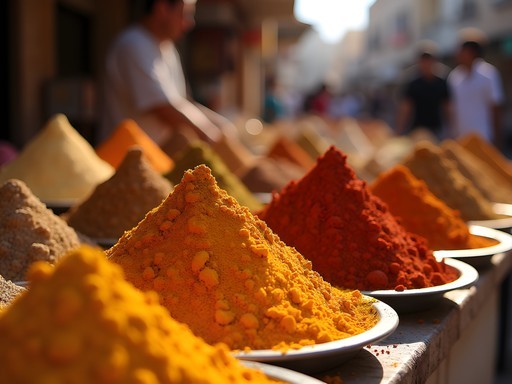
On my first morning, I arrived around 7 AM (pro move) with my trusty daypack slung over my shoulder, ready for a sensory overload. The market was already buzzing with activity – women balancing enormous basins on their heads with supernatural poise, vendors calling out prices, and the mingled aromas of spices, fresh fish, and tropical fruits creating an intoxicating perfume.
I quickly befriended Ama, a fruit vendor who took pity on my obvious foreigner status and guided me through the market's unwritten protocols. Under her tutelage, I sampled my first proper Ghanaian pineapple – sweeter and more fragrant than any I've tasted in California – and discovered the subtle flavor differences between plantains at various stages of ripeness.
The market isn't just about ingredients, though. It's where I first encountered kelewele – spicy fried plantains that became my go-to snack throughout the trip. These golden nuggets of starchy goodness, seasoned with ginger, cayenne, and other spices, pack a flavor punch that pairs perfectly with a cold local beer after a long day of exploration.
By day three, I'd established a morning ritual: market wandering followed by a breakfast of waakye (rice and beans) from a small stall run by a grandmother who found endless amusement in my attempts to pronounce Ghanaian food names. Mido akye (good morning) became the extent of my Twi vocabulary, but it was enough to earn smiles and occasionally more generous portions.
💡 Pro Tips
- Visit markets early (6-8 AM) for the freshest selections and fewer crowds
- Bring small bills and coins for easier transactions
- Ask permission before taking photos of vendors or their goods
Street Food Safari: Beyond the Tourist Trail
If markets are Ghana's culinary classroom, then street food is its hands-on lab. Cape Coast's street food scene isn't concentrated in any single area – it's everywhere, evolving throughout the day like a delicious choreographed dance. Morning brings out the kooko (millet porridge) vendors, midday sees red-red (black-eyed peas in palm oil with plantains) stations pop up, and evenings welcome chop bars – open-air eateries serving everything from fufu to grilled tilapia.
My most memorable street food experience came courtesy of a recommendation from my guesthouse owner. "Find the woman with the blue kiosk near Castle Road," he instructed cryptically. "Best jollof rice in Cape Coast." After some wandering (the locals got a kick out of my quest), I found Auntie Grace's modest stand. Her jollof – a one-pot rice dish cooked with tomatoes, peppers, and spices – was a revelation. The complex layers of flavor and perfectly calibrated heat had me returning daily, each visit ending with Auntie Grace laughing at my increasing spice tolerance.
Street food in Ghana isn't just about the food itself but the entire experience. At most stands, you'll find tiny plastic stools where customers perch while eating, creating impromptu social clubs. One evening, while enjoying grilled plantains and groundnut (peanut) soup, I found myself in an animated discussion about surfing with a group of local fishermen. Despite our different backgrounds, the universal language of good food created instant camaraderie.
For those concerned about street food safety, I came prepared with my water purifier bottle which let me stay hydrated without worrying about water quality. I also followed the golden rule of street food anywhere: eat where the locals eat, especially places busy enough that food doesn't sit around long.

💡 Pro Tips
- Look for busy stalls with high turnover – it ensures freshness
- Carry hand sanitizer, but don't be overly paranoid about street food
- Learn basic food terms in Twi to make ordering easier
From Sea to Plate: Cape Coast's Seafood Scene
As a coastal California transplant, I've developed high standards for seafood. Cape Coast not only met those expectations but redefined them entirely. The fishing industry here isn't some tourist attraction – it's a centuries-old tradition that remains central to both the local economy and cuisine.
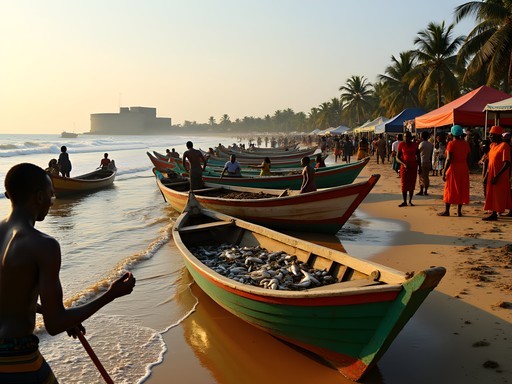
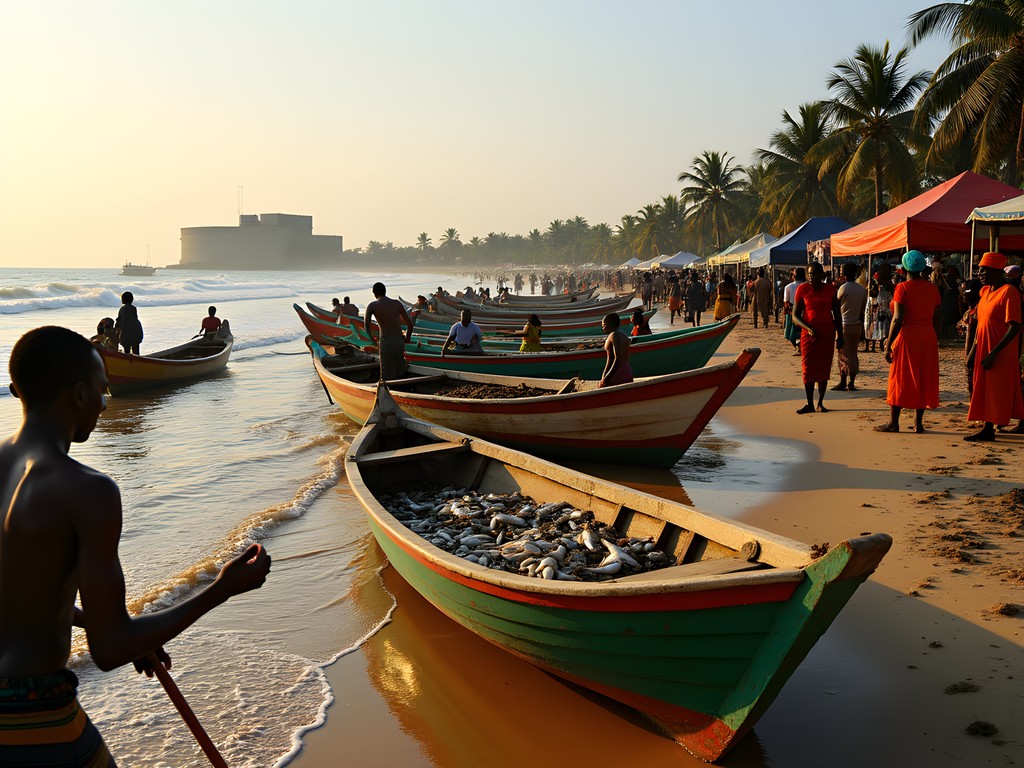
My seafood education began at Cape Coast's fishing harbor, where I arrived just as colorful wooden boats were returning with the morning catch. The beach transformed into an impromptu market as fishermen displayed their hauls directly on the sand. Women negotiators (often the wives or relatives of the fishermen) bartered loudly, selecting the best specimens to sell at markets or supply to restaurants.
What struck me most was the incredible freshness. Fish that had been swimming hours earlier were quickly cleaned, scaled, and often cooked right there on the beach. At a small shack constructed from driftwood and palm fronds, I watched a woman named Efua grill red snapper over charcoal, basting it occasionally with a mixture of palm oil, ginger, garlic, and chili. The result was nothing short of transcendent – smoky, spicy, and so fresh it barely needed the accompanying shito (hot pepper sauce) that Ghanaians add to practically everything.
Beyond the harbor, I discovered Cape Coast's answer to surf and turf at a local spot called Oasis Beach Restaurant. Here, grilled tilapia and banku (fermented corn dough) became my go-to order, always eaten traditionally with my hands (right hand only, as I quickly learned). The slight sourness of the banku perfectly complements the savory fish, creating a balance that somehow makes sense despite being unlike anything in Western cuisine.
For those planning their own Cape Coast seafood pilgrimage, I'd recommend bringing a compact travel towel for impromptu beach-side meals. Mine proved invaluable for everything from wiping hands after eating to creating a clean surface for sitting during harbor-side feasts.
💡 Pro Tips
- Visit the fishing harbor between 6-8 AM to see boats returning with the morning catch
- Learn to eat with your right hand – it's more authentic and actually enhances the experience
- Don't shy away from the shito (pepper sauce), but apply cautiously until you know your tolerance

Drinking Like a Local: Palm Wine, Beer, and Beyond
As a craft beer enthusiast with a well-documented Instagram history of brewery visits, I was curious about Ghana's drinking culture. While Cape Coast isn't exactly a microbrewery hotspot, it offers drinking experiences that are equally compelling and far more culturally immersive.
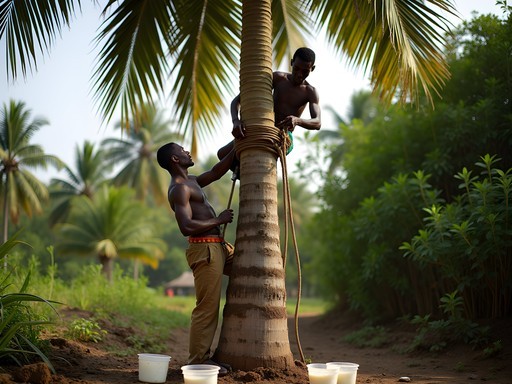
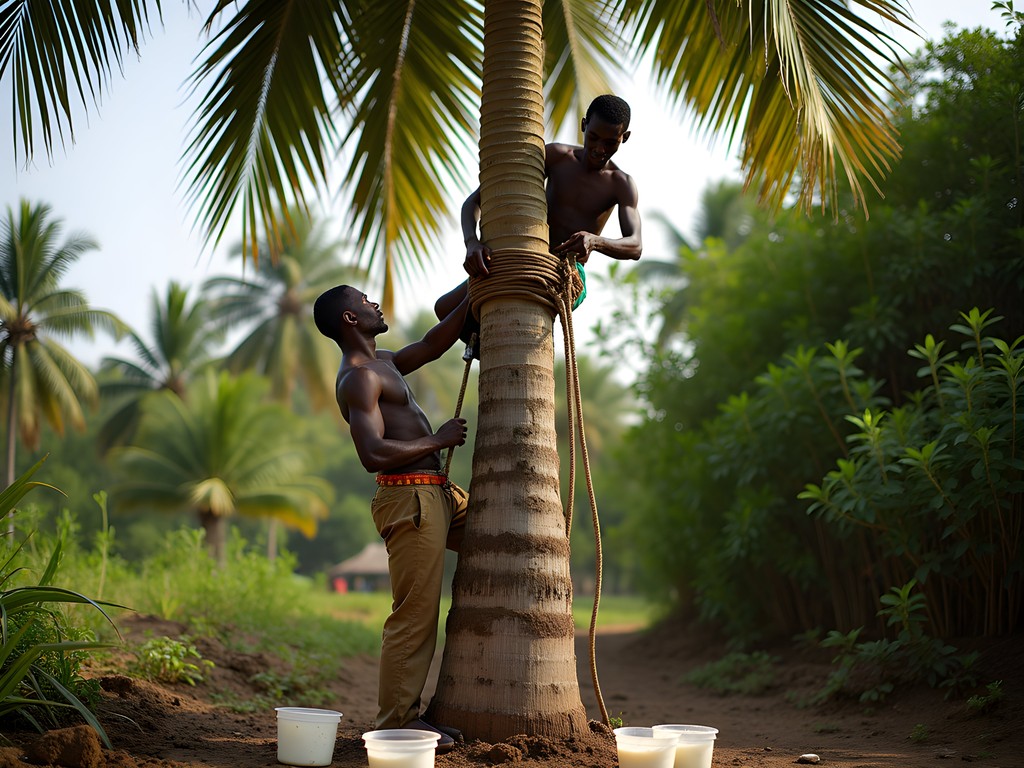
My introduction to Ghanaian drinks began with palm wine – the unfiltered sap of palm trees that ferments naturally into a milky, slightly effervescent beverage. At a palm wine bar (really just a collection of plastic chairs under a mango tree), I watched the tapper climb a palm tree with remarkable agility to demonstrate how the drink is harvested. Fresh palm wine is sweet and mild, but the longer it ferments, the more sour and alcoholic it becomes. By day's end, what started as breakfast-appropriate becomes potent enough to challenge even experienced drinkers.
The local commercial beers – Club and Star – became reliable companions during my stay. Neither will win craft brewing awards, but both are perfectly formulated for Ghana's climate: light, refreshing, and best served ice-cold. For something stronger, I encountered akpeteshie, a locally distilled spirit made from palm wine or sugar cane that could easily double as paint thinner. After one cautious sip that felt like swallowing liquid fire, I developed a healthy respect for locals who drink it casually.
The most surprising discovery was sobolo – a vibrant purple hibiscus tea served either hot or cold. Infused with ginger, pineapple, and various spices, it's both refreshing and complex. I became so addicted to this antioxidant-rich beverage that I purchased a insulated water bottle specifically to keep sobolo cold during long walks exploring the city.
Drinking in Cape Coast is inherently social. Whether at a chop bar, palm wine spot, or roadside sobolo stand, beverages are consumed communally, often shared from the same vessel. These drinking rituals provided some of my most authentic connections with locals, proving once again that food and drink transcend language barriers.
💡 Pro Tips
- Try palm wine early in the day when it's freshest and less alcoholic
- For beer, request 'extra cold' if you want it properly chilled
- Always pour a few drops on the ground before drinking as a sign of respect to ancestors (many locals do this)
Cooking with Mama: Home-Cooking Lessons in Cape Coast
The markets, street food, and restaurants gave me a comprehensive taste of Ghanaian cuisine, but something was missing – the heart and soul that comes from home cooking. Fortunately, my guesthouse owner connected me with his mother, Mama Abena, who agreed to teach me the fundamentals of Ghanaian cooking for a modest fee.
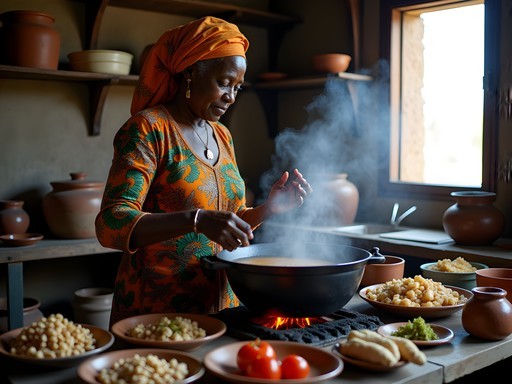
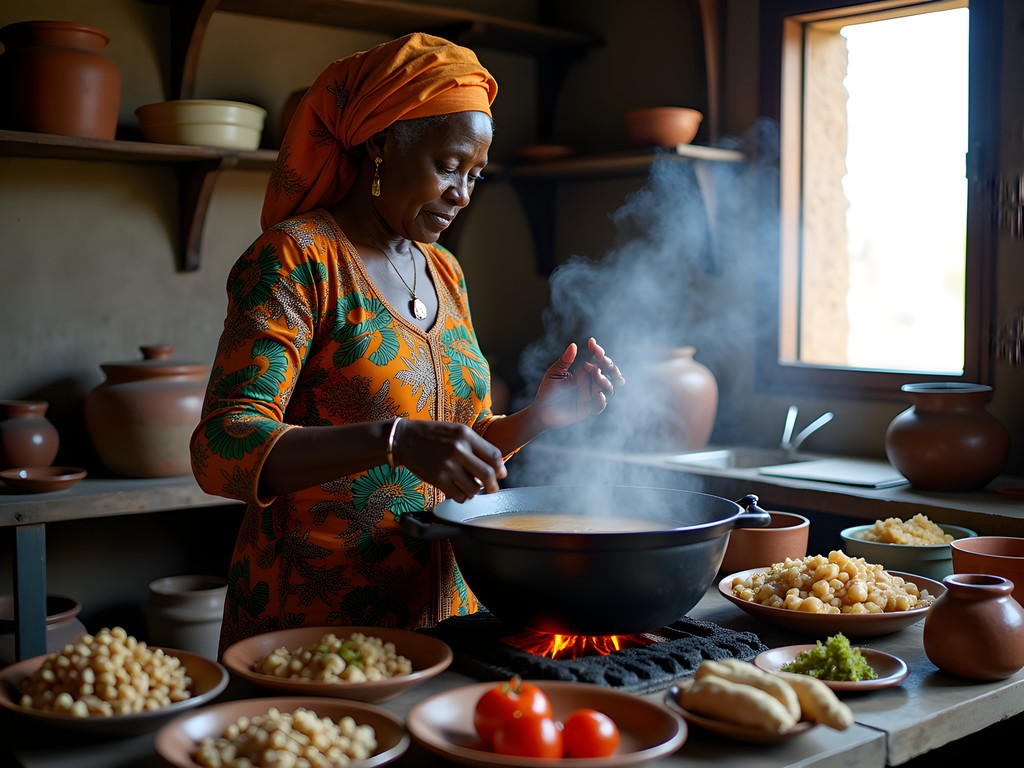
Mama Abena's kitchen was a far cry from the gleaming stainless steel setups I'm used to in California. A simple charcoal stove, a few well-worn pots, and an assortment of wooden utensils comprised her equipment. Yet from this humble setup emerged flavors of staggering complexity.
Our cooking lesson began with a trip to Kotokuraba Market, where Mama demonstrated how to select ingredients – thumping yams to check for freshness, sniffing tomatoes for ripeness, and haggling with fierce determination. Back at her home, we prepared groundnut soup with chicken, a dish that requires grinding peanuts into a paste and slowly building layers of flavor with ginger, chili, and various spices.
The most challenging dish was fufu – a staple made by pounding boiled cassava and plantains into a smooth, stretchy dough. Mama and her teenage granddaughter worked in perfect rhythm, one turning the mass in the mortar while the other struck with the pestle. When I attempted to join this choreographed routine, my off-beat pounding nearly sent the pestle flying across the courtyard, much to everyone's amusement.
What struck me most was how Ghanaian cooking relies on technique rather than precise measurements. "You add until it feels right," was Mama's frequent explanation, forcing me to develop a sensory understanding of the food. By the end of our session, my pocket notebook was filled with hastily scribbled observations rather than exact recipes – notes on consistency, color changes, and flavor combinations that I've since used to recreate these dishes at home in Fresno.
The meal we prepared together – enjoyed in the shade of a mango tree with Mama's extended family – remains the highlight of my Cape Coast experience. The food tasted better not just because I helped prepare it, but because I understood the cultural context and techniques behind each dish.
💡 Pro Tips
- Many guesthouses can arrange cooking lessons with local families – just ask
- Bring small gifts from your home country for your cooking instructor (I brought California almonds)
- Take photos of each cooking stage – it's easier than trying to write down recipes in the moment
Final Thoughts
Seven days in Cape Coast transformed my relationship with food in ways I never expected. Beyond the flavors themselves – the spicy heat of kelewele, the complex depth of groundnut soup, the fresh simplicity of grilled catch-of-the-day – I discovered how food serves as both cultural ambassador and social connector. Each meal became a doorway into understanding Ghana's history, values, and daily rhythms.
As someone who typically plans trips around waves and brews, this culinary detour reminded me why travel matters: it pushes us beyond our comfort zones and preconceptions. Cape Coast may not have offered the surf breaks of Costa Rica or the craft beer scene of Oregon, but it provided something equally valuable – a genuine human connection through the universal language of food.
So whether you're a dedicated foodie or just a curious traveler seeking authentic experiences, Cape Coast's markets, street food, and home kitchens await. Come hungry, both for food and for understanding. Ɛyɛ dɛ! (It is delicious!)
✨ Key Takeaways
- Cape Coast offers authentic culinary experiences at a fraction of typical tourist destination prices
- The best food experiences come from connecting with locals rather than following guidebooks
- Learning cooking techniques provides deeper cultural understanding than simply eating the finished dishes
📋 Practical Information
Best Time to Visit
year-round, though December-March offers drier weather
Budget Estimate
$30-50 USD per day including accommodation, food, and activities
Recommended Duration
5-7 days
Difficulty Level
Intermediate

Comments
Sophia Gomez
Love seeing more West African food content! I was in Accra for a conference last fall and only had one day in Cape Coast, but it was enough to make me want to return for a proper food tour. The red red I had there was life-changing - I've been trying to recreate it at home with zero success. Justin, did you find the street vendors generally open to explaining their cooking methods? I'm always curious about techniques but don't want to be intrusive when people are clearly busy working.
oceanninja
adding this to my bucket list!! i've been wanting to do a food-focused trip somewhere different and this looks perfect. the seafood section especially caught my attention. how much did you spend per day on food roughly? trying to budget
Justin Takahashi
Street food is incredibly cheap - like $2-5 per meal. Even at nicer restaurants I rarely spent more than $15-20. You can eat really well on $20-30 a day total.
freelife
is cape coast safe for solo travelers? planning my first africa trip and kinda nervous tbh
Sophia Gomez
I traveled solo through Ghana for work and felt very safe. Just use common sense like anywhere - don't flash expensive stuff, be aware of your surroundings. Cape Coast is super tourist-friendly.
freelife
thanks that helps a lot!
winterchamp4736
Great photos man!
Casey Andersson
Justin, this brought back so many memories! I spent three weeks in Ghana last year and Cape Coast was definitely a highlight. The Kotokuraba Market is absolute sensory overload in the best way possible. I actually hired a local guide through my hotel who took me around and explained all the ingredients - totally worth it. She introduced me to fufu and light soup at this tiny spot near the castle that I never would have found on my own. The hospitality there is just unmatched. Did you make it to any of the villages outside Cape Coast? The palm wine tapping demonstration I saw in Kakum area was fascinating!
winterchamp4736
hiring a guide is smart, wish i'd done that
summerseeker
this looks amazing!! how spicy is the kelewele actually? i'm not great with heat lol
Justin Takahashi
It varies by vendor! Most places can make it milder if you ask. The ginger is the dominant flavor anyway, so don't worry too much.
summerseeker
ok cool thanks!!
Sarah Powell
What a fantastic culinary deep-dive, Justin! Your approach to local markets reminds me of my own strategy - I always bring my pocket phrasebook which has food terms in multiple languages including Twi. It made such a difference at the Kotokuraba Market where I could ask vendors about unfamiliar ingredients. The fishmonger section is indeed overwhelming for first-timers! Did you make it to any of the small chop bars away from the castle area? I found that's where the real culinary magic happens - especially for fufu and light soup. Your post captures the sensory experience so well - I can almost smell those smoky grills and hear the market calls. Looking forward to your next food adventure!
Justin Takahashi
Thanks Sarah! I did venture to a few chop bars in the residential areas - got some great recommendations from my guesthouse host. That light soup with goat was incredible. A phrasebook would've been smart - I was mostly pointing and smiling!
exploreking
Just got back from Ghana last week! If you go to Cape Coast Castle, there's an amazing woman selling groundnut soup right outside the entrance. Best meal of our trip! Also, don't miss trying Club beer with your meals - perfect match for spicy food.
wanderlustmaster
Any tips for vegetarians visiting Cape Coast? The seafood looks amazing but I don't eat meat or fish.
Sarah Powell
Not Justin, but I was in Cape Coast as a vegetarian last year! The red-red (black-eyed peas stew with plantains) is amazing and completely veg. Also look for kontomire stew made with cocoyam leaves - just ask them to make it without fish. The groundnut (peanut) soup can often be made vegetarian too. Most places were super accommodating once I explained.
wanderlustmaster
Thanks so much Sarah! That's really helpful. Red-red sounds delicious!
Kimberly Murphy
Justin, your post took me right back to my own Cape Coast adventure last year! Those kelewele plantains were my absolute addiction - I think I had them every single day. The fishermen bringing in the catch at dawn is such a magical experience too. Did you try the palm wine straight from a tapper? I found a local guide who took me to meet his uncle who climbs the trees daily. Watching him tap the trees and trying the fresh, slightly fizzy wine was unforgettable. I've got a post about Ghana's northern food traditions coming next month if you're planning to head that way!
Justin Takahashi
Kimberly! Yes, I did try fresh palm wine - game changer compared to what they serve in the touristy spots. I'd love to check out your northern Ghana food post when it's up. I'm actually considering Tamale for my next trip.
Venture X
Premium card with 2X miles, $300 travel credit, Priority Pass