
Disclosure: This article contains affiliate links. We may earn a commission from purchases at no extra cost to you, which helps our travel content.
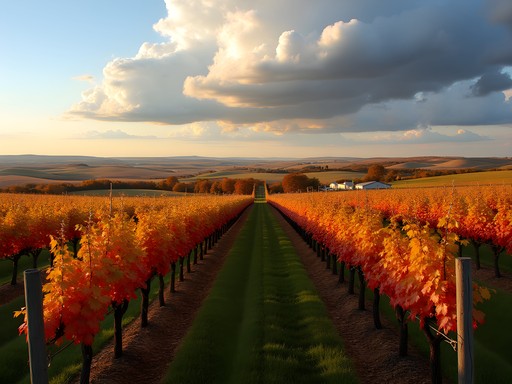
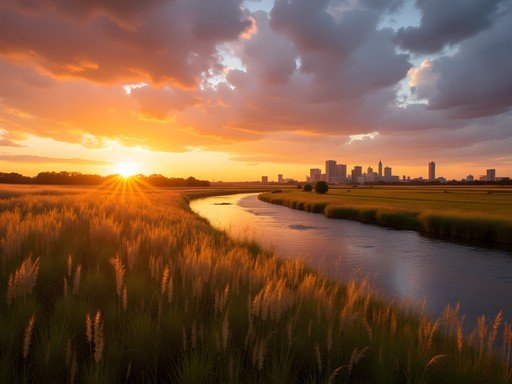
There's something almost medicinal about watching the golden prairie sunset from a restaurant window in Bismarck while savoring locally sourced bison prepared with foraged herbs. North Dakota's capital city might not be the first place that comes to mind for a culinary getaway, but like a patient showing unexpected vitality signs, Bismarck's food scene has undergone a remarkable transformation. As someone who's traced disappearing cultural traditions from Cairo's railways to Brazil's Atlantic Forest, I've developed a keen appreciation for places where heritage and innovation transfuse into something extraordinary. This fall weekend in Bismarck revealed a food ecosystem as interconnected and vital as any rainforest I've explored.

The Prairie-to-Plate Philosophy
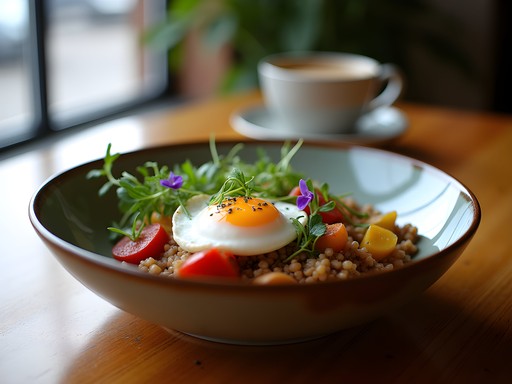
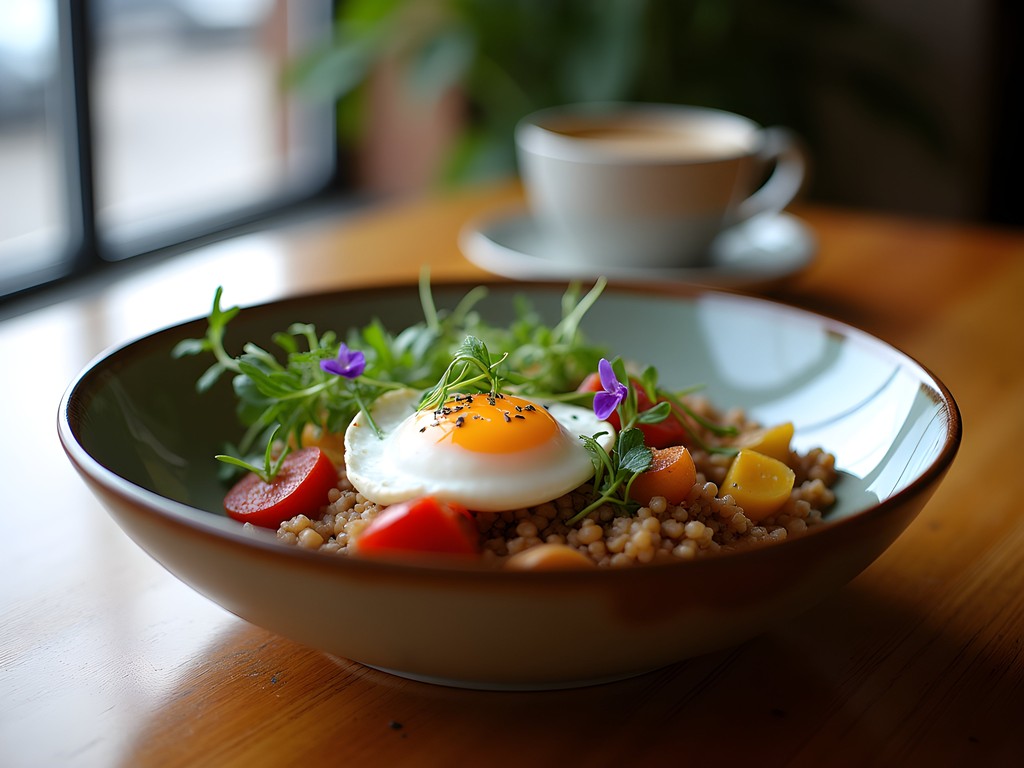
The relationship between Bismarck's chefs and local farmers reminds me of the symbiotic connections I've observed in healthcare—each entity supporting the other's survival and growth. At Terra Nomad, a café and bakery downtown, I watched owner Chelsea Hammer transform simple ingredients into complex flavor profiles that tell the story of North Dakota's agricultural heritage.
The restaurant's seasonal breakfast bowl—featuring ancient grains, root vegetables, and local eggs—offers a nutritional profile that would make any healthcare professional nod in approval. What struck me most was Chelsea's description of her weekly conversations with farmers, adjusting her menu based on what's thriving in the soil rather than forcing ingredients that aren't ready to be harvested.
This approach mirrors what my Egyptian grandfather once told me about the Cairo railway system: it's not about imposing a schedule on the land but learning to move in rhythm with it. In Bismarck, that rhythm is dictated by short growing seasons and hardy crops that have adapted to survive—much like the resilient people who call this region home.
💡 Pro Tips
- Visit Terra Nomad early (before 9am) on weekends to avoid the local rush
- Ask your server which farms supplied the day's ingredients for insights into local agriculture
- Try their seasonal shrub drinks made with preserved local fruits
Bison and Beyond: Indigenous Influence
The revival of indigenous food traditions in Bismarck feels like witnessing the recovery of a patient once thought lost—a cultural healing that's both remarkable and necessary. At Butterhorn, chef Shane Cornelius incorporates Native American ingredients and techniques into contemporary dishes with the precision of a skilled medical practitioner.
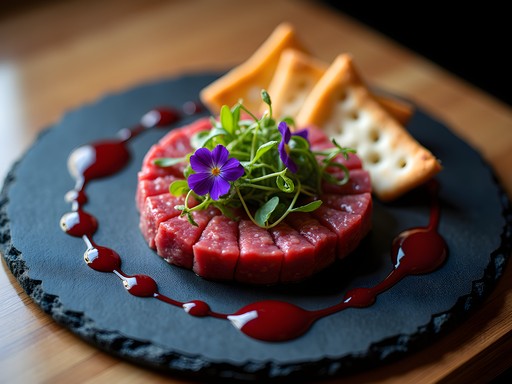
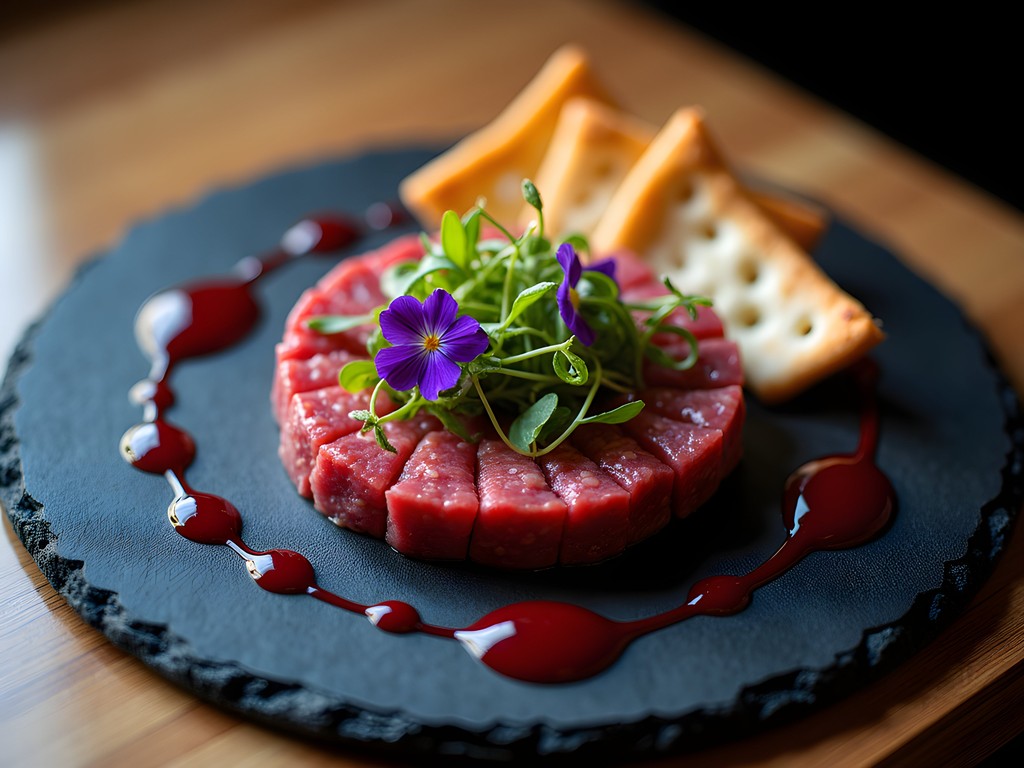
Their bison tartare, served with prairie-foraged herbs and chokecherry reduction, offers more than just flavor—it delivers a history lesson on the Northern Plains food systems that sustained people for centuries. The restaurant's commitment to ethical sourcing means your meal comes with the knowledge that you're supporting regenerative agriculture practices.
I was particularly moved by their use of timpsula (wild turnip), a traditional indigenous root vegetable that nearly disappeared from regional cuisine. The chef explained how they're working with local Lakota farmers to reintroduce these heritage ingredients—a form of cultural preservation that resonates deeply with my own mission to document disappearing traditions.
For those looking to bring some of these flavors home, I recommend picking up a bottle of wild chokecherry syrup, which adds a uniquely regional touch to everything from pancakes to cocktails.
💡 Pro Tips
- Reserve a table at Butterhorn at least two weeks in advance for weekend dinners
- Order the chef's tasting menu for the fullest expression of seasonal ingredients
- Ask about the story behind unfamiliar ingredients—servers are knowledgeable about indigenous food history
The Forager's Medicine Cabinet
My nursing background has always drawn me to the medicinal properties of plants, so Bismarck's emerging interest in foraged ingredients felt like discovering a colleague with shared passions. At The Toasted Frog, chef Ryan Zander incorporates wild-harvested elements that would be at home in any traditional healer's repertoire.
The restaurant's fall menu featured a remarkable dish of pan-seared walleye with foraged morel mushrooms and wild rice—ingredients that form a nutritional triad supporting immune function, something I often discuss with patients during flu season. What appears as culinary creativity also represents generations of prairie wisdom about food as medicine.
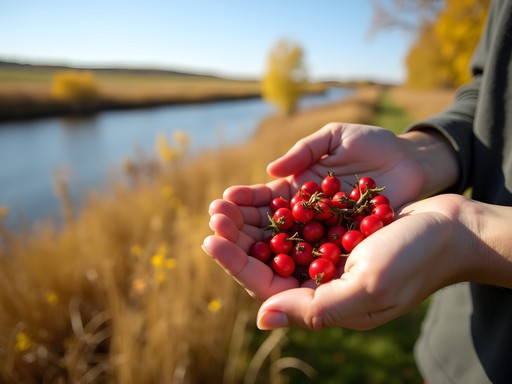
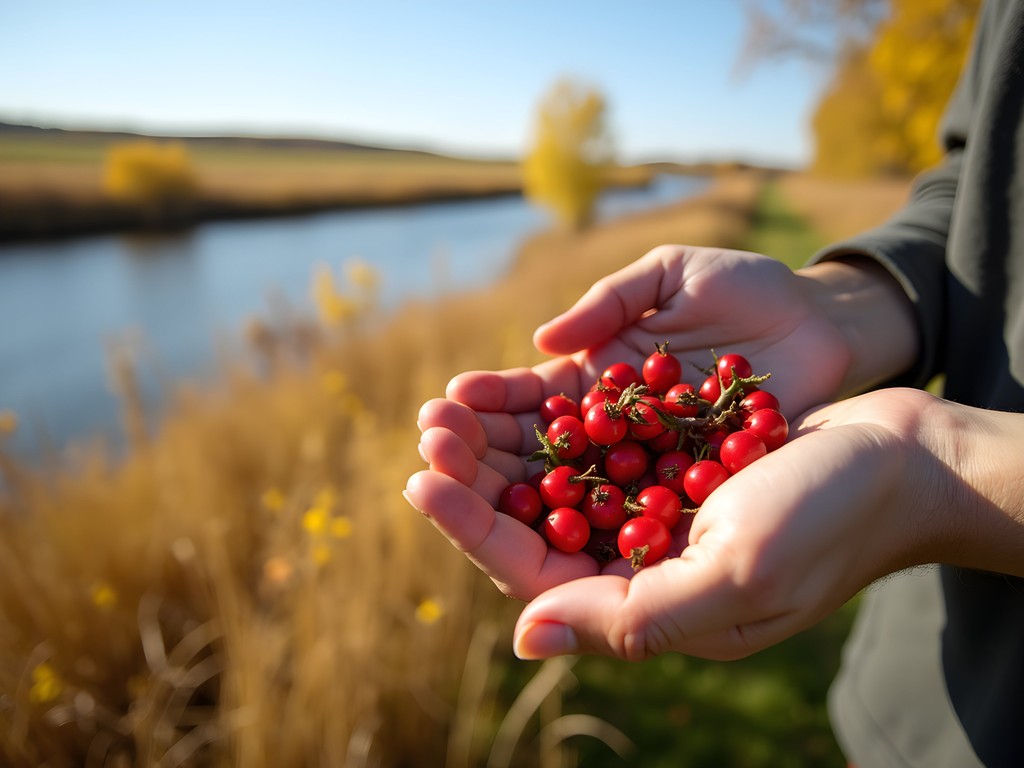
During my visit, I joined a Saturday morning foraging walk organized by local herbalist Sarah Vogel. We collected rosehips, juniper berries, and wild mint along the Missouri River trails—ingredients that later appeared in a specially prepared tasting menu at The Toasted Frog that evening. The experience reminded me of gathering medicinal plants with my wife in Brazil's Atlantic Rainforest, though the ecosystem couldn't have been more different.
For those interested in prairie foraging, I highly recommend the field guide that Sarah authored. It's become my constant companion when exploring the Midwest's wild food resources.
💡 Pro Tips
- Sign up for seasonal foraging walks through Bismarck Parks & Recreation (they fill quickly)
- Always verify wild ingredients with an expert before consuming
- The Toasted Frog's bar menu offers more affordable ways to sample their foraged ingredients

Preservation: Culinary Time Capsules
If there's one thing my years documenting vintage trains has taught me, it's that preservation requires both technical skill and deep reverence for the past. In Bismarck's culinary scene, no one embodies this principle better than the team at Fireflour Pizzeria & Coffee Bar, where ancient fermentation techniques meet modern sustainability practices.
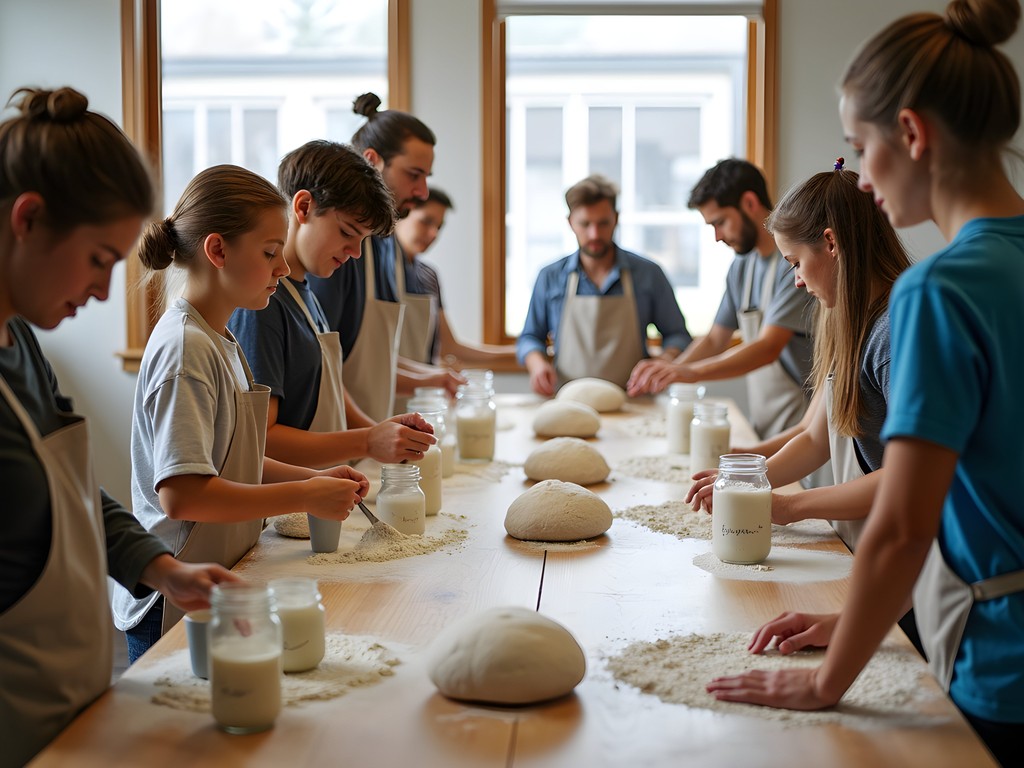
Owner Kenny Howard explained his sourdough starter's lineage—descended from one brought by German-Russian immigrants in the 1880s—with the same precision I've heard railway engineers describe historic locomotive specifications. The starter requires daily attention, much like the vintage trains my grandfather maintained in Cairo.
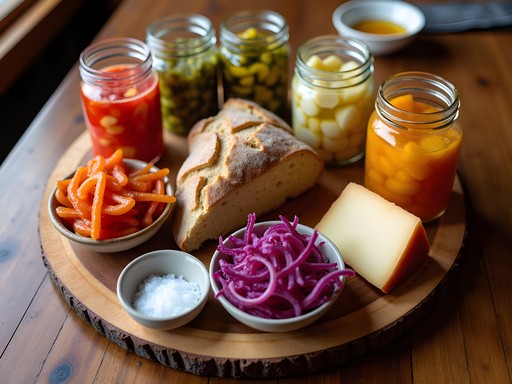
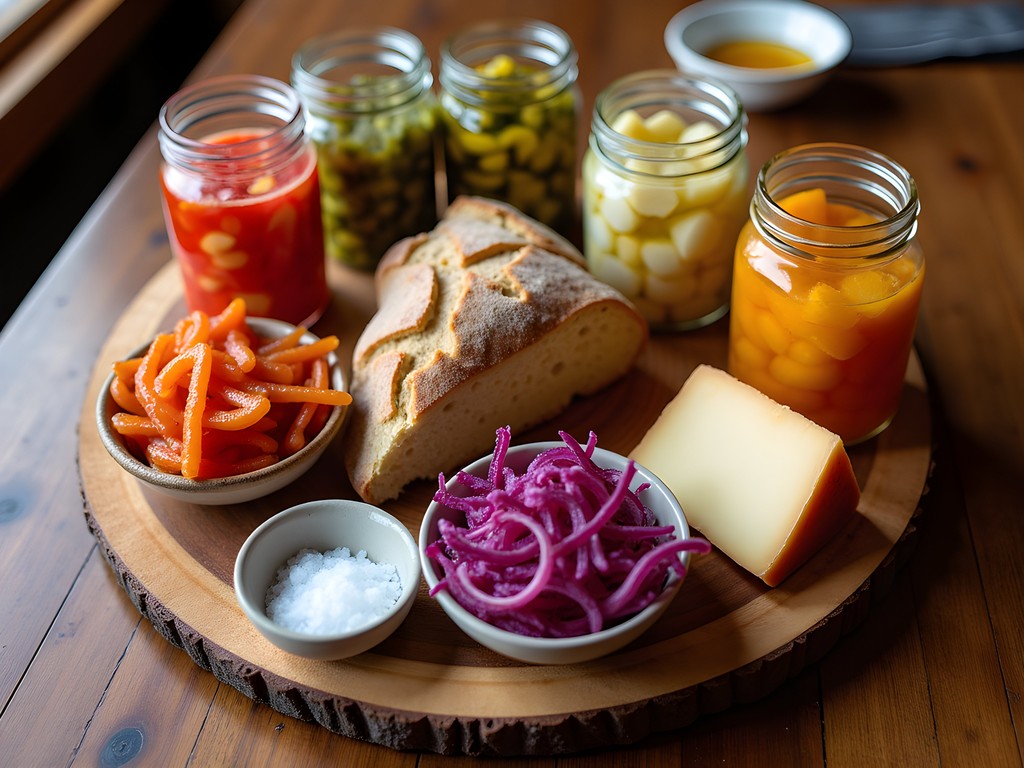
Fireflour's commitment extends beyond bread to preserving seasonal abundance through pickling, fermenting, and canning. Their fall harvest board—featuring house-preserved summer vegetables, local cheeses, and sourdough crackers—tells the story of North Dakota's growing season on a single plate.
For home preservationists, I found the fermentation crock they sell to be an excellent investment. It's similar to what I use for preserving medicinal herbs I gather during my rainforest expeditions, though here it's employed for sauerkraut and pickled prairie vegetables.
During my visit, I participated in their community preservation workshop, where locals brought family recipes to share alongside techniques. The intergenerational knowledge exchange reminded me of train enthusiasts passing down mechanical wisdom—a living heritage that requires practice to maintain.
💡 Pro Tips
- Sign up for Fireflour's monthly preservation workshops at least 3 weeks in advance
- Purchase their sourdough starter to bring home a piece of North Dakota heritage
- Visit on Thursdays when they feature special pizzas topped with preserved seasonal ingredients
Prairie Wine Country: The Unexpected Terroir
Perhaps the most surprising discovery during my Bismarck culinary expedition was the region's emerging wine scene. As someone who's documented traditional beverages across continents, I approached North Dakota wines with professional curiosity—and found them to be a fascinating study in agricultural adaptation.
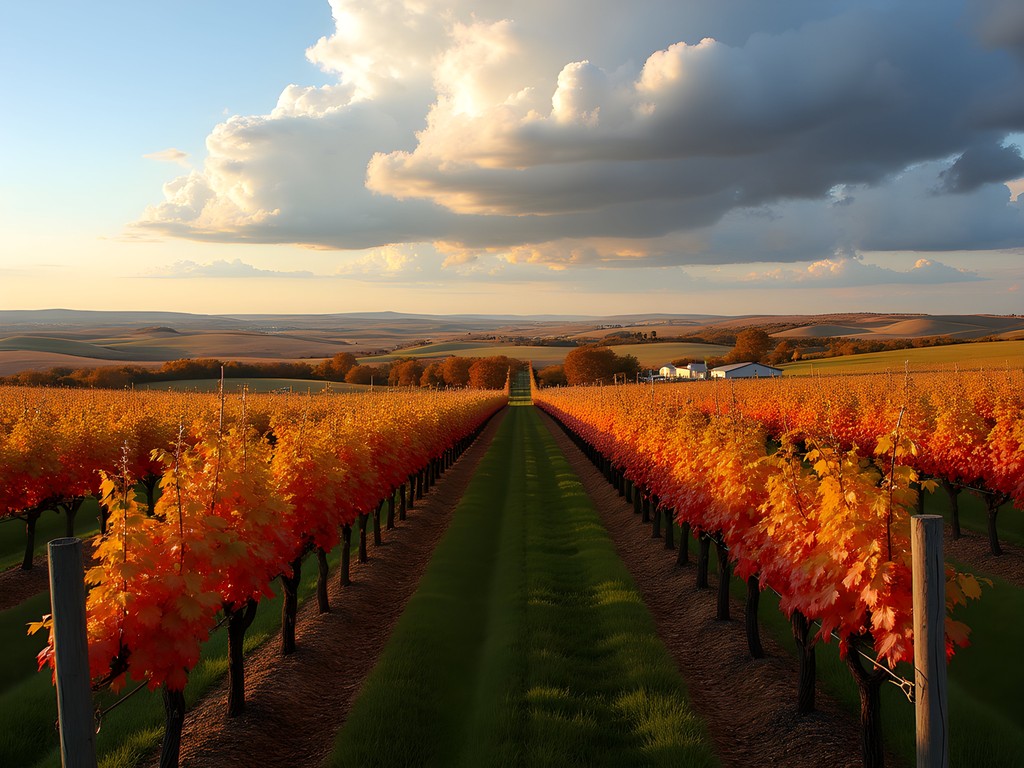
At Fluffy Fields Vineyard, about an hour west of Bismarck, winemaker Kevin Kinzel has pioneered cold-climate viticulture using hybrid grapes specifically developed for harsh northern conditions. The resulting wines possess unique characteristics that reflect their environment—much like how regional train designs evolved to address specific geographical challenges.
Their Frontenac Gris, with notes of apricot and citrus, pairs beautifully with the local freshwater fish dishes found throughout Bismarck. I was particularly impressed by their use of prairie fruits like chokecherries and juneberries in specialty wines that connect to indigenous food traditions.
To fully appreciate these unique terroir expressions at home, I recommend investing in proper wine glasses that can showcase the distinctive characteristics of these cold-climate varieties. The proper glass shape enhances the aromatic compounds that make these regional wines so distinctive.
For those interested in vineyard visits, I suggest bringing a insulated wine tote to transport your purchases safely back to Bismarck—the temperature fluctuations common in prairie weather can affect wine quality if not properly protected.
💡 Pro Tips
- Call ahead to Fluffy Fields for a private tasting with the winemaker (available weekdays)
- Look for wines made from University of Minnesota-developed grape varieties like Marquette and La Crescent
- Many Bismarck restaurants offer flight pairings of local wines—a great way to sample multiple varieties
Final Thoughts
As my weekend in Bismarck drew to a close, I found myself reflecting on the parallels between this culinary renaissance and the healthcare principles I practice daily. Both require a delicate balance of innovation and tradition, technical precision and intuitive understanding. Both recognize that nourishment—whether of body or community—depends on respecting the interconnected systems that sustain us.
Bismarck's farm-to-table movement isn't just about following a national trend; it's about reclaiming the direct connection to food that defined this region before industrial agriculture changed the landscape. Like the vintage trains I document around the world, these traditional food ways represent something worth preserving—not as museum pieces, but as living, evolving practices.
As you plan your own culinary journey to North Dakota's capital, I encourage you to approach each meal as both celebration and education. Ask questions about sourcing, preparation techniques, and family histories. The chefs and farmers of Bismarck are writing a new chapter in the region's food story, one that honors the past while adapting to contemporary challenges. And isn't that the most vital sign of a healthy culture—the ability to evolve while remembering its roots?
✨ Key Takeaways
- Bismarck's farm-to-table scene balances innovation with deep respect for prairie food traditions
- Indigenous ingredients and techniques are being revitalized through collaborative relationships between chefs and Native producers
- Preservation methods (fermentation, pickling, canning) play a crucial role in extending North Dakota's short growing season
- Cold-climate viticulture is creating unique wine expressions worth exploring
- Fall offers the perfect season to experience the full abundance of local harvest
📋 Practical Information
Best Time to Visit
September-October (harvest season)
Budget Estimate
$150-250/day for lodging, meals and activities
Recommended Duration
2-3 day weekend
Difficulty Level
Beginner



Comments
Haley Hamilton
I love how you connected the foraging culture to indigenous traditions, Ahmed. Last year I spent time on the Standing Rock reservation and learned about traditional food preservation methods - the same techniques you mention in your 'Culinary Time Capsules' section. It's heartening to see Bismarck restaurants honoring these practices rather than appropriating them. The bison preparation methods have been refined over centuries, and it shows in the depth of flavor. This kind of culinary storytelling matters.
roamlife
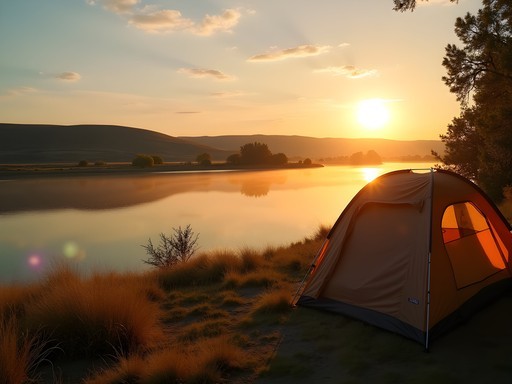
The sunset photo is gorgeous!
escapebackpacker
Just got back from Bismarck yesterday and can confirm everything in this article! The bison tartare at Copper Ridge was INCREDIBLE. Also tried the fermented carrot hot sauce they sell in little bottles - brought three home! Who knew North Dakota would blow my culinary mind?
Hayden Butler
Ahmed, this piece resonates deeply. I visited Bismarck three months ago and experienced a tasting menu that rivaled anything I've had in Charleston or Portland. The chef's approach to bison tartare with prairie turnips was revelatory - it's this beautiful marriage of French technique and indigenous ingredients. What struck me most was the commitment to hyperlocal sourcing. Every ingredient had a story, every dish connected to the land. The Midwest is having its moment, and Bismarck is leading the charge in unexpected ways.
wavegal
okay now I HAVE to go! adding to my bucket list
wildchamp
Any specific restaurant names? Planning a road trip
greendiver
I was in Bismarck last summer for work and honestly didn't expect much food-wise but ended up at this place that did bison short ribs with chokecherries. Blew my mind. The whole prairie foraging thing is legit - our server explained how they work with local gatherers for wild herbs and berries. Totally changed my perspective on North Dakota cuisine.
Haley Hamilton
The chokecherries are amazing right? I had a similar experience in Montana with foraged ingredients. There's something special about these prairie states embracing their indigenous food traditions.
greenqueen
As someone who's been following the sustainable food movement for years, it's SO refreshing to see smaller cities like Bismarck embracing farm-to-table in authentic ways. Those preservation techniques you mentioned are exactly how we need to be thinking about food systems - honoring traditional knowledge while building resilience. Can't wait to visit and support these businesses!
wavegal
Wait, Bismarck has farm-to-table?? This is so cool!
coolpro
right?? never thought about visiting ND but now im curious
wanderblogger
Just got back from Bismarck and tried Prairie Provisions based on this article. The bison tartare with juniper oil was mind-blowing! Thanks for the recommendation.
Ahmed Perry
So glad you enjoyed it! Did you get to try their house-made bread with the cultured butter? Still dreaming about it!
wanderblogger
Yes! That sourdough with the butter sprinkled with those smoked salt flakes... unreal. We bought a loaf to go!
Fatima Sims
Ahmed, your piece beautifully captures what's happening in so many overlooked Midwestern cities! I had a similar revelation in Bismarck last winter when a blizzard forced me to extend my stay for three unexpected days. What began as frustration turned into culinary delight as I discovered these farm-to-table gems. The connection between healthcare principles and food sustainability you mentioned resonated deeply - I interviewed a doctor-turned-farmer outside the city who supplies several restaurants with heritage vegetables. He explained how growing methods directly impact nutritional content, something I've documented in my food journal. Did you find the prices reasonable compared to similar quality restaurants in larger cities?
Ahmed Perry
That doctor-farmer connection is fascinating, Fatima! And yes, I found the prices surprisingly reasonable - about 30% less than comparable meals in Minneapolis or Chicago, even though they're sourcing such high-quality ingredients. The shorter supply chain seems to make a difference.
Venture X
Premium card with 2X miles, $300 travel credit, Priority Pass