

Disclosure: This article contains affiliate links. We may earn a commission from purchases at no extra cost to you, which helps our travel content.
The moment I stepped off the plane in Baton Rouge, my senses were immediately enveloped by something I hadn't anticipated – that distinctive aroma of Cajun spices wafting through the air, telling stories of generations past. As someone who's spent decades mapping Australia's rugged terrain and the last several years exploring Alaska's vast wilderness, I've developed a surveyor's precision for documenting landscapes. But here in Louisiana's capital, I found myself mapping something entirely different: a rich culinary topography where every restaurant, market stall, and family kitchen holds coordinates to treasure. This weekend food crawl wasn't just about satisfying hunger – it was about understanding how a region's history, environment, and cultural intersections manifest on the plate. Grab your appetite and a good pair of walking shoes; we're about to embark on a methodical exploration of Baton Rouge's Cajun cuisine that combines my technical approach to discovery with the pure joy of eating extraordinarily well.

Understanding Cajun Cuisine: A Surveyor's Perspective
Before diving into specific eateries, let me establish some baseline coordinates. Cajun cuisine isn't simply a style of cooking – it's a cultural landmark with clear historical boundaries and influences. Originating with the Acadian exiles from Canada in the 18th century, this cuisine represents adaptation and resilience, utilizing what the Louisiana landscape provided.
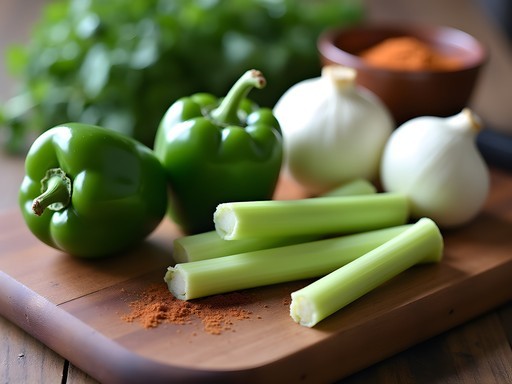
As a surveyor, I appreciate precision, and there's nothing imprecise about authentic Cajun cooking. The holy trinity of bell peppers, onions, and celery forms the foundation of nearly every dish, much like how triangulation points establish a reliable survey grid. Layered upon this foundation are specific techniques – blackening, smothering, étouffée – each with distinct methodologies and outcomes.
During my exploration, I carried my field notebook everywhere, documenting flavor profiles and cooking methods with the same attention to detail I once used for documenting rock art sites. The parallels between mapping terrain and mapping flavor are surprisingly numerous – both require careful observation, documentation of patterns, and respect for what came before.
What distinguishes Baton Rouge's Cajun scene from New Orleans is its proximity to rural traditions and less tourism influence, resulting in food that's often more straightforward but no less complex in flavor. Here, roux isn't just an ingredient – it's a spectrum ranging from blonde to chocolate-brown, each shade indicating different applications and flavor profiles.

💡 Pro Tips
- Learn to identify the 'holy trinity' of Cajun cooking: bell peppers, onions, and celery – they form the base of authentic dishes
- Understand that true Cajun cuisine isn't necessarily spicy-hot but rather deeply seasoned
- Appreciate the distinction between Cajun (rural, French-Acadian roots) and Creole (urban, multi-cultural influences) cooking traditions
Market Mapping: Sourcing Like a Local
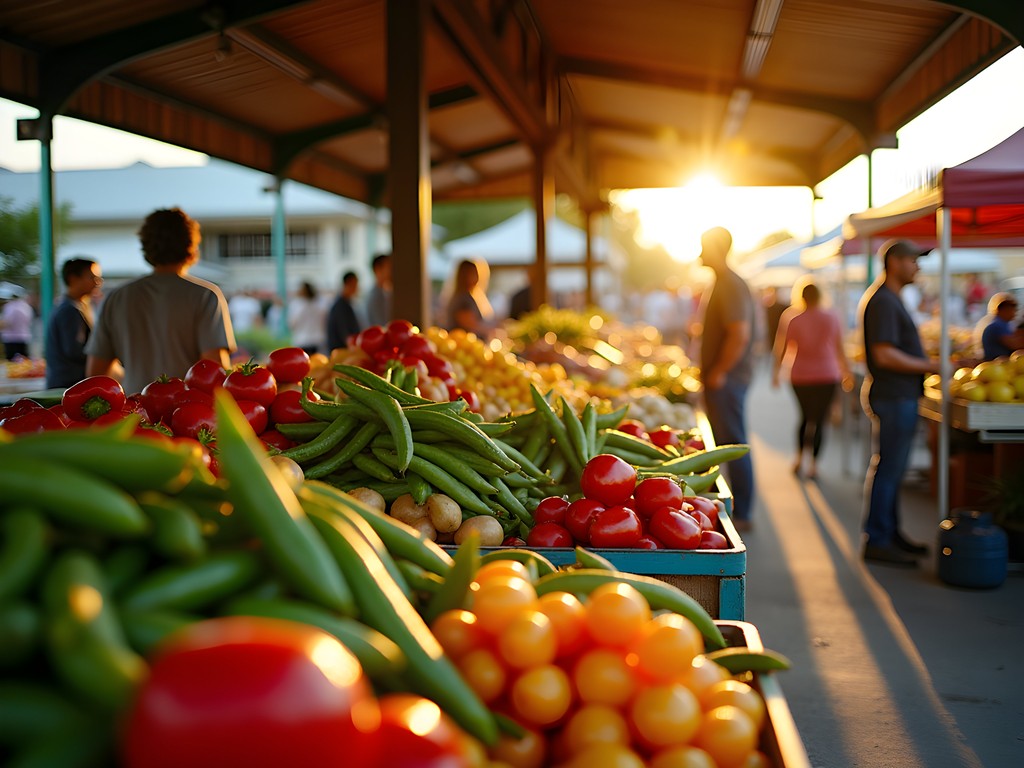
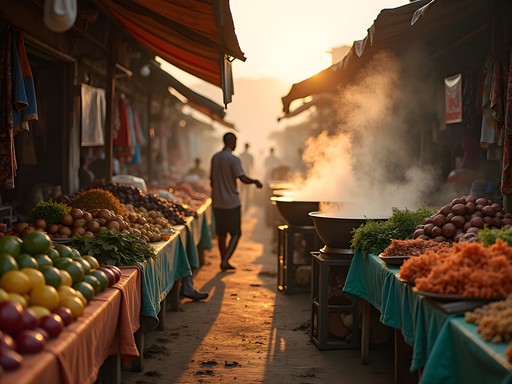
My exploration always begins at local markets – they're the geological bedrock of any food culture. The Red Stick Farmers Market (named for Baton Rouge's French translation) operates Thursday mornings downtown and Saturday mornings at the Main Library on Goodwood Boulevard. Here, the coordinates for authentic Cajun cuisine are laid bare.
Navigating between stalls, I documented local specialties with the same methodical approach I once used for cataloging Aboriginal rock art sites. Farmers proudly displayed okra, mirlitons (chayote squash), and varieties of peppers I'd never encountered in Alaska. One vendor, Ms. Thibodeaux, whose family has farmed the same land for seven generations, showed me how to select the perfect andouille sausage – firm but not hard, with a balanced ratio of meat to fat.
At Southside Produce Market, I discovered an impressive selection of local seafood. The crawfish, when in season, are measured and graded with a precision that would impress any surveyor. I watched as locals negotiated for the freshest catch, their standards as exacting as any quality control system I've encountered.
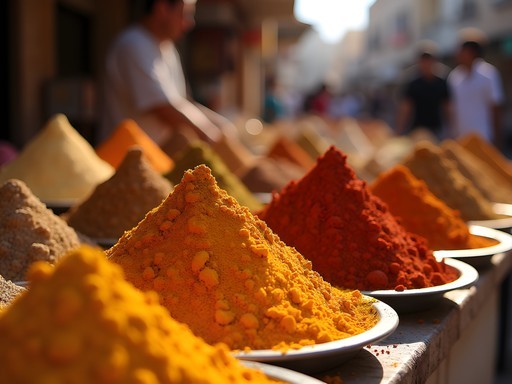
For those wanting to bring flavors home, I recommend stopping by Red Stick Spice Company. Their house-blended Cajun seasonings are meticulously formulated, and I filled my travel spice kit with their blackening blend and file powder (ground sassafras leaves essential for gumbo).
💡 Pro Tips
- Visit Red Stick Farmers Market early (before 9am) for the best selection of seasonal produce
- Ask vendors about cooking suggestions – most are happy to share family recipes and techniques
- Look for seafood labeled with harvest location – locally sourced is always preferable
Landmark Eateries: Mapping the Must-Visit Coordinates
After establishing the baseline understanding of ingredients, I triangulated the positions of Baton Rouge's essential Cajun eateries. Like geological formations that define a landscape, these establishments form the backbone of the local food scene.
Poor Boy Lloyd's downtown has been operating since 1967 and serves po'boys that adhere to strict traditional specifications. Their oyster po'boy demonstrates perfect textural contrast – crisp-fried seafood against soft French bread, the sandwich's structural integrity maintained despite generous dressing. I measured mine at nearly 12 inches – field notes indicate it was consumed in approximately 15 minutes.
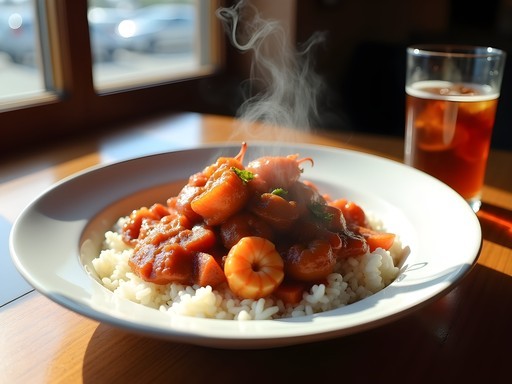
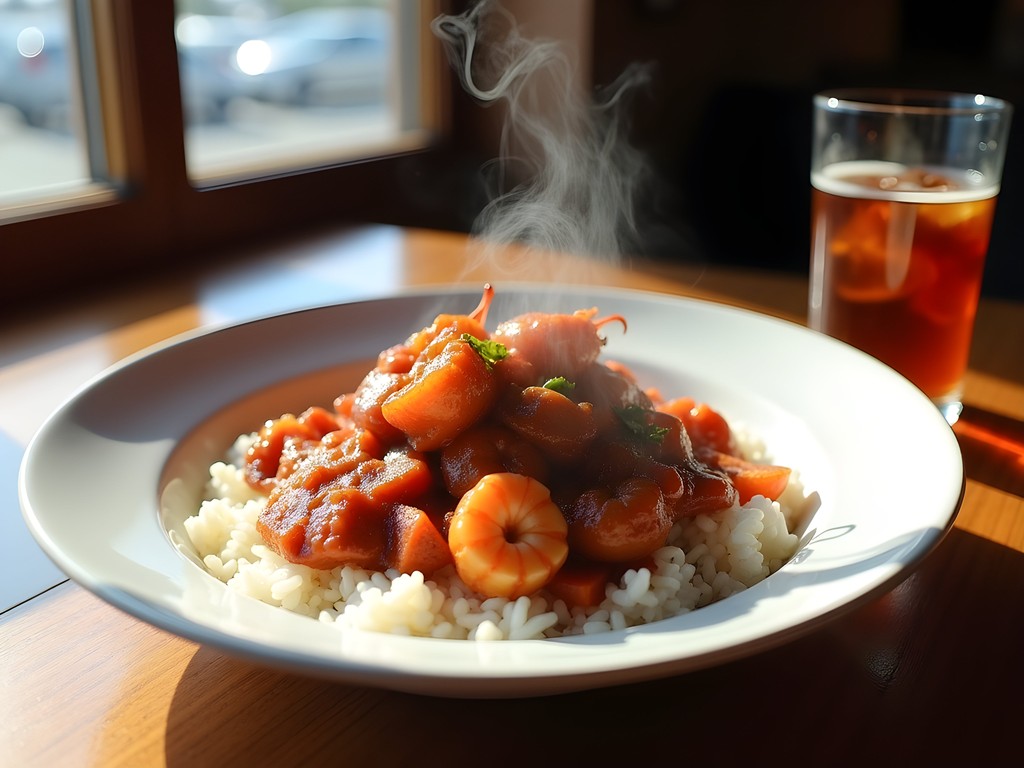
For a more comprehensive Cajun experience, Roberto's River Road Restaurant in nearby Port Allen presents an excellent cross-section of classics. Their crawfish étouffée achieves the perfect viscosity – not too thick, not too thin – with a roux developed to that precise mahogany color that indicates proper flavor development. The restaurant sits alongside the Mississippi River, and watching cargo ships pass by while dining creates a perfect contextual understanding of how this waterway shaped Cajun culture.
The most revelatory experience came at Elsie's Plate & Pie, where traditional meat pies showcase the technical precision of Cajun pastry work. The crimping pattern along the edges – reminiscent of topographic contour lines – isn't just decorative but functional, sealing in flavors during the cooking process.
For those seeking late-night coordinates, The Chimes near LSU's campus serves excellent crawfish boils when in season. I documented the precise spice blend using my digital kitchen scale (yes, I travel with one) to attempt recreation at home.
💡 Pro Tips
- Order crawfish only during months with 'r' in them (January-April) for peak season quality
- Request your gumbo 'with potato salad' for an authentic local touch – it's often served with a scoop in the middle of the bowl
- Ask for bread on the side with any sauced dish – sopping up the remaining sauce is practically mandatory

Backstreet Discoveries: Off-Grid Culinary Treasures
My surveying background has taught me that the most interesting discoveries often lie beyond official maps. The same holds true for Cajun cuisine in Baton Rouge, where some of the most authentic experiences exist in understated locations that tourists typically overlook.
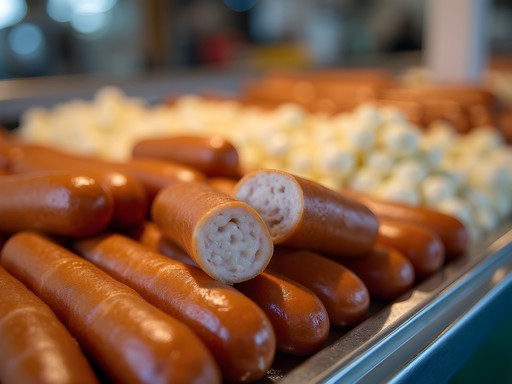
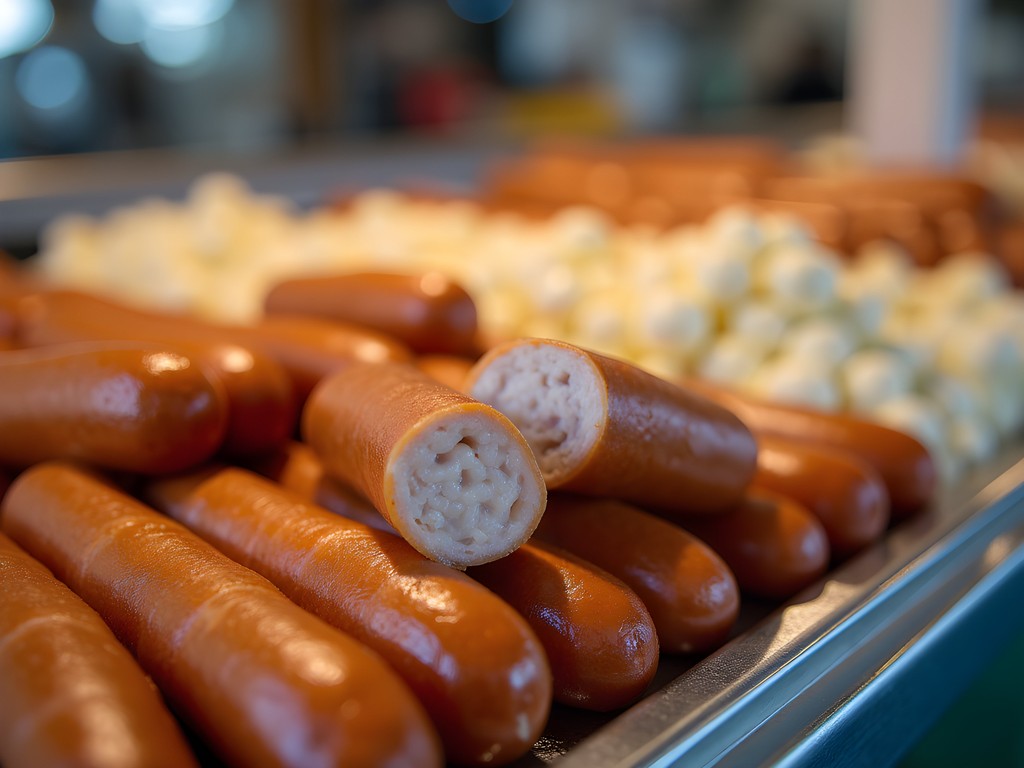
Tony's Seafood Market & Deli holds the distinction of being Louisiana's largest seafood market, but locals know it's also home to exceptional boudin – a Cajun sausage containing pork, rice, and seasonings that serves as an edible barometer for Cajun culinary skill. I carefully documented the variations in texture and spice profiles between their regular and spicy versions, noting the precise ratio of meat to rice.
In north Baton Rouge, Bellue's Fine Cajun Cuisine operates from an unassuming building that's easy to miss without precise coordinates. Their stuffed turkey wings – a regional specialty not commonly found on tourist menus – demonstrate how Cajun cooking transforms humble ingredients into extraordinary meals. The wings are deboned, stuffed with a savory rice dressing, and slow-cooked until tender.
Perhaps my most valuable discovery was George's under the overpass – a no-frills establishment where the hamburger steak with brown gravy represents the everyday Cajun home cooking rarely featured in food magazines. The restaurant's placement beneath Interstate 10 reminds me of how often valuable things exist in overlooked spaces.
To document these culinary expeditions properly, I used my food journal to record not just flavors but contexts – who was eating there, the average age of patrons, what language was being spoken at neighboring tables. These environmental factors are as important to understanding a food culture as the ingredients themselves.
💡 Pro Tips
- Visit Tony's Seafood early on Friday mornings when their boudin is freshest
- Look for restaurants with menus written in both English and French – often a sign of generational Cajun ownership
- Trust establishments where locals outnumber tourists by a significant margin
Cultural Intersection: Where Street Art Meets Food Culture
As someone who documents street art alongside geological formations, I was delighted to discover how Baton Rouge's culinary scene intersects with its visual culture. Throughout the city, murals depicting Cajun life and food traditions create a visual narrative that enhances the eating experience.
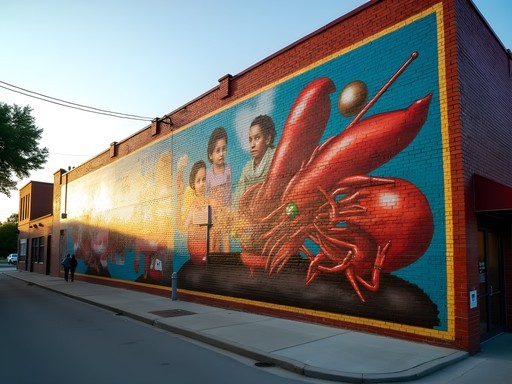
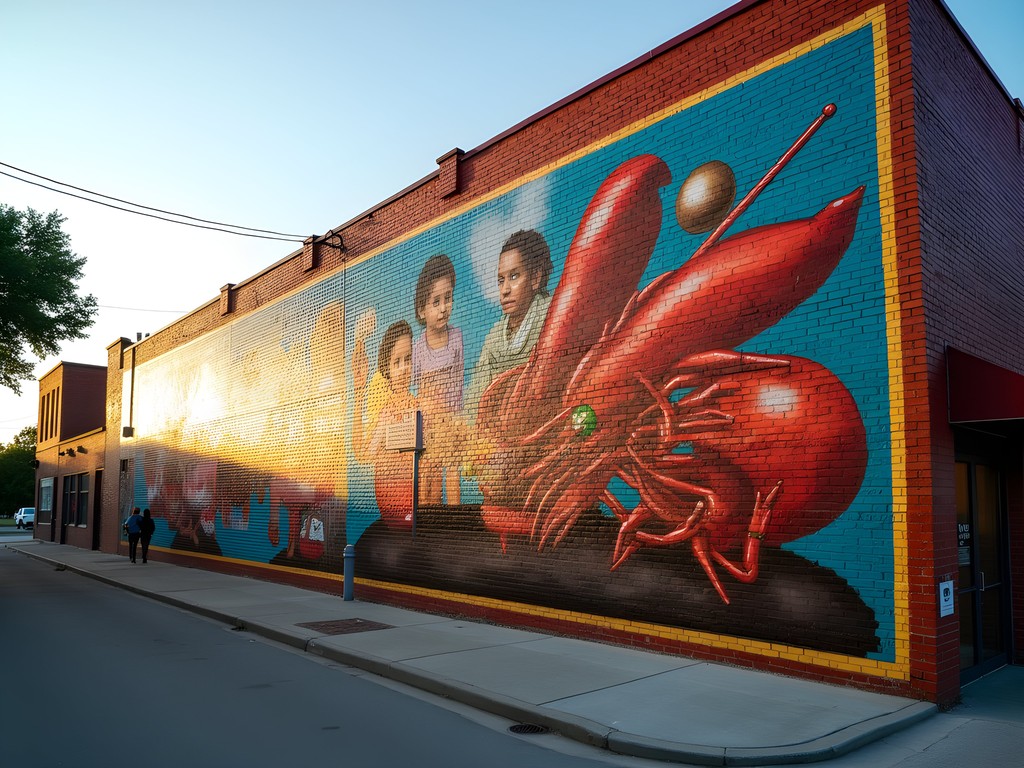
In the Mid City district, I mapped a concentration of food-themed murals, including a striking depiction of a traditional crawfish boil on the side of Baton Rouge Seafood Market. The mural's perspective lines draw the viewer's eye to the central crawfish pot – a compositional technique that mirrors how the crawfish boil serves as the centerpiece of Cajun gatherings.
At the overpass near Government Street, a series of murals depicts the agricultural history of the region, showing sugarcane harvesting and rice cultivation – two crops fundamental to Cajun cuisine. I spent an afternoon sketching these works in my field journal, noting how the artists used color to convey the heat and humidity that shapes local cooking methods.
What fascinated me most was the Spanish Town neighborhood, where several buildings feature folk art representations of food preparation techniques. One particularly moving piece shows three generations of women making gumbo together, their hands positioned identically over the pot – a visual representation of how these traditions are preserved through direct transmission.
To properly photograph these intersections of food and art, I used my compact camera with its excellent low-light capabilities, essential for capturing the indoor-outdoor transitions common in Baton Rouge's culinary spaces.
💡 Pro Tips
- Take a self-guided mural tour of Mid City before dinner to build context for your meal
- Visit the Louisiana Art & Science Museum for historical context on how food traditions developed in the region
- Look for community events where cooking demonstrations happen alongside art activities – these often occur at Galvez Plaza
Final Thoughts
As I pack away my surveying tools – both literal and metaphorical – from this weekend exploration of Baton Rouge's Cajun cuisine, I'm struck by how this food culture represents a perfect intersection of precision and passion. Like the careful measurements of a land survey, these recipes have been refined over generations, with each ingredient serving a specific purpose in the overall composition. Yet unlike the unchanging contours of a geological formation, Cajun cuisine remains dynamic – adapting and evolving while maintaining its essential character. Whether you're mapping your own culinary adventure through Louisiana's capital or simply seeking to understand how food embodies cultural resilience, Baton Rouge offers coordinates to a deeply authentic experience. Just remember to bring your appetite, curiosity, and willingness to venture beyond the obvious landmarks. The true treasures, as any good surveyor knows, often lie just beyond where the common maps end.
✨ Key Takeaways
- Authentic Cajun cuisine in Baton Rouge emphasizes depth of flavor through technique rather than excessive heat
- The best culinary experiences combine established restaurants with market visits to understand ingredient sourcing
- Local food traditions are inseparable from the broader cultural context, including art, music, and community gatherings
- Venture beyond downtown to discover neighborhood establishments where everyday Cajun cooking thrives
📋 Practical Information
Best Time to Visit
Year-round, though January-April for crawfish season
Budget Estimate
$40-80 per day for meals
Recommended Duration
2-3 days
Difficulty Level
Beginner

Comments
sunnynomad
Going there in October! Is the spice level manageable for beginners?
wildace957
Most places will adjust heat levels if you ask. Start mild and work your way up - the flavor is what really matters anyway!
Jean Wells
October is excellent timing - you'll catch the tail end of crawfish season and the beginning of cooler weather perfect for gumbo. The heat builds gradually in most traditional preparations.
Jean Wells
Willow, your surveyor's approach to mapping the food scene resonates with my own methodical travel style. I appreciate how you've categorized the establishments by authenticity markers rather than just proximity to tourist areas. The market sourcing section particularly interested me - I've found that understanding local ingredient procurement adds significant depth to culinary experiences. When I explored New Orleans last year, I spent considerable time at Crescent City Farmers Market observing vendor-chef interactions. Did you notice similar relationship dynamics at the Red Stick Farmers Market? The social infrastructure around food often reveals more than the dishes themselves.
sunnynomad
This is super helpful! I'm planning my first trip to Louisiana and had no idea about the farmers market thing.
wildace957
YES to those backstreet spots! I found this little place near the LSU campus last year that wasn't in any guidebook - best boudin I've ever had. The owner's grandma was literally cooking in the back. Those are the places that make BR special. Did you try any of the crawfish boils while you were there? Timing matters so much with those.
Jean Wells
The timing aspect is fascinating - I've been researching seasonal availability patterns across Louisiana. When would you say is optimal for crawfish season?
wildace957
Late winter through spring is peak - like March/April. That's when they're fat and the prices drop too.
exploreway
This will be my first time in Louisiana and I'm a bit nervous about trying such different food. Is there anything you'd recommend for someone who's never had Cajun cuisine before? Like a good starter dish?
vacationnomad
Start with gumbo! It's flavorful but not too intense. Then work your way up to the spicier stuff. You're gonna love it!
wildguide
Jambalaya is also super approachable. And po'boys - you can't go wrong with a fried shrimp po'boy as an intro to the cuisine.
wildway
YES!! Baton Rouge doesn't get enough love compared to NOLA but the food scene is incredible!! Been three times and always discover something new
Megan Martin
Willow, this is an excellent resource. I've been traveling to Baton Rouge quarterly for business for the past five years and your backstreet discoveries section highlighted two places I somehow missed. The mapping approach is particularly useful for time-constrained visitors. For business travelers who only have evenings free, I'd recommend focusing on the downtown corridor - you can hit three quality spots in one evening if you're strategic about timing. Also worth noting that many of these establishments have irregular hours, so calling ahead is essential.
smartlover
The photos are beautiful! I visited Baton Rouge for a conference last year and only got to try one restaurant. Definitely need to go back with this guide. The way you broke down the different neighborhoods makes it so much easier to plan. Question - is it easy to get around without a car or should I rent one?
wildway
You'll want a car honestly. The restaurants are pretty spread out and rideshares can take forever
beachtime
how spicy is the food really? i have a pretty low tolerance but dont want to miss out
smartlover
Most places will adjust the heat level if you ask! The flavor comes from way more than just spice. I'm not great with heat either and had an amazing time there.
vacationnomad
OMG this is EXACTLY what I needed!! Going in March and so excited!!!
Frank Garcia
Really appreciate the surveyor's perspective approach here - it's refreshing to see food writing that considers spatial and cultural context rather than just restaurant reviews. I spent three weeks in Louisiana last year doing a deep dive on regional cuisine variations. One thing I'd add: the distinction between Cajun and Creole gets blurred in Baton Rouge more than in other parts of the state. You'll find dishes that blend both traditions, which makes it fascinating from an anthropological standpoint. The market mapping section is spot-on - Red Stick Farmers Market on Saturday mornings is essential for understanding ingredient sourcing.
Megan Martin
Frank, excellent point about the Cajun/Creole blend. I've been documenting this for a culinary tourism project and Baton Rouge really is the crossroads. The capital city status brings in so many influences.
Venture X
Premium card with 2X miles, $300 travel credit, Priority Pass