

Disclosure: This article contains affiliate links. We may earn a commission from purchases at no extra cost to you, which helps our travel content.
The scent of freshly baked banitsa wafting through narrow cobblestone streets was my first sensory introduction to Bansko—not the ski slopes that initially drew me to this Bulgarian mountain town. What began as a quick detour during our Balkan homestay exploration has transformed into an annual pilgrimage with my daughter Sophia, now a self-proclaimed tarator soup connoisseur at age four. Nestled in the Pirin Mountains, Bansko offers a fascinating culinary landscape where Ottoman influences blend with hearty mountain traditions, creating a food scene that remains remarkably authentic despite the town's growing popularity. Beyond the après-ski culture lies a gastronomic heritage preserved in family-run mehanas (taverns) and boutique wineries scattered throughout the surrounding valleys—places where recipes haven't changed for generations and where, as I've discovered, the most meaningful cultural exchanges happen around a shared table.

Mehanas: The Heartbeat of Bulgarian Culinary Tradition
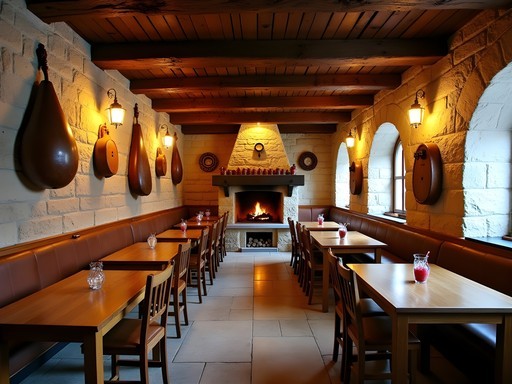
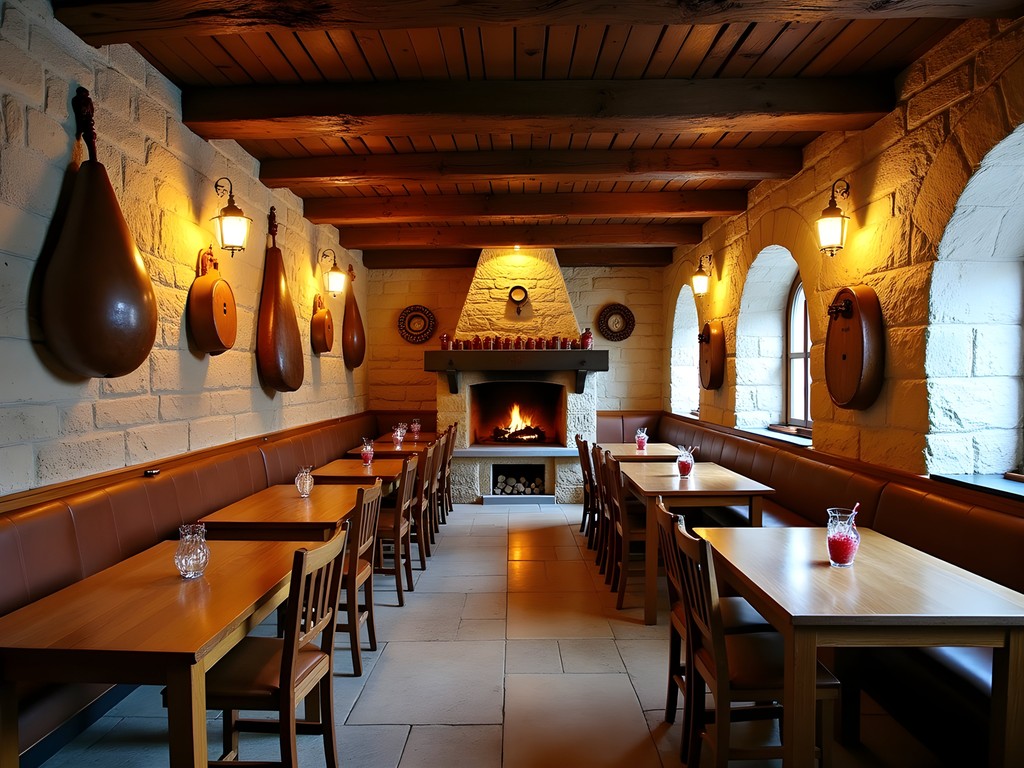
Tucked away from Bansko's main tourist thoroughfares, traditional mehanas serve as living museums of Bulgarian culinary heritage. These rustic taverns—with their heavy wooden beams, folk instruments hanging from walls, and perpetually crackling fireplaces—offer the most authentic taste of mountain cuisine you'll find anywhere in the country.
My favorite remains Baryakova Mehana, a 150-year-old former merchant's home where I've spent countless evenings learning the stories behind dishes from the owner's grandmother, Maria. The restaurant's stone walls have witnessed generations of family celebrations, and now they witness my daughter learning to love shopska salata (a vibrant cucumber, tomato, and sirene cheese salad) just as local children do.
The menu reads like a geography lesson of the region: Katino meze (pork cooked with mushrooms and peppers), kapama (a slow-cooked layered dish of sauerkraut, various meats, and rice), and chomlek (a clay-pot stew) showcase the hearty, warming foods that sustained mountain communities through harsh Balkan winters.
What makes these establishments special isn't just the food—it's the ritual. Meals unfold at a deliberately unhurried pace, often accompanied by local musicians playing traditional instruments like the gaida (bagpipe) and gadulka (stringed instrument). I've learned to bring my travel journal to document recipes shared across language barriers—often through enthusiastic pantomiming and the universal language of a grandmother's pride in her cooking.
💡 Pro Tips
- Look for mehanas away from the main square for more authentic experiences and better prices
- Most traditional dishes are meant for sharing, so order family-style even in smaller groups
- Ask about the 'special of the day' that might not appear on menus—often these are seasonal dishes made in limited quantities
Beyond Banitsa: Morning Rituals and Market Treasures
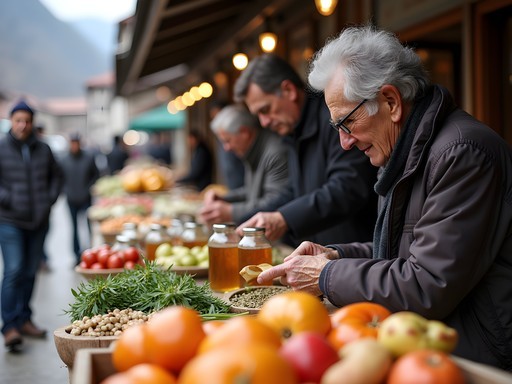
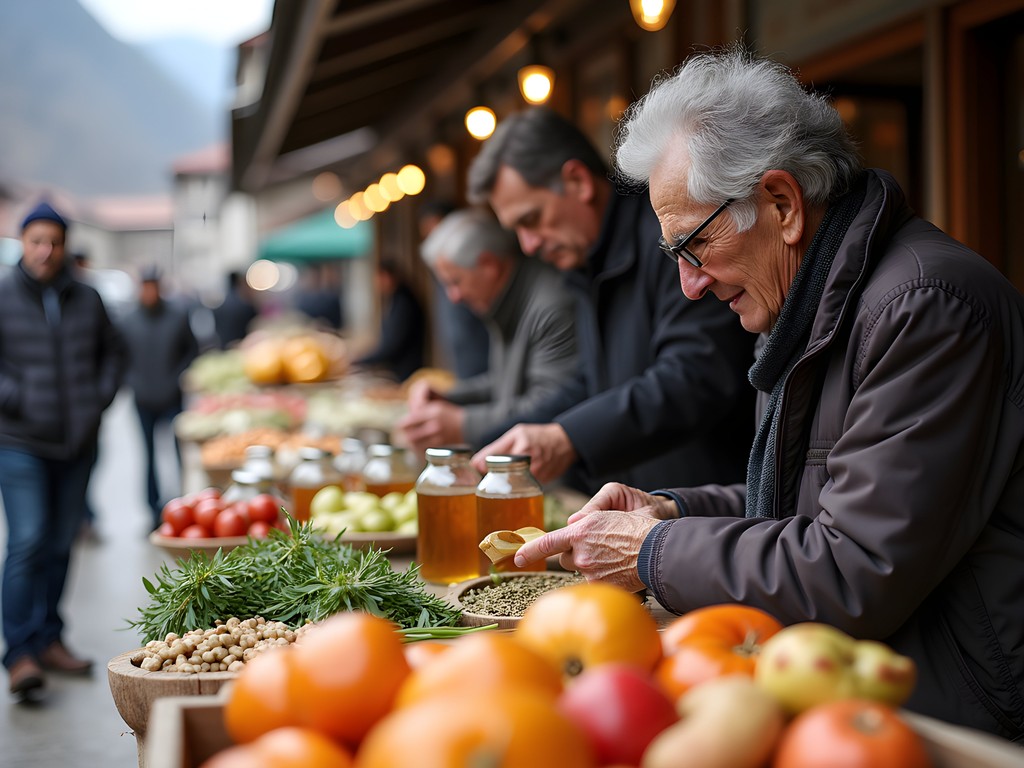
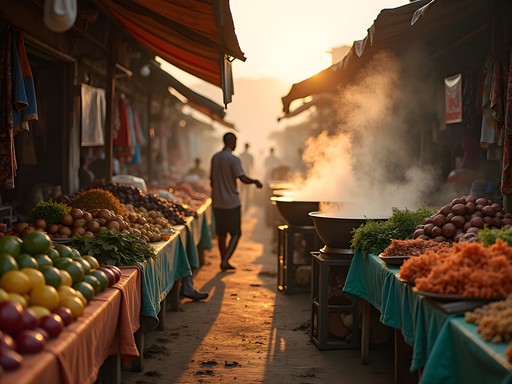
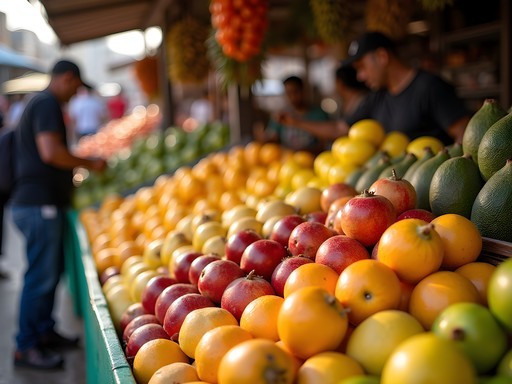
My mornings in Bansko begin with a ritual that connects me to local life more authentically than any guidebook recommendation could. Just after sunrise, when the mountain air still carries a crisp bite regardless of season, I join the parade of local women heading to Pazara—the town's modest but vibrant market. Here, beneath striped awnings and sometimes just spread on blankets, you'll find the building blocks of Bulgarian cuisine laid bare.
Sophia has learned to spot the best sirene (white brine cheese) vendors by watching which stalls have the longest lines of local grandmothers. These women arrive with empty baskets and depart with the week's essentials: jars of golden honey still containing the comb, paper-wrapped bundles of dried herbs, and bags of forest mushrooms gathered from secret mountain locations that foragers protect like family heirlooms.
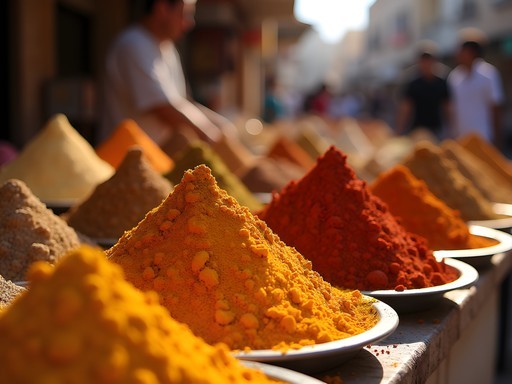
The market offers a crash course in Bulgarian pantry staples. You'll discover lyutenitsa, a roasted red pepper and tomato spread that varies slightly from family to family; sharena sol, the herb-infused salt blend that elevates even the simplest slice of bread; and countless varieties of turshia (pickled vegetables) that brighten winter tables.
For breakfast, follow my daughter's lead and look for the elderly woman who sells mekitsi—hand-stretched fried dough served with powdered sugar or honey and sirene cheese. Pair it with ayran (a salted yogurt drink) for the quintessential Bulgarian breakfast. I've started making these at home with techniques learned during a cooking class, and my cast iron skillet has proven perfect for achieving the authentic texture.
Don't miss the seasonal specialties that appear throughout the year: wild berries in summer, porcini mushrooms in early fall, and preserves of all kinds as winter approaches. These market finds tell the story of Bulgarian cuisine's deep connection to the surrounding mountains better than any restaurant menu.
💡 Pro Tips
- Visit the market before 9am for the freshest selection and to see locals in their element
- Bring small bills and coins as vendors rarely have change for large denominations
- Look for homemade rakija (fruit brandy) sold in recycled plastic bottles—it makes for both an authentic souvenir and a warming nightcap
The Slow Wine Movement: Boutique Wineries of the Pirin Foothills
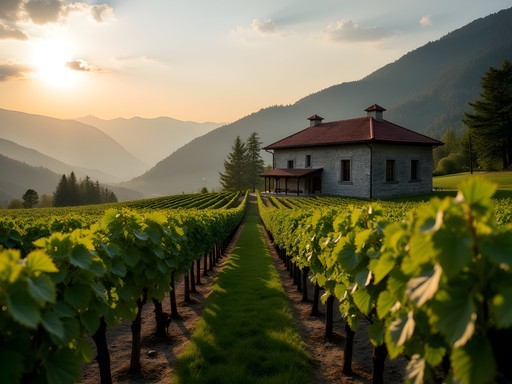
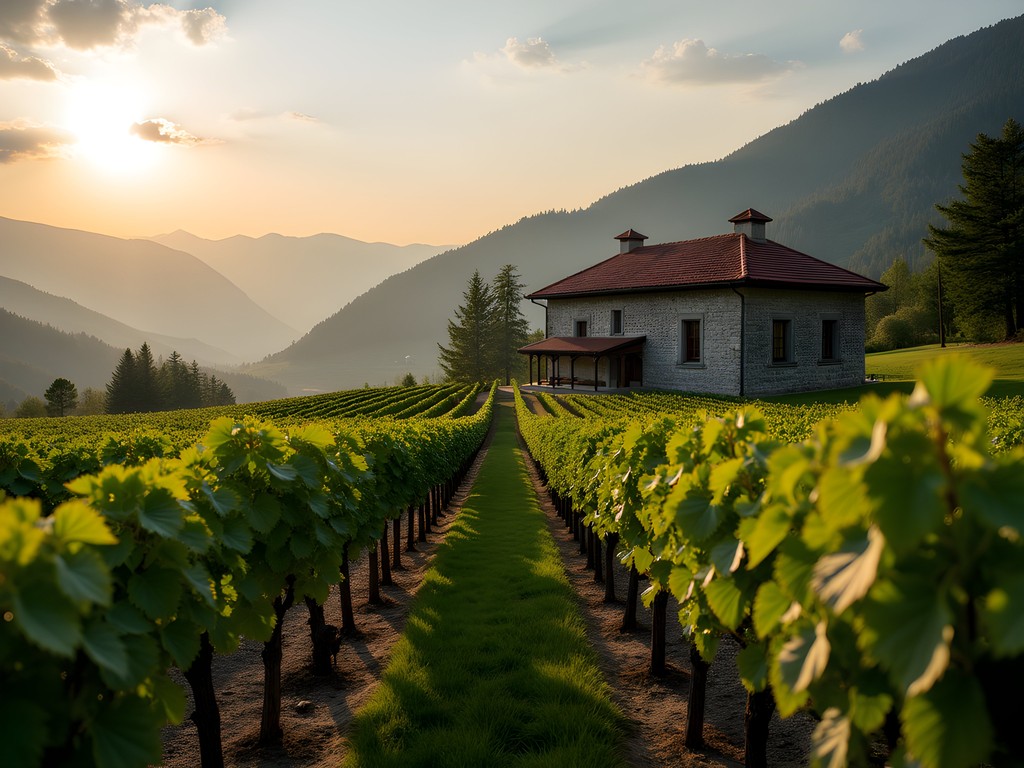
While Bulgaria's wine heritage dates back to Thracian times (making it among the world's oldest wine regions), the country's modern viticultural renaissance remains one of Europe's best-kept secrets. The rolling foothills surrounding Bansko offer a perfect microclimate for growing indigenous varieties that you'll rarely encounter elsewhere.
My love affair with Bulgarian wine began three years ago at Villa Melnik, a family-owned winery about an hour's drive from Bansko. Here, Nikola Zikatanov has revived nearly-forgotten local grapes like Melnik 55 and Shiroka Melnishka Loza (Broad-Leaved Melnik Vine). What struck me most wasn't just the quality of the wines but the passionate preservation effort—these ancient varieties nearly disappeared during the communist era when quantity was prioritized over quality.
"We're not just making wine," Nikola told me as we stood among his organically-tended vines, "we're preserving our cultural DNA."
Closer to Bansko, Kapatovo Winery offers a more intimate experience where visitors can participate in harvest activities during September. I've spent memorable afternoons here with Sofia playing among the vines while I learned traditional grape-stomping techniques (yes, with bare feet!) from the owner's mother, who insists this method imparts something special no modern equipment can replicate.
For those short on time, Bansko's Vinena Ulitsa (Wine Street) offers tasting rooms where you can sample regional wines without leaving town. My recommendation is to start with the indigenous varieties—particularly those made from Mavrud and Rubin grapes for reds, and Dimiat for aromatic whites.
To truly appreciate these wines at home, I've found a wine preservation system invaluable for enjoying bottles over several days without losing their character—especially important for these small-production wines that deserve contemplative sipping.
💡 Pro Tips
- Call wineries at least 48 hours in advance to arrange visits as many are small operations without regular public hours
- Consider hiring a local driver for winery tours as mountain roads can be challenging and Bulgarian drink-driving laws are strict
- Purchase wines directly from producers as many small-batch varieties never make it to export markets

Clay Pot Cuisine: The Ancient Art of Slow Cooking
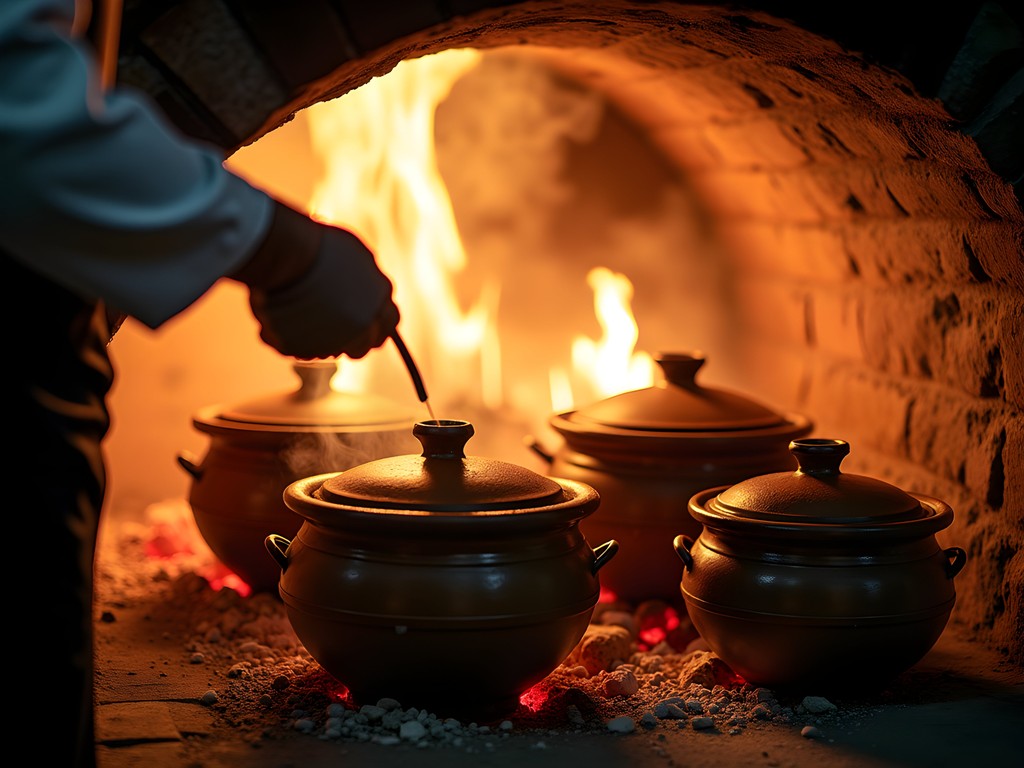
If there's one cooking method that defines traditional Bulgarian mountain cuisine, it's the slow transformation that happens inside gyuveches—the distinctive clay pots that give their name to numerous local specialties. These unassuming earthenware vessels have been central to Bulgarian cooking for centuries, and in Bansko, they remain the preferred method for preparing the most beloved regional dishes.
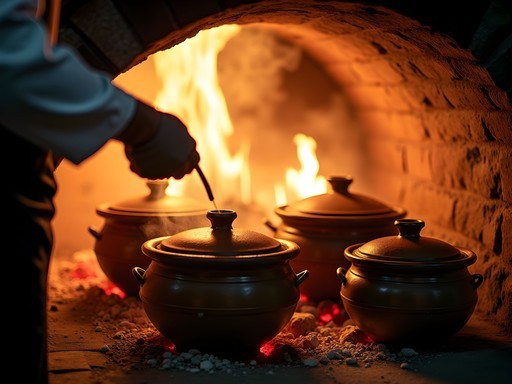
At Matsurev Han, a family-run restaurant hidden on a quiet side street, I witnessed the ritual of clay pot cooking in its most authentic form. Each morning, dozens of pots are filled with layers of local ingredients—usually some combination of meat, vegetables, beans, and herbs—then sealed with dough before being nestled into the glowing embers of a wood-fired oven. They remain there for hours, sometimes all day, until the contents have melded into something far greater than their individual components.
The signature dish, kapama, exemplifies this approach—layers of sauerkraut, rice, and at least three types of meat (typically pork, chicken, and sausage) slowly meld together as their flavors intensify. When brought to the table and ceremoniously unsealed, the resulting aromatic steam release becomes a sensory experience as memorable as the taste itself.
What fascinates me about this cooking method is its inherent sustainability—these slow-cooked meals were designed to maximize flavor from minimal ingredients while using remarkably little fuel. They represent a culinary philosophy that values patience and resource conservation, principles increasingly relevant in our modern food culture.
After numerous attempts to recreate these dishes at home, I finally invested in an authentic clay cooking pot that has become one of my most treasured souvenirs. The difference in flavor compared to modern cookware is subtle but unmistakable—there's an earthy depth that connects each bite to centuries of Bulgarian cooking tradition.
💡 Pro Tips
- Order clay pot dishes at least 40 minutes in advance—authentic preparation cannot be rushed
- Look for restaurants where you can see the wood-fired ovens in operation
- The best clay pot dishes typically appear on 'slow food' sections of menus and are perfect for sharing
Sweet Traditions: Honey, Rose, and Mountain Herbs
Bulgarian desserts tell a story of cultural crossroads—where Ottoman influences meet Slavic traditions against the backdrop of abundant mountain ingredients. In Bansko, this sweet heritage remains vibrantly alive, often showcasing ingredients gathered directly from the surrounding Pirin landscape.
My daughter's sweet tooth has become our excuse for thorough research into Bansko's dessert scene, and our discoveries have ranged from elegant pastry shops to grandmothers selling homemade treats from wicker baskets in the old town square.
Perhaps nothing captures Bulgaria's sweet essence better than baklava—but forget what you know about this layered pastry from elsewhere. The Bulgarian version is distinctly less syrupy than its Middle Eastern counterparts, often incorporating local walnuts and mountain honey that gives it a complex, almost floral finish. At Banski Rai Pastry Shop, I watched master pastry makers hand-stretch phyllo dough so thin you could read a newspaper through it—a technique that takes years to perfect.
Equally emblematic is anything featuring Bulgaria's famous rose products. The country produces nearly half the world's rose oil, and this precious ingredient finds its way into local sweets like lokum (Turkish delight) and garash cake. The rose flavor in authentic Bulgarian confections is delicate and aromatic rather than the soapy impression that artificial versions often leave.
For something truly unique to the region, seek out tolumbi—fried dough soaked in honey syrup and often sprinkled with crushed walnuts. This street sweet is particularly popular during winter months when its warm, sticky goodness provides comfort against the mountain chill.
What's fascinated me most about Bulgarian dessert culture is the preservation of wild-crafted ingredients. Local honey varieties change dramatically based on seasonal mountain blooms, from light spring acacia to dark, mineral-rich pine honey harvested in late summer. Similarly, wild berries, forest nuts, and herbs like wild mint make appearances in seasonal specialties.
I've started recreating some of these treats at home, and a kitchen scale has proven essential for translating the handful-and-pinch measurements shared by local bakers into something I can consistently reproduce.

💡 Pro Tips
- Visit pastry shops in mid-afternoon when fresh batches of baklava and other sweets typically emerge from ovens
- Look for honey vendors who offer tastings—the variety between different mountain flower sources is remarkable
- Many traditional sweets are extremely sweet by Western standards; consider sharing portions until you adjust to the local palate
Final Thoughts
As I write this from our temporary home in Valencia, Sophia is already asking when we'll return to 'the mountain food place.' Bansko has etched itself into our family story not through its ski slopes or scenic viewpoints, but through the meals we've shared and the people we've met around Bulgarian tables. This small mountain town offers something increasingly rare in our globalized world—a cuisine that remains defiantly rooted in place, where ingredients travel meters rather than miles, and where recipes are passed down through generations rather than trending on social media. Whether you come for a dedicated culinary exploration or simply to fuel up between ski runs, take time to look beyond the tourist menus. The true flavors of Bulgaria are waiting in clay pots, family wineries, and market stalls—each bite a delicious lesson in how geography, history, and culture shape the way we nourish ourselves and connect with others.
✨ Key Takeaways
- Traditional mehanas offer the most authentic Bulgarian dining experiences, especially those away from the main tourist areas
- Morning markets provide insight into local ingredients and daily Bulgarian life
- The region's boutique wineries are preserving ancient grape varieties that nearly disappeared during the communist era
- Clay pot cooking defines mountain cuisine and represents sustainable cooking practices centuries ahead of current trends
📋 Practical Information
Best Time to Visit
year-round, though September-October offers both harvest activities and pleasant weather
Budget Estimate
$50-100 per day for food and wine experiences
Recommended Duration
4-7 days
Difficulty Level
Beginner

Comments
redchamp
Which winery would you recommend for a day trip? Only have one day free
Claire Hawkins
Villa Melnik if you can make the drive! About 90 minutes but absolutely worth it. The tasting experience was intimate and the owner walked us through everything personally.
Sage Dixon
Villa Melnik is fantastic. Also look into Orbelus Winery—closer to Bansko and they do a great tour with lunch included.
Sage Dixon
Claire, this brings back memories! I spent a week in Bansko two winters ago and completely fell in love with the mehanas. There's something magical about those cozy, wood-beamed restaurants after a day in the mountains. I had this incredible experience at a family-run place where the grandmother came out and explained every dish to me in broken English—her lamb kavarma was life-changing. Did you make it to any of the smaller villages around Bansko? I found some even more traditional spots in Dobrinishte and Banya that felt completely untouched by tourism. The wine scene surprised me too—I had no idea Bulgaria had such a strong wine culture until that trip.
Claire Hawkins
Sage! Yes, we did venture to Dobrinishte actually. Such a gem. The thermal baths there were wonderful too. I wish we'd had more time to explore Banya—definitely on the list for next time!
redchamp
Dobrinishte +1. Way less crowded than Bansko proper
photoqueen
Those clay pot photos are AMAZING!! 😍 Adding Bansko to my list
Claire Hawkins
Thank you! The clay pot cooking was such a highlight. The flavors are just incredible when food cooks that slowly.
beachqueen
OMG THAT BANITSA!!! 😍😍😍 I can practically smell it through the screen! Your description of the food markets has me drooling! I've never considered Bulgaria as a foodie destination but now it's top of my list! Those clay pot dishes look INCREDIBLE! Did you bring any recipes home with you?? I need to try making some of this at home while I save up for a trip there!!
islandlover
The food is seriously underrated! If you go, don't miss the shopska salad - so simple but perfect after a day in the mountains.
journeystar2742
Great post! We're heading to Bulgaria in January - primarily for skiing but your food descriptions have me excited about the culinary side too. Any specific mehanas in Bansko you'd recommend that are good for vegetarians? My partner doesn't eat meat but I'd still love to experience these traditional places.
Claire Hawkins
Most mehanas have excellent vegetarian options! Look for dishes like 'sirene po shopski' (baked cheese), 'chushki burek' (stuffed peppers), and 'bob chorba' (bean soup). Mehana Momini Dvori had the best selection for non-meat eaters in our experience.
Douglas Bradley
Fascinating exploration of Bulgarian cuisine, Claire. Having spent three weeks in the region last autumn, I found the interplay between Turkish, Greek, and Slavic influences in Bulgarian food particularly compelling. The wine scene around Bansko deserves more international recognition - those small-batch Melnik and Mavrud varieties from the foothills show incredible terroir expression. Did you visit Ugo Winery? Their approach to indigenous grape varieties is remarkable. For those planning a visit, I'd recommend bringing a good Bulgarian phrasebook as many family-run establishments in the smaller villages have limited English menus. I used the pocket guide which was invaluable for deciphering those hidden culinary gems.
journeystar2742
Douglas - did you find it easy to arrange transportation between the wineries? Planning a trip for next spring and wondering if we need to rent a car or if there are tours available.
Douglas Bradley
Most wineries are quite spread out, so I'd definitely recommend renting a car. Many of the best ones require advance appointments too. Villa Melnik is worth the drive!
hikingclimber
Those clay pot dishes look amazing! Definitely adding Bansko to my list.
islandlover
This post brought back so many memories! We visited Bansko last winter primarily for skiing but ended up falling in love with the food scene. Those mehanas are magical - we spent almost every evening at different ones trying various clay pot dishes. The slow-cooked lamb with mountain herbs was life-changing! Did you try the local rakia? My husband still talks about the homemade one we had at a small family-run place near the old town square.
Claire Hawkins
Yes! The rakia was an experience in itself - especially the homemade varieties. Which mehana was your favorite? We loved Baryakova in the old town.
islandlover
We loved Baryakova too! But I think our favorite was Matsurev Han - the owner treated us like family by our second visit. Their kavarma in clay pots was incredible!
blueblogger
I'm planning a trip to Bulgaria in September - is that a good time for food experiences in Bansko? I've heard it's between seasons then. Also, is it possible to do winery tours without renting a car? I'd love to try that Broad-Leaved Melnik you mentioned!
Claire Hawkins
September is actually perfect! It's harvest season so many wineries have special events. For transportation, we used a local guide named Georgi who offers day trips to wineries - much better than driving yourself so everyone can enjoy the tastings! I used my travel journal to keep track of all the wines we tried, which was helpful since some aren't exported.
Raymond Hassan
September is ideal - the shoulder season means less crowds but everything is still open. Many guesthouses in Bansko can arrange transportation to wineries, often with other travelers to share costs. The local tourism office also maintains a list of certified guides.
blueblogger
Thanks both! That's really helpful. Looking forward to trying all the food and wine!
Raymond Hassan
The Bulgarian wine scene is severely underrated in European wine discourse. During my research trip through Eastern Europe last year, I found the melnik grape varieties around Bansko particularly fascinating - they produce a distinctive tannic profile that pairs exceptionally well with the hearty meat dishes you mentioned. The terroir of the Pirin foothills creates conditions somewhat comparable to northern Italian alpine vineyards, but with unique microclimatic variations. Did you visit Villa Melnik? Their approach to traditional winemaking methods while incorporating modern precision is noteworthy. The slow wine movement there reflects a broader return to authenticity happening across Eastern European viticulture that deserves more international attention.
Claire Hawkins
Raymond, you're absolutely right about the melnik varieties! We did visit Villa Melnik and were blown away. I couldn't include everything in the post, but their barrel aging room carved into the hillside was incredible. The temperature regulation is all natural!
Raymond Hassan
Those natural cave cellars are perfect examples of traditional wisdom meeting modern winemaking. The consistent temperature and humidity create ideal aging conditions without energy consumption. Sustainable and authentic.
Venture X
Premium card with 2X miles, $300 travel credit, Priority Pass