
Disclosure: This article contains affiliate links. We may earn a commission from purchases at no extra cost to you, which helps our travel content.
Most families orchestrate their Hawaiian vacation around Waikiki's familiar melody—the predictable chorus of crowded beaches and tourist-packed luaus. But thirty minutes north, Mililani Town hums with a different rhythm entirely. This central Oahu community offers families what I call 'the jazz of travel'—those improvised moments between planned attractions where real cultural connection happens. During two winter weeks here with friends and their keiki (kids), I discovered how this planned community's thoughtful design creates natural spaces for families to experience authentic island life without the tourist markup or overwhelming crowds.

The Architecture of Everyday Aloha: Understanding Mililani's Design
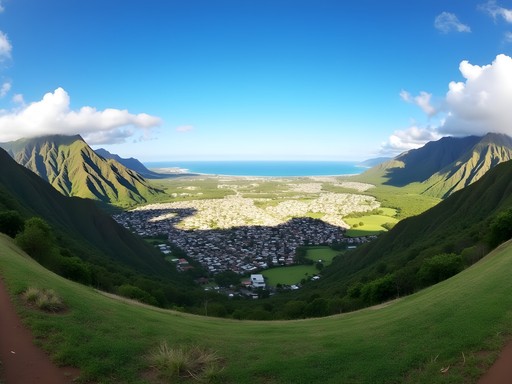
Mililani Town wasn't an accident—it was composed. Developed in the 1960s as a master-planned community, its layout reads like sheet music: neighborhood parks as recurring motifs, pedestrian paths as connecting phrases, and the town center as the resolving chord. This intentional design means families can actually walk places, a rarity in car-dependent Hawaii.
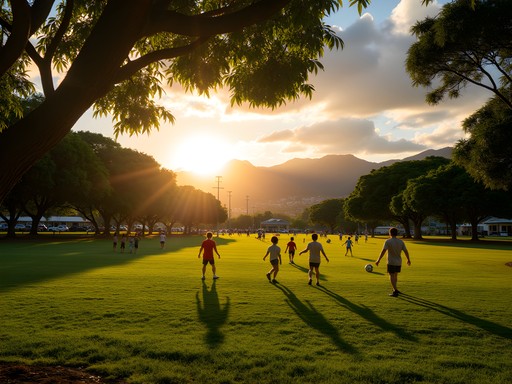
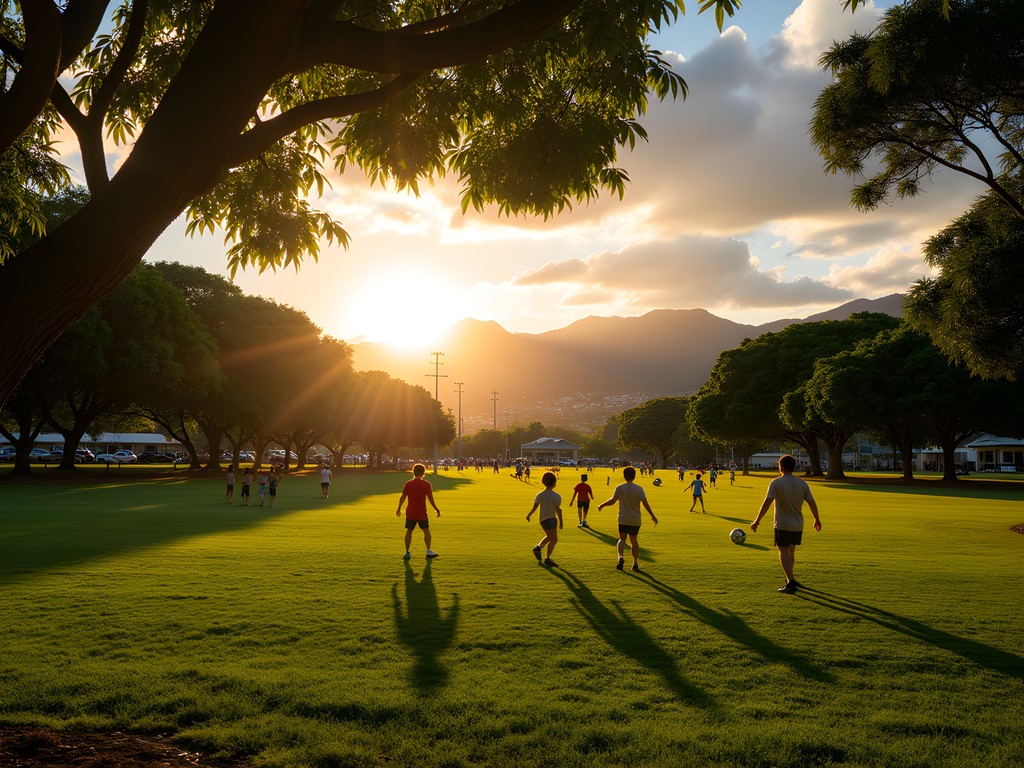
The town's mid-century planning philosophy created something precious: public spaces that encourage spontaneous interaction. I watched my friends' kids join pickup soccer games at Mililani District Park within minutes, no introductions needed. The architecture here doesn't shout—it whispers suggestions. Wide sidewalks invite evening strolls. Covered walkways at Mililani Town Center provide shade for afternoon explorations. Even the residential streets, with their gentle curves and mature trees, slow everything down to human pace.
This thoughtful spatial arrangement means your family spends less time navigating traffic and more time experiencing the subtle textures of local life—the aunty selling fresh poke at the market, the high schoolers practicing hula in the park, the food truck serving garlic shrimp that locals actually line up for.
💡 Pro Tips
- Rent a home in the Mililani Mauka neighborhoods for walkable access to parks and the town center
- Visit Mililani District Park during late afternoon when local families gather—it's the community's living room
- Download the TheBus app for Oahu's public transit system; routes 801 and 803 connect Mililani to major attractions
Trail Notes: Family-Friendly Hikes That Teach Island Ecology
Winter in Mililani means temperatures in the mid-70s and occasional rain showers that paint rainbows across the Ko'olau Mountains—perfect hiking weather. The trails radiating from town offer what I call 'graduated difficulty,' letting families build confidence before attempting Oahu's more famous (and crowded) hikes.
Start with the Mililani Mauka Trail System, a network of paved and unpaved paths threading through the neighborhood. These aren't dramatic—no Instagram-worthy cliff edges—but they're pedagogical. Kids can spot introduced species like mongooses alongside native birds, learning Hawaii's complex ecological story at their own pace. The field guide became our constant companion, turning walks into scavenger hunts.
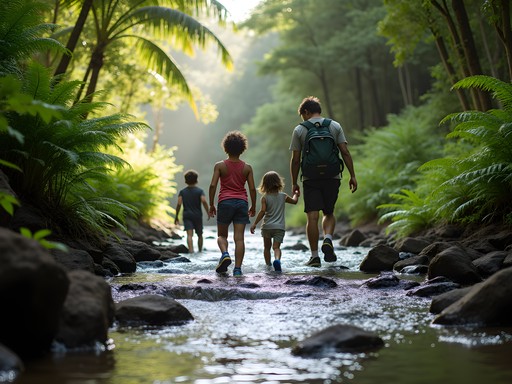
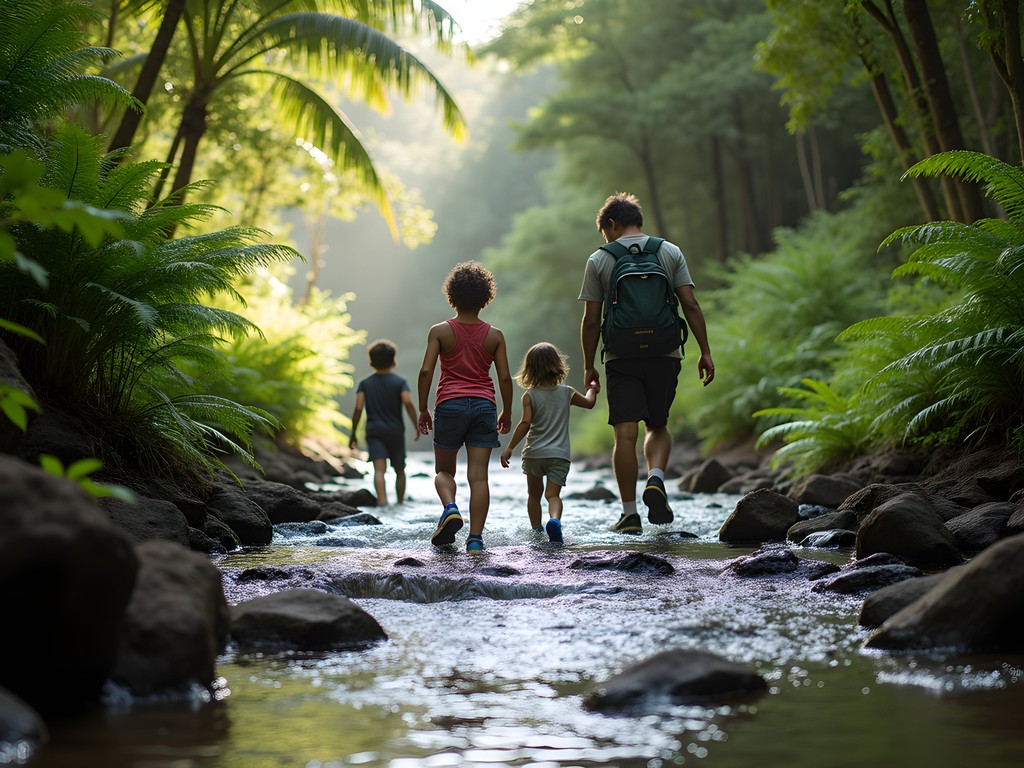
When your family's ready for elevation, the nearby Waimano Trail offers a legitimate workout with waterfall payoff. The seven-mile round trip takes most families 4-5 hours, but you can turn back at any point. Pack a water filtration system for refilling bottles from streams—it's lighter than carrying all your water and teaches kids about backcountry self-sufficiency. The trail's muddy sections (wear closed-toe water shoes) and stream crossings create the kind of mild adventure that feels significant to younger kids without actual danger.
For the ultimate family achievement, Pu'u Keahi a Kahoe (White Hill) rewards a steep but short climb with 360-degree views. Go at sunrise when the light turns everything golden and you'll have it mostly to yourselves.
💡 Pro Tips
- Trail conditions change rapidly after rain—check local Facebook groups like 'Mililani Neighbors' for current conditions
- Bring a small first aid kit with extra bandages; lava rock is sharp and kids inevitably scrape knees
- Start hikes before 8am to avoid midday heat and afternoon rain showers
- Teach kids the concept of 'leave no trace' early—Hawaii's trails suffer from overtourism impacts
Cultural Counterpoint: Where Mililani Kids Learn Their Heritage
The most profound family travel moments happen when your kids interact with local kids doing local things. In Mililani, that means encountering Hawaii's living culture, not its tourist performance.
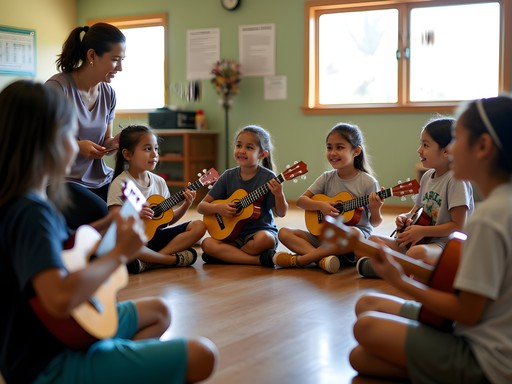
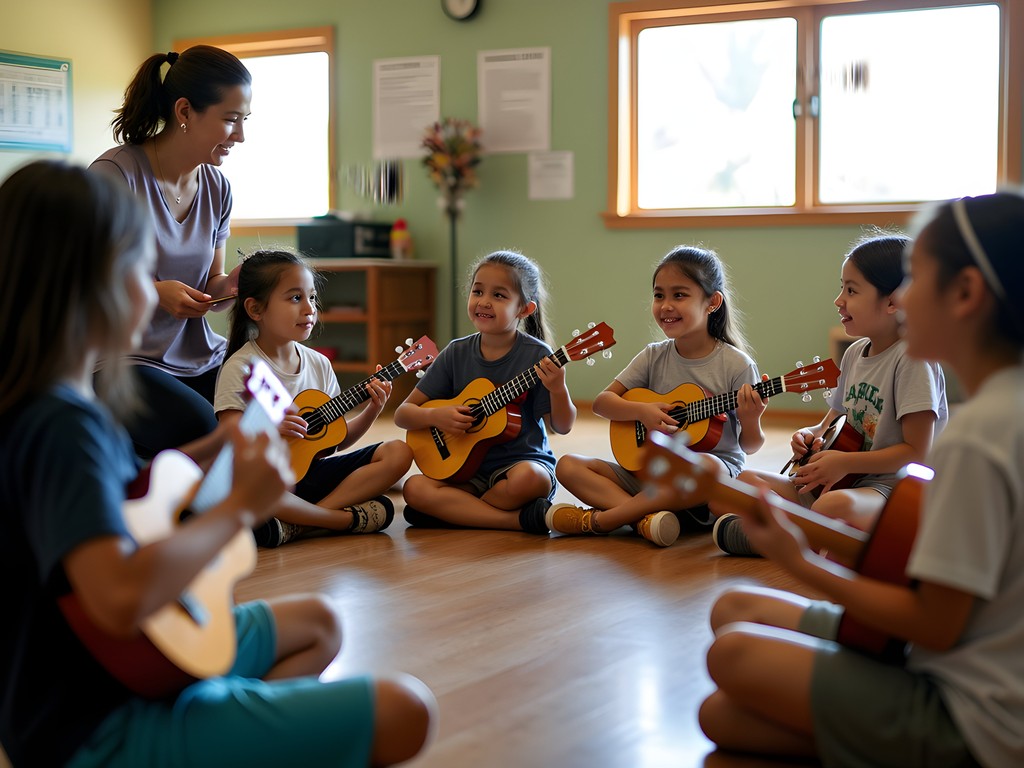
Mililani Recreation Center offers drop-in classes in hula, ukulele, and Hawaiian language throughout winter. These aren't resort activities—they're programs where local keiki learn their heritage, and visiting families are welcomed to participate. My friends' daughter spent two weeks attending beginner ukulele classes, learning not just chords but the cultural context of mele (songs). The instructor, a retired teacher named Aunty Leilani, explained how each song carries mo'olelo (stories) about place and history. That's the kind of cultural transmission you can't package.
The Mililani Public Library hosts weekly keiki story time featuring Hawaiian legends and contemporary local authors. It's free, air-conditioned, and gives kids a glimpse of Hawaii's literary culture beyond the tourist narrative. We picked up several children's books there, including ones written in Hawaiian with English translations—perfect for the flight home.
For families wanting deeper engagement, the nearby Kukaniloko Birthstones State Monument offers a profound lesson in Hawaiian history and spirituality. This sacred site, where ali'i (royalty) gave birth to ensure their children's leadership mana, requires respectful silence and contemplation. Visiting with kids teaches them that not every cultural site is entertainment—some demand reverence.
💡 Pro Tips
- Call Mililani Recreation Center ahead to confirm drop-in class schedules and age requirements
- At Kukaniloko, keep kids close and explain the concept of kapu (sacred restrictions) before arriving
- Visit during weekday mornings when local families attend programs, not tourist-heavy weekends
- Purchase a ukulele starter set if your kids show interest—it's a skill they'll associate with this trip forever

The Daily Rhythm: Eating, Shopping, and Living Like Locals
Family travel sustainability isn't just environmental—it's about sustaining your energy and budget across two weeks. Mililani's design as a real community means you can establish a daily rhythm that feels like temporary residency rather than frantic tourism.
Mornings, we'd walk to Longs Drugs for coffee and fresh malasadas from the in-store bakery—a fraction of resort prices. The Mililani Town Center's Foodland grocery store became our anchor, where we'd shop for poke bowls, prepared kalua pork, and local fruit. Cooking breakfast and lunch in our rental saved hundreds while teaching kids about Hawaiian ingredients like lilikoi, longan, and apple bananas.
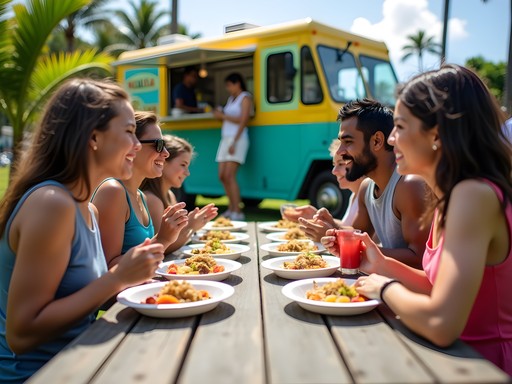
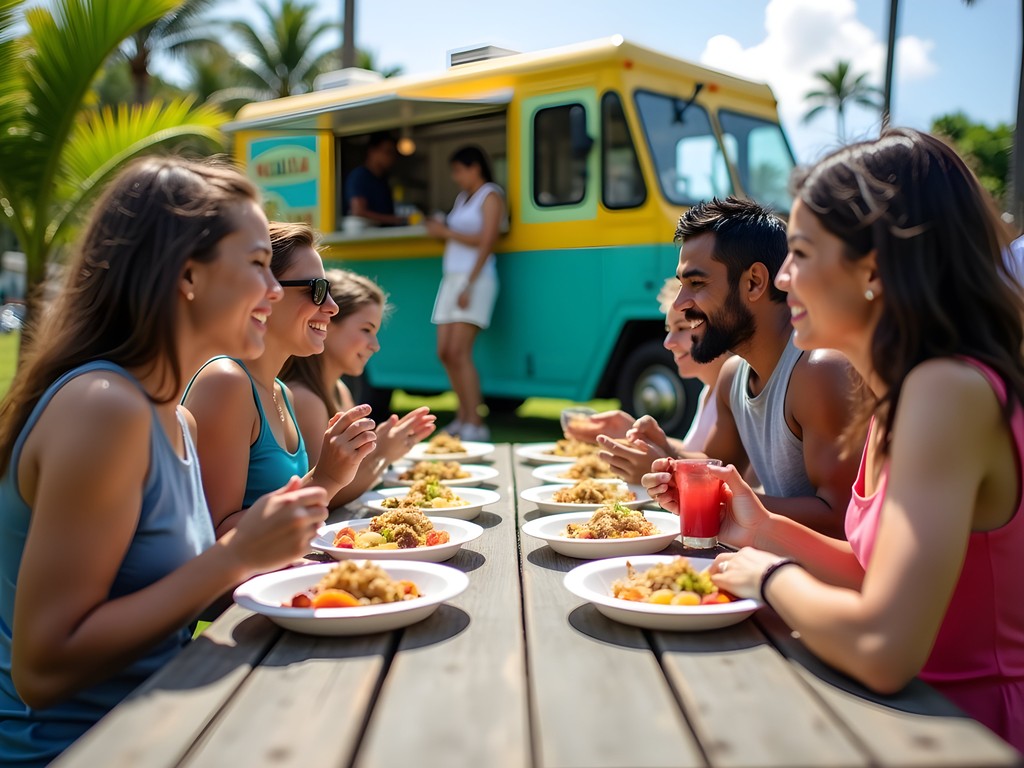
The town's food truck scene offers authentic eats without sit-down restaurant markups. Ono To Go Grindz parks near the recreation center, serving plate lunches that locals actually eat—kalbi short ribs, chicken katsu, loco moco. Your kids will initially balk at the massive portions and unfamiliar combinations, then become converts.
For provisions, invest in a quality cooler bag to keep snacks and drinks cold during day trips. Hawaii's heat and tourist-area prices make this essential—you'll recoup the cost in saved convenience store purchases within days. We'd load it each morning with water bottles, cut fruit, and spam musubi from Foodland, creating a mobile snack station that kept everyone fueled.
Evenings, the Town Center's casual restaurants fill with local families. Poke Stop, Mililani Restaurant & Bakery, and Shiro's Saimin Haven offer authentic flavors at mid-range prices. Eating where locals eat teaches kids that 'exotic' food is just someone else's comfort food.
💡 Pro Tips
- Shop Foodland's weekly sales advertised in the Honolulu Star-Advertiser—local families plan meals around these deals
- Try poi with your kids at least once; even if they hate it, they'll understand its cultural significance
- Bring a reusable container set for packing lunches and storing leftovers—reduces waste and saves money
- Ask restaurant servers for 'local style' preparations—sometimes menus have tourist and local versions
Day Trip Composition: Using Mililani as Your Central Oahu Base
Mililani's central location transforms it from destination to strategic base camp. You're equidistant from North Shore surf towns, Honolulu's cultural sites, and windward coast beaches—all without Waikiki's traffic and prices.
We'd leave early for North Shore adventures, hitting Waimea Bay before 9am when parking was still available and the beach relatively empty. Kids snorkeled in the calm winter bay (summer brings massive surf) while we lounged under ironwood trees. The drive back through Haleiwa town for shave ice became ritual—Matsumoto's gets the hype, but locals prefer Aoki's next door.
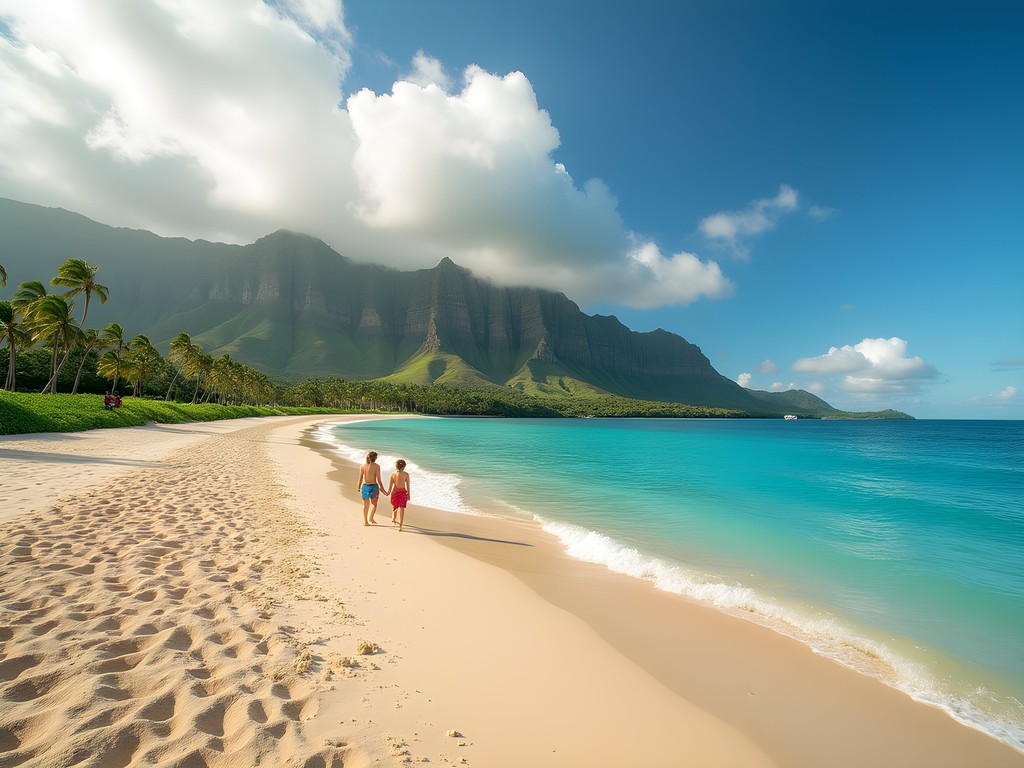
Windward side beaches like Kualoa Regional Park offered different textures entirely—that side of the island receives more rain, keeping everything impossibly green. The view of Mokoli'i (Chinaman's Hat) island creates the postcard Hawaii image, but with actual space to spread out. Pack a beach tent for shade—Hawaii's winter sun still burns, especially reflected off water.
Pearl Harbor's historic sites deserve a full day and advance planning. Book USS Arizona Memorial tickets online exactly 60 days before your visit (they release at 7am Hawaii time and disappear within minutes). The experience is sobering and essential—even younger kids grasp the weight of the place. Balance the heavy history with afternoon snorkeling at nearby Waipio Peninsula Community Beach Park, where locals swim and fish.
The key is treating Mililani as locals treat it—as home base, not attraction. You'll return each evening to a real neighborhood where kids play in streets and families gather for sunset, not a hotel corridor of fellow tourists.
💡 Pro Tips
- Fill your gas tank in Mililani where prices run 20-30 cents cheaper than tourist areas
- Download offline Google Maps for Oahu—cell service gets spotty in mountain areas
- Keep a dry bag in your car for wet swimsuits and sandy towels to protect rental car interiors
- Use Mililani's location to avoid H-1 traffic—head to Honolulu attractions mid-morning after rush hour clears
Final Thoughts
Two weeks in Mililani Town taught me something I've learned in every place I've deeply explored: the best family travel experiences happen in the spaces between attractions, in the rhythms of daily life rather than choreographed entertainment. Your kids won't remember which resort pool they swam in, but they'll remember the local boy who taught them to body surf at Waimea Bay. They'll forget the luau show, but they'll recall learning ukulele chords from Aunty Leilani.
Mililani offers families what I call 'the long note'—that sustained experience of place that resonates beyond your departure date. It's not about collecting Instagram moments or checking off bucket list items. It's about slowing down enough to hear Hawaii's actual melody, not the tourist trap cover version.
The mid-range budget, the walkable design, the proximity to both culture and nature—these practical elements create space for the improvised moments that define meaningful family travel. You're not just visiting Hawaii. You're briefly living there, in a community that welcomes you to participate in its daily composition. That's the hidden paradise worth discovering.
✨ Key Takeaways
- Mililani's master-planned design creates walkable, family-friendly spaces that encourage cultural interaction beyond tourist zones
- Using Mililani as a central base provides mid-range accommodation with easy access to North Shore, Windward Coast, and Honolulu attractions
- Participating in local programs and shopping where residents shop creates authentic experiences while stretching your budget across two weeks
📋 Practical Information
Best Time to Visit
December through February (winter) for mild temperatures, occasional rain, and calm North Shore waters suitable for families
Budget Estimate
$3,500-5,500 for family of four including vacation rental, rental car, groceries, activities, and day trip costs
Recommended Duration
2 weeks to establish daily rhythms and explore Oahu thoroughly without rushing
Difficulty Level
Moderate



Comments
journeywalker
Is it easy to rent a car from Mililani or do you really need to pick one up at the airport?
Carter McDonald
Definitely get it at the airport. There aren't rental places in Mililani itself. Having a car is pretty essential if you're staying there—the bus works but with kids you'll want the flexibility.
Raymond Hassan
Interesting perspective on the planned community aspect. From a backpacker's angle, I'm always analyzing the cost-benefit of staying outside tourist zones. Mililani presents an intriguing case study—you're sacrificing beach proximity but gaining authentic community exposure and presumably better value. The public transportation connection you mentioned is key. How frequent are the buses to the coast? And did you find the grocery stores had significantly different pricing than tourist-area markets?
coolpro
Stayed in Mililani for a week back in 2024 while visiting family. Can confirm everything here. It's such a different vibe from the tourist areas. One tip - the Mililani Recreation Center has a great pool and it's super affordable for day passes if you have kids who need to burn energy. Also the Wednesday farmers market is legit, not the touristy kind. You'll be the only mainland family there probably but everyone was super welcoming to us.
citylegend
Good to know about the rec center!
beachwalker
Love the photos! Really captures the neighborhood feel
journeyone
We stayed in Mililani for 5 days last year and loved it! So much quieter than Waikiki and the kids actually got to see how people really live in Hawaii. The community pool was great and we met some really friendly local families. Definitely recommend renting a car though, you need it to get around.
bluevibes
We stayed in Mililani for a week back in 2024 and it was exactly what we needed. The farmers market on Saturday mornings is incredible—way better prices than anything in Waikiki and the produce is fresh from local farms. Also, the Mililani Town Center has this little poke shop that locals line up for. Can't remember the name but it's near the post office. Your kids will actually see Hawaiian families doing their regular shopping and living their lives, which felt more educational than any tourist attraction.
journeywalker
Do you remember roughly how much you saved on accommodations compared to Waikiki hotels?
bluevibes
We rented a condo through VRBO and it was about 40% cheaper than comparable places near the beach. Plus we had a full kitchen which saved us a ton on meals.
winterwalker
Going there next month, thanks for this!
tripchamp
any good local restaurants you'd recommend? staying there next month
Frank Carter
The plate lunch spots in Mililani Town Center are legit. Also hit up the farmers market on Sunday mornings—incredible local produce and prepared foods. My kids still talk about the malasadas we got there.
Taylor Moreau
Excellent piece, Carter. I've been advocating for years that the best family experiences happen away from the resort corridors. Mililani offers something increasingly rare—authentic community life that welcomes visitors without being designed for them. The section on how the town's architecture reflects Hawaiian values of community was particularly insightful. Have you explored any of the other central Oahu towns? Wahiawa has a similar vibe with its own unique character.
journeyone
Wahiawa is great too! The botanical garden there is so peaceful
sunsetvibes
Which hike would you recommend for kids ages 6 and 8? We're going in March and want something manageable but still interesting!
sunsetvibes
Perfect, thank you!!
Carter McDonald
The Kipapa Stream Trail is perfect for that age range! It's gentle, has stream crossings that kids love, and there's tons of native plants to spot. Takes about 90 minutes round trip. Just bring bug spray!
Venture X
Premium card with 2X miles, $300 travel credit, Priority Pass