


Disclosure: This article contains affiliate links. We may earn a commission from purchases at no extra cost to you, which helps our travel content.
As a wildlife biologist who's tracked jaguars through Patagonian forests and studied bird migrations across three continents, I never expected to find such biodiversity and family adventure potential in a small Mississippi city. Yet Meridian revealed itself as an unexpected treasure during a recent spring research trip, offering that rare combination of natural wonders, historical significance, and budget-friendly activities that make for perfect family memories. The city's charm lies not in grand attractions but in its authentic Southern character and surprising ecological richness.

Highland Park's Dentzel Carousel: A Living Ecological Lesson
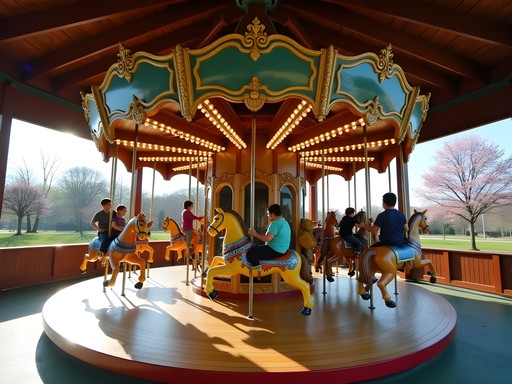
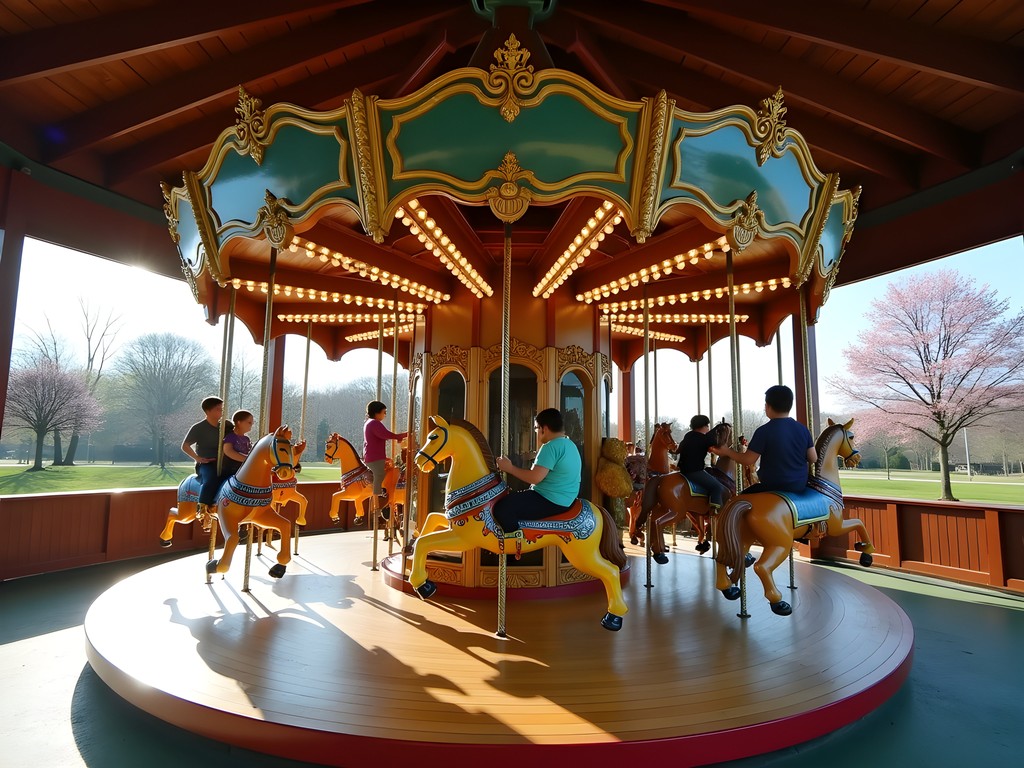
My first Meridian surprise came in Highland Park, home to one of the world's few remaining Dentzel carousels still in its original location. As a biologist, I'm naturally drawn to historical specimens, and this 1909 mechanical marvel qualifies as just that—a perfectly preserved example of early 20th-century craftsmanship featuring 28 hand-carved animals.
What fascinates me most is how the carousel serves as an unexpected teaching tool. Each animal represents species that once roamed Mississippi's diverse ecosystems, making it a whimsical entry point to discuss regional ecology with children. I watched families point out differences between the carved animals while children's eyes widened with the same wonder I see in my university students during their first field expedition.
After riding the carousel (yes, this 50-year-old scientist couldn't resist), we explored the surrounding park's mini-train and picnic areas. I recommend bringing a field guide to identify the surprising variety of songbirds that inhabit the park's mature trees.
💡 Pro Tips
- Visit on weekdays for smaller crowds and more carousel rides
- Bring quarters for the carousel - it's only $0.50 per ride!
- Pack a picnic lunch to enjoy under the park's massive oak trees
Mississippi Children's Museum - Meridian: Where Science Meets Play
As someone who's dedicated his life to making biology accessible, I was thoroughly impressed by the Mississippi Children's Museum's Meridian location. Unlike many children's museums that sacrifice scientific accuracy for entertainment, this facility masterfully balances both.
The museum's 'Wild About Mississippi' exhibit particularly caught my attention with its accurate representations of local ecosystems. My trained eye appreciated the attention to detail in the wetland displays, where children can learn about watershed dynamics through interactive water tables. The exhibit designers clearly consulted with field experts.
My favorite area was the 'Express Yourself' art studio, where families create nature-inspired crafts. I watched children sketching local birds after learning about them in the exhibits—exactly the kind of cross-disciplinary learning I encourage in my university courses.
For families spending several hours here, I recommend bringing a insulated water bottle to stay hydrated while exploring. The museum's layout encourages active movement, and Mississippi's spring humidity can be surprising even indoors.

💡 Pro Tips
- Visit first thing in the morning on weekdays to avoid school groups
- Check the museum calendar for special STEM programming days
- Allow at least 3 hours to fully experience all exhibits
Bonita Lakes: Urban Wilderness Escape
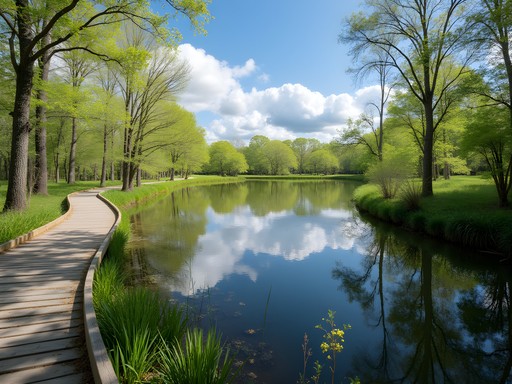
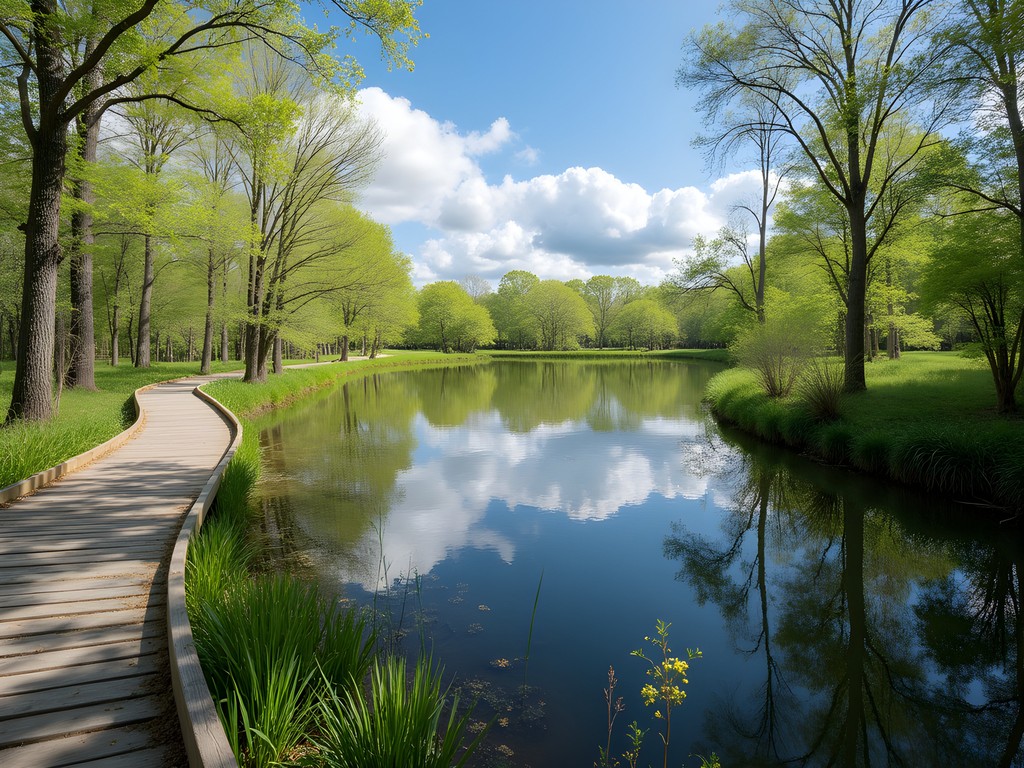
As someone who's hiked through some of the world's most remote wilderness areas, I was genuinely surprised by the ecological diversity of Bonita Lakes Park. This 3,300-acre urban park offers the perfect balance of accessibility and natural immersion that's ideal for families.
The interconnected lakes create a fascinating microclimate that attracts diverse bird species. During my spring visit, I counted 17 different bird species in just two hours—remarkable biodiversity for an urban setting. The 3.5-mile trail circling the main lake provides constant changes in vegetation and wildlife viewing opportunities.
For families with younger children, I recommend the shorter nature trail near the playground area. This half-mile loop features identification markers for common trees and plants—a perfect introduction to forest ecology for little ones. My tree identification deck came in handy here, though the park provides basic guides at the trailhead.
The fishing piers offer another dimension of family fun. I watched several parents teaching children to fish, creating those quiet moments of connection that I believe are essential to nurturing the next generation of nature stewards. The lakes are stocked with bass, bream and catfish.
💡 Pro Tips
- Visit early morning for best wildlife viewing opportunities
- Bring insect repellent during spring months
- Pack binoculars for bird watching - even inexpensive ones will enhance the experience

The MAX: Music, Arts & Science Intersect
The Mississippi Arts + Entertainment Experience (The MAX) brilliantly demonstrates how cultural and scientific understanding can intertwine. As someone who frequently incorporates cultural contexts into my biological research, I found this museum's approach refreshingly holistic.
The museum honors Mississippi's impressive roster of artists, writers, and musicians while exploring how the state's natural environment influenced their work. The interactive exhibits connecting Eudora Welty's writing to Mississippi's landscape particularly resonated with me—her descriptions of native plants reveal an observer's eye that any field biologist would envy.
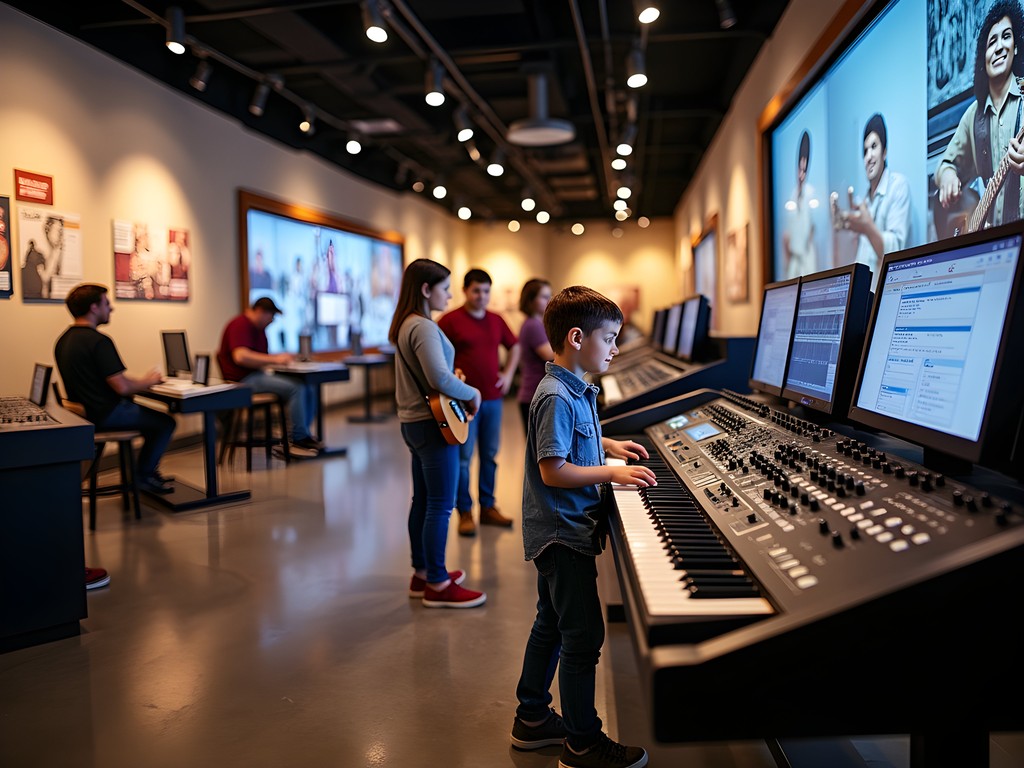
For families, the hands-on recording studio proves most engaging. My background in bioacoustics (studying animal sounds) gave me a unique appreciation for watching children experiment with sound waves and music production. The museum thoughtfully provides noise-reducing headphones for visitors sensitive to louder exhibits—a detail I appreciated as someone who values both scientific exploration and sensory comfort.
Don't miss the rotating art exhibits on the second floor. During my visit, a collection of nature photography showcased Mississippi's diverse ecosystems, from coastal marshes to upland forests, providing another opportunity to discuss ecological concepts with children through an artistic lens.
💡 Pro Tips
- Ask about the scavenger hunt worksheet for children - it transforms the visit into an engaging quest
- Visit on Thursday evenings when admission is discounted
- Check the schedule for live music performances that often feature educational components
Jimmie Rodgers Museum: Ecology Through Music
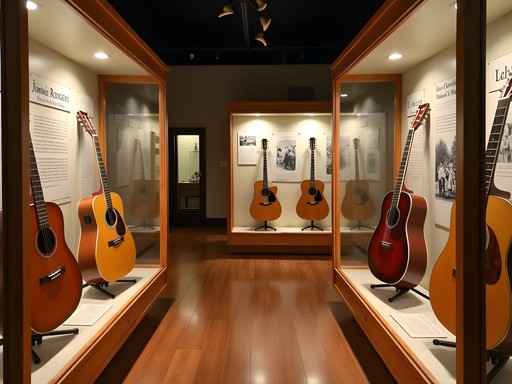
As both a scientist and an amateur musician who often plays folk songs around research camp fires, I found unexpected connections between ecology and cultural history at the Jimmie Rodgers Museum. Known as the 'Father of Country Music,' Rodgers captured the essence of Mississippi's natural and cultural landscape through his songs.
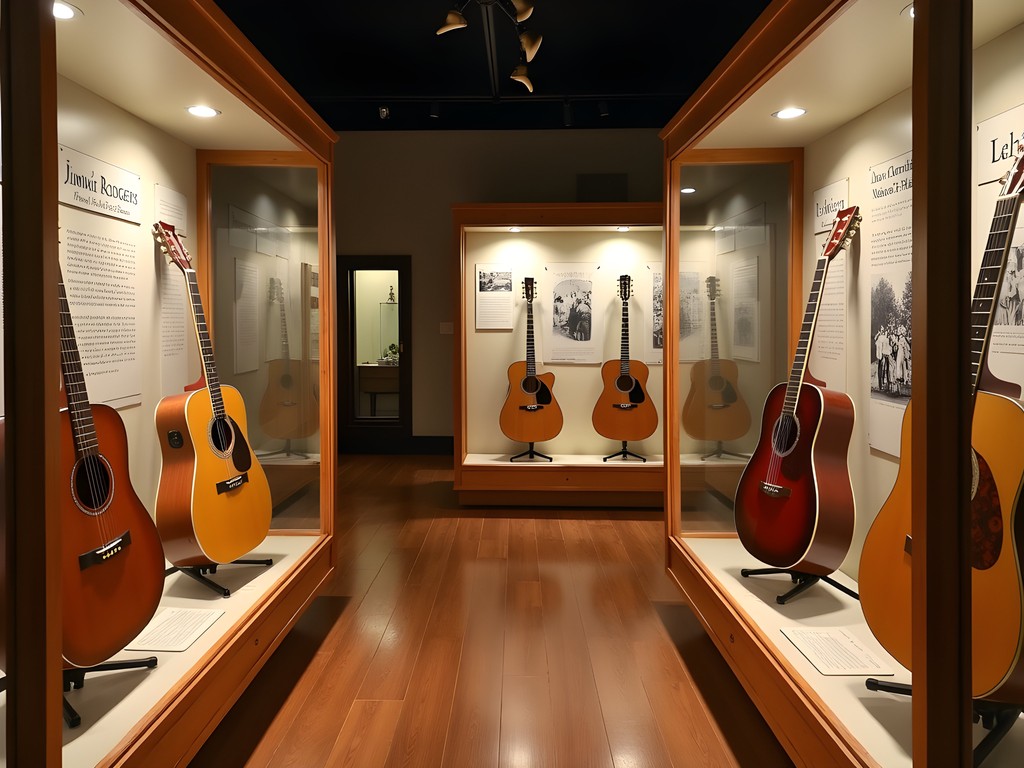
The museum itself is modest but meaningful. What fascinated me was how Rodgers' lyrics frequently referenced the natural environment of early 20th century Mississippi, providing historical ecological data points through art. His descriptions of landscapes now altered by development offer valuable insights into environmental change over time.
For families, the museum offers an engaging scavenger hunt that encourages children to find natural elements in Rodgers' photographs, instruments, and song lyrics. The museum staff brilliantly converted what could be a static exhibit into an interactive exploration of both music history and environmental observation.
After exploring the museum, we enjoyed the surrounding Jimmie Rodgers Memorial Park, where a portable bluetooth speaker allowed us to listen to Rodgers' nature-inspired songs while picnicking under trees that were likely standing during his lifetime—a perfect multisensory educational experience connecting past and present ecosystems.
💡 Pro Tips
- Download some Jimmie Rodgers songs before visiting to enhance the experience
- Ask the museum staff about the ecological references in his music - they have fascinating insights
- Combine with a picnic in the adjacent park for a full morning activity
Okatibbee Lake: Aquatic Ecosystem Exploration
Just 10 miles northwest of Meridian lies Okatibbee Lake, a reservoir that serves as both recreational haven and fascinating study in human-altered ecosystems. As a biologist who's studied watershed management across continents, I found this Corps of Engineers project particularly interesting for family exploration.
The lake's edge offers easy wildlife viewing opportunities that even young children can appreciate. During our spring visit, we observed herons stalking the shallows, turtles basking on logs, and evidence of beaver activity along quieter coves. These sightings provide perfect teachable moments about food webs and aquatic adaptations.
For families with older children, the lake's hiking trails offer more immersive nature experiences. The Okatibbee Creek Nature Trail features interpretive signs explaining the watershed's importance to local ecosystems and communities. I was impressed by how the signage addressed both ecological concepts and engineering principles in accessible language.
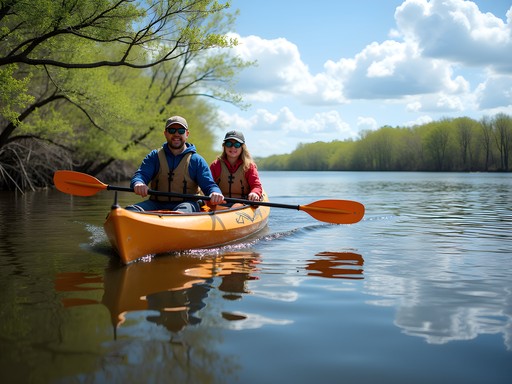
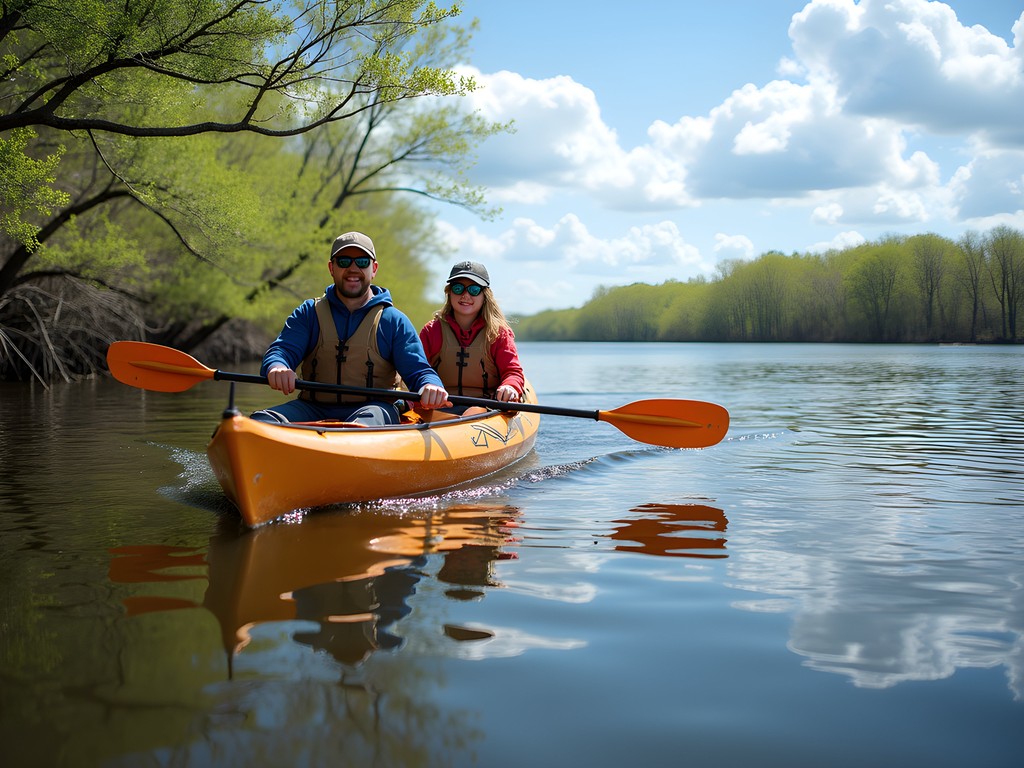
Water safety is paramount here, so I recommend bringing a children's life jacket if you plan to explore by canoe or kayak (rentals available on-site). Our afternoon paddle revealed osprey nests and fishing spots inaccessible by land—a reminder that different perspectives yield different scientific observations.
💡 Pro Tips
- Visit the Corps of Engineers office for free educational materials about the watershed
- Bring polarized sunglasses to better see fish and underwater features near the shore
- Pack a simple water testing kit for an impromptu science lesson about water quality
Meridian Civil Rights Trail: Human Ecology Through History
While my professional focus is on natural ecosystems, I've always maintained that human systems are equally worthy of study. Meridian's Civil Rights Trail offers families a powerful opportunity to discuss human ecology—how people interact with each other and their environment to create social systems.
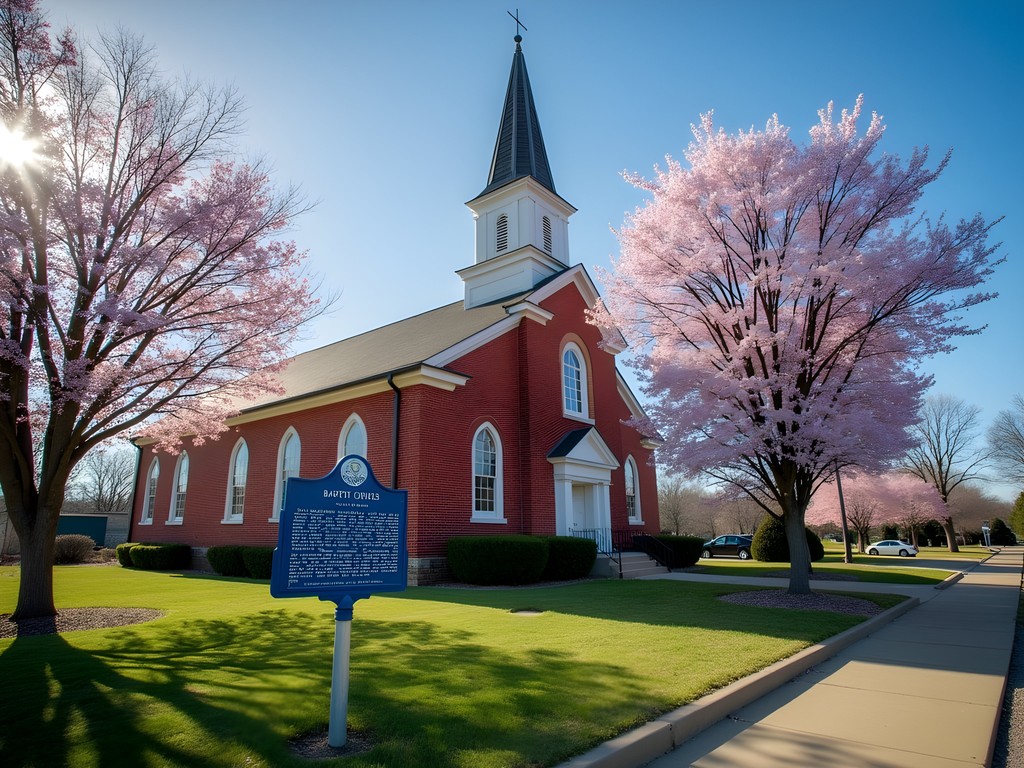
The self-guided walking tour includes 10 sites significant to the civil rights movement, including the historic First Union Baptist Church and the former Council of Federated Organizations (COFO) office. Each location features interpretive signage that presents history in language accessible to various age groups.
What impressed me most was how the trail contextualizes civil rights history within Meridian's physical landscape, demonstrating how geography, architecture, and community design influenced social movements. This approach mirrors how I teach ecosystem dynamics—showing how physical features shape biological interactions.
For families with children, I recommend bringing a travel journal for recording observations and reflections. My university students keep field journals during research expeditions, and I've found the practice equally valuable for helping younger minds process complex social and historical concepts through personal documentation.
The trail requires about 2-3 hours to complete thoroughly and includes several stretches without shade. Spring temperatures in Meridian can be surprisingly warm, so proper hydration and sun protection are essential.
💡 Pro Tips
- Download the free Civil Rights Trail map from the Meridian tourism website before visiting
- Visit early morning or late afternoon to avoid midday heat
- Prepare age-appropriate context for children before walking the trail
Final Thoughts
Meridian reveals itself as a perfect laboratory for family learning—where natural and cultural history intertwine in accessible, budget-friendly experiences. As both a scientist and traveler, I value destinations that offer educational depth beneath their recreational surface, and Meridian delivers this balance remarkably well.
What makes this Mississippi city special isn't grand attractions but the authentic connections between its natural ecosystems, cultural heritage, and human history. The experiences here encourage families to observe, question, and discover together—the same scientific process I've applied throughout my research career.
While Patagonian glaciers and Scandinavian forests might seem more obvious choices for a wildlife biologist's travels, Meridian demonstrates that meaningful exploration often happens in unexpected places. Sometimes the most valuable discoveries lie not in distant landscapes but in the overlooked corners of our own country, where children can develop observation skills and environmental appreciation that may one day lead them to scientific curiosity of their own.
I encourage you to approach Meridian with a naturalist's eye and an open mind. Pack your field guides, bring your questions, and prepare to be surprised by Mississippi's hidden ecological and cultural treasures.
✨ Key Takeaways
- Meridian offers an unexpected blend of natural science, cultural history, and family-friendly activities
- Spring visits provide optimal wildlife viewing and comfortable temperatures for outdoor exploration
- The city's attractions create natural opportunities for educational conversations with children
- Budget-friendly options abound, with many attractions costing under $10 per person
- The compact size makes Meridian perfect for weekend exploration without overwhelming younger travelers
📋 Practical Information
Best Time to Visit
March through May
Budget Estimate
$200-300 for a weekend family trip
Recommended Duration
2-3 days
Difficulty Level
Easy







Comments
coolninja4841
How accessible is the Bonita Lakes trail system? My mom uses a walker sometimes but loves nature.
freemaster
There's a paved pathway around part of the main lake that's pretty flat. Maybe 1/4 mile? My grandpa did fine with his cane there. The other trails get more rugged though.
coolninja4841
Perfect, thanks! That sounds doable for her.
freemaster
Just got back from Meridian last month and can confirm it's seriously underrated! The MAX was our favorite stop - my teenagers who normally roll their eyes at museums were actually engaged with the music exhibits. They have these interactive booths where you can mix your own tracks with Mississippi artists' music. We also hiked all around Bonita Lakes and spotted so much wildlife. Brought our travel binoculars which made the bird watching way better. Stayed an extra day because we were having so much fun!
bluelegend6791
This looks awesome! I have a 5-year-old and 9-year-old. Which of these attractions would you say is best for that age range?
Kevin Larsson
Both the Children's Museum and the Dentzel Carousel would be perfect! The carousel has those identification cards where kids can match the animals they ride - my 6-year-old was obsessed with that game.
bluelegend6791
Thanks Kevin! Adding those to our list for spring break!
Savannah Wood
This post hits different for me as someone from Memphis who's always championing smaller Southern cities! Meridian has that authentic Mississippi charm without the crowds of the coast or the Delta tourist traps. I love how you approached it through a naturalist lens, Kevin. So many family travel writers just regurgitate the same activities without context. The biodiversity angle at Bonita Lakes is real - I've done some bird photography there and the variety is impressive for an urban park. The Dentzel Carousel is also legitimately historic, not just some carnival ride. One thing I'd add: Weidmann's Restaurant downtown has been around since 1870 and is worth the stop for families. Kids menu is solid and the history is tangible.
wanderlustblogger
How many days would you recommend for Meridian with kids? Trying to plan a route from Nashville down to the Gulf Coast.
Savannah Wood
I'd say 2 days is perfect! One day for the museums and carousel, another for Bonita Lakes and exploring downtown. It's a great stopover between Nashville and the coast.
smartbackpacker326
Pro tip: if you're doing Bonita Lakes bring bug spray in the warmer months. The trails are beautiful but mosquitos can be intense near the water. Also the carousel is in Highland Park which has great picnic areas, so pack lunch and make a whole day of it. Way cheaper than theme parks and honestly more educational.
wildking
Thanks for the bug spray tip!
nomadking
Great post! Never would've thought Mississippi had so much for families. Adding to our spring break possibilities!
wildclimber
Do it! We also discovered the Jimmie Rodgers Museum while there - small but our music-loving teen thought it was cool to see the history.
roamfan
Just got back from Meridian last weekend and this article is SO spot on!! The children's museum was way better than we expected - our 6yo spent like 2 hours in the water play area alone. Bonita Lakes was gorgeous, we did the walking trail and saw SO many birds. Also the downtown area has some really cute restaurants we weren't expecting. Whole trip cost us maybe $200 for a family of 4 including gas from Birmingham. Seriously underrated destination!
Hayden Butler
Kevin, this is such a refreshing take on Mississippi! I've driven through Meridian countless times on I-20 between Atlanta and Texas but never stopped. Your wildlife biology perspective really elevates what could have been just another "things to do with kids" listicle. The way you connected the Dentzel Carousel to ecological education is brilliant. I'm particularly intrigued by Bonita Lakes - urban wilderness areas are becoming so important for introducing families to nature without the intimidation factor of remote locations. The MAX sounds like it punches above its weight for a city of Meridian's size. Have you explored any of the Civil Rights history sites there? I know Meridian played a significant role in that era.
wildking
Oh good point about the Civil Rights history! Would love to know more about that too.
citylover
Been to 47 states and somehow missed Mississippi entirely lol
Venture X
Premium card with 2X miles, $300 travel credit, Priority Pass