
Disclosure: This article contains affiliate links. We may earn a commission from purchases at no extra cost to you, which helps our travel content.
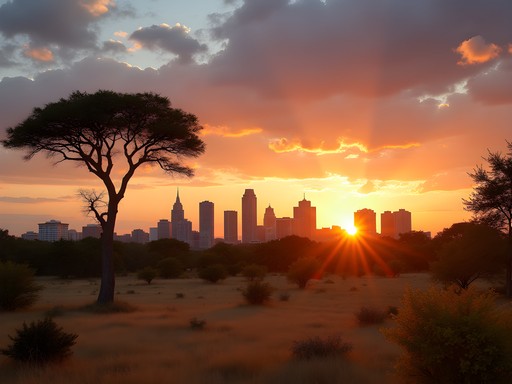
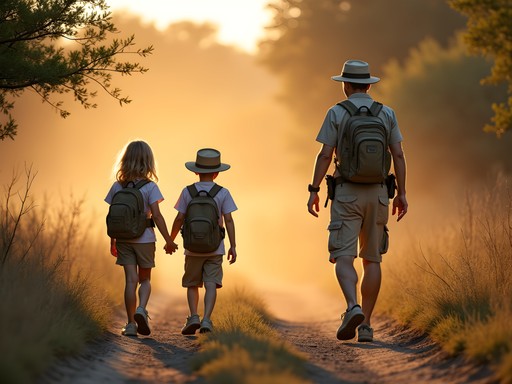
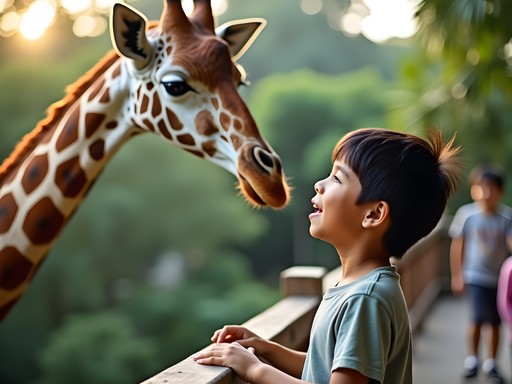
There's something profoundly humbling about watching a child's face illuminate with wonder as they spot their first giraffe in the wild or gaze up at the Kalahari's impossibly starry sky. Though I typically travel solo, last month I had the joy of hosting my sister and her two children (ages 7 and 9) for a week of safari adventures based out of Gaborone. What unfolded was a perfect alchemy of luxury comfort, scientific discovery, and cultural immersion that proved the Kalahari isn't just for hardcore safari enthusiasts—it's an open-air classroom where family bonds strengthen under African skies.

Gaborone: The Unexpected Family-Friendly Base Camp
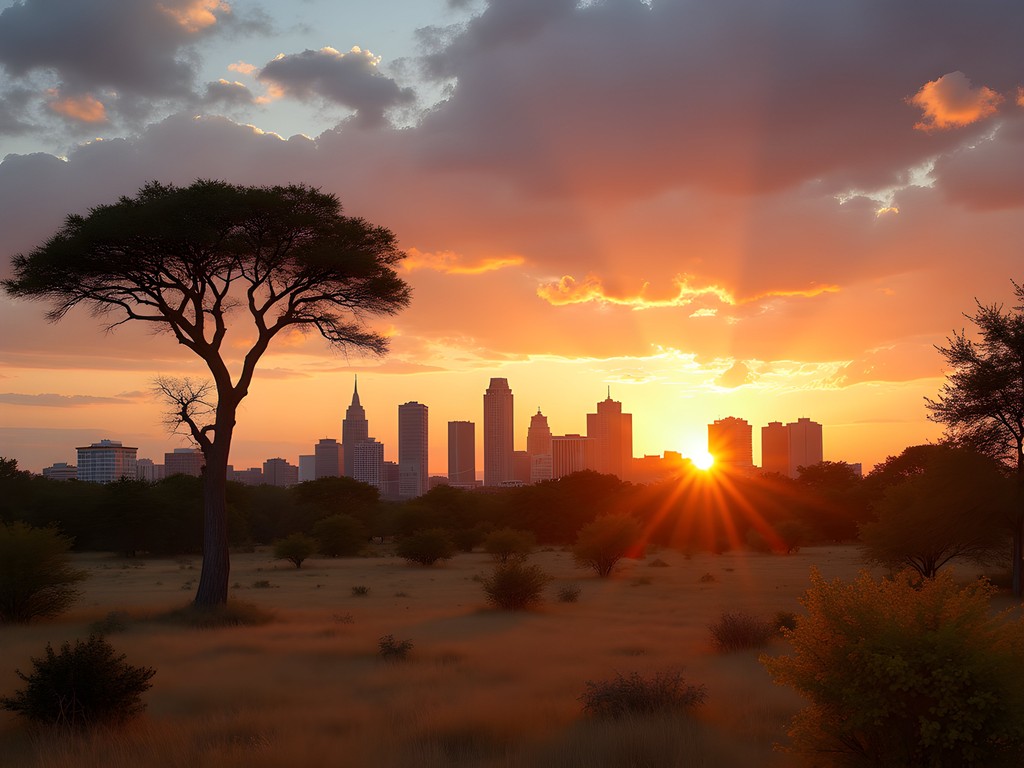
Most travelers rush through Gaborone, viewing it merely as a transit point to more famous safari destinations. This oversight is their loss. The city offers a gentle introduction to Botswana that's perfect for families adjusting to the rhythm of Africa.
We settled at the Lansmore Masa Square Hotel, where the kids immediately claimed the infinity pool as their territory while I appreciated the panoramic city views from our adjoining rooms. The staff greeted my niece and nephew with special welcome packs containing wildlife identification cards—a thoughtful touch that kickstarted their safari excitement.
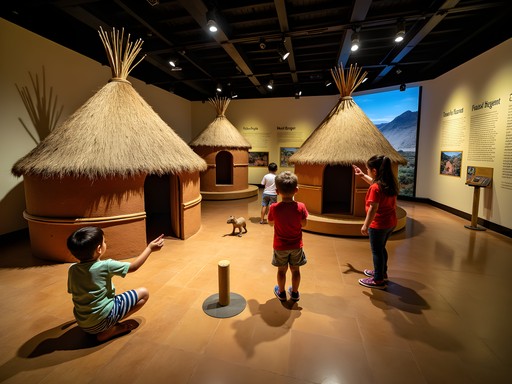
Gaborone's National Museum provided an excellent primer on Botswana's cultural and natural history, with interactive exhibits that kept the kids engaged. My nephew, already a budding geologist at age 9, was captivated by the mineral collection, while my niece practiced traditional basket weaving techniques with surprising dexterity.
For families, I recommend spending at least two days in Gaborone before heading into the wilderness. This adjustment period allows children to acclimate to the new environment while still enjoying modern comforts. The city's restaurants cater well to picky eaters—Caravela Portuguese Restaurant became our go-to for its child-friendly menu and adults-approved wine list.
💡 Pro Tips
- Book accommodations with adjoining rooms or family suites for privacy and togetherness
- Visit the National Museum early in your trip to provide context for what children will see on safari
- Pack a small polaroid camera for kids to document their own safari memories
Mokolodi Nature Reserve: Wildlife Encounters for All Ages
Just 15 kilometers south of Gaborone lies Mokolodi Nature Reserve—a perfect first safari experience for children. Unlike the more remote reserves that require long drives and extreme patience, Mokolodi delivers reliable wildlife sightings within a manageable 30-square-kilometer area.
We opted for a morning game drive specifically designed for families. Our guide, Mpho, possessed that magical ability to translate complex ecological concepts into stories that captivated both adults and children. When my nephew asked why warthogs kneel while eating, Mpho explained their poor neck flexibility with such animated gestures that the kids still imitate his 'warthog dance' weeks later.
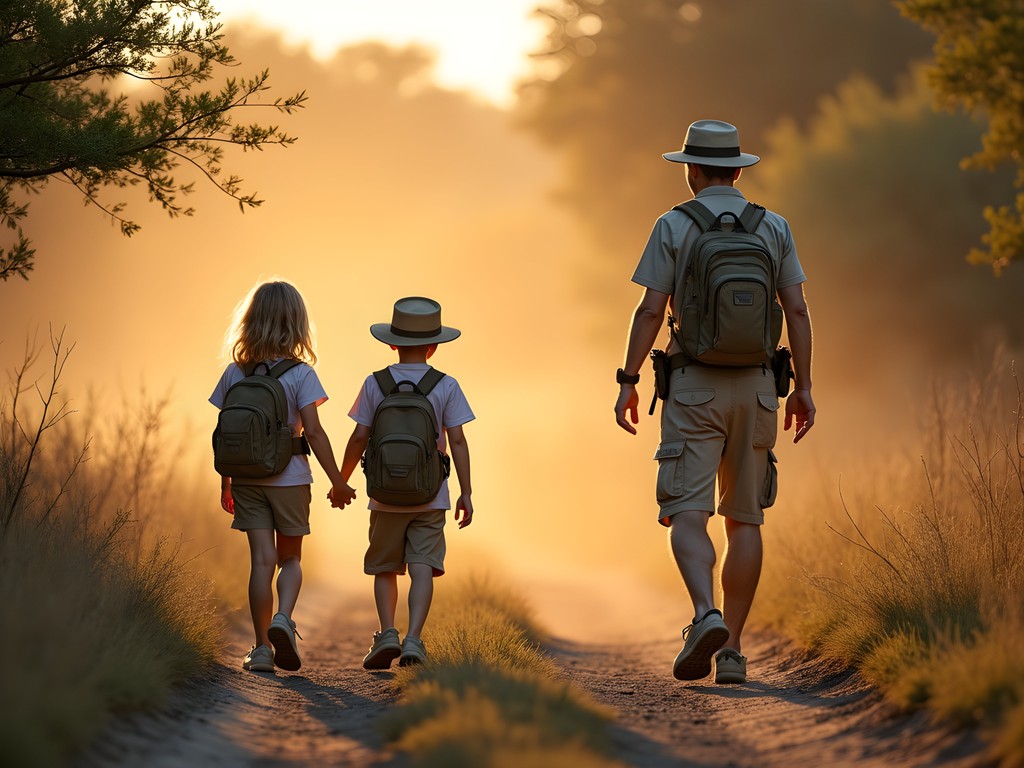
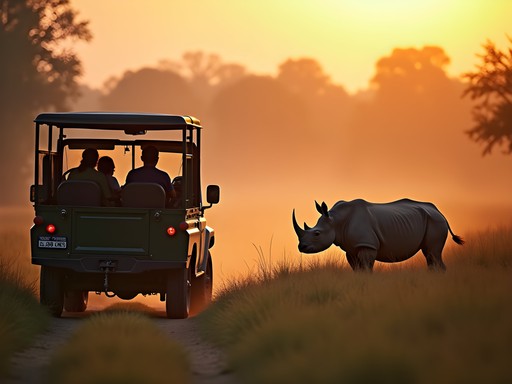
The reserve's rhino tracking experience proved to be the highlight. Before setting out, each child received a safari vest with pockets for their wildlife checklist and compact field guide. Walking quietly through the bush, following fresh rhino tracks, created a sense of adventure that no zoo could replicate. When we finally spotted two white rhinos grazing peacefully, the collective intake of breath from our small group said everything about the power of these encounters.
For lunch, the reserve's restaurant served farm-to-table meals with ingredients from their organic garden. My niece, normally hesitant with new foods, surprised us by requesting seconds of the pumpkin soup—a small victory in expanding young palates through travel.
💡 Pro Tips
- Book the family game drive specifically, as guides adapt their approach for children's attention spans
- Bring binoculars for kids that are durable enough to survive being dropped
- Visit the Mokolodi reptile park early in the day when snakes are most active for demonstrations
Kalahari Desert: Luxury Camping with Scientific Wonder
For our Kalahari adventure, we chose a three-day excursion with Ker & Downey Botswana to their family-friendly camp in the Central Kalahari Game Reserve. The journey itself became part of the experience, with our guide pointing out changes in vegetation and geology as we traveled farther from Gaborone.
Our luxury tented camp struck the perfect balance between comfort and immersion in nature. The kids were delighted to discover their tent came equipped with solar-powered headlamps for nighttime adventures and wildlife identification cards for tracking their sightings.
Morning game drives revealed the desert's surprising biodiversity. We tracked a pride of the legendary black-maned Kalahari lions, observed meerkats teaching their pups survival skills, and marveled at oryx standing majestically against red sand dunes. The guides expertly balanced wildlife viewing with hands-on learning—teaching the children to identify animal tracks, explaining how plants adapt to desert conditions, and demonstrating traditional hunting techniques.
As a diving enthusiast accustomed to exploring marine ecosystems, I found fascinating parallels in how desert organisms have evolved specialized adaptations for survival. My nephew was particularly fascinated by the sociable weavers' massive communal nests, prompting discussions about cooperation in nature that continued throughout our journey.
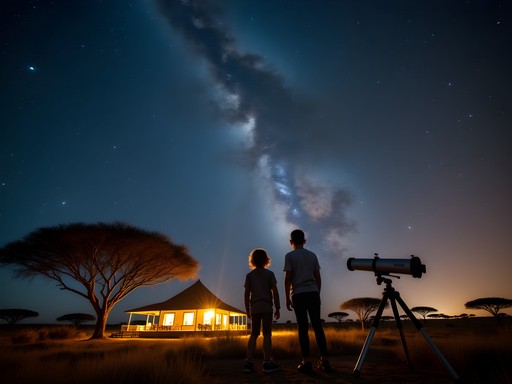
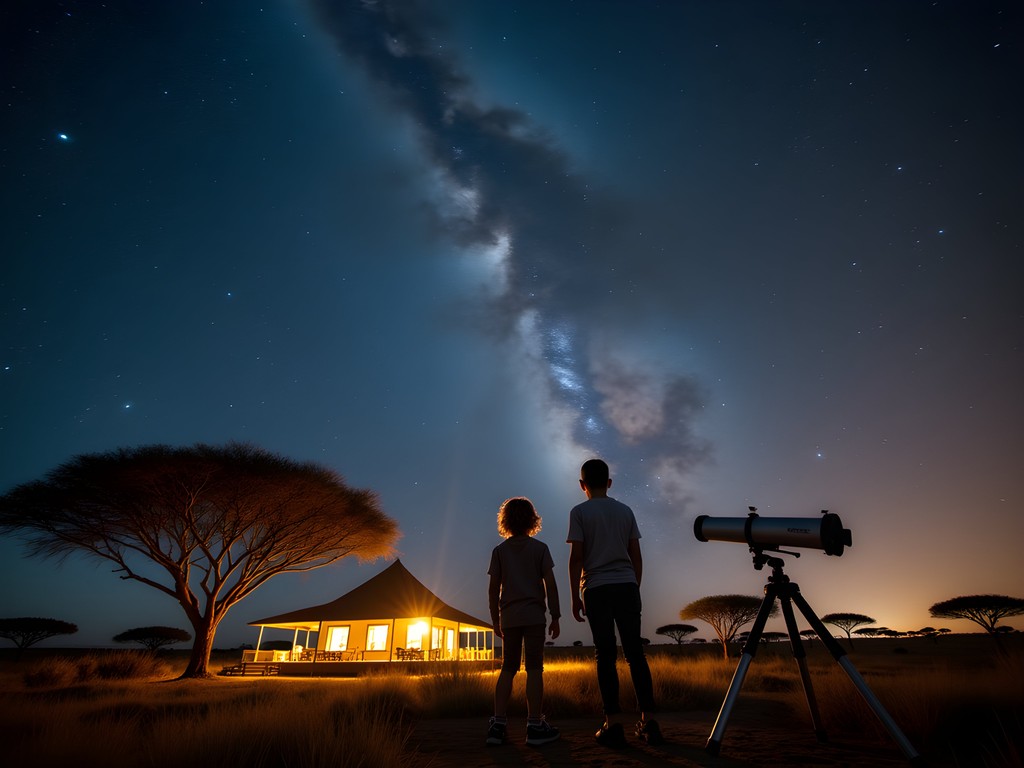
Each evening, the camp staff set up portable telescopes for stargazing. Away from light pollution, the Kalahari night sky reveals itself as one of Earth's greatest spectacles. Our guide pointed out constellations from both Western astronomy and indigenous Batswana traditions, weaving science and cultural storytelling together in a way that kept the children engaged well past their normal bedtime.
💡 Pro Tips
- Pack cooling neck wraps for daytime heat, especially when traveling with children
- Bring a quality star chart app that works offline for enhanced stargazing experiences
- Request family tents with adjoining sections for peace of mind while maintaining privacy

Cultural Immersion: Meeting the San People
One of my priorities when traveling with children is creating opportunities for authentic cultural exchange. Through our lodge, we arranged a respectful visit with a San community living traditionally on the edge of the Kalahari.
Before our visit, I prepared the children by explaining the San people's profound connection to the land and their status as one of the world's oldest cultures. We discussed appropriate behavior and brought educational gifts rather than candy or money.
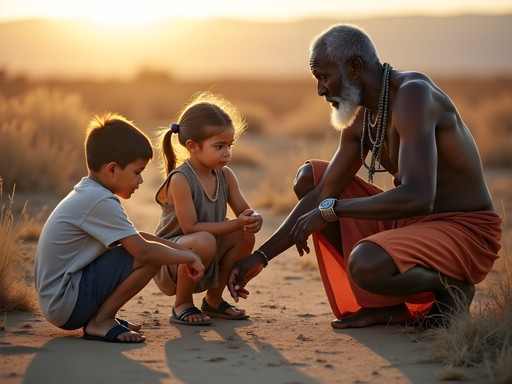
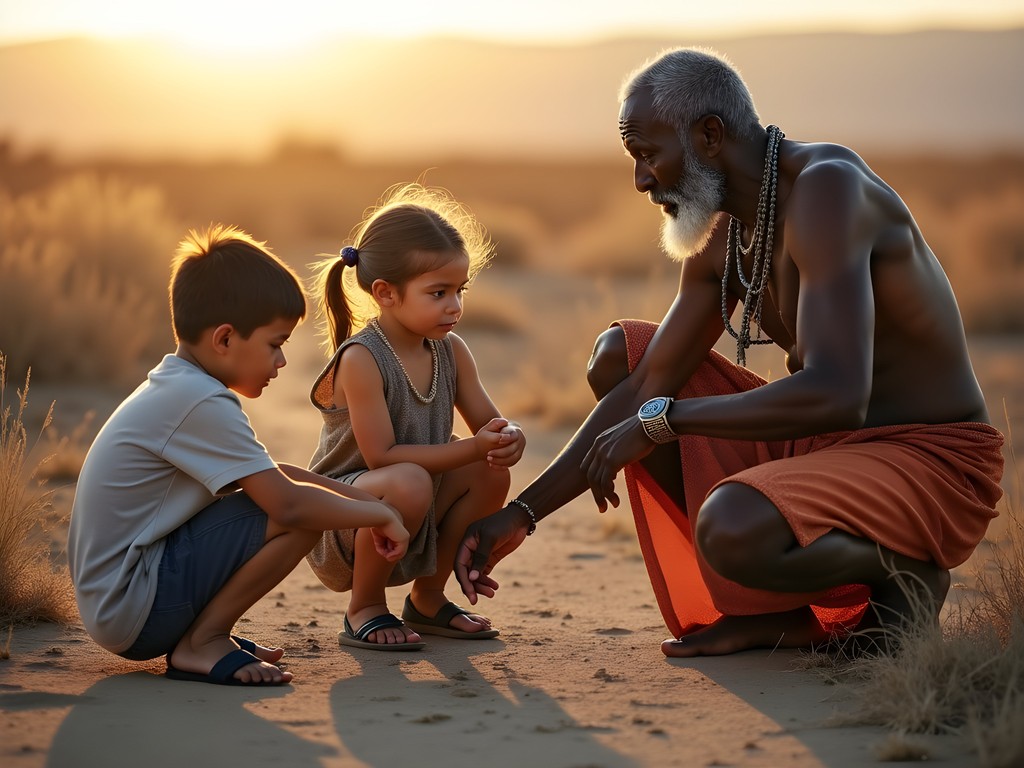
The morning spent with the San community transformed my niece and nephew's understanding of what it means to be 'rich.' They were initially confused by the absence of technology but soon became engrossed in learning survival skills. A San elder demonstrated fire-making techniques using only sticks and dried grass, a process my nephew later described as 'better than any YouTube video.'
The children participated in a traditional foraging walk, where they learned to identify edible plants and track small game. My niece, normally hesitant around insects, found herself fascinated by the San children's explanation of which beetles were helpful and which to avoid.
Perhaps most valuable was watching the children communicate despite language barriers. By afternoon, they were playing traditional San games together, proving that play truly is a universal language. This experience prompted deeper conversations about different ways of living and the importance of preserving indigenous knowledge—conversations that continued long after we returned to Gaborone.
💡 Pro Tips
- Research cultural protocols before visiting indigenous communities and discuss appropriate behavior with children beforehand
- Bring meaningful gifts that support education or community needs rather than creating dependency
- Allow plenty of unstructured time for children to interact naturally with local kids
Mindful Safari: Teaching Children Conservation Through Experience
As someone who pivoted from tech burnout to mindfulness-centered travel, I was keen to incorporate contemplative practices into our family safari. While 'meditation' might seem incompatible with energetic children, I discovered that the Kalahari naturally induces a state of mindful awareness.
Each morning, we began with a simple 'safari gratitude' ritual. Before leaving our tents, everyone shared something they hoped to see and something they were already grateful for. This simple practice helped frame each day as a gift rather than a checklist of animals to spot.
Our guide embraced this approach, incorporating 'silent game drives' where we would stop the vehicle for five minutes of complete quiet, listening to the subtle sounds of the bush. Initially fidgety, by the third day, the children were reminding adults when it was time for our silent observation.
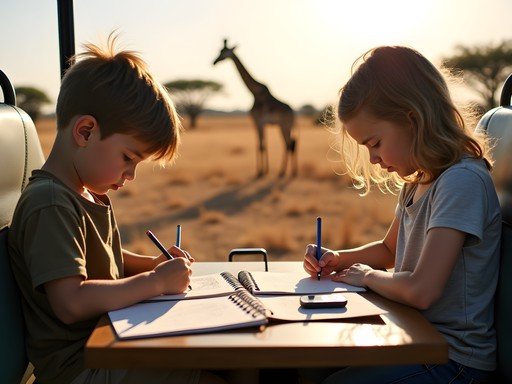
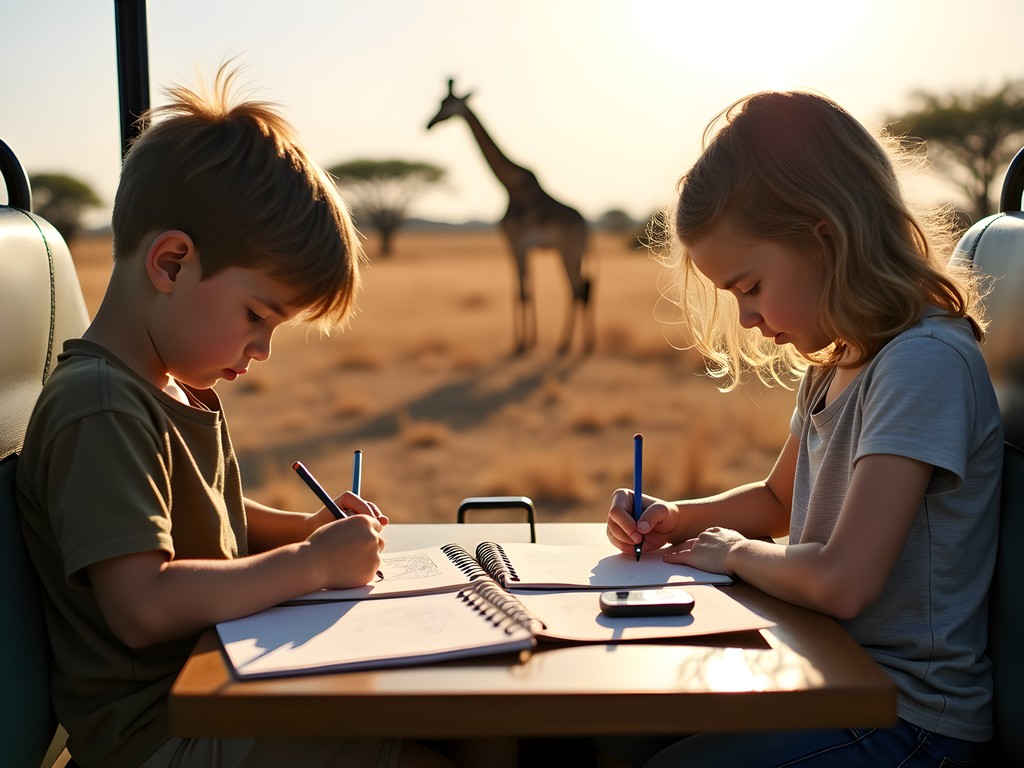
To enhance these experiences, I brought along a nature journal for each child. Rather than simply photographing animals, they sketched what they saw, recorded sounds they heard, and noted questions to research later. This slowed-down observation created deeper connections with wildlife than any number of hasty photos could achieve.
We also participated in the lodge's junior conservation program, where the children learned about poaching threats and conservation solutions. They helped staff check camera traps and input data about wildlife sightings, experiencing science as an adventure rather than a school subject.
The culmination was a 'conservation pledge' ceremony where each child received a wildlife adoption kit for an endangered Kalahari species. My nephew chose the pangolin, while my niece selected the African wild dog—commitments they continue to honor through learning and sharing with friends back home.
💡 Pro Tips
- Create simple mindfulness rituals that children can understand and embrace
- Allow time for drawing and journaling rather than just photography
- Research lodges with specific junior conservation programs before booking
Final Thoughts
As our week drew to a close, I watched my niece and nephew pack their treasures—journals filled with wildlife sketches, San crafts carefully wrapped in tissue paper, and memory cards bursting with photographs. But their most valuable souvenirs weren't physical. They were returning home with expanded worldviews, newfound respect for different ways of living, and the quiet confidence that comes from navigating new experiences.
The Kalahari, when approached through Gaborone's family-friendly gateway, offers that rare destination that satisfies both adult desires for luxury and authentic experiences while captivating children's imaginations. The key is balance—alternating wildlife adventures with cultural encounters, educational moments with pure play, and digital detox with strategic technology use for learning.
As we watched our final Kalahari sunset, my nephew asked when we could return to see how 'his' pangolins were doing. In that moment, I recognized the true power of mindful family travel: creating the next generation of conservation advocates through direct experience rather than abstract education. The Kalahari had worked its magic, turning city kids into budding naturalists and transforming what could have been a simple vacation into a foundation for lifelong environmental stewardship.
✨ Key Takeaways
- Gaborone provides an ideal family-friendly base for acclimating before venturing into the Kalahari wilderness
- Specialized family safari experiences balance education with adventure in ways that captivate children
- Cultural exchanges with indigenous communities create profound learning opportunities when approached respectfully
- Incorporating mindfulness practices helps children develop deeper connections with wildlife and ecosystems
📋 Practical Information
Best Time to Visit
April-May and September-October (shoulder seasons with moderate temperatures and good wildlife viewing)
Budget Estimate
$5,000-$8,000 for a family of four for one week (including luxury accommodations, guided safaris, and domestic transportation)
Recommended Duration
7-10 days (2 days in Gaborone, 5-8 days on safari)
Difficulty Level
Moderate (Suitable For Children 6+ With Some Preparation)

Comments
Douglas Bradley
Fantastic write-up, Abigail! I did a similar trip last year but without kids, and I'm amazed at how you navigated the cultural aspects with the little ones. The San people experience can be so profound but difficult to translate for children. Your approach using storytelling and craft-making was brilliant. One tip for families heading to the Kalahari - we found that kids binoculars were a game-changer for wildlife viewing. The smaller size and durability meant kids could spot animals themselves rather than always asking to borrow the adults' gear. Did you find the temperatures challenging with the kids? We went during a similar season and the swing from hot days to cold nights was quite dramatic.
Abigail Kelly
Thanks Douglas! The temperature swings were definitely a challenge - layering was essential. The kids actually handled it better than the adults, to be honest! The luxury camp provided hot water bottles for the beds which the kids thought was magical.
explorevibes
Those sunset photos from the Kalahari are breathtaking! Did you use a special camera or just your phone?
moonguide7760
This is exactly what I needed! Taking my kids (7 and 9) to Botswana next year and was worried about the Kalahari being too intense for them.
Abigail Kelly
So glad it's helpful! The Kalahari is surprisingly kid-friendly with the right planning. Feel free to message me if you have specific questions about your itinerary!
moonguide7760
Thanks so much! Did your niece and nephew have any favorite activities I should definitely include?
Abigail Kelly
They loved the stargazing night at the luxury camp - they still talk about it months later! And the wildlife tracking with the San guides was a huge hit. Bring small notebooks so they can draw what they see!
Nicole Russell
Abigail, this is such a beautiful post! The way you describe the kids' reactions really captures what makes travel with children so special. I'm usually a solo traveler but posts like this make me think about family trips differently - it's not just about seeing places but about those moments of wonder. The San people cultural experience sounds particularly meaningful. Did you find the kids were able to really engage with that or was it more observational?
nomadrider
Mokolodi is seriously underrated! We did the education center there and the kids got to learn about conservation efforts. They have a rhino sanctuary too which was incredible. Pro tip: go early morning for the best animal sightings when it's cooler. We saw zebras, warthogs, and a ton of birds. The whole thing took about 3 hours with kids and wasn't exhausting at all. Gaborone itself was way more interesting than I expected - good restaurants and the people were so friendly.
smartfan
Thanks! This is super helpful. Definitely doing the morning visit.
smartfan
What ages would you say this is best for? I have a 4 year old and 7 year old and wondering if they're too young for the Kalahari camping part. The Mokolodi reserve sounds perfect though!
nomadrider
We took our 5yo to Mokolodi last year and she loved it! Super easy walks and you see tons of animals. Can't speak to the camping though.
Nicole Russell
I haven't done this exact trip but I've traveled with families in similar settings and honestly the 7yo would probably have a blast with everything! The 4yo might get tired with longer activities but the stargazing and cultural experiences seem pretty flexible. Love that Abigail mentioned the luxury camping aspect - makes it way more doable with little ones!
wanderlustmood
This looks amazing! Adding to my bucket list.
wanderlustperson
What was the minimum age requirement for the San cultural experiences? My daughter is 5 and I'm wondering if she's too young.
Abigail Kelly
There wasn't a strict minimum age when we went. My nephew was 6 and he was fully engaged. The San guides were incredibly patient and adapted activities to different ages. Your 5-year-old should be fine!
Gregory Boyd
Really appreciate the practical approach here, Abigail. Botswana often gets overlooked for family travel because people assume it's only luxury lodges or hardcore camping. Your point about Gaborone as a base is spot on - it's got proper infrastructure, medical facilities, and you can ease kids into the bush experience gradually. The San cultural component is crucial too. I've seen too many 'cultural experiences' that feel exploitative, but the ones run through community partnerships near the Kalahari are genuinely educational. Did you arrange that independently or through a tour operator? Also curious about malaria precautions - that area should be relatively low risk but worth mentioning for families planning trips.
Abigail Kelly
Great points Gregory. We arranged the San visit through our camp - they have established relationships with local communities and ensure fair compensation. Re malaria: Gaborone and the southern Kalahari are very low risk, especially in winter months. We still took precautions but our doctor said prophylaxis was optional for that region.
greenphotographer
Your wildlife photos are stunning! What camera settings did you use for the night sky shots? I'm planning my first safari and want to capture the stars like this. The giraffe shots are beautiful too - did you need a telephoto lens or were they pretty close?
Abigail Kelly
Thank you! For stars I used 20 second exposure, f/2.8, ISO 3200. The giraffes were surprisingly close at Mokolodi - used my 70-200mm lens but could've gotten away with less!
Venture X
Premium card with 2X miles, $300 travel credit, Priority Pass