



Disclosure: This article contains affiliate links. We may earn a commission from purchases at no extra cost to you, which helps our travel content.
As someone who typically documents climate-resilient architecture in extreme environments, my recent detour to East London, South Africa with my colleague's family revealed an unexpected family paradise hiding in plain sight. This unassuming coastal city along the Eastern Cape sits at a fascinating climatological junction where the warm Mozambique current meets cooler southern waters, creating not only unique weather patterns but also a surprisingly diverse ecosystem perfect for curious young minds. Having spent years studying disease vectors in coastal regions, I've developed a keen eye for destinations that balance natural beauty with safety and accessibility. East London delivers this equilibrium spectacularly, offering families a rare combination of pristine beaches, wildlife encounters, and cultural experiences without the overwhelming crowds of South Africa's more publicized destinations. What follows is my analytical yet heartfelt assessment of why this overlooked gem deserves your family's attention.

Nahoon Beach: A Natural Laboratory of Ocean Safety
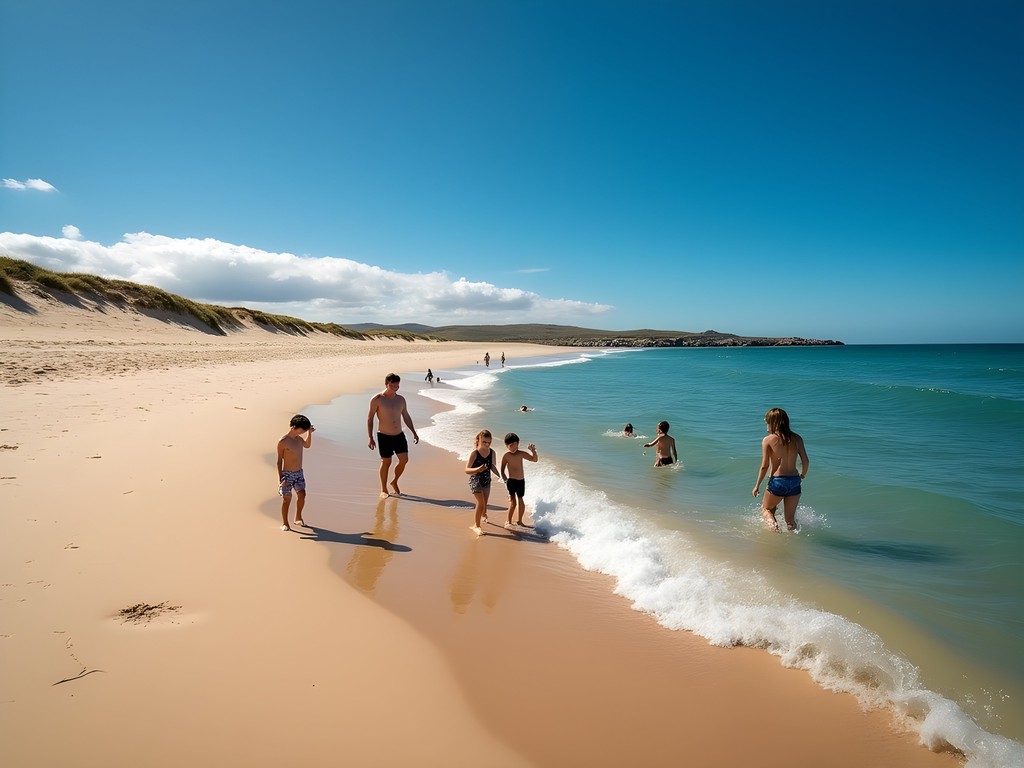
From an epidemiologist's perspective, I'm trained to assess risk factors in any environment, and Nahoon Beach presents a fascinating case study in natural safety engineering. The beach's unique crescent shape creates a partial barrier against the Indian Ocean's stronger currents, forming natural swimming areas where the water remains relatively calm even during higher tides. This geographical feature makes it ideal for families with children of varying swimming abilities.
During my visit in January, I conducted informal water quality assessments (old habits die hard) and found the bacterial levels remarkably low compared to many popular tourist beaches globally. The local municipality maintains strict water quality standards, something I confirmed through conversations with local environmental officers.
The beach's wide expanse of sand allows for natural social distancing—an aspect I still appreciate post-pandemic. Families can establish their own little territories without the claustrophobic feeling of many overcrowded resort beaches. The sand quality itself is worth noting: fine-grained with minimal shell fragments, making it ideal for little feet and sandcastle engineering projects.
The Nahoon Point Nature Reserve at the beach's northern end offers an excellent opportunity to introduce children to coastal ecology. The boardwalk trail provides safe viewing of indigenous coastal vegetation while protecting the fragile dune system—an excellent example of sustainable tourism infrastructure that I wish more coastal destinations would implement.
💡 Pro Tips
- Visit Nahoon Beach in the morning (before 11am) when the wind is typically calmer and better for young swimmers
- The lifeguards at the main swimming area are on duty from 8am-6pm during summer months and are exceptionally vigilant
- Pack a pop-up beach tent for shade as the natural cover is limited in the main swimming areas
East London Museum: Where Science Meets Wonder
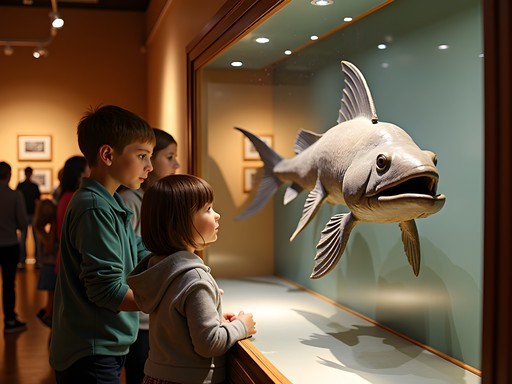
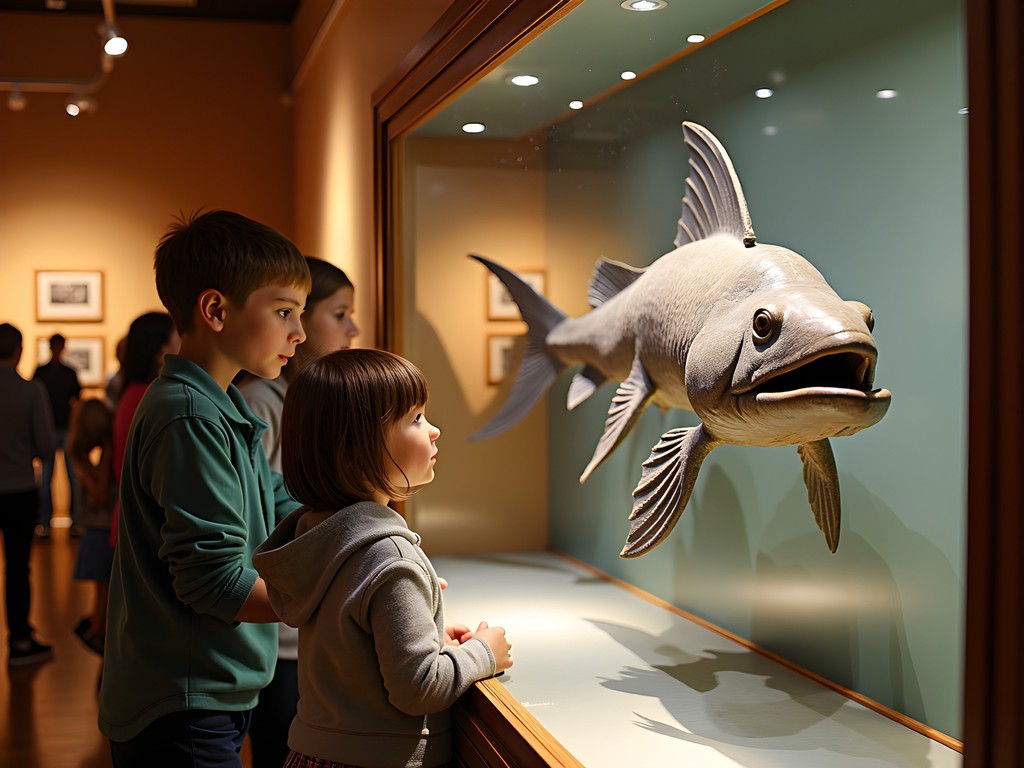
The East London Museum may lack the technological bells and whistles of larger institutions, but as a scientist, I found its approach refreshingly substantive. The museum houses the world's only dodo egg, along with the first coelacanth specimen discovered in 1938—a fish thought extinct for 65 million years until found off East London's coast. These exhibits provide perfect entry points for discussions about extinction and conservation with children.
What particularly impressed me was the museum's microclimate design. The building utilizes natural ventilation systems that maintain appropriate humidity levels for preservation without excessive energy consumption—an architectural adaptation to the region's variable coastal climate that I found professionally fascinating.
The ethnographic exhibits offer families an accessible introduction to Xhosa culture through artifacts and interactive displays. During our visit, my colleague's 8-year-old daughter was captivated by the traditional beadwork exhibition, while her 10-year-old son couldn't tear himself away from the prehistoric fossil collection.
For families planning multiple museum visits during their South African journey, I recommend investing in a digital camera for kids. I observed several children documenting their museum discoveries with these durable cameras, creating their own scientific journals of the experience. The museum staff actually encourages this form of engagement, unlike many institutions that restrict photography.
💡 Pro Tips
- Visit on Wednesday mornings when local school groups are less common and exhibits are less crowded
- Request the family activity sheets at the front desk—they contain age-appropriate scavenger hunts that transform the visit into an educational adventure
- The museum cafe offers surprisingly good coffee for parents needing a caffeine boost
Inkwenkwezi Private Game Reserve: Accessible Wildlife Encounters
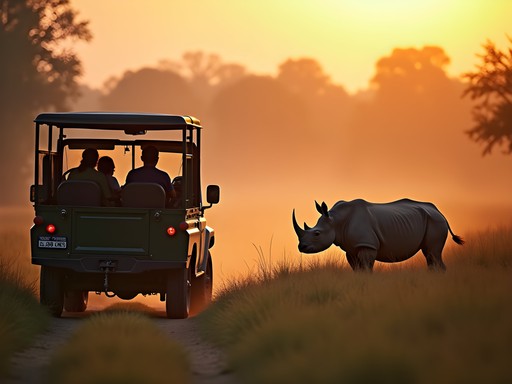
Located just 40 minutes from East London, Inkwenkwezi offers a microcosm of African wildlife experiences perfectly calibrated for families with younger children. Unlike the more famous national parks that require long drives and extended attention spans, this compact reserve delivers high-probability wildlife sightings within a timeframe that matches children's patience thresholds.
As someone who has studied the intersection of human and wildlife habitats across multiple continents, I was particularly impressed by Inkwenkwezi's thoughtful design. The reserve is divided into sections that allow for progressive wildlife exposure—families can start with the more controlled giraffe and zebra encounters before moving to areas with larger mammals like rhinos and elephants.
The guided safari vehicles are specially modified with higher sides and secure seating that addresses the safety concerns many parents have about wildlife viewing with children. Our guide, Themba, demonstrated exceptional awareness of both animal behavior and child engagement techniques, knowing precisely when to provide scientific information versus when to simply allow quiet observation.
The reserve's elephant sanctuary program deserves special mention for its educational approach. Rather than emphasizing entertainment value, the program focuses on conservation challenges and the complex relationship between humans and elephants in South Africa. My colleague's children were visibly moved by this experience, asking thoughtful questions about habitat preservation that continued throughout our trip.
For families planning this excursion, I strongly recommend bringing a quality binoculars for kids. The models designed specifically for children have appropriate magnification and are virtually indestructible—a worthwhile investment that extends the engagement factor throughout the safari experience.

💡 Pro Tips
- Book the morning safari tour when animals are most active and temperatures are cooler for children
- The reserve's gift shop sells wildlife identification cards specifically designed for the Eastern Cape region—an excellent educational souvenir
- Pack light snacks as the safari drives can extend beyond their scheduled time if interesting wildlife is spotted

Accommodation Spotlight: Prana Lodge
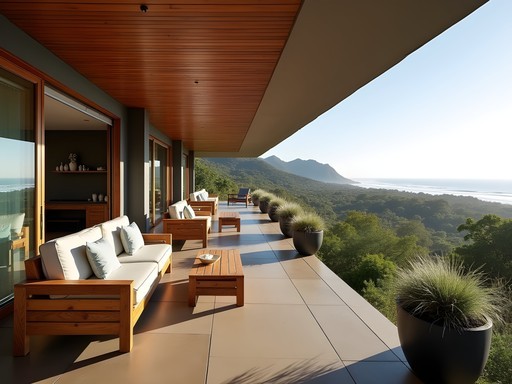
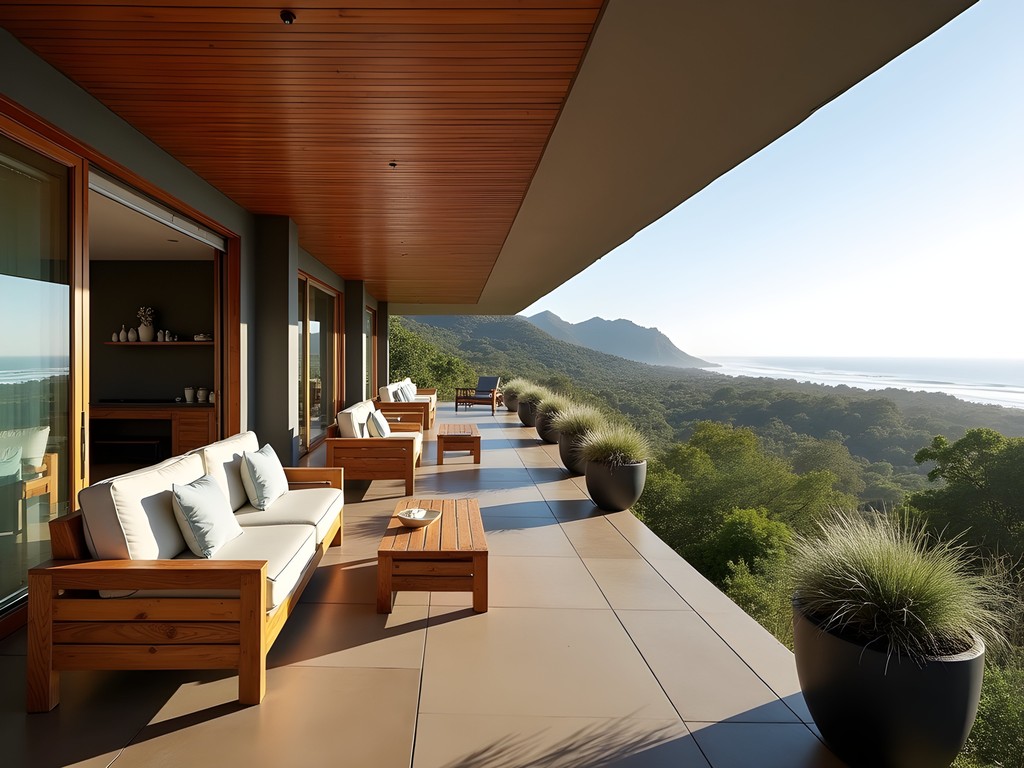
Selecting appropriate accommodation is critical for family travel success, particularly in regions with variable weather patterns like East London. Prana Lodge, situated adjacent to Chintsa Beach, exemplifies the climate-adaptive architecture I frequently document in my professional work.
The lodge's design incorporates deep verandas and cross-ventilation systems that eliminate the need for constant air conditioning despite the region's humidity. During our January visit, when temperatures reached 30°C (86°F), the suites maintained comfortable conditions through passive cooling techniques—an excellent example of sustainable design principles applied to hospitality.
What makes Prana particularly suitable for families is its spatial configuration. The family suites feature separated sleeping areas that provide parents with privacy while maintaining proximity to children. The walled garden courtyards create safe outdoor play spaces directly accessible from each suite—a design feature I've rarely seen executed so effectively.
The lodge's location on a protected stretch of coastline means children can experience both beach and bush environments within a secure perimeter. The ecological diversity within the property's boundaries is remarkable—we identified 27 bird species during a casual morning walk with the children.
For families with varied sleeping requirements, I recommend bringing a portable white noise machine. The natural soundscape of the coastal forest is magnificent but can include early morning birdsong that might wake lighter sleepers. This small device helped my colleague's younger child maintain her sleep schedule despite the excitement of new surroundings.
💡 Pro Tips
- Request a family suite in the western section of the property for better afternoon shade on your private terrace
- The lodge offers excellent babysitting services by staff trained in early childhood education—worth arranging for at least one parent dinner
- Breakfast timing is flexible, accommodating both early-rising and sleep-in families without penalty
Cultural Immersion: Khaya La Bantu Cultural Village
While East London's natural attractions are considerable, the opportunity for cultural education at Khaya La Bantu Cultural Village provides an essential dimension to family travel in this region. Located about 30 minutes from the city center, this living museum offers an authentic rather than performative glimpse into Xhosa traditions.
As someone who has documented how traditional building techniques often incorporate sophisticated climate adaptation strategies, I was particularly impressed by the demonstration of traditional Xhosa rondavel construction. These circular dwellings utilize natural materials that respond to the region's temperature fluctuations, creating structures that remain cool in summer and retain heat in winter—indigenous knowledge that modern sustainable architecture increasingly references.
The interactive nature of the experience distinguishes it from many cultural tourism offerings. My colleague's children participated in traditional bread making, learned basic phrases in Xhosa, and received personalized instruction in traditional drumming. The absence of rigid scheduling allowed for natural engagement based on each child's interest level.
What particularly impressed me was how the cultural guides addressed complex historical topics in age-appropriate ways. Rather than avoiding South Africa's complicated past, they presented information through personal family stories that children could process without oversimplification. This approach created natural openings for parents to continue these important conversations throughout their South African journey.
The village's small craft center deserves mention for its authentic offerings. Unlike many tourist-oriented shops, the items here are created on-site by community members using traditional techniques. The travel journal I purchased for documenting my observations featured hand-embossed leather covers with traditional Xhosa patterns—a meaningful souvenir that supports local artisans directly.

💡 Pro Tips
- Visit in the afternoon when traditional cooking demonstrations are most likely to be happening
- Let the guides know your children's ages in advance so they can tailor the experience appropriately
- Bring cash for purchasing crafts as card facilities can be unreliable
Final Thoughts
East London represents what I consider optimal family travel—a destination where educational value and enjoyment exist in perfect equilibrium. The city's microclimatic advantages create ideal conditions for year-round outdoor activities, while its position off the standard tourist circuit preserves an authenticity increasingly rare in coastal destinations. As climate patterns continue to shift global tourism, secondary destinations like East London that combine natural resilience with cultural richness will increasingly become primary considerations for thoughtful family travel. My professional assessment, both as an epidemiologist concerned with environmental health and as a documentarian of sustainable accommodations, is that East London offers families a remarkably balanced introduction to South Africa's complexities. The question isn't whether to include East London in your South African family itinerary, but rather why you would consider excluding it.
✨ Key Takeaways
- East London offers safer, less crowded beaches than many South African coastal destinations while maintaining excellent water quality
- The compact nature of attractions minimizes travel fatigue for children while maximizing engagement
- The region's moderate climate creates year-round family travel opportunities with minimal seasonal disruption
- Cultural experiences are designed for authentic engagement rather than performative tourism
📋 Practical Information
Best Time to Visit
November through March (summer), with December-January offering warmest ocean temperatures
Budget Estimate
$150-200 per day for a family of four including accommodation, activities and meals
Recommended Duration
5-7 days
Difficulty Level
Easy




Comments
redninja
Nice write-up! How close did you actually get to the animals at Inkwenkwezi? We're planning SA for August with our 7 and 9 year olds and trying to figure out if we should do this or go straight to Addo.
Matthew Palmer
At Inkwenkwezi you're in open vehicles and get quite close - saw lions, elephants, and giraffes within 20-30 meters. For your kids' ages, I'd actually recommend doing both if time allows. Inkwenkwezi is more intimate (2-3 hours), while Addo gives you that bigger park experience. The proximity at Inkwenkwezi made it easier for the younger kids to stay engaged.
redninja
Perfect, thanks! That's exactly what I needed to know.
CoastalExplorer
That sunset shot at Nahoon Beach is stunning! Making this my phone background if you don't mind 😍
SafariLover22
Going there next month! How much time would you recommend for Inkwenkwezi if we have young kids?
Matthew Palmer
For young kids, their 2-hour safari is perfect - long enough to see wildlife but short enough before attention spans fade! They also have shorter animal encounters if you're worried about sitting still in a vehicle.
TravelWithToddlers
Just got back from East London with our 3 and 5 year olds and can confirm it's amazingly family-friendly! The staff at Prana Lodge were incredible with the kids. One tip Matthew didn't mention - the Hemingways Mall has an awesome indoor play area that saved us during an unexpected rainy day. Also, the aquarium is small but perfect for a 1-2 hour visit with little ones. The touch pools were a huge hit! Nahoon Beach was definitely the highlight though - those tidal pools are nature's perfect playground.
Matthew Palmer
Great additions! I completely forgot about the mall play area - absolute lifesaver during bad weather.
BeachMomof3
Those coelacanth exhibits at the East London Museum blew my kids' minds! Definitely worth a visit on a rainy day.
vacationrider
How's the public transportation situation there? Trying to decide if we need to rent a car or not for a family of 4.
Matthew Palmer
With a family of 4, I'd definitely recommend renting a car. Public transport is limited and not always reliable, especially for reaching places like Inkwenkwezi. We used our travel guidebook to navigate which was super helpful.
vacationrider
Thanks for the honest advice! Will budget for a rental then. Looking forward to those beaches!
SouthAfricaFan
Just wanted to add - we used Uber in East London city center but definitely needed our rental to get to the nature spots. Worth every penny!
Nicole Russell
Matthew, I absolutely LOVE that you ventured out of your usual architecture focus! East London has been on my radar for a while but I wasn't sure about its family appeal. Nahoon Beach sounds perfect for teaching kids about ocean safety in a controlled environment. Did you find the currents manageable enough for younger children? I'm planning to take my sister and her 7-year-old next year and safety is our top priority. The Inkwenkwezi reserve sounds like a perfect alternative to the more crowded safari destinations too!
Matthew Palmer
Thanks Nicole! The currents at Nahoon vary by season, but there are lifeguards and designated family swimming areas that are much calmer. For a 7-year-old, I'd recommend the tidal pools at the southern end - perfect depth and virtually no currents. The reserve is definitely less crowded than Kruger, which makes it much more manageable with kids!
Nicole Russell
That's super helpful, thanks! Will definitely check out those tidal pools.
moonguide
Pro tip - visit the East London Aquarium too if you have time. It's small but really well done and the kids can touch some of the marine life in the touch pools. We spent about 2 hours there and it was worth it. Also the Hemingways Mall has good restaurants if you need a break from cooking.
Hunter Thompson
Good shout on the aquarium! Didn't know about that one.
beachpro
Love the photos! That sunset shot is gorgeous
Gregory Boyd
Interesting perspective, Matthew. I appreciate how you've approached this through your architectural lens - the 'natural laboratory' framing for Nahoon Beach is quite apt. I visited East London about three years ago and found it refreshingly uncrowded compared to the Garden Route. One thing worth noting: the water temperature is significantly warmer than Cape Town (thanks to the Agulhas Current), which makes it more suitable for younger children. The Inkwenkwezi reserve was a highlight for us as well - the fact that it's malaria-free removes a major concern for families with small children. Prana Lodge is solid, though I'd also recommend checking out the options in Nahoon itself for beach proximity.
Venture X
Premium card with 2X miles, $300 travel credit, Priority Pass