

Disclosure: This article contains affiliate links. We may earn a commission from purchases at no extra cost to you, which helps our travel content.
While my research typically takes me to remote Andean glaciers or isolated Arctic communities, a recent invitation to lecture at Coe College provided an unexpected opportunity to explore Cedar Rapids, Iowa with my colleague's family. As an anthropologist accustomed to documenting how communities adapt to changing environments, I found myself fascinated by this Midwestern city's transformation from its industrial past into a vibrant family destination. Cedar Rapids may lack the dramatic landscapes I typically document, but its cultural richness and commitment to interactive learning spaces revealed layers of history and innovation that surprised me. Having spent a week exploring with three children aged 6-12 in tow, I discovered that this heartland city offers a remarkable window into American cultural evolution—from indigenous heritage to agricultural innovation to artistic renaissance—all accessible through experiences designed with young minds in mind.

Uncovering Indigenous Heritage at Indian Creek Nature Center
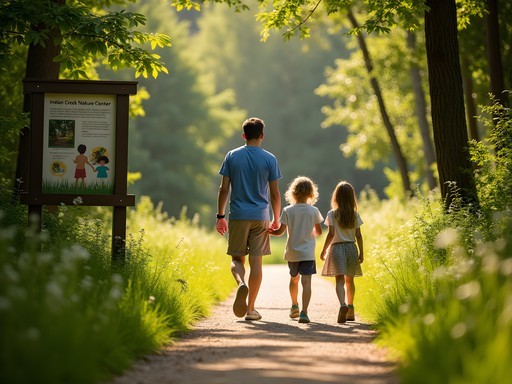
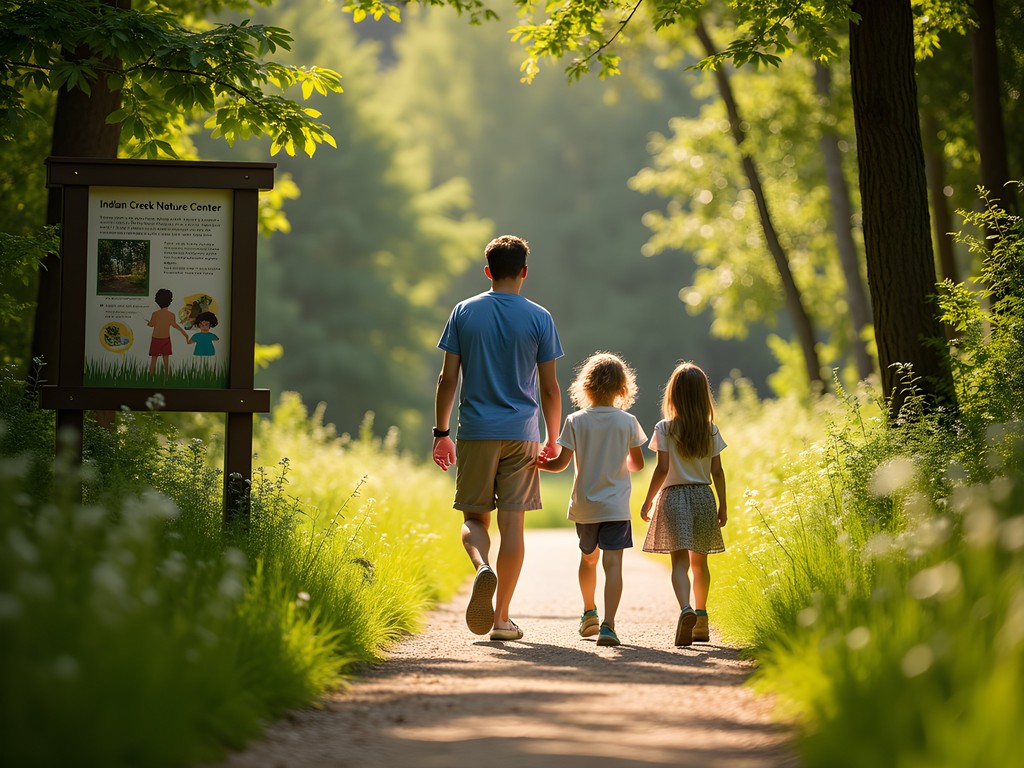
My anthropological work has always centered on amplifying indigenous voices and knowledge systems, which is why our first stop had to be the Indian Creek Nature Center. While Iowa's native Meskwaki and Ho-Chunk populations have faced historical displacement, this 500-acre preserve honors indigenous relationships with the land through thoughtfully designed programs.
The center's Amazing Space building—a net-zero energy facility—serves as both architectural marvel and educational hub. What impressed me most was how the interpretive trails incorporate indigenous perspectives on sustainable land management. The children were immediately drawn to the Woodland People Trail, where they learned traditional uses of native plants through interactive stations.
"Our ancestors understood these plants as relatives, not resources," explained Maya, one of the center's educators with Meskwaki heritage. "We're trying to help children understand that relationship."
The maple syrup demonstrations proved particularly captivating, connecting ancient indigenous harvesting techniques with modern sustainability practices. The children's eyes widened as they tasted freshly collected sap—a moment of sensory connection to centuries of traditional ecological knowledge.
I've documented similar knowledge systems across five continents, and was genuinely impressed by how the center avoids relegating indigenous perspectives to the past. Instead, Native American land management principles inform their restoration work on prairies and wetlands, demonstrating how traditional knowledge remains relevant in addressing contemporary environmental challenges.
💡 Pro Tips
- Visit during early spring for maple syrup demonstrations
- Pack a field notebook for children to document plants and their traditional uses
- Check the center's calendar for special programs led by members of the Meskwaki Settlement
Time Travel Through Immigration History at the Czech Village
As someone who studies cultural adaptation and resilience, Cedar Rapids' Czech Village provided a fascinating window into how immigrant communities maintain cultural practices while integrating into new environments. The neighborhood's revival after devastating floods in 2008 is itself a compelling story of community resilience.
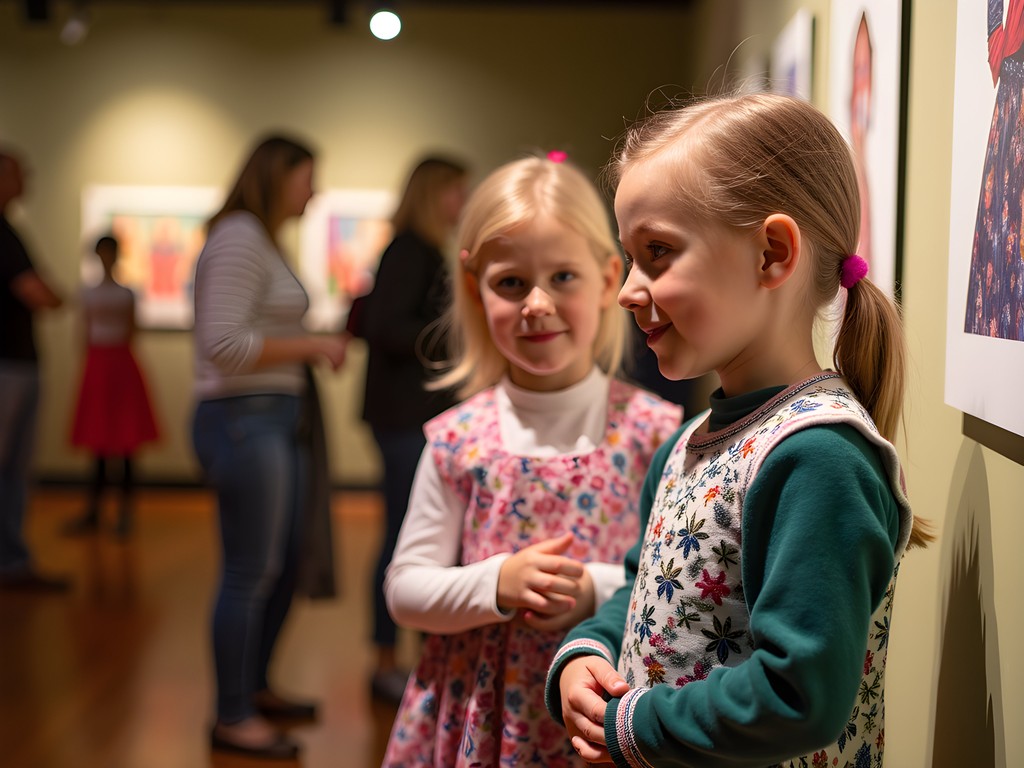
The National Czech & Slovak Museum & Library stands as the district's crown jewel. While many children might balk at the idea of a museum visit, this institution has masterfully created child-centered experiences that bring immigration stories to life. The kids were immediately drawn to the folk costume try-on station, eagerly donning traditional vests and headdresses.
"What we wear tells others about who we are," I explained as they examined the intricate embroidery. "These patterns and symbols carried meaning for people who brought them across oceans."
The museum's centerpiece—an authentic immigrant home with period furnishings—prompted thoughtful questions from the children about what they would pack if moving to a new country. Such perspective-taking exercises are invaluable for developing empathy.
Afterward, we crossed the Cedar River to sample kolaches at Czech Town Bakery, where the children connected historical narratives to sensory experience through these traditional pastries. The proprietor, Mrs. Novak, shared how her grandmother's recipes traveled from Moravia to Iowa over a century ago.
"Food traditions often survive when language and other practices fade," I noted, drawing parallels to my research on cultural persistence in diaspora communities worldwide. "These pastries represent adaptation—using local ingredients while maintaining traditional techniques."
💡 Pro Tips
- Visit on Saturday mornings when the bakeries are freshly stocked
- Purchase the family activity guide at the museum entrance
- Look for the special Czech language introduction sessions for kids on weekend afternoons
Hands-On Science at the Museum District
The Science Station and neighboring Cedar Rapids Museum of Art form an intellectual playground that rivals facilities I've visited in much larger cities. As an anthropologist who bridges scientific research with cultural narratives, I was particularly impressed by how these institutions make complex concepts accessible without oversimplification.
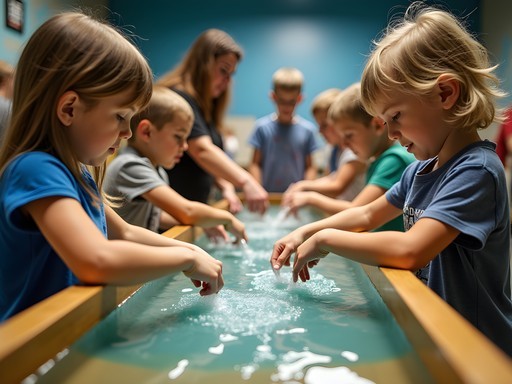
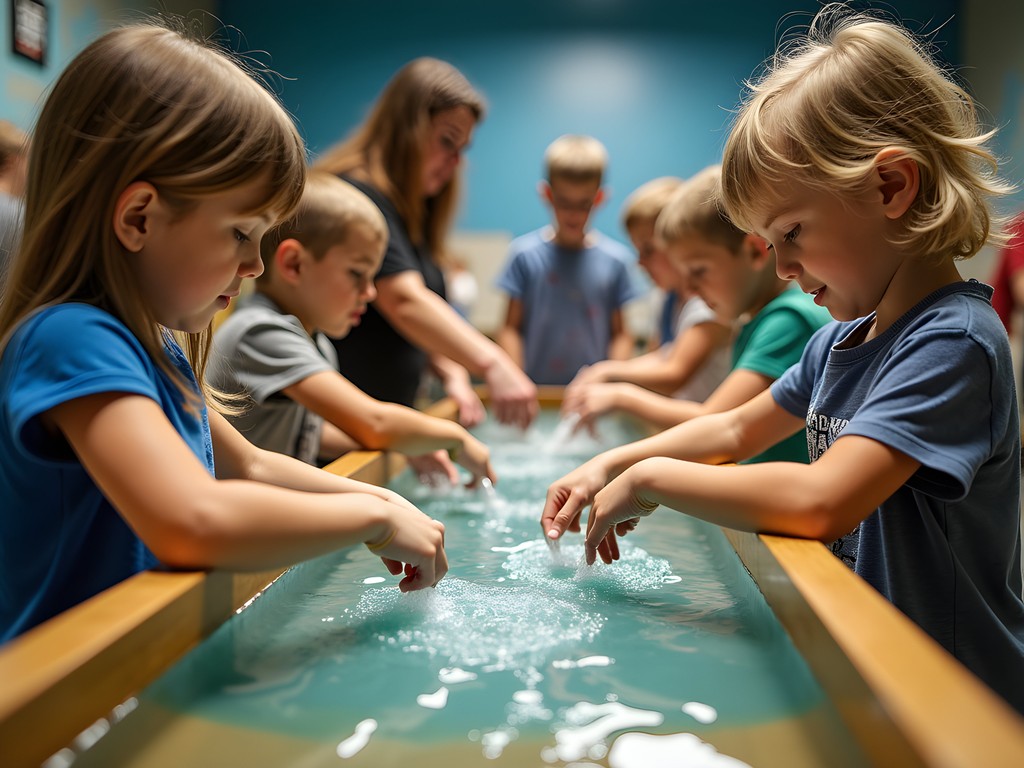
At the Science Station, the children's engagement was immediate and profound. The water table demonstration of watershed dynamics mirrored concepts I've documented in Andean communities, where indigenous knowledge of water systems predates Western scientific understanding by centuries. Watching the children manipulate dams and channels, I was reminded of Quechua irrigation systems I've studied in Peru.
"Water always tells the story of the land," I explained as they created miniature floods and diversions. "People everywhere have had to understand these patterns to survive."
The planetarium show provided another highlight, with the youngest child gasping audibly as the dome illuminated with stars. For families planning similar visits, I recommend bringing a star chart notebook to extend the learning experience beyond the museum walls.
Across the plaza, the Cedar Rapids Museum of Art houses the world's largest collection of Grant Wood works. While children might not immediately appreciate American Gothic's cultural significance, the museum's scavenger hunt approach—having kids identify items from rural Iowa life depicted in various paintings—transformed passive viewing into active discovery.
"Artists like Wood were documenting daily life and values," I told them, drawing connections to my own documentation of changing cultural practices. "They were anthropologists with paintbrushes instead of notebooks."
💡 Pro Tips
- Purchase the combined ticket for both museums to save on admission
- Visit the Science Station first when children have more energy for hands-on activities
- Ask about the backpack program that provides child-friendly exploration tools

Agricultural Heritage at Brucemore Historic Estate
Brucemore's 26-acre estate offers a window into Iowa's agricultural transformation and class dynamics—themes that resonate with my research on how economic shifts reshape cultural practices. While historic mansions might seem ill-suited for children, Brucemore's family-focused programming cleverly connects young visitors to both the grand and everyday aspects of early 20th century life.
The children were initially impressed by the mansion's scale, but their genuine engagement came during the "Children's Life" tour, which focuses on how the Douglas and Hall children experienced this same space. Seeing period toys, games, and school materials prompted thoughtful comparisons to their own lives.
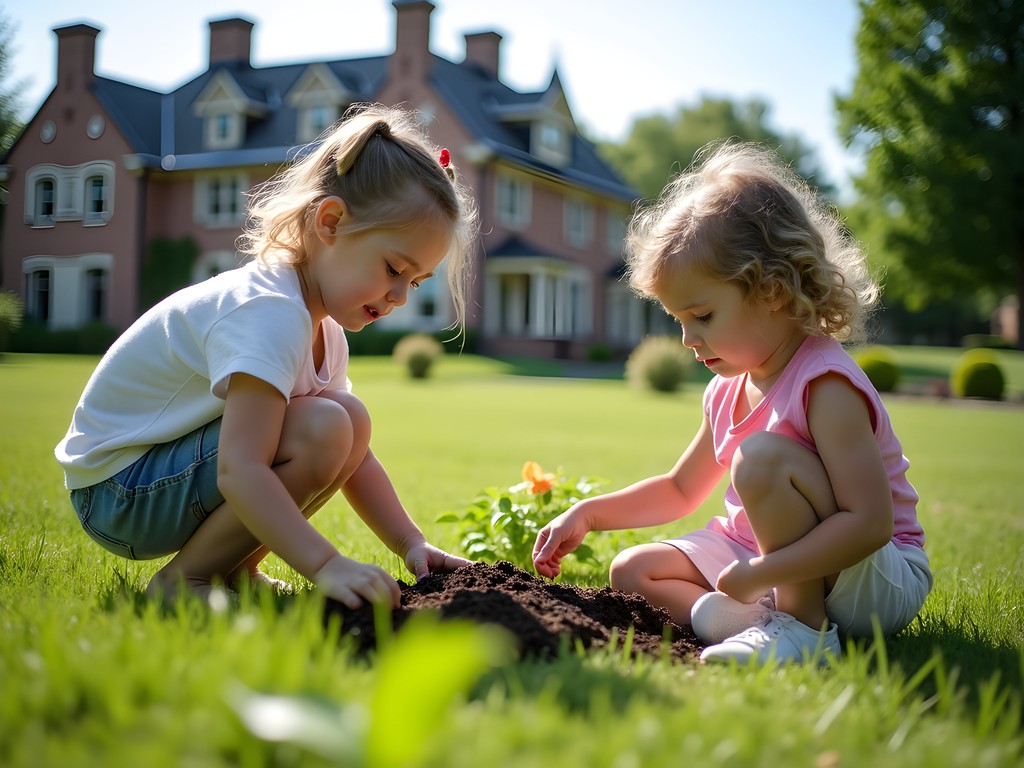
The estate's gardens and grounds provided welcome space for physical exploration after the structured house tour. The children delighted in the scavenger hunt for the property's distinctive lion sculptures, while I appreciated how the landscape design revealed changing American relationships with cultivated nature.
"This formal garden represents ideas about controlling nature," I explained as we wandered through geometric hedges. "It's very different from how indigenous communities I've worked with understand their relationship with plants."
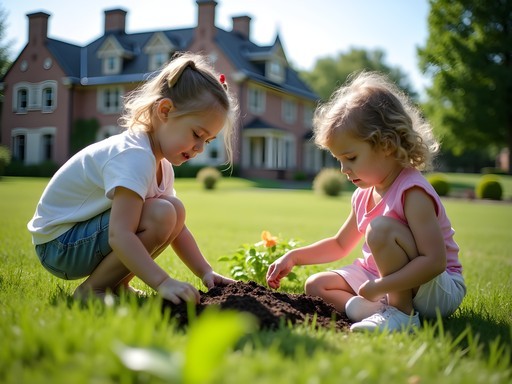
The most memorable moment came during the "Farm to Table" demonstration in the restored service areas. The children harvested vegetables from the heritage garden, then participated in preparing a simple dish using period techniques. For families planning similar activities, I recommend bringing a children's gardening kit to extend the learning at home.
"Food systems connect us to both culture and environment," I noted as the children sampled their creation. "Understanding where food comes from helps us make better choices for the planet."
💡 Pro Tips
- Reserve spots in advance for the children's interactive programs
- Visit during the summer months when the gardens are in full bloom
- Bring a picnic to enjoy on the grounds after your tour
Reimagining Urban Space at NewBo City Market
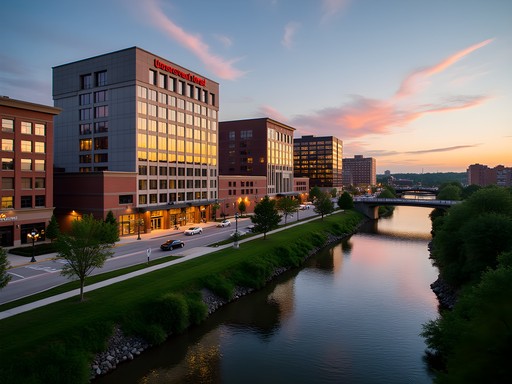
The NewBo City Market exemplifies how post-industrial spaces can be reimagined as vibrant community hubs—a process I've documented in communities from Patagonia to the Arctic. This former industrial area, devastated by flooding in 2008, has been transformed into a gathering space centered around local food, art, and entrepreneurship.
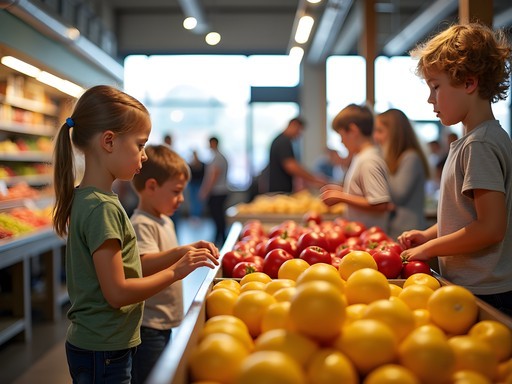
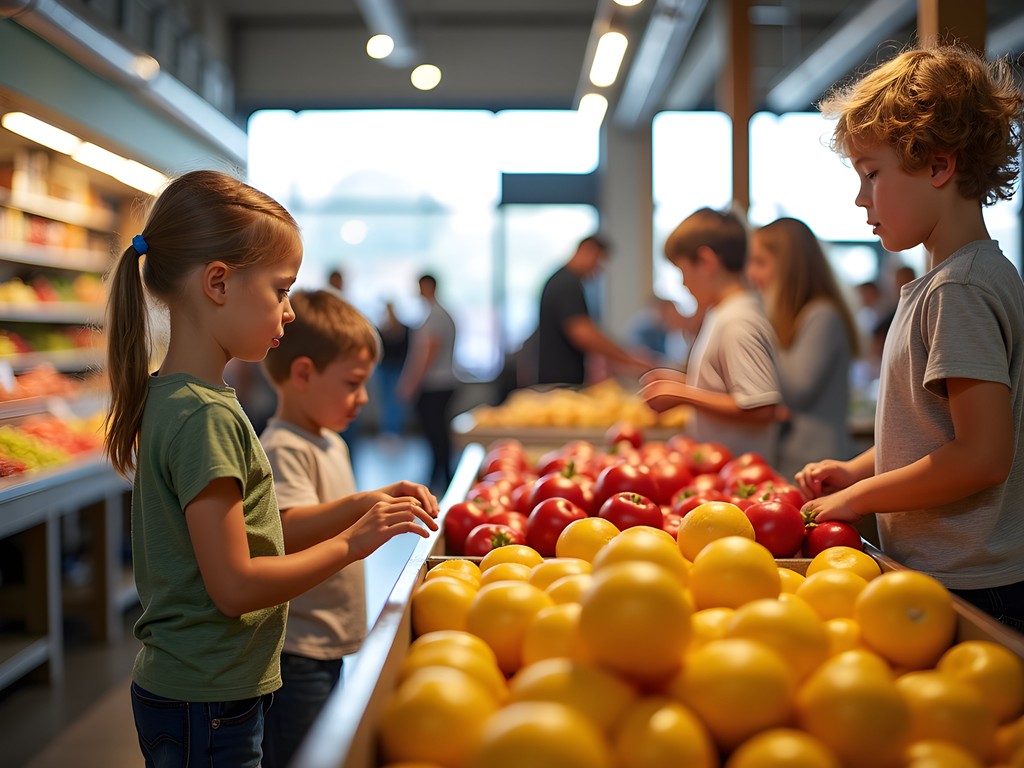
For families, the market offers a sensory-rich environment where children can experience the diversity of Iowa's contemporary food culture. The kids were initially drawn to obvious attractions like handcrafted ice cream, but soon became engaged in conversations with vendors about their crafts and culinary traditions.
A cheese maker explained the science of fermentation while offering samples of various ages of cheddar, creating an impromptu lesson in microbiology. A baker demonstrated how to shape pretzel dough, connecting German immigration history to contemporary food practices.
"Markets have always been places where cultures meet and blend," I explained to the children. "The foods we're tasting represent generations of knowledge passed down through families."
The adjacent Cherry Building houses artists' studios where we observed glassblowing demonstrations that mesmerized even the youngest child. For families planning to document their experiences, I recommend a travel journal kit that includes prompts for recording sensory impressions.
What impressed me most was how the market functions as a living classroom for sustainable urban development. Rain gardens and solar installations aren't just infrastructure—they're educational tools explained through child-friendly signage.
"Cities are always changing," I noted as we examined a display about the area's transformation. "The choices communities make about rebuilding after disasters reveal what they value most."
💡 Pro Tips
- Visit on Thursday evenings for special family-friendly activities and music
- Bring small bills so children can practice math skills while making small purchases from vendors
- Check the demonstration schedule online before visiting to catch hands-on workshops
Connecting Past to Present at the African American Museum of Iowa
As an anthropologist committed to amplifying marginalized narratives, I found the African American Museum of Iowa to be Cedar Rapids' most important cultural institution. The museum skillfully balances difficult historical truths with stories of resilience, making complex social history accessible to young visitors without diminishing its significance.
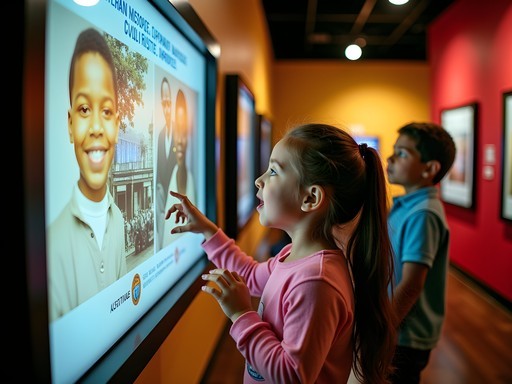
The permanent exhibition "Endless Possibilities" traces African American experiences in Iowa from the 1830s to present day. What distinguishes this museum is its commitment to age-appropriate engagement with challenging material. Rather than avoiding difficult topics like slavery and discrimination, the museum provides context and guidance for family discussions.
"History isn't always comfortable," I explained to the children as we examined an exhibit on Iowa's civil rights movement, "but understanding different experiences helps us build a more just future."
The museum's interactive elements proved particularly effective. The children engaged deeply with the "Culture Connections" area, where they explored African influences on music, art, and language through hands-on activities. The oldest child spent nearly thirty minutes at the oral history station, listening intently to firsthand accounts from Iowa's Black communities.
For families preparing to visit, I recommend first reading age-appropriate books about African American history to provide context. The museum itself offers an excellent children's guide that serves as both preparation and souvenir.
What most impressed me was how the museum connects historical narratives to contemporary issues, encouraging children to see themselves as participants in ongoing social change. A temporary exhibition on environmental justice prompted thoughtful questions from the children about how communities advocate for clean water and air—themes that resonate with my own research on climate justice in indigenous communities.

💡 Pro Tips
- Allow plenty of time for the oral history stations where children can listen at their own pace
- Visit during Black History Month for special family programming
- Ask about the museum's traveling trunk program that brings artifacts to local schools
Final Thoughts
My week in Cedar Rapids revealed a city that punches well above its weight in educational family experiences. What makes these attractions successful isn't elaborate technology or flashy entertainment, but thoughtful curation that respects children's intelligence while making complex ideas accessible. As an anthropologist, I was particularly impressed by how Cedar Rapids institutions weave together diverse narratives—indigenous, immigrant, industrial, agricultural—to present a nuanced understanding of American cultural evolution. Whether your family gravitates toward outdoor exploration, artistic engagement, or historical discovery, Cedar Rapids offers entry points for meaningful learning. The city demonstrates how mid-sized American communities can leverage their unique heritage to create distinctive educational experiences that rival those in major metropolitan areas. In an era when children's attention is increasingly difficult to capture, Cedar Rapids' family attractions succeed by inviting young visitors to become active participants in discovery rather than passive consumers of entertainment.
✨ Key Takeaways
- Cedar Rapids excels at making complex cultural and scientific concepts accessible to children through hands-on learning
- The city's attractions effectively balance entertainment with substantive educational content
- Family experiences connect local history to broader themes of cultural adaptation and resilience
- Many sites thoughtfully incorporate diverse perspectives, including indigenous and immigrant narratives
- The most successful family activities position children as active investigators rather than passive observers
📋 Practical Information
Best Time to Visit
Summer (June-August)
Budget Estimate
$150-200 per day for a family of four
Recommended Duration
3-5 days
Difficulty Level
Easy


Comments
roamace
We visited Indian Creek Nature Center two years ago and the kids still talk about it. The trails are easy enough for younger kids but interesting enough that our 11 year old wasn't bored. Pro tip - go early in the morning if you can, we saw SO much wildlife. Also the gift shop has really cool nature journals if your kids are into that kind of thing.
globeace
Good to know about the morning timing!
happyace
Love this! Adding to our summer road trip list.
Megan Martin
Excellent resource, Jessica. I attend conferences in Des Moines fairly regularly and always wondered if Cedar Rapids warranted a detour. The Brucemore Historic Estate sounds particularly interesting - I appreciate destinations that combine education with genuine historical context rather than just entertainment. The agricultural heritage angle would be a nice complement to some of the farm-to-table initiatives I've been covering in the region. How would you rate the dining options in Cedar Rapids for families? That's often the make-or-break factor for extended stays with children.
Bryce Diaz
Jessica, I love how you approached this from an anthropological angle! I passed through Cedar Rapids solo last fall and completely missed these gems - just grabbed coffee and kept driving to Chicago. The Czech Village section really caught my attention. I've been documenting immigrant communities across the Midwest for a project, and this sounds like exactly the kind of authentic cultural preservation I'm looking for. Did you find the interpretive materials at Czech Village accessible for kids, or is it more adult-oriented history?
roamace
I'd like to know this too. Planning a trip with my niece and nephew and they're not super into museums unless there's interactive stuff.
exploreguy
How many days would you recommend for hitting these spots with kids? We have a 6 and 9 year old.
happyace
Not the author but we did 3 days there last summer and it was perfect!
exploreguy
Thanks! That's really helpful
globeace
Never thought about Cedar Rapids for family travel. Cool post!
Taylor Moreau
Jessica, excellent piece. I appreciate your academic lens applied to family travel - it's a perspective we don't see often enough. I visited Cedar Rapids during a business conference three years ago and was similarly impressed by the Museum District. The Indian Creek Nature Center is particularly well-curated for children who struggle with traditional museum settings. One tip for families: if you're visiting during summer months, the Friday evening concerts at NewBo City Market are quite family-friendly and give you a genuine feel for the local community.
adventurequeen
Love this! Never would have thought of Cedar Rapids.
dreamking
Is this doable as a weekend trip from Chicago? How far is it?
adventurequeen
About 3.5 hours drive. Totally doable!
roamlover
Wow, I had NO idea Cedar Rapids had this much for families!! We always skip Iowa on road trips but this actually looks amazing. The Czech Village sounds super interesting - my kids are obsessed with learning about different cultures right now. How much time would you recommend spending there? We're planning a midwest trip this summer and might have to add this to the itinerary now!
Taylor Moreau
I'd budget at least 2-3 hours for Czech Village if your children enjoy cultural experiences. The bakeries alone are worth the visit, and there are several interactive exhibits that work well for younger visitors.
roamlover
Perfect! Thanks so much!!
Venture X
Premium card with 2X miles, $300 travel credit, Priority Pass