
Disclosure: This article contains affiliate links. We may earn a commission from purchases at no extra cost to you, which helps our travel content.
As a pediatric nurse who's spent years balancing professional conferences with travel adventures, I never imagined I'd find myself tracking lion prides with a group of wide-eyed children in Tanzania. Yet there I was last winter, having extended a healthcare symposium in Nairobi into a week-long family safari adventure with my colleague Sarah and her three children (ages 6, 10, and 14) in neighboring Tanzania. Arusha—the gateway to Tanzania's northern safari circuit—surprised me with its remarkable blend of authentic wildlife experiences and family-friendly accommodations. While I typically gravitate toward maritime museums and historical sites during my business travels, witnessing Sarah's children encounter their first elephant in the wild reminded me why stepping outside our comfort zones creates the most profound educational experiences. Whether you're traveling with toddlers or teenagers, Arusha offers a safari experience that balances adventure with safety, wildlife education with cultural immersion, and luxury with authentic connections to this extraordinary corner of East Africa.

Choosing the Right Safari Experience for Different Age Groups
When Sarah first proposed extending our Nairobi conference with a family safari, my initial concern was whether her children—especially six-year-old Emma—would truly benefit from such an adventure. I quickly discovered that Arusha's safari operators have masterfully adapted to accommodate families with children of varying ages.
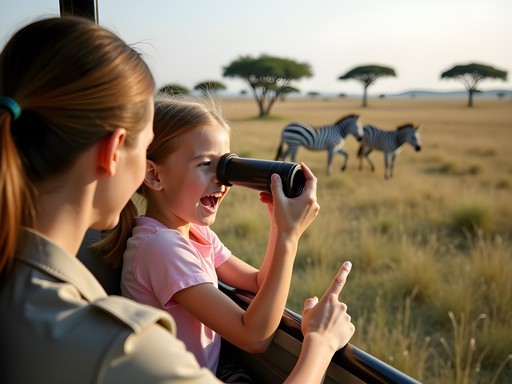
For families with younger children (4-7), I highly recommend the private safari experiences at Tarangire National Park. Just a 2-hour drive from Arusha, Tarangire offers impressive elephant herds and baobab-studded landscapes without requiring the stamina needed for longer safaris. Our guide, Francis, expertly adjusted our game drives to 2-3 hour increments—perfect for Emma's attention span—while incorporating frequent stops for wildlife spotting games and snacks.
Tweens (8-12) thrive in the interactive experiences available at the Arusha National Park. Sarah's 10-year-old son Max particularly enjoyed the walking safari where rangers taught the children to identify animal tracks and droppings (which, unsurprisingly, was a massive hit with the boy demographic). The canoe safari on Small Momella Lake kept his interest peaked as we spotted flamingos and hippos from a safe distance.
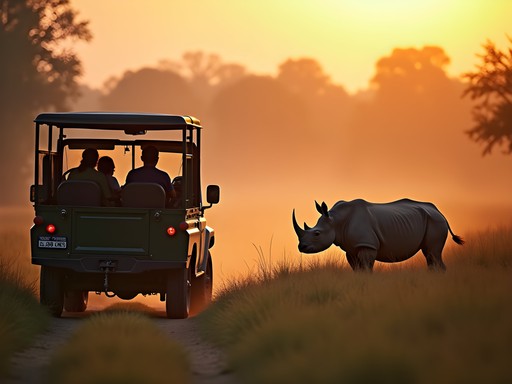
For teenagers like 14-year-old Olivia, the photography opportunities proved engaging. She barely looked up from her camera throughout our Ngorongoro Crater excursion, capturing incredible close-ups of lions and rhinos. The crater's concentrated wildlife population virtually guarantees big cat sightings—a crucial factor for maintaining teenage enthusiasm.
💡 Pro Tips
- Book private safari vehicles when traveling with children under 8 to allow for flexible schedules and impromptu bathroom breaks
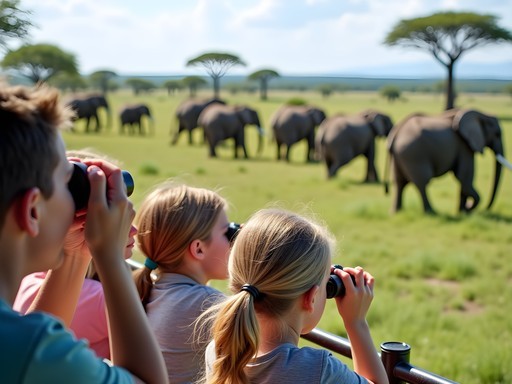
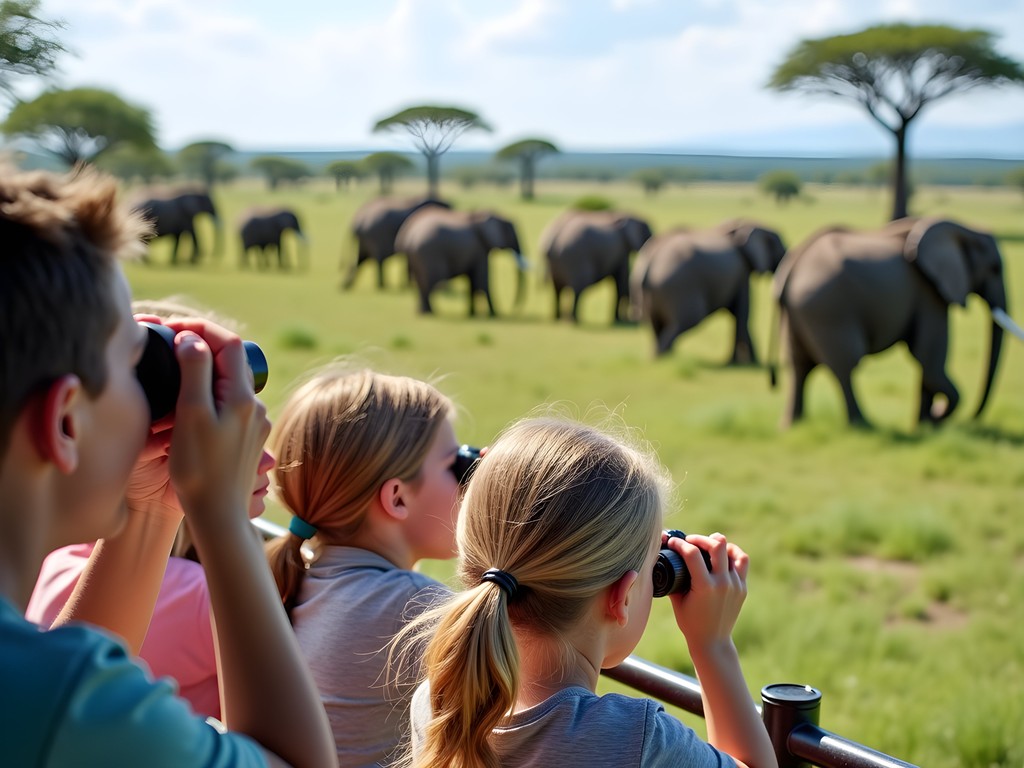
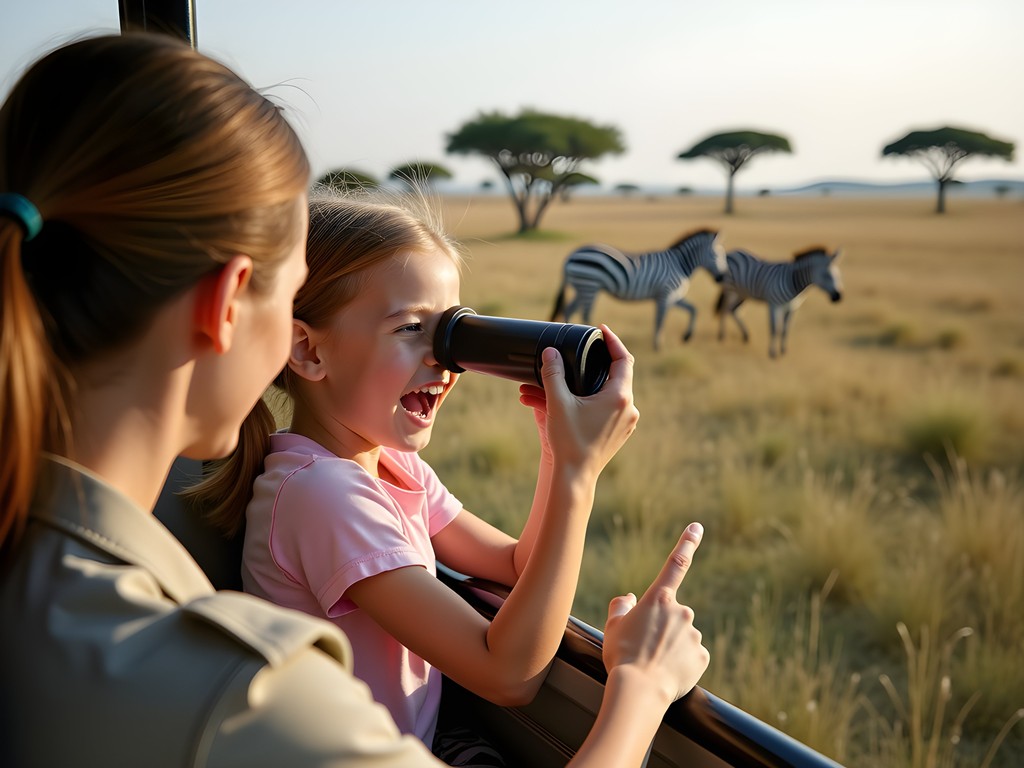
- Pack high-quality binoculars for each child—it dramatically improves their engagement with distant wildlife
- Request guides with specific experience working with children—their ability to explain wildlife behaviors in age-appropriate language makes all the difference
Luxurious Yet Educational Accommodations
Selecting the right lodging forms the backbone of a successful family safari, particularly when balancing luxury comforts with authentic experiences. After researching extensively (a habit from my nursing background), I recommended we split our week between two distinctly different accommodation styles.
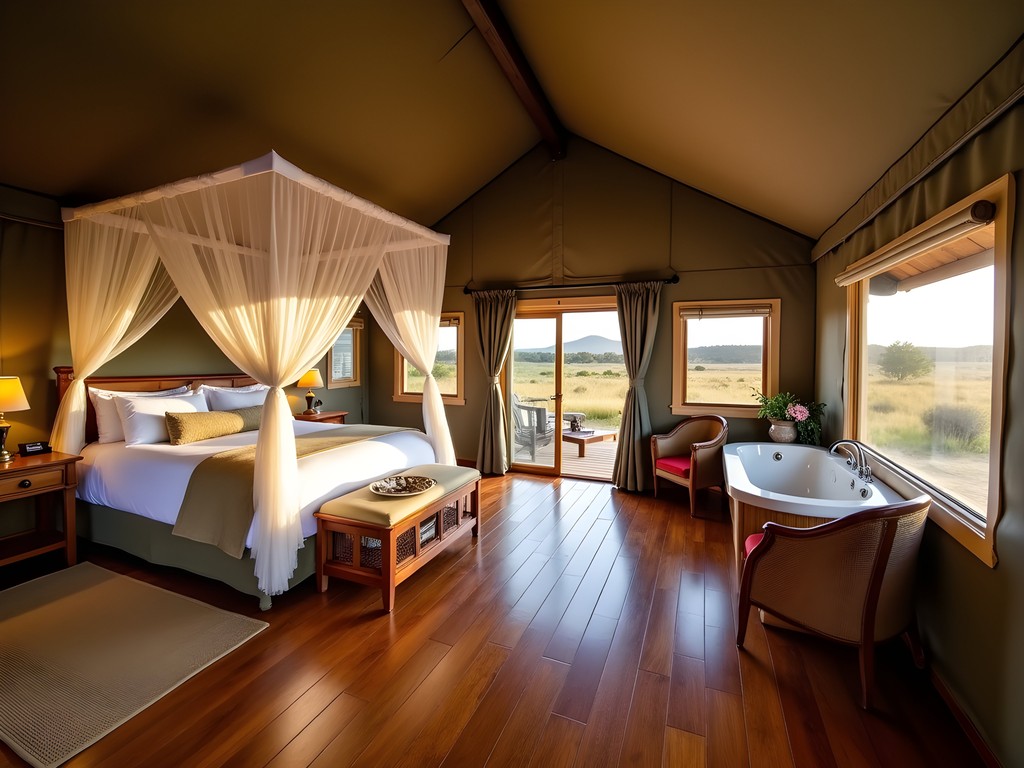
We began at Arusha Coffee Lodge, a plantation property that provided an ideal transition from our conference environment to safari mode. The family cottage offered two bedrooms with a connecting living area—crucial for giving parents and children appropriate space. The lodge's "Bean-to-Cup" coffee tour fascinated even the youngest children, who eagerly participated in picking and roasting activities. The property's swimming pool became our daily ritual for post-safari energy release—an absolute necessity when traveling with children.
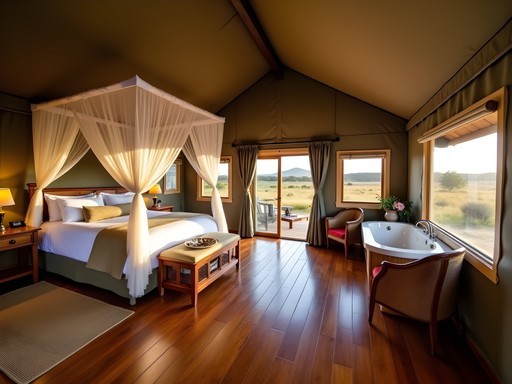
For our more immersive experience, we spent three nights at Sanctuary Ngorongoro Crater Camp. While definitely in the luxury category, what impressed me most was their Junior Ranger program. Each child received a customized safari vest with pockets containing field guides, a magnifying glass, and wildlife checklists tailored to their age. The staff organized evening activities where children learned to identify constellations in the pollution-free African sky—a perfect educational complement to daytime wildlife encounters.
The most memorable accommodation feature was our final night's surprise. The camp staff arranged a special outdoor dinner surrounded by lanterns, where Maasai storytellers shared age-appropriate folklore that captivated everyone. Watching Sarah's children sit wide-eyed as tales of lion spirits and clever hares unfolded under the stars reminded me why experiential education is so powerful.
💡 Pro Tips
- Request rooms/tents near each other but not adjoining for families with teenagers who appreciate some independence
- Confirm in advance which properties offer dedicated children's activities during down times between safaris
- Pack a compact star guide to enhance evening stargazing sessions with your children
Balancing Wildlife Encounters with Cultural Experiences
While wildlife viewing forms the cornerstone of any Tanzanian safari, I've learned through my travels that cultural immersion creates the most lasting educational impact. For families visiting Arusha, alternating wildlife days with cultural experiences provides necessary variety and prevents safari fatigue—especially important with younger children.
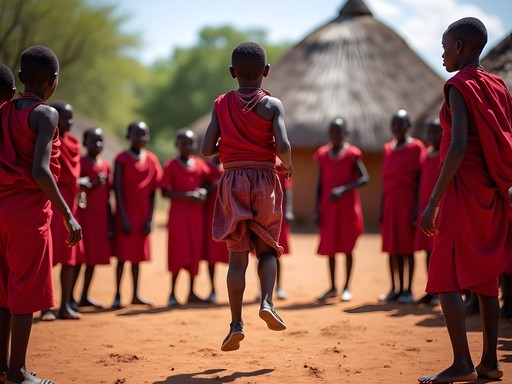
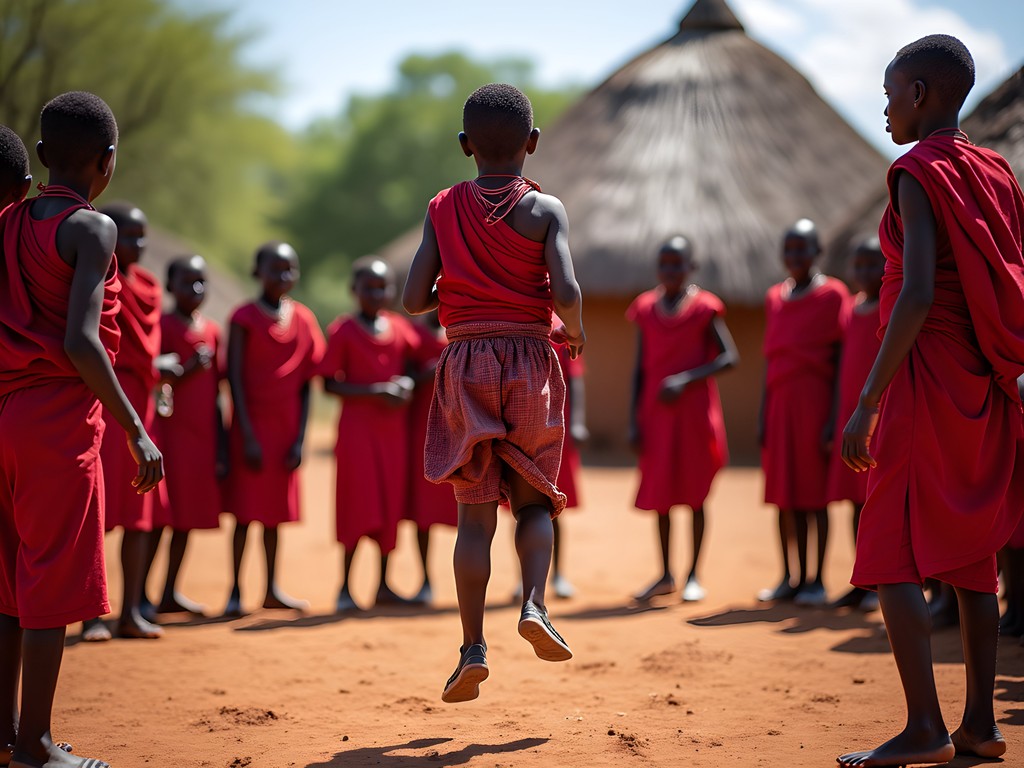
Our visit to a genuine Maasai village (not the tourist-oriented versions near major hotels) became an unexpected highlight. Sarah's children were initially shy but quickly engaged when invited to participate in traditional jumping competitions with Maasai children. The cultural exchange transcended language barriers as they taught each other games from their respective countries. The village elder, noting my medical background, proudly showed me their community health clinic and discussed how traditional healing practices complement modern medicine—a fascinating professional insight I hadn't anticipated.
For a different cultural dimension, we spent a morning at Shanga, a community project employing people with disabilities to create stunning glass and textile art from recycled materials. The interactive workshops allowed the children to try glass blowing (with appropriate supervision) and weaving. Ten-year-old Max, usually fidgety during museum visits, spent two focused hours creating a beaded bracelet with patient guidance from his instructor. The experience sparked important family conversations about different abilities and sustainable practices.
I recommend packing a travel journal for each child to document both wildlife sightings and cultural observations. Sarah's children decorated their journal pages with pressed flowers from our coffee plantation tour and sketches of Maasai jewelry designs, creating treasured souvenirs that reinforced their learning experiences.
💡 Pro Tips
- Research cultural experiences thoroughly to distinguish authentic community interactions from purely commercial displays
- Prepare children in advance with age-appropriate discussions about cultural differences they'll encounter
- Bring small, appropriate gifts for cultural exchanges—school supplies for village schools or photo prints from previous days' adventures are well-received

Health and Safety Considerations for Family Safaris
As a pediatric nurse, I naturally approached our family safari with a healthcare professional's eye for safety. While adventure is important, protecting children's health in remote environments requires thoughtful preparation. I'm happy to share the protocols that kept our group healthy throughout the journey.
Vaccination preparation should begin 4-6 months before your trip. Beyond the required yellow fever vaccination, I recommended Sarah's family consult with a travel medicine specialist about age-appropriate typhoid and hepatitis A immunizations. For malaria prevention, we coordinated with their pediatrician to select appropriate prophylaxis based on each child's weight and medical history.
Hydration emerges as the most common challenge for children on safari. The dry climate and excitement of wildlife viewing often distract kids from drinking regularly. Each child carried their own insulated water bottle with measurement markings that helped us track their daily intake. We established a game where spotting certain animals (zebras were abundant) triggered mandatory water breaks—turning hydration into part of the safari experience.
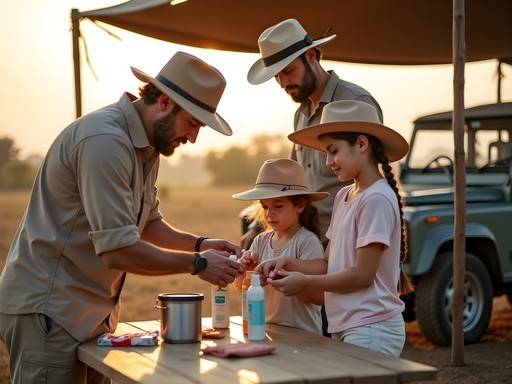
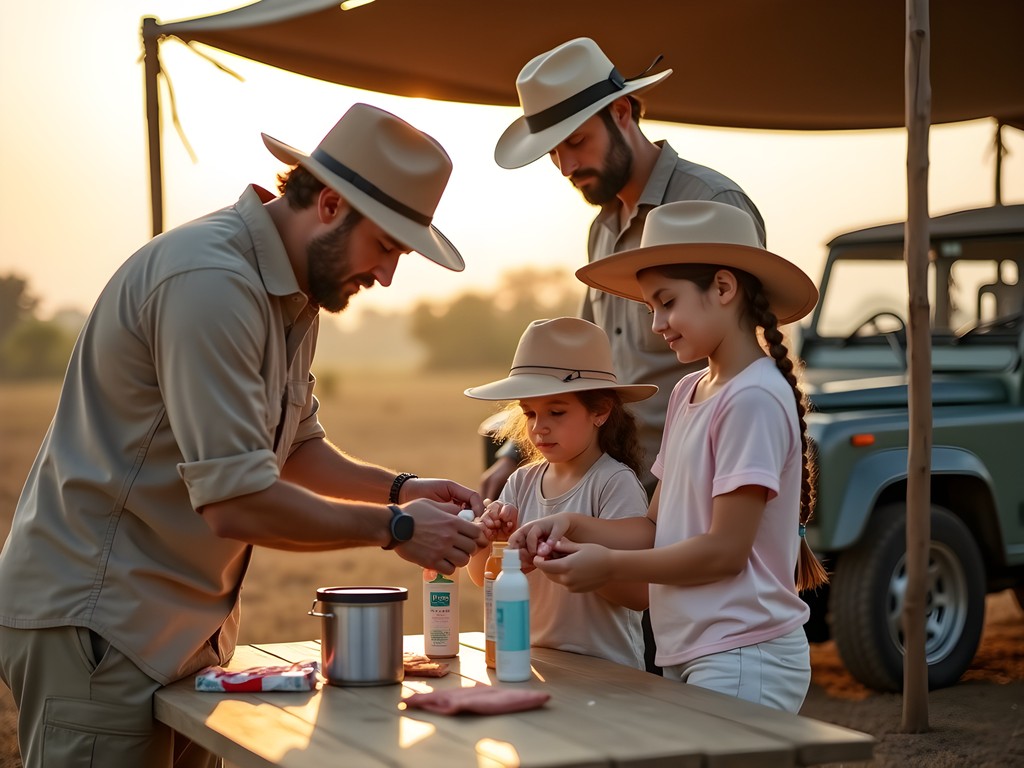
Sun protection requires special attention at these equatorial latitudes. Beyond applying high-SPF sunscreen every two hours, we utilized sun protective clothing with wide brims and neck protection. For Emma, who resisted hat-wearing, we found that decorating her sun hat with animal stickers created enough ownership that she kept it on willingly.
Stomach issues can quickly derail a family vacation, so we implemented strict hand sanitizing protocols before meals and snacks. I packed a comprehensive medical kit with pediatric-dosed medications for common travel ailments, but our best prevention was simply following our guides' food and water safety recommendations without exception.
💡 Pro Tips
- Create a laminated emergency card for each child with blood type, allergies, and emergency contacts in both English and Swahili
- Schedule safari activities around children's typical energy patterns—early mornings for younger kids, later starts for teenagers
- Pack children's electrolyte powder packets to add to water if signs of dehydration appear
Age-Appropriate Wildlife Education and Engagement
The educational potential of an African safari is immense, but requires thoughtful adaptation for different developmental stages. Drawing from my experience in pediatric healthcare education, I worked with our guides to create age-appropriate learning experiences that transformed wildlife viewing from passive observation to active engagement.
For six-year-old Emma, we focused on sensory experiences and simple classification activities. Our guide provided laminated cards showing animal families (cats, hoofed animals, birds) that she could match to animals we encountered. We created a simple bingo card with common animals that kept her eagerly scanning the landscape. The tangible reward of placing stickers on her wildlife checklist after each sighting maintained her enthusiasm throughout longer drives.
Ten-year-old Max thrived with more complex scientific concepts. Our guide taught him to use compact binoculars to observe animal behaviors and record them in his field journal. He particularly enjoyed learning about predator-prey relationships and specialized adaptations. When we observed a cheetah teaching cubs to hunt, our guide explained the concept at a level perfect for his fourth-grade understanding of ecosystems.
Teenager Olivia connected through photography and conservation discussions. Our guide, noting her interest in environmental science, arranged a special meeting with a researcher at the Serengeti Wildlife Research Center. Their discussion about threats to rhino populations and anti-poaching efforts gave her complex material that respected her intellectual maturity.
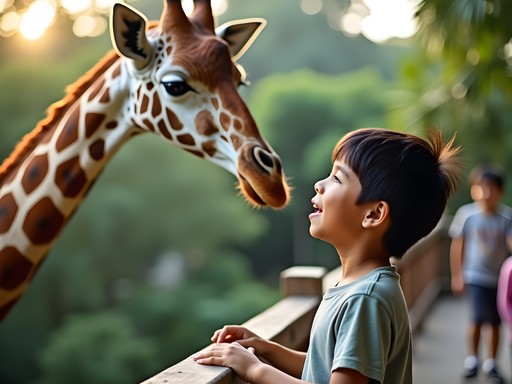
The most successful educational approach was our "Teach-Back" dinner tradition. Each evening, family members would teach others something new they'd learned that day. This reinforced knowledge while creating space for different learning styles to shine. Emma's animated demonstration of a giraffe's walking pattern had us all laughing while effectively explaining the unique locomotion of these magnificent animals.
💡 Pro Tips
- Request guides with specific training in child education—their ability to adjust explanations for different ages transforms the experience
- Create a safari journal template for each child with age-appropriate prompts about animal behaviors, habitats, and conservation
- Establish a daily ritual where children can ask their 'wildest' questions about animals they've seen, encouraging scientific curiosity
Final Thoughts
Our week-long Arusha family safari challenged my preconceptions about traveling with children of different ages. What I anticipated might be logistically challenging became one of the most rewarding educational experiences I've witnessed. Watching Sarah's children transform—from initial trepidation to confident wildlife enthusiasts keeping detailed journals of animal behaviors—reinforced the immense value of exposing young minds to worlds beyond their everyday experience. As healthcare professionals, Sarah and I often discuss how to nurture resilience in our young patients; this journey demonstrated how thoughtfully planned adventure builds exactly that quality. If you're considering a family safari, don't let concerns about age-appropriateness hold you back. With proper preparation and the right partners on the ground, Arusha offers a perfect introduction to Africa's wildlife wonders for every family member. The questions children ask while watching a lioness with cubs or elephants at a watering hole often reveal profound connections to concepts of care, family, and survival—universal themes that transcend cultural and species boundaries. Your family safari may well become the educational benchmark against which all future travels are measured.
✨ Key Takeaways
- Private safari vehicles provide the flexibility essential for family safaris with younger children
- Alternating wildlife viewing days with cultural experiences prevents safari fatigue and creates a more balanced educational experience
- Age-appropriate engagement tools (from simple animal bingo cards to photography projects) transform passive viewing into active learning
- Proper health and safety preparation allows families to focus on experiences rather than worries
📋 Practical Information
Best Time to Visit
June-October (dry season) or December-February (green season with newborn animals)
Budget Estimate
$8,000-$15,000 for a family of four for one week (including luxury accommodations, private safari vehicles, and domestic flights)
Recommended Duration
7-10 days
Difficulty Level
Moderate

Comments
coolblogger
Going in September with my 8 and 11 year old. Did you book tours in advance or find them there? Also any lodge recommendations for that age group?
exploreking
Book in advance for sure! We waited and options were limited
Taylor Moreau
Excellent post, Christina. Your section on health considerations is spot-on - as someone who's coordinated numerous family safaris for corporate groups, I can't stress enough the importance of proper malaria prophylaxis and travel insurance. I'd add that many families underestimate how tiring the early morning game drives can be for children. Building in rest days at the lodge, perhaps with pool time or shorter cultural activities, makes a huge difference. The lodge you mentioned sounds perfect for that balance.
moonphotographer
Love the sunset photo!
Marco Flores
Christina, this brought back memories of my first safari near Arusha three years ago! I was solo then, but watching families experience those first lion sightings was incredible. The Maasai village visits are truly special - I still keep in touch with one of the guides I met. One tip for families: bring binoculars for each kid. It keeps them more engaged during the quieter moments on game drives. The excitement when they spot something through their own lenses is priceless!
coolblogger
Great tip about the binoculars!
globemood
How old were the kids you traveled with? I have a 4 year old and wondering if she's too young for this?
Taylor Moreau
From my experience organizing family safari trips, 4 can work if they're comfortable sitting still for a few hours. The key is choosing shorter game drives and lodges with good children's programs.
globemood
Thank you! That's really helpful
exploreking
This is amazing!! Been wanting to take my kids to Africa!
mountainchamp
Adding this to my bucket list!
citystar
We just got back from Tanzania last month and I wish I'd read this before we went! We stayed near Arusha for 3 nights and honestly didn't do enough research on kid-friendly lodges. Ended up at a place that was beautiful but had zero activities for our 9 year old when we weren't on drives. She got bored pretty quickly. Next time I'll definitely look for those places with educational programs you mentioned. The wildlife was absolutely worth it though - seeing elephants up close was a dream come true for all of us.
journeyrider
What vaccinations did you need? As a nurse you probably know all this stuff but I'm clueless lol
Hannah Woods
Yellow fever is required if coming from certain countries. Malaria prophylaxis is recommended for Arusha region. Definitely consult a travel clinic 6-8 weeks before departure - they'll give you the full rundown based on your specific itinerary and medical history.
Jose McDonald
Christina, this is such a comprehensive guide! I did Arusha last year but solo, and I'm honestly impressed you managed the logistics with multiple kids. The cultural village experiences you mentioned are SO underrated - everyone focuses on the Big Five but those Maasai community visits were some of my most memorable moments. Quick tip for other families: bring binoculars for each kid. Makes a huge difference in keeping them engaged during drives. The excitement when they spot something first is priceless!
citystar
Great tip about the binoculars! Never thought of that
Venture X
Premium card with 2X miles, $300 travel credit, Priority Pass