
Disclosure: This article contains affiliate links. We may earn a commission from purchases at no extra cost to you, which helps our travel content.
Shanghai might dazzle with its futuristic skyline and glamorous waterfront, but the soul of this magnificent city lies in its centuries-old traditions, hidden alleyways, and the gentle rituals that have survived China's rapid modernization. As someone who's spent years seeking authentic cultural connections around the world, I've discovered that Shanghai reveals its true character when you venture beyond the postcard views of The Bund. During my spring visit last year, I found myself captivated by experiences that offered glimpses into traditional Chinese life—moments that felt both timeless and increasingly precious in this fast-changing metropolis.

1. Lose Yourself in the Labyrinth of Tianzifang
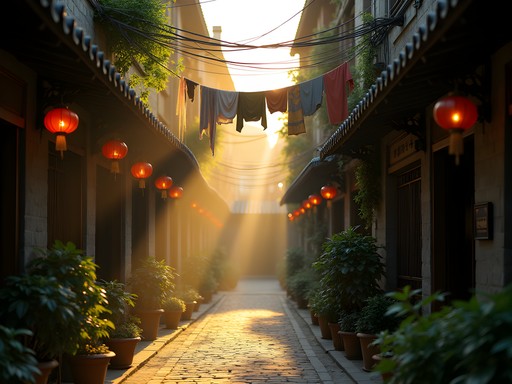
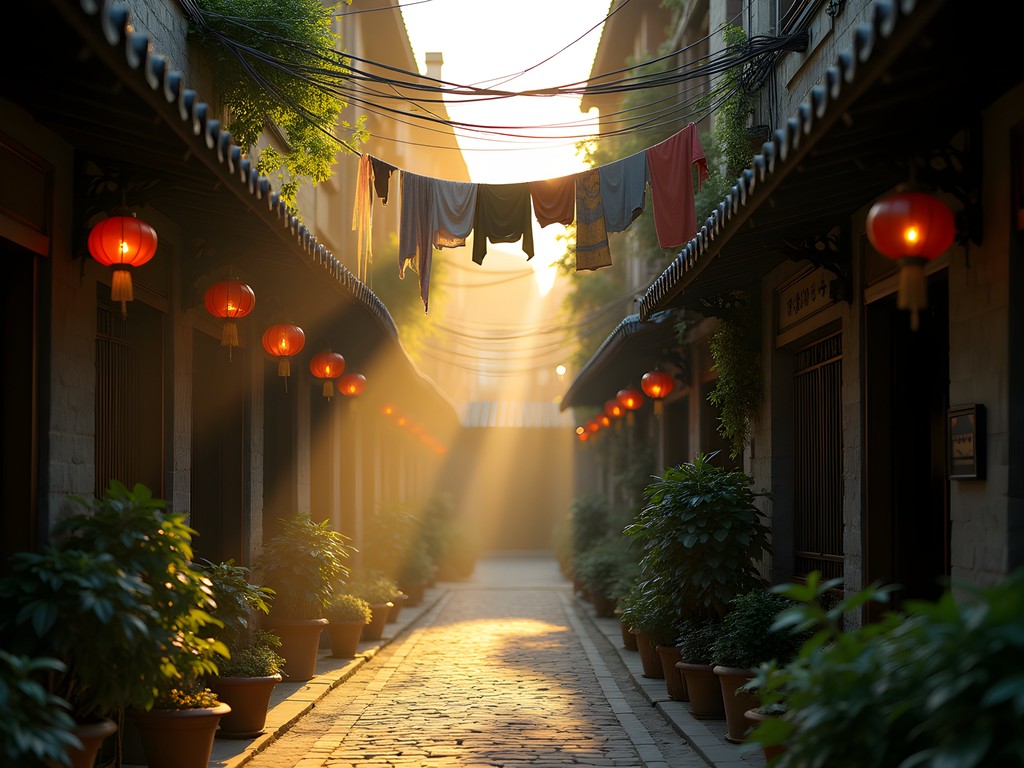
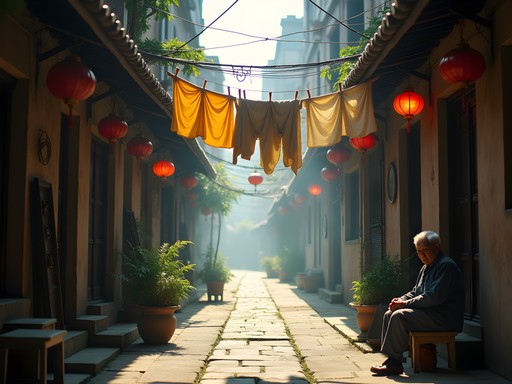
Tucked away in the former French Concession, Tianzifang is what happens when traditional Shanghai architecture refuses to surrender to the bulldozer. Unlike the more commercialized Xintiandi area, Tianzifang preserves the authentic shikumen (stone gate) houses and narrow lanes that once defined everyday life in old Shanghai.
Wandering through this maze of alleyways, I discovered local artists who've transformed former residences into galleries, workshops, and tiny boutiques. The most meaningful moment came when I stumbled upon Mr. Zhang's calligraphy studio, where this third-generation master invited me to try my hand at traditional brush writing. Despite my embarrassingly wobbly characters, he patiently guided my strokes, explaining how each character tells a story about Chinese culture.
For the full experience, I recommend bringing along a language translation device to help with meaningful conversations with shopkeepers and artists who often speak limited English. These authentic exchanges transformed what could have been simple shopping into genuine cultural connection.
💡 Pro Tips
- Visit on weekday mornings before 11am to avoid crowds and have more meaningful interactions with local artisans
- Look for lanes 210 and 248 on Taikang Road for the most atmospheric entrances to the complex
- Bring cash for small shops and studios as many don't accept foreign credit cards
2. Master the Art of Xiaolongbao at a Family Workshop
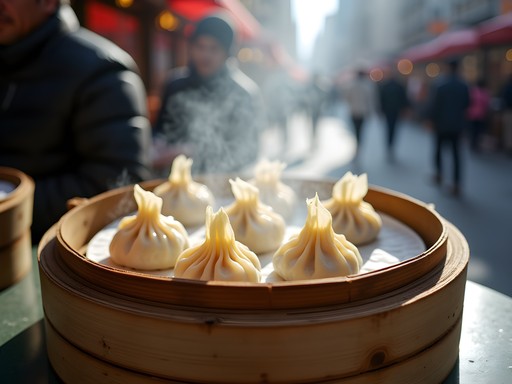
Nothing connects you to Shanghai culture quite like learning to make xiaolongbao, those delicate soup dumplings that have become the city's culinary ambassador to the world. Skip the famous chain restaurants and instead book a workshop with a local family who's been perfecting these little parcels of joy for generations.
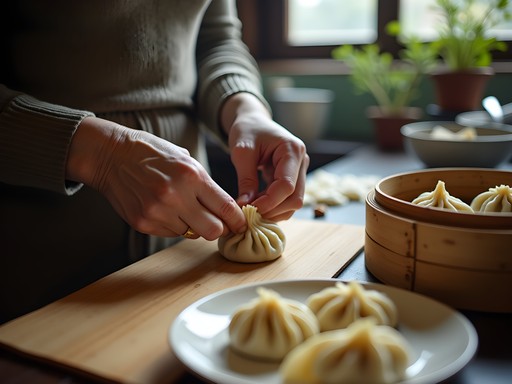
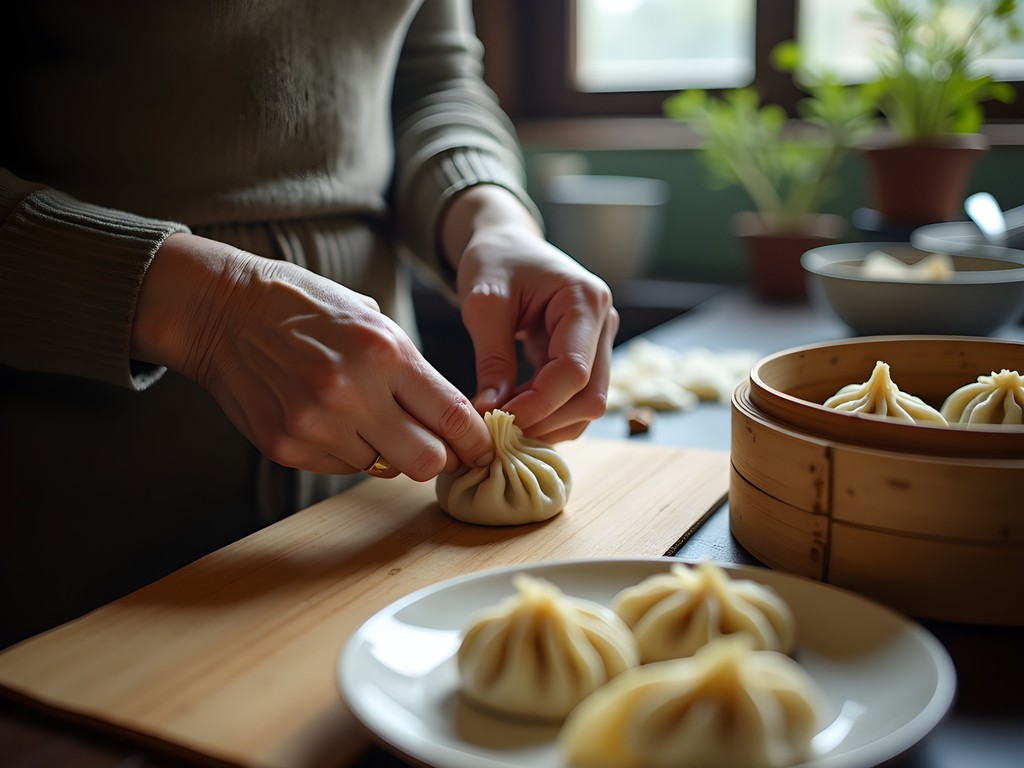
I found myself in Mrs. Wang's modest apartment in the Hongkou district, where her family has been making xiaolongbao for over 80 years. The three-hour session was equal parts cooking class, history lesson, and family gathering. The process is deceptively complex—the dough must be just right, the filling perfectly seasoned, and the pleating technique precise enough to seal in that precious soup.
My first attempts looked more like sad, deflated balloons than the elegant purses Mrs. Wang effortlessly created. But by the end of the morning, I'd managed to produce a few presentable specimens and gained a profound appreciation for this edible art form. I was grateful I'd packed my cooking apron with built-in pot holders—essential when handling the hot bamboo steamers!
💡 Pro Tips
- Book a private family workshop at least two weeks in advance through UnTour Food Tours or Culinary Adventures
- Bring a small gift from your home country as a thank-you gesture for your host family
- Take photos of each step in the process to help remember the technique when you try it at home
3. Experience Water Town Life in Zhujiajiao
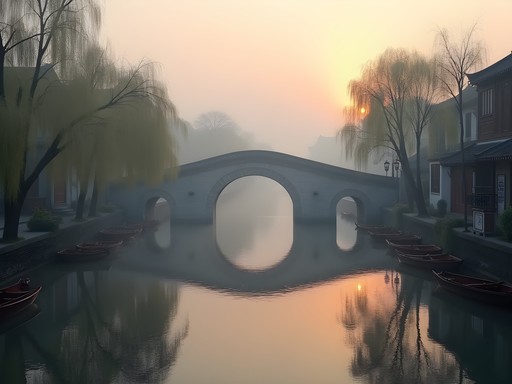
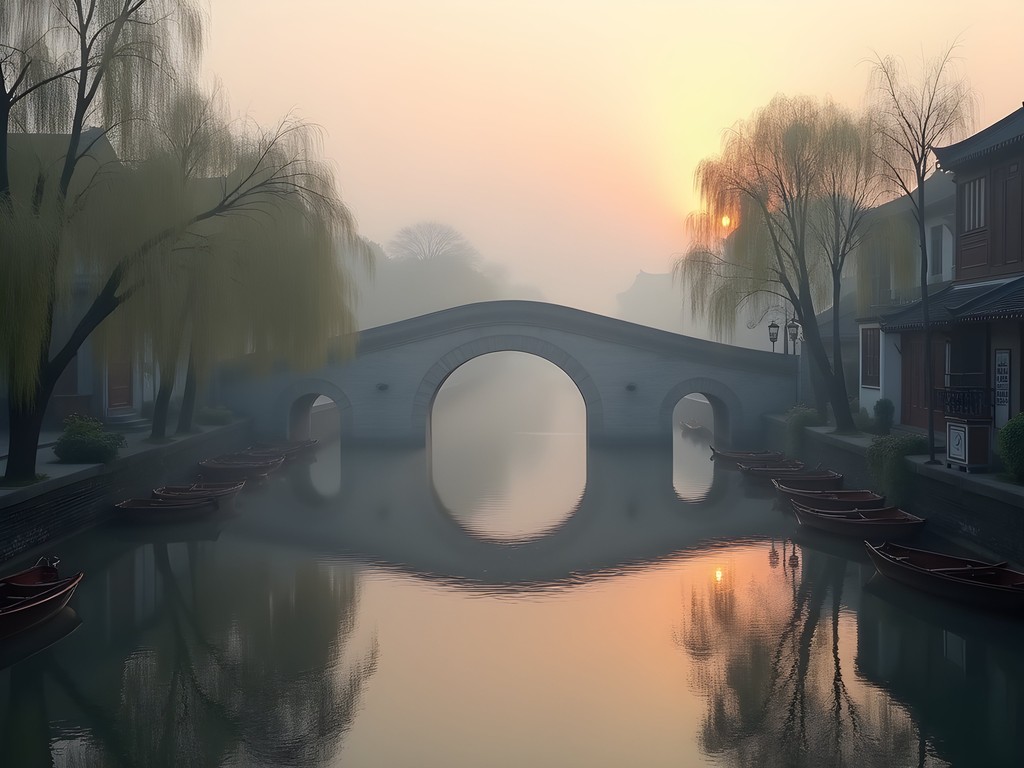
Just an hour's drive from downtown Shanghai lies Zhujiajiao, a 1,700-year-old water town that feels worlds away from the metropolitan hustle. While some water towns near Shanghai have become overrun with tourists, Zhujiajiao still maintains pockets of authentic local life if you know where to look.
I arrived early on a misty spring morning, crossing the iconic Fangsheng Bridge before most tour buses appeared. The town's network of canals, stone pathways, and Ming and Qing dynasty architecture creates a scene that feels plucked from a classical Chinese painting.
The real magic happened when I ventured beyond North Street (the main tourist thoroughfare) into the quiet residential areas. Here, elderly residents played mahjong in doorways, fishermen tended to their nets, and life continued much as it has for centuries. I spent an hour watching a craftsman create traditional bamboo weaving pieces, his fingers moving with the confidence that comes from decades of practice.
For exploring the narrow pathways and capturing the town's timeless beauty, my foldable walking stick proved invaluable, especially on the slippery stones near the water's edge. Stay until dusk when lanterns illuminate the bridges and canals, creating a magical atmosphere that few day-trippers experience.
💡 Pro Tips
- Arrive before 9am or stay past 5pm to experience the town without crowds
- Take a boat ride with a local boatman rather than the larger tourist boats for a more intimate experience
- Bring mosquito repellent in spring and summer months, especially for evening visits near the water

4. Discover the Vanishing Art of Shadow Puppetry
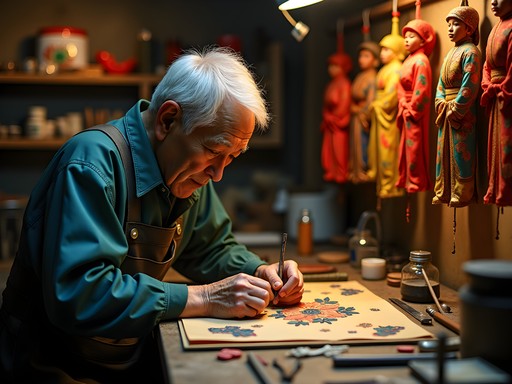
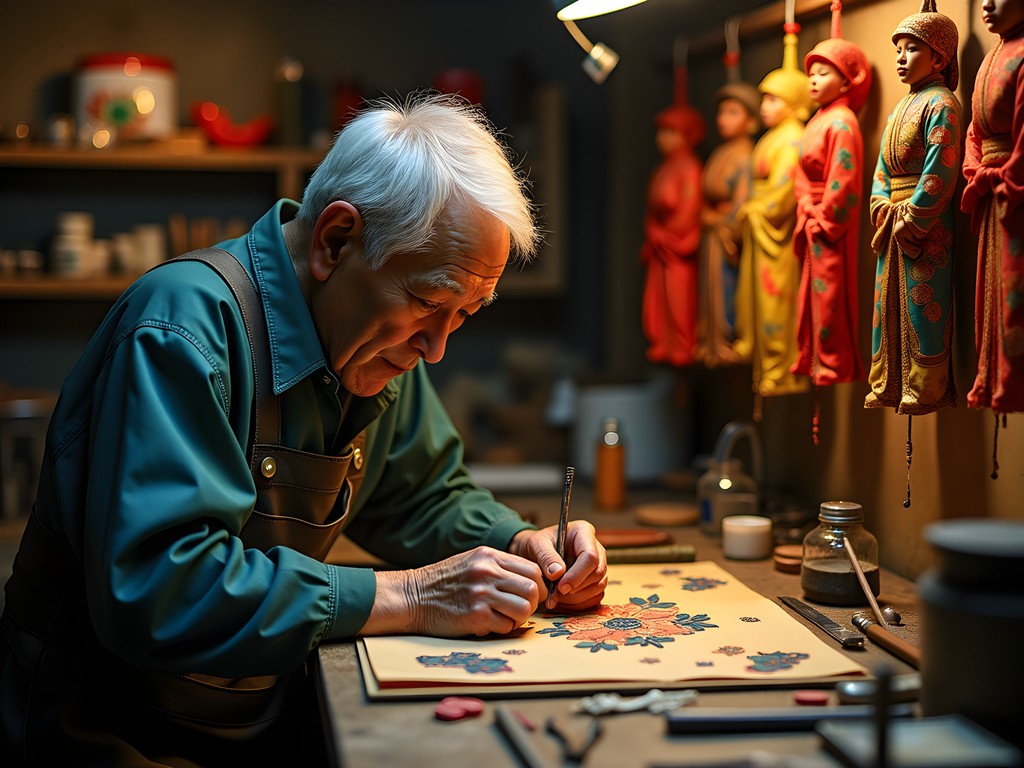
In a small workshop hidden in the backstreets of Shanghai's old town, I had the privilege of witnessing one of China's most enchanting yet endangered traditions: shadow puppetry. Master Huang, one of the city's few remaining practitioners, invited me into his studio where three generations of his family work to preserve this ancient art form.
Shadow puppetry (píyǐngxì) dates back over 2,000 years in China, using intricately cut leather figures manipulated behind a translucent screen. Master Huang showed me how each puppet requires up to 24 separate pieces joined with thread to create movable joints, and how a single character might take weeks to complete.
The highlight was an intimate performance of a scene from the classic tale Journey to the West, with Master Huang and his son manipulating the puppets while his daughter-in-law provided the musical accompaniment on traditional instruments. The shadows danced across the screen, bringing to life stories that have entertained Chinese audiences for centuries.
For those interested in this art form, I highly recommend bringing a compact LED light panel to better photograph these intricate creations without damaging them with harsh flash photography. With Master Huang's permission, I was able to capture stunning details of these masterpieces.
💡 Pro Tips
- Contact the Shanghai Shadow Puppet Theater in advance to arrange a workshop visit, as they don't keep regular public hours
- Consider purchasing a small shadow puppet as a meaningful souvenir that supports this traditional art form
- Ask if you can try manipulating a simple puppet—many masters are happy to provide a hands-on experience
5. Find Serenity in Yu Garden at Dawn
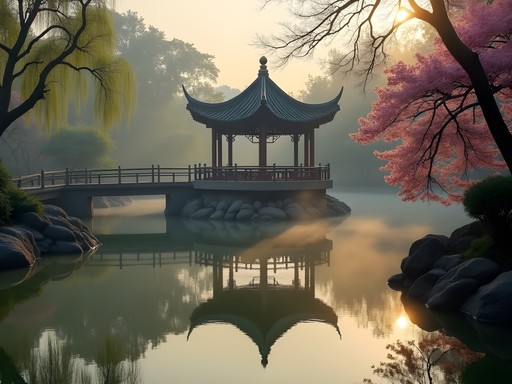
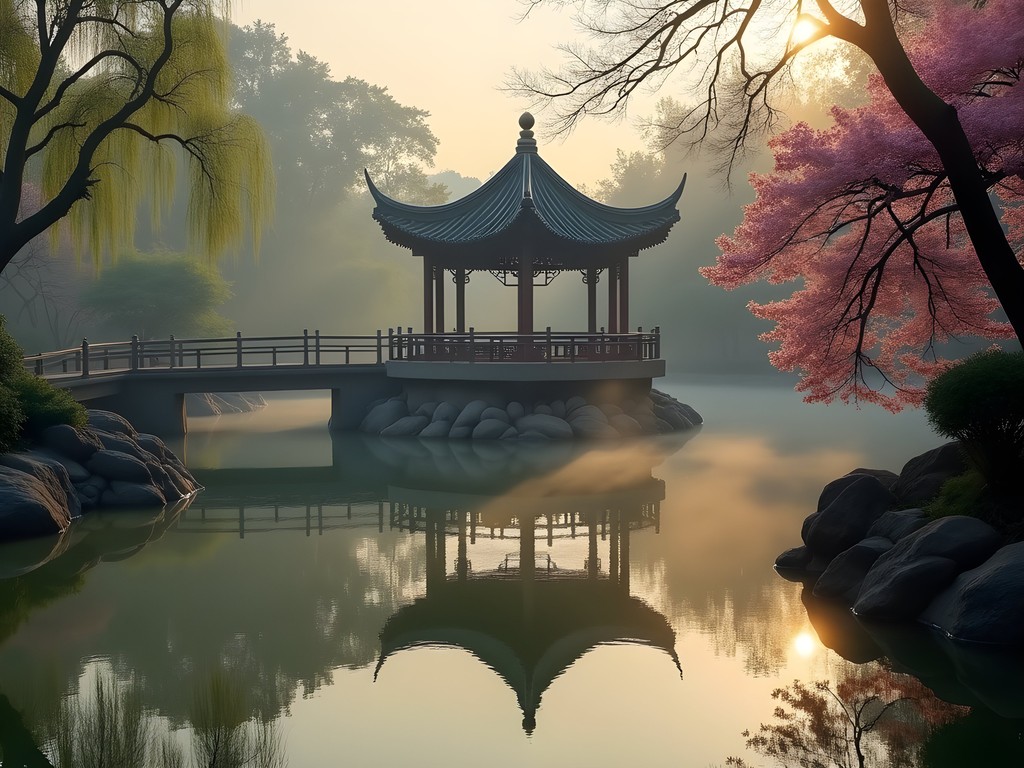
Yu Garden (Yù Yuán) appears in every Shanghai guidebook, but few visitors experience its true tranquility by arriving at opening time. This 400-year-old classical Chinese garden was built during the Ming Dynasty as a private retreat for a government official, and early morning is when you can still feel that original purpose of contemplation and harmony with nature.
I arrived just as the gates opened at 8:30am, equipped with my insulated travel mug filled with jasmine tea. For nearly an hour, I had entire pavilions to myself, watching morning light play across the rockeries and reflecting pools. The garden's ingenious design creates a series of distinct landscapes within a relatively small space—each turn revealing a new composition of water, stone, plants, and architecture.
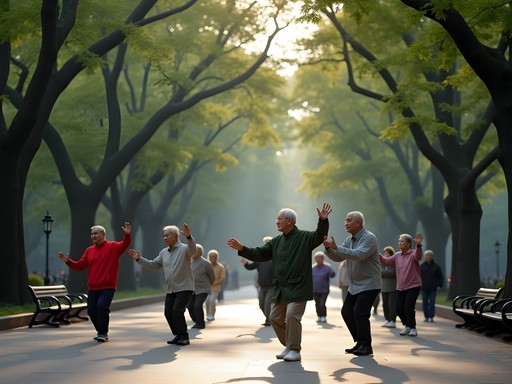
The Dragon Wall, with its imposing scaled creature stretching across carved brick, was particularly mesmerizing in the soft morning light. I sat sketching its details while an elderly local practiced tai chi nearby, his slow, deliberate movements mirroring the garden's sense of balance and flow.
By 10am, tour groups had begun to arrive, breaking the spell. But those ninety minutes of solitude gave me a profound connection to this place that has witnessed centuries of Shanghai's history. For photography enthusiasts, bring a variable ND filter to capture the longer exposures needed for those magical reflections in the garden's pools.
💡 Pro Tips
- Purchase tickets online in advance to avoid morning ticket lines
- Enter through the less-used North Gate rather than the main entrance to avoid initial crowds
- Focus on the inner garden areas first, as tour groups typically start with the outer sections
6. Connect with Local Seniors in Fuxing Park
Some of Shanghai's most authentic cultural experiences happen in its public parks, where the city's senior citizens gather daily to practice their passions. Fuxing Park, once a French colonial garden, now serves as a vibrant community space where you'll witness a delightful cross-section of traditional Chinese social life.
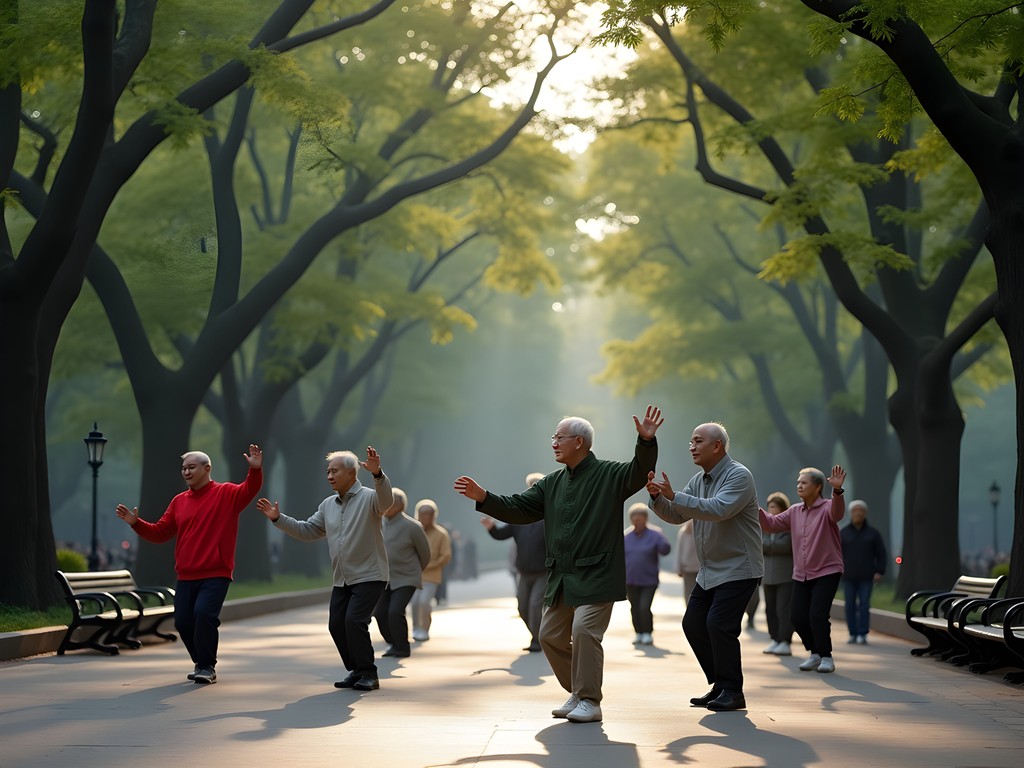
I spent an entire morning moving from one fascinating group to another—watching ballroom dancers sway to portable speakers, calligraphers painting poems with water on stone, and groups of friends playing cards with impressive intensity. The most captivating scene was the impromptu opera performances, where elderly enthusiasts in casual clothes sang powerful arias from Chinese operas, their voices carrying decades of emotion and practice.
Though language barriers existed, I found that simple gestures of appreciation and my instant photo printer created meaningful connections. After asking permission (always important), I photographed a group of tai chi practitioners, printed their images on the spot, and presented them as gifts. The resulting smiles and invitations to join their practice led to one of my most memorable Shanghai experiences.
The park is especially lively between 8-10am, when the morning exercises are in full swing, and again from 2-4pm when retired locals gather for social activities. Bring a small gift from your home country to share—I offered maple candies from Canada that became wonderful conversation starters.
💡 Pro Tips
- Learn a few basic Mandarin phrases like 'beautiful' (měilì) and 'may I take a photo?' (wǒ kěyǐ pāizhào ma?) to show respect
- Join in activities if invited, even if you feel awkward—your participation will be appreciated
- Visit on weekends when extended families join the seniors, adding children and multiple generations to the park scene
7. Witness Traditional Craftsmanship at Yuyuan Bazaar
While the Yuyuan Bazaar surrounding the famous garden is undeniably touristy, hidden within its reconstructed Ming-style buildings are workshops where genuine artisans still practice centuries-old crafts. The key is to look beyond the souvenir shops to find these authentic cultural treasures.
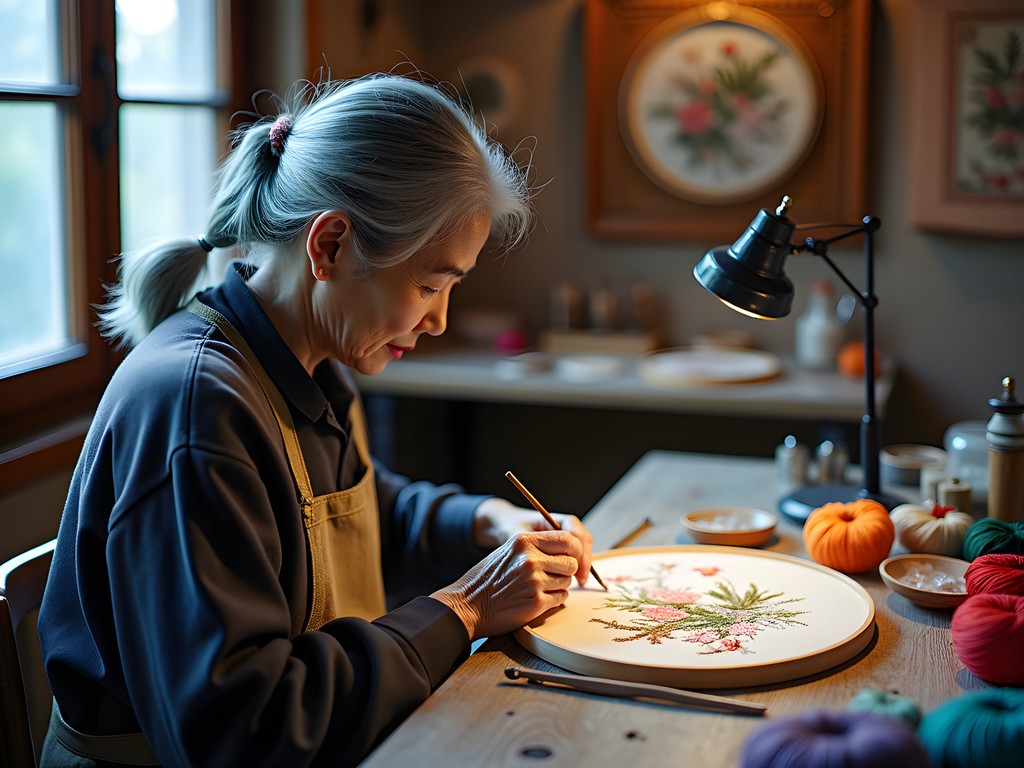
On the second floor of a building near the Nine-Turn Bridge, I discovered Master Liu's silk embroidery studio. Unlike the mass-produced items sold downstairs, Master Liu creates museum-quality pieces using techniques dating back to the Song Dynasty. I spent a fascinating hour watching her create impossibly detailed images using threads split so fine they're barely visible to the naked eye.
Nearby, I found artisans practicing paper cutting, seal carving, and traditional instrument making. The most mesmerizing demonstration was at a shop specializing in dough figurines (miànrén), where an artist transformed simple colored dough into intricate sculptures of traditional opera characters in minutes.
To fully appreciate these delicate arts, I found my magnifying glass invaluable for examining the minute details of embroidery stitches and paper cuts. Many craftspeople offer short workshops where you can try these techniques yourself—I attempted a simple paper cutting pattern that gave me tremendous respect for the skill involved.
💡 Pro Tips
- Visit on weekday afternoons when demonstrations are more likely and craftspeople have time for conversation
- Look for shops with actual workspaces in the back, not just display counters
- Be willing to pay a fair price for handmade items—these aren't mass-produced souvenirs but genuine artworks
Final Thoughts
As my week in Shanghai came to an end, I realized that beneath its gleaming exterior of financial towers and luxury malls beats the heart of a city still deeply connected to its cultural roots. These seven experiences offered glimpses into traditions that have survived dynasties, revolutions, and now, globalization. What made them special wasn't just their historical significance, but the people keeping these practices alive—ordinary Shanghainese who take immense pride in their cultural heritage.
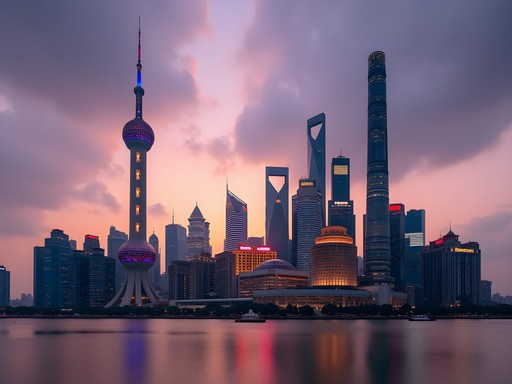
While The Bund's skyline makes for impressive photographs, it's these authentic encounters that create lasting connections to a place. The elderly tai chi master in Fuxing Park who corrected my stance with a gentle touch. The dumpling maker whose hands have folded thousands of xiaolongbao. The calligrapher whose brushstrokes carry centuries of artistic tradition. These are the memories that transform tourism into genuine cultural understanding.
I encourage you to seek out these experiences during your visit to Shanghai. Wake up early. Venture down alleyways. Engage with locals despite language barriers. The real Shanghai awaits beyond the guidebook highlights—a living museum of traditions that continue to thrive in the shadows of skyscrapers.
✨ Key Takeaways
- Visit popular sites like Yu Garden at opening time to experience their true tranquility before crowds arrive
- Look for authentic workshops rather than tourist demonstrations to witness genuine traditional craftsmanship
- Venture to the outskirts of Shanghai to water towns like Zhujiajiao for a glimpse of traditional Chinese life
📋 Practical Information
Best Time to Visit
March to May (spring) or September to November (fall)
Budget Estimate
$100-150 per day including mid-range accommodation, meals, and activities
Recommended Duration
5-7 days
Difficulty Level
Moderate


Comments
AsianCuisineLover
Just got back from Shanghai and followed your advice about the shadow puppetry show! It was incredible and we were the only foreigners there. The puppeteer spoke limited English but his son helped translate the stories. They've been doing this for 4 generations! After the show, they invited us backstage to see how the puppets are made. Would never have found this without your blog post. One tip for others: bring cash as they don't accept cards or WeChat Pay from foreign accounts.
Tiffany Hicks
So happy to hear you had that experience! Isn't it amazing to see the craftsmanship up close? Did they let you try manipulating the puppets? That was such a highlight for me!
AsianCuisineLover
Yes! They let me try the dragon puppet - much harder than it looks! My attempts were pretty clumsy but everyone had a good laugh. Such a special memory.
explorewanderer
OMG those xiaolongbao photos made me so hungry!! 🤤 Can't wait to try making them myself when I visit next month!
ChinaExplorer
Great post! I'll be in Shanghai for just 3 days next month. If you had to pick just ONE of these experiences, which would you recommend?
TravelAsiaFan
Not the author but I'd say the xiaolongbao workshop! Learning to make those dumplings was the highlight of my Shanghai trip. Plus you get to eat what you make!
Gregory Boyd
For a short trip, I'd suggest Tianzifang in the morning (before the crowds) followed by a xiaolongbao class. Efficient use of time and gives you both the atmosphere and food culture. I used this food tour which combines both in a half-day experience, leaving your afternoons free for the more modern side of Shanghai.
ShanghaiLover88
Love this! Tianzifang is my favorite spot in Shanghai! Those little art shops are amazing.
Gregory Boyd
Excellent piece on Shanghai's traditional side, Tiffany. So many visitors never venture beyond The Bund and Pudong's skyscrapers. I spent three months in Shanghai back in 2023 and would add that early mornings in Fuxing Park watching the elderly practice tai chi and sword dancing is absolutely mesmerizing. Also, the Longhua Temple during non-tourist hours (go before 9am) offers a glimpse into everyday Buddhist practice rather than just architecture. For Zhujiajiao, I'd recommend going on a weekday - the weekend crowds can be overwhelming. The water town becomes a completely different experience without the tour groups.
explorewanderer
Thanks for the weekday tip for Zhujiajiao! Adding that to my notes for my trip next month. Did you find it easy to get there by public transport?
Gregory Boyd
Absolutely! Take Metro Line 17 to Zhujiajiao station, then a short bus ride (or 15-minute walk). Much cheaper than organized tours and gives you freedom to explore at your own pace. Just download the Shanghai Metro app - it has English options and makes navigation super simple.
explorewanderer
Perfect! Will definitely do that instead of a tour. So excited to see the water town! 😊
starguide
Shadow puppetry!! Didn't even know this was still around
roamblogger
We did Tianzifang last summer and it was one of my favorite days in Shanghai! Got a bit lost in the alleyways but that's part of the fun right? Found this tiny art gallery tucked away on the third floor of a building - never would have discovered it otherwise. Also the coffee shops there are legit good, not just tourist traps. Pro tip: download a translation app before you go, not everyone speaks English in the smaller shops but people are super friendly and helpful.
Bryce Diaz
Tiffany, this really resonates with me. I spent three weeks in Shanghai last year and almost missed all of this chasing the typical tourist spots. Zhujiajiao was my favorite discovery - I took a boat ride through the canals at sunset and it felt like stepping back 200 years. The elderly locals playing mahjong by the water, the smell of street food drifting from the stone bridges... that's the real Shanghai. Also highly recommend the tea ceremony experience in the Old City if you get a chance to go back. The tea master I met had been practicing for 40 years and the stories he shared were incredible.
starguide
Which water town did you prefer - Zhujiajiao or Tongli?
Bryce Diaz
Zhujiajiao for sure. Less touristy, easier to reach from Shanghai, and better food options. Tongli is beautiful too but felt more manufactured to me.
beachdiver
Did you book the xiaolongbao workshop in advance? How did you find it? This sounds so cool and I'd love to do something like this with my kids.
Tiffany Hicks
Yes! I booked through a local tour company about 2 weeks ahead. The family was so welcoming and patient. Your kids would absolutely love it - very hands-on and you get to eat everything you make!
smartmood
This is amazing!! Going to Shanghai in March and totally adding these to my list
roamblogger
You're gonna love it! Tianzifang gets super crowded on weekends tho, go early morning if you can
smartmood
thanks for the tip!!
Venture X
Premium card with 2X miles, $300 travel credit, Priority Pass