
Disclosure: This article contains affiliate links. We may earn a commission from purchases at no extra cost to you, which helps our travel content.
Shanghai presents a fascinating dichotomy of engineering marvels—where centuries-old traditional structures stand in the shadow of some of humanity's most ambitious modern architectural achievements. As someone who has documented historical structures across five continents, I find Shanghai's technical narrative particularly compelling. The city represents humanity's perpetual drive to build higher, faster, and more efficiently while maintaining connections to cultural foundations. This carefully calibrated 48-hour itinerary will help couples navigate Shanghai's most significant landmarks while experiencing the authentic pulse of this remarkable metropolis.

Day 1 Morning: The Bund & Urban Planning Exhibition
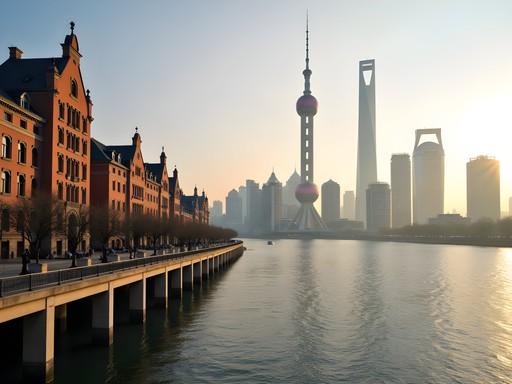
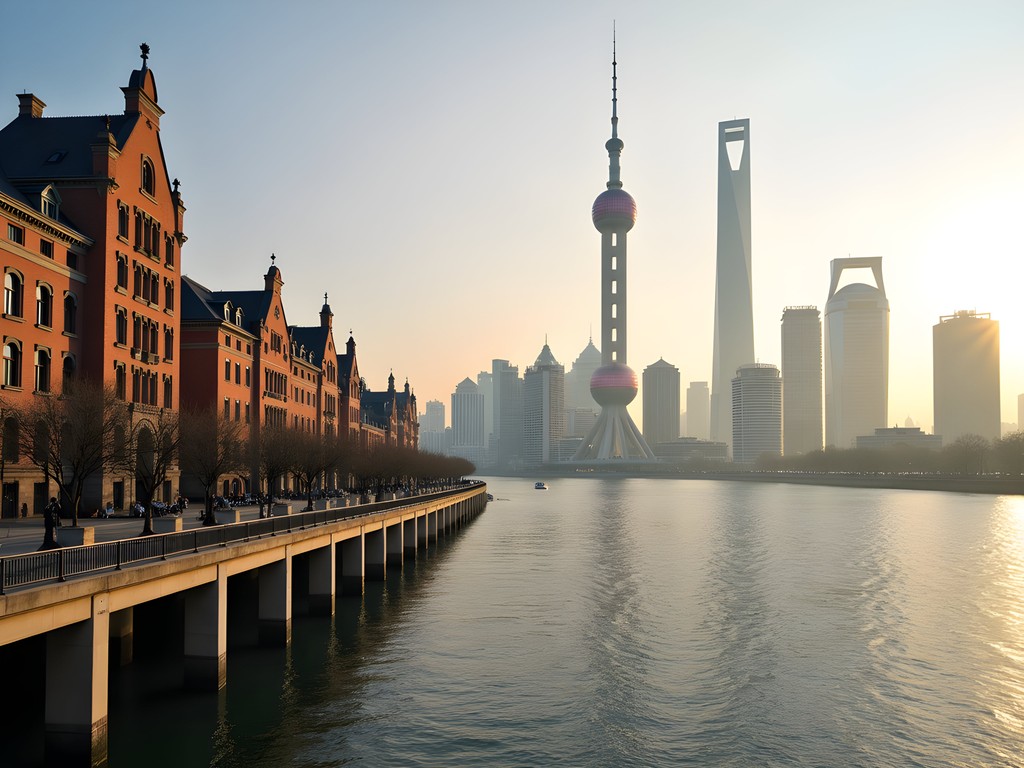
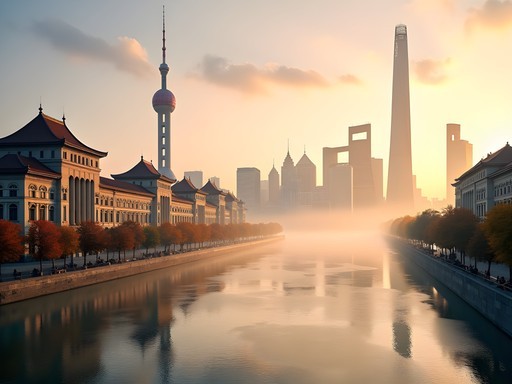
Begin your Shanghai experience with a structural engineering masterclass along the Bund promenade. Arrive by 7:30 AM to observe the remarkable juxtaposition of early 20th-century European-influenced buildings against the futuristic Pudong skyline across the Huangpu River. The technical contrast is striking—Art Deco and Neoclassical load-bearing masonry structures on one side, and on the other, contemporary supertall skyscrapers utilizing advanced core-and-outrigger structural systems.
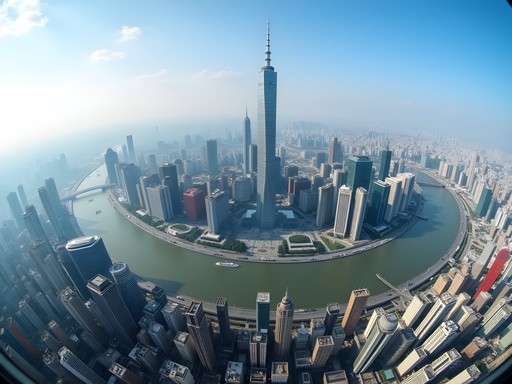
After breakfast at one of the riverside cafés, proceed to the Shanghai Urban Planning Exhibition Center in People's Square. The 1:500 scale model of central Shanghai occupies the third floor and provides an exceptional overview of the city's layout—I spent nearly two hours analyzing its intricate details during my last visit. The exhibition chronicles Shanghai's remarkable transformation from fishing village to global metropolis, with particular emphasis on the engineering challenges overcome during its rapid vertical expansion in the 1990s and 2000s.
Document your observations in a quality travel journal. I've found sketching structural details helps commit them to memory far better than digital photographs alone.
💡 Pro Tips
- Visit the Bund before 9 AM to avoid crowds and capture optimal lighting conditions for photography
- The Urban Planning Exhibition Center offers English audio guides worth the additional 40 RMB
- Look for the interactive displays showing how Shanghai's supertall buildings manage wind loads and seismic forces
Day 1 Afternoon: Shanghai Tower & French Concession
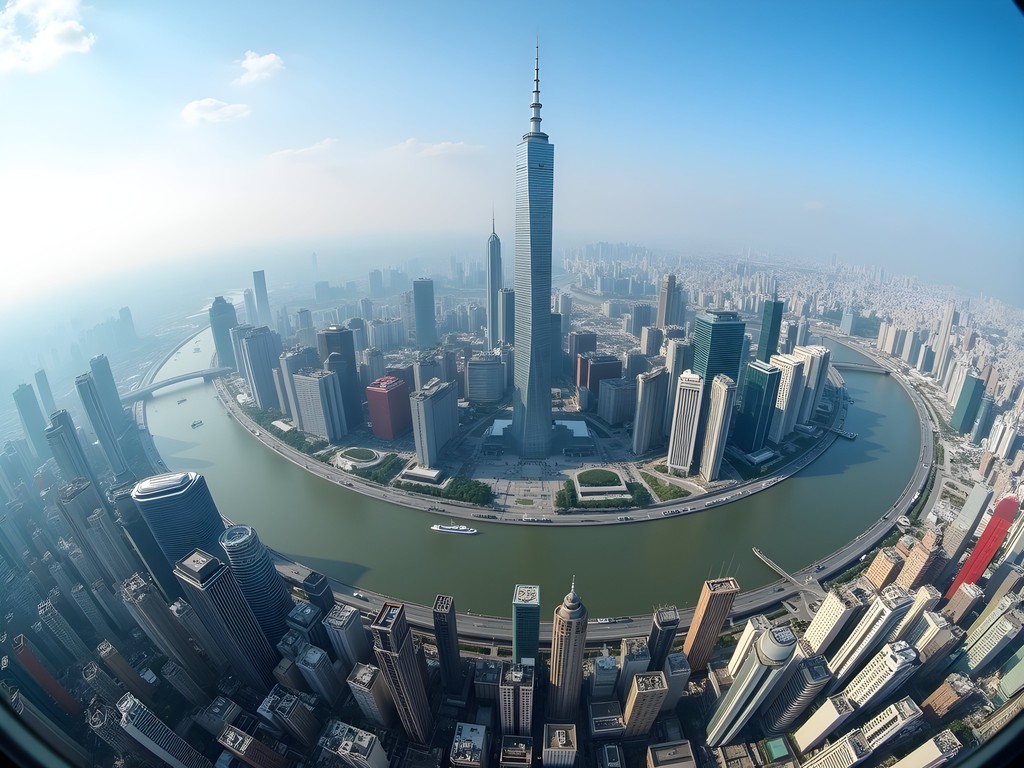
After lunch, cross the river to Pudong via the Bund Sightseeing Tunnel—a kitschy but efficient transportation option. Your destination: Shanghai Tower, a 632-meter marvel of sustainable design and structural engineering. As someone who has studied vertical structures extensively, I can attest that this is perhaps the most technically impressive skyscraper currently standing. Its double-skin facade and 120-degree twist significantly reduce wind loads, while the building's 106 Mitsubishi elevators include the world's fastest, traveling at 20.5 meters per second.
Purchase tickets to the observation deck on the 118th floor for unparalleled views of the metropolitan area. I recommend bringing a compact binoculars to examine distant architectural details that would otherwise be missed.
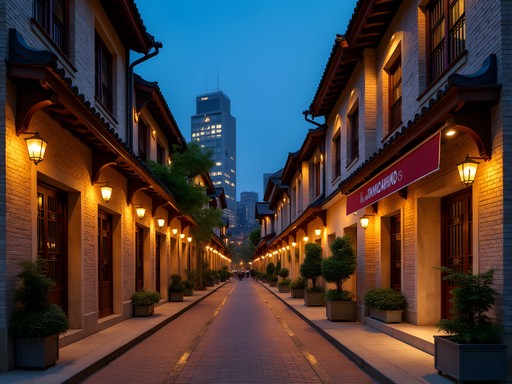
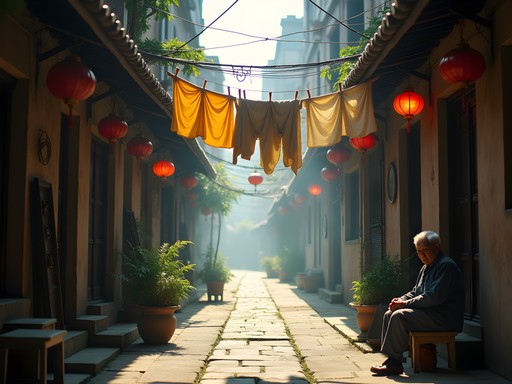
As afternoon transitions to evening, take the metro to the Former French Concession. This district offers a completely different structural typology—low-rise lane houses and Art Deco villas shaded by London plane trees. The area's historical significance extends beyond its architecture; it was a hub for revolutionary activity during the early 20th century. Wander along Wukang Road to observe how traditional Chinese courtyard housing principles were adapted to Western architectural styles, creating the distinctive shikumen houses unique to Shanghai.
💡 Pro Tips
- Book Shanghai Tower observation deck tickets online to avoid queues, particularly on weekends
- Visit during clear weather for optimal visibility from the observation deck
- In the French Concession, look for the subtle architectural details that reveal buildings' original purposes, from former dance halls to revolutionary meeting places
Day 1 Evening: Dinner & The Waterfront
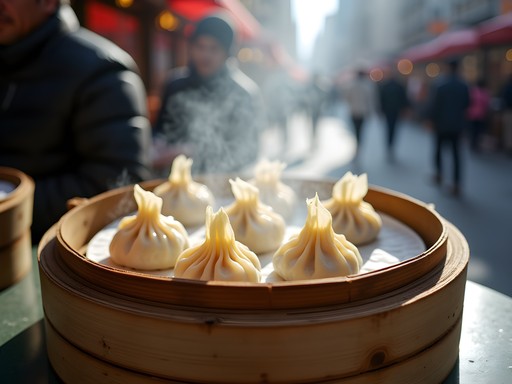
For dinner, I recommend experiencing one of Shanghai's distinctive culinary traditions: xiaolongbao (soup dumplings). Din Tai Fung offers a refined version of this engineering marvel of gastronomy—the structural integrity of the wrapper maintaining a perfect seal around the soup is genuinely impressive from a materials perspective. While purists might prefer more traditional establishments, Din Tai Fung provides consistent quality and English menus that make the experience accessible for first-time visitors.
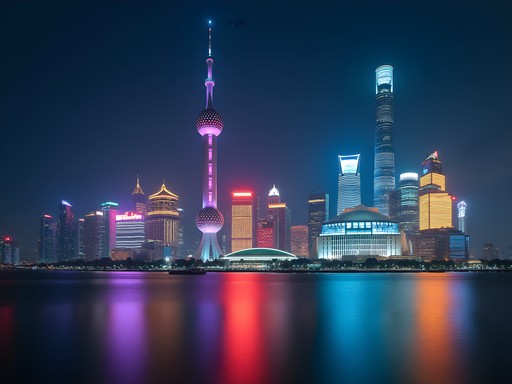
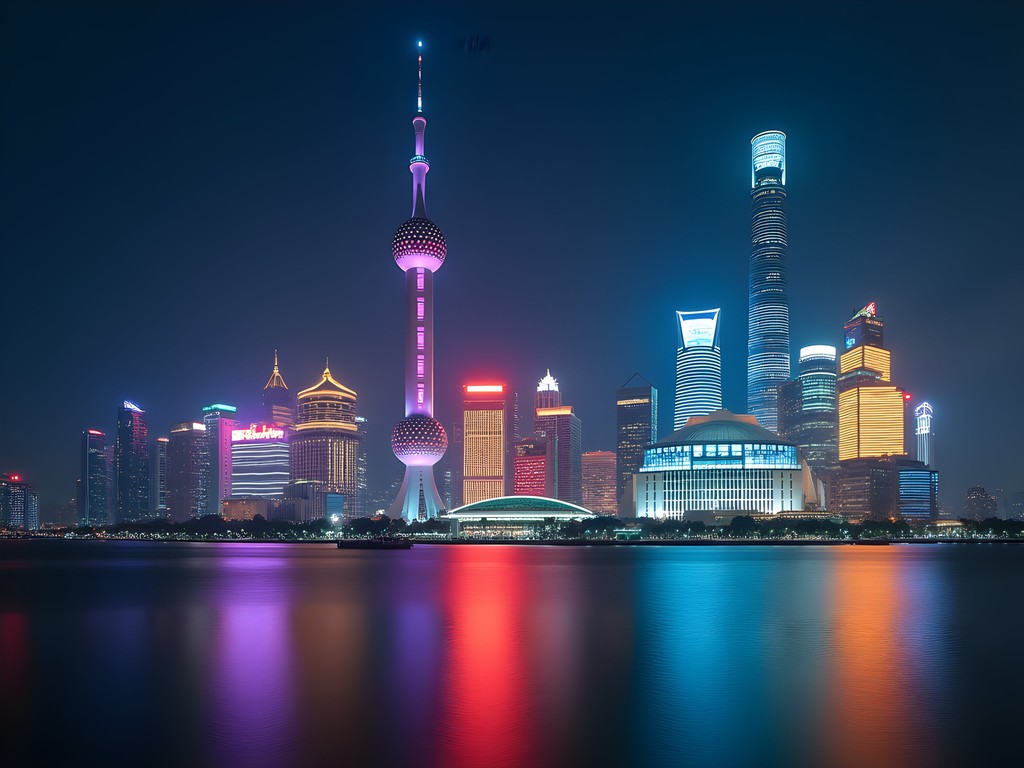
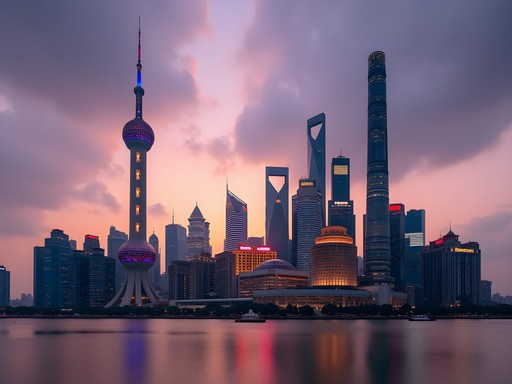
After dinner, take a leisurely stroll along the redeveloped Cool Docks area near the South Bund. This district exemplifies adaptive reuse of industrial infrastructure—19th-century warehouses have been transformed into restaurants, galleries, and boutiques while maintaining their structural integrity and historical character. The waterfront promenade offers excellent nighttime views of the illuminated Pudong skyline, a spectacular display of architectural lighting design that emphasizes the structural elements of each tower.
Capture these dramatic nighttime scenes with a compact tripod and slow shutter speeds. The reflections on the Huangpu River create particularly compelling compositions when photographed from the Cool Docks vantage point.
💡 Pro Tips
- When eating xiaolongbao, the proper technique is to place the dumpling on your spoon, bite a small hole to release steam, then consume the soup before eating the wrapper
- The Cool Docks area is less crowded than the Bund but offers equally impressive views of the Pudong skyline
- Building illumination typically ends at 10:30 PM, so plan your evening photography accordingly

Day 2 Morning: Yu Garden & Old City
Begin your second day with an early visit to Yu Garden, an exceptional example of Ming Dynasty landscape engineering constructed between 1559 and 1577. As with many classical Chinese gardens, Yu Garden employs sophisticated principles of forced perspective and carefully calculated sight lines to create the illusion of expansive space within relatively confined boundaries. The garden's most famous structure—the Mid-Lake Pavilion teahouse accessible by the zigzag bridge—demonstrates how traditional Chinese engineers used water features as both aesthetic elements and defensive measures.
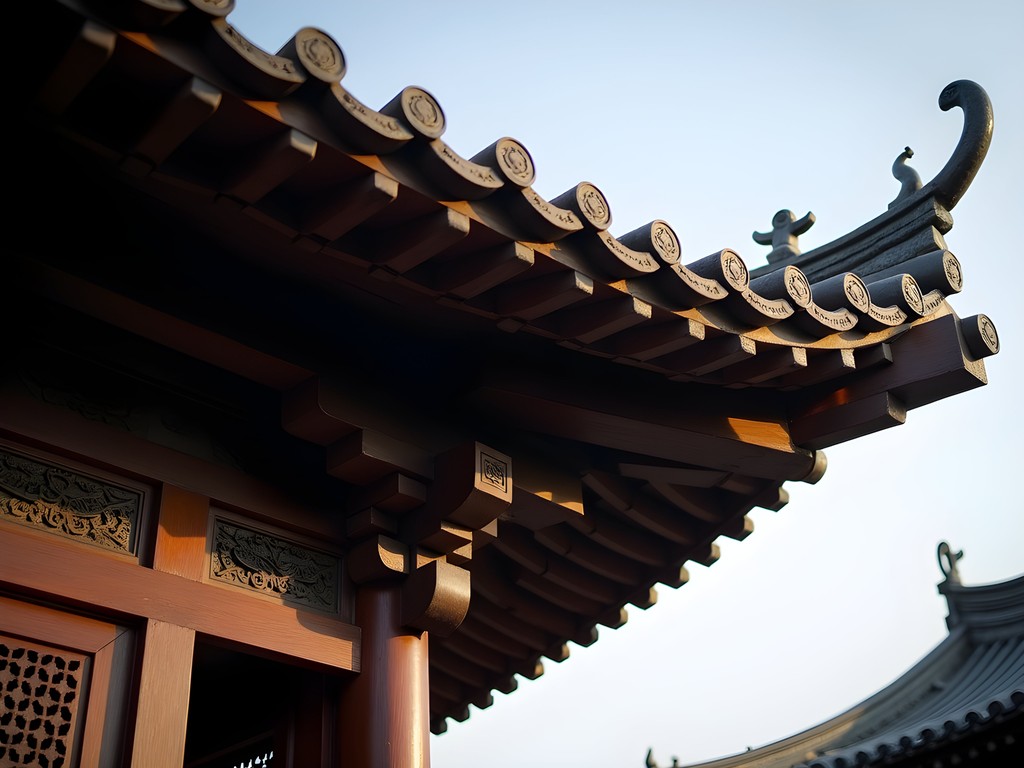
The adjacent Old City bazaar, while undeniably commercial, offers insights into traditional Chinese timber-frame construction techniques. Look beyond the souvenir shops to observe the structural systems of the buildings themselves—many feature traditional mortise and tenon joinery that has withstood centuries of use without mechanical fasteners.
For documenting architectural details, I rely on my mirrorless camera with a versatile zoom lens. The garden's intricate roof brackets and stone carvings reward close examination and documentation.
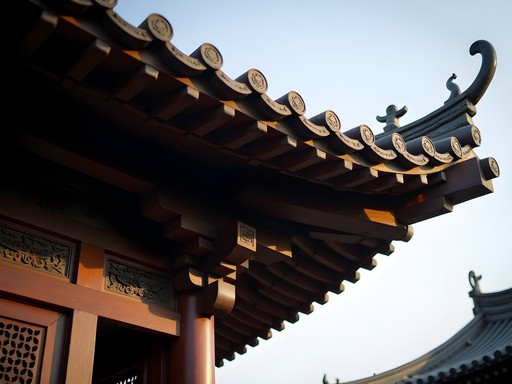
Before leaving the area, visit the nearby Chenghuang Temple, which showcases traditional Chinese bracketing systems used to transfer roof loads to supporting columns—an ingenious structural solution that has proven remarkably resilient to seismic events over centuries.
💡 Pro Tips
- Arrive at Yu Garden when it opens at 8:30 AM to avoid tour groups that typically arrive after 10 AM
- Look for the dragon walls and study how their undulating forms were constructed using specialized masonry techniques
- The Old City shops often negotiate prices; expect to pay 40-60% of the initial asking price for most items
Day 2 Afternoon: Shanghai Science & Technology Museum and Maglev Experience
After lunch, take the metro to the Shanghai Science and Technology Museum, which offers an excellent overview of China's technological achievements throughout history. The Ancient Chinese Science and Technology Gallery is particularly noteworthy, documenting innovations in structural engineering, hydraulics, and mechanical systems that predated similar developments in the West by centuries.
The museum's architecture itself merits analysis—its massive cantilevered roof and extensive use of tensile structures demonstrate contemporary Chinese approaches to large-span construction. Plan approximately two hours for your visit, focusing on the exhibits most relevant to your interests.
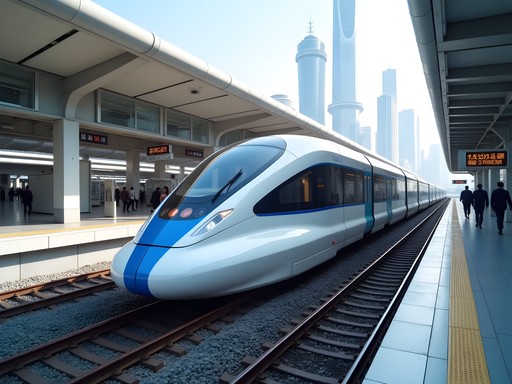
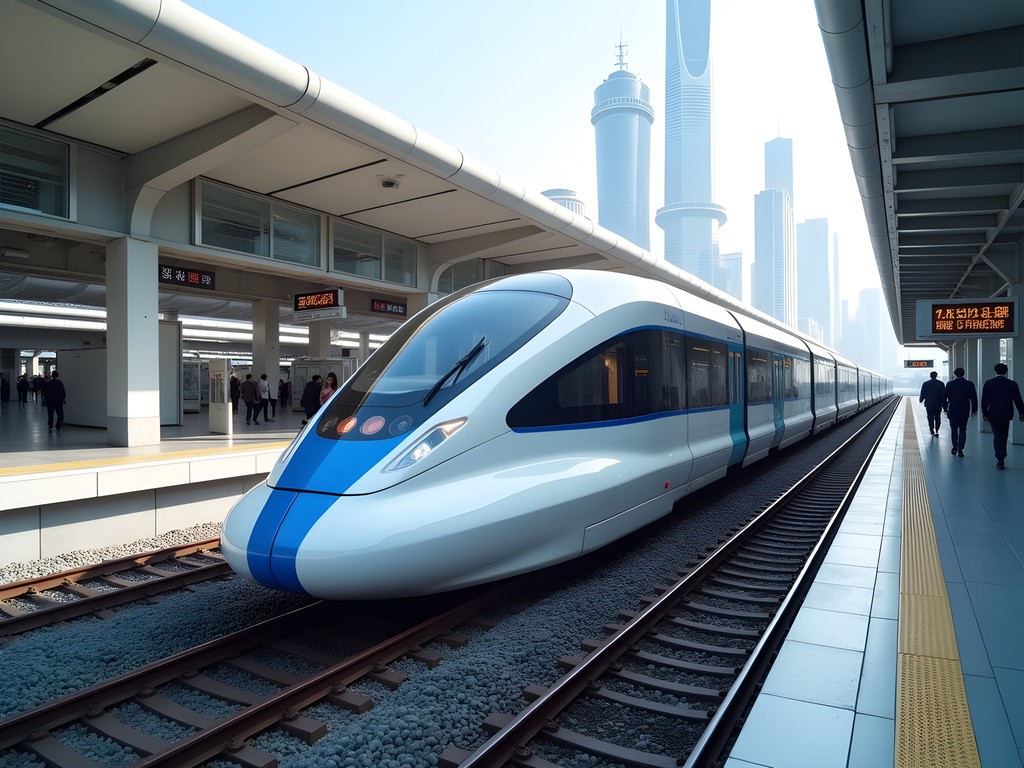
From the museum, it's a short metro ride to the Longyang Road Station, where you can experience the Shanghai Maglev Train—the world's first commercial high-speed magnetic levitation line. As an engineer, I find this transportation system fascinating; it achieves speeds up to 430 km/h using electromagnetic suspension rather than conventional wheel-rail mechanics. The seven-minute journey to Pudong International Airport provides a brief but exhilarating demonstration of this technology.
For those interested in the technical aspects of magnetic levitation, I recommend bringing a travel guidebook that includes diagrams explaining the maglev's propulsion system. Understanding the principles behind the technology enhances appreciation of the experience significantly.
💡 Pro Tips
- The Science Museum offers free English audio guides with your ticket purchase
- For the best maglev experience, travel between 3-4:30 PM when trains typically run at maximum speed
- Sit on the right side of the maglev train for the best view of the speedometer display
Day 2 Evening: Xintiandi & Farewell Dinner
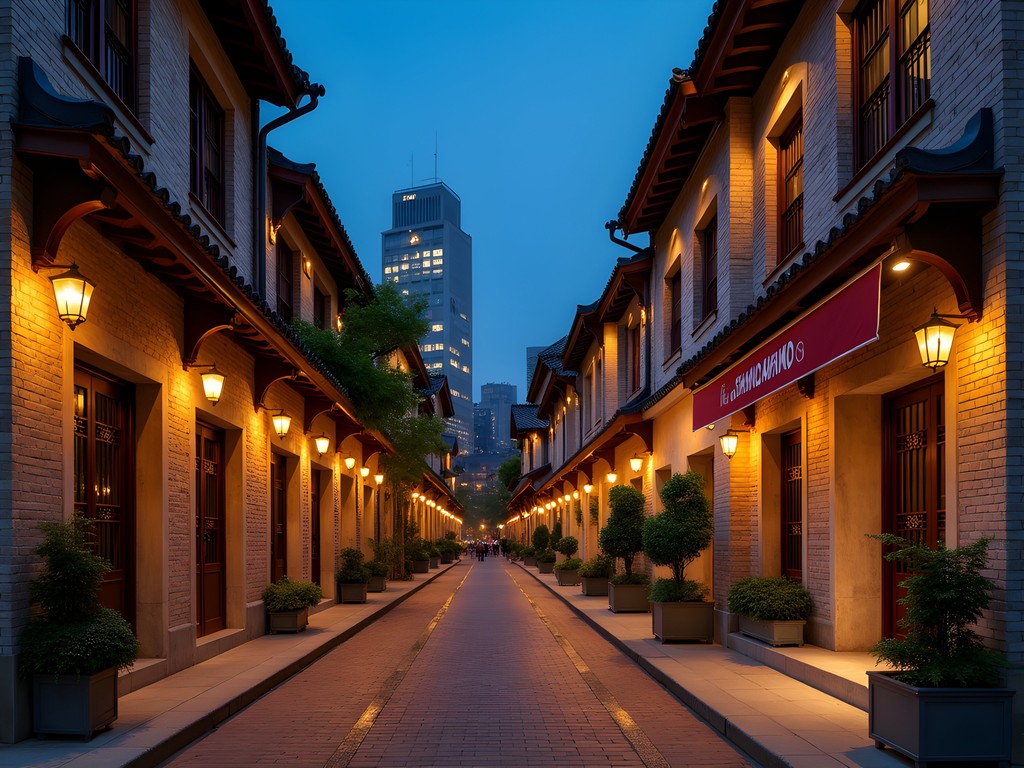
For your final evening in Shanghai, visit Xintiandi, an exemplary case study in adaptive reuse of traditional shikumen architecture. This pedestrian district demonstrates how historical structures can be preserved while accommodating contemporary functions—the original load-bearing walls and structural elements have been maintained while interiors have been reconfigured for modern commercial use.
The area offers numerous dining options for your farewell dinner. I recommend Lost Heaven for sophisticated Yunnan cuisine in an atmospheric setting. Their multi-story restaurant occupies a renovated traditional building and showcases how historical structures can be sensitively adapted to contemporary needs while maintaining structural integrity.
After dinner, take a final evening walk through the nearby Taipingqiao Park, where the juxtaposition of water features, greenery, and illuminated high-rises creates a quintessentially Shanghai landscape. The park's design incorporates traditional Chinese garden principles within a thoroughly modern urban context.
Document your observations using a travel notebook to record technical details and personal impressions. I've maintained such journals for decades and find them invaluable for preserving both factual information and subjective experiences.
💡 Pro Tips
- Xintiandi becomes quite crowded in evenings; reservations are essential for dinner, particularly on weekends
- Look for the small museum within Xintiandi that explains shikumen architecture and the area's preservation
- Several buildings feature glass floors revealing archaeological remains beneath—don't miss these technical exhibits
Final Thoughts
This 48-hour itinerary merely scratches the surface of Shanghai's technical and cultural complexity. The city represents an unparalleled laboratory for studying the evolution of structural engineering across multiple centuries—from the sophisticated wooden joinery of Ming Dynasty gardens to the advanced composite materials of contemporary supertall skyscrapers. What makes Shanghai particularly fascinating from an engineering perspective is not merely the individual structures, but how these diverse technical approaches coexist and interact within a single urban ecosystem.
As someone who has documented historical structures worldwide, I find Shanghai's preservation efforts especially noteworthy. Rather than erasing its past in pursuit of modernization, the city has largely succeeded in integrating historical buildings into its contemporary urban fabric, creating a dialogue between traditional and innovative construction methodologies.
For couples visiting Shanghai, the city offers a perfect balance of technical interest and aesthetic pleasure. Whether you're analyzing the load paths in a traditional garden pavilion or marveling at the aerodynamic form of Shanghai Tower, the city rewards curious minds and provides endless opportunities for shared discovery. I encourage you to use this itinerary as a framework, but allow yourselves time for spontaneous exploration—some of Shanghai's most remarkable technical achievements lie hidden in plain sight, waiting for observant visitors to appreciate their ingenuity.
✨ Key Takeaways
- Shanghai offers an unparalleled opportunity to observe the evolution of structural engineering across multiple centuries in a single urban setting
- Early morning and evening visits to major attractions provide the best experience with fewer crowds
- The city's technical achievements extend beyond architecture to include transportation, urban planning, and adaptive reuse of historical structures
📋 Practical Information
Best Time to Visit
March to May or September to November
Budget Estimate
$150-250 per day for a couple (mid-range)
Recommended Duration
Minimum 48 hours, ideally 3-4 days
Difficulty Level
Easy

Comments
summerfan
This itinerary hits all the highlights! We did almost exactly this route in September and it was perfect. One suggestion - if you have time, take the Maglev train from the airport. It goes 300km/h and is a cool experience in itself. Also, the food scene is incredible - don't stick to just Western options. We did a food tour in the French Concession that introduced us to dishes we would never have tried otherwise. The contrast between old and new Shanghai is what makes it so fascinating!
winterchamp
Just got back from Shanghai and this itinerary is spot on! One thing to add - the subway system is amazing for getting around. Clean, cheap, and has English signage everywhere. We stayed in the Jing'an area which was perfect - central location with lots of food options. The Shanghai Museum is also worth a visit if you have extra time - and it's free! Just remember to bring your passport for entry.
travelguy
How's the safety situation there? First time going to Asia next month.
winterchamp
Super safe! Even late at night we felt comfortable. Just watch for scams around tourist areas - like the 'tea ceremony' trick.
Taylor Moreau
Excellent itinerary, Astrid. I've done similar routes with clients and would add one suggestion: if you have flexibility on Day 2, consider visiting the Urban Planning Exhibition before The Bund rather than after. The morning light on the waterfront is spectacular, and the Exhibition provides better context when seen first. Also, the dumpling stalls near Yu Garden are exceptional—arrive hungry. The xiaolongbao at Jia Jia Tang Bao is worth any queue.
adventurechamp9031
thanks for the food tip!
moonvibes
OMG the French Concession looks amazing!! I had no idea Shanghai had areas like that. Definitely adding this to my bucket list. How much time would you say you need there? Could you do it in like 2-3 hours or should we budget more?
Taylor Moreau
I'd budget at least 3-4 hours for the French Concession if you want to properly explore. The tree-lined streets are perfect for wandering, and there are excellent cafes and boutiques. Don't rush it—the area deserves a leisurely afternoon.
moonvibes
perfect thank you!!
adventurechamp9031
Going in March! Super excited
moonguide
how easy is it to get around on the metro? do you need to buy tickets in advance or can you just show up?
Taylor Moreau
The metro system is remarkably efficient. You can purchase tickets at any station using the automated machines—they accept cash and cards. I'd recommend getting a transportation card for convenience if you're staying the full 48 hours. English signage is excellent throughout the system.
moonguide
awesome thanks!
Haley Hamilton
This brings back memories of my backpacking trip through China last year! For anyone with more than 48 hours, I'd suggest adding Tianzifang to your itinerary - it's this maze of narrow alleys with tiny craft shops, cafes, and art studios in the French Concession. Much more authentic feel than Xintiandi (though that's worth seeing too). I spent hours wandering and found an amazing tea shop where the owner did a traditional ceremony for me despite our complete language barrier. Also, don't miss the night view of the Bund - completely different experience than daytime!
sunnylover
Is it better to visit Yu Garden first thing in the morning to avoid crowds? Planning my trip for October.
Haley Hamilton
Definitely go early! I got there at opening (9am) and had about 45 minutes before tour groups arrived. By 11am it was packed. October should have nice weather too!
happyvibes
Just followed this itinerary last weekend and it was perfect! One thing I'd add - don't miss the street food in the Old City near Yu Garden. Those soup dumplings (xiaolongbao) are life-changing! We went to a place called Nanxiang and waited in line for 30 minutes but totally worth it. Also, the metro is super easy to navigate and crazy cheap compared to NYC or London.
globestar
How's the language barrier in Shanghai? Can you get by with just English?
summerfan
In tourist areas and high-end places, you'll be fine. But for local spots, definitely have a translation app. I used translator app and it was a lifesaver for menus and directions.
Venture X
Premium card with 2X miles, $300 travel credit, Priority Pass