

Disclosure: This article contains affiliate links. We may earn a commission from purchases at no extra cost to you, which helps our travel content.
There's something profoundly nostalgic about returning to your homeland as a visitor. As a Canadian now living abroad in Birmingham, my recent weekend in Montreal felt both like a homecoming and an exploration. This French-Canadian metropolis holds a special place in my heart – a city where European charm meets North American vibrancy in a seamless cultural tapestry. Montreal's sacred spaces and historical architecture have always fascinated me, both professionally as an urban planner and personally as someone drawn to places where history and spirituality intersect. Whether you're traveling as a couple seeking romantic cobblestone streets or culture enthusiasts hungry for artistic immersion, Montreal offers a perfect blend of old-world charm and contemporary energy. Join me as I guide you through 72 hours in this magnificent city, where each neighborhood tells its own story and every corner reveals another layer of Canada's most distinctive urban landscape.

Day 1: Old Montreal & The Old Port – Where History Breathes
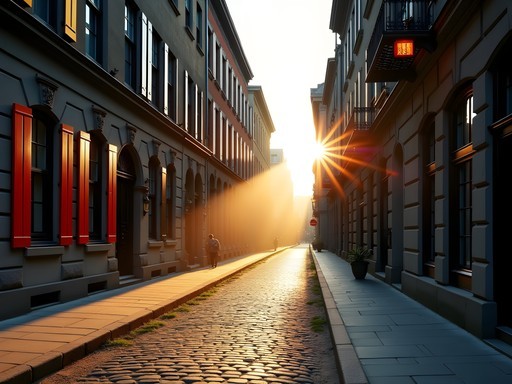
Your Montreal journey should begin where the city itself began – in Vieux-Montréal (Old Montreal), where cobblestone streets and centuries-old architecture transport you to another era. I recommend starting your day early at Place d'Armes, where the magnificent Notre-Dame Basilica stands as a testament to Gothic Revival architecture. The basilica opens at 8:00 AM, and arriving early allows you to appreciate the breathtaking interior before the crowds arrive.
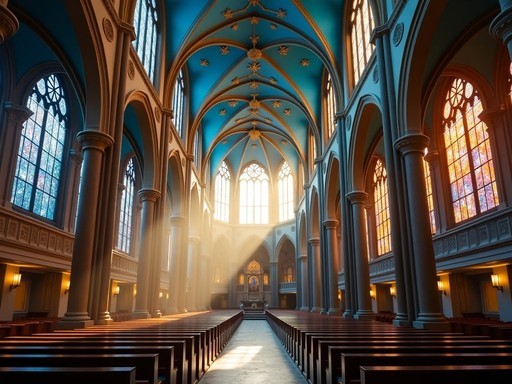
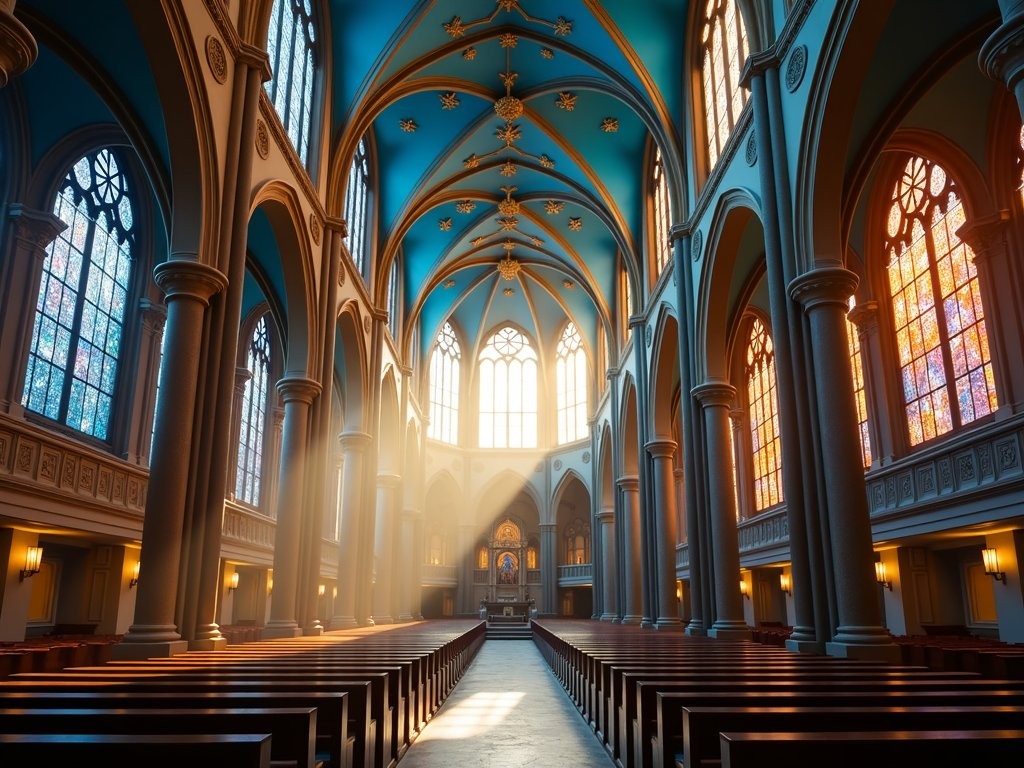
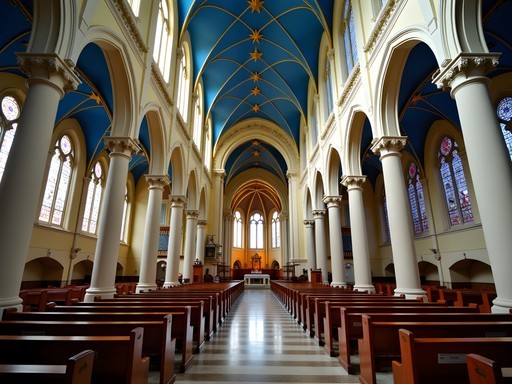
The first time I stepped inside Notre-Dame after years away, I was struck anew by the celestial blue ceiling adorned with golden stars and the intricate wooden carvings. The morning light filtering through the stained glass creates an almost transcendent atmosphere. For an even deeper experience, consider the 'AURA' sound and light show they host in the evenings – it's a contemporary spiritual experience within a historical sacred space.
After the basilica, wander down Rue Saint-Paul, Montreal's oldest street. The 17th and 18th-century buildings now house artisanal shops, galleries, and cafés. For a mid-morning coffee and pastry break, I suggest Olive et Gourmando, where the chocolate brioche is nothing short of divine.
As midday approaches, make your way to the Old Port (Vieux-Port). What was once a bustling commercial harbor has transformed into a recreational area that beautifully balances historical preservation with modern urban planning – something I particularly appreciate from my professional perspective. The contrast between the old clock tower and the contemporary science center exemplifies Montreal's layered urban development.
For lunch, the waterfront provides several options, but Marché des Éclusiers offers local fare with wonderful views of the St. Lawrence River. In the afternoon, consider renting bicycles to explore the 2.5km waterfront path, or if you're visiting between May and September, take a historical river cruise on the St. Lawrence for a different perspective of the city.
As evening falls, the Old Port takes on a magical quality with its ambient lighting. End your first day with dinner at Garde Manger on Rue Saint-François-Xavier. Chef Chuck Hughes' seafood-focused menu showcases Quebec's local ingredients in a historic stone building that dates back to the early 1800s.

💡 Pro Tips
- Purchase tickets for Notre-Dame Basilica online to avoid queues, especially for the AURA show which often sells out.
- The cobblestone streets of Old Montreal are charming but challenging for wheeled luggage and high heels – wear comfortable shoes with good support.
- Many buildings in Old Montreal are historical monuments with limited accessibility features – check ahead if you have mobility concerns.
Day 2: Mount Royal & The Plateau – Urban Nature Meets Cultural Vibrancy
Begin your second day with a pilgrimage of sorts to one of Montreal's most sacred natural spaces – Mount Royal Park. Designed by Frederick Law Olmsted (who also designed New York's Central Park), this urban mountain offers both spiritual solace and spectacular city views. I recommend packing a light breakfast and a good travel water bottle for the journey up. The reusable bottle is essential for staying hydrated during your climb and throughout your day exploring Montreal's neighborhoods.
There are several paths to the summit, but I favor the winding trail that begins near the George-Étienne Cartier Monument. As an urban planner, I'm always struck by how Olmsted's design creates a gradual transition from city to wilderness, with strategically placed lookout points that frame the cityscape below. The summit reveals a panoramic vista that contextualizes Montreal's urban geography – the downtown skyscrapers, the mighty St. Lawrence River, and on clear days, the distant Adirondack Mountains.
At the top, visit the Mount Royal Cross, a powerful symbol illuminated at night and visible throughout the city. Originally erected in 1643 by the city's founder, the current steel cross stands 31 meters tall and represents Montreal's deep Catholic heritage. Nearby, the Saint Joseph's Oratory dome creates another significant silhouette on the mountain's landscape.
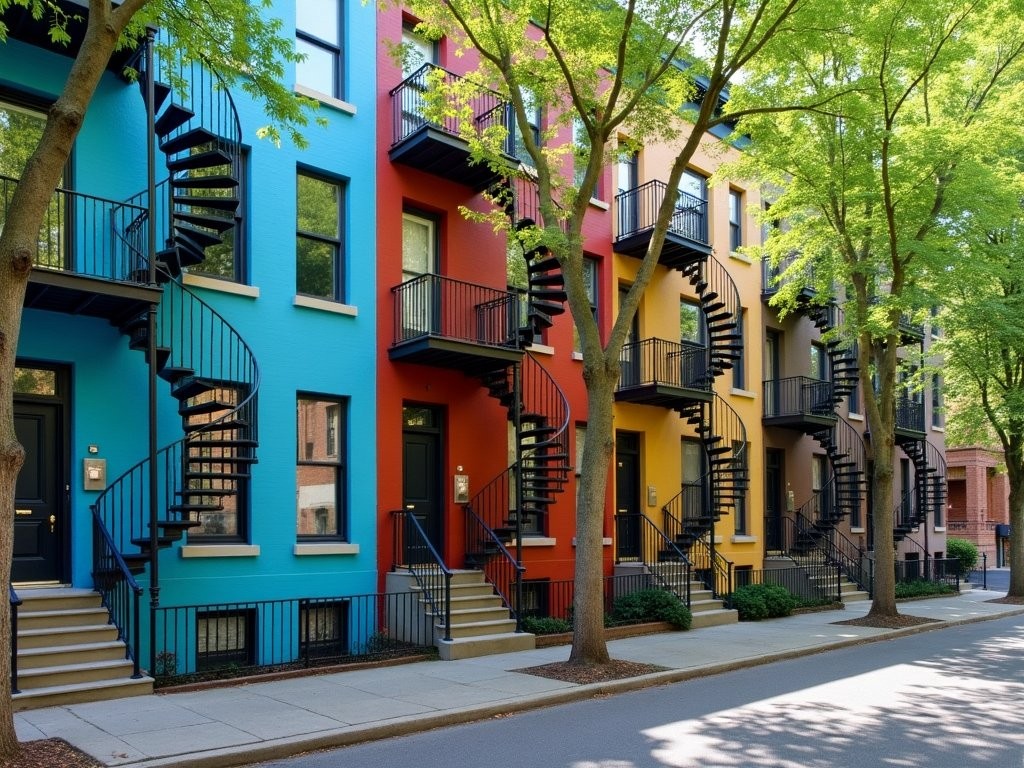
After descending the mountain, head to the Plateau Mont-Royal neighborhood, where Montreal's creative pulse beats strongest. The area's colorful row houses with their distinctive external staircases (a unique architectural response to Montreal's historical building codes) create a vibrant streetscape that photographers adore. Wander down Avenue du Mont-Royal for excellent boutique shopping or Boulevard Saint-Laurent (locally known as 'The Main') for vintage stores and cultural institutions.
For lunch, join the locals at Schwartz's Deli for their famous Montreal-style smoked meat sandwich – a culinary institution since 1928. The queue may be long, but the experience is quintessentially Montreal.
In the afternoon, explore the murals that adorn the Plateau's buildings – a result of the annual MURAL Festival that transforms the neighborhood into an open-air gallery. As someone who studies urban spaces professionally, I find Montreal's integration of public art particularly successful in creating community engagement and neighborhood identity.
As evening approaches, consider dinner at Au Pied de Cochon, chef Martin Picard's temple to Québécois cuisine. The foie gras poutine may not be for the faint-hearted, but it exemplifies the playful elevation of traditional dishes that makes Montreal's food scene so exciting. After dinner, experience Montreal's vibrant nightlife at one of the many live music venues on Rue Saint-Denis.

💡 Pro Tips
- Visit Mount Royal on a weekday morning for a more contemplative experience with fewer crowds.
- The Plateau area is best explored on foot or by BIXI (Montreal's bike-share system) – parking can be challenging and expensive.
- Many of the best vintage stores are concentrated along Boulevard Saint-Laurent between Avenue des Pins and Avenue Mont-Royal.
Day 3: Mile End & Underground City – From Hipster Haven to Subterranean Marvel
Your final day begins in Mile End, the epicenter of Montreal's creative class and home to a fascinating blend of cultures. Historically a Jewish neighborhood and later home to Portuguese, Greek, and Italian communities, Mile End now buzzes with artists, musicians, and tech workers from nearby gaming studios and AI research centers. This layered immigration history creates a neighborhood where bagel shops operate alongside Portuguese rotisseries and third-wave coffee houses.
Start with breakfast at either of Montreal's famous rival bagel establishments: St-Viateur or Fairmount Bagel. Unlike their New York counterparts, Montreal bagels are smaller, sweeter (thanks to honey in the water they're boiled in), and baked in wood-fired ovens. My personal preference leans toward St-Viateur's sesame bagel, still warm from the oven and topped with cream cheese.
After breakfast, explore the neighborhood's independent boutiques and bookstores. Drawn & Quarterly on Rue Bernard is a celebrated comics publisher with a wonderful storefront, while nearby Monastiraki offers curated vintage finds and local art. The area also boasts excellent vintage clothing stores – my favorite being Citizen Vintage on Boulevard Saint-Laurent, where I found a 1970s Canadian-made wool jacket that now serves me well during Birmingham's damp winters.
For coffee enthusiasts, Mile End offers some of North America's best cafés. Café Olimpico has been an institution since 1970, where Italian espresso traditions meet Montreal's café culture. For lunch, sample the Montreal classic of a wood-fired bagel with lox and cream cheese, or venture to Wilensky's Light Lunch for their famous pressed sandwich, unchanged since 1932.
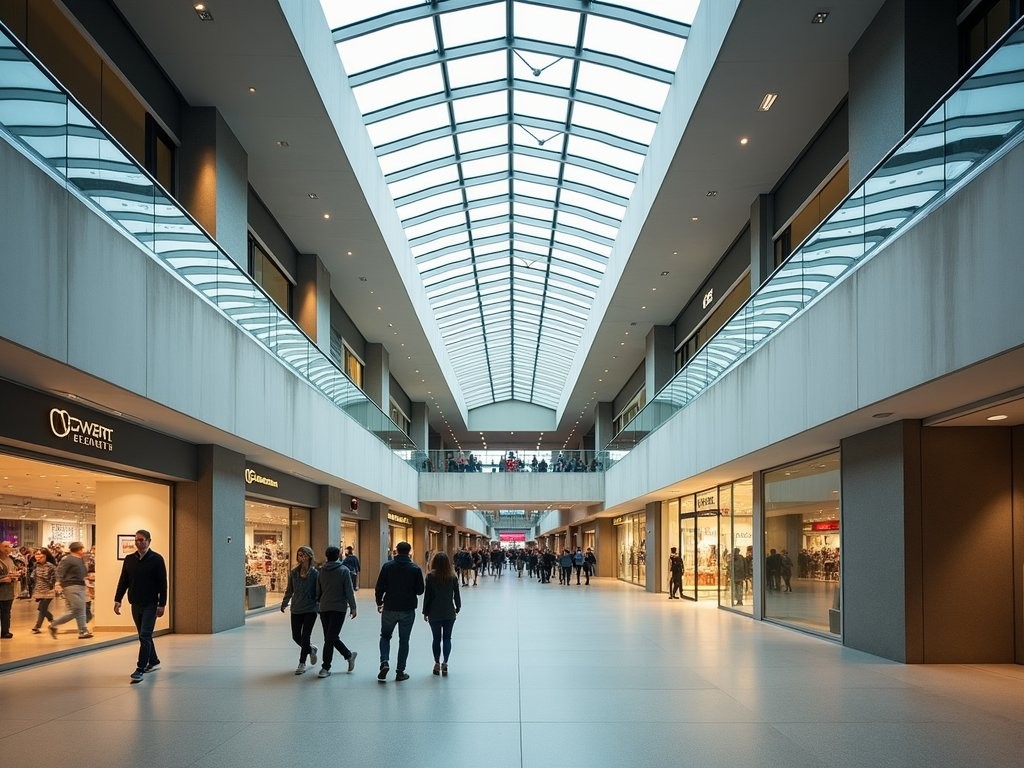
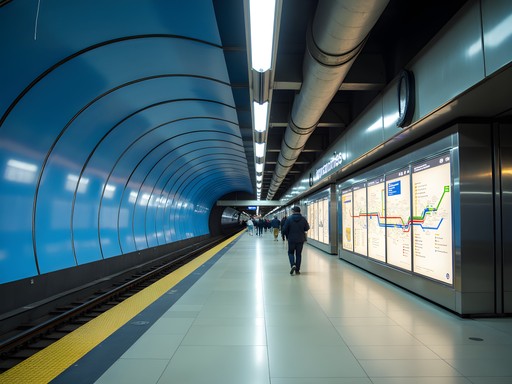
In the afternoon, head downtown to explore Montreal's Underground City (RÉSO), a fascinating urban planning solution to harsh Canadian winters. This network of tunnels connects shopping centers, metro stations, offices, and hotels across 32km of subterranean pathways. As an urban planner, I find this system particularly interesting – it's a climate-adaptive infrastructure that allows city life to thrive regardless of weather conditions.
The Underground City houses over 1,700 shops, restaurants, and services, making it perfect for picking up souvenirs or gifts to take home. I recommend exploring the sections beneath Place Ville Marie and Complex Desjardins, where art installations and wide corridors create an almost surreal underground cityscape.
For photography enthusiasts, the Underground City presents unique challenges and opportunities. I always bring my compact travel tripod to capture the interesting light and architectural elements without relying on harsh flash. The compact design makes it easy to carry while navigating the underground network, and the sturdy construction ensures sharp images even in low light conditions.
Emerge above ground for your final Montreal evening at Place des Arts in the Quartier des Spectacles. If your timing allows, check the schedule for the Montreal Symphony Orchestra or one of the many festivals that animate this cultural district throughout the year. For dinner, celebrate your Montreal sojourn at Restaurant Toqué!, where chef Normand Laprise creates sophisticated dishes from Quebec's finest ingredients – a fitting finale to your Montreal experience.

💡 Pro Tips
- Bagel shops are open 24 hours, but morning offers the freshest bagels straight from the oven.
- The Underground City can be disorienting – pick up a map at information centers or use the well-marked directional signs.
- Many Mile End shops are closed on Saturdays (the Jewish Sabbath) but open on Sundays, reflecting the neighborhood's heritage.

Navigating Montreal's Linguistic Landscape – A Cultural Pilgrimage
Montreal offers a unique opportunity for cultural immersion through its linguistic duality. As someone who grew up in anglophone Canada but now lives in the UK, I've come to appreciate how language shapes both urban spaces and human interactions. Montreal exists at a fascinating crossroads of French and English cultures, creating a linguistic landscape unlike anywhere else in North America.
While you can certainly navigate Montreal speaking only English, making even small efforts in French enriches the experience immeasurably. Begin with simple greetings – 'Bonjour' (hello), 'Merci' (thank you), and 'S'il vous plaît' (please) – which go a long way in establishing goodwill. Most Montrealers speak both languages and will often seamlessly switch to English after an initial French greeting, but that first acknowledgment of the city's French character is both courteous and culturally aware.
The linguistic geography of Montreal follows interesting patterns that reflect its history. Traditionally, western neighborhoods like Westmount have been predominantly anglophone, while eastern areas like Hochelaga-Maisonneuve remain strongly francophone. The 'Main' (Boulevard Saint-Laurent) historically served as the dividing line between these linguistic communities, though these boundaries have blurred significantly in recent decades.
For visitors interested in deeper cultural understanding, I recommend carrying a pocket French phrasebook. Beyond just practical communication, it offers insights into Québécois expressions that differ from European French, adding another layer to your cultural exploration. The small size makes it easy to reference discreetly when needed, and the cultural notes provide context that typical translation apps miss.
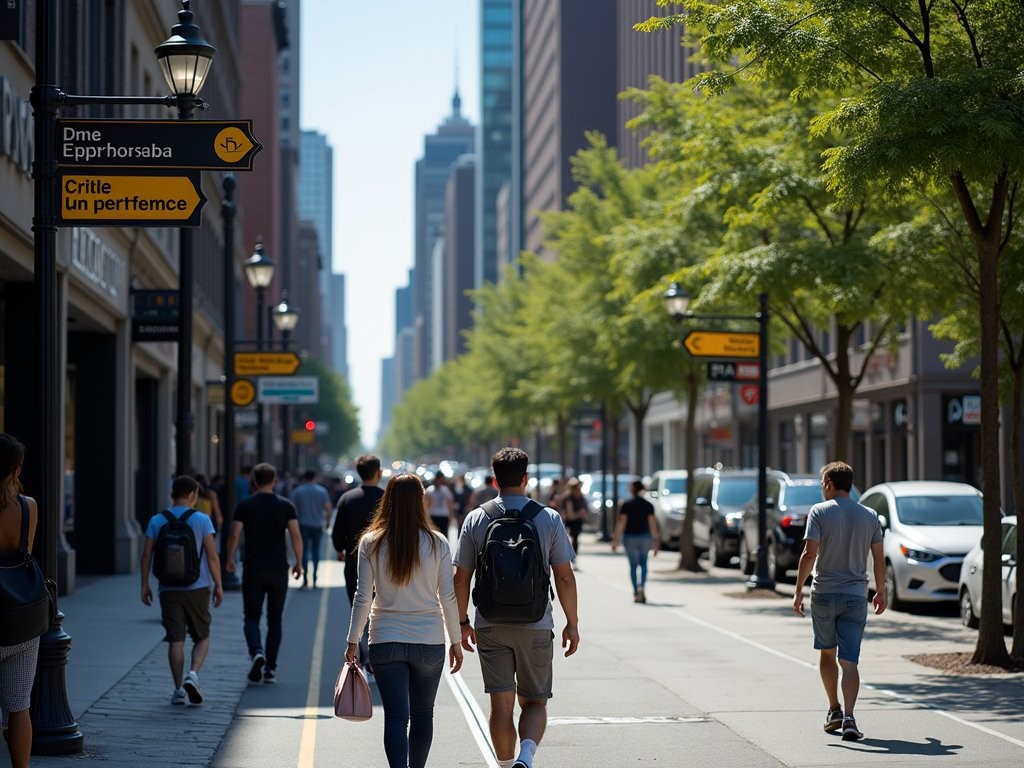
Montreal's bilingualism extends to its street signs, menus, and public announcements. This duality creates a rich textual environment where language itself becomes part of the city's visual character. As you move through different neighborhoods, notice how the balance between French and English shifts, reflecting the local population and historical influences.
For those interested in linguistic history, the Grande Bibliothèque (Great Library) houses fascinating archives documenting Quebec's language preservation efforts. The struggle to maintain French identity within a predominantly English-speaking continent has profoundly shaped Montreal's urban development and cultural policies.
Montreal's linguistic situation isn't merely academic – it's lived daily in cafés, markets, and street corners. Listen for the distinctive Québécois accent, with its unique vowel sounds and expressions that distinguish it from European French. You might hear colorful local expressions like 'C'est de valeur' (That's too bad) or the ubiquitous 'ben oui' (well, yes) that pepper everyday conversation.
💡 Pro Tips
- Begin interactions with 'Bonjour' before switching to English – this simple courtesy is genuinely appreciated.
- Restaurant menus often feature both French and English descriptions, providing a gentle language-learning opportunity.
- Montreal's metro announcements are made in French first, then English – listening for station names helps develop your ear for Québécois pronunciation.
Sacred Spaces & Spiritual Heritage – Montreal Beyond the Tourist Trail
Beyond the well-trodden tourist paths lies another Montreal – a city of profound spiritual significance with sacred spaces that tell the story of diverse faith communities. As someone deeply interested in pilgrimage sites and religious architecture, I've found Montreal offers extraordinary examples of sacred spaces that reflect both Quebec's Catholic heritage and its evolving multicultural identity.
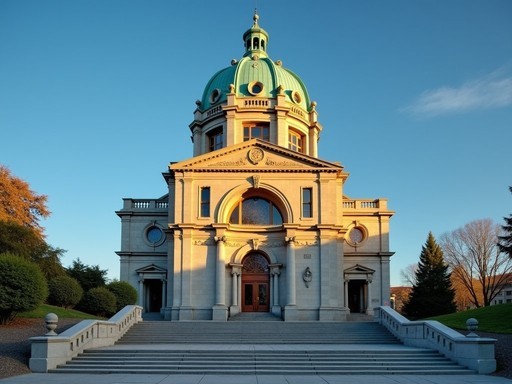
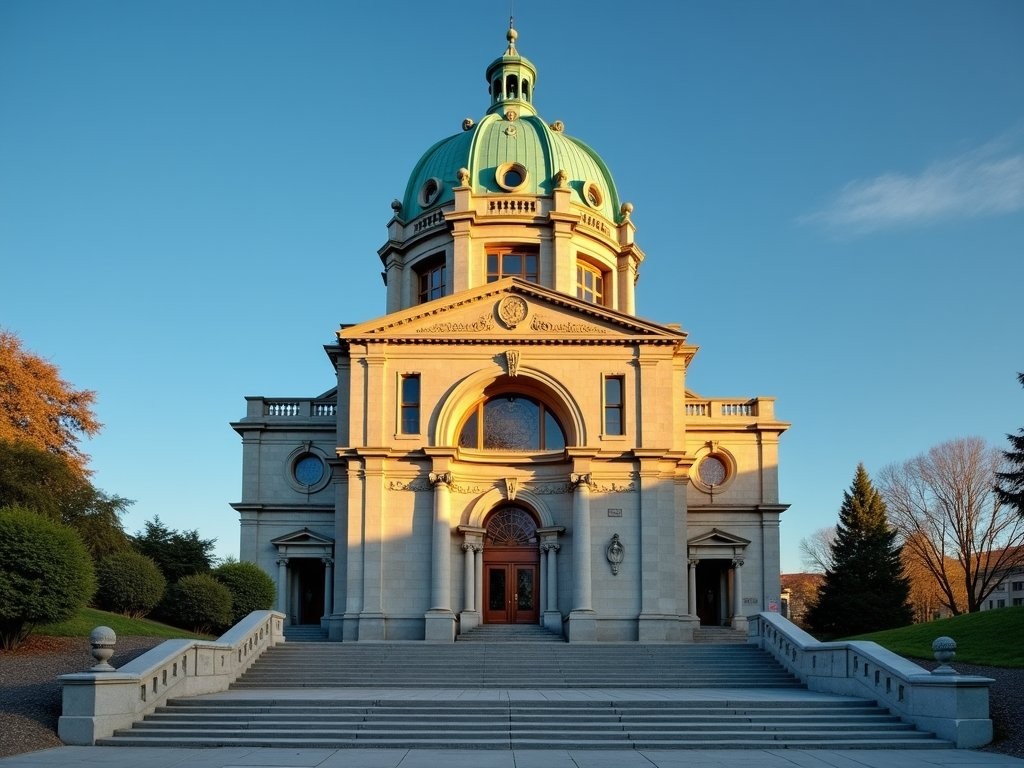
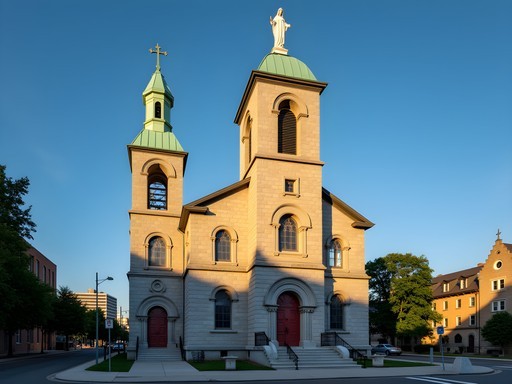
Begin your spiritual exploration at Saint Joseph's Oratory, Canada's largest church and an important pilgrimage site. Perched on the northwestern slope of Mount Royal, this massive basilica features a Renaissance-style dome that rises 97 meters, making it second in height only to St. Peter's Basilica in Rome. The shrine was built through the persistence of Brother André Bessette, a humble monk credited with thousands of miraculous healings. Now canonized as Saint André of Montreal, his small original chapel stands in contrast to the enormous basilica that grew around it – a powerful architectural narrative of faith's humble beginnings and eventual flourishing.
The Oratory's votive chapel contains thousands of crutches and mobility aids left by pilgrims who reported healing after praying to Brother André – a deeply moving testament regardless of one's personal beliefs. The terraced gardens and Stations of the Cross create contemplative outdoor spaces that complement the basilica's grandeur.
Montreal's sacred landscape extends beyond Catholic traditions. The Spanish & Portuguese Synagogue (Shearith Israel) stands as Canada's oldest Jewish congregation, established in 1768. Though the current building dates to 1947, its Romanesque-revival architecture and beautiful interior speak to the long history of Jewish community in Montreal. Similarly, the ornate St. George Antiochian Orthodox Church represents Eastern Christian traditions, while the Al-Omah Al-Islamiah Mosque serves the city's growing Muslim community.
For a different kind of spiritual experience, visit the Redpath Museum at McGill University. This Victorian natural history museum houses fascinating collections that invite contemplation of our place in the natural world. The juxtaposition of ancient fossils with contemporary research creates a space where science and wonder coexist – what I consider a different but equally valid form of sacred space in our modern world.
When visiting these diverse religious sites, I always pack a lightweight travel scarf in my daypack. It serves multiple purposes – providing modest coverage when visiting religious buildings with dress codes, offering sun protection when walking between sites, and adding warmth in air-conditioned interiors. The versatility makes it an essential companion for respectful sacred site visits.
Finally, don't miss the Notre-Dame-de-Bon-Secours Chapel in Old Montreal. Known as the 'Sailors' Church,' this historic sanctuary features an observation tower with wooden ship models hanging from the ceiling – votive offerings from mariners thankful for safe passage. The adjacent Marguerite Bourgeoys Museum tells the story of Montreal's first teacher and the women who helped establish the colony in the 17th century, offering insight into the spiritual motivations behind Montreal's founding.
💡 Pro Tips
- Many religious sites welcome visitors but require appropriate attire – shoulders and knees should be covered.
- Check service schedules before visiting active places of worship to avoid disrupting religious ceremonies.
- The Saint Joseph's Oratory has 283 steps from street level to the basilica entrance – a funicular is available for those with mobility concerns.
Final Thoughts
As my 72 hours in Montreal draw to a close, I'm reminded why this city holds such a special place in my heart despite my years living abroad. Montreal isn't merely a destination to check off a list – it's a living classroom in urban evolution, where centuries of history layer upon each other like pages in a well-loved book. From the sacred spaces that punctuate its skyline to the vibrant neighborhoods where languages and cultures mingle, Montreal offers visitors an experience that engages all senses and leaves a lasting impression.
Whether you're drawn by the architectural splendor of Old Montreal, the creative energy of Mile End, or the natural sanctuary of Mount Royal, this city rewards those who approach it with curiosity and openness. As you plan your own Montreal weekend, remember that the most meaningful experiences often come from simple moments – a warm bagel at sunrise, a conversation that switches fluidly between French and English, or the play of light through stained glass in a centuries-old church.
I hope this itinerary serves as a starting point for your own Montreal story. The city awaits with open arms – bon voyage et à bientôt!
✨ Key Takeaways
- Balance your time between historic Old Montreal and the more contemporary neighborhoods like the Plateau and Mile End for a comprehensive experience.
- Montreal's sacred spaces – from Notre-Dame Basilica to Saint Joseph's Oratory – offer insight into the spiritual foundations that shaped the city's development.
- Making even small efforts to speak French enhances your experience and is appreciated by locals.
- The city's diverse food scene, from bagels to poutine to fine dining, tells the story of Montreal's multicultural heritage.
📋 Practical Information
Best Time to Visit
Late spring through early fall (May-September) for pleasant temperatures and outdoor festivals
Budget Estimate
$150-250 CAD per day per couple (accommodations, meals, attractions)
Recommended Duration
3-4 days minimum, ideally a long weekend
Difficulty Level
Easy
Comments
Taylor Moreau
Excellent comprehensive guide, Wyatt. I've been to Montreal numerous times for business conferences and always try to extend my stay for leisure. Your observation about the city feeling like a homecoming resonates - there's something quite special about Montreal's blend of North American efficiency and European charm. The metro system is indeed excellent and far more reliable than many European cities I've visited. One practical tip: invest in a rechargeable OPUS card if you're using public transit frequently - far more convenient than buying individual tickets. The linguistic duality you mentioned is fascinating from a cultural perspective and does require some adjustment for anglophone visitors.
luckygal
LOVE Montreal so much!! Been three times and still finding new things to do. Your section on the linguistic landscape really resonated with me - it's such a fascinating cultural experience switching between English and French throughout the day. Also the jazz festival in summer is incredible if anyone can time their visit for that. Can't wait to go back!
travelguide
Great guide! I'd also recommend checking out Jean-Talon Market if you have time - it's one of the best public markets in North America. The fresh produce, cheeses, and prepared foods are incredible. Also the Notre-Dame Basilica is absolutely worth the admission fee, the interior is stunning. And yeah, definitely try to learn a few basic French phrases, even just bonjour and merci go a long way with locals!
backpacktime
Going there next month! Any hostel recommendations for budget travelers?
dreamone
Really cool photos!
coolclimber
This looks awesome but wondering how different it is in winter? I can only go in February and worried everything will be closed or too cold to enjoy. Is it still worth visiting then or should I wait for warmer weather?
travelguide
Winter in Montreal is actually amazing! Different vibe but the city really embraces it. There's ice skating in Old Port, the Underground City is perfect for cold days, and restaurants/cafes are all open. Just bundle up and you'll love it. I actually prefer it in winter - fewer tourists and the city looks beautiful with snow.
coolclimber
Thanks! That's reassuring, I'll book it
Nicole Russell
Love this itinerary! I did a solo weekend in Montreal last summer and it was one of my favorite Canadian cities. The bilingual aspect really does add such a unique European vibe. I stayed in an Airbnb in the Plateau and loved just wandering those colorful streets with the outdoor staircases. Quick tip for solo travelers - the bike share system (BIXI) is super easy to use and such a great way to explore. I biked from Old Port all the way up to Mile End and felt totally safe the whole time. The food scene is AMAZING too - so many great brunch spots!
backpacktime
How much does the bike share cost? Planning my first trip there!
Nicole Russell
It's super affordable! I think it was like $5 for a day pass. Totally worth it.
mountainwanderer
YES! Montreal is absolutely incredible. I was there last fall and your itinerary brings back so many memories. Mount Royal at sunset is something else - the view over the city with all those church spires is just magical. One thing I'd add is hitting up Schwartz's Deli for smoked meat, it's an institution. Also the bagels in Mile End (St-Viateur vs Fairmount debate is real lol). The Underground City totally saved me during a surprise rainstorm too. Great guide Wyatt!
dreamone
Schwartz's is the best!
luckygal
Team St-Viateur all the way! Those sesame bagels fresh from the oven at 2am are unbeatable
Amit Sullivan
Wyatt, your post took me back to my visit to Montreal last year! As someone who's traveled extensively focusing on cultural experiences, I found Montreal's blend of European charm and North American energy truly unique. Your Day 2 itinerary mirrors what became my favorite day there - climbing Mount Royal early morning when the light was perfect for photography, then wandering through Plateau's colorful streets. One cultural tip I'd add: visit Schwartz's Deli for a Montreal smoked meat sandwich. The queue might be long, but the cultural experience of standing in line with locals and tourists alike, hearing the mix of French and English conversations, and finally tasting that perfectly stacked sandwich is quintessentially Montreal. Your section on navigating the linguistic landscape was spot-on - respect for French goes a long way, even when your pronunciation is as terrible as mine was!
hikingblogger
Schwartz's is amazing! I still dream about that sandwich.
exploremate
Did you find the metro easy to navigate? Planning to avoid renting a car.
Wyatt West
The metro is super easy and covers most tourist spots! Grab a 3-day pass and you're set. No car needed at all.
Venture X
Premium card with 2X miles, $300 travel credit, Priority Pass