
Disclosure: This article contains affiliate links. We may earn a commission from purchases at no extra cost to you, which helps our travel content.
Standing atop the Manila Hotel's rooftop bar, watching the famous Manila Bay sunset paint the sky in impossible shades of orange and pink, I couldn't help but reflect on my journey with this misunderstood metropolis. Manila wasn't love at first sight for me – it's a complex, challenging city that reveals its charms gradually, like a shy friend who opens up only after several meetings. My first visit six years ago left me overwhelmed by the traffic, humidity, and seeming chaos. Yet something called me back, and with each return, I've peeled back another layer of this fascinating capital. Now on my fourth visit, I've finally cracked the code to experiencing Manila not as a bewildered tourist but as a comfortable temporary local. This winter week in Manila proved perfect – the dry season's comfortable temperatures and blue skies providing the ideal backdrop to explore everything from Spanish colonial treasures to cutting-edge cuisine and vibrant nightlife scenes that rival any global hotspot.

Getting Your Bearings: Manila's Distinctive Districts
Manila isn't so much a single city as a collection of distinctive neighborhoods, each with its own personality and appeal. Understanding this fundamental structure is your first step to navigating the metropolis like someone who belongs here.
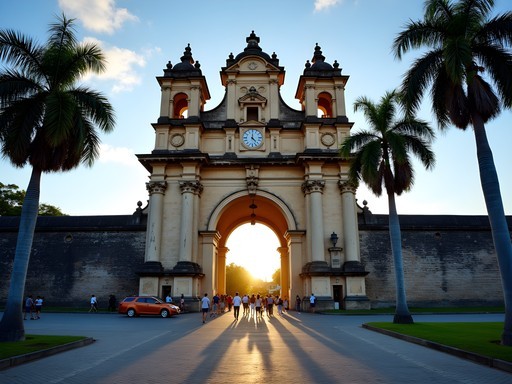
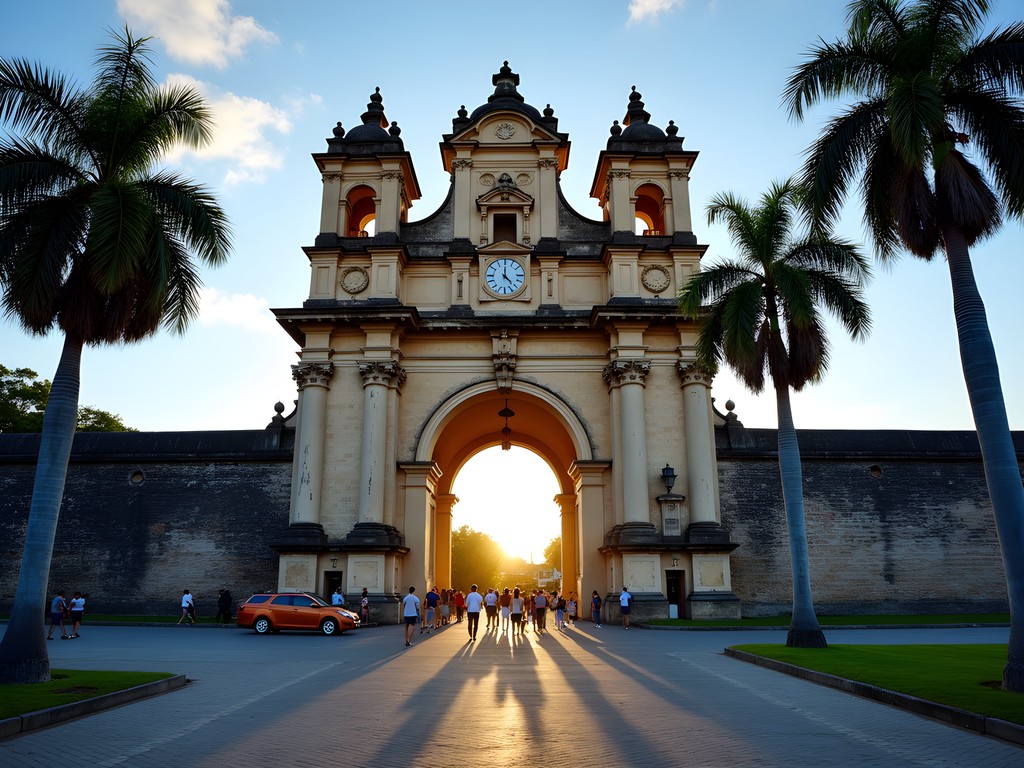
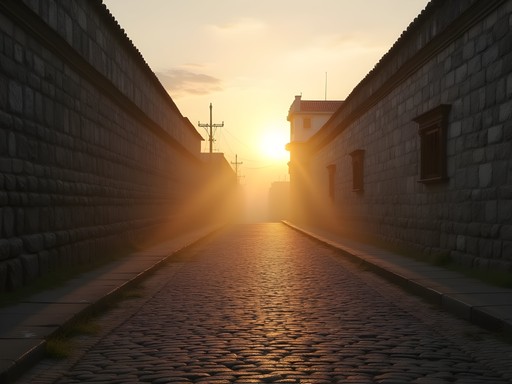
The historic heart lies in Intramuros, the walled Spanish colonial city where cobblestone streets lead to imposing churches and well-preserved mansions. Here, history feels tangible as you walk past the stone fortifications that have stood since the 16th century. Just outside these walls, Rizal Park offers a green respite and houses the monument to the country's national hero, José Rizal.
For modern Manila, head to Makati – the sleek financial district where gleaming skyscrapers house multinational corporations and luxury hotels. Within Makati, the Ayala Triangle Gardens provides an unexpected oasis of calm, while Greenbelt and Glorietta malls offer world-class shopping experiences.
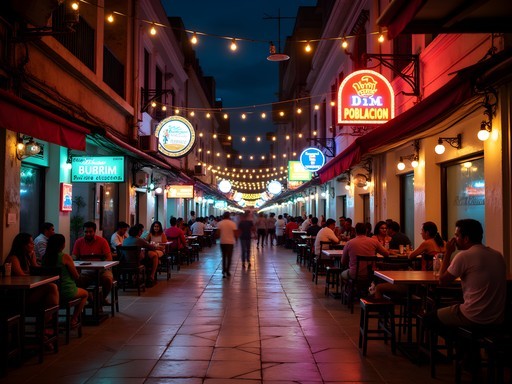
My personal favorite district is Poblacion, once Makati's red-light district, now transformed into the city's hippest neighborhood. Here, narrow streets house speakeasies, art galleries, and some of Manila's most innovative restaurants. The energy here reminds me of Brooklyn's evolution – authentic, creative, and slightly gritty in the best possible way.
Don't miss Bonifacio Global City (BGC) in Taguig – a master-planned area with wide sidewalks (a rarity in Manila!), public art installations, and a distinctly cosmopolitan vibe. The contrast between BGC's orderly streets and the organic chaos of older districts perfectly illustrates Manila's fascinating duality.
💡 Pro Tips
- Use Grab (Southeast Asia's Uber) to navigate between districts – it's affordable and eliminates haggling with taxis
- Purchase a reloadable Beep card for the MRT/LRT train systems to avoid queues
- Save offline Google Maps of each district you plan to visit – cellular service can be spotty
Cultural Immersion: Beyond the Tourist Traps
While guidebooks will direct you to Intramuros (which absolutely deserves your time), Manila offers cultural experiences that go far deeper than the standard tourist circuit.
One of my most memorable Manila experiences was joining a Carlos Celdran walking tour through Intramuros. Though Carlos himself sadly passed away in 2019, his legacy continues through guides trained in his theatrical, insightful style of storytelling that brings Filipino history to life. These tours blend humor, political commentary, and historical facts in a way that conventional museum visits simply can't match.
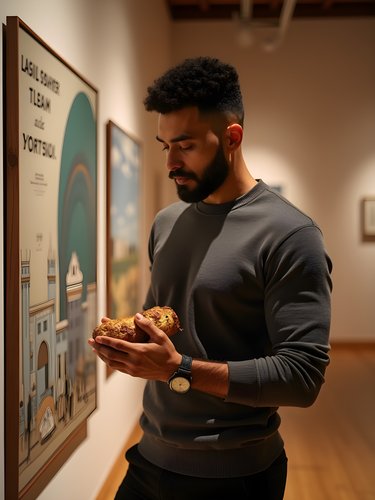
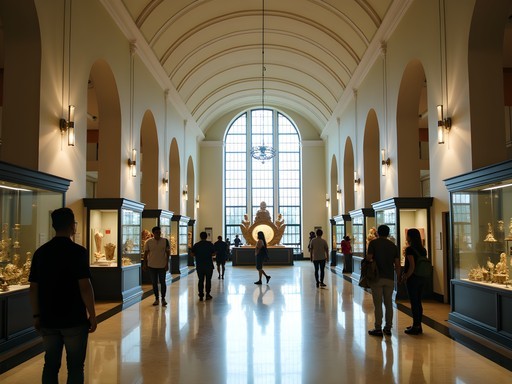
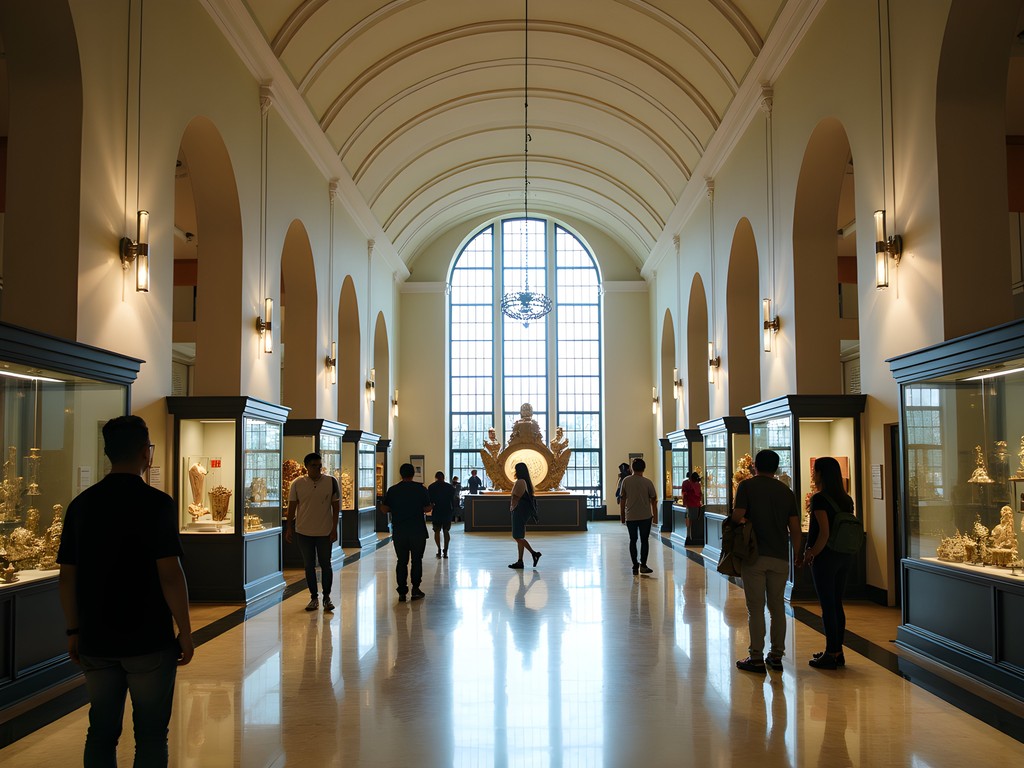
For art lovers, the National Museum of the Philippines complex is world-class and, remarkably, free to enter. The Natural History building is housed in a stunning neoclassical structure, while the collection spans everything from prehistoric Filipino artifacts to contemporary installations. I spent an entire afternoon mesmerized by Juan Luna's massive Spoliarium painting, which rivals European masterpieces in both scale and emotional impact.
To understand Manila's religious heritage (the Philippines is Asia's largest Catholic country), attend Sunday mass at San Agustin Church in Intramuros, a UNESCO World Heritage site with breathtaking baroque interiors. Even as someone with limited religious background, the experience of hearing hundreds of voices echoing through this 16th-century space was profoundly moving.
For cultural immersion of a different sort, visit Quiapo Church on a Friday, when devotees flock to touch the Black Nazarene statue. The surrounding market streets offer a sensory explosion of incense, street food, and fortune tellers – a fascinating blend of Catholic and pre-colonial spiritual practices.
Before my trip, I prepared by reading Filipino history book, which provided crucial context for understanding Manila's complex cultural landscape and colonial past.
💡 Pro Tips
- Visit museums on weekdays to avoid crowds, especially the National Museum
- Dress modestly when visiting churches – shoulders covered and no shorts
- Learn a few basic Tagalog phrases like 'salamat' (thank you) and 'magkano' (how much) to connect with locals
Culinary Adventures: From Street Food to Fine Dining
Manila's food scene is criminally underrated in global culinary conversations. This city offers everything from humble street carts to innovative fine dining that rivals anything I've experienced in Tokyo or London.
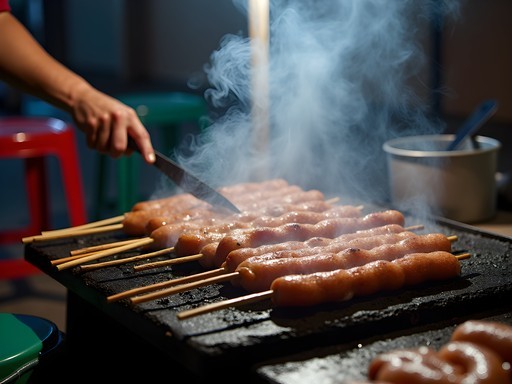
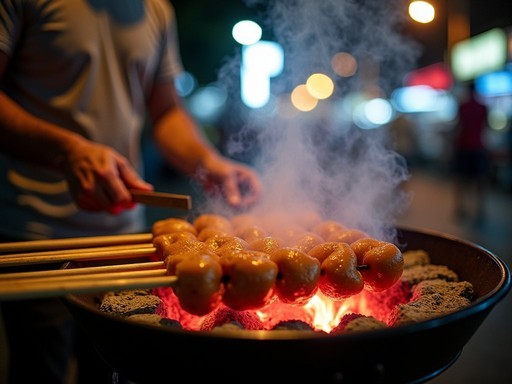
Start your culinary exploration at Salcedo Saturday Market in Makati, where vendors from across the Philippines showcase regional specialties. This is where I first tried taho (silken tofu with caramel syrup), bibingka (coconut rice cake), and the infamous balut (fertilized duck egg) – though I'll admit I couldn't finish the latter! Come hungry and with an open mind.
For an elevated take on Filipino classics, Toyo Eatery in Makati is essential. Chef Jordy Navarra's tasting menu transforms humble local ingredients into sophisticated dishes that tell the story of Philippine culinary heritage. Their banana ketchup ice cream sounds bizarre but was a revelation – sweet, tangy, and unmistakably Filipino.
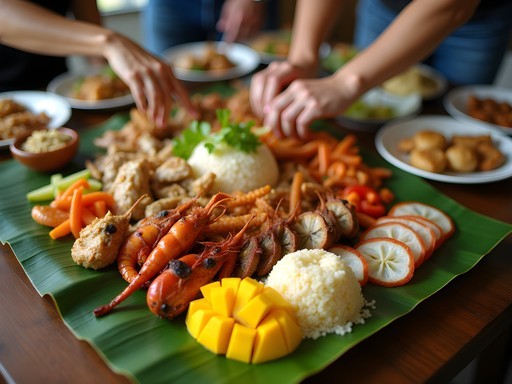
No Manila food journey is complete without experiencing a boodle fight – a traditional military-style meal where various dishes are spread across banana leaves and eaten with your hands. Blackbeard's Seafood Island offers an accessible version of this experience, with mountains of grilled seafood, vegetables, and rice creating an impressive feast.
For street food adventures, I recommend joining a guided tour with Bambike Ecotours, where you'll cycle through Intramuros while stopping to sample street snacks like fishballs, kwek-kwek (battered quail eggs), and halo-halo (a colorful shaved ice dessert). Their guides ensure you're sampling from the cleanest, safest vendors – an important consideration for first-timers.
To document these culinary discoveries, I brought my compact camera, which handles low light restaurant settings beautifully without being as intrusive as a full DSLR. The food photography I captured has become some of my most-liked social media content from any destination.

💡 Pro Tips
- Bring hand sanitizer for street food adventures
- Ask locals for their favorite carinderia (small family-run eateries) for the most authentic experience
- Try the local San Miguel beer or, for non-alcoholic options, fresh buko (coconut) juice served directly from the coconut

Urban Escapes: Finding Tranquility in the Chaos
Manila's reputation for traffic and density is well-earned, but the city also offers surprising pockets of tranquility where you can recharge between adventures.
My favorite urban oasis is Arroceros Forest Park, often called Manila's last lung. This 2.2-hectare sanctuary houses over 3,000 trees and plants, creating a microclimate that's noticeably cooler than the surrounding streets. Bring a book and spend an hour on one of the shaded benches listening to birdsong instead of car horns.
Paco Park offers another green retreat – this circular park was originally a cemetery during Spanish colonial times but has transformed into a peaceful garden with towering trees and moss-covered walls. I stumbled upon a string quartet practicing here one afternoon, creating a magical moment of serenity in the urban jungle.
For a different kind of escape, the National Museum of Natural History features a stunning glass dome called the Tree of Life, where you can sit in air-conditioned comfort surrounded by beautiful architecture. The building itself is a masterpiece of adaptive reuse, transforming a historic government building into a modern museum.
When the city's intensity becomes overwhelming, I retreat to The Peninsula Manila's lobby for their legendary afternoon tea. The soaring ceiling, live pianist, and impeccable service create an atmosphere of colonial-era elegance. Yes, it's splurgy by Manila standards, but sometimes worth the indulgence for a few hours of refined calm.
For those staying longer, consider a day trip to Tagaytay, just 90 minutes south of Manila (traffic permitting). The cooler climate and views of Taal Volcano provide a complete change of scenery. I pack my travel daypack with essentials for these escapes – it's compact enough not to be cumbersome in the city but has enough room for a water bottle, light jacket for air-conditioned spaces, and my camera gear.

💡 Pro Tips
- Visit parks early morning (6-8am) to see locals practicing tai chi and avoid midday heat
- Many malls offer prayer or meditation rooms that provide quiet spaces to decompress
- The Manila Hotel's lobby offers comfortable seating and free WiFi in a historic setting without requiring a purchase
Evening Entertainment: Manila After Dark
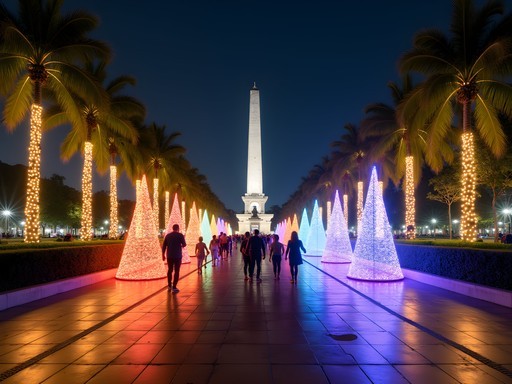
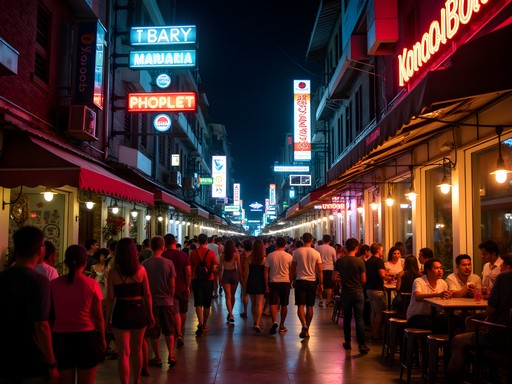
As the tropical sun sets, Manila transforms. The evening brings cooler temperatures and reveals a vibrant nightlife that caters to every taste, from sophisticated cocktail bars to pulsing dance clubs.
Start your evening with sunset drinks at The Bayleaf Hotel's Sky Deck View Bar in Intramuros. The panoramic views of Manila Bay's famous sunset provide a spectacular backdrop as the city lights begin to twinkle on. Their mango daiquiris perfectly complement the golden hour atmosphere.
For a taste of Manila's craft cocktail revolution, The Curator in Makati consistently ranks among Asia's 50 Best Bars. Hidden behind a coffee shop, this speakeasy serves meticulously crafted drinks using local ingredients like calamansi (Filipino lime) and Don Papa rum. The bartenders are true artists – tell them your preferences and let them create something bespoke.
Music lovers should head to 19 East in Sucat, where the Philippines' top musicians perform nightly. Filipino bands are legendary throughout Asia for their perfect covers and original compositions alike. I was blown away by the technical skill and soulful delivery – these musicians would be headlining major venues in any Western city.
For a uniquely Filipino evening, experience Bamboo Organ of Las Piñas if your visit coincides with one of their concerts. This 19th-century church organ made entirely of bamboo produces hauntingly beautiful music that resonates through the ancient stone church.
Nightlife in Poblacion deserves special mention. This neighborhood has transformed from red-light district to hipster haven, with concepts like Dulo, an art gallery by day and music venue by night. Nearby, Z Hostel's Roofdeck offers affordable drinks and a chance to meet both travelers and locals in a relaxed setting.
Staying safe while enjoying Manila's nightlife is essential. I always keep my valuables secure in a anti-theft crossbody bag with RFID protection and slash-resistant construction. It's discreet enough to look stylish but provides peace of mind in crowded venues.

💡 Pro Tips
- Use Grab for evening transportation rather than hailing street taxis
- Bring a light jacket or scarf as mall-based restaurants and bars can be aggressively air-conditioned
- Most venues have a 'smart casual' dress code – avoid shorts and flip-flops for evening outings
Shopping & Souvenirs: Beyond the Mega Malls
Manila's reputation as a city of massive shopping malls is well-deserved – complexes like SM Mall of Asia and Greenbelt are attractions in themselves. However, the most memorable shopping experiences come from venturing beyond these air-conditioned behemoths.
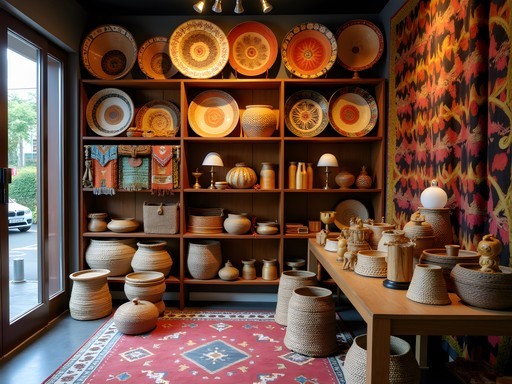
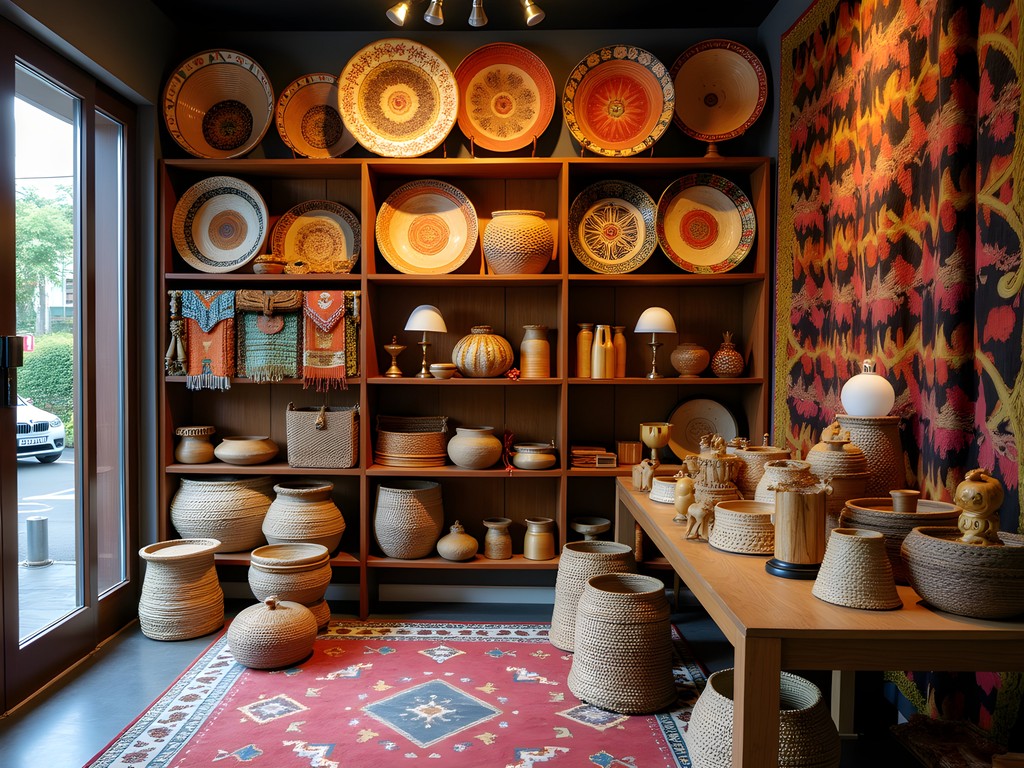
For uniquely Filipino souvenirs, Kultura (with branches in major malls) offers a curated selection of handicrafts from across the archipelago. Their collection of handwoven textiles from indigenous communities is particularly special – I found a beautiful table runner made by T'boli weavers using traditional ikat techniques.
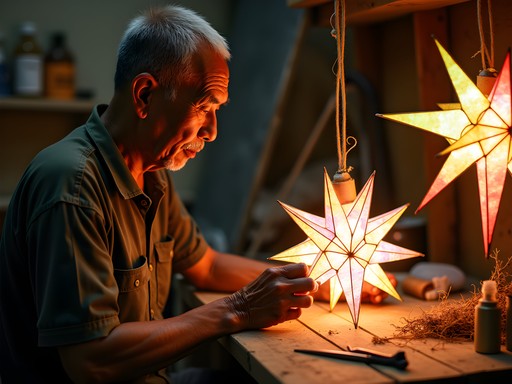
Silahis Arts & Artifacts in Intramuros occupies a historic building and specializes in museum-quality Filipino crafts. Their selection of capiz shell decor, wood carvings from Paete (a town famous for master carvers), and contemporary Filipino art makes this my go-to for meaningful gifts.
Bargain hunters should brave the controlled chaos of Divisoria Market, where everything from fabrics to housewares is available at wholesale prices. Come with cash, comfortable shoes, and patience – the crowds can be intense but the deals are unbeatable. I found beautiful mother-of-pearl serving spoons for less than $5 that would cost ten times that at home.
For fashion with Filipino flair, visit Katutubo Pop-Up Market, a traveling marketplace (check their Instagram for current locations) showcasing young designers who incorporate traditional Filipino elements into contemporary designs. I treasure my barong-inspired linen shirt that works as well for summer events in Bristol as it did in Manila.
Legazpi Sunday Market in Makati combines food vendors with artisanal products, creating a pleasant browsing experience with plenty of refreshment options. The handmade soaps incorporating local ingredients like calamansi and coconut make perfect lightweight souvenirs.
To protect my purchases and manage the inevitable shopping haul, I always pack a foldable duffle bag in my luggage. It weighs almost nothing when empty but gives me flexible extra space for souvenirs on the return journey.
💡 Pro Tips
- Bargaining is expected in markets like Divisoria but not in established shops or malls
- Look for the 'Gawang Pilipino' (Made in the Philippines) label to ensure you're buying authentic local products
- Save room in your luggage for local snacks like dried mango, polvoron shortbread, and ube (purple yam) treats that make unique edible souvenirs
Final Thoughts
As my week in Manila draws to a close, I find myself already planning a return visit. This complex metropolis defies easy categorization – it's chaotic yet orderly, traditional yet forward-thinking, challenging yet deeply rewarding. The key to enjoying Manila lies in embracing its contradictions rather than fighting against them. Move with the rhythm of the city rather than imposing your own pace. Accept the invitation when a Filipino colleague offers to show you their favorite local spot. Say yes to that strange-looking street food that everyone's lining up for. Manila reveals its true character to those willing to look beyond the traffic and skyscrapers to find the beating heart underneath. Whether you're exploring centuries-old churches in Intramuros, discovering cutting-edge Filipino cuisine in Poblacion, or simply watching the legendary Manila Bay sunset paint the sky, this capital city offers experiences that will challenge your preconceptions and reward your curiosity. Manila isn't just a gateway to the Philippines' famous beaches – it's a destination worthy of your time and attention in its own right.
✨ Key Takeaways
- Manila is best experienced through its distinct neighborhoods, each with its own character
- Winter (December-February) offers ideal weather conditions with lower humidity and minimal rain
- The city's culinary scene ranges from world-class fine dining to unforgettable street food experiences
- Look beyond the mega-malls for authentic shopping and cultural experiences
📋 Practical Information
Best Time to Visit
December through February (dry season)
Budget Estimate
$50-100 per day excluding accommodation
Recommended Duration
5-7 days
Difficulty Level
Moderate
Comments
skypro
Love this! Manila gets so much hate but it's actually amazing once you figure it out. That sunset view from Manila Hotel is incredible
hikingmate
What about safety? Is it okay to walk around at night or should I stick to taxis?
Timothy Jenkins
Stick to well-lit areas and popular districts like BGC and Makati at night and you'll be fine. I always use Grab (like Uber) after dark rather than street taxis. Just use common sense like you would in any big city.
vacationclimber
Grab is definitely the way to go. Way safer and you know the price upfront
triplife
This is so helpful!! Planning my first solo trip and Manila is top of my list
Hunter Thompson
Brilliant post mate! Just spent 3 weeks in Manila last month and wish I'd had this guide earlier. The bit about Intramuros is spot on - went there on a Sunday morning and had the place almost to myself. Also totally agree on the street food scene in Binondo, those dumplings near Ongpin Street are absolutely mental. Did you make it to any of the speakeasy bars in Makati? Found this hidden gem called The Back Room that was class.
Timothy Jenkins
Cheers! Yes, The Back Room is fantastic! Also check out ABV if you go back - amazing cocktails and the bartenders really know their stuff.
vacationclimber
How bad is the traffic really? Heard mixed things about getting around Manila
Timothy Jenkins
Not gonna lie, it can be pretty intense during rush hour! I'd recommend planning your day so you're not crossing the city between 7-10am or 5-8pm. The MRT is your friend when possible.
skypro
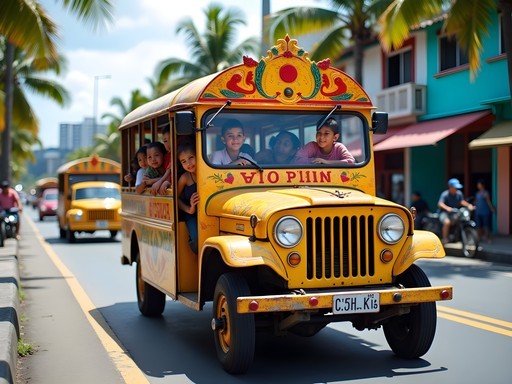
Yeah the traffic is no joke but honestly just embrace it. Some of my best Manila memories are random conversations with jeepney drivers lol
escapevibes
Just booked my flights to Manila after reading this! Can't wait to explore Intramuros and try all the street food. Thanks for the inspiration!
Haley Hamilton
Timothy, your post captures Manila's contradictions beautifully! I backpacked through the Philippines last year and initially planned just 2 days in Manila before island-hopping. Ended up extending to a week because there was so much more beneath the surface. The Cubao Expo area was my favorite discovery - such a cool arts/vintage scene that most tourists miss. For anyone reading: don't skip Quiapo Market on a Friday (just keep valuables secure) and definitely try the balut if you're brave! The guided walking tour through Intramuros with Carlos Celdran's company was worth every peso - they share the complex colonial history in such an engaging way. Manila deserves more than just being a transit hub!
escapevibes
Did you try the food tour in Binondo that Timothy mentioned? Wondering if it's worth the price!
Haley Hamilton
I did! It was actually one of my trip highlights - you try so many things you'd never find or order on your own. Our guide Ivan knew all the family stories behind each shop. Definitely worth it!
nomadwalker
btw if anyone's doing the street food scene seriously, grab some hand sanitizer. I kept travel sanitizer in my day bag and used it constantly - street food is amazing but you gotta be smart about hygiene
Adam Nichols
Solid guide, Timothy. One thing I'd add for readers: traffic in Manila is legitimately some of the worst in the world. When I was there, I learned to plan my days by district rather than trying to cross the city multiple times. Staying in Makati and exploring that area thoroughly one day, then Intramuros another day, etc. Also, the MRT can save you hours during rush hour, though it gets packed. The chaos is part of the experience, but going in with realistic expectations about travel times will save a lot of frustration.
Frank Carter
Manila gets such a bad rap from travelers who just pass through to other islands, but you've really captured what makes it special. I had a similar experience with Intramuros - walking those cobblestone streets at dawn before the crowds arrive felt like stepping back in time. The juxtaposition of Spanish colonial architecture against modern skyscrapers is something you don't see elsewhere in Southeast Asia. Also, completely agree about finding those quiet moments. I discovered this tiny park in Malate where locals do tai chi every morning - those unexpected pockets of calm are what made me fall in love with the city.
journeystar
Which park in Malate? I'm planning a trip and would love to check it out!
Frank Carter
Remedios Circle! It's small but really charming, especially early morning around 6-7am.
Venture X
Premium card with 2X miles, $300 travel credit, Priority Pass