




Disclosure: This article contains affiliate links. We may earn a commission from purchases at no extra cost to you, which helps our travel content.
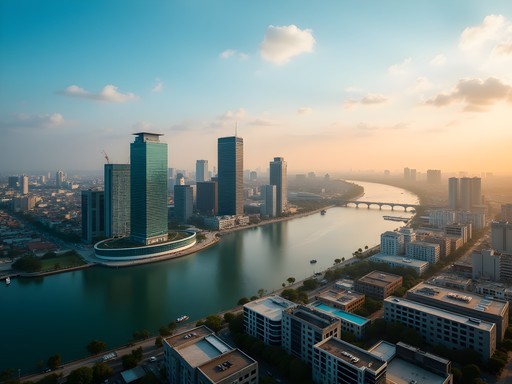
Twenty years of covering international sporting events taught me one invaluable lesson: the difference between a productive business trip and a logistical nightmare often comes down to local knowledge. Lagos – Nigeria's commercial powerhouse and Africa's largest city – exemplifies this principle perfectly. With its frenetic energy, complex transportation networks, and distinctive business culture, Lagos can overwhelm even seasoned corporate travelers. Yet beneath the apparent chaos lies a sophisticated business ecosystem that drives one of Africa's most vibrant economies. Having visited Lagos multiple times while covering cricket tournaments and more recently to document traditional Nigerian sporting practices, I've assembled this executive's guide to help you navigate this dynamic metropolis with efficiency and cultural awareness. Consider this your playbook for turning potential logistical challenges into business victories in Africa's most influential commercial hub.

Pre-Departure Strategy: Documentation and Planning
Before stepping onto Nigerian soil, your preparation playbook requires meticulous attention. The Nigerian visa process demands advance planning – applications should be submitted at least three weeks before travel through the official Nigerian Immigration Service portal. Business visas typically require a formal invitation letter from your Nigerian business partners, proof of accommodation, and return tickets.
Vaccination requirements include yellow fever (mandatory with certificate), while typhoid, hepatitis A, and malaria prophylaxis are strongly recommended. I learned this lesson the hard way during my first visit covering the West African Cricket Championship – a colleague was denied entry for lacking proper yellow fever documentation.
Currency management requires strategic thinking. While the Nigerian Naira is the official currency, U.S. dollars are widely accepted in business settings and high-end establishments. However, bring newer bills (2009 series or later) as older notes may be rejected. I recommend carrying a modest amount of dollars for immediate needs and utilizing a travel card for the bulk of your transactions. This approach has saved me countless hours that would otherwise be spent searching for ATMs or dealing with currency exchange offices.
Technology preparation is equally crucial. Nigeria experiences frequent power fluctuations, so pack a robust power bank and plug adapters (Nigeria uses the British BS-1363 three-pin socket). Additionally, arrange an eSIM or local SIM card in advance – reliable connectivity is non-negotiable for business travelers.
💡 Pro Tips
- Apply for your Nigerian business visa at least 3-4 weeks before travel
- Ensure your yellow fever vaccination certificate is readily accessible in both digital and physical formats
- Bring crisp, newer-series US dollar bills alongside your primary credit cards
Airport Arrival: Navigating Murtala Muhammed International Airport
Murtala Muhammed International Airport presents your first test in Lagos navigation. The international terminal (Terminal I) has improved significantly in recent years but still presents challenges during peak hours. After clearing immigration – a process that can take anywhere from 30 minutes to two hours – you'll face your first critical decision: ground transportation.
While public taxis are available, I strongly advise against them for business travelers. Instead, pre-arrange an airport transfer through your hotel or a reputable service like Uber Black or RedCab. During my most recent visit documenting traditional Nigerian wrestling traditions, I utilized the airport concierge service – the additional cost was justified by the time saved and stress avoided. The concierge expedited my immigration process, handled my luggage, and escorted me directly to my waiting vehicle.
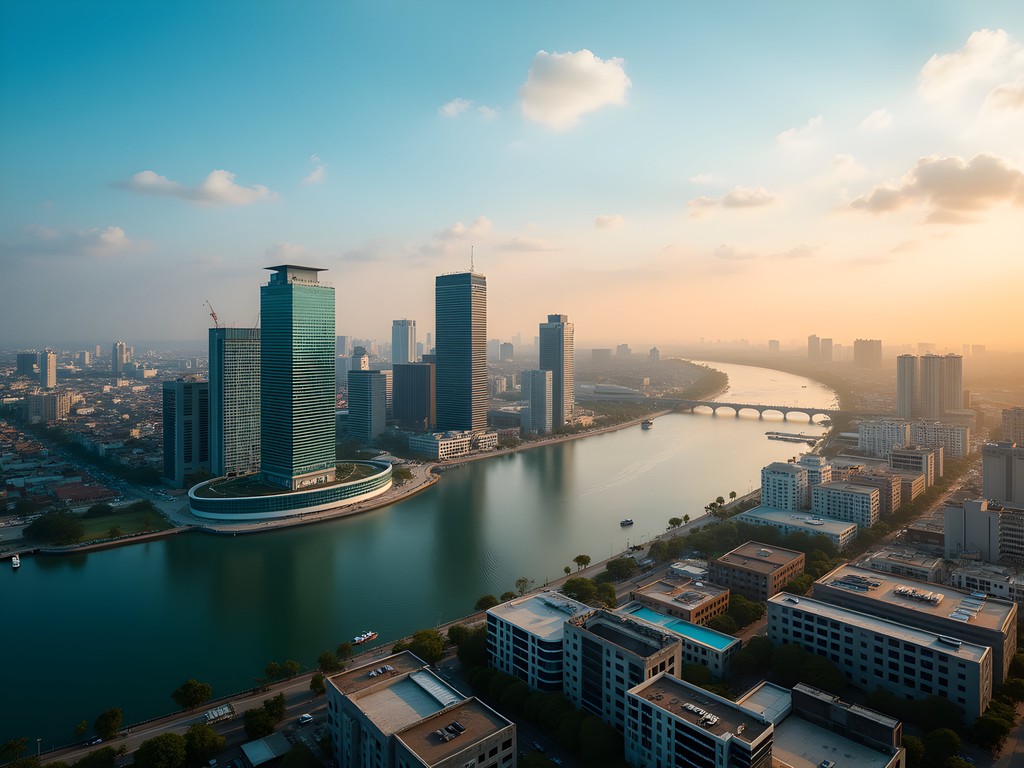
Lagos traffic deserves its legendary status – the journey from the airport to Victoria Island (the primary business district) can take anywhere from 45 minutes to three hours depending on traffic conditions. Schedule your arrival outside peak hours (7-10am and 4-8pm) whenever possible. If you must travel during these times, ensure your vehicle has air conditioning and Wi-Fi to transform potential gridlock time into productive work hours.
One insider tip I've learned from local cricket administrators: consider helicopter transfers for urgent meetings. While expensive, services like Vetifly can transport you from the airport to Victoria Island in under 15 minutes, bypassing Lagos' infamous traffic entirely. For executives where time literally equals money, this option proves surprisingly cost-effective when balanced against lost productivity.

💡 Pro Tips
- Pre-arrange airport transfers through your hotel or trusted transportation service
- Schedule flights to arrive mid-morning or late evening to avoid peak traffic periods
- Keep essential toiletries and a change of business attire in your carry-on in case of luggage delays
Accommodation Strategy: Where to Base Your Operations
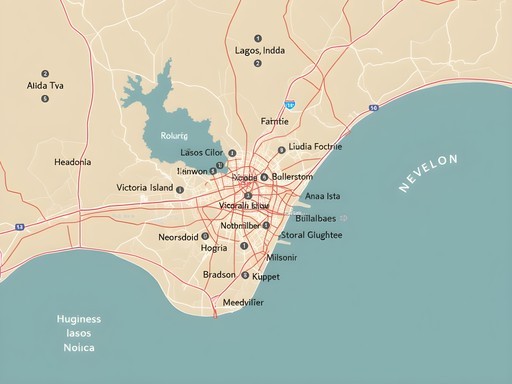
Your choice of accommodation in Lagos directly impacts both productivity and well-being. The city offers three primary business districts, each with distinct advantages: Victoria Island, Ikoyi, and Ikeja.
Victoria Island houses most international corporations and premium hotels. The Eko Hotel & Suites serves as an unofficial business hub where deals are negotiated poolside and at its multiple restaurants. The Radisson Blu Anchorage offers waterfront views of Lagos Lagoon and superior connectivity. For extended stays, the InterContinental Lagos provides apartment-style accommodations with full business facilities.
Ikoyi, adjacent to Victoria Island, offers slightly more residential surroundings while maintaining proximity to major business centers. The Federal Palace Hotel combines colonial architecture with modern amenities and houses an excellent business center.
Ikeja, near the airport, makes sense for brief visits or meetings with government officials. The Sheraton Lagos Hotel offers reliable service and meeting facilities that local business leaders frequently utilize.
Regardless of location, prioritize properties with reliable power backup systems, business centers, and proper security protocols. Internet reliability varies widely – even at luxury properties. I maintain a personal mobile hotspot as backup, which has repeatedly saved critical video conferences when hotel Wi-Fi faltered.
During my last visit documenting traditional Dambe boxing in northern Nigeria, I based myself at the Eko Hotel for its central location and robust business infrastructure. The hotel's ability to arrange reliable transportation and its 24-hour business center proved invaluable when filing time-sensitive reports to my publication in Wellington.

💡 Pro Tips
- Book hotels with reliable power generators and multiple internet connectivity options
- Request rooms on higher floors for better views and reduced street noise
- Establish relationship with the concierge immediately upon arrival – their local knowledge is invaluable

Business Culture: Relationship Building and Meeting Protocols
Nigerian business culture places tremendous emphasis on personal relationships – perhaps more so than any other business environment I've encountered in my global travels. Initial meetings often focus on building rapport rather than diving straight into business matters. Allocate time for personal conversations about family, education, and shared interests before addressing agenda items.
Business cards remain essential currency in Lagos. Present and receive them with both hands as a sign of respect. I maintain a separate cardholder for received cards, demonstrating I value these new connections. While my primary occupation is now travel writing, I maintain journalist cards for business settings as this profession commands particular respect in Nigerian contexts.
Formal address is standard – use titles (Dr., Chief, Engineer) when applicable, and refer to individuals by their surnames until invited to use first names. Punctuality expectations present a cultural paradox: while you should arrive on time, don't be surprised if Nigerian counterparts arrive 30-45 minutes late for meetings. This isn't considered disrespectful but reflects the local approach to time management. Use any waiting periods productively rather than showing frustration.
Negotiation styles tend to be extended and relationship-focused. Patience yields better results than pushing for quick decisions. During one memorable meeting with sports federation officials in Lagos, what was scheduled as a 30-minute introduction evolved into a three-hour discussion followed by dinner. The relationship-building during that extended encounter ultimately provided access to traditional sporting events that would have otherwise remained closed to foreign journalists.
Gift-giving forms part of relationship cultivation. Quality items representing your home country make appropriate gestures – I often bring small gifts of New Zealand greenstone or premium cricket memorabilia from matches I've covered. For important business partners, consider a premium leather portfolio embossed with their name – a practical gift that acknowledges their professional status.

💡 Pro Tips
- Allow extra time in your schedule for meetings that may run significantly longer than planned
- Develop genuine interest in your Nigerian counterparts beyond transaction-focused interactions
- Learn basic greetings in Nigerian languages like Yoruba, Igbo, or Hausa as a sign of respect
Productive Downtime: Cultural Intelligence Building
The most successful international executives I've encountered in Lagos understand that cultural immersion enhances business outcomes. Strategic use of downtime between meetings not only refreshes your perspective but builds contextual understanding that proves valuable in negotiations.
The Nike Art Gallery in Lekki showcases contemporary Nigerian art across five floors – I've had several insightful conversations with local business leaders while admiring these collections. The National Museum in Onikan provides historical context for understanding Nigeria's complex identity. Both venues offer excellent conversation starters with Nigerian colleagues.
For active recovery between intensive meetings, the Lekki Conservation Centre features a 401-meter canopy walkway through preserved swampland – a remarkable ecological treasure providing perspective on Lagos' natural environment. As someone who regularly documents the intersection of cultural practices and natural landscapes, this site offers rare tranquility within the urban intensity.
Culinary experiences provide another dimension of cultural intelligence. Upscale restaurants like NOK by Alara and Terra Kulture offer contemporary Nigerian cuisine in settings conducive to business conversations. For authentic local flavors in premium environments, Yellow Chilli and Craft Gourmet present Nigerian classics with international standards of service.
Shopping at places like Alara Concept Store or Lekki Market for crafts provides opportunities to acquire thoughtful gifts for business partners while supporting local artisans. I've found that a premium travel journal helps me document cultural observations that later inform my business interactions.
For executives staying through weekends, consider a guided tour of Badagry's historical sites or Tarkwa Bay – both provide perspective on Nigeria's complex history and contemporary challenges. These experiences foster deeper conversations with Nigerian counterparts than standard business meetings allow.

💡 Pro Tips
- Schedule at least one cultural activity during your business trip to develop contextual understanding
- Use weekend extensions strategically if your schedule permits to experience Lagos beyond business districts
- Engage local guides for efficient navigation of cultural sites – your hotel concierge can arrange reputable services
Security Considerations: Navigating with Confidence
Addressing security directly serves business travelers better than vague reassurances. Lagos presents specific challenges that require awareness rather than anxiety. With proper protocols, business activities proceed safely and efficiently.
Transportation security forms the foundation of safe movement. Use only hotel-arranged vehicles, established ride-sharing services like Uber Black, or trusted local drivers. Avoid displaying valuable electronics or jewelry when traveling between venues. Schedule movements during daylight hours when possible, particularly in unfamiliar areas.
Digital security deserves equal attention in this business hub. Public Wi-Fi networks present significant vulnerabilities – I maintain a dedicated VPN service active on all devices when conducting business in Lagos. This practice has become second nature after witnessing colleagues face data breaches during international assignments.
Hotel selection inherently impacts security. Premium properties on Victoria Island and Ikoyi maintain sophisticated security protocols, including vehicle inspections and metal detectors. These measures, while sometimes causing minor delays, significantly enhance overall safety.
While Lagos has areas requiring additional caution, business districts maintain robust security presences. The key distinction between anxious visitors and confident executives lies in preparation rather than paranoia. During my coverage of traditional Nigerian sporting events, local contacts provided invaluable guidance on appropriate movement patterns – this collaborative approach to security serves business travelers well.
For female executives, additional considerations apply. Solo movement after dark warrants extra precautions, and conservative business attire remains advisable despite Lagos' cosmopolitan nature. Several female colleagues in sports journalism have shared that arranging female drivers through specialized services like Ladybird Logistics enhances comfort during extended stays.

💡 Pro Tips
- Share your daily itinerary with colleagues or hotel staff as a basic security protocol
- Store emergency contacts including your country's consulate in easily accessible formats
- Consider obtaining temporary membership at Lagos business clubs like Capital Club Lagos for secure networking venues
Final Thoughts
Lagos rewards the prepared executive with unparalleled business opportunities in Africa's largest economy. The city's complexity – often misinterpreted as chaos by casual observers – actually reflects the dynamic energy driving Nigeria's economic engine. By approaching Lagos with strategic preparation, cultural sensitivity, and adaptive thinking, you transform potential challenges into competitive advantages. The relationships you build here extend beyond transactional value, potentially opening doors throughout West Africa's interconnected business networks. As someone who has witnessed Lagos evolve over two decades of visits, I can attest that the extra effort invested in understanding this remarkable city yields exponential returns. The executive who navigates Lagos effectively demonstrates precisely the adaptability, cultural intelligence, and strategic thinking that defines successful global leadership in our interconnected world.
✨ Key Takeaways
- Relationship building takes precedence over transactional efficiency in Nigerian business culture
- Strategic accommodation and transportation choices dramatically impact productivity in Lagos
- Cultural immersion during downtime enhances business effectiveness and relationship development
- Security requires awareness and preparation rather than anxiety or avoidance
📋 Practical Information
Best Time to Visit
year-round (November-March offers more moderate temperatures and less rainfall)
Budget Estimate
$400-600/day including premium accommodation, transportation, and meals
Recommended Duration
5-7 days for meaningful business development
Difficulty Level
Advanced





Comments
Jean Wells
Your section on meeting protocols really resonates with my experience. I spent three weeks in Lagos last year working with local tech startups, and the relationship-building aspect cannot be overstated. What I found particularly interesting was the balance between formal business hierarchy and the warmth of personal connection. First meetings often run 30-40% longer than scheduled because of the social component - which isn't wasted time at all, it's essential groundwork. One thing I'd add: bring business cards. Despite being 2026, physical cards still matter significantly in Nigerian business culture. Also, confirming meetings the morning of is standard practice, not a sign of flakiness.
Amit Sullivan
Excellent additions, Jean. The business card point is spot-on - I've seen deals get off to a rocky start when visitors didn't have cards to exchange. The morning confirmation is such a key insight too.
freediver
How reliable are the ride apps like Uber there? Heading to Lagos for meetings in April and kinda nervous about getting around
Amit Sullivan
Uber and Bolt both work well in Lagos. I'd recommend having both apps installed as backups. Stick to VI and Ikoyi areas if possible for your meetings - much easier logistics. Book rides 10-15 mins ahead during rush hour.
freediver
Thanks! That's super helpful
hikingstar
Going there next month for a conference, this is perfect timing!
Ahmed Palmer
One thing I'd add to Amit's excellent guide: download the offline maps for Lagos before you arrive. Data can be spotty in some areas, and having offline navigation has saved me multiple times when trying to direct drivers. Also, exchanging some currency at the airport is worth it despite slightly worse rates - having naira immediately for tips and small purchases makes everything smoother. The ATMs can have long queues.
adventurephotographer
Anyone know if the Four Points or Radisson Blu are good options? My company has corporate rates with both
nomadvibes
Both solid choices. Four Points VI is closer to most business districts. Radisson is nice but can be further depending on where your meetings are
tripchamp
Really helpful post thanks!
Raymond Hassan
Amit's point about documentation is critical. I learned this the hard way covering the African Games in 2019. Your visa situation needs to be absolutely sorted before arrival - the visa-on-arrival process can be unpredictable. Also, the SIM card tip is gold. Getting a local MTN or Airtel SIM at the airport immediately is essential for ride-hailing apps and staying connected. The roaming charges from European carriers are astronomical.
hikingstar
how much does a sim card cost there?
Raymond Hassan
Last time I was there it was around 2000-3000 naira for the SIM plus initial data bundle. Very affordable.
nomadvibes
Great article! Been doing business in Lagos for 5 years now. The traffic point is SO important - I once left a meeting in Lekki at 4pm trying to get to the airport for a 7pm flight and barely made it. Now I always book morning flights or stay an extra night. Also +1 on the relationship building - Nigerians do business with people they trust, not companies. Take time for those conversations over lunch.
springzone5322
is lagos safe for first time business travelers? my company wants to send me there in april
Ahmed Palmer
It's perfectly safe if you follow basic precautions. I've been three times for conferences. Stick to recommended hotels in VI or Ikoyi, use hotel cars or vetted drivers, and you'll be fine. The business community is very professional.
springzone5322
thanks that helps a lot!
greenway
Pro tip: Always have cash (naira) on hand. Even in 2025, not everywhere takes cards reliably.
Venture X
Premium card with 2X miles, $300 travel credit, Priority Pass