

Disclosure: This article contains affiliate links. We may earn a commission from purchases at no extra cost to you, which helps our travel content.
As an environmental engineer constantly seeking the balance between professional obligations and my passion for sustainable exploration, Norway has become my gold standard for business travel. This Scandinavian nation doesn't just talk about environmental stewardship—it embodies it through infrastructure, policy, and a cultural mindset that aligns perfectly with my own values. When a recent renewable energy conference in Oslo coincided with a client meeting near Geiranger, I knew I had to transform this business trip into what Norwegians call 'friluftsliv'—a celebration of outdoor living.

Planning the Perfect Business-Leisure Blend
The key to a successful business-leisure trip—or 'bleisure' as it's commonly called—lies in meticulous planning that respects both your professional commitments and personal exploration goals. For Norway specifically, I recommend structuring your itinerary with business obligations concentrated in Oslo at either the beginning or end of your trip, leaving a contiguous block for immersion in the fjord country.
I opted to begin with three days of meetings in Oslo, followed by four days exploring the Geiranger region. This sequence allowed me to gradually decompress from business mode while still maintaining the professional momentum I'd built during the conference.
For efficient planning, I relied heavily on my digital travel planner, which let me sketch itineraries, take meeting notes, and then digitize everything to share with colleagues. Its reusable pages meant I wasn't consuming paper needlessly—a small but meaningful sustainability choice that aligns with Norwegian environmental values.

💡 Pro Tips
- Book accommodations with flexible cancellation policies in case business meetings shift
- Schedule at least one buffer day between business and leisure segments
- Research transportation options between cities well in advance—Norway's efficient public transit requires minimal planning
Sustainable Business Practices in Oslo
Oslo stands as a testament to what forward-thinking urban planning can achieve. The city's business district features some of Europe's most energy-efficient buildings, many of which I had the privilege of touring as part of the conference program. What impressed me most wasn't just the technical specifications—it was how these sustainable features were seamlessly integrated into beautiful, functional spaces.
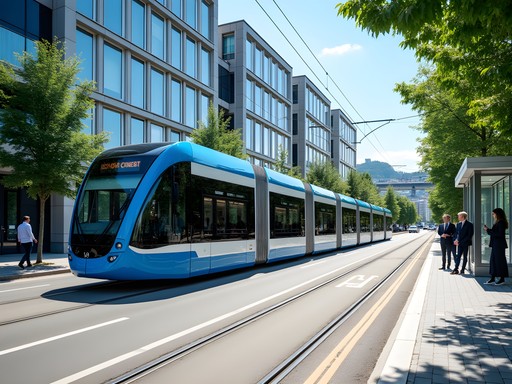
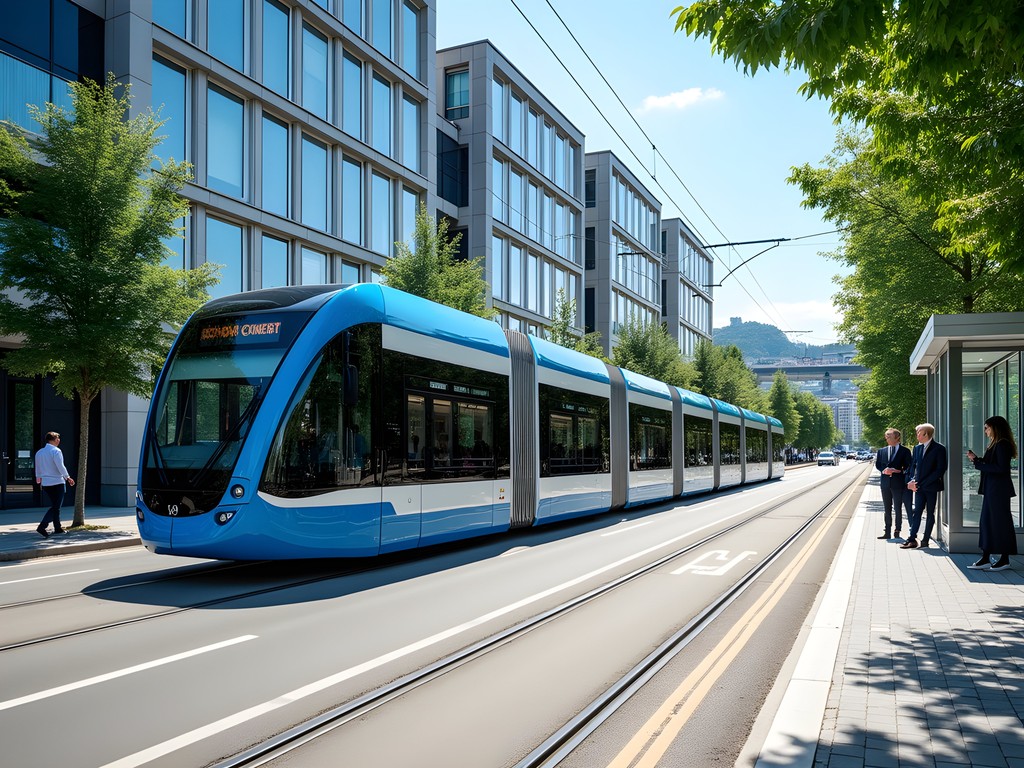
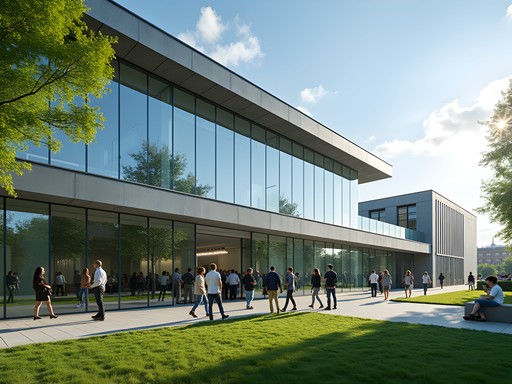
My meetings were primarily held at the Oslo Science Park, where the conference rooms are naturally ventilated and solar-powered. Between sessions, I took advantage of Oslo's excellent public transportation system, using their all-electric tram network to move between venues. The Ruter transit app proved invaluable, allowing me to purchase tickets and plan routes efficiently while tracking my carbon footprint reduction compared to taxi use.
For business travelers with sustainability concerns, I highly recommend requesting the 'green meeting package' when booking conference spaces. Most major venues offer this option, which includes plant-based catering options, zero single-use plastics, and digital-only materials.
💡 Pro Tips
- Choose hotels with Nordic Swan Ecolabel certification
- Request vegetarian or locally-sourced catering for business meetings
- Use Oslo's city bikes for short trips between meeting venues
The Journey to Geiranger: Transitioning from Business to Adventure
The 450km journey from Oslo to Geiranger represents more than just physical distance—it's a psychological transition from spreadsheets to spectacle. While flying is quickest, I opted for the more sustainable (and infinitely more scenic) route: the train to Åndalsnes followed by a bus connection to Geiranger.
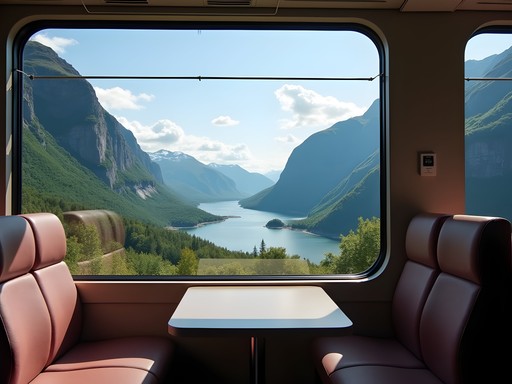
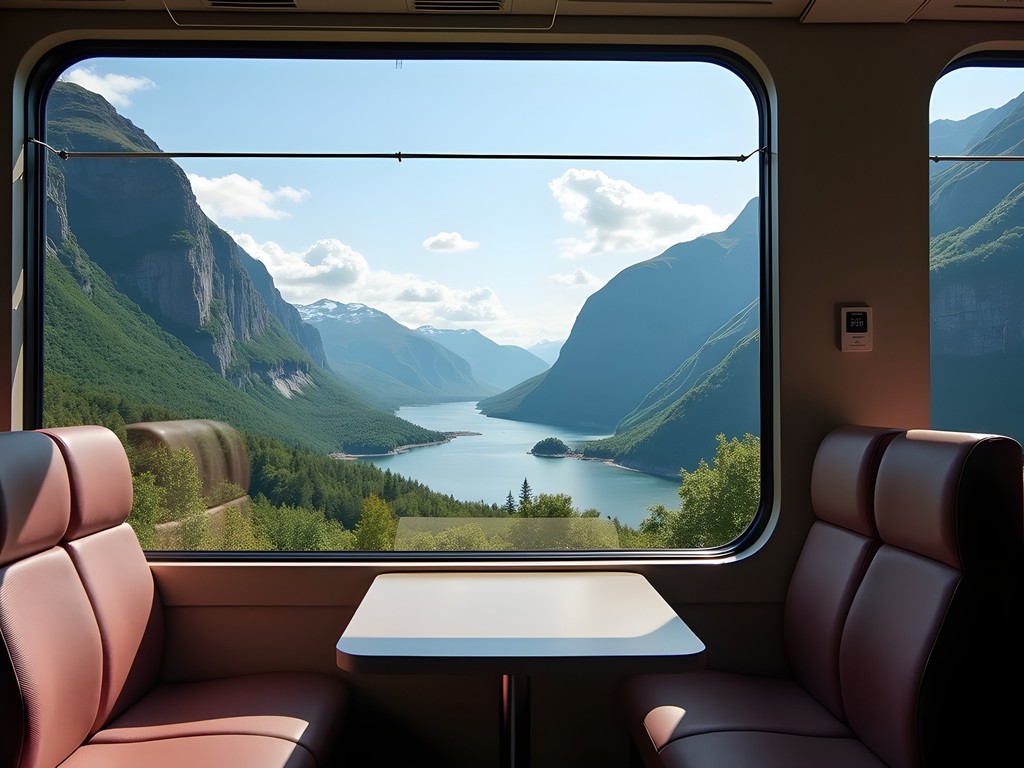
The train journey itself is a masterclass in sustainable infrastructure. Norway's railways are almost entirely electrified, powered predominantly by hydroelectricity. The Bergen Railway and Rauma Line that I took offer panoramic windows that frame Norway's dramatic landscapes like living paintings. I spent the journey reviewing meeting notes while occasionally glancing up to find my breath stolen by snow-capped peaks and plunging valleys.
For this segment, my noise-cancelling headphones proved invaluable. They allowed me to transition mentally from business mode by alternating between focused work and immersive Norwegian folk music that complemented the passing landscapes. The ability to block out ambient noise meant I could finish the last of my meeting follow-ups efficiently, clearing my mind for the adventures ahead.
The bus connection from Åndalsnes to Geiranger traverses the famous Eagle Road (Ørnevegen) with its eleven hairpin turns, each offering increasingly spectacular views. This is where you'll want to stow your laptop and simply absorb the transition happening both around and within you.
💡 Pro Tips
- Book train tickets in advance through Vy (Norwegian Railways) for significant savings
- Choose window seats on the left side of the train when heading from Oslo for the best views
- Download offline maps before the journey as cellular coverage can be spotty in mountain areas

Sustainable Luxury in Geiranger
After the structured environment of Oslo's business district, Geiranger offers a different kind of luxury—one defined by space, silence, and natural splendor. The UNESCO-protected Geirangerfjord embodies why Norway's approach to environmental preservation has become a model I reference frequently in my engineering work.
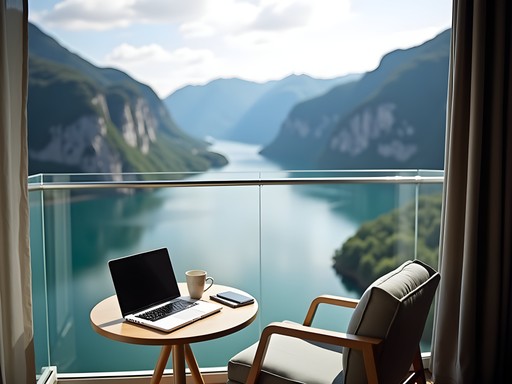
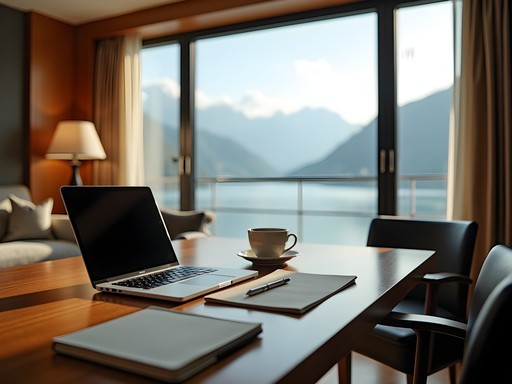
I stayed at Hotel Union Geiranger, which balances luxury amenities with impressive sustainability initiatives. Their comprehensive energy management system, locally-sourced farm-to-table dining, and zero-waste policies demonstrate that high-end experiences needn't come at the environment's expense. My room offered panoramic fjord views that served as a constant reminder of what we're working to protect in my field.
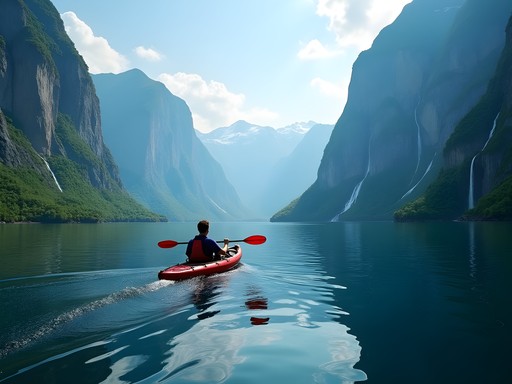
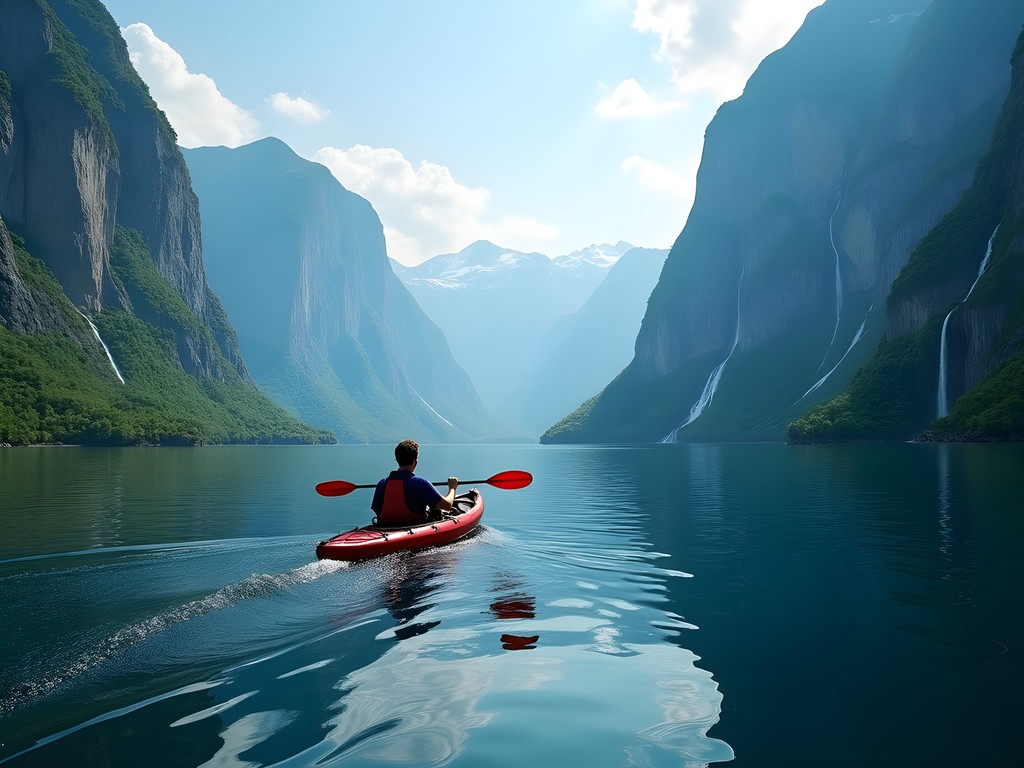
For exploring the fjord itself, I highly recommend the waterproof dry bag that kept my electronics safe during a kayaking expedition. The fjord's waters are remarkably clean—a testament to Norway's stringent environmental regulations—and getting onto the water offers perspectives impossible to achieve from land.
The most impactful experience came from hiking to Skageflå, an abandoned mountain farm perched 250 meters above the fjord. The trail provides both challenging terrain and opportunities to witness Norway's approach to managed wilderness. My hiking poles proved essential on the steeper sections, particularly when navigating the path's ancient stone steps.
💡 Pro Tips
- Book fjord-facing rooms at hotels for workspace inspiration—the premium is worth it
- Participate in the hotel's sustainability tour to understand Norwegian eco-practices
- Consider carbon offsetting your journey through Norway's local offsetting programs
Balancing Productivity and Presence
The true art of business-leisure travel lies not in the physical transition between locations, but in the mental shift between professional focus and mindful presence. Norway's distinctive work-life philosophy made this balance surprisingly achievable.
I designated specific times for checking emails—primarily early mornings before breakfast—and used my productivity journal to structure limited work sessions. This boundary-setting allowed me to be fully present during adventures while maintaining necessary professional connections.
Norway's excellent digital infrastructure supports this balance beautifully. Even in remote Geiranger, I found reliable connectivity when needed, but also appreciated how the topography naturally limits signal in certain areas, creating perfect 'digital detox' opportunities during hikes.
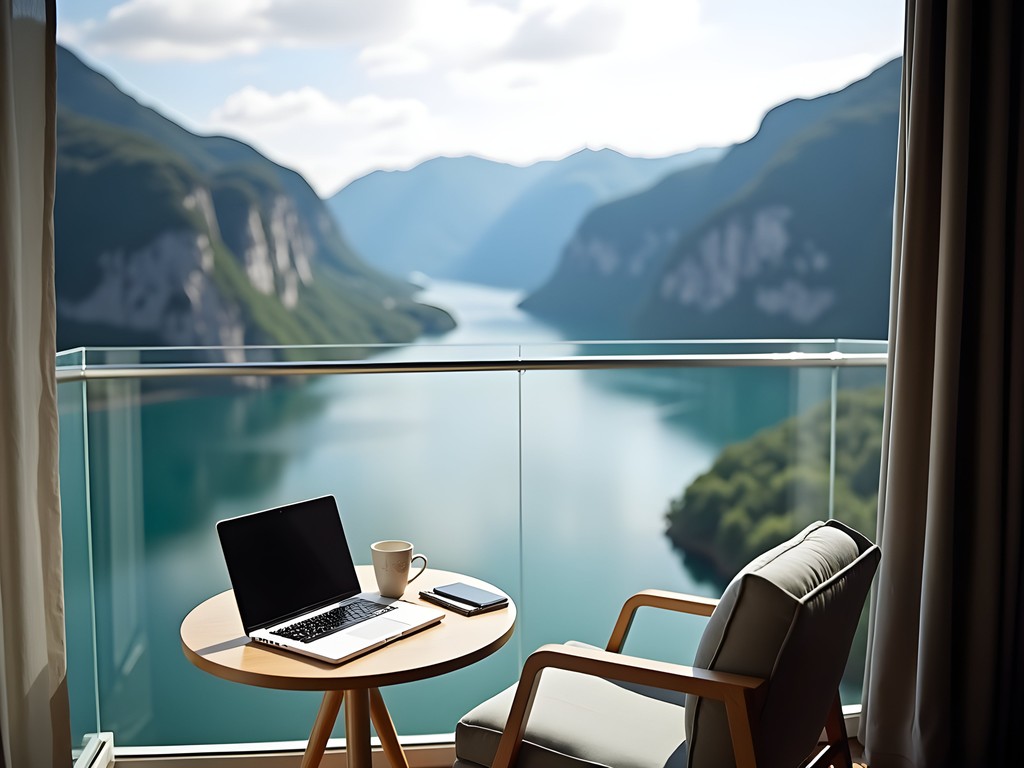
One practice I found particularly effective was scheduling a 30-minute 'transition ritual' when switching between work and leisure modes. This might involve journaling, meditation, or simply enjoying a cup of Norwegian coffee while consciously shifting my focus. The insulated travel mug I brought along became an unexpected ally in this practice, keeping coffee hot during extended fjord-viewing contemplation sessions on my hotel balcony.
Perhaps most importantly, I discovered that allowing environmental inspiration to flow into my work—rather than compartmentalizing business and leisure completely—yielded unexpected professional insights. Some of my most innovative sustainability solutions have emerged from observations made while supposedly 'off-duty' in natural settings.
💡 Pro Tips
- Set specific times for checking work communications rather than remaining constantly accessible
- Create a physical ritual that signals the transition between work and leisure modes
- Allow natural environments to inspire professional thinking rather than forcing rigid separation
Final Thoughts
Norway offers the rare combination of world-class business infrastructure and soul-stirring natural wonders within remarkably close proximity. As an environmental engineer, I found profound professional value in experiencing firsthand how this nation has implemented sustainable practices across both urban and wilderness contexts. The seamless transition between Oslo's cutting-edge green business facilities and Geiranger's carefully preserved natural splendor demonstrates a holistic approach to sustainability that transcends the usual urban-rural divide.
What makes Norway particularly suited for business-leisure travel isn't just its infrastructure or natural beauty—it's the cultural philosophy that recognizes how professional innovation and personal rejuvenation are interconnected rather than competing priorities. By embracing this Norwegian perspective, I returned to Vancouver with not only completed business objectives but also renewed clarity about why my environmental engineering work matters.
As remote work continues reshaping our professional landscapes, I believe Norway offers a compelling model for how business travel might evolve: less frequent but more meaningful journeys that honor both professional development and personal growth. For those willing to plan thoughtfully, the fjords await with their timeless wisdom—ready to inspire your next breakthrough idea during that conference call with a view.
✨ Key Takeaways
- Plan your itinerary with concentrated business activities and contiguous leisure time rather than constantly switching between modes
- Choose accommodations and transportation options that align with sustainability values for a more coherent experience
- Embrace Norway's work-life balance philosophy by creating clear boundaries between professional obligations and personal exploration
- Allow natural environments to inspire professional thinking rather than compartmentalizing work and leisure completely
- Consider carbon offsetting and other sustainability practices to minimize the environmental impact of business travel
📋 Practical Information
Best Time to Visit
May through September, with June-August offering midnight sun and optimal fjord conditions
Budget Estimate
NOK 25,000-35,000 (USD 2,500-3,500) for a week including business-class accommodations
Recommended Duration
Minimum 7 days (3 days Oslo, 4 days Geiranger)
Difficulty Level
Moderate - Business Portions Are Straightforward, While Geiranger Activities Can Be Adjusted From Easy Boat Tours To Challenging Hikes


Comments
Gregory Boyd
Having done the business-leisure combo in Norway myself, I can confirm everything Brenda says here. One additional tip for anyone planning similar: invest in a good waterproof backpack for the fjord portion. I used my waterproof daypack which was perfect for the constantly changing weather around Geiranger. Also, don't miss the Geiranger Brewery if you're there - they have an excellent sustainability ethos and the tasting flight with local food pairings is exceptional. The public transport system really is as efficient as Brenda describes!
greenpro
Thanks for the brewery tip! Did you find it easy to use public transport between business meetings in Oslo?
Gregory Boyd
Absolutely! Oslo's public transport is incredibly efficient. I used the Ruter app to navigate everything from trams to buses. Most business districts are well-connected and many locals commute this way too.
wavelife5701
Those fjord photos are incredible! Adding Norway to my bucket list right now.
Frank Garcia
Fantastic blend of business and leisure insights here. I visited Norway last year but focused solely on the outdoors. The business infrastructure in Oslo is something I've heard great things about - particularly their commitment to sustainability in conference venues. Did you find that the transition from city to fjords was smooth? I remember the journey to Geiranger being quite the adventure with all those winding roads. Also appreciated your point about sustainable luxury - it's something Norway really excels at without feeling pretentious.
Brenda Clark
Thanks Frank! The transition was incredibly smooth - I took the train from Oslo to Åndalsnes and then the bus to Geiranger. Those winding roads are part of the experience! The infrastructure for travelers is so well thought out that it never felt stressful.
greenpro
Love the sustainability focus! Did you find it easy to maintain eco-friendly practices while there for business?
vacationbackpacker
This is exactly what I need! How many days would you recommend for the business-leisure split in Norway? Planning a trip for next summer and trying to figure out the timing.
Brenda Clark
I'd suggest at least 3 business days in Oslo and 4 leisure days for Geiranger and the fjords. The transition day between locations is also quite scenic!
vacationbackpacker
Thanks so much! That sounds perfect.
wanderlustzone
The sustainable business angle is really interesting. I work in tech and we're always looking for conference destinations that align with our ESG goals. Did you notice if most of the hotels in Oslo had good environmental certifications? Also curious about the food scene - was it easy to find local/sustainable restaurants near the business district?
Brenda Clark
Yes! Most hotels in Oslo prominently display their Nordic Swan Ecolabel or similar certifications. The restaurant scene is incredible - so many farm-to-table places even in the business areas. I had my sustainable travel guide with me which had a great section on green dining options.
cityking
Great photos!
Haley Hamilton
Love this approach Brenda! I did something similar last year but went full backpacker mode after my conference ended. Took the train from Oslo to Flåm and then the ferry up to Geiranger - absolutely stunning route and way more affordable than flying. The overnight train sleeper was surprisingly comfortable and I woke up to those incredible mountain views. One tip: book your ferry tickets in advance during summer months, they sell out fast! The whole transition from business mode to adventure mode felt so natural in Norway.
wanderlustzone
did you need to book the train in advance too or can you just show up?
Haley Hamilton
I'd definitely book ahead for the sleeper cars - they fill up quick. Regular seats you can probably wing it but sleepers are worth reserving!
staradventurer
This is EXACTLY what I needed!! Been trying to convince my boss to let me extend my Oslo conference trip and this is perfect inspo
Bryce Diaz
Reading this transported me back to my own bleisure trip to Norway three years ago. I had client meetings in Oslo but couldn't bear being that close to the fjords without experiencing them. The transition from corporate Oslo to majestic Geiranger feels like traveling between worlds, yet is remarkably seamless. One tip for business travelers: Norwegian offices often end work promptly at 4pm, especially in summer - perfect for evening exploration! Also, don't underestimate the hiking opportunities near Geiranger. I squeezed in a sunrise hike to Westerås Farm before my afternoon flight back to Oslo, and those morning views of the fjord in golden light became my laptop background for the next year. Brenda, your section on sustainable business practices resonated - Norway taught me how to be a more environmentally conscious traveler even on work trips.
Venture X
Premium card with 2X miles, $300 travel credit, Priority Pass