
Disclosure: This article contains affiliate links. We may earn a commission from purchases at no extra cost to you, which helps our travel content.
When my welding contract in La Paz wrapped up early last spring, I found myself with a week to kill before heading back to the States. The local crew couldn't stop talking about Potosí – Bolivia's legendary silver mining city that once funded the Spanish Empire. As someone who's spent his career working with metal, I couldn't pass up seeing the place that produced enough silver to build a bridge from South America to Spain (or so the saying goes). What I discovered was not just an engineering marvel frozen in time, but a budget traveler's dream where $30/day gets you surprisingly far.

Getting to Potosí Without Breaking the Bank
From La Paz, you've got options that won't drain your wallet. The overnight bus runs about 80-100 bolivianos ($12-15) and while it's no luxury liner, it gets the job done. I grabbed a seat on Todo Turismo for 100 bolivianos, which offers slightly better suspension – critical on Bolivia's notoriously rough mountain roads. The journey takes 7-9 hours depending on road conditions, and I recommend bringing a serious neck pillow to avoid waking up with your head at angles your chiropractor would scold you for.
If you're coming from Sucre, you're looking at a much easier 3-hour ride for around 30 bolivianos ($4). The elevation jump is significant – Potosí sits at a lung-busting 4,090 meters (13,420 ft), making it one of the highest cities in the world. Even for someone like me who regularly works on high-rise construction, the altitude hit hard. Pack some altitude sickness pills and give yourself a day to acclimate before tackling the mines or major sightseeing.
💡 Pro Tips
- Book bus tickets 1-2 days in advance during high season (June-August)
- Bring warm layers - nighttime temperatures can drop below freezing year-round at this elevation
- Drink coca tea upon arrival to help with altitude adjustment
Budget Accommodation: Where to Rest Your Head
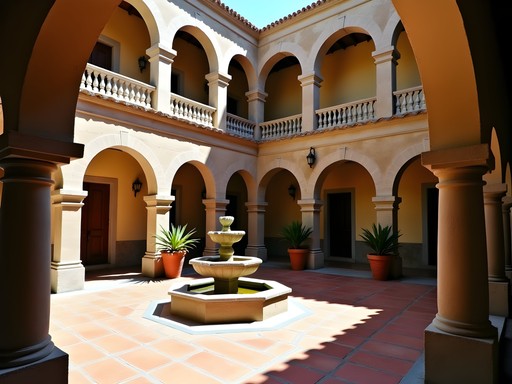
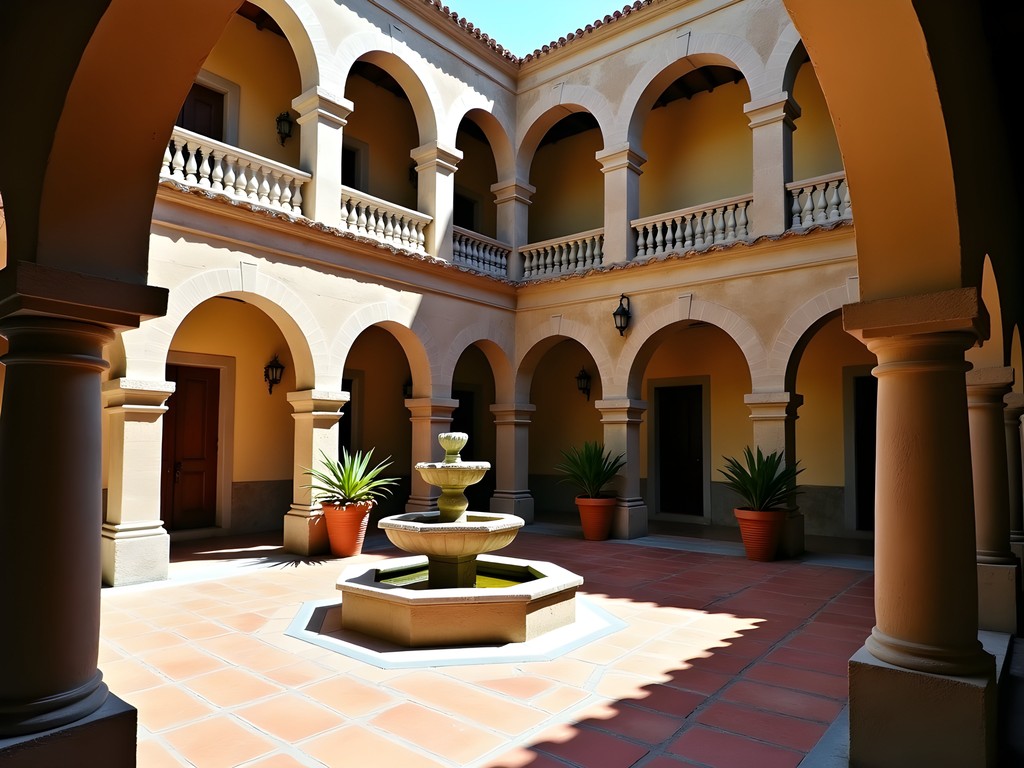
Potosí offers solid budget options that won't leave you sleeping in a mining shaft. I checked into Hostal Compañía de Jesús for 70 bolivianos ($10) per night, which gets you a private room with shared bathroom in a renovated colonial building. The hot water was intermittent – a common issue at this altitude – but the thick adobe walls kept my room surprisingly comfortable without heating.
For those willing to bunk with others, Hostal Turistico Recoleta offers dorm beds starting at 40 bolivianos ($6) with breakfast included. The building itself is a piece of architectural history, with stone arches and wooden beams that have stood for centuries. As someone who welds structural supports for a living, I couldn't help but admire the craftsmanship that's kept these buildings standing through earthquakes and revolutions.
A critical investment for any budget accommodation in Potosí is a quality sleeping bag liner. The nights get cold year-round, and many hostels provide only minimal bedding. I also recommend bringing a portable door lock for added security in budget accommodations where door locks might be antiques themselves.
💡 Pro Tips
- Request rooms away from the street - colonial windows offer little sound insulation
- Bring earplugs as many hostels have thin walls and early-rising guests
- Most budget accommodations don't accept credit cards, so carry sufficient bolivianos
The Cerro Rico Mine Tours: Industrial Marvel on a Budget
As a welder who's worked in industrial sites across the US, visiting the infamous Cerro Rico mines wasn't just tourism – it was professional pilgrimage. These mines have been in continuous operation since 1545, making them among the oldest industrial facilities still functioning in the Western Hemisphere.
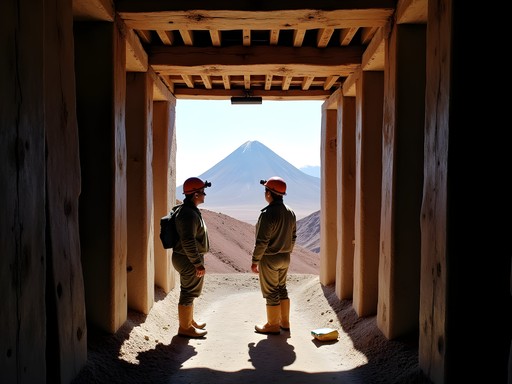
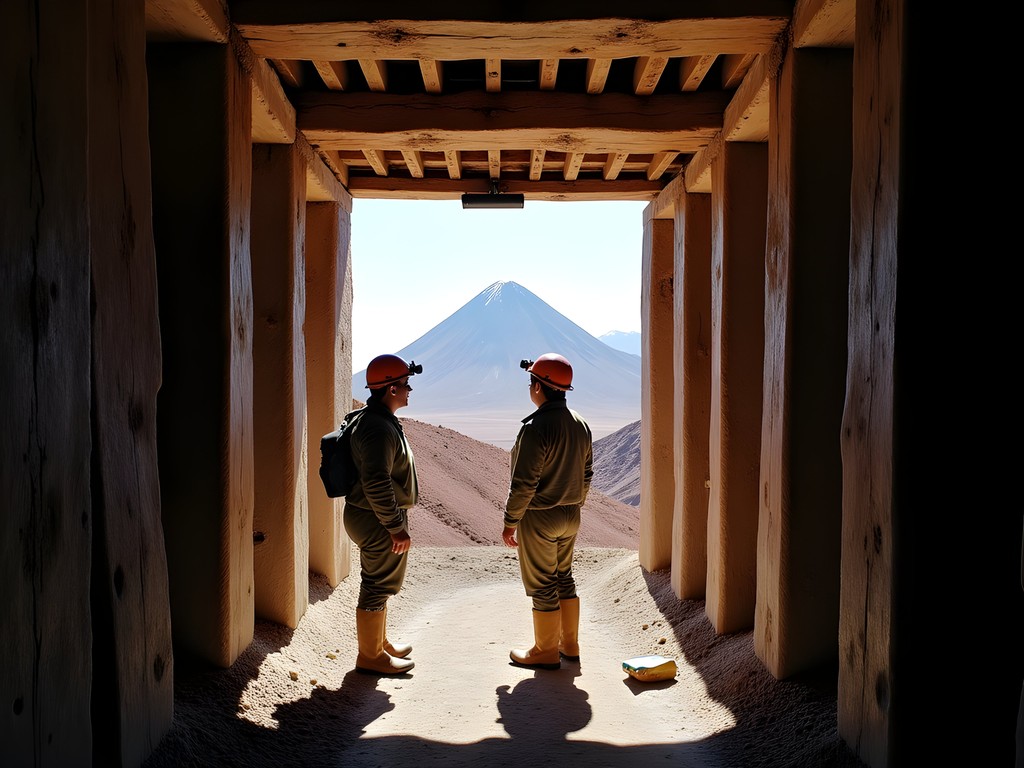
Standard tours run 120-150 bolivianos ($17-22), but I recommend Big Deal Tours (130 bolivianos) for their focus on the technical aspects of mining rather than just the sensational elements. Before entering, you'll gear up with helmets, headlamps, and protective clothing – a familiar ritual for anyone who's worked in industrial settings. The equipment provided is basic but functional; I brought my own dust mask which I'd strongly recommend given the silica dust.
The tour takes you through narrow tunnels where you'll see miners using techniques ranging from hand tools to pneumatic drills. What struck me most was the contrast between ancient methods and modern adaptations. The miners still make offerings to El Tío, the underground deity they believe controls their fate, while using modern explosives and extraction techniques.
As someone who works with metal daily, seeing the raw silver ore in its natural state was fascinating – this is where it all begins, before it reaches the refineries and fabrication shops where I'd normally encounter it. The conditions are harsh, and it's a sobering reminder of where our materials come from.
💡 Pro Tips
- Bring small gifts for the miners (coca leaves, cigarettes, or soft drinks are appreciated)
- Wear closed-toe boots or sturdy shoes you don't mind getting extremely dirty
- The mine interior can be claustrophobic - skip this tour if you have breathing issues or severe claustrophobia

Eating Well on Pocket Change
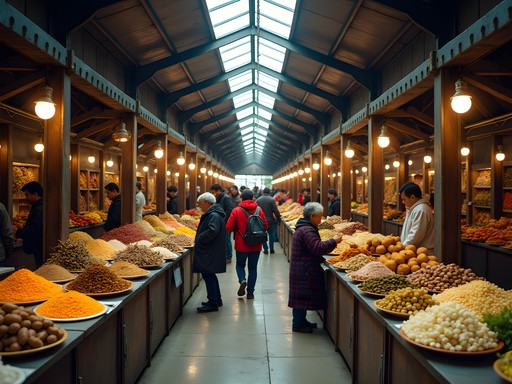
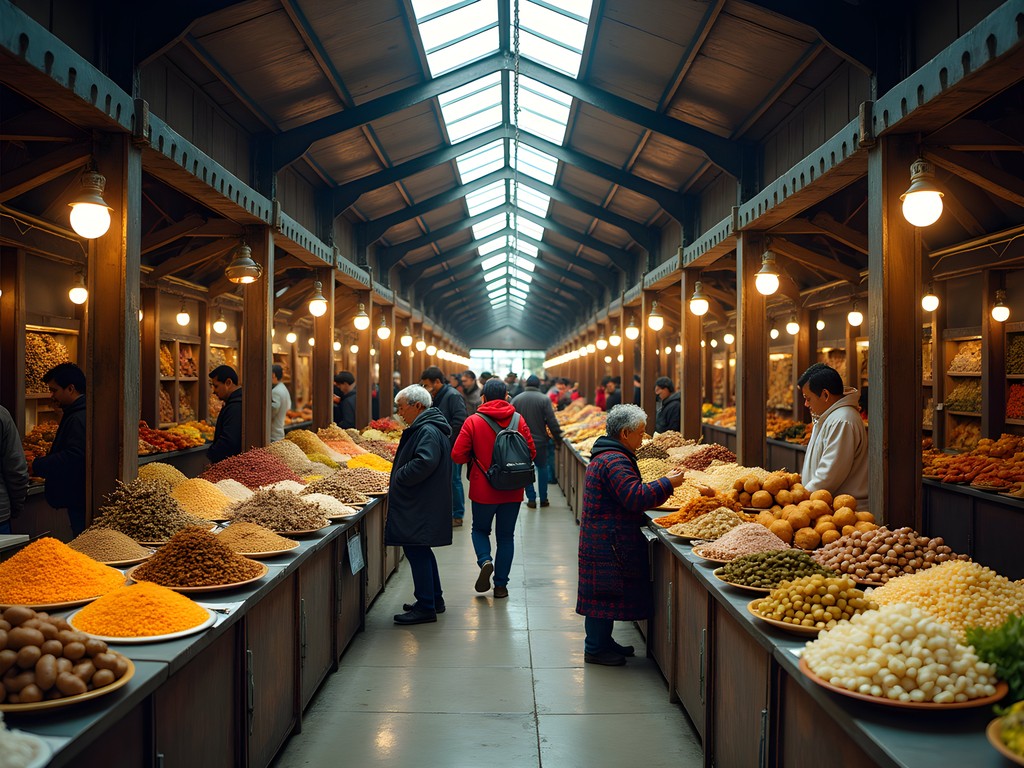
Food in Potosí is where your budget really stretches. The local markets are a structural marvel themselves – colonial-era buildings repurposed with modern metal reinforcements creating vast indoor spaces where vendors sell everything from raw materials to prepared meals.
Mercado Central and Mercado Uyuni offer almuerzo (set lunch) options starting at 12-15 bolivianos ($1.75-2.20). These typically include soup, a main dish with rice or potatoes, and a simple dessert. The portions are generous – designed to fuel miners and laborers through physically demanding afternoons.
For breakfast, street vendors sell salteñas (Bolivian empanadas) for 5-7 bolivianos ($0.75-1) each. Two make a substantial morning meal. My favorite spot was a tiny stall near Plaza 10 de Noviembre where the owner used a small propane torch to finish the pastries – a welding torch's culinary cousin that gave them a perfect crisp finish.
Street food is abundant and safe if you follow basic precautions. I lived on api (a thick corn drink) with pastel (fried pastry) for breakfast (10 bolivianos total) and found dinner options like charque de llama (dried llama meat) with chuño (freeze-dried potatoes) for 20-25 bolivianos ($3-3.60).
One item I never travel without is my portable water filter which saved me countless bolivianos on bottled water and prevented adding plastic waste to Potosí's already challenged environment.
💡 Pro Tips
- Eat your main meal at lunchtime when prices are lowest and food is freshest
- Look for restaurants where miners and workers eat - they know where to get the best value
- Markets are significantly cheaper than tourist restaurants near the main plaza
Colonial Architecture and Free Attractions
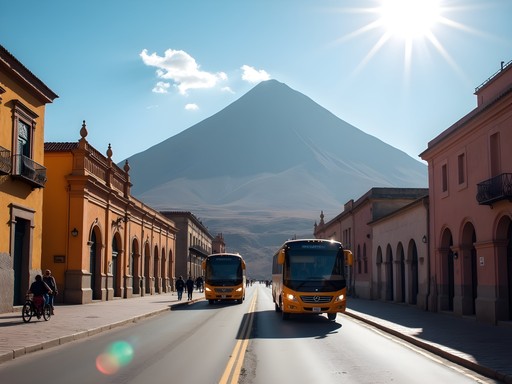
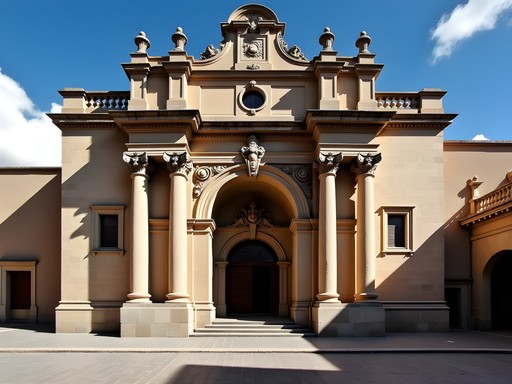
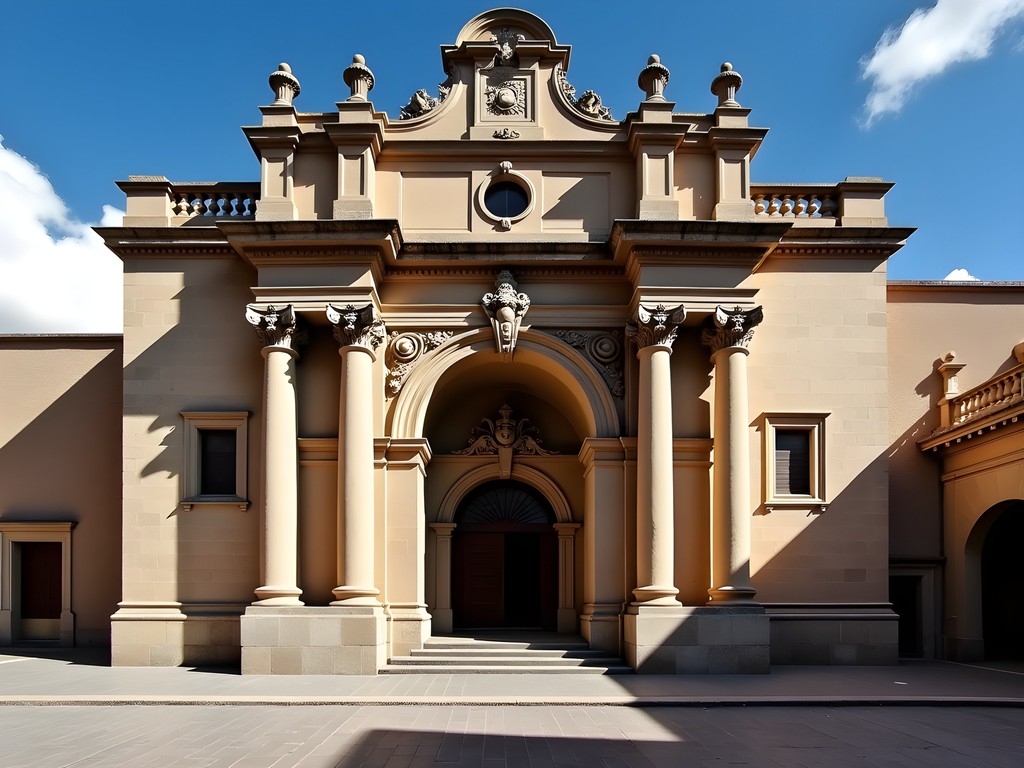
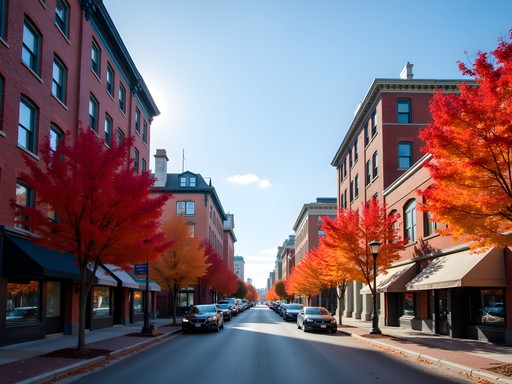
Potosí's UNESCO World Heritage status comes from its remarkable colonial architecture – and the best part is that much of it can be appreciated absolutely free. The city is essentially an open-air museum of Spanish colonial design, with the added interest of seeing how these structures have been maintained and modified over centuries.
The Cathedral's façade is a masterclass in stonework, with intricate carvings that have weathered nearly 500 years of high-altitude sun and freezing nights. While entering costs 10 bolivianos, you can admire the exterior craftsmanship for free. I spent an hour just examining the load-bearing techniques used in the bell tower – methods that predate modern engineering but have proven remarkably durable.
The Casa de la Moneda (Royal Mint) is the one attraction worth splurging on. At 60 bolivianos ($8.70) for foreigners, it's your biggest expense but absolutely worth it. The industrial equipment inside – massive wooden coin presses powered originally by mules and later by early steam engines – shows remarkable engineering innovation. As someone who works with metal forming equipment, seeing these 18th-century predecessors was fascinating.
For tracking my walks through the colonial streets, I relied on my GPS hiking watch. Potosí's high altitude means excellent GPS reception, and the solar charging feature meant I never ran out of battery despite the power outages that occasionally affect the city. I recorded over 15 miles of walking over three days, creating custom maps of the architectural highlights I discovered off the main tourist path.
💡 Pro Tips
- Visit churches during mass times when they're open for free (though be respectful)
- The best views of the city are from the hills above - a free alternative to paid viewpoints
- Many museums offer reduced prices in the last hour before closing
Final Thoughts
Potosí offers a rare combination that budget travelers dream of – world-class historical significance with developing-world prices. For under $30 a day, you can sleep in colonial buildings, eat hearty local food, and explore industrial heritage that literally changed the course of world history. As a tradesman who works with metal, standing in the place where so much of the world's silver originated was a powerful connection to my own profession's lineage.
The city presents stark contrasts – ornate churches built with wealth extracted through brutal labor, modern miners using techniques both ancient and contemporary, and a UNESCO World Heritage site struggling with ongoing environmental challenges. It's not always an easy place to visit, both physically due to the altitude and emotionally due to its complex history, but it offers insights you won't find anywhere else.
If you're a student of history, engineering, or just someone who appreciates seeing how things work, Potosí deserves a spot on your Bolivia itinerary. And if you're watching your bolivianos, you'll find few places where a modest budget stretches further while delivering such profound experiences.
✨ Key Takeaways
- Potosí is one of South America's most affordable UNESCO World Heritage sites, easily explored on under $30/day
- The Cerro Rico mine tours offer unique industrial tourism that connects modern visitors to 500 years of continuous mining history
- High altitude (4,090m/13,420ft) requires acclimatization and preparation but rewards visitors with remarkable colonial architecture
📋 Practical Information
Best Time to Visit
May-October (dry season)
Budget Estimate
$25-30 per day
Recommended Duration
2-3 days
Difficulty Level
Moderate (Due To Altitude)



Comments
islandadventurer1628
Great post! I'm planning a Bolivia trip for early next year and wondering about safety in Potosí. Is it okay for solo female travelers? And did you find it easy to get from Potosí to Sucre afterward? I'm trying to figure out the best route through southern Bolivia without backtracking too much.
Adam Roberts
I found Potosí quite safe, but always exercise normal precautions. The bus to Sucre is easy - about 3 hours and runs several times daily. Book at the main terminal a day ahead for best seats!
sunsetmood3340
Just got back from Potosí last month and can confirm everything in this post! The altitude hit me harder than expected though - spent the first day with a pounding headache. For anyone planning to go, definitely take a day to acclimate before doing the mine tour. I paid 80 bolivianos for my tour and it was worth every penny. The locals selling dynamite as souvenirs outside the mines was... an experience! Adam, did you try any of the traditional potato dishes at the central market? That was my budget food hack - complete meals for under $3!
Adam Roberts
The altitude is no joke! I should've emphasized that more in the post. And yes - the market meals were my go-to! Those potato soups kept me going through the cold mornings. Did you make it to any of the hostels I mentioned?
sunsetmood3340
Stayed at Hostal Compañía de Jesús! Just like you said - basic but clean and the hot water was reliable. The owner even stored my backpack for free when I did an overnight trip to Uyuni.
backpacklife
Great guide! I did Potosí on a similar budget back in 2024. One thing I'd add is bring layers – it gets COLD at night even in summer. I was freezing in my hostel room. The mine tour guides are mostly ex-miners and their stories are incredible but heartbreaking. Make sure to bring them coca leaves and some drinks as gifts, it's customary. The cooperative mines still operate the same way they did centuries ago, it's like stepping back in time.
Jose McDonald
Dude, YES! I was in Potosí last year and it's criminally underrated. The mine tour was one of the most intense experiences of my life – not for the faint of heart but absolutely worth it. I stayed at Hostal Compañía de Jesús for like $8/night and it was solid. The owner's family has been there forever and they have so many stories. Also pro tip: the market near Plaza 10 de Noviembre has the cheapest and best salteñas in town. Get there before 10am or they sell out!
globetime
Adding this to my list, thanks!
stardiver
How bad is the altitude? I've never been above like 5000 feet and Potosí looks pretty high up. Did you have problems?
Adam Roberts
Not gonna lie, it's rough at first. At 13,420 feet it's one of the highest cities in the world. I was already acclimatized from La Paz, but even then I felt it. Take it REALLY slow your first 2 days. Coca tea helps. Don't do the mine tour on day 1.
backpacklife
This!! I made the mistake of doing the mine tour my first day there and felt like death. Spend a couple days in La Paz or Sucre first if you can.
globetime
Under $30 a day?? That's amazing!
Adam Roberts
Yeah! And that's eating well too, not just surviving on bread. The almuerzos (set lunches) are like $2-3 and super filling.
travelwithsam
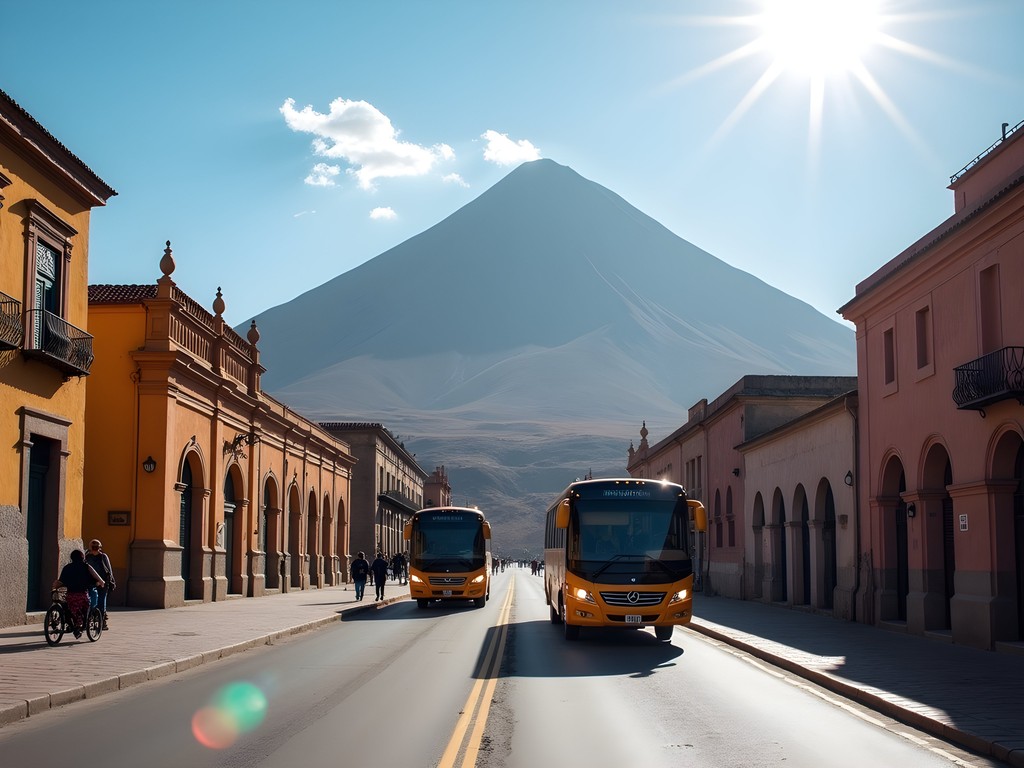
Love that shot of the colonial buildings with the mountain in the background! Potosí looks incredible.
budget_nomad
Got back from Potosí last week and can confirm everything in this guide is spot on! We did the mine tour for 80 bolivianos and it was intense but fascinating. One tip I'd add - the local market near the bus station has meals for like $2-3 that are huge and delicious. Just look for where the locals are eating! Also found a great hostel called Hostal Compañía de Jesús that was only $12/night with breakfast included. The hot water was a bit unreliable but at that price who's complaining?
winterbackpacker
Thanks for the hostel rec! Did you feel safe walking around at night?
budget_nomad
The central area felt pretty safe, but we didn't venture too far after dark. Lots of people out in the main plaza until about 9-10pm. Just use common sense like anywhere!
citybuddy738
Just got back from Potosí and followed your guide - spot on with the prices! We stayed at that same hostel and it was perfect. One tip: the altitude hit us HARD (it's over 4000m!). Take a day to adjust before doing anything strenuous. We did the mine tour with Ex-Miners Cooperative and it was intense but fascinating. The guide had worked there for 12 years! Also found an amazing sandwich shop called 'El Minero' near the central market - huge portions for like $2.
citybuddy738
Coca tea helps a lot! They serve it everywhere. And drink tons of water. We also took it super easy the first day - just walked around the center slowly.
wanderlustway
Thanks for the altitude warning! Did you take anything for it or just rest?
south_am_explorer
Just what I needed! Heading to Bolivia in December and adding Potosí to the itinerary now!
Venture X
Premium card with 2X miles, $300 travel credit, Priority Pass