
Disclosure: This article contains affiliate links. We may earn a commission from purchases at no extra cost to you, which helps our travel content.
As a cardiologist who's traversed high-altitude wonders across Peru, I've found my pulse quickening not just from elevation, but from excitement in the country's lesser-explored northern region. Piura offers that rare combination of archaeological significance, physiological challenges, and cultural immersion that continues to draw me back to Peru—all at a fraction of the cost you'd expect. My recent spring expedition revealed a region where ancient healing traditions and modern adventure converge in ways that will appeal particularly to students seeking meaningful travel on limited funds.

Understanding Piura: Peru Beyond the Postcard
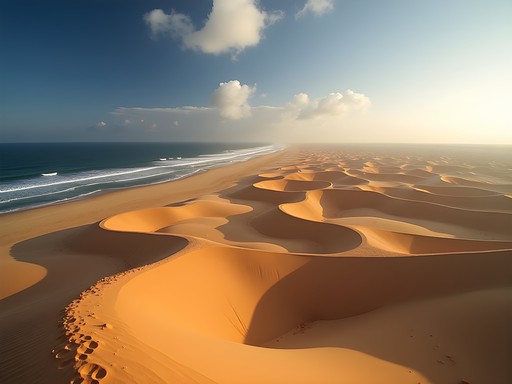
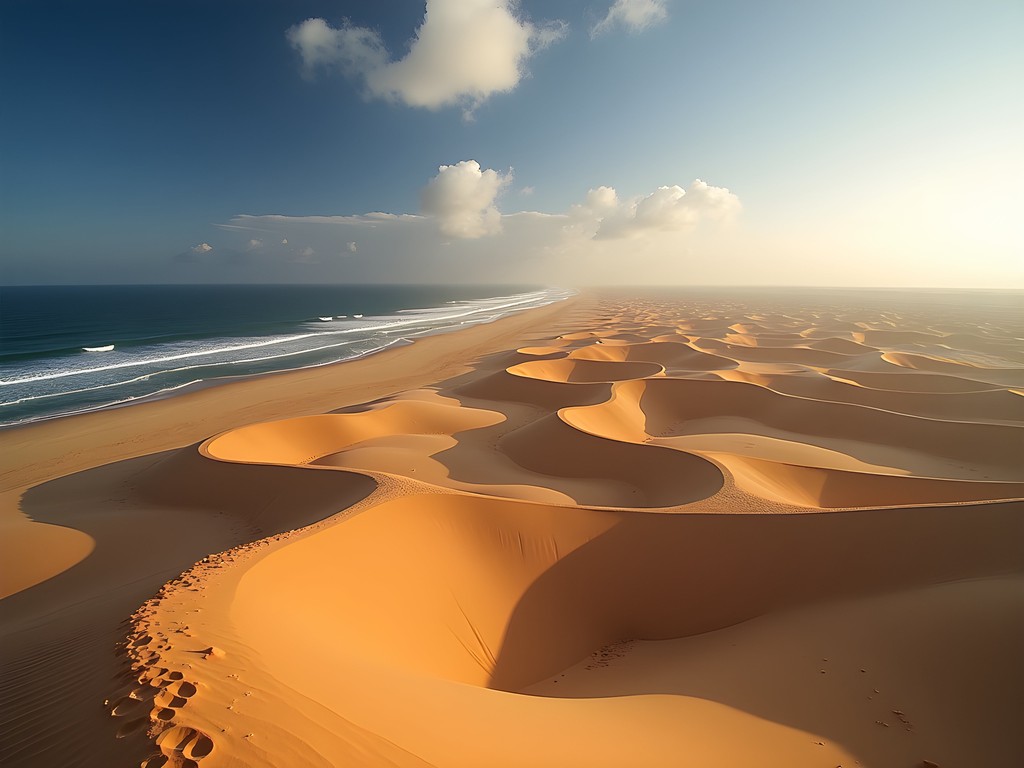
While most travelers fixate on Machu Picchu's majestic heights, Piura represents Peru's compelling counterpoint—a coastal desert region where the Sechura Desert meets the Pacific, creating a physiological paradise of contrasting ecosystems. As someone who studies the human body's adaptation to environmental stressors, I find Piura's landscape particularly fascinating.
The region's history runs as deep as its canyons, with the ancient Moche and Vicús civilizations leaving behind metallurgical marvels that rival their more famous Incan counterparts. The Vicús were creating sophisticated gold alloys centuries before European metallurgy reached similar capabilities—a fact I contemplated while examining artifacts at the Municipal Museum of Vicús.
Navigating this region requires proper preparation for both intense sun exposure and cool evening temperatures. I've found that maintaining proper hydration is critical, particularly when transitioning between microclimates. My filtered water bottle proved invaluable, allowing me to safely refill from various water sources while reducing plastic waste.
💡 Pro Tips
- Pack high-SPF sunscreen as the desert sun is deceptively intense even in spring
- Exchange currency in Piura City rather than smaller towns for better rates
- Learn basic Spanish medical terminology for emergencies—particularly important for adventure activities
Budget Accommodations: From Coastal Hostels to Mountain Homestays
For budget-conscious students, Piura offers remarkable lodging diversity without depleting your funds. In Piura City, I recommend the centrally located Hospedaje El Refugio ($10-15/night), where simple but clean rooms provide an excellent base for urban exploration. The owner, Señora Carmen, maintains an impressive herb garden with medicinal plants she's happy to discuss—a fascinating glimpse into traditional Peruvian healing practices.
Along the coast in Máncora, hostels like The Point ($12-18/night) offer beachfront access and communal kitchens. Cooking your own meals using local seafood from the morning markets can reduce your food budget by 60% while providing fresher cuisine than many restaurants.
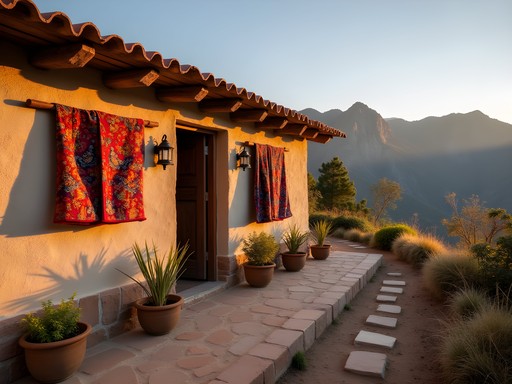
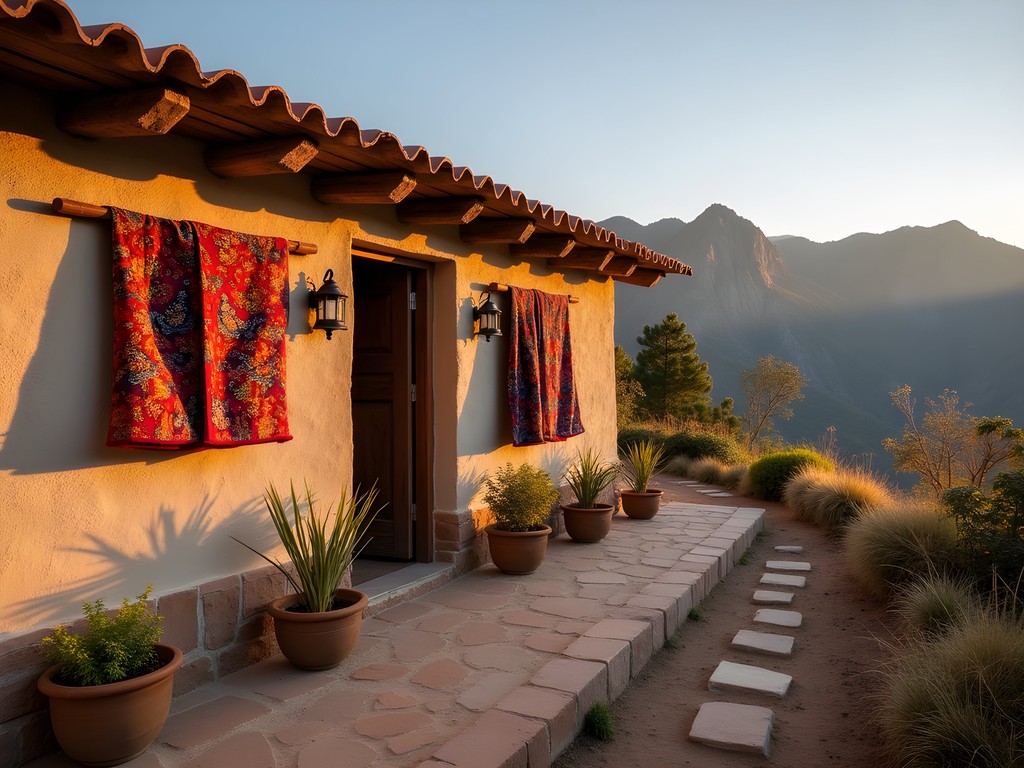
For truly immersive experiences, homestays in the highlands near Ayabaca run approximately $8-12/night including meals. These family homes offer authentic cultural exchange and often include participation in agricultural activities. During my stay with the Jimenez family, I learned traditional methods for preparing quinoa that maximize its nutritional profile—knowledge I've since incorporated into my cardiac patients' dietary recommendations.
Regardless of accommodation type, I never travel without my portable door lock for added security and peace of mind, especially in shared hostel situations or homestays where door locks may be basic.
💡 Pro Tips
- Book homestays through local organizations rather than international websites to ensure money benefits the community directly
- Bring a lightweight sleeping bag liner for hostels where bedding cleanliness may be questionable
- Negotiate multi-night discounts for stays longer than three nights—most places offer 10-20% reductions
Archaeological Wonders on a Student Budget
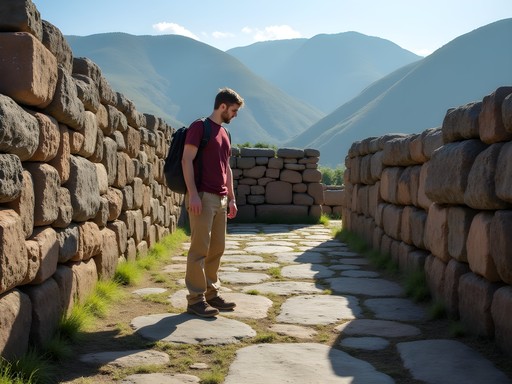
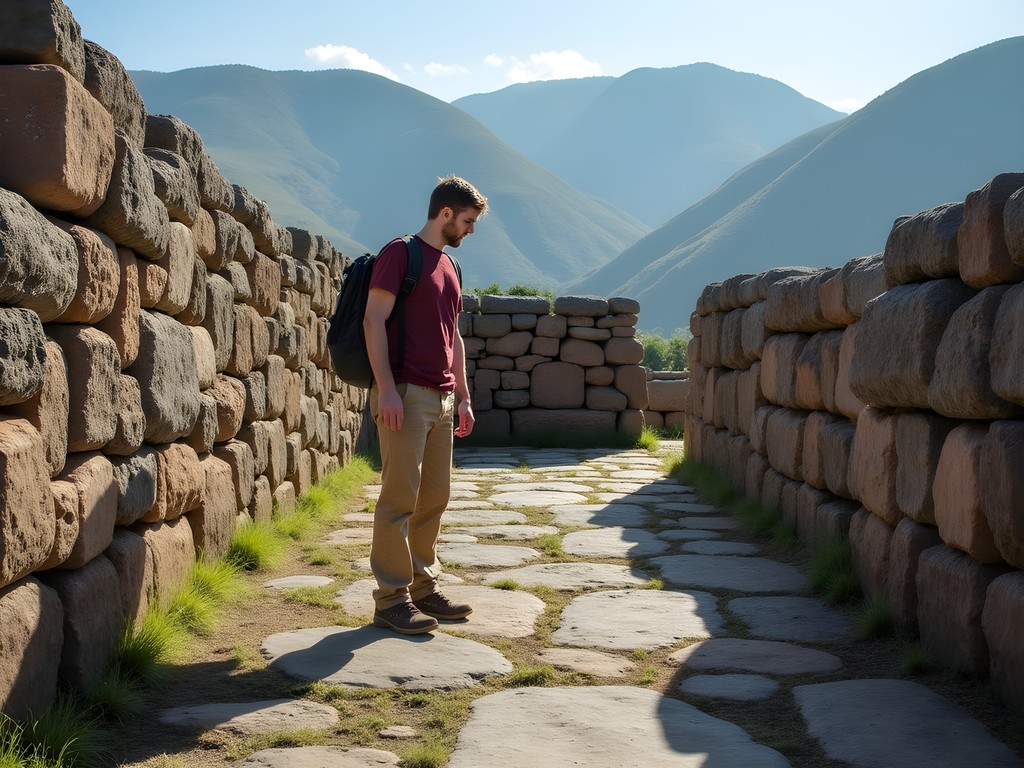
Piura's archaeological sites offer extraordinary value compared to Peru's more touristed regions. The Aypate Archaeological Complex, an administrative center of the Incan Empire, charges just $3 for entry—a stark contrast to Machu Picchu's $60+ fees. What fascinates me as a physician is how these ancient builders incorporated acoustic elements that appear to amplify specific heart-rate-synchronizing frequencies during ceremonial activities.
The Vicús archaeological zone near Chulucanas provides insight into pre-Incan metallurgical expertise. For just $2, you can examine artifacts that demonstrate sophisticated understanding of gold and copper alloys. I recommend hiring a local guide (approximately $10 for a 2-hour tour) who can explain the significance of these metallurgical techniques and their applications in ancient healing practices.
For serious archaeological enthusiasts, invest in the archaeological identification guide. This comprehensive reference helped me identify pottery fragments and understand architectural features that would have otherwise gone unnoticed during my explorations.
To fully appreciate these sites while maintaining energy levels in the intense sun, I relied on my electrolyte tablets. The combination of heat, dry air, and walking can rapidly deplete electrolytes, potentially leading to symptoms that might otherwise be mistaken for altitude sickness.
💡 Pro Tips
- Visit archaeological sites early morning (7-9am) to avoid both crowds and peak sun exposure
- Photograph information placards to research details later rather than trying to absorb everything on-site
- Bring small denominations for entrance fees as change is often limited

Therapeutic Waters: Hot Springs and Coastal Healing
Piura's diverse geography offers remarkable hydrotherapy opportunities that align with both ancient healing traditions and modern wellness principles. As a cardiologist, I'm particularly intrigued by the physiological effects of thermal contrast therapy available here at minimal cost.
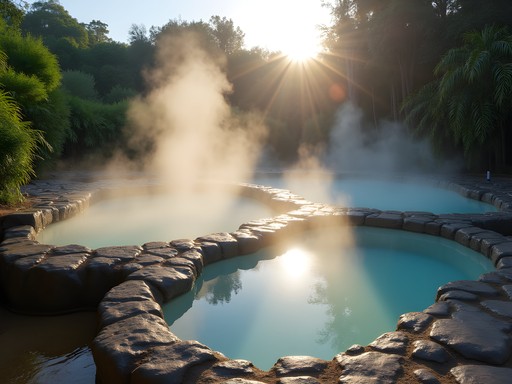
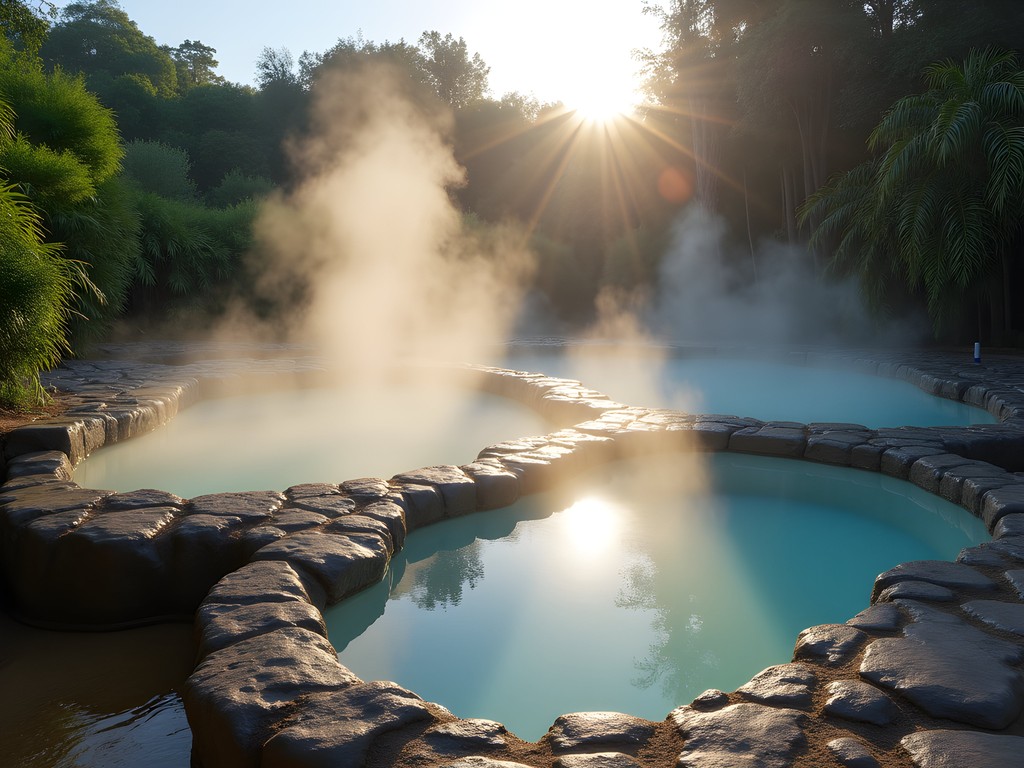
The Baños Termales de Chulucanas ($2 entry) feature mineral-rich waters containing significant levels of sulfur and magnesium—elements known to reduce inflammation and improve vascular function. I measured my own blood pressure before and after a 30-minute soak, noting a modest but measurable reduction that persisted for several hours. For optimal therapeutic benefit, I recommend alternating between the hottest pools (approximately 104°F/40°C) and cooler options.
Along the coast, the beaches of Vichayito offer natural thalassotherapy—seawater therapy—without the premium prices of dedicated spas. The combination of iodine-rich waters, negative ions from crashing waves, and trace minerals creates a natural therapeutic environment. During my visits, I practice a form of meditative breathing synchronized with wave patterns that notably improves heart rate variability.
For those exploring these healing waters, I recommend the quick-dry microfiber towel which packs down incredibly small yet absorbs remarkable amounts of water—essential for moving between multiple bathing sites in a single day without carrying soaked conventional towels.
💡 Pro Tips
- Visit hot springs on weekdays before 10am to avoid local weekend crowds
- Bring a silicone or plastic container to collect mineral-rich mud for self-applied skin treatments
- Hydrate extensively before and after hot spring sessions to maximize therapeutic benefits
Culinary Medicine: Healing Foods on a Budget
Piura's regional cuisine offers not just cultural immersion but legitimate nutritional benefits that align with contemporary cardiovascular recommendations—all at remarkably affordable prices. As someone who regularly counsels patients on heart-healthy eating, I was impressed by the natural integration of omega-rich fish, complex carbohydrates, and antioxidant-packed fruits in the local diet.
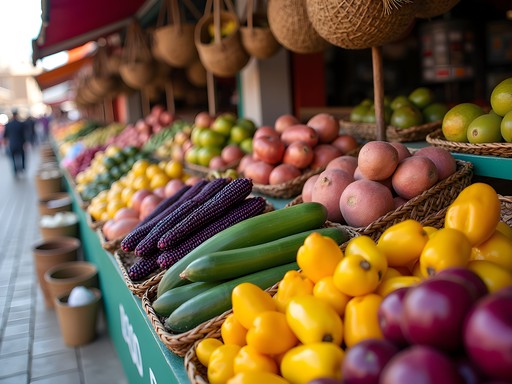
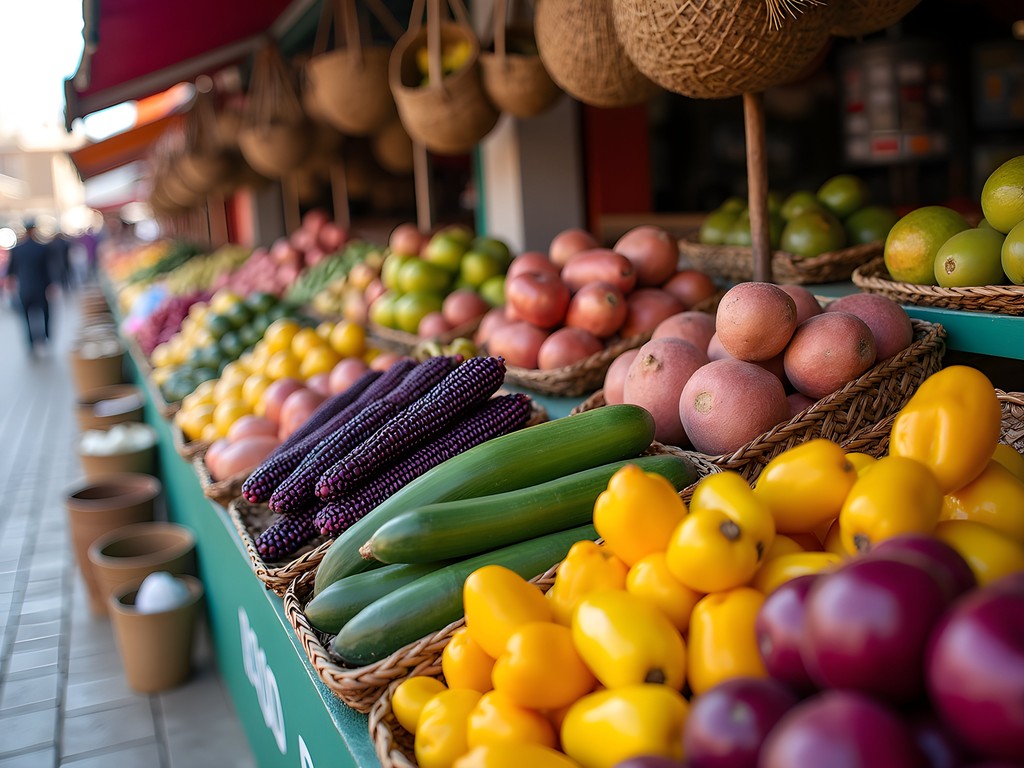
The mercados (markets) of Piura City, particularly Mercado Modelo, provide the region's freshest produce at prices 70-80% lower than supermarkets. For approximately $5, you can purchase enough fruits, vegetables, and grains for several days. The region's signature limón (Peruvian lime) contains unique phytonutrients that support vascular health—I regularly purchased a dozen for less than $1 and added them to everything from water to ceviche.
For prepared foods, seek out menú del día offerings at small family restaurants, where $3-5 buys a multi-course meal featuring fresh regional ingredients. In coastal towns like Máncora, the ceviche de conchas negras (black clam ceviche) provides exceptional levels of zinc and iron—minerals often depleted during travel.
To safely enjoy street food without digestive distress, I rely on digestive enzyme supplements before meals containing unfamiliar ingredients. This simple precaution has allowed me to explore local cuisines more adventurously while minimizing potential disruptions to my travel schedule.
💡 Pro Tips
- Shop at markets after 4pm when vendors often discount remaining produce
- Look for restaurants where local workers eat rather than those with English menus
- Learn the phrase 'sin condimentos artificiales' (without artificial seasonings) to avoid MSG in prepared foods
Final Thoughts
Piura represents what I believe to be the ideal confluence of budget travel and meaningful exploration—a region where limited funds need not limit transformative experiences. As a physician-traveler, I've found that the physiological challenges of desert heat, coastal humidity, and highland altitude create a natural laboratory for understanding human adaptation while simultaneously immersing oneself in Peru's rich cultural tapestry. For students seeking both adventure and affordability, Piura offers an unparalleled opportunity to engage with archaeological wonders, healing traditions, and natural phenomena without the financial burden of Peru's more publicized destinations. I encourage you to approach this region with both scientific curiosity and cultural respect—measure your experiences not just in Instagram-worthy moments but in the meaningful connections formed with local communities and the ancient wisdom they preserve. Your heart, both literally and figuratively, will thank you for the journey.
✨ Key Takeaways
- Piura offers archaeological experiences comparable to Peru's famous sites at 80-90% lower cost
- Alternating between coastal and highland accommodations provides maximum physiological and cultural diversity
- Local healing traditions incorporate scientifically-validated practices that modern medicine is only beginning to understand
📋 Practical Information
Best Time to Visit
March-May (spring)
Budget Estimate
$25-35 per day including accommodation, food, and activities
Recommended Duration
12-14 days
Difficulty Level
Advanced
Comments
Casey Andersson
What a refreshing take on Peru! While I typically lean toward more upscale accommodations, your post has me reconsidering. I visited Piura briefly in 2024 during a larger Peru journey, and I remember being struck by how genuine the interactions felt compared to the more touristy southern circuit. The story that stayed with me: sharing lunch with a family in Catacaos who insisted on teaching me their traditional pottery techniques. No transaction, no tour group - just pure human connection. That's the kind of travel wealth that transcends any budget category. The ceviche in that region, by the way, rivals anything I've had in Lima's fancy restaurants. Sometimes the best experiences really are the simplest ones.
sunsetbuddy2876
Going there next month!! Any specific hot springs you'd recommend? And are they easy to get to without a tour?
backpackperson
You can definitely do it without a tour but the roads are rough. Might want to buddy up with other travelers and split a taxi
Jean Wells
Dennis, excellent analysis of Piura's value proposition for budget travelers. I particularly appreciated your section on the hot springs - the Aguas Termales de Huancabamba are criminally underrated. From a solo travel perspective, I found the homestay experiences in the mountain villages to be far more enriching than coastal hostels, though admittedly less convenient for beach access. The local transportation network requires patience but functions adequately. One addition: the Museo de Sitio de Narihualá provides crucial context for understanding the Tallán culture and costs only 5 soles. Would recommend visiting before exploring the archaeological sites.
roamlife
Great photos!! Really capturing the vibe
Nicole Russell
Dennis, this is such a refreshing take on Peru! Everyone always focuses on Cusco and Lima but northern Peru deserves way more attention. I loved the section about therapeutic hot springs - as someone who's been dealing with travel fatigue lately, that sounds perfect. Quick question: what's the best time of year to visit? I'm flexible with my schedule and want to avoid any heavy rain season. Also really appreciate the medical perspective you bring to travel writing!
Dennis Coleman
Thanks Nicole! Best time is May through October - dry season with warm days. The hot springs in the highlands are especially nice then. December to March can get pretty rainy. And yes, those thermal waters are genuinely therapeutic for sore muscles after all the hiking!
coffeemate
This might be a dumb question but what's the best way to get there from Lima? Are buses reliable or should I fly?
Casey Andersson
Not a dumb question at all! I flew when I went last year (splurged on that one), but most travelers take the overnight bus. Cruz del Sur is the reliable option - takes about 14-15 hours but you save on accommodation. The bus terminals in Lima can be chaotic though, so arrive early and keep your bags close.
coolwanderer
Love this! Adding to my list
wanderlustnomad
How safe is it for solo travelers? I'm planning a trip for March and trying to decide between Piura and staying in the south.
Jean Wells
I traveled solo through northern Peru including Piura in 2024. Standard precautions apply - don't flash valuables, use registered taxis, avoid walking alone late at night. The locals were incredibly welcoming and I felt quite safe overall.
backpackperson
YES!! Finally someone covering Piura! I was there last year and honestly it was the highlight of my Peru trip. Way cheaper than Cusco and the beaches near Mancora are insane. The archaeological sites don't get the crowds like Machu Picchu so you can actually take your time. Did you check out the Vichayito beach area? Spent like $8/night at a hostel right on the water. Also the ceviche there is ridiculously good and cheap.
wanderlustnomad
Which hostel did you stay at? Looking for recs!
backpackperson
It was called Sunset Point or something like that. Super basic but clean and the owner was awesome
freeblogger2305
Just got back from Piura last month and this guide is spot on. The coastal hostels near Mancora were incredible value. We paid like $8/night for a place right near the beach. Also the archaeological sites are seriously underrated - barely any tourists compared to Machu Picchu crowds. One tip: bring cash because a lot of places don't take cards outside the main city.
Nicole Russell
This is so helpful! Did you feel safe traveling solo there? I'm thinking about adding it to my South America route.
freeblogger2305
Yeah totally! I was traveling with my boyfriend but met several solo travelers. Just use common sense like anywhere. The locals were super friendly and helpful.
Venture X
Premium card with 2X miles, $300 travel credit, Priority Pass