Disclosure: This article contains affiliate links. We may earn a commission from purchases at no extra cost to you, which helps our travel content.
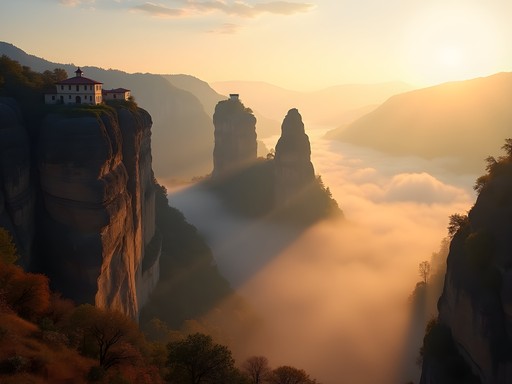
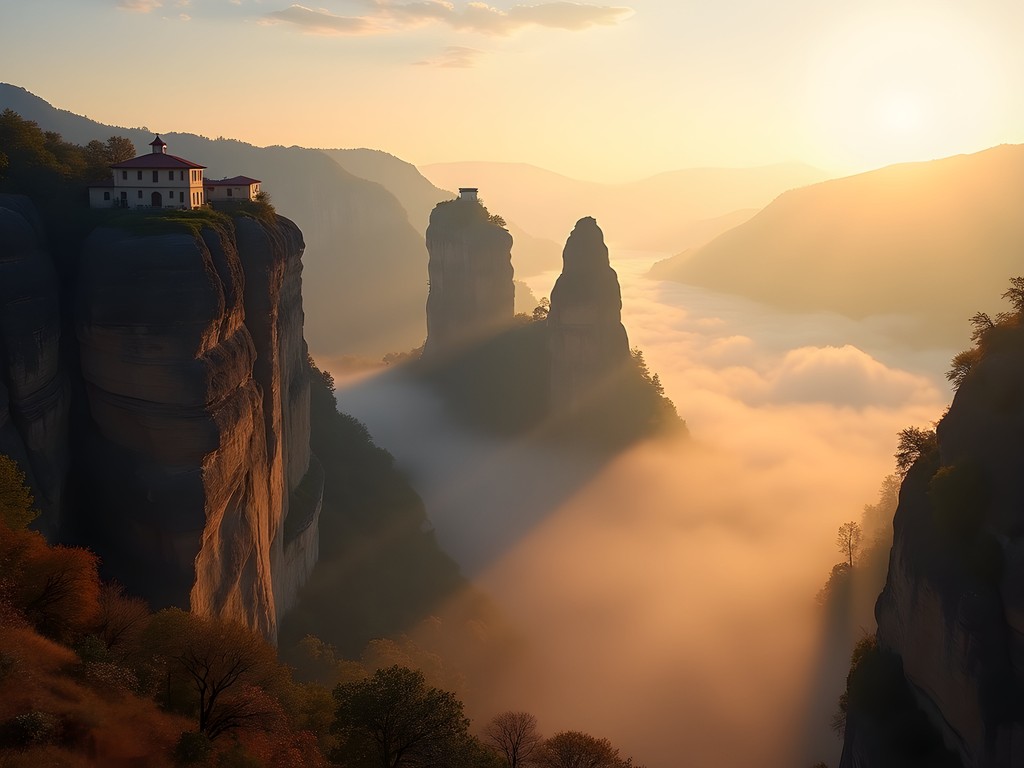
Standing at the edge of a cliff in Meteora last fall, watching the morning mist swirl around ancient monasteries perched impossibly on stone pillars, I couldn't help but whisper '¡Qué maravilla!' This wasn't my first rodeo with breathtaking landscapes—from Patagonia's jagged peaks to Norway's fjords—but Meteora's floating monasteries struck a chord that resonated with both my wilderness soul and cultural heart. The good news? You don't need to empty your wallet to experience this UNESCO wonder. Let me show you how to navigate this spiritual playground on a student's budget while maximizing every euro.
Getting to Meteora Without Breaking the Bank
When I first planned my Meteora adventure, transportation costs looked intimidating. But here's the insider track: Athens to Kalambaka (Meteora's gateway town) doesn't have to drain your savings.
The most budget-friendly route is taking the train from Athens to Kalambaka. Book your tickets through the TrainOSE website at least a few days ahead—I scored mine for just €18 one-way by booking a week in advance. Pro tip: select the slower regional trains rather than the express options to save about 40%.
Alternatively, KTEL buses run this route for similar prices, though the journey takes longer and offers less legroom. I've survived plenty of Latin American bus marathons, but if you're taller than my modest 5'10" frame, spring for the train.
Once in Kalambaka, resist the temptation of taxis. The town is compact, and most budget accommodations are within a 15-minute walk from the station. I tracked my walks using my trusty fitness tracker, which also helped map my hiking routes through the monasteries.
💡 Pro Tips
- Book train tickets 5-7 days in advance for best prices
- Choose regional trains over express to save up to 40%
- Use the TrainOSE website rather than third-party sites to avoid booking fees
Budget Accommodation: Where to Rest Your Backpack
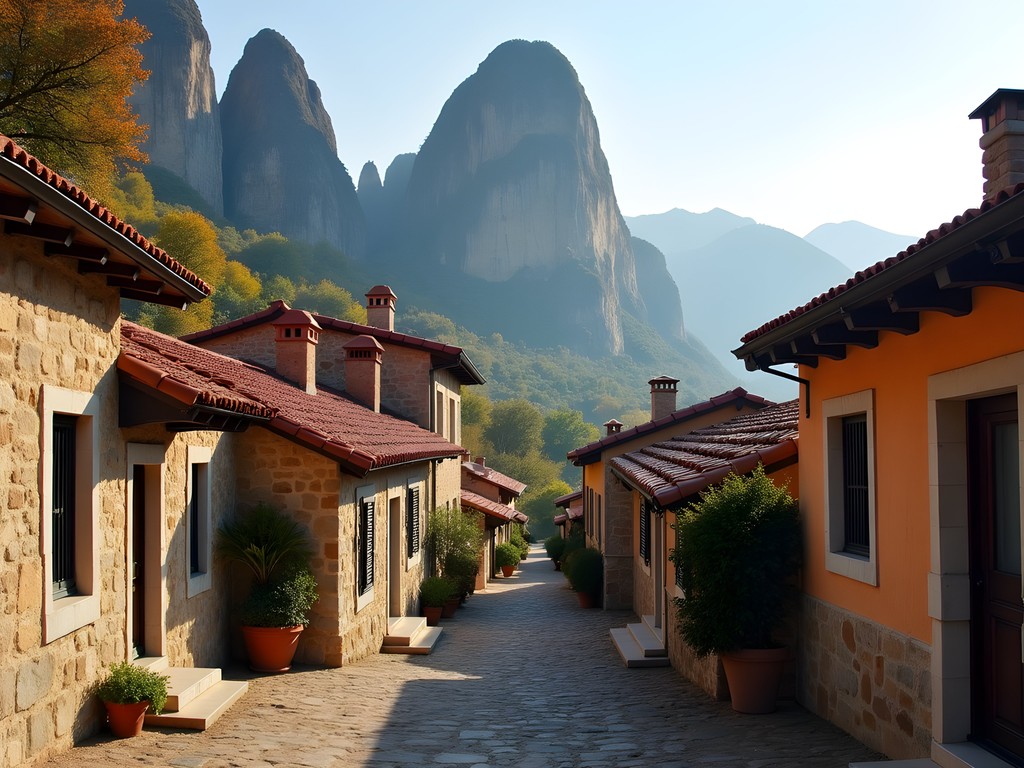
Kalambaka and neighboring Kastraki offer surprisingly affordable lodging options that won't compromise your experience. During my three-night stay, I paid just €25 per night at a family-run guesthouse in Kastraki, including a simple breakfast of yogurt, honey, and fresh bread that reminded me of mornings at my abuela's table.
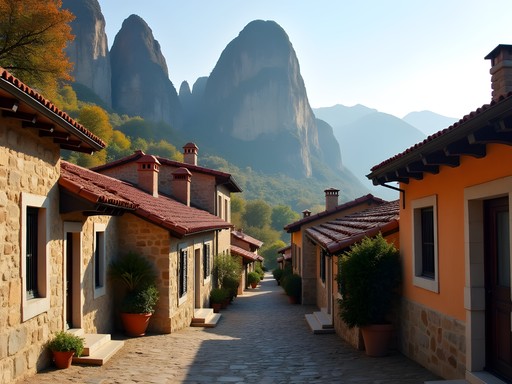
Hostels in Kalambaka start around €15 for dorm beds, while budget guesthouses range from €20-40 for private rooms. I recommend staying in Kastraki if possible—it's quieter, more charming, and actually closer to the hiking trails leading up to the monasteries.
Before booking, I always check if the accommodation offers free luggage storage on checkout day. This allowed me to hike unencumbered on my final day before catching an evening train. My packing cubes kept my backpack organized so I could easily separate what I needed for the day from what stayed behind.
Don't shy away from places with shared bathrooms—they're typically clean, and the savings are substantial. Most budget accommodations offer free WiFi, though connection quality varies wildly (don't count on streaming your favorite opera while there).
💡 Pro Tips
- Stay in Kastraki village for proximity to hiking trails and lower prices
- Book family-run guesthouses directly by email for potential discounts
- Look for accommodations that include breakfast to save on meal costs
Monastery Hopping Without the Tourist Crowds
Meteora's six accessible monasteries each charge a €3 entrance fee for students (€4 for adults)—a bargain for structures that have survived since the 14th century. But visiting all six can add up, so be selective if you're on a tight budget.
My wilderness survival instincts always push me to find the path less traveled. While most tourists arrive in tour buses between 10 AM and 3 PM, I hit the trails at dawn with my headlamp lighting the way. By 8 AM, I was often the first visitor at monasteries like Great Meteoron or Varlaam, giving me precious moments of solitude before the crowds arrived.
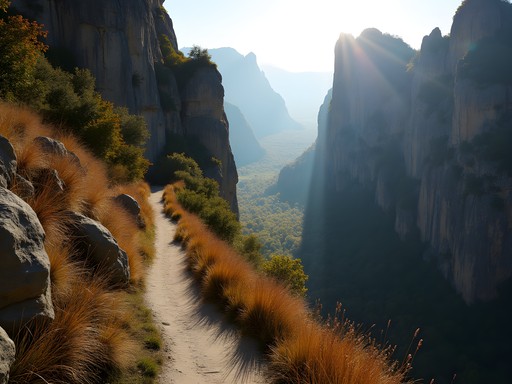
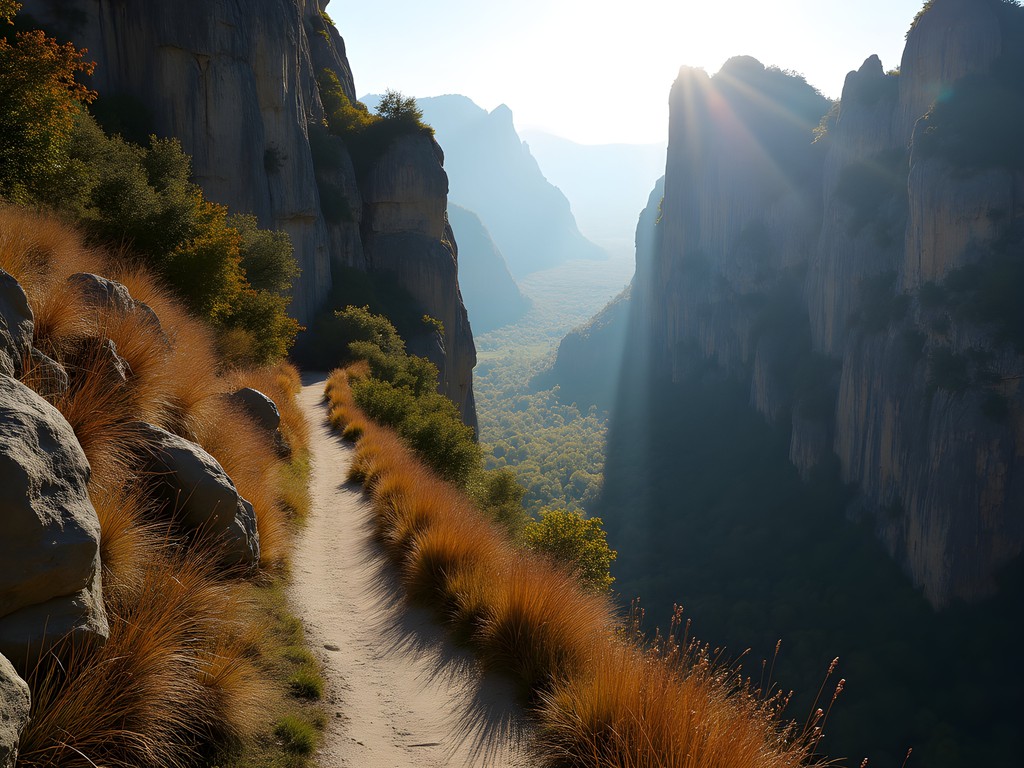
The real magic of Meteora isn't just the monasteries themselves but the network of ancient footpaths connecting them. These trails—once the only access routes for monks—offer spectacular views you'll miss from a tour bus. Download the free Meteora Hiking app before your visit; it saved me when a morning fog rolled in unexpectedly.
Remember the dress code: shoulders and knees must be covered for both men and women. I packed my lightweight travel sarong, which doubled as a shoulder cover when needed and took minimal space in my daypack.
💡 Pro Tips
- Visit monasteries early morning (8-9 AM) or late afternoon (after 3 PM) to avoid crowds
- Great Meteoron and Varlaam offer the most impressive interiors if you must choose
- Wear layers that cover knees and shoulders to avoid renting cover-ups at entrances

Eating Well on a Student Budget
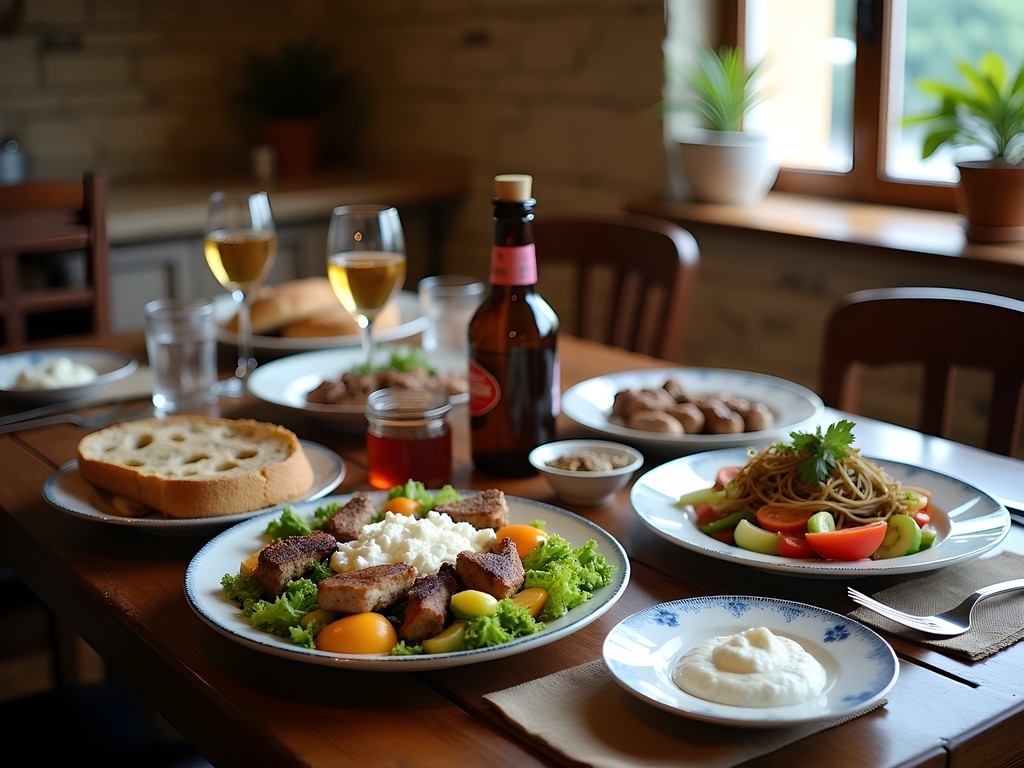
Greek cuisine is a gift to budget travelers—simple, delicious, and often inexpensive. In Kalambaka and Kastraki, I discovered that moving just two streets away from the main tourist drag cut food prices by nearly half.
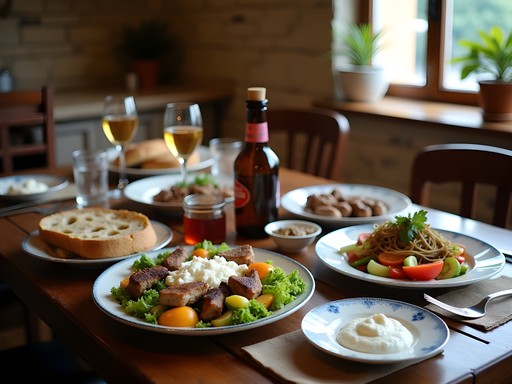
For breakfast, local bakeries sell spanakopita (spinach pie) or tiropita (cheese pie) for around €2—a filling start to a day of monastery exploration. My abuela would appreciate how these hand-pies combine simplicity with flavor, much like her own cooking philosophy.
Lunch can be as simple as a gyro pita for €3-4, or splurge on a taverna meal by ordering mezedes (small plates) to share if you're traveling with friends. The Restaurant Gardenia in Kastraki became my go-to spot, where the owner Dimitris treated me like family after my second visit, even sending complimentary local tsipouro (grape spirit) to finish meals.
Self-catering is another money-saver. The local SPAR market in Kalambaka stocks everything you need for simple meals or picnics. I kept my collapsible water bottle filled at all times—tap water is safe to drink, and staying hydrated while hiking is crucial.
For coffee lovers, avoid the tourist cafes and find local spots where Greeks pay €1.50 for a freddo espresso rather than €4. My favorite was a tiny unnamed café near the Kalambaka bus station where the barista remembered my order (double espresso, no sugar) after just one visit.
💡 Pro Tips
- Eat at least two streets away from main tourist areas for better prices
- Try the Restaurant Gardenia in Kastraki for authentic, affordable meals
- Purchase picnic supplies from the SPAR market for hiking days
Sunset Spots Only Locals Know
While tour groups flock to the official viewpoints at sunset, my wilderness instincts led me to discover hidden spots that offer equally spectacular views without the crowds.
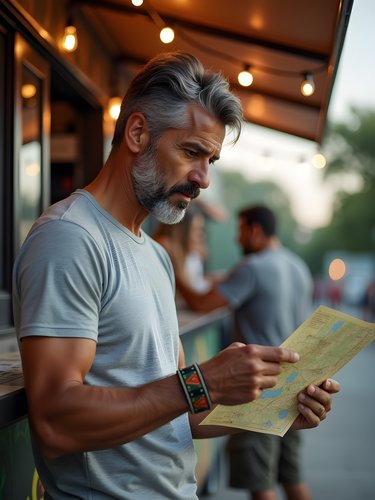
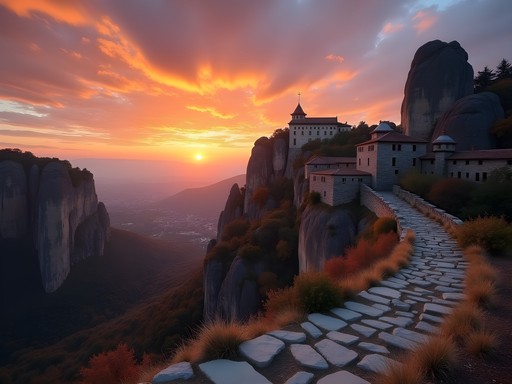
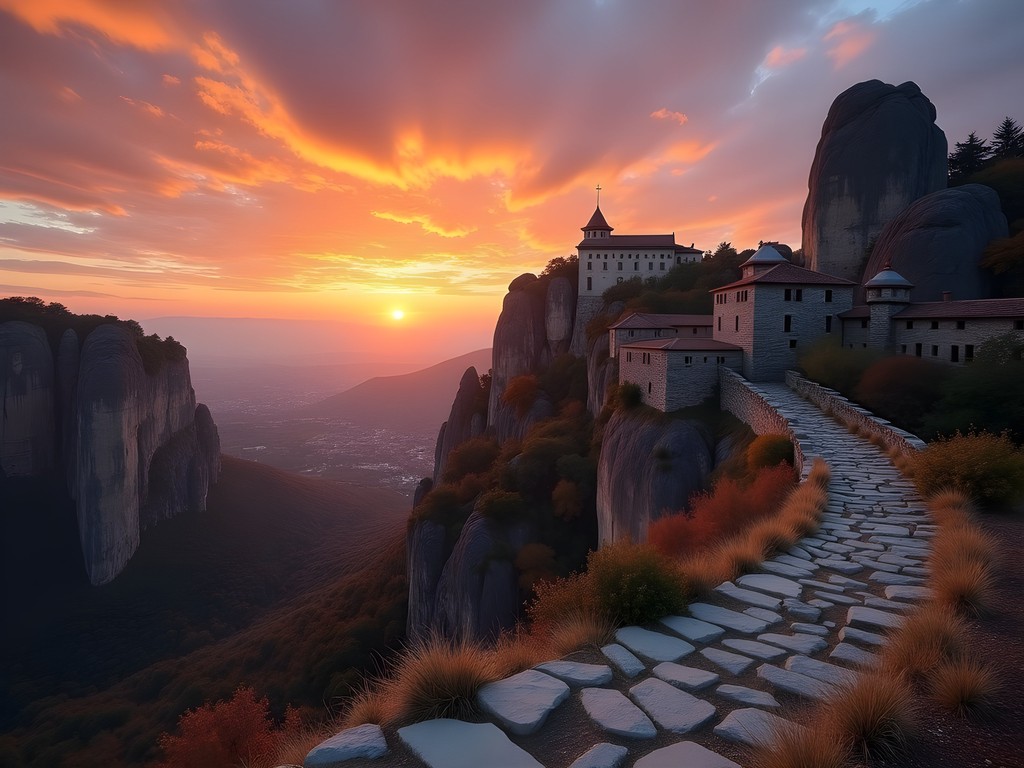
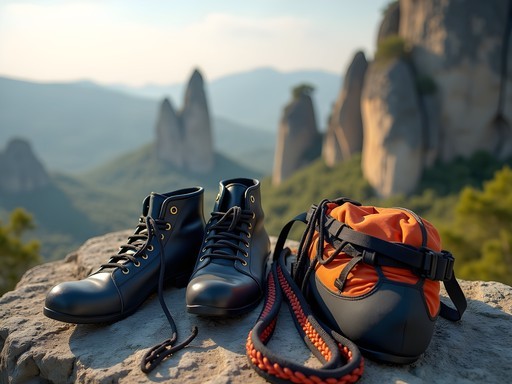
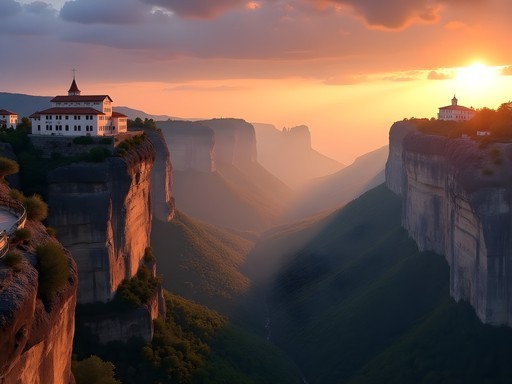
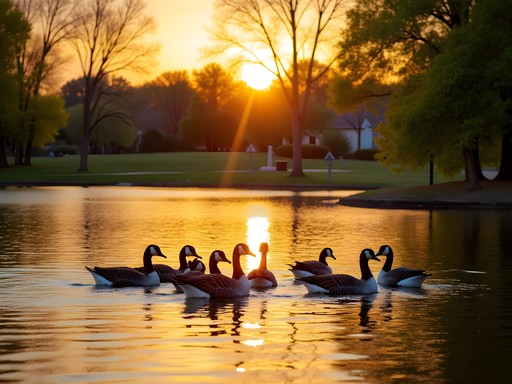
My favorite sunset location came courtesy of Georgios, my guesthouse owner, who sketched a crude map to a shepherd's path leading to a rocky outcrop facing west. The 20-minute scramble required decent footwear—my hiking shoes provided perfect traction on the loose scree—but rewarded me with solitude and a panorama that brought tears to my eyes as the setting sun painted the monasteries in gold and crimson.
Another excellent viewpoint lies between Agios Nikolaos and Roussanou monasteries, accessed via a small unmarked trail branching east from the main path. I found it by chance while foraging for wild herbs (old habits die hard), and ended up sharing the sunset with only a local shepherd and his flock.
For photography enthusiasts, these locations offer unobstructed views without guardrails or crowds. I used my phone's built-in time-lapse feature to capture the changing light, but wished I'd brought my mini tripod for more stability.
Remember to bring a headlamp for the return journey—twilight fades quickly in the mountains, and the paths can be treacherous in darkness, even for someone with my wilderness experience.
💡 Pro Tips
- Ask local guesthouse owners for their favorite viewpoints, not just the popular ones
- Pack a headlamp for safe return after sunset
- Bring extra layers—temperatures drop quickly after the sun sets, even in fall
Final Thoughts
As I boarded my train back to Athens, my heart full and my wallet still surprisingly intact, I realized that Meteora had given me exactly what I seek in travel—a harmonious blend of natural wonder, cultural depth, and spiritual resonance that doesn't require financial sacrifice. For under €200 (excluding transportation to Greece), I'd experienced one of Europe's most extraordinary landscapes in a way that felt authentic and unhurried.
Meteora isn't just about monasteries floating in the sky—it's about connecting with a landscape that has inspired spiritual seekers for centuries. By traveling slowly, seeking local knowledge, and embracing the rhythms of this sacred place, you'll discover that the most meaningful experiences rarely come with the highest price tags.
Whether you're drawn by the architecture, the history, the hiking, or simply the jaw-dropping vistas, Meteora offers a budget-friendly weekend that will linger in your memory long after you've returned home. As we say in Mexico, 'No es más rico el que más tiene, sino el que menos necesita.' (The richest person is not the one who has the most, but the one who needs the least.) In Meteora, you'll find that richness in abundance.
✨ Key Takeaways
- Visit monasteries early morning or late afternoon to avoid crowds and enjoy a more contemplative experience
- Stay in Kastraki village for lower prices and better access to hiking trails
- Seek out local eateries away from tourist areas to save money and enjoy more authentic food
- Use the ancient footpaths between monasteries rather than shuttling between them by bus or car
- Ask locals for hidden sunset spots to escape the crowds at popular viewpoints
📋 Practical Information
Best Time to Visit
Fall (September-October) or Spring (April-May)
Budget Estimate
€60-80 per day including accommodation, food, and monastery entrance fees
Recommended Duration
2-3 days
Difficulty Level
Easy To Moderate

Comments
budget_nomads
Love this guide! Bookmarking for our Greece trip.
solo_wander_woman
Great post! I visited in January and it was magical with a light dusting of snow. Almost no tourists and the monks were much more chatty. Definitely consider off-season if you don't mind cooler weather. I used my travel tripod for amazing sunset shots without anyone in the background!
backpack_dreamer
Just got back from Meteora and followed your bus advice - worked perfectly! We stayed at Meteora Central Hostel in Kalambaka which was even cheaper than the places you mentioned (€18/night in dorms) and they had a free monastery tour map that saved us hiring a guide. The bakery near the bus station has amazing spanakopita for only €2.50. Thanks for the inspiration!
greekislandhopper
That bakery is amazing! Did you try their honey cookies too?
backpack_dreamer
Yes! I bought extra for the train ride back to Athens. So good with a coffee while watching the sunrise over the rocks!
journeywalker
This is exactly what I needed! Going to Greece next month and Meteora is on my list. How difficult is the hiking between monasteries? I'm not super fit but really want to see them all!
Claire Hawkins
I visited with my family last summer! The paths between monasteries are well-maintained, but there are definitely some steep sections. My 8-year-old managed fine with breaks. Just wear proper shoes and bring water - the sun can be intense even in spring. The views make every step worth it!
journeywalker
Thanks Claire! That's reassuring. Did you visit all six monasteries in one day or spread them out?
Claire Hawkins
We spread them over two days, which I highly recommend! We did three each day, starting early to avoid crowds. Grand Meteora gets busiest, so hit that one first thing. And don't forget the dress code - they provide wraps if needed, but better to come prepared with modest clothing. ¡Disfruta tu viaje!
Alex Boyd
Great advice from Claire! I'd add that if you're on a budget, pick 2-3 monasteries rather than trying to see all six. They each have a €3 entry fee which adds up. My favorites were Grand Meteora and Varlaam for the best views and historical exhibits. The hiking between them isn't too bad if you take it slow!
springnomad
Just booked my train tickets after reading this! So excited to see those floating monasteries without spending a fortune. Thanks for the inspo! 🙏
citydiver
This is SO helpful!! Been dreaming about Meteora for years but thought it would be too expensive. You just convinced me to finally book it!!! 🙌
beachwanderer
Going there next month, any other tips?
Alex Boyd
Wear good walking shoes - the paths can be steep and rocky. And check monastery opening days before you go, they each close on different days of the week!
Lillian Diaz
This brings back memories! I backpacked through Meteora last summer and did almost exactly what you described. The sunset hike between Varlaam and Roussanou monasteries was absolutely magical - I met three other solo travelers on the trail and we ended up exploring together for two days. Pro tip: pack snacks and water because there aren't many shops once you're up on the trails. I had my water bottle which was clutch for refilling at the monastery taps. The local taverna you mentioned - Taverna Gardenia? - became my daily stop. Their moussaka was incredible and so cheap!
Jean Wells
Excellent breakdown of the costs, Alex. I visited Meteora in 2023 and your budget estimates align perfectly with what I spent. One additional tip: if you're visiting in shoulder season (late March or October), you can often negotiate lower rates at guesthouses in Kalambaka, especially for multi-night stays. I managed to get a private room for €18/night by booking directly and staying four nights. Also worth noting that the monastery entrance fees have remained at €3 per monastery, which is remarkably affordable compared to other European heritage sites.
citydiver
Good to know about the shoulder season deals! Booking for October now
happyphotographer
OMG those sunrise photos!!! 😍 Did you hike up to the viewpoints or take a tour? Going in April and want to capture shots like these!
Alex Boyd
All hiking! The trails between monasteries are well-marked. Get up early for sunrise at the Great Meteoron viewpoint - totally worth the 5am wake-up call!
happyphotographer
Thanks!! Setting my alarm now haha
Venture X
Premium card with 2X miles, $300 travel credit, Priority Pass