Disclosure: This article contains affiliate links. We may earn a commission from purchases at no extra cost to you, which helps our travel content.
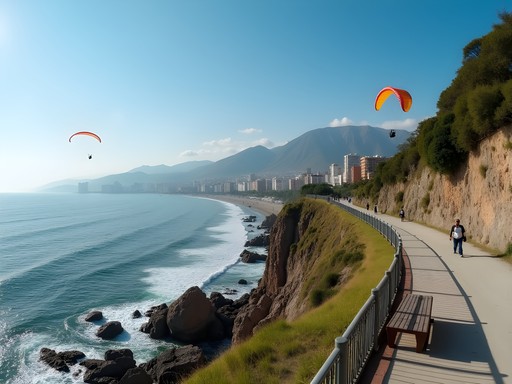
The coastal mist—la garúa as locals call it—was rolling in as I stood at Miraflores' cliff edge, watching the Pacific waves crash below. This was my third visit to Lima, but my first with a truly tight budget. After decades of travel, I've learned that financial constraints often lead to the most authentic experiences. Having recently recovered from a bout of altitude sickness in Cusco (thankfully alleviated by a combination of Western medicine and a traditional coca leaf tea remedy), I was eager to explore Lima's unique intersection of ancient healing traditions and modern science without breaking the bank. Many travelers skip Lima entirely, rushing to Machu Picchu or the Sacred Valley, but I'm here to tell you that with some insider knowledge, Peru's sprawling capital offers incredible value and unexpected wonders—including some remarkable celestial observation opportunities that few tourists ever discover.

Finding Affordable Accommodation in Lima's Best Neighborhoods
After years of trial and error across Latin America, I've learned that accommodation is where budget travelers can either blow their entire budget or save significantly. Lima presents a particular challenge—its safest, most tourist-friendly districts (Miraflores, Barranco, and San Isidro) are also its most expensive.
On my recent week-long stay, I opted for a small but clean private room at KACLLA Hostel in Miraflores for just $25/night. The location was unbeatable—just three blocks from Parque Kennedy and within walking distance of the malecón (seafront promenade). While I've outgrown dormitory beds in my 50s, they're available here for as little as $12/night if you're looking to stretch your budget further.
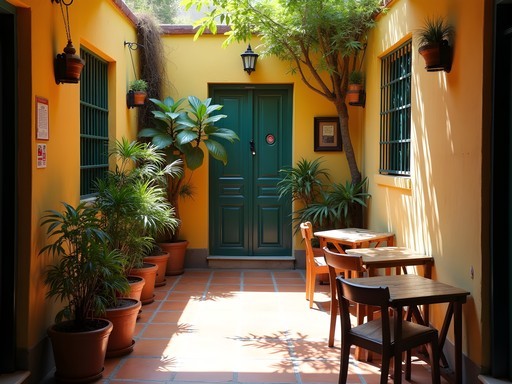
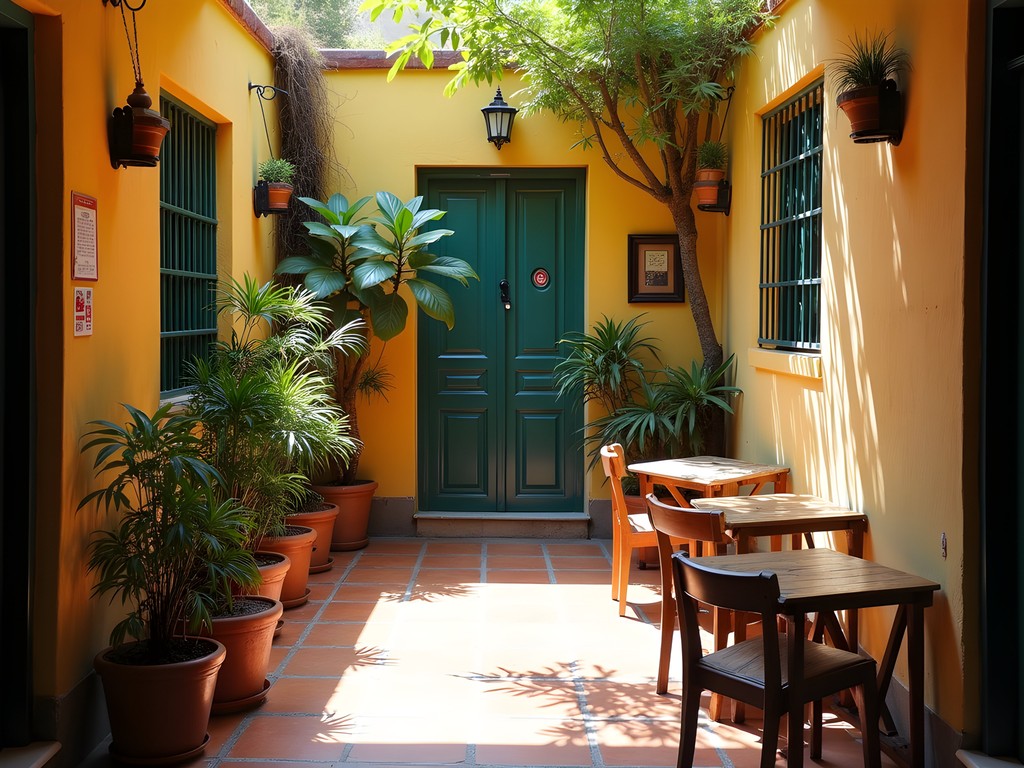
Barranco, Lima's bohemian district, offers similarly priced options with more character. I spent two nights at Hostal El Patio, a converted early 20th-century home with a peaceful interior courtyard where I could work remotely on my UX projects between explorations. The reliable Wi-Fi and included breakfast made it an exceptional value at $28/night.
For those staying longer than a few days, consider the residential district of Jesús María. It's less polished than Miraflores but perfectly safe and offers weekly apartment rentals through platforms like Airbnb at significant discounts. My friend Miguel, a local astronomer, lives here and assured me it's where middle-class limeños enjoy city life without tourist premiums.
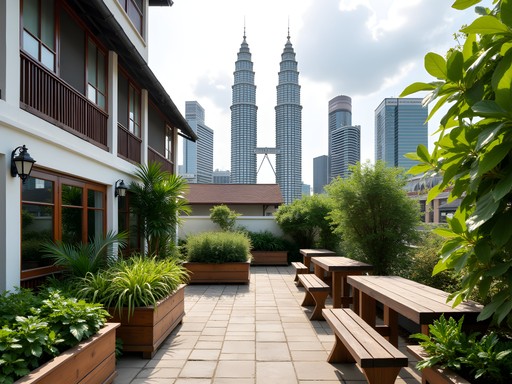
One evening, I used my travel telescope on the hostel's rooftop terrace. While Lima's coastal fog limits serious astronomy, there were moments of clarity where Jupiter and its moons revealed themselves beautifully. The hostel staff were fascinated, and soon we had an impromptu stargazing session with guests from three continents.
💡 Pro Tips
- Book accommodations that include breakfast to save $5-7 daily
- Consider staying in Jesús María neighborhood for local prices if staying 5+ days
- Hostels with kitchens allow you to cook simple meals, cutting food costs by 40-50%
Navigating Lima's Culinary Scene Without Breaking the Bank
Lima has rightfully earned its reputation as South America's gastronomic capital, but many travelers assume this means emptying their wallets at high-end restaurants like Central or Maido. The truth? Some of Lima's most authentic and delicious food experiences come with surprisingly modest price tags.
My daily food strategy starts with taking advantage of included hostel breakfasts when available. When they're not, I head to local panaderías (bakeries) for fresh pan con queso (cheese bread) and a strong Peruvian coffee for about $3 total.
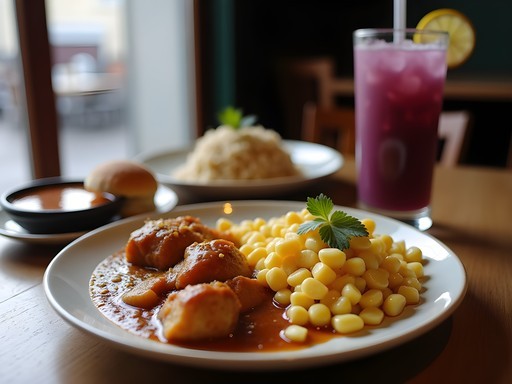
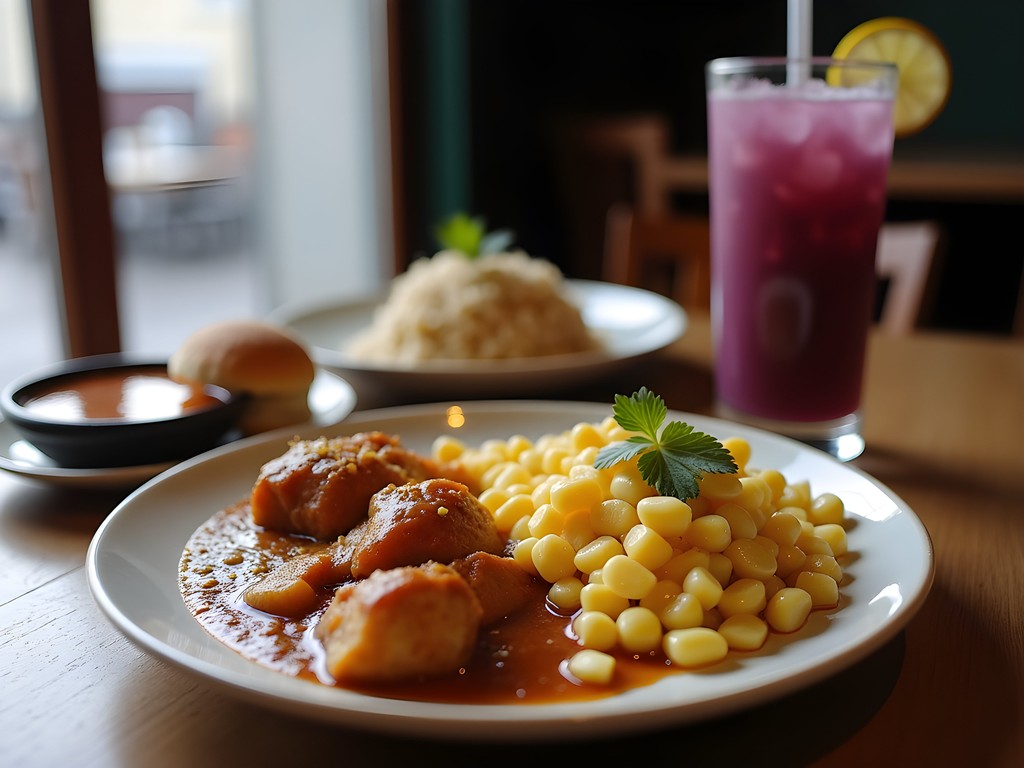
For lunch—typically the main meal in Peru—I seek out menú restaurants, where $4-6 buys a complete meal including soup, a main dish, beverage, and sometimes dessert. My favorite discovery was a small family-run spot called El Chinito in Barranco, where the daily menú featured the most tender lomo saltado (stir-fried beef) I've had outside of a high-end restaurant.
Dinner presents more options for budget travelers. The anticucho (beef heart skewers) vendors who set up near Parque Kennedy after dark offer delicious street food experiences for about $3 per portion. If you're squeamish about street food, market-based cevicherías offer fresh catches until early evening—just remember that locals consider ceviche a lunch dish, not dinner.
One evening, I splurged slightly at La Lucha Sanguchería, where $7 bought a massive chicharrón sandwich and fresh juice. I enjoyed it on a bench overlooking the Pacific as the sun set, reminding myself that some experiences justify stretching the budget a little.
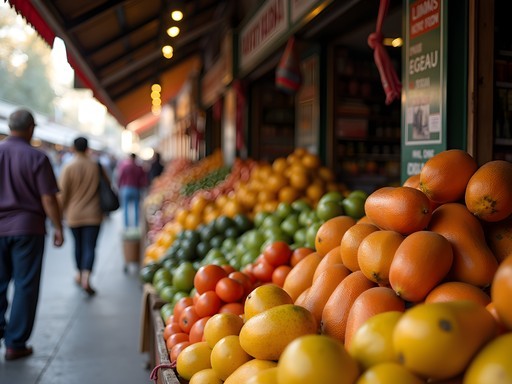
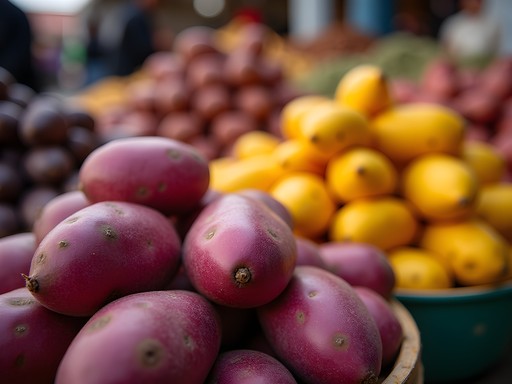
Don't miss the Mercado de Surquillo, where I purchased local fruits like chirimoya and lucuma for snacks at a fraction of supermarket prices. These fruits have been used in traditional Andean medicine for centuries—the vendors often share fascinating details about their health properties if you show genuine interest and attempt some Spanish.
💡 Pro Tips
- Look for 'menú del día' signs for complete meals under $5
- Visit Mercado de Surquillo for affordable produce and authentic food stalls
- Street food near universities is both cheap and held to higher standards
Free and Low-Cost Cultural Experiences in Lima
Lima offers remarkable cultural depth that can be experienced with minimal expense if you know where and when to go. My first recommendation is always to take advantage of free museum days. The impressive Museo Larco, home to pre-Columbian art including fascinating medical artifacts, offers free admission on the first Friday of each month from 3-7pm. I spent hours examining ancient surgical tools and ceramic vessels depicting medicinal plants that are still used by traditional healers today.
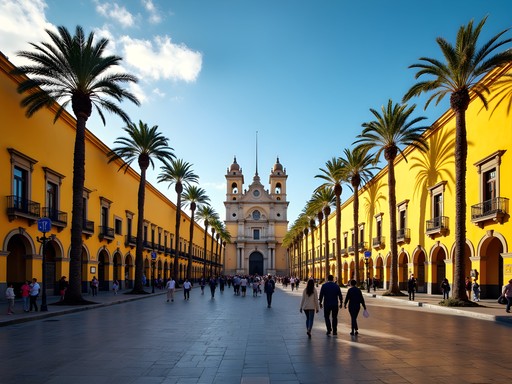
The historic center of Lima, a UNESCO World Heritage site, rewards those willing to explore on foot. I joined a free walking tour (tip-based) that departed from Plaza San Martín, where our guide Ricardo shared insights about colonial architecture and the medicinal gardens once maintained by Dominican friars. These gardens grew plants that formed the foundation of Peru's traditional medicine practices—many of which saved my trip after altitude sickness in the Andes.
For those interested in astronomy and science, the Planetario Nacional in the Parque de la Amistad offers shows for just $2.50. While modest compared to major planetariums, it features presentations about Incan astronomical knowledge that I found fascinating, especially their explanations of how the ancient Peruvians used celestial observations for agricultural planning.
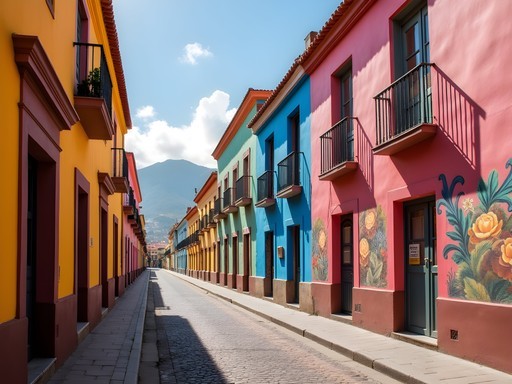
Barranco's art scene can be enjoyed almost entirely for free. I spent a delightful afternoon wandering through public galleries and street art installations, culminating at the Bridge of Sighs (Puente de los Suspiros). Local legend says if you can hold your breath while crossing the bridge, your wish will come true—mine was for clear skies for stargazing, which partially came true later that week!
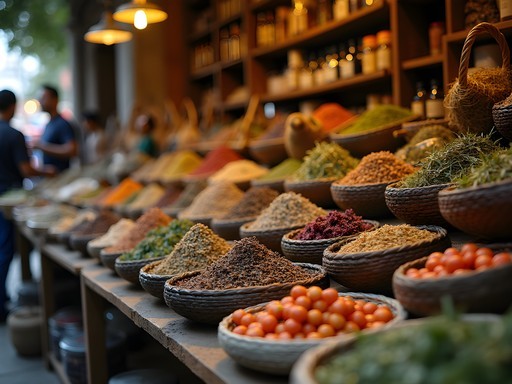
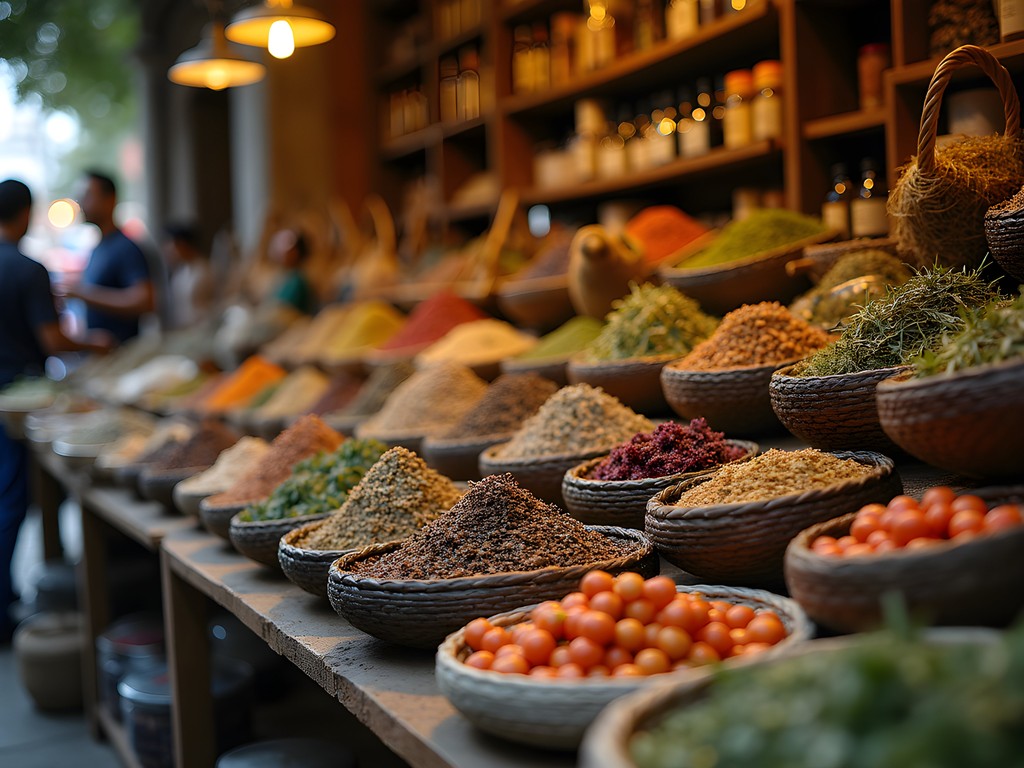
To truly understand Lima's spiritual and healing traditions, visit the Mercado de Brujas (Witches' Market) near the central market. Here, traditional curanderos (healers) sell medicinal herbs, ritual objects, and offer advice. While I don't recommend purchasing the more exotic items (some raise ethical and conservation concerns), the experience provides invaluable insight into Peru's living traditional medicine practices. I bought a small bag of muña tea (Andean mint) for $1, which locals recommended for digestion—it worked wonders after heavy meals.
For evening entertainment, seek out peñas, traditional music venues where locals gather. La Candelaria in Barranco sometimes offers free entry before 9pm, providing the perfect opportunity to experience authentic criollo music without spending on cover charges.
💡 Pro Tips
- Visit museums during their free admission hours or days
- Download the free Lima Walking Tour app for self-guided explorations
- Check university bulletin boards for free cultural events and lectures

Transportation Hacks for Budget Explorers
Lima's sprawling nature presents a transportation challenge for budget travelers, but with some local knowledge, you can navigate the city efficiently and affordably. During my recent visit, I primarily relied on the Metropolitano bus system—Lima's closest equivalent to a subway. At less than $1 per ride, it's both economical and faster than regular traffic since it operates in dedicated lanes.
For areas not served by the Metropolitano, the traditional micro buses (combis) cost around $0.50 per ride. They're admittedly chaotic—route information is shouted by fare collectors hanging from open doors—but they're how locals travel and provide an authentic experience. I always keep a small crossbody bag for these journeys, worn under my jacket with just enough cash for the day.
When venturing to Lima's outskirts, like my trip to the Pachacamac observatory and archaeological site, collective taxis (colectivos) offer good value. These shared rides follow set routes and depart when full. The 30km journey to Pachacamac cost me just $3 each way.
For late nights or when carrying my astronomy equipment, I use authorized taxi services or rideshare apps. While more expensive ($5-10 per ride), they're safer than hailing street taxis, especially for visitors. I've found that DiDi often offers better rates than Uber in Lima.
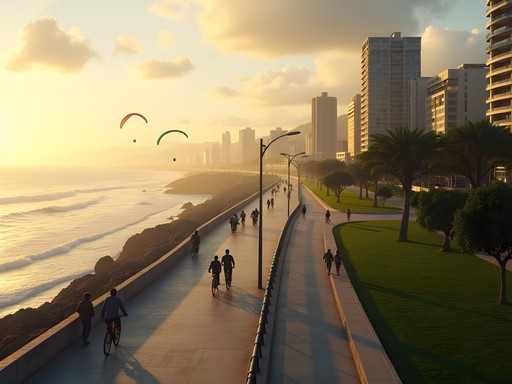
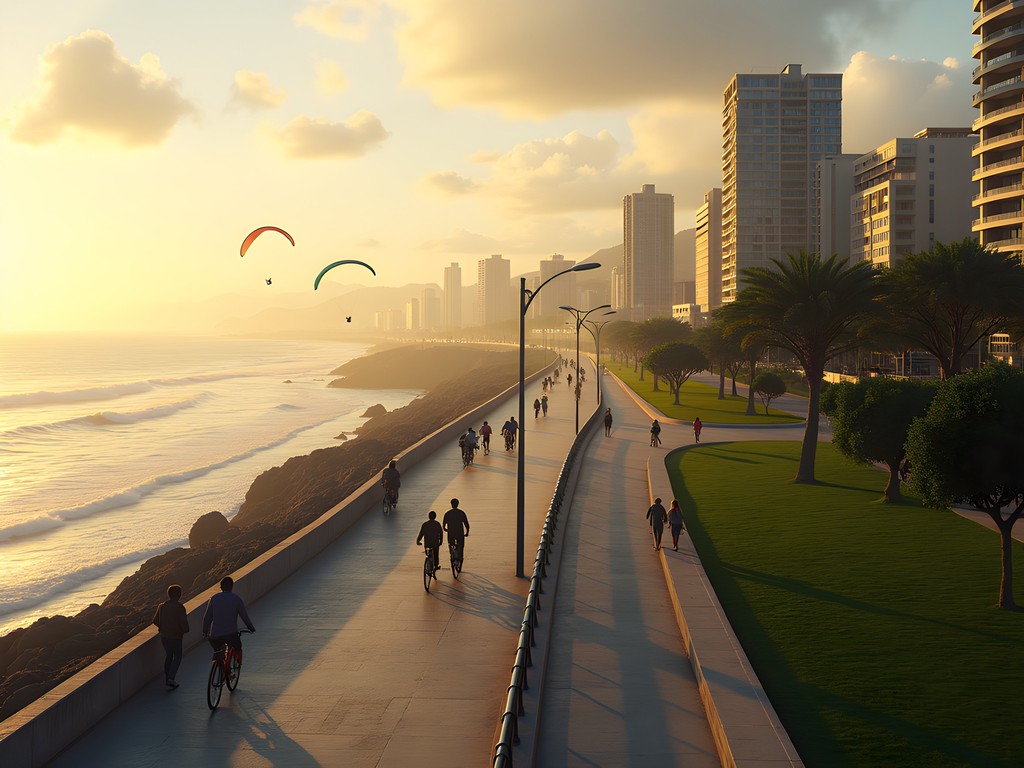
One of my best discoveries was Lima's bike rental system. The coastal districts have excellent cycling infrastructure along the malecón, and daily bike rentals run about $5-7. I spent one glorious afternoon cycling from Miraflores to Barranco and back, stopping at scenic viewpoints where I could see fishing boats that still use techniques dating back to pre-Inca civilizations.
Walking remains my preferred mode of transportation when possible. Lima's main tourist districts are more walkable than they initially appear. I logged over 15,000 steps daily on my fitness tracker, exploring neighborhoods while saving on transportation costs. Just remember to stay in well-traveled areas, especially after dark.
💡 Pro Tips
- Buy a reloadable Metropolitano card for frequent bus travel
- Use the TuRuta app to navigate Lima's complex bus system
- Walk between Miraflores and Barranco along the scenic malecón rather than paying for transportation
Stargazing and Traditional Medicine: Lima's Hidden Connections
While Lima's coastal fog makes it less than ideal for serious astronomy, the city offers unique opportunities to explore the fascinating intersection of celestial observation and traditional healing practices—my two greatest passions since my health crisis years ago.
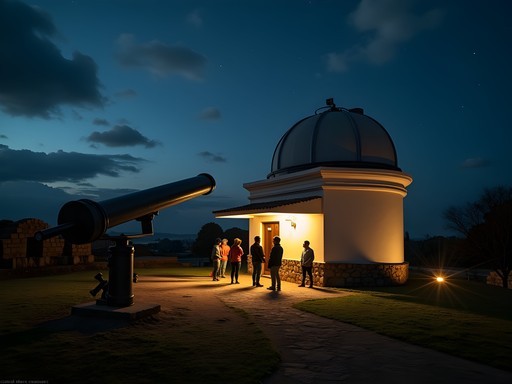
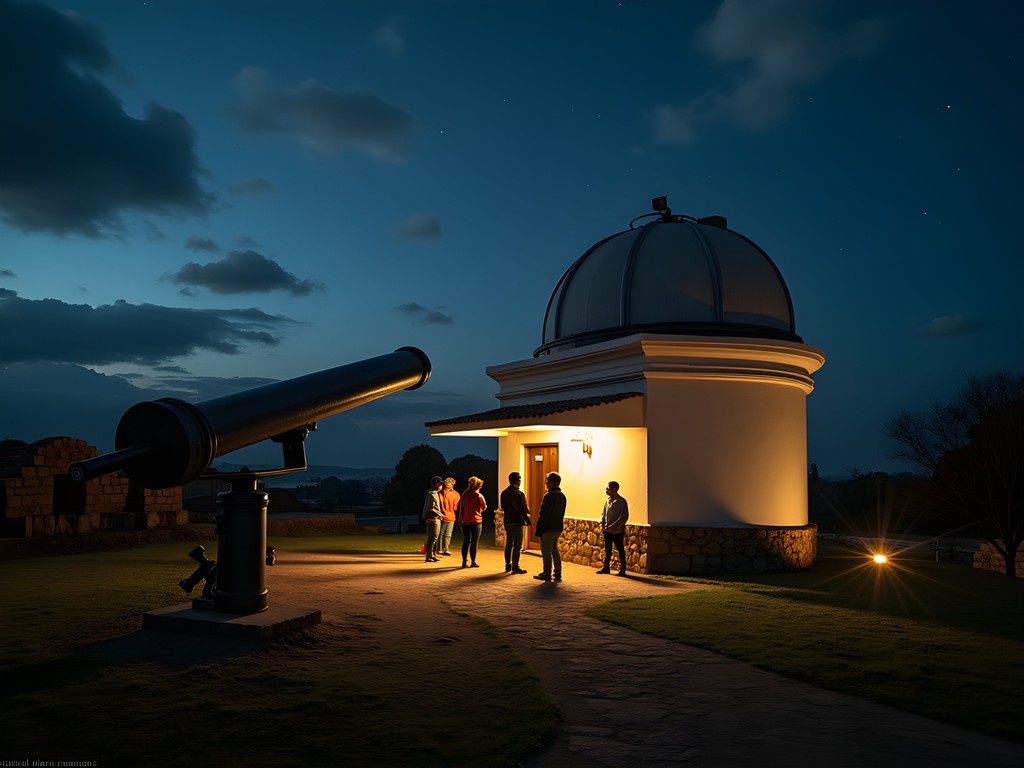
My most memorable experience came from a day trip to Pachacamac, about 31km southeast of central Lima. While most visitors come for the impressive pre-Columbian ruins, I arranged a special evening visit to the small observatory operated by the Universidad Nacional Mayor de San Marcos. For a $5 donation, visitors can view the night sky through several telescopes when weather permits. The real treasure was meeting Dr. Alejandro Huamán, an astronomer who studies how ancient Peruvians used celestial observations to time agricultural activities and healing rituals.
"The Incas understood the connection between cosmic cycles and medicinal plant potency," Dr. Huamán explained as we observed Jupiter through a 10-inch reflector telescope. "Certain healing herbs were harvested only during specific lunar phases to maximize their effectiveness."
Within Lima proper, the Planetario Nacional in Jesús María district offers programs specifically about Andean cosmology for just $2.50. Their presentation on how pre-Columbian cultures mapped constellations—seeing dark cloud formations rather than star patterns—provided insight into how deeply astronomy was woven into traditional medical practices.
For those interested in traditional medicine, I recommend visiting the herb market section of Mercado Central. Here, I met Doña Claudia, a third-generation natural healer who explained how different medicinal plants correspond to celestial bodies in traditional Peruvian medicine. She showed me uña de gato (cat's claw), a bark she associated with Jupiter's healing energies, which research has shown contains compounds with anti-inflammatory properties.
The Museo Nacional de Arqueología, Antropología e Historia del Perú (admission $1.50) houses artifacts showing how ancient Peruvians documented celestial events alongside medical procedures. I was particularly moved by ceramic vessels depicting healers consulting star positions before performing treatments.
For a truly special experience that combines both interests, time your visit to coincide with the Healing Moon ceremony held monthly near the full moon at Huaca Pucllana, an ancient pyramid in Miraflores. While the regular archaeological tour costs $3.50, the special evening program (approximately $10) includes traditional healers explaining how lunar cycles influence traditional medicine preparation.
💡 Pro Tips
- Visit Pachacamac Observatory on Thursday evenings when university astronomers offer public viewing sessions
- Ask permission before photographing traditional healers or their materials at markets
- Learn basic astronomy terminology in Spanish to better connect with local science enthusiasts
Final Thoughts
As my week in Lima drew to a close, I found myself sipping coca tea on the malecón, watching both the misty Pacific horizon and my budget—both had held up remarkably well. Lima revealed itself not as the expensive stopover many travelers dismiss it as, but as a destination rich with affordable experiences connecting my twin passions of astronomy and traditional healing practices. The city taught me once again that travel on a shoestring often leads to the most authentic connections. Whether you're marveling at pre-Columbian astronomical knowledge at Pachacamac or discussing medicinal herbs with market vendors, Lima rewards the curious budget traveler with experiences no luxury tour could provide. Hasta pronto, Lima—I'll be back soon to continue exploring your perfect balance of cosmic wonder and earthly healing, all while keeping my wallet intact.
✨ Key Takeaways
- Lima can be thoroughly enjoyed on under $50/day with strategic planning
- The intersection of astronomy and traditional medicine offers unique cultural insights
- Local markets and menú restaurants provide the most authentic and affordable experiences
- Free museum days and walking tours offer high cultural value at minimal cost
📋 Practical Information
Best Time to Visit
April-October (dry season)
Budget Estimate
$40-50 per day
Recommended Duration
5-7 days
Difficulty Level
Intermediate
Comments
Gregory Boyd
Solid breakdown, Zachary. I spent three weeks in Lima last year doing research for my South America guide and your budget numbers track with my experience. One thing I'd add - the Museo Larco has free entry on Sundays if you go after 3pm, and it's genuinely world-class for pre-Columbian artifacts. Also, the combis (shared minivans) are even cheaper than the Metropolitano if you're comfortable with a bit more chaos. They run set routes for about 1-2 soles. The Larcomar shopping center gets touristy but the cliff views at sunset are free and spectacular. Worth noting that $50/day is very doable, but factor in an extra $10-15 if you want to do a day trip to Pachacamac ruins or the beaches south of the city.
springguy
Thanks for the museum tip!!
winterlover
Love this! Going in August
greenwalker
Zachary - quick question about accommodation. You mentioned staying in Barranco, but did you find any decent hostels in Centro Historico? I'm planning 5 days in Lima and want to be walking distance to the main historical sites. Also curious if you felt safe walking around there with camera gear?
Zachary Morales
Hey! Yeah, there are some solid options in Centro. I stayed at Hostal Roma one trip and it was clean and safe, about $15/night. Centro is fine during the day but I'd take an Uber back after dark. The Plaza de Armas area is well-patrolled though. Just keep your camera tucked away when not actively shooting.
journeylife
We did the public transportation thing last year and honestly it was great once you figure it out. The Metropolitano bus system is super cheap and gets you everywhere. Also totally agree on the menu del dia restaurants - we ate SO well for like $3-4 per meal. Barranco was our favorite neighborhood, way more chill than Miraflores but still safe.
winterlover
How safe did you feel using the buses at night?
journeylife
We stuck to Uber at night honestly, it's still pretty cheap. Maybe $3-5 for most rides within the tourist areas.
springguy
This is awesome! Adding Lima to my list now!!
springbuddy
Just booked my hostel in Barranco based on this post! Can't wait to try the ceviche spots you mentioned.
Zachary Morales
Great choice! Don't miss El Muelle for the best price-to-quality ratio on ceviche. Ask for the 'menu del día' for the best deal!
dreamace
Just got back from Lima and followed a lot of your recommendations! The anticuchos from that street vendor near Parque Kennedy were AMAZING and only cost 5 soles. We also found this incredible hidden spot for breakfast - Pan de la Chola in Miraflores. Not super cheap but worth the splurge one day (still under $8 for amazing bread and coffee). One thing I'd add - download the city map on Maps.me before going. Saved us when we got lost in Barranco with no data! Thanks for this guide, it really helped us stick to our budget!
coolphotographer
Any recommendations for photography spots that aren't swarming with tourists? Planning to bring my DSLR but don't want to stand out too much for safety reasons.
Timothy Jenkins
Excellent breakdown of Lima's budget options, Zachary. I'd add that timing is everything when visiting Lima. I went during their winter (June-August) and not only were accommodations cheaper, but the coastal fog created this mysterious atmosphere that photographers will adore. For those concerned about costs, I found the prepaid SIM cards at the airport to be overpriced - wait until you reach a local Claro or Movistar shop in Miraflores for better rates. Also, the free art galleries in Barranco make for a culturally rich afternoon that costs nothing but time. I tracked all my expenses with travel budget app which helped me stay under $45/day including everything. The section on transportation hacks is spot on - those prepaid Metropolitano cards are a lifesaver!
springbuddy
Thanks for the SIM card tip! Was planning to grab one at the airport.
wavegal
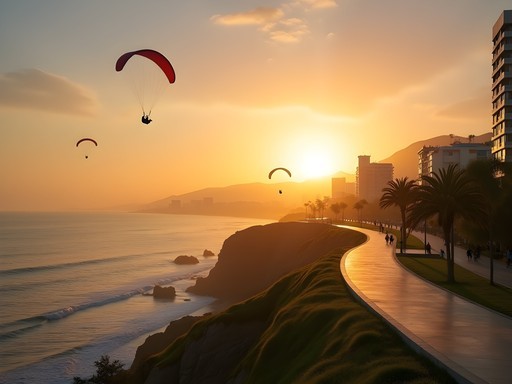
Those sunset pics from the malecón are gorgeous! 😍
Venture X
Premium card with 2X miles, $300 travel credit, Priority Pass