

Disclosure: This article contains affiliate links. We may earn a commission from purchases at no extra cost to you, which helps our travel content.
After decades of navigating disease outbreaks in remote corners of the world, I've developed a particular affinity for destinations that remain largely untouched by mass tourism. Khulna, Bangladesh's third-largest city and gateway to the UNESCO-protected Sundarbans mangrove forest, exemplifies this perfectly. During my recent winter expedition, I managed to explore this fascinating region on approximately $30 USD per day—a figure that would raise eyebrows even among seasoned budget travelers. What follows is a methodical breakdown of how to experience this ecological treasure and its urban gateway without depleting your savings.

Navigating Khulna: Transport Economics and Logistics
Arriving in Khulna typically involves a 6-8 hour journey from Dhaka, with the government-run bus service costing approximately 550-700 taka ($5-7 USD). I opted for a sleeper train on the Sundarban Express (450 taka/$4.20 USD), which proved remarkably efficient despite departing 47 minutes behind schedule—a statistically insignificant delay by South Asian railway standards.
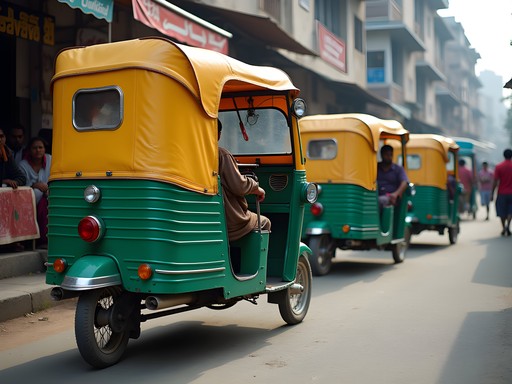
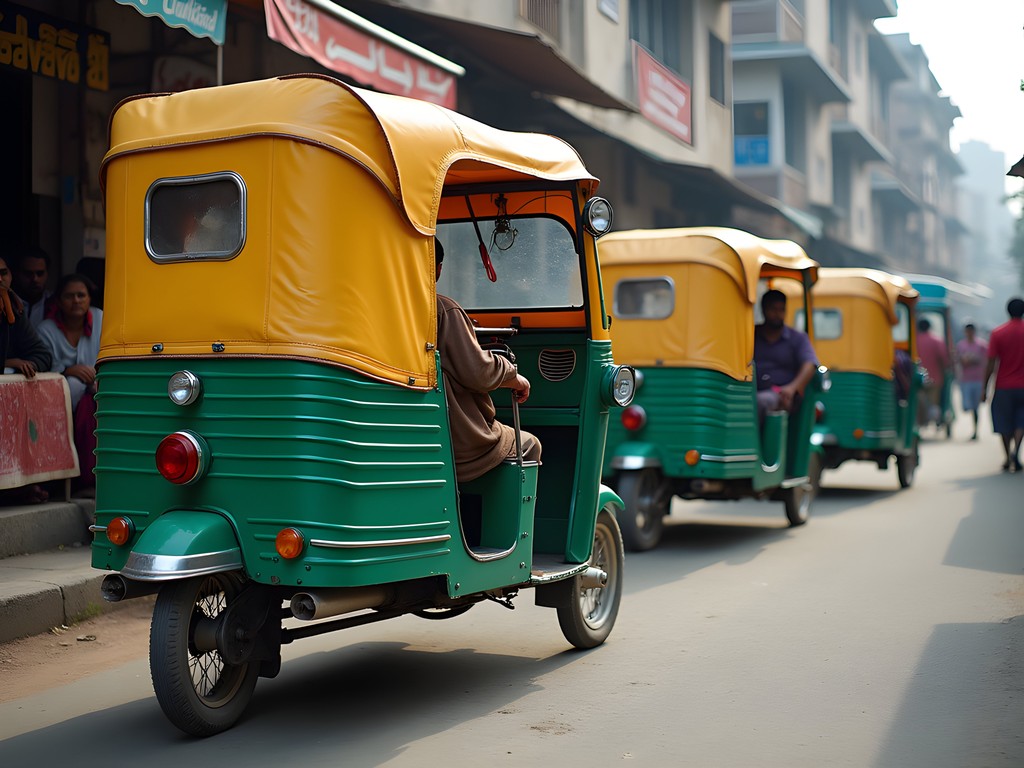
Once in Khulna, the city's compact center becomes your ally in budget management. I traversed most areas on foot, occasionally employing cycle-rickshaws for longer distances (20-40 taka/$0.20-0.40 per trip). For those preferring motorized transport, CNG auto-rickshaws operate on meters or negotiated fares. I found carrying a pocket translator invaluable for fare negotiations, potentially saving 15-20% on transport costs through clearer communication.
For day trips to nearby sites like the Mongla Port or outlying villages, consider hiring a motorcycle taxi (locally called 'service') for approximately 500 taka ($4.70) for half-day excursions. The drivers often double as impromptu guides, offering insights no guidebook could provide.
💡 Pro Tips
- Always agree on rickshaw fares before starting your journey
- Download the Pathao app (Bangladesh's version of Uber) for occasional rides with transparent pricing
- Travel between 10am-4pm for less crowded public transport
Budget Accommodation: The Statistical Advantage of Winter
Visiting Khulna during winter (November-February) presents a significant statistical advantage: accommodation rates decrease by approximately 30-40% compared to peak season, while offering the most comfortable climate conditions (average temperatures of 15-25°C). My epidemiological background has taught me that this season also coincides with lower mosquito populations—a non-trivial consideration in a region where vector-borne diseases remain endemic.
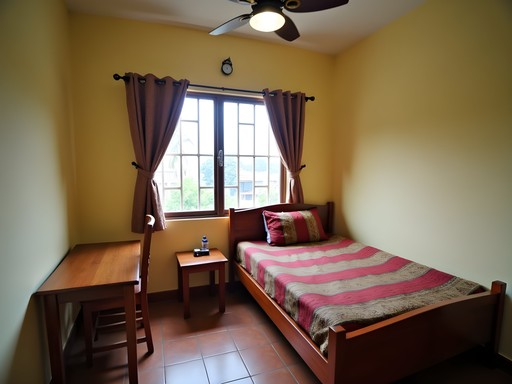
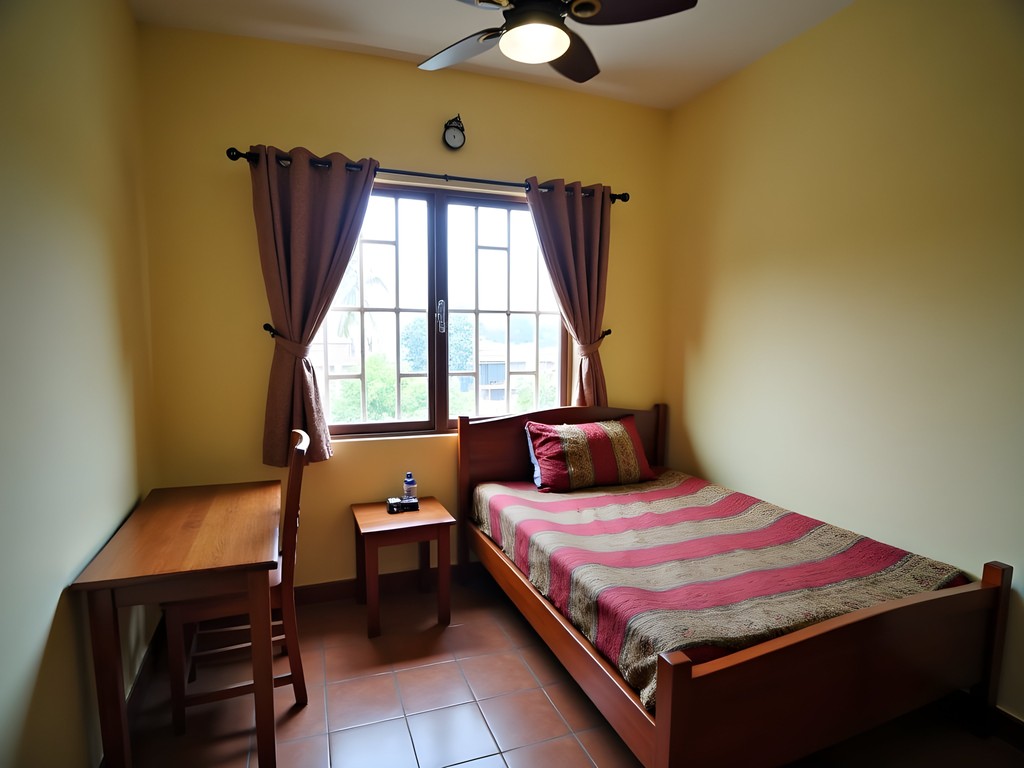
I secured a clean, basic room at Hotel Royal International for 800 taka ($7.50) per night, including a functional ceiling fan and surprisingly reliable WiFi. For those seeking slightly more comfort, Hotel City Inn offers rooms from 1200 taka ($11) with air conditioning and western-style bathrooms. Budget hostels remain notably absent from Khulna's accommodation landscape, reflecting its early stage in the backpacker discovery cycle.
While most accommodations provide bedding, I found my travel sheet indispensable for both hygiene and comfort on overnight train journeys and in budget hotels where linens might not meet Western standards. For sound-sensitive travelers like myself, a pair of earplugs proved essential for peaceful sleep amid the city's early morning call to prayers and enthusiastic rooster population.
💡 Pro Tips
- Request rooms away from the street to minimize noise disruption
- Negotiate multi-day discounts for stays of 3+ nights (typically 10-15% reduction)
- Carry a photocopy of your passport for hotel registration to avoid leaving your original with reception
Sundarbans Expedition: Maximum Value, Minimum Expenditure
The crown jewel of any Khulna visit is undoubtedly the Sundarbans—the world's largest contiguous mangrove forest and home to the endangered Bengal tiger. Tour pricing follows a clear inverse correlation: the more people in your group, the lower the per-person cost. As a solo traveler, I initially faced quotes of 6000-8000 taka ($56-75) per day for private tours.
My solution came through statistical patience and networking. By frequenting Khulna's Royal Cafe near the main tour operators for three consecutive evenings, I connected with a Danish researcher and two German backpackers seeking tour companions. Our four-person group secured a two-day/one-night Sundarbans package for 3500 taka ($33) per person—a 41.7% reduction from the solo traveler rate.
The experience was transformative. Our small wooden boat navigated narrow waterways where the mangrove canopy created a natural cathedral. We observed 27 distinct bird species, numerous crocodiles, and spotted deer. While the elusive Bengal tiger remained statistically improbable (approximately 1 in 50 tours report sightings), we did encounter clear paw prints along a muddy bank.
For the expedition, my insect repellent proved invaluable against the forest's persistent mosquito population. I'd also recommend bringing a dry bag to protect electronics and documents during the inevitably damp boat journey.

💡 Pro Tips
- Book Sundarbans tours locally in Khulna rather than in Dhaka to save 25-30%
- Visit the Divisional Forest Office near Hotel Castle Salam for the most current information on park entry fees and regulations
- Bring sufficient cash as ATMs are non-existent within the Sundarbans

Culinary Economics: Eating Well on 600 Taka Per Day
Khulna's food scene presents an excellent case study in budget optimization. Street food and local restaurants offer exceptional value, with complete meals available for 100-200 taka ($0.95-1.90). My epidemiological background compels me to approach street food with informed caution rather than avoidance—a strategy that yielded delicious results and zero gastrointestinal incidents.
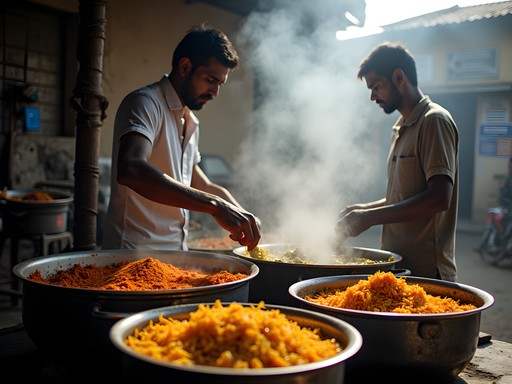
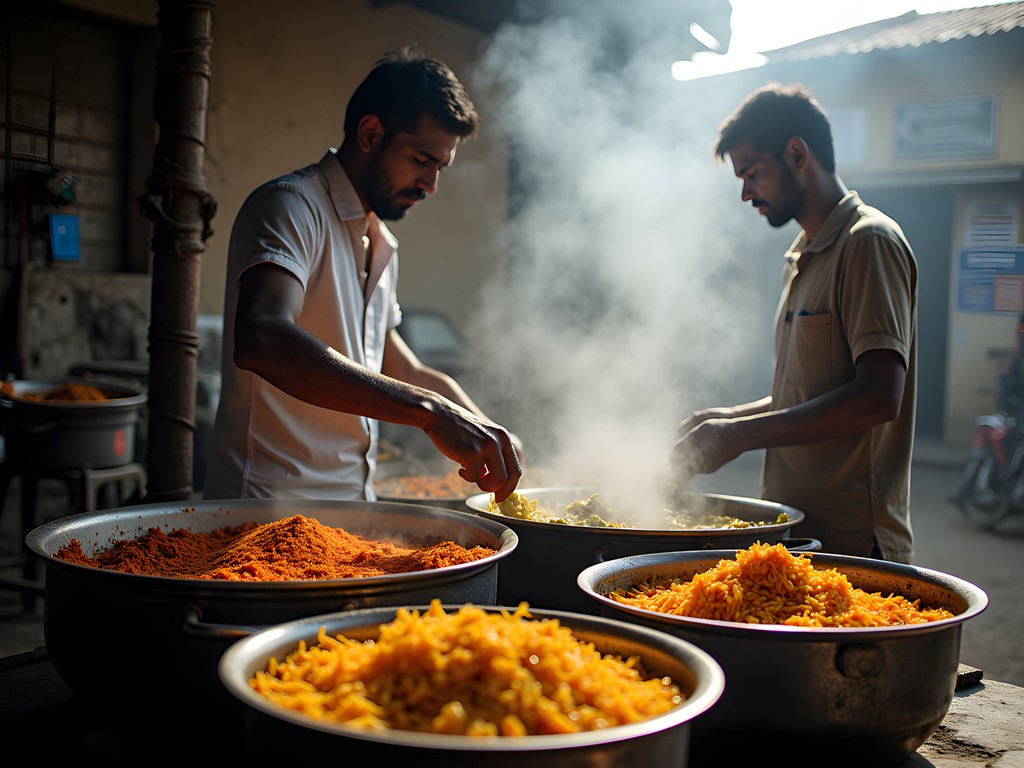
For breakfast, I frequented small shops serving paratha (flatbread) with dal (lentils) and eggs for 60-80 taka ($0.56-0.75). Lunch typically consisted of biryani or khichuri (rice with lentils and vegetables) from roadside stalls for 100-120 taka ($0.95-1.13). Dinner at local restaurants like Khalid Hotel Restaurant or Hotel Golden offered fish curry, rice, and vegetables for 150-180 taka ($1.40-1.70).
One particularly memorable meal came from a riverside shack near Rupsha Bridge, where a freshly caught hilsa fish—considered Bangladesh's national fish—was grilled over open coals and served with rice and local greens for just 220 taka ($2.07). The proprietor explained that winter brings larger hilsa catches, another seasonal advantage for budget travelers.
I carried a water purifier bottle throughout my journey, saving approximately $3-4 daily on bottled water while reducing plastic waste. This single investment paid for itself within the first week of my Bangladesh trip.
💡 Pro Tips
- Look for restaurants filled with locals rather than those catering to the rare tourist
- Learn the Bengali phrases 'kom jhal' (less spicy) or 'beshi jhal' (very spicy) to customize your meal's heat level
- Visit the Khulna New Market for inexpensive fresh fruits to supplement your diet
Cultural Immersion: Zero-Cost Enrichment
The most valuable experiences in Khulna often come with the smallest price tags—a phenomenon I've observed across 47 countries. Wandering through the atmospheric old town near Dak-Bangla revealed colonial architecture slowly yielding to tropical vegetation. The vibrant Khan Jahan Ali Bridge area at sunset offers a free anthropological study as locals gather for evening socializing.
Khulna's religious diversity provides opportunities for cultural understanding at no cost. I visited the ornate Shait Gumbad Mosque (free entry, though a 50 taka/$0.47 donation is appropriate) and the peaceful Temple of Goddess Kali (free entry), where I was spontaneously invited to observe an evening prayer ceremony.
For those interested in Bangladesh's liberation history, the Khulna Museum charges a nominal 20 taka ($0.19) entrance fee. While modest in size, it houses compelling artifacts from the 1971 independence struggle against Pakistan.
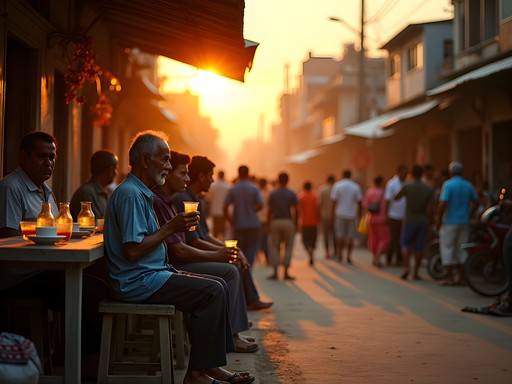
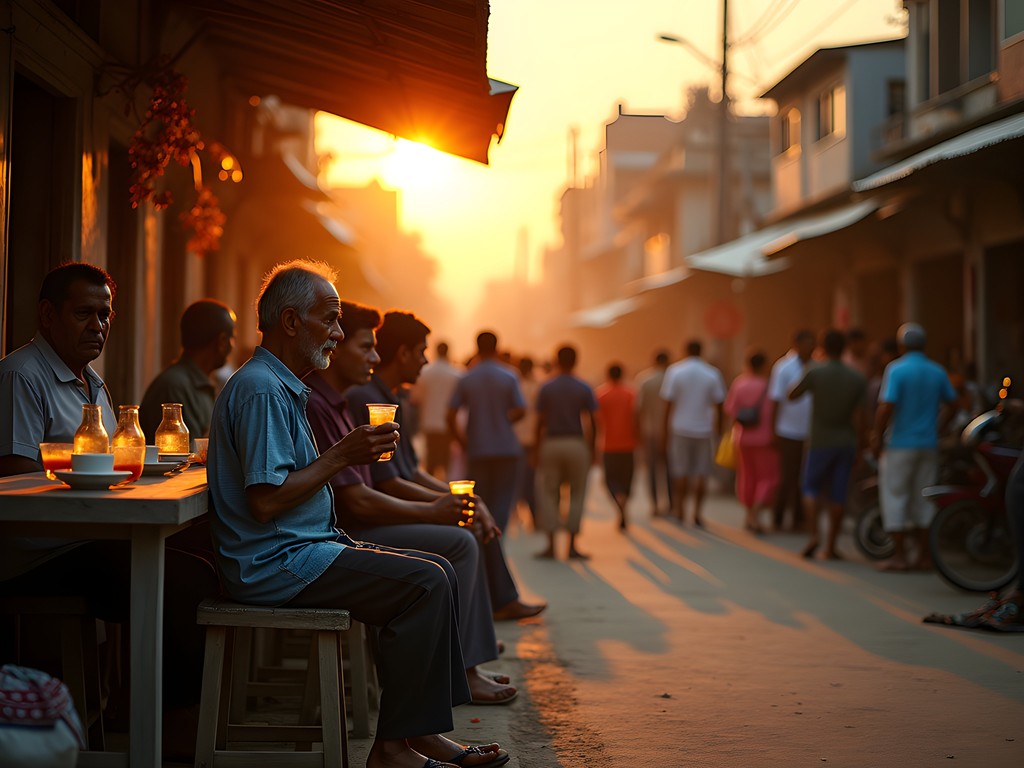
Perhaps the most enriching free activity was simply sitting at a local tea stall each evening, where 10 taka ($0.09) cups of cha (tea) served as my ticket to conversations with curious locals. These interactions yielded invaluable travel advice and insights into Bangladeshi perspectives on everything from climate change (a pressing concern in this low-lying region) to cricket (a national passion approaching religious fervor).
I found my travel notebook essential for recording these cultural observations and local recommendations—digital note-taking simply doesn't facilitate the same level of engagement with those around you.
💡 Pro Tips
- Learn basic Bengali greetings to initiate conversations with locals
- Visit tea stalls between 4-6pm when they're busiest with after-work crowds
- Dress modestly when visiting religious sites (covered shoulders and knees)
Final Thoughts
My week in Khulna and the Sundarbans confirmed what 25 years of budget travel has repeatedly demonstrated: the correlation between travel cost and experience quality is often negative. By averaging $30 per day, I accessed authentic experiences that package tourists paying five times as much might never encounter.
The statistical reality is that Bangladesh receives fewer than 125,000 international tourists annually—less than Venice welcomes on an average summer day. This tourism deficit creates a remarkable opportunity for budget travelers seeking genuine cultural exchange and unspoiled natural environments.
As climate scientists project significant changes to the Sundarbans ecosystem within the next 20-30 years due to rising sea levels, there's a compelling argument for experiencing this remarkable region sooner rather than later. The economic accessibility of Khulna removes any financial barriers to witnessing one of our planet's most unique ecosystems.
For the analytically minded traveler willing to embrace minor discomforts and navigate cultural differences with patience, Khulna offers an exceptional return on investment—both financially and experientially.
✨ Key Takeaways
- Khulna and the Sundarbans can be comfortably experienced on $30/day during winter months
- Forming groups for Sundarbans tours can reduce costs by 40-50% for solo travelers
- Winter (November-February) offers the optimal combination of lower prices, comfortable temperatures, and reduced health risks
📋 Practical Information
Best Time to Visit
November-February (winter)
Budget Estimate
$25-35 per day
Recommended Duration
5-7 days
Difficulty Level
Moderate


Comments
wavebackpacker
Love the photos! Really inspiring
redbackpacker
What's the visa situation like for Bangladesh these days? Is it still possible to get on arrival?
Jordan Alexander
Depends on your nationality, but many countries now need to apply online before arrival. Check the Bangladesh e-visa portal - it's pretty straightforward and takes about 3-5 days.
Bryce Diaz
Jordan, this brings back memories! I spent three weeks in Bangladesh back in 2019 and Khulna was definitely a highlight. The Sundarbans were incredible - we spotted two Bengal tigers from our boat, though they were pretty far off. One thing I'd add for budget travelers: the local fish markets near the riverfront are fantastic for cheap meals. I was eating grilled hilsa for maybe 150 taka. Also stayed at Hotel Castle Salam which was basic but clean and right in that 800-1000 taka range you mentioned. The owner's son spoke great English and helped me arrange everything. Bangladesh remains one of the most underrated destinations I've visited.
wavebackpacker
Did you need a guide for the fish markets or just wander around?
Bryce Diaz
Just wandered! People were super friendly and helpful even with the language barrier. Just point at what looks good.
springninja
How did you book the Sundarbans tour? Can you just show up or do you need to arrange in advance?
Jordan Alexander
I arranged it the day before through a local operator near the boat terminal. Much cheaper than booking online. Just make sure you go with someone who has the proper permits for the protected areas.
springninja
Perfect, thanks! That's really helpful
dreamqueen
This looks amazing! Adding to my list
sunnyseeker
Just got back from Khulna last week! Wanted to add that the local SIM cards with data are super cheap and coverage was surprisingly good even in parts of the Sundarbans. Made navigation so much easier. Also, don't miss the street food near Rupsha Bridge - amazing stuff for like 100-150 taka!
smartgal
Which provider did you use for your SIM?
sunnyseeker
I went with Grameenphone. Cost about 300 taka for 10GB that lasted my whole 8-day trip. You can get them right at the airport.
wildblogger
Great post! Is November too early to visit? I can only get time off work then.
Jordan Alexander
November is actually perfect! Start of the dry season with comfortable temperatures. You might catch slightly higher prices than deep winter, but the weather is ideal.
wildblogger
Awesome, thanks! Booking my tickets now!
Charlotte Watkins
Jordan, your post brings back wonderful memories! I took my adult children (25 and 28) to the Sundarbans last winter, and it was an incredible bonding experience. We stayed at Hotel Jalico which was slightly above your budget at $45/night for a family room, but still excellent value. The winter timing was perfect - we had the same experience with reduced prices and fewer tourists. One thing I'd emphasize for families considering this trip: pack light but bring a good insect repellent as the mosquitoes near the water can be quite determined, especially at dusk. The sunset boat rides are absolutely worth it though - we saw incredible birdlife and even a crocodile slipping into the water! Your culinary section was spot-on - we averaged about 650 Taka per person daily and ate like royalty.
luckymaster
Tiger spotting? For real??? That's awesome! 🐯 I thought they were super rare to see!
Oliver Duncan
They are rare! I got incredibly lucky. Most people don't see them, but the deeper you go, the better your chances. Bring good binoculars!
Oliver Duncan
Your breakdown of costs is spot on, Jordan! I did the Sundarbans last year and managed similar numbers. One tip I'd add - the 2-day boat tours are better value than the 1-day options, and you get to see so much more wildlife in the early mornings. I spotted 4 tigers (though admittedly from quite a distance) on my second day when we ventured deeper into the mangroves. The guides at Khan Tours were exceptional at spotting wildlife that I would've completely missed. Did you try the crab curry at any of the floating restaurants? Absolute highlight for me!
Venture X
Premium card with 2X miles, $300 travel credit, Priority Pass