

Disclosure: This article contains affiliate links. We may earn a commission from purchases at no extra cost to you, which helps our travel content.
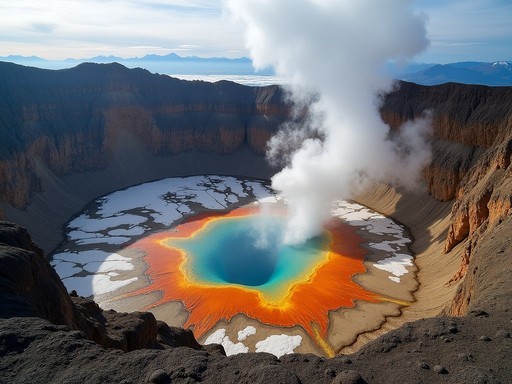
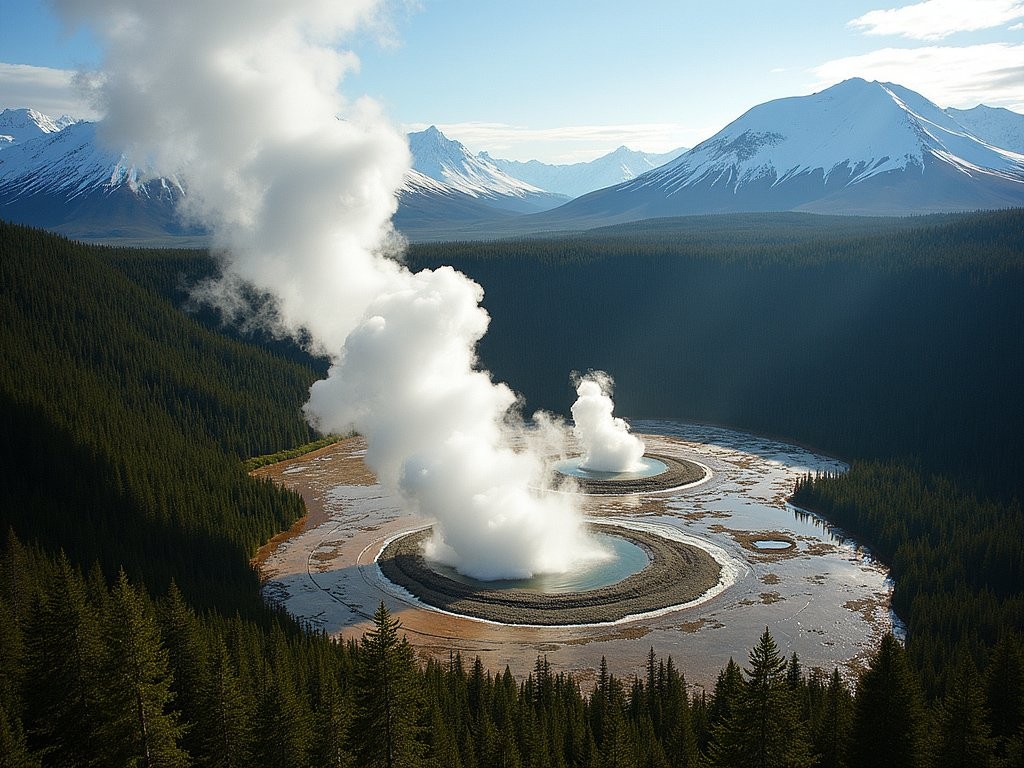
The helicopter banked sharply left, revealing a panorama that made my analytical mind temporarily surrender to pure wonder. Below me, the Valley of Geysers unfurled like nature's most extravagant spreadsheet—columns of steam rising in predictable yet mesmerizing patterns across the volcanic landscape. At 62, having traded municipal budget reports for travel journals, I found myself hovering above one of Earth's most remote wildernesses. Kamchatka had long occupied the top cell of my travel spreadsheet, but its reputation as an expensive destination kept it firmly in the 'someday' column. Yet here I was, having navigated Russia's administrative labyrinth and financial hurdles through careful planning. This peninsula—hanging like a carrot dangled from Siberia's eastern edge—offers unparalleled adventure for those willing to crunch the numbers and think creatively. Over two remarkable weeks last summer, I discovered that this land of fire and ice, bears and volcanoes, doesn't demand a oligarch's wallet—just strategic planning and the patience that comes with six decades of life experience.

Navigating the Permit Puzzle
Kamchatka's bureaucracy presents a formidable first hurdle—one that sends many budget travelers veering toward easier destinations. The peninsula is peppered with military zones, nature reserves, and protected areas, each requiring separate permits with their own application timelines and fees.
My background in municipal administration proved unexpectedly valuable. I approached the permit process like a budget negotiation: methodically, with careful attention to deadlines. The key revelation? Joining forces with other travelers.
I connected with five fellow adventurers through a Russian travel forum three months before departure. We shared the cost of hiring a local fixer in Petropavlovsk-Kamchatsky (₽15,000 total, or about $200) who navigated the paperwork on our behalf. This reduced individual costs and increased our approval odds, as Russian authorities often prefer processing group applications.
The Kronotsky Nature Reserve permit (including the Valley of Geysers) was secured 45 days in advance, while border zone permits required 60 days lead time. Our fixer suggested applying for multiple area permits simultaneously, even for places we weren't certain of visiting, as the marginal cost was minimal compared to the flexibility gained.
Most crucial was timing our visit for late July—after the high-season price surge but before autumn's unpredictable weather patterns. This sweet spot meant helicopter tours to the Valley of Geysers ran at 80% capacity rather than being fully booked, creating leverage for group rate negotiations.
💡 Pro Tips
- Apply for permits at least 60 days in advance
- Find other travelers to share permit application costs
- Hire a local fixer in Petropavlovsk rather than using foreign agencies
- Visit in late July or early August for optimal price-to-accessibility ratio
The Accommodation Equation
In Petropavlovsk-Kamchatsky, the peninsula's capital and likely your point of entry, accommodation costs can quickly deplete a careful budget. The limited hotel options know they're the only game in town and price accordingly.
After analyzing the cost-benefit ratios of various options, I opted for a strategic approach: booking a modest guesthouse (Gostevoy Dom on Ulitsa Krasintseva) for my first and last two nights, while embracing more rustic options during excursions.
At ₽2,200 ($30) per night, the guesthouse wasn't luxurious but provided a clean bed, reliable hot water, and—crucially—a kitchen. This last feature proved invaluable for preparing simple meals from the local markets, cutting food expenses by nearly 60% compared to restaurant dining.
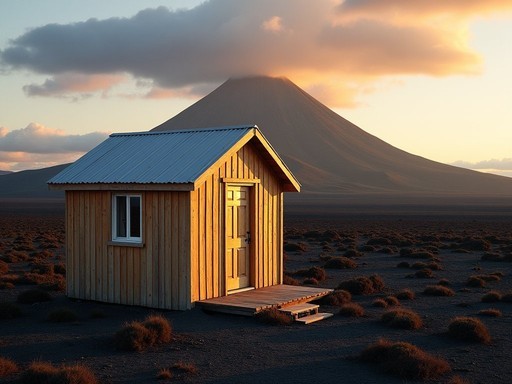
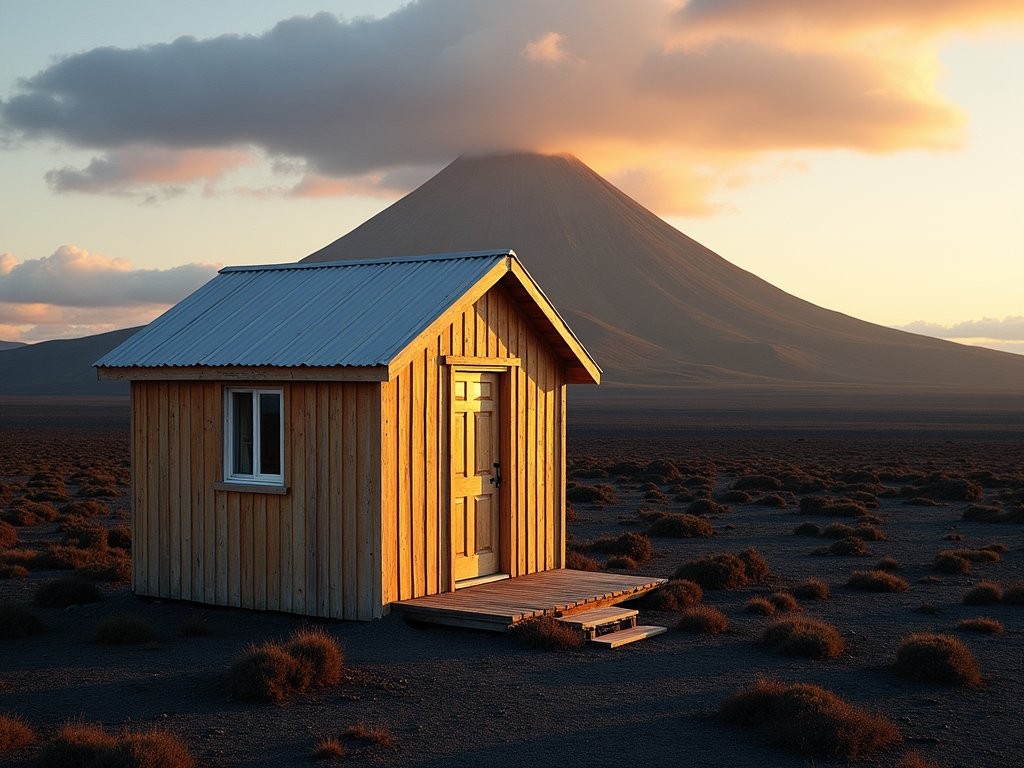
For the eight nights between city stays, I alternated between organized camping (included in tour costs) and a remarkable network of volcanic huts. These basic shelters, maintained by local volcanology institutes and conservation groups, charge nominal fees (₽500-800 or $7-11 per night) but require advance booking through local contacts.
My most memorable accommodation came via an unexpected source: a local fishing guide I met through a Kamchatka Facebook group. For ₽1,500 ($20) per night, I stayed in his family's vacant summer cabin near Pauzhetka hot springs, complete with a traditional banya (Russian sauna) and stunning views of Koshelev volcano. The cabin's simplicity was more than compensated by authentic experiences—including an impromptu dinner with neighboring families who shared their freshly caught sockeye salmon.
For backcountry excursions, I relied on my trusty ultralight tent, which has accompanied me from Japanese fishing villages to Southeast Asian beaches. Its compact size proved perfect for helicopter excursions with strict weight limitations.
💡 Pro Tips
- Book accommodations with kitchen access to save on food costs
- Research volcanic huts for budget stays near major attractions
- Connect with locals via Facebook groups for unique accommodation options
- Consider bringing camping gear for maximum flexibility
Marine Marvels on a Shoestring
Kamchatka's waters host a marine ecosystem that rivals its terrestrial wonders. As someone who pivoted from spreadsheets to snorkels later in life, I wasn't going to miss exploring this underwater frontier—despite the typically high costs associated with marine excursions.
The standard approach—booking through agencies catering to international tourists—would have consumed over 40% of my total budget. Instead, I applied my municipal analyst's eye to the problem and found a solution at the commercial fishing docks.
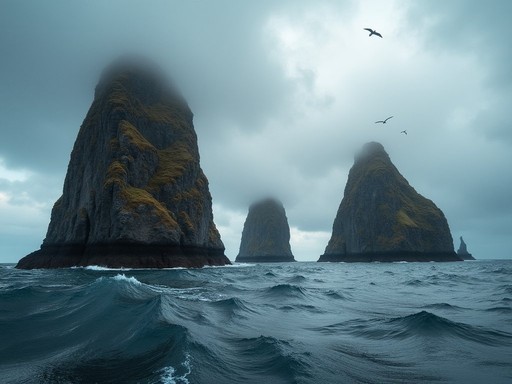
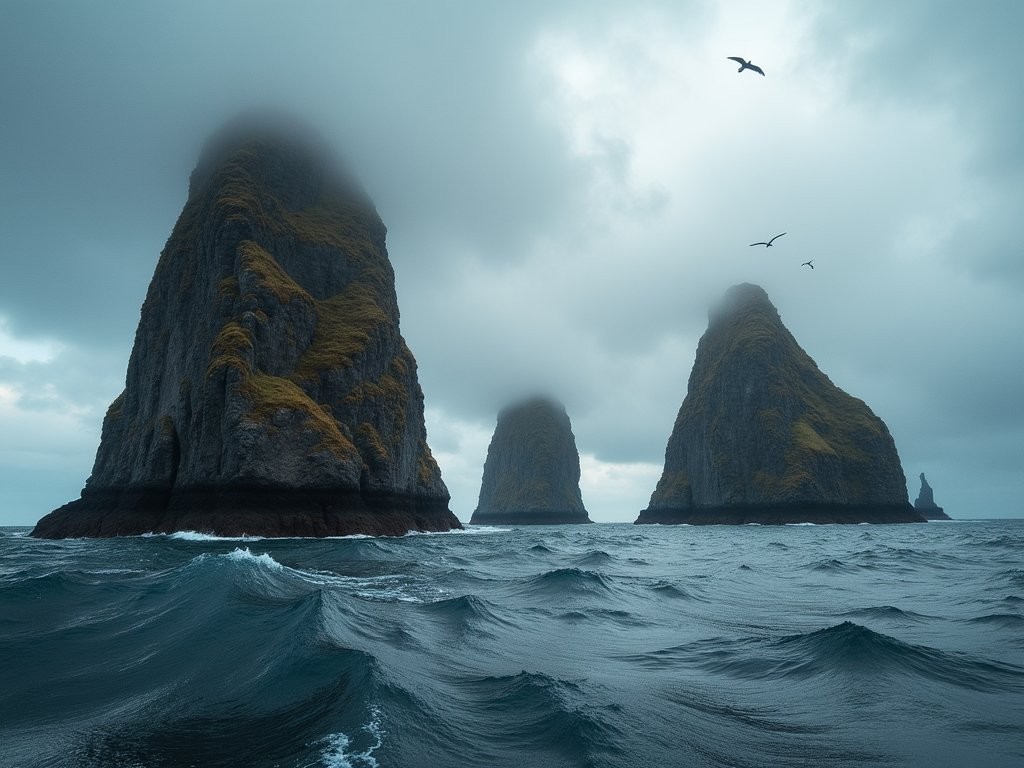
After three mornings of polite inquiries (aided by Google Translate and patient hand gestures), I connected with Captain Mikhail, who operates daily fishing runs to Avacha Bay. For ₽2,500 ($35)—a fraction of tourist boat prices—I joined his crew for a full day on the water. While they worked their nets, I enjoyed unrestricted access to photograph sea lions, puffins, and the bay's famous Three Brothers rock formation.
For underwater exploration, I joined forces with three Russian marine biology students I met at my guesthouse. We collectively hired a local dive master who took us to kelp forests near Starichkov Island for ₽4,000 ($55) each—roughly half the tourist rate. The frigid North Pacific demanded proper equipment; my 7mm wetsuit barely managed the 43°F (6°C) water, but the discomfort vanished upon encountering giant Pacific octopuses and wolf eels in their natural habitat.
My most memorable marine experience came through pure serendipity. While photographing Avacha Bay's shoreline, I struck up conversation with a marine conservation volunteer monitoring sea otter populations. Upon learning of my interest in marine ecosystems (and my former life balancing municipal budgets), she invited me to join their research boat the following day. For the price of helping record otter sightings and collecting water samples, I experienced six hours of extraordinary wildlife encounters without spending a single ruble.
💡 Pro Tips
- Visit commercial fishing docks directly to arrange informal boat tours
- Connect with marine biology students or researchers for shared excursion costs
- Bring quality cold-water gear if planning to snorkel or dive
- Offer skills or volunteer assistance in exchange for joining research vessels

Volcanic Adventures Without Vaporizing Your Wallet
Kamchatka's 160 volcanoes (29 active) form the backbone of most itineraries—and typically the bulk of expenses. Helicopter tours to remote volcanoes can exceed ₽45,000 ($600) per person, a figure that would have blown my carefully calibrated budget to smithereens.
I approached this challenge as I once tackled municipal infrastructure projects: by identifying cost-effective alternatives that delivered comparable experiences. The solution emerged through strategic selection of accessible volcanoes and creative transportation arrangements.
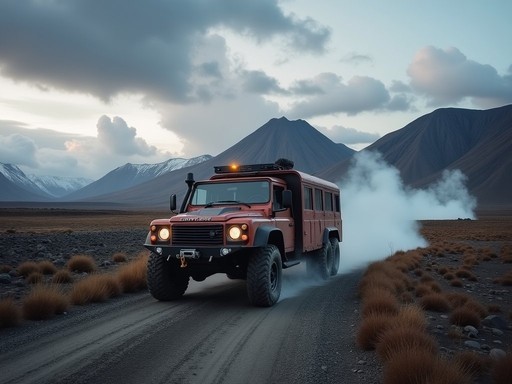
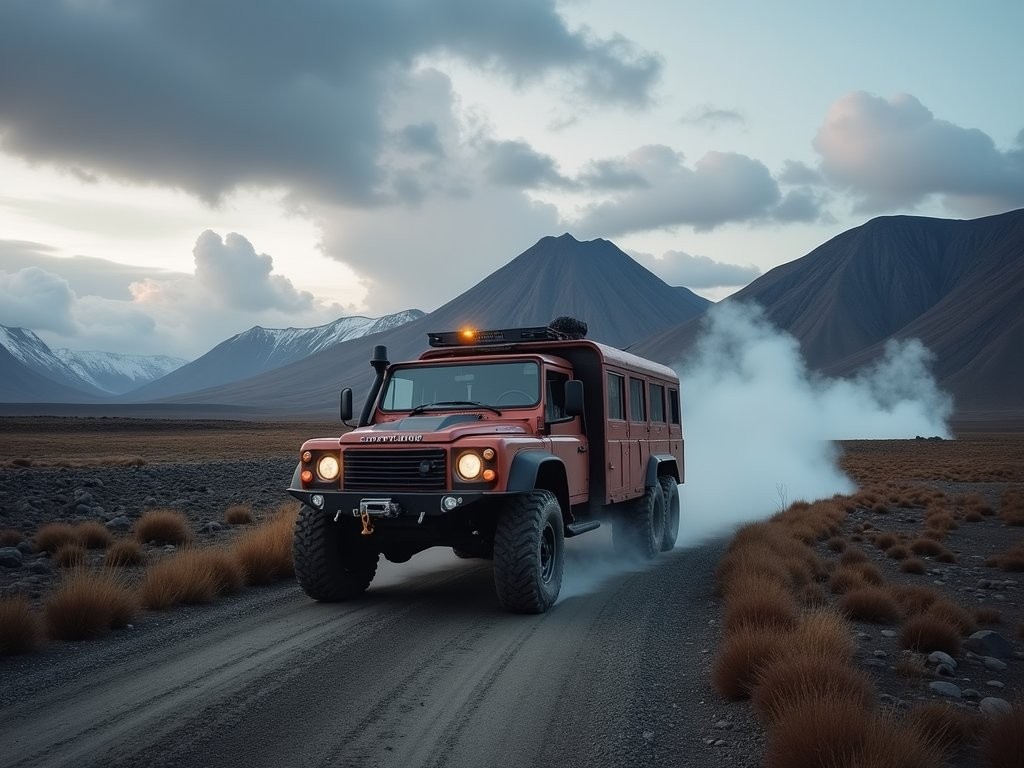
Mutnovsky and Gorely volcanoes, among the peninsula's most spectacular, can be reached via 6WD vehicles rather than helicopters. By gathering six travelers from my guesthouse, we negotiated a day trip for ₽7,000 ($95) each—including an English-speaking driver/guide. The lunar landscapes of Mutnovsky's crater rivaled anything I've seen in three decades of travel, complete with fumaroles, boiling mud pots, and a glacier clinging improbably to the active crater's edge.
For Avachinsky volcano—the iconic peak visible from Petropavlovsk—I bypassed tours entirely and hitchhiked to the trailhead with local hikers (offering ₽500 for gas). The 5-hour ascent demanded every bit of my reasonably fit 62-year-old body's stamina, but standing on the rim of an active volcano as the Pacific Ocean stretched to the horizon created one of those moments where spreadsheets and savings accounts seem delightfully irrelevant.
For serious hikers, I recommend investing in the hiking poles that saved my knees on steep volcanic descents. Lightweight yet sturdy, they proved essential on Kamchatka's loose scree slopes and paid for themselves by enabling me to tackle more challenging hikes independently.
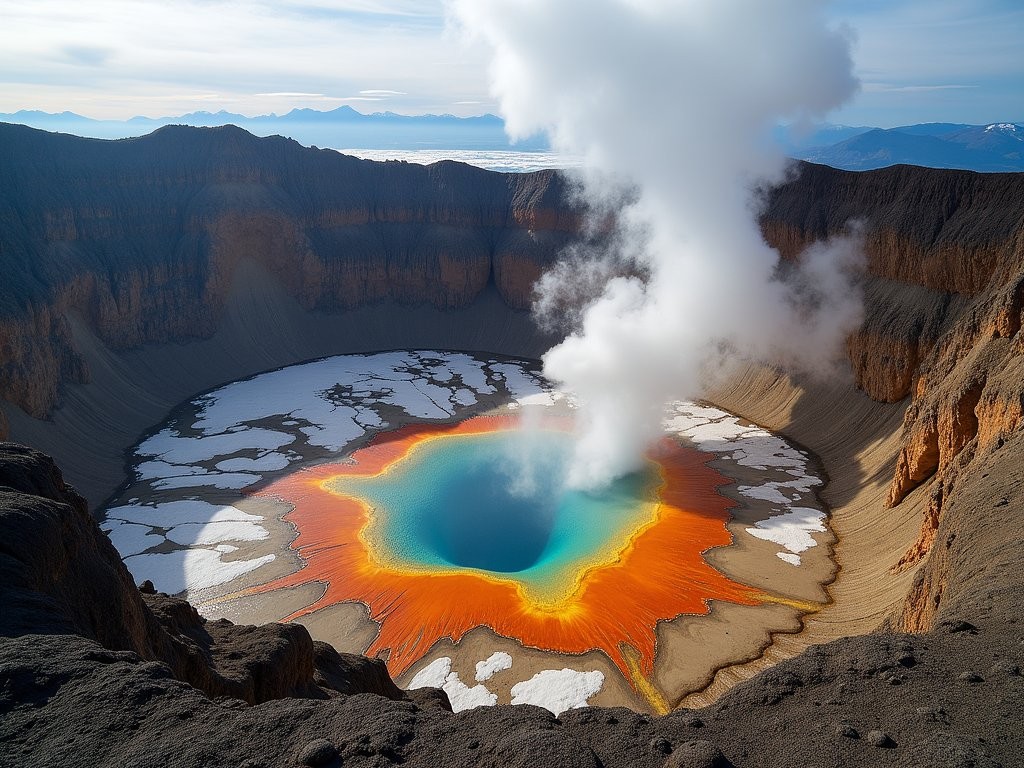
The Valley of Geysers remained my one splurge at ₽36,000 ($480)—a helicopter is the only access option. However, by booking directly through a local tour operator (Vulkan Tours) rather than international agencies, I saved approximately 30%. The six-hour excursion included Uzon Caldera and multiple landing sites, effectively delivering three bucket-list experiences for the price of one.
💡 Pro Tips
- Focus on vehicle-accessible volcanoes like Mutnovsky, Gorely and Avachinsky
- Form groups at guesthouses to negotiate better transportation rates
- Book helicopter excursions locally in Petropavlovsk rather than through foreign agencies
- Consider hitchhiking with locals to popular trailheads (offer gas money)
The Bear Necessities: Wildlife Viewing Strategies
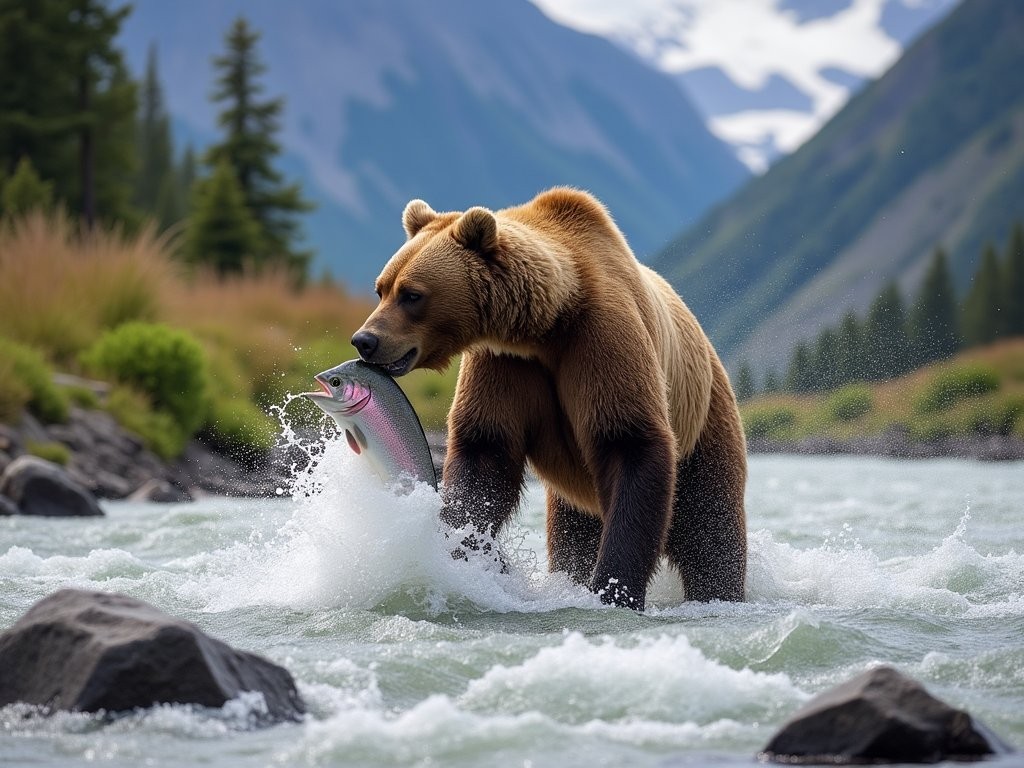
Kamchatka hosts the highest density of brown bears in the world, with approximately 10,000 ursine residents roaming the peninsula. Dedicated bear-viewing tours to places like Kuril Lake can command prices exceeding ₽70,000 ($950)—a figure that would maul even a generous travel budget.
My analytical approach revealed alternative strategies. First, timing is everything: I scheduled my trip for late July when salmon begin their runs, dramatically increasing bear sighting opportunities along accessible rivers. Second, location research paid dividends—certain areas offer reliable viewing without premium pricing.
The Nalychevo Nature Park, accessible via a challenging but manageable 15-mile hike from the outskirts of Petropavlovsk, became my primary wildlife observation ground. For the ₽300 ($4) park entrance fee and the cost of supplies, I enjoyed three days of remarkable bear watching from established observation points. The park's basic cabins (₽600/$8 per night) provided safe accommodation, while the thermal springs offered welcome relaxation after long observation days.
For photography, my telephoto zoom lens proved the perfect balance of reach and portability. While professional wildlife photographers carried lenses twice the size and ten times the price, this modest telephoto captured memorable images of bears fishing without adding excessive weight to my backpack.
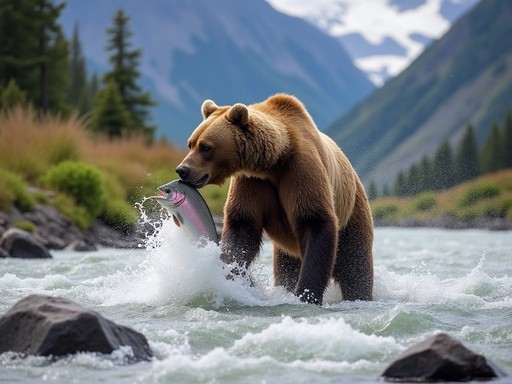
My most memorable encounter occurred along the Bystraya River, where local fishing guides often spot bears. Rather than booking a specialized wildlife tour, I arranged a standard fishing excursion (₽5,500/$75) and mentioned my interest in photography. The guide, understanding my priorities, diverted our route to areas where bears frequently fish. This resulted in observing seven different bears over six hours—all while technically on a fishing trip costing a fraction of dedicated bear tours.
While in Esso, a village in central Kamchatka, I learned from indigenous Evens people about traditional bear safety protocols and ethical observation practices. Their guidance—freely shared over cups of fireweed tea—proved more valuable than any expensive tour's safety briefing.
💡 Pro Tips
- Visit during salmon runs (late July through September) for increased bear sightings
- Choose fishing tours over dedicated bear-watching excursions for better value
- Explore Nalychevo Nature Park for budget-friendly wildlife viewing
- Learn bear safety protocols from locals rather than paying for guided tours
Transportation Tactics: Moving Around the Peninsula
Kamchatka's transportation infrastructure presents a unique challenge: a mere 600 miles of paved roads serve a territory the size of California. The standard tourist solution—hiring private drivers or joining organized tours—quickly depletes travel funds. As someone who's navigated America's highway systems and Japan's rural backroads, I approached this challenge with confidence tempered by respect for the terrain.
The peninsula's main artery, running north from Petropavlovsk, became my primary corridor. Rather than hiring dedicated transportation, I utilized the surprisingly efficient local bus network. For ₽1,200 ($16), I traveled from Petropavlovsk to Esso—a 12-hour journey that tour companies price at ₽9,000+ ($120). The buses, while basic, were reliable and offered an authentic glimpse into local life as we stopped at small villages along the route.
For locations off the main road, shared taxis operate informally from regional hubs. In Milkovo, I found drivers congregating near the bus station, offering seats in their vehicles to nearby destinations. By expressing interest the day before travel and negotiating collectively with other travelers, we secured transportation to trailheads at approximately 40% of private hire rates.
For my expedition to the remote Khodutka hot springs, I employed a hybrid approach: traveling by public bus to the nearest settlement, then joining forces with three Russian travelers to hire a local with a rugged 6WD vehicle for the final leg. This reduced individual costs while accessing terrain impossible for standard vehicles.
My most valuable transportation investment was a simple waterproof map of the peninsula. While digital navigation often failed in remote areas, this physical map—marked with bus routes and annotated with local advice—proved invaluable for planning efficient movements across this vast wilderness.
Perhaps the most economical transportation method emerged unexpectedly: the ancient art of hitchhiking. In rural Kamchatka, where traffic is sparse but community spirit strong, drivers readily stop for travelers. My gray hair likely helped establish trust, and offering ₽500-1000 for longer rides (still far below taxi rates) ensured I wasn't exploiting local generosity while maintaining budget discipline.
💡 Pro Tips
- Use the public bus network for major routes (Petropavlovsk to Esso/Milkovo)
- Form groups with other travelers to share costs for off-road transportation
- Consider hitchhiking for short distances between smaller locations
- Always carry a physical map as digital navigation often fails in remote areas
Final Thoughts
As my helicopter lifted off from the Valley of Geysers on my final Kamchatka excursion, I watched the peninsula's primordial landscape recede beneath me—a wilderness that had seemed financially unattainable just months earlier. By applying the same analytical rigor to travel planning that once guided municipal budgets, I'd experienced this extraordinary corner of Earth for roughly ₽145,000 ($1,950) all-inclusive for two weeks. The experience reinforced what my transition from budget analyst to traveler has taught me: the most meaningful adventures aren't necessarily the most expensive. Kamchatka's bears and volcanoes don't check your credit limit before delivering their wonders. For students and budget travelers willing to research thoroughly, connect with locals, and embrace flexibility, this Russian wilderness offers returns that no financial spreadsheet could possibly calculate. The peninsula waits—wild, challenging, and more accessible than you might imagine.
✨ Key Takeaways
- Group with other travelers to share transportation and tour costs
- Focus on accessible natural wonders (Mutnovsky, Avachinsky) rather than remote-only sites
- Use public transportation and informal ride-sharing instead of private tours
- Time your visit for late July/early August for optimal weather and wildlife viewing at shoulder-season prices
📋 Practical Information
Best Time to Visit
Late July to early September
Budget Estimate
$1,800-2,200 for two weeks (excluding international flights)
Recommended Duration
10-14 days
Difficulty Level
Challenging

Comments
WildlifeWanderer
Just got back from Kamchatka last month! Pro tip: if you're there in August, the salmon run is AMAZING and you can see bears fishing right from some of the public roads. Saved us having to pay for a special bear viewing tour.
mountainrider
That's awesome! Were you worried about bear safety at all?
WildlifeWanderer
Definitely kept our distance and stayed near the vehicle. The bears were so focused on fishing they barely noticed us. But always good to be cautious!
RussiaExplorer
How much Russian cash did you need to carry? Are there ATMs in the smaller towns?
John Hart
Great question! ATMs are reliable in Petropavlovsk-Kamchatsky but almost non-existent in smaller settlements. I carried about 30,000 rubles (roughly $400) for a two-week trip, which covered food, local transport, and smaller excursions. Many tour operators actually prefer USD or Euro for larger payments.
redbuddy16
Those geyser photos are insane! Adding this to my list
TravelDreamer92
Those photos of the geysers are incredible! Adding this to my bucket list right now.
mountainbuddy
Great post! One thing I'd add about the local buses - they don't always run on schedule, especially to the more remote areas. We ended up splitting taxi costs with other travelers several times. If you stay at the Hostel Vulkan in Petropavlovsk, they have a bulletin board where people post ride shares to popular spots. Saved us a ton of money!
Jean Wells
Excellent breakdown, John. I visited Kamchatka in 2024 and can confirm the helicopter tour costs are the real budget killer. One thing I'd add: the shared helicopter tours from Petropavlovsk-Kamchatsky fill up fast during summer months. I booked mine through a local agency three months in advance and still barely got a spot. The cost sharing reduced my Valley of Geysers visit from $800 to about $280 per person with five others. Also, the camping option near Khalaktyrsky Beach is solid - just be prepared for unpredictable weather even in July.
redbuddy16
Which agency did you use? Looking for recommendations
Jean Wells
I went with Kamchatka Travel - they were responsive and professional. Email communication was in English which helped.
triphero
Is it possible to do Kamchatka without speaking any Russian? Or should I learn some basics first?
mountainbuddy
Not John, but I was there last year with zero Russian. In the main city (Petropavlovsk), you can get by with English and Google Translate, but once you're in smaller villages, having some basic phrases really helps. The locals really appreciated my terrible attempts at Russian!
triphero
Thanks for the tip! Guess I'll start learning some basic phrases.
Hannah Woods
Excellent budget breakdown, John. Having been to Kamchatka twice now, I can confirm your accommodation tips are particularly valuable. The homestays in Esso were not only more affordable but provided incredible cultural insights that hotels simply can't match. One budget strategy I'd add: if you're comfortable with basic facilities, the scientific research stations near some volcanoes occasionally accept visitors for a nominal fee. They're incredibly basic (often just a wooden platform for your tent and access to a toilet), but the locations are unbeatable. Also worth noting that the price difference between summer and shoulder season is substantial - I saved nearly 30% by visiting in late September, though I did have to contend with some rain.
photoking
That shot of the brown bears fishing at Kuril Lake is spectacular! What lens were you using? I'm planning a trip next summer and trying to figure out what photography gear to bring. Did you have any issues with condensation in your camera with all those temperature changes near the geysers?
John Hart
Thanks! I used a 100-400mm lens for the bear shots. And yes, condensation was a real issue! I kept my gear in ziplock bags when not in use and had several silica gel packets that I rotated. My weather-resistant bag was a lifesaver with all the steam and occasional rain.
adventurenomad
How long did the permit process actually take? Heading there in September
John Hart
Took about 3 weeks for me, but I'd give yourself at least a month to be safe. The border zone permits can be unpredictable.
adventurenomad
Thanks! That's really helpful
Venture X
Premium card with 2X miles, $300 travel credit, Priority Pass