

Disclosure: This article contains affiliate links. We may earn a commission from purchases at no extra cost to you, which helps our travel content.
When most people think of Maui, they imagine luxury resorts and expensive luaus. But here's what I discovered during my fall research trip studying ancient Hawaiian irrigation systems: this island offers incredible experiences for budget-conscious travelers willing to venture beyond the tourist corridors. Kahului, Maui's commercial hub, serves as the perfect base for exploring the island's natural wonders and cultural heritage without the resort price tag. Let me show you how my partner and I spent an unforgettable week here for less than you'd expect.

Strategic Base: Why Kahului Makes Budget Sense
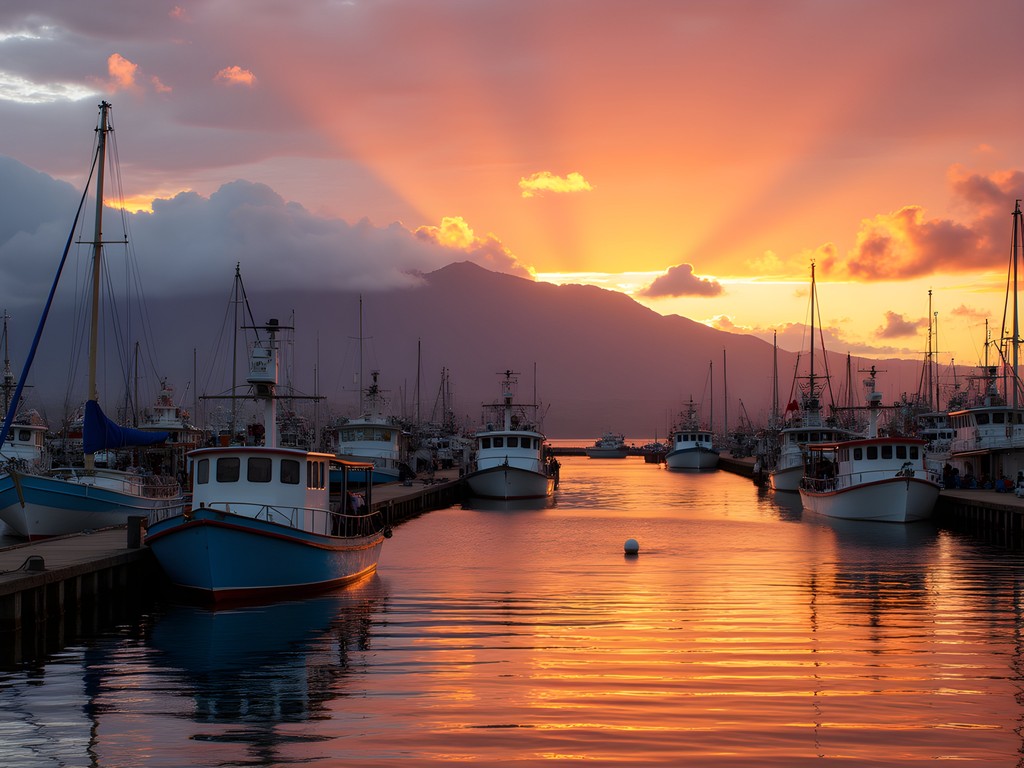
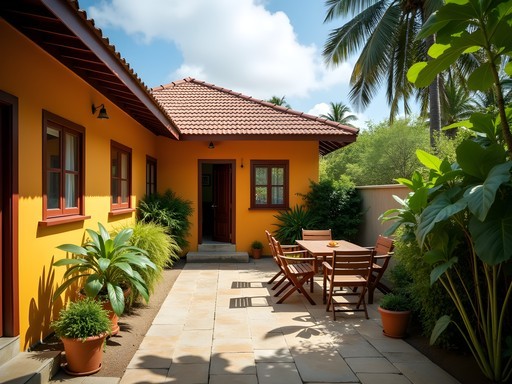
Most visitors rush through Kahului on their way to pricier resort towns, but this central location offers the best value proposition on the island. We stayed at a locally-owned vacation rental in the residential neighborhoods just minutes from the airport, paying roughly $85 per night—half the cost of beachfront accommodations. The real advantage? Kahului's proximity to everywhere. You're 20 minutes from both coasts, close to grocery stores where locals shop, and surrounded by authentic food trucks and plate lunch spots.
The area also provides easy access to bike-sharing stations, which became our primary transportation method for local errands. We rented a compact car for just four days of our week-long stay, using it strategically for longer excursions to Haleakalā and the Road to Hana. This hybrid approach saved us hundreds in rental fees while reducing our carbon footprint—a win for both wallet and environment.
💡 Pro Tips
- Book accommodations in residential Kahului neighborhoods rather than tourist zones for 40-60% savings
- Rent a car for only the days you need it for distant destinations; use bikes and walking for local exploration
- Shop at Safeway or Foodland in Kahului where locals buy groceries, not resort convenience stores
Eating Like a Local: The $10 Meal Strategy
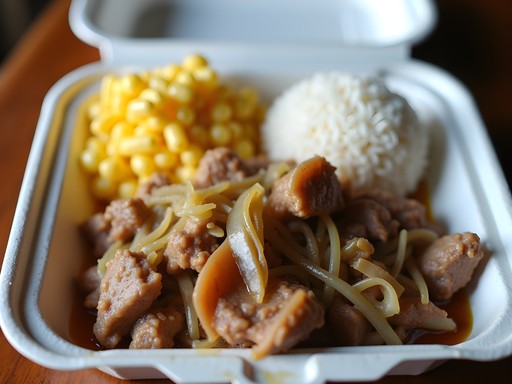
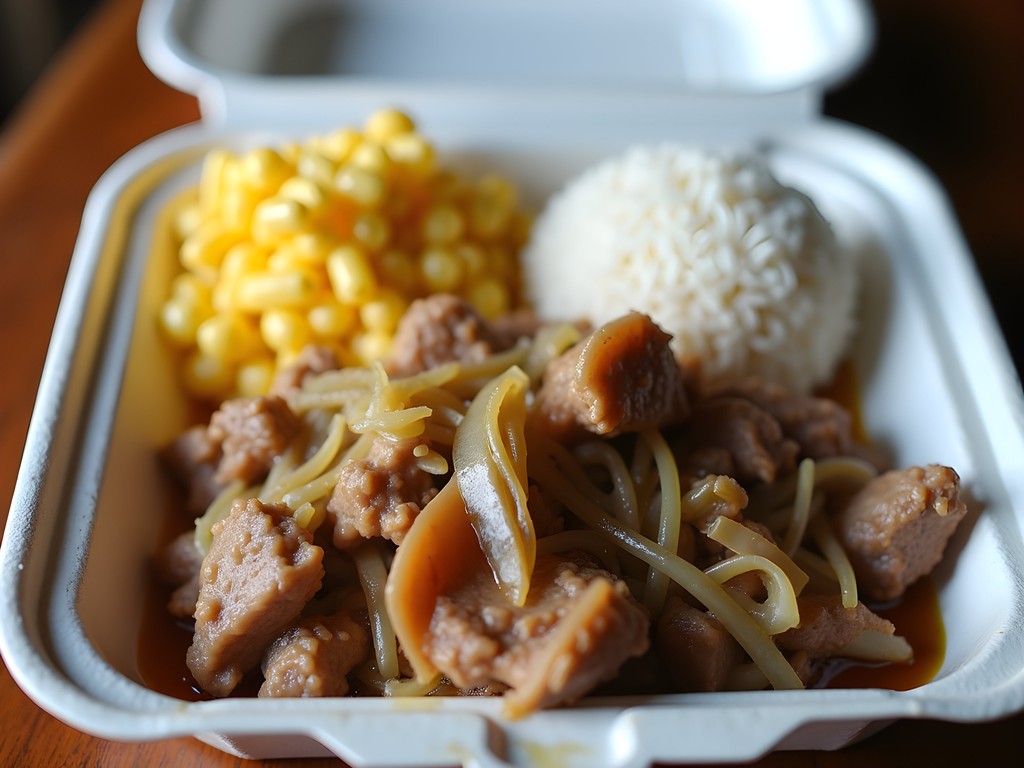
Food is where budget travelers often stumble in Hawaii, but it's also where you'll find the most authentic cultural experiences. We adopted what I call the '$10 meal strategy': breakfast and lunch from local food trucks and plate lunch spots, with simple dinners prepared in our rental's kitchen using ingredients from farmers markets.
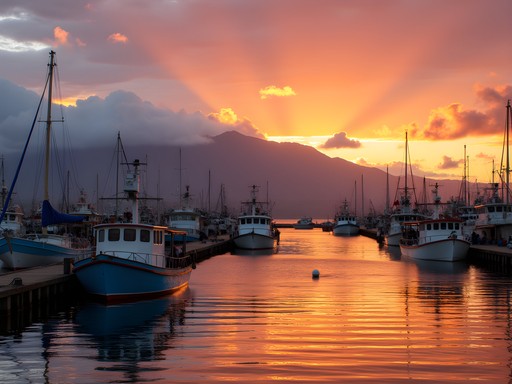
Kahului's food truck scene is legendary among locals but often overlooked by tourists. Tin Roof serves incredible kalua pork plates for under $12. We discovered Poi by the Pound near the harbor, where traditional Hawaiian dishes cost less than airport sandwiches. For breakfast, stop at any of the saimin shops—this noodle soup is Hawaii's ultimate comfort food and rarely costs more than $8.
The Saturday Maui Swap Meet at the University of Hawaii Maui College became our weekly ritual. Beyond the crafts, vendors sell fresh tropical fruit, locally-made banana bread, and prepared foods at prices that make resort buffets seem absurd. I packed a insulated lunch bag that kept our market finds fresh during day trips, allowing us to picnic at beaches rather than paying restaurant prices.
💡 Pro Tips
- Hit food trucks between 11am-1pm for lunch specials when portions are largest
- Buy tropical fruit at roadside stands or swap meets—mangoes, papaya, and apple bananas for under $3 per pound
- Prepare your own breakfast and pack beach picnics to avoid the most expensive meals of the day
Free and Low-Cost Cultural Experiences
As an archaeologist, I'm drawn to places where history lives in the landscape. Maui offers remarkable cultural sites that cost nothing to visit if you approach them with respect and awareness. The Haleki'i-Pihana Heiau State Monument, just minutes from central Kahului, preserves ancient Hawaiian temples with sweeping valley views. We spent a morning here completely alone, reading the interpretive signs and contemplating the sophisticated society that engineered these structures centuries before Western contact.
The Bailey House Museum in nearby Wailuku charges only $7 for entry and provides essential context for understanding Hawaiian history and culture. Their collection of artifacts and artwork helped us appreciate the sites we'd visit throughout the week. Every Friday, Wailuku hosts First Friday events with free entertainment, art walks, and cultural demonstrations—perfect timing if you're visiting in fall.
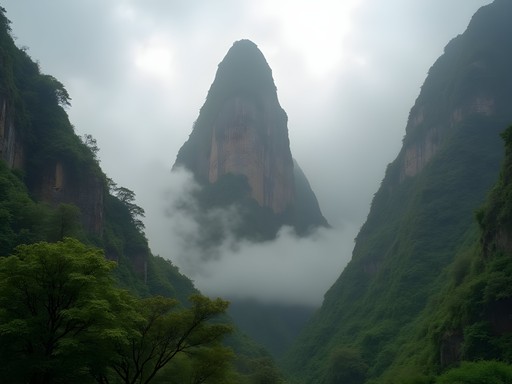
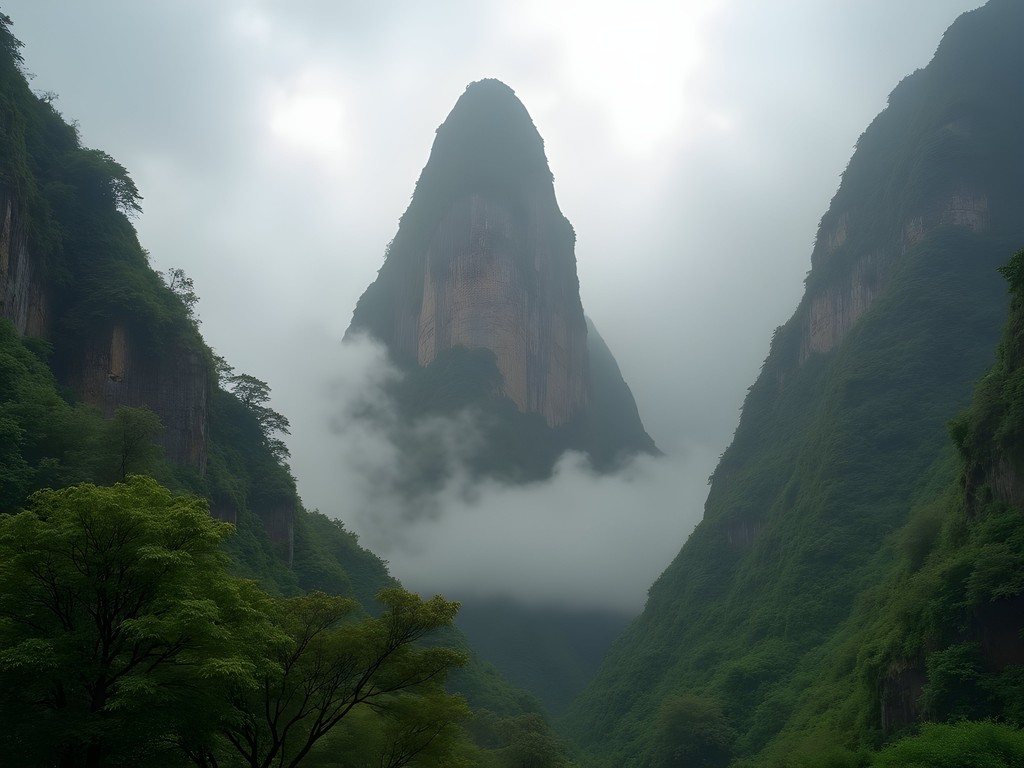
For natural wonders, Iao Valley State Park ($5 parking per car) offers one of Maui's most iconic landscapes. The morning light on the Iao Needle is spectacular, and the short trails reveal native plants and geological formations that tell the story of the island's volcanic origins. We also discovered that many beaches—including Baldwin Beach and Kanaha Beach—have free parking and facilities, unlike the resort-dominated areas.

💡 Pro Tips
- Visit heiau (temple) sites early morning or late afternoon for best light and solitude
- Download the free Maui Historical Society audio tours before your trip to enhance self-guided explorations
- Time your visit for First Friday in Wailuku to experience local art and culture at no cost

The Road to Hana: Budget Edition
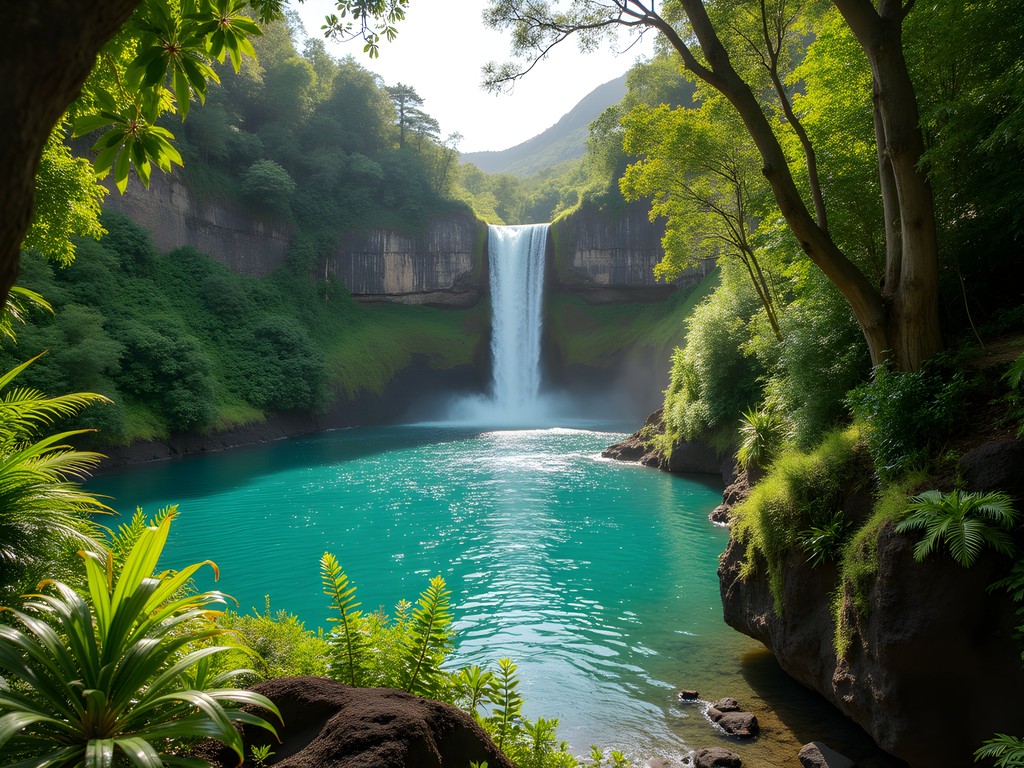
The Road to Hana is Maui's most famous drive, and yes, you can do it on a budget. We left Kahului at 5:30am to beat the tour buses and crowds—the early start meant we had waterfalls and swimming holes to ourselves. Rather than paying for organized tours ($150+ per person), we used our rental car on one of our four designated driving days.
The key to budget Hana is preparation. We packed a full cooler with breakfast and lunch from our Swap Meet haul, plus plenty of water and snacks. This eliminated the need to buy overpriced food at the few stops along the route. I brought my reef-safe sunscreen, which is crucial for swimming in Hawaii's protected waters—regular sunscreen damages coral reefs and can result in fines.
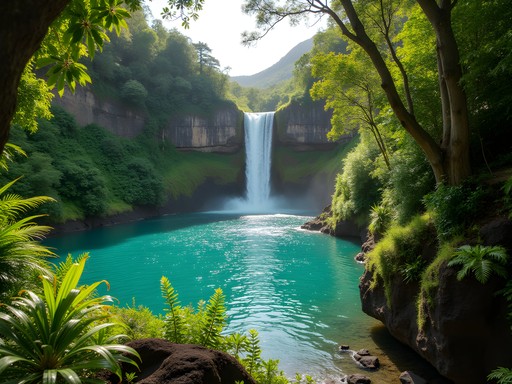
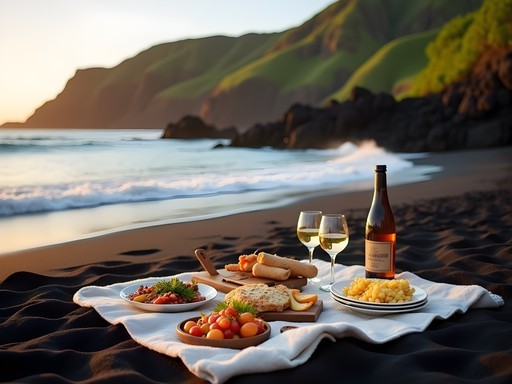
Many of Hana's best experiences are free: the black sand beach at Waianapanapa State Park (reserve parking in advance for $5), countless waterfall stops along the highway, and the incredible coastal scenery. We skipped the expensive activities and instead spent our time swimming in freshwater pools, hiking short trails to hidden waterfalls, and simply absorbing the raw beauty of this coastline. The drive itself is the attraction, and it costs nothing but gas and time.
💡 Pro Tips
- Start before 6am to avoid tour bus crowds and have swimming spots to yourself
- Reserve Waianapanapa State Park parking online days in advance—it sells out quickly
- Bring reef-safe sunscreen, water shoes for slippery rocks, and a dry bag for keeping valuables safe during waterfall swims
Sunrise at Haleakalā: Worth Every Early Morning Minute
Watching sunrise from Haleakalā's 10,000-foot summit is Maui's most transcendent experience. The $30 per vehicle entrance fee (valid for three days) and required advance reservation might seem like a splurge, but this is where I encourage you to invest. Some experiences justify their cost through sheer transformative power.
We left Kahului at 3am for the two-hour drive up the volcano. The temperature at the summit drops to near-freezing, even in fall—something most visitors don't anticipate. I layered my merino wool base layer under my fleece and windbreaker, which made the pre-dawn wait comfortable while others shivered in their beach clothes. The moment the sun broke the horizon, illuminating the otherworldly volcanic landscape and the shadow of Haleakalā stretching across the clouds to the ocean, justified every early morning sacrifice.
After sunrise, we hiked the Sliding Sands Trail into the crater—a landscape so alien it's been used to train astronauts. The trail is free once you're in the park, and descending into the crater feels like walking on Mars. We only went two miles in before turning back (the full trail is strenuous), but even that short distance revealed cinder cones, lava formations, and a silence so profound it felt sacred. This is the Maui that existed long before tourism, and it costs almost nothing to experience beyond the park entrance.

💡 Pro Tips
- Make sunrise reservations at recreation.gov up to 60 days in advance—they sell out quickly in fall
- Bring warm layers including hat and gloves—summit temperatures can be 30-40°F colder than sea level
- Stay for hiking after sunrise when day-use visitors arrive—you'll have trails nearly to yourself
Final Thoughts
Maui revealed itself to us not through expensive resorts or packaged tours, but through early mornings at sacred sites, conversations with food truck owners, and the simple act of slowing down enough to notice the layers of history beneath the tourist veneer. Our week-long adventure, including accommodations, food, activities, and car rental, cost approximately $1,400 for two people—less than many couples spend on three nights at a resort.
The key to budget travel in Hawaii isn't deprivation; it's intention. By staying in local neighborhoods, eating where residents eat, and prioritizing free natural and cultural sites, you'll have a more authentic experience while spending less. You'll also travel more sustainably, supporting local businesses rather than multinational resort chains, and treading more lightly on this fragile island ecosystem.
Maui's true wealth isn't measured in luxury amenities but in sunrise light on ancient temples, the taste of fresh poke from a harbor-side market, and the profound silence of a volcanic crater at dawn. These experiences don't require wealth—they require curiosity, respect, and a willingness to venture beyond the expected. Kahului and central Maui offer the perfect base for discovering this deeper island, one budget-friendly adventure at a time.
✨ Key Takeaways
- Base yourself in residential Kahului for authentic experiences and 40-60% lower accommodation costs compared to resort areas
- Adopt the $10 meal strategy using food trucks, plate lunch spots, and farmers markets while preparing simple meals in your rental
- Prioritize free cultural sites and natural wonders over expensive tours—Maui's best experiences often cost nothing but time and respect
📋 Practical Information
Best Time to Visit
Fall (September-November) offers smaller crowds, lower prices, and excellent weather with occasional rain showers
Budget Estimate
$700-800 per person for one week including mid-range accommodations, food, activities, and limited car rental
Recommended Duration
7 days to explore Kahului area, Road to Hana, Haleakalā, and Iao Valley without rushing
Difficulty Level
Easy


Comments
mountainseeker
Quick question - did you rent a car or use the public buses? Trying to figure out if we really need to rent one for the whole week
Emma Cook
Great question! We did a hybrid - used the Maui Bus for getting around Kahului and to some beaches, then rented a car for just 2 days to do Road to Hana and Haleakala. Saved us probably $300+ versus renting the whole time. The bus system is actually pretty decent for the main tourist areas!
mountainseeker
Perfect, that's exactly what I was thinking. Thanks!
smartwalker
This is awesome!! Going to Maui in June and was stressing about costs
Maya Reyes
Emma, I love this perspective! I stayed in Kahului back in 2024 and you're so right about it being the budget sweet spot. Everyone told me to stay in Wailea or Lahaina, but Kahului gave me such a different experience. I spent mornings at the farmers market talking to local growers, learned about traditional taro farming, and honestly felt more connected to Hawaiian culture than any resort could offer. The early morning light at Iao Valley was magical and completely free. Your point about the irrigation systems is fascinating - I'd love to hear more about what you learned. Sometimes the best travel experiences come from slowing down and being curious rather than checking off tourist boxes.
globeguide
Iao Valley is on my list now!
globeguide
This is awesome! Which food trucks did you hit up? Going in June and want to try the real local spots.
Maya Reyes
Not Emma, but I went last year and the Thai food truck near the harbor was incredible - like $8 for a huge plate. Also the fruit stand on Hana Highway has the best banana bread!
globeguide
Perfect, thanks! Adding those to my list
Venture X
Premium card with 2X miles, $300 travel credit, Priority Pass