


Disclosure: This article contains affiliate links. We may earn a commission from purchases at no extra cost to you, which helps our travel content.
The eastern Cuban province of Holguín reveals itself slowly, like the unfurling of a rare tropical flower. As a biologist who's spent decades studying ecosystems across continents, I've found few places that offer such a harmonious blend of cultural richness and ecological diversity at prices that won't deplete your research stipend—or student loan. My recent winter expedition to this less-trafficked region unveiled a Cuba beyond the vintage cars and colonial architecture of Havana—a Cuba of verdant mountains, crystalline waters, and communities whose traditions remain delightfully intact.

Navigating Holguín's Natural Wonders
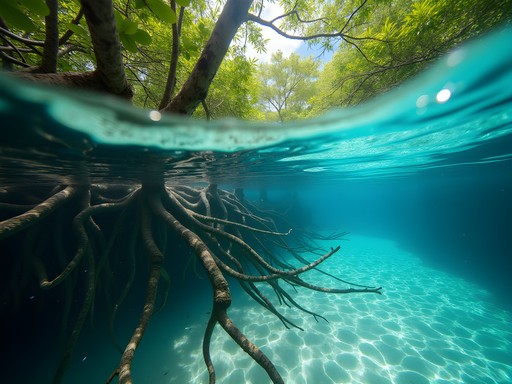
The province's biodiversity rivals any I've encountered in my research expeditions across Southeast Asia. Bahía de Naranjo Natural Park presents a living laboratory of mangrove ecosystems that would captivate any ecology student. For just 5 CUC (approximately $5 USD), you can explore the park's network of trails, where endemic birds dart between the canopies and hermit crabs perform their sideways dance along pristine shorelines.
Pinares de Mayarí, a pine forest unlike any other in Cuba, offers a fascinating study in adaptive evolution. The region's unique serpentine soil has produced specialized plant communities that have evolved distinctive survival mechanisms. As someone who's spent years studying forest ecology, I found myself constantly reaching for my field notebook to document observations that challenged my understanding of tropical forest systems.
For underwater exploration, skip the expensive tour packages and head directly to Playa Guardalavaca. Local dive shops offer budget-friendly snorkeling equipment rentals (about 8 CUC for half-day). The coral reef systems here remain remarkably intact compared to many Caribbean destinations I've studied, with brain coral formations and sea fan gardens hosting a parade of chromatic reef fish.

💡 Pro Tips
- Visit Bahía de Naranjo early on weekdays to avoid cruise ship crowds
- Pack a reusable water bottle with built-in filter to save on bottled water expenses
- Learn basic marine species identification before snorkeling to enrich your experience
Cultural Immersion Through Casa Particulares
My research has consistently shown that ecological understanding deepens when we connect with local knowledge systems. In Holguín, casa particulares (private homestays) offer this connection at remarkably affordable rates. During my stay, I paid just 20-25 CUC per night for accommodations that included breakfast and cultural insights no hotel could provide.
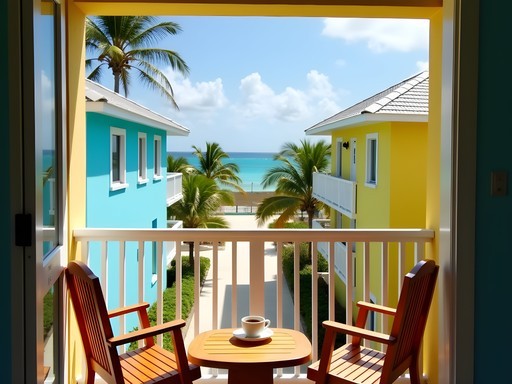
My host family in Gibara, a small coastal town with colonial architecture remarkably preserved by its economic isolation, shared traditional ecological knowledge about medicinal plants that complemented my scientific understanding of the region's flora. Each morning, I would sip strong Cuban coffee on their rooftop terrace, watching frigatebirds soar over the harbor while discussing the day's exploration plans with my hosts.
To find these authentic homestays, I recommend bypassing online booking platforms with their inflated commissions. Instead, arrive with your first night booked and then network with locals. My Spanish phrasebook proved invaluable for these interactions, allowing me to negotiate rates and understand cultural contexts that would otherwise remain inaccessible to non-Spanish speakers.
Many casa hosts can connect you with local guides for fraction of tourist agency prices. My guide Elena, a former ecology professor, charged just 15 CUC for a full-day exploration of medicinal plant communities in the Sierra Cristal mountains—an experience that provided data I'm still analyzing months later.

💡 Pro Tips
- Ask casa hosts about family meals (usually 5-10 CUC for home-cooked authentic Cuban cuisine)
- Request introductions to neighbors with casas if you need to relocate—local referrals often result in better rates
- Bring small gifts from your home country for hosts—scientific field guides or educational materials are especially appreciated
Sustainable Gastronomy on a Student Budget
The connection between ecosystem health and food systems becomes delightfully tangible in Holguín's culinary landscape. Rather than dining at tourist restaurants, I sought out paladares (family-run eateries) and street food vendors, where meals rarely exceeded 5 CUC.
In Holguín city, the capital of the province, I discovered a small paladar called El Quince that served a remarkable array of dishes based on locally-sourced ingredients. Their malanga fritters—made from a root vegetable cultivated in the region's fertile valleys—paired with housemade mojo sauce became my preferred lunch at just 2 CUC.
For those studying or interested in sustainable food systems, the agricultural regions surrounding Banes offer insights into Cuba's remarkable transition toward agroecological farming methods. Here, farmers have developed innovative organic practices out of necessity during the country's "Special Period" of economic hardship. Many farms welcome visitors for informal tours, especially if you express genuine interest in their methods.
Street markets provide another window into local foodways and economies. I carried my reusable produce bags to collect tropical fruits unfamiliar to most North American markets—mamey sapote, anón, and guanábana—all for prices that would make a Portland farmers' market shopper weep with envy. These nutrient-dense fruits sustained me through long days of exploration while connecting me to the region's agricultural heritage.

💡 Pro Tips
- Look for paladares where locals eat—prices drop significantly just a few blocks from tourist zones
- Visit the agromercados (farmers markets) early morning for the freshest selection and best prices
- Learn to identify safe street food: look for high turnover and proper handling practices

Off-Grid Exploration: Beaches Beyond the Resorts
While all-inclusive resorts dominate the northern coastline, Holguín's true coastal treasures lie in its less accessible beaches. As someone who's studied island ecosystems from Indonesia to the Caribbean, I can confidently say that Cuba's eastern shores remain among the most ecologically intact in the region.
Playa Blanca, accessible via a 30-minute hike through coastal forest from the main road, rewards budget travelers with a pristine white sand beach typically shared with only a handful of locals. The snorkeling here rivals expensive marine parks, with healthy elkhorn coral formations providing habitat for a diversity of reef species. I spent hours documenting the underwater ecology with my waterproof phone case, which allowed me to capture research-grade images without investing in expensive underwater camera equipment.
For those interested in coastal forest ecology, the trail to Playa Caletones offers an excellent transect through multiple microhabitats. The gradient from dry coastal scrub to interior forest demonstrates classic ecological succession patterns. I recommend wearing sturdy footwear and bringing my field essential: a mosquito head net. This ultralight protection has saved me from distraction during observations in insect-rich environments from the Western Ghats to now, the forests of eastern Cuba.
Local fishermen often offer informal boat trips to more remote beaches for 10-15 CUC per person—significantly less than commercial tours. These excursions not only provide access to pristine sites but often include valuable knowledge exchange about marine ecosystem changes observed by those who depend on these waters for their livelihood.

💡 Pro Tips
- Pack out all waste from remote beaches—Cuba's waste management infrastructure is limited
- Bring twice as much water as you think you'll need for beach hikes
- Apply reef-safe sunscreen 30 minutes before entering water to protect coral ecosystems
Connecting with Cuba's Scientific Community
One of my most enriching experiences in Holguín came through connecting with local scientists and students at the Centro de Investigaciones y Servicios Ambientales (CISA). As a visiting biologist, I found Cuban researchers extraordinarily welcoming despite resource limitations that would challenge most Western scientists.
The University of Holguín occasionally hosts free public lectures on environmental topics. During my visit, I attended a fascinating presentation on mangrove conservation efforts along Cuba's northern coast. These events provide valuable context for understanding the ecological sites you'll visit while offering opportunities to connect with local experts who might share research access to protected areas.
For students particularly interested in tropical ecology, I recommend bringing scientific papers (digital or printed) related to Cuban ecosystems as gifts when meeting local researchers. Access to international journals remains limited for many Cuban scientists due to both economic and political constraints. My portable power bank proved invaluable during these exchanges, allowing me to share digital resources from my tablet when electricity was intermittent.
The Alejandro de Humboldt National Park, though requiring advance permits, offers unparalleled biodiversity for those willing to navigate the bureaucratic process. Named after the famous naturalist who documented Cuba's ecosystems in the early 19th century, this UNESCO site contains some of the highest plant endemism rates in the Western Hemisphere. Connecting with university staff can sometimes facilitate access to research areas normally restricted to tourists.

💡 Pro Tips
- Email university departments before your trip to inquire about public lectures or field courses
- Bring extra copies of relevant scientific literature to share with Cuban researchers
- Learn Cuban scientific terminology for your field—Spanish scientific vocabulary often differs from everyday conversational Spanish
Final Thoughts
As my two weeks in Holguín drew to a close, I found myself with a field notebook full of observations, a camera heavy with images of intact ecosystems, and a perspective enriched by conversations with local ecological knowledge holders. This eastern province offers what increasingly feels rare in our globalized world: an opportunity to experience authentic cultural traditions alongside relatively undisturbed natural systems—all without the financial burden that often accompanies ecotourism destinations.
For students of natural sciences, Holguín provides a living laboratory where ecological principles manifest in observable patterns, from the specialized plant communities of Sierra Cristal to the marine succession visible along protected reefs. For those simply seeking meaningful travel experiences, the province rewards the budget-conscious explorer with genuine connections impossible in more commercialized destinations.
As climate change and political shifts continue to transform Cuba, the window for experiencing these interconnected ecological and cultural systems may be narrowing. I encourage you to approach Holguín with both scientific curiosity and cultural respect—the combination yields insights far more valuable than any souvenir.
✨ Key Takeaways
- Casa particulares offer both cultural immersion and significant savings compared to hotels or resorts
- Local ecological knowledge enhances scientific understanding—seek conversations with farmers, fishermen and community elders
- Remote beaches accessible by hiking or local boat transport provide superior ecological experiences at fraction of tourist excursion costs
📋 Practical Information
Best Time to Visit
November through March (dry season)
Budget Estimate
$30-45 USD per day including accommodation, food and activities
Recommended Duration
10-14 days
Difficulty Level
Easy


Comments
springperson5034
Going there next month and this is SO helpful!! Been looking for authentic Cuba experiences that won't drain my savings. Bookmarking this post!
Jose McDonald
Adding Holguín to my 2026 itinerary FOR SURE! I've been to Havana and Trinidad but eastern Cuba is calling my name. The sustainable gastronomy section really caught my attention - farm-to-table dining on a shoestring budget sounds like my kind of adventure. Claire, did you find the locals receptive to travelers trying to practice Spanish? I'm intermediate level and always looking to improve while traveling.
coffeediver
What's the food situation like for vegetarians? I'm always nervous about that in Cuba
Timothy Jenkins
Excellent piece, Claire. I visited Holguín three years ago and your observations about the casa particular experience really resonate. The cultural exchange aspect is invaluable - our host family in the city centre taught us to make ropa vieja and shared stories about life in eastern Cuba that you simply won't get in guidebooks. One tip I'd add: bring a small Spanish phrasebook as English isn't widely spoken outside tourist areas. The effort to communicate in Spanish opens so many doors. Also recommend visiting the Loma de la Cruz at sunrise - stunning views and you'll have it mostly to yourself.
Jose McDonald
Yes! The sunrise at Loma de la Cruz is incredible. Worth the 458 steps for sure
summerninja
Going there in August!! How hot does it get?? 😅
Claire Long
Very hot and humid in August! Stay hydrated and plan beach/outdoor activities for early morning or late afternoon. The casas usually have fans which help at night.
summerninja
thanks!! super excited 🌴
Douglas Bradley
Really appreciate the scientific perspective you bring to travel writing, Claire. The section on sustainable gastronomy resonated with me - I've been exploring how budget travel and environmental consciousness can align rather than conflict. When I was in Santiago de Cuba, I found similar patterns where eating at local paladares was both cheaper AND reduced tourism's ecological footprint. Question: did you find the casa owners receptive to discussing their food sourcing? I'm working on a piece about farm-to-table tourism in the Caribbean and would love to know if that's even a concept they engage with or if it's just naturally how they operate.
Claire Long
Douglas, most casa owners were incredibly open about it! Many have family farms or direct relationships with local farmers. It's not marketed as 'farm-to-table' - it's just how they've always done things. The economic situation means they source locally by necessity, but there's real pride in it too. Would be happy to share my notes if you want specifics.
bluepro
Stayed in Holguín for 10 days last year and totally agree about the casa particulares. We paid like 20-25 CUC per night and the breakfasts were incredible. Did you make it to Playa Esmeralda? Way less crowded than Guardalavaca and the locals showed us this little spot where you can snorkel right off the beach. Public buses can be sketchy with timing though - we waited 3 hours once lol. Worth it for the price.
Claire Long
Yes! Playa Esmeralda was stunning. The coral formations there are still relatively healthy compared to other Caribbean sites I've studied. And you're right about the bus timing - I learned to always bring a book and snacks!
bluepro
haha exactly, the waiting is part of the adventure right?
wanderlustmaster
Those photos of the ecosystems are gorgeous! Love the one with the hummingbird
beachwalker
How easy is it to get to those off-grid beaches? Do you need to rent a car or can you take local transport?
springperson5034
Not the author but I went last year!! You can take the guaguas (local buses) to most beaches. Super cheap but they run on Cuban time lol. Playa Esmeralda is accessible by colectivo taxi too, split between a few people it's like $3-4 each. Totally worth it!
beachwalker
Perfect, thanks! That's exactly what I wanted to know
skyadventurer
This looks amazing! Never thought about Cuba as budget friendly
Jose McDonald
Cuba is super affordable if you skip the resorts! The casa particulares Claire mentions are the way to go. I stayed in one in Viñales for like $15/night and the family cooked breakfast every morning. Holguín is definitely on my list now!
Venture X
Premium card with 2X miles, $300 travel credit, Priority Pass