
Disclosure: This article contains affiliate links. We may earn a commission from purchases at no extra cost to you, which helps our travel content.
Japan often carries a reputation for being prohibitively expensive, but as someone who's mastered the art of budget travel between medical contracts, I'm here to tell you that Fukuoka—Kyushu's vibrant capital—offers an exceptional alternative to Tokyo or Kyoto without depleting your savings. During my recent fall sabbatical, I spent a week exploring this fascinating port city where traditional healing practices and modern medical innovation coexist much like the ancient shrines nestled among sleek skyscrapers. The city's rhythm reminds me of the human heartbeat—steady yet dynamic, with quiet moments of rest punctuated by bursts of energy. What makes Fukuoka particularly appealing is how it delivers authentic Japanese experiences at a fraction of the cost you'd find elsewhere in the country. From world-class street food to free cultural attractions and budget accommodations, this underrated gem provides a perfect introduction to Japan for the cost-conscious traveler who refuses to compromise on experiences.

Day 1: Orientation and Canal City
After landing at Fukuoka Airport, I was immediately struck by its proximity to the city center—just a 5-minute subway ride that costs a mere ¥260 (about $1.75). This efficiency sets the tone for the city's approachable nature. I checked into my hostel in the Hakata district, a strategic choice that positioned me within walking distance of major transportation hubs and attractions.
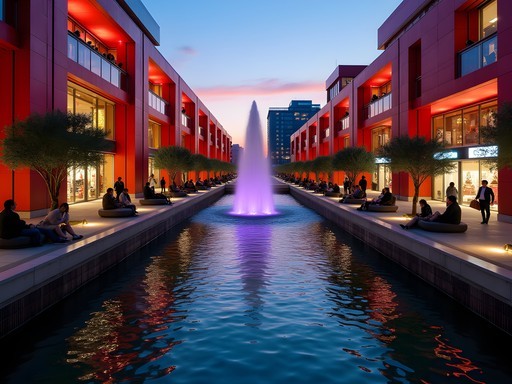
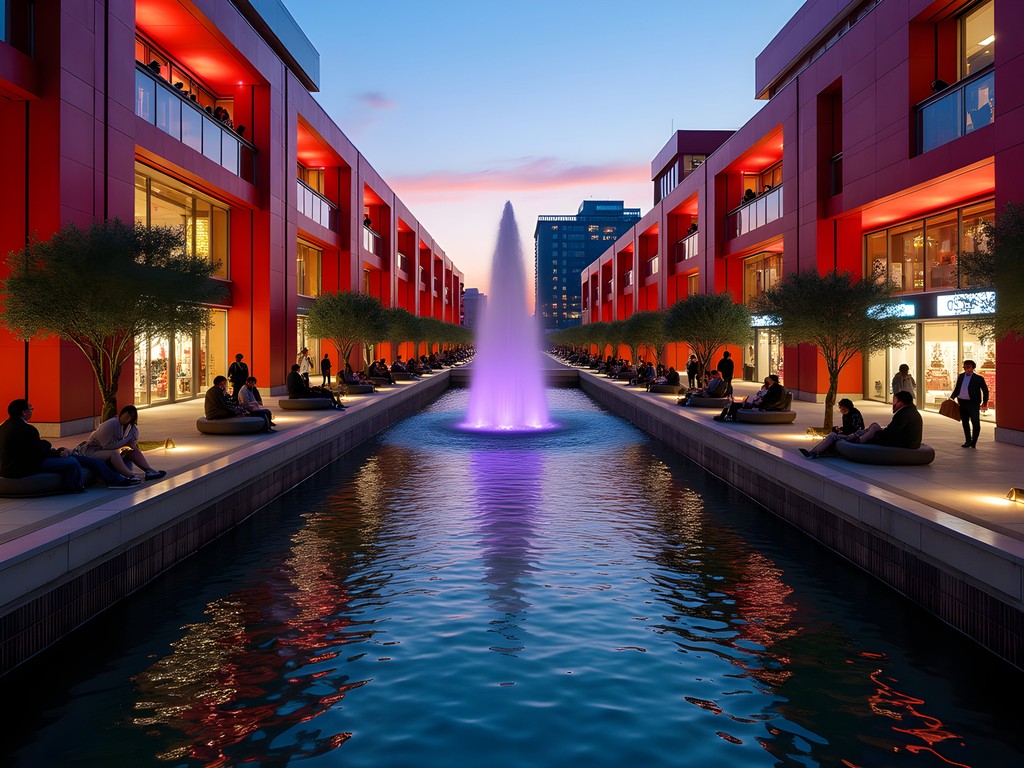
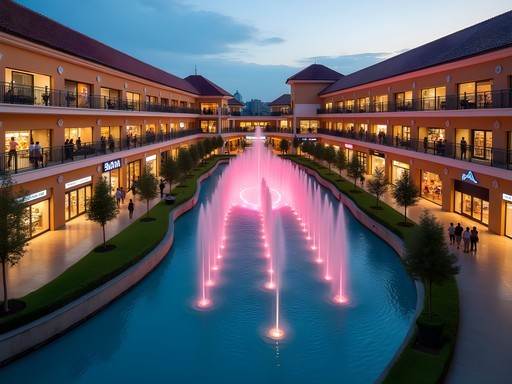
Rather than succumbing to jet lag, I've found that gentle exploration helps reset my circadian rhythm—a technique I often recommend to cardiac patients traveling across time zones. Canal City Hakata provided the perfect introduction to Fukuoka's urban landscape. This massive complex features a canal running through its center (hence the name), creating a serene water feature that seems to regulate the pace of visitors much like the cardiac system regulates blood flow.
While the shops here cater to various budgets, I focused on the free attractions: the dancing fountain shows that occur hourly and the architectural marvel of the complex itself. For dinner, I discovered the complex's 5th-floor Ramen Stadium—a collection of ramen shops representing different regional styles. At ¥800-1000 per bowl (approximately $5.50-$7), it's an affordable introduction to Japan's beloved noodle soup, though not quite as budget-friendly as the street stalls we'll explore later.
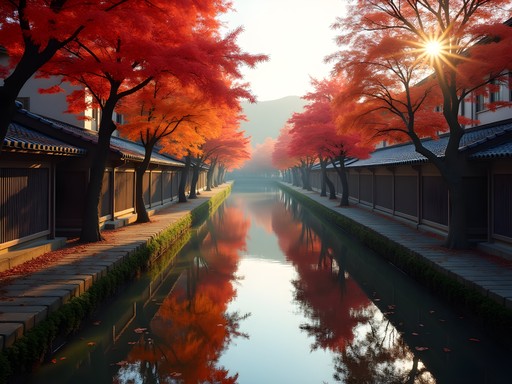
I ended the evening with a stroll along the canal, where the lights reflected off the water created a meditative atmosphere—perfect for contemplating the week ahead without spending an additional yen.
💡 Pro Tips
- The Fukuoka Tourist Information Center at Hakata Station offers free maps and discount coupons for attractions
- Purchase a prepaid IC card (SUGOCA) for seamless travel on public transportation
- Many hostels offer free walking tours for guests—a perfect orientation activity
Day 2: Hakata's Traditional Medicine and Modern Healthcare
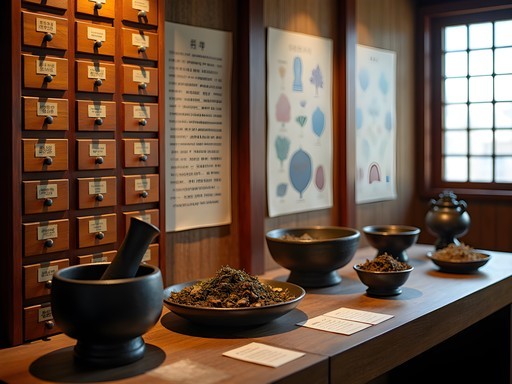
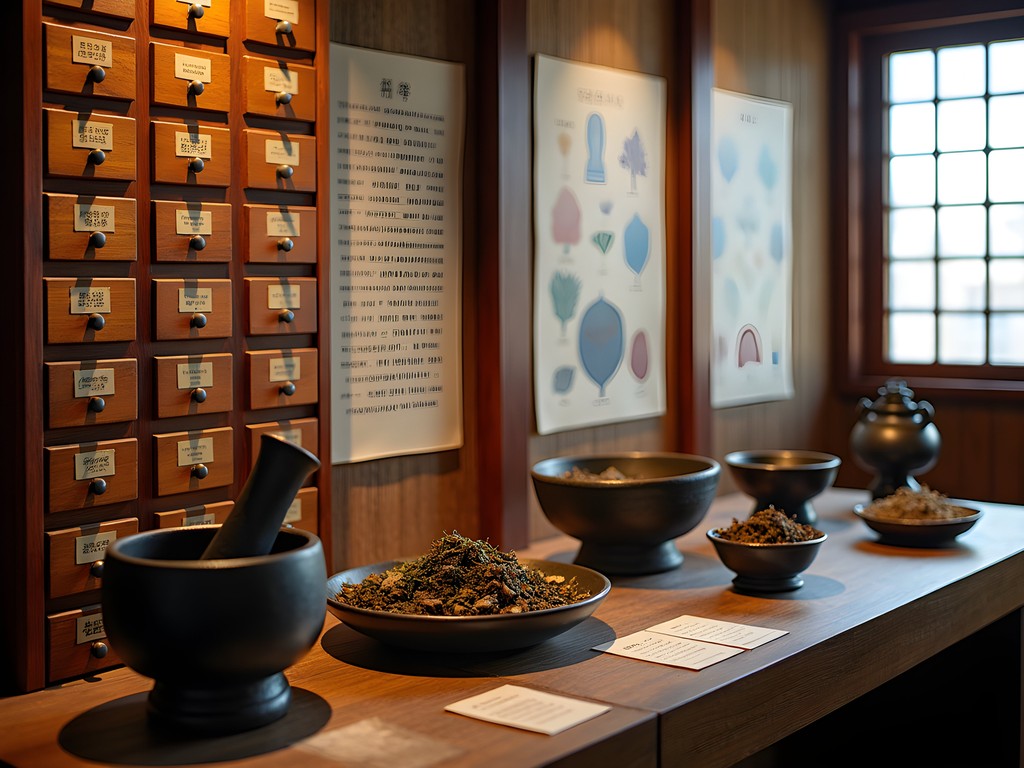
My professional interest in comparative medicine drew me to Kushida Shrine, just a 15-minute walk from Hakata Station. This 757 CE shrine isn't just a spiritual landmark—it houses the Hakata Traditional Craft Center where I discovered displays of traditional herbal medicines that have influenced modern Japanese healthcare practices.
What fascinated me most was learning about kampō medicine—Japan's traditional herbal medicine system with roots in ancient Chinese practices. As a cardiologist, I was particularly interested in how certain herbs like hawthorn have been used for centuries to treat what we now recognize as cardiovascular conditions. The parallel development of healing systems across cultures continues to inform my approach to integrative cardiology.
For lunch, I visited a nearby yatai (food stall) for mentaiko (spicy cod roe)—a Fukuoka specialty rich in omega-3 fatty acids that I often recommend to my cardiac patients. At just ¥500 (about $3.50), it was both a culinary and nutritional bargain.
In the afternoon, I made my way to the Fukuoka City Museum (¥200 admission, approximately $1.35), which houses the Gold Seal—a national treasure gifted from China to Japan in 57 CE that symbolizes the region's historical importance as a gateway for medical knowledge exchange between the continent and the Japanese archipelago.
For dinner, I couldn't resist trying Fukuoka's famous tonkotsu ramen at a local yatai in Nakasu district. These small food stalls that appear at dusk offer an authentic dining experience for around ¥700 ($4.75). While enjoying my rich, collagen-filled broth (which, ironically, I advise my patients to consume in moderation), I struck up a conversation with a local pharmacist who shared insights into how traditional and modern medicine coexist in contemporary Japanese healthcare—a perfect end to my medically-themed exploration day.
💡 Pro Tips
- Visit Kushida Shrine early to avoid crowds and take time to explore the medicinal herb displays
- Many yatai don't accept credit cards, so carry cash in small denominations
- Look for the 'Experience Zone' at the Hakata Traditional Craft Center where you can sometimes participate in herbal preparation demonstrations
Day 3: Ohori Park and Budget-Friendly Cultural Immersion
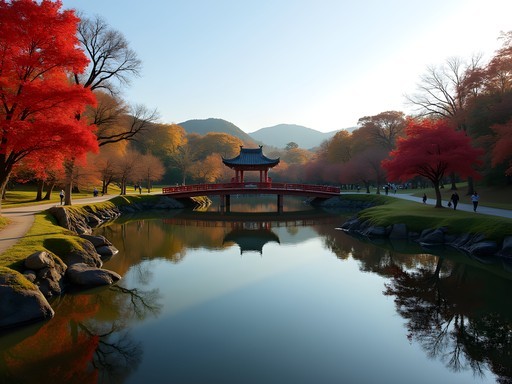
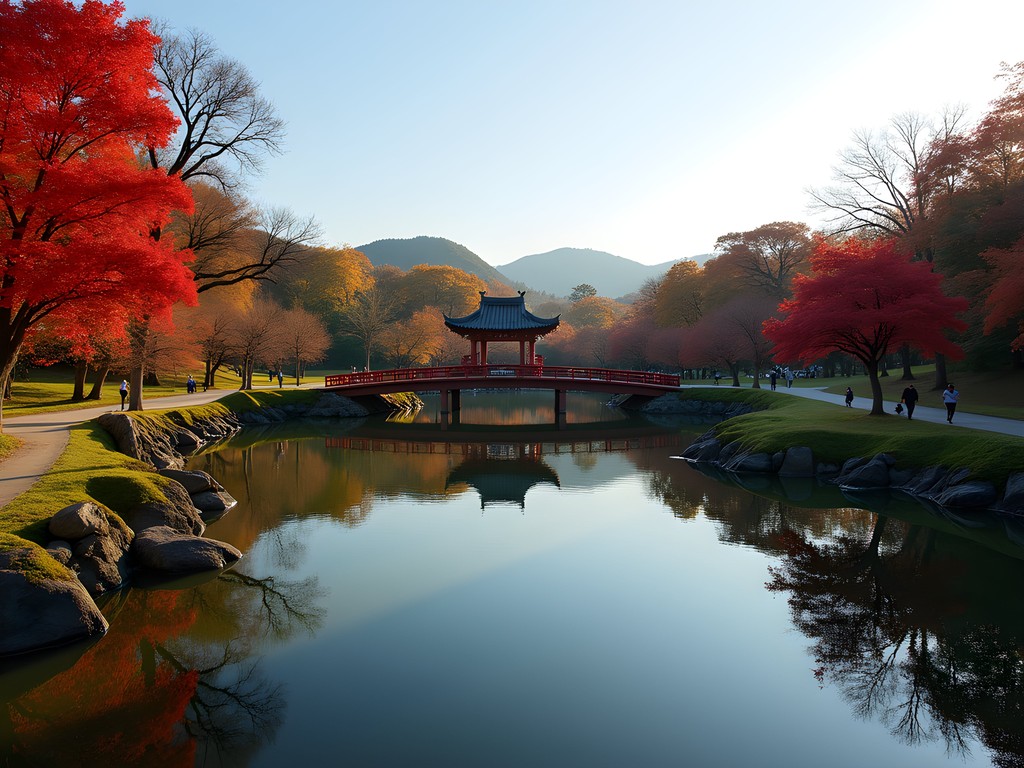
My third day began with a morning walk through Ohori Park—a free attraction centered around a large pond designed to resemble West Lake in Hangzhou, China. As a cardiologist, I always emphasize the importance of morning walks for cardiovascular health, and this scenic 2km loop provided the perfect setting. The park's design creates a series of islands connected by graceful bridges, reminiscent of how the heart's chambers and vessels form an interconnected system of remarkable efficiency.
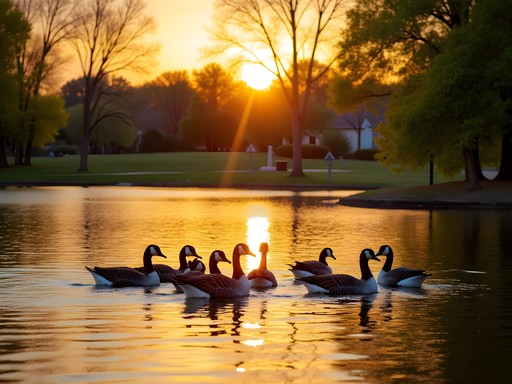
I brought along my travel binoculars to observe the various waterfowl that call the park home. These compact binoculars have accompanied me from Costa Rica to Scotland, and their clarity makes them ideal for both wildlife observation and architectural detail appreciation.
Adjacent to the park lies Fukuoka Art Museum, which offers free admission to its permanent exhibition. The museum's collection includes both Japanese and Western art, providing cultural context that enhances understanding of the region's aesthetic sensibilities.
For lunch, I discovered a local secret: the basement food halls of department stores like Iwataya or Mitsukoshi. These depachika offer freshly prepared foods at discounted prices in the late afternoon. I assembled a picnic of various samples for under ¥1000 ($6.75) and enjoyed it by the lakeside—a practice I observed many locals following.
In the evening, I attended a free traditional music performance at the Fukuoka Asian Art Museum. Many cultural venues in Fukuoka offer complimentary performances or significantly reduced admission prices during certain hours or days of the week. With a bit of research using the Japan travel guide I brought along, I was able to align my itinerary with these opportunities, maximizing cultural experiences while minimizing expenses.
💡 Pro Tips
- Visit department store food halls 30-60 minutes before closing for discounts of 30-50% on fresh foods
- The Fukuoka City Tourist Information Center maintains a calendar of free cultural performances
- Ohori Park is perfect for morning exercise—join locals practicing tai chi for an authentic experience

Day 4: Dazaifu and Traditional Healing Practices
A short 30-minute train ride from Tenjin Station brought me to Dazaifu, home to one of Kyushu's most important Shinto shrines. The journey costs approximately ¥400 ($2.70) each way on the Nishitetsu train line—a worthwhile investment for exploring beyond the city center.
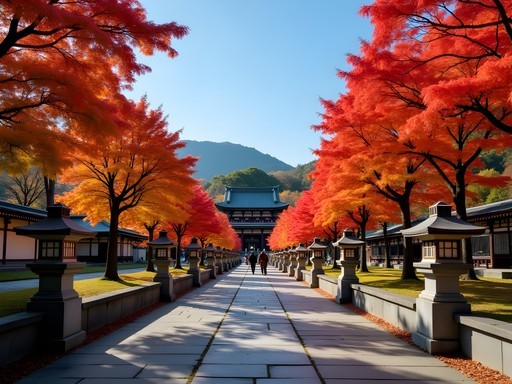
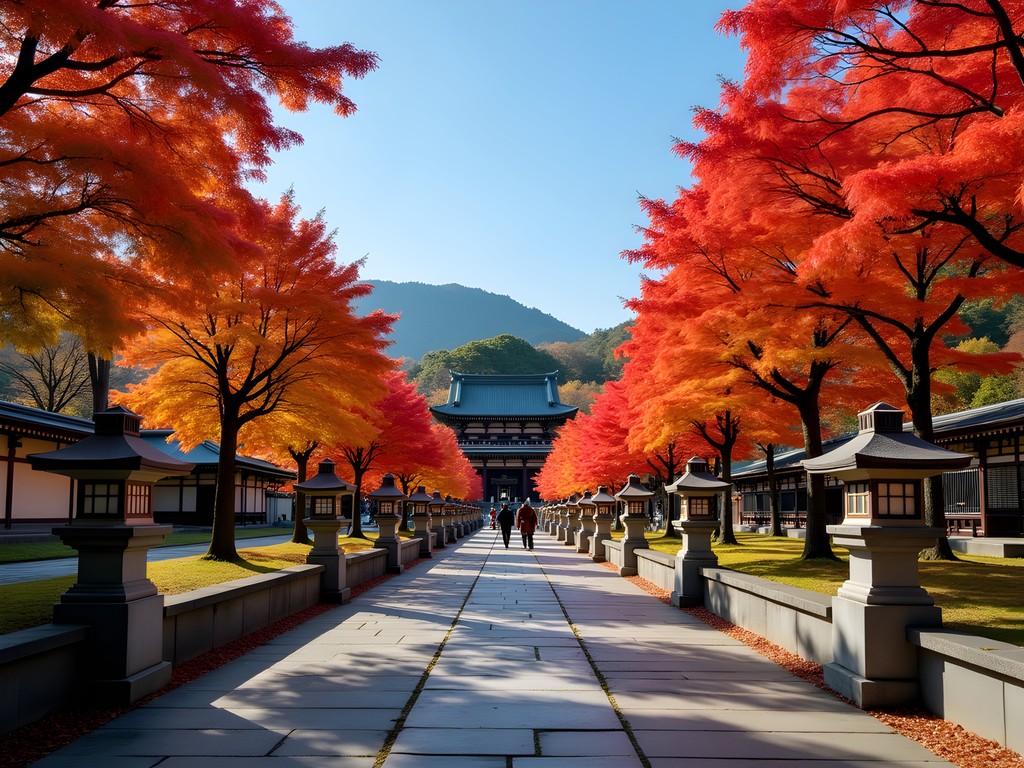
Dazaifu Tenmangu Shrine is dedicated to the deity of learning and is particularly popular among students seeking academic success. What interested me most, however, was the shrine's connection to traditional healing practices. Throughout the expansive grounds, I found small sub-shrines dedicated to various aspects of health and wellbeing.
I'd recommend bringing a reusable water bottle as the walking can be extensive, particularly if you explore the hiking trails behind the main shrine complex. My insulated bottle kept my green tea perfectly warm throughout the cool fall day—staying hydrated is something I emphasize to my cardiac patients, and equally important for travelers.
Near the shrine, I discovered Kyushu National Museum (admission ¥700 or about $4.75), which houses an excellent exhibition on the history of medicine in Japan. The museum's architectural design itself is worth appreciating—a harmonious blend of modern technology and traditional aesthetics, much like the Japanese approach to healthcare that integrates ancient wisdom with cutting-edge science.
For lunch, I enjoyed umegae mochi—traditional rice cakes filled with sweet red bean paste—from a small shop along the path to the shrine. At ¥100-150 per cake (roughly $0.70-$1), these provided an energy-efficient fuel for my exploration, much like how the heart selectively uses different energy substrates depending on activity levels.
The afternoon offered a unique opportunity to experience a traditional Japanese onsen (hot spring bath) at Dazaifu Tenmangu Onsen. At ¥800 ($5.40) for admission, this natural therapy aligns with what I often tell my patients about the cardiovascular benefits of contrast bathing. The mineral-rich waters are believed to improve circulation and reduce inflammation—principles now supported by modern medical research on hydrotherapy.
💡 Pro Tips
- Purchase the Dazaifu Tourist Ticket which includes round-trip train fare and discounted museum admission
- Visit on weekdays to avoid crowds of students during exam seasons
- Try the various drinking fountains at Dazaifu Tenmangu—each is said to benefit different aspects of health
Day 5: Nokonoshima Island and Marine Ecosystem Exploration
My fascination with ecosystems—both biological and environmental—led me to Nokonoshima Island, a 10-minute ferry ride from Meinohama Port. The round-trip ferry costs just ¥230 ($1.55), making this day trip exceptionally budget-friendly.
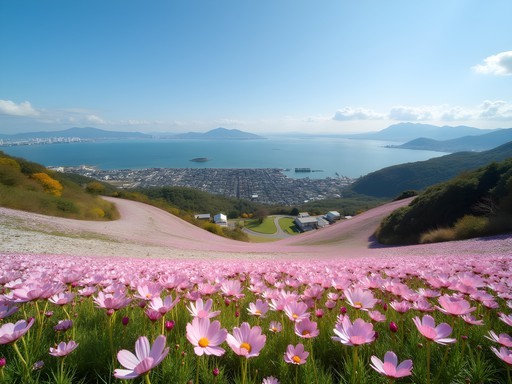
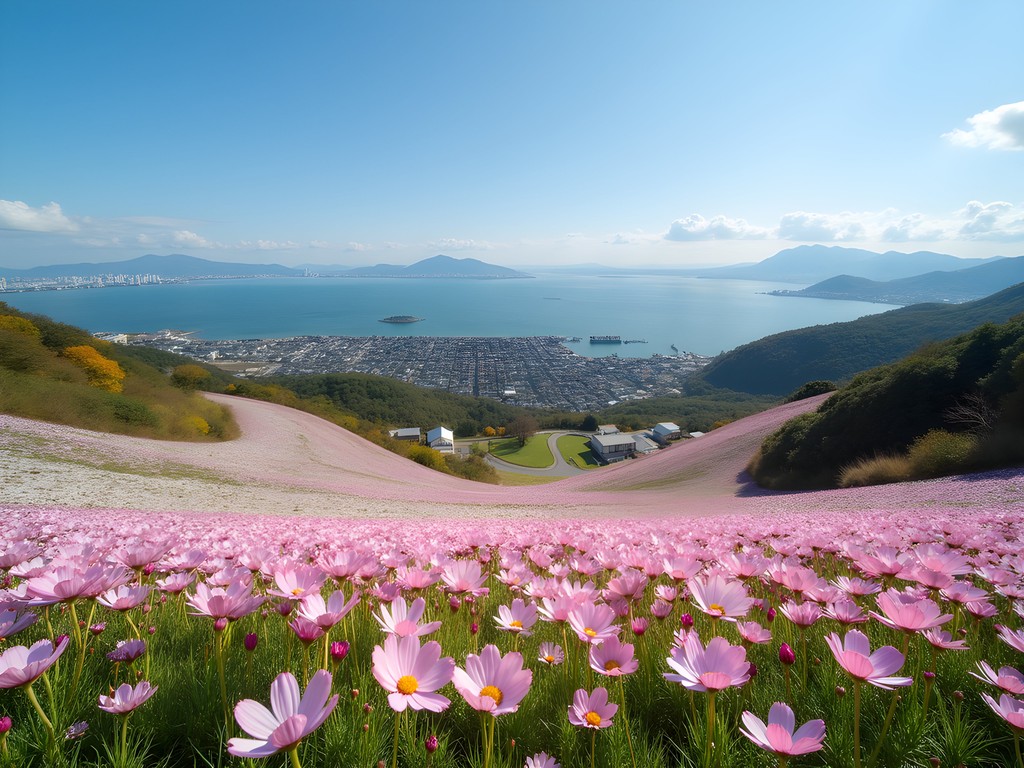
The island offers spectacular seasonal flower displays, and during my fall visit, the cosmos and autumn-hued foliage created a landscape of remarkable beauty. The island park entrance fee is ¥1,200 ($8.10), but the extensive grounds and multiple flower fields make it worth every yen.
As a marine life enthusiast, I was particularly drawn to the island's coastal areas. I packed my underwater camera to document the tidal ecosystems. This rugged camera has accompanied me from Thailand's reefs to Scotland's lochs, and its macro capabilities are perfect for capturing the minute details of marine organisms.
The island's ecosystem reminded me of the heart's remarkable adaptability—how it responds to changing conditions while maintaining essential functions. The tidal pools, with their specialized organisms adapted to dramatic shifts in environment, parallel the heart's ability to maintain homeostasis despite varying demands.
For lunch, I enjoyed a simple meal of Nokonoshima yaki—a savory pancake featuring local ingredients—at a small restaurant near the port. At ¥600 ($4.05), it provided excellent value while supporting local business.
In the afternoon, I hiked the island's network of trails, which offer panoramic views of Hakata Bay and the surrounding islands. These paths range from easy to moderate difficulty, making them accessible for most fitness levels. As someone who regularly counsels cardiac patients on appropriate exercise, I appreciated how the island's natural topography created a perfect interval training circuit—alternating between gentle slopes and more challenging inclines.
Before catching the return ferry, I visited the small but informative island museum (free with park admission), which documents the traditional fishing and farming practices that have sustained this community for generations. The preservation methods displayed—particularly those for marine resources—reflected sustainable practices that modern conservation efforts are now rediscovering.
💡 Pro Tips
- Visit on weekdays to enjoy significantly smaller crowds and more peaceful exploration
- Bring your own food and water to save money, as island restaurants can be pricier than mainland options
- Check the ferry schedule carefully—services are limited in the evening, especially during off-peak seasons
Day 6: Yanagibashi Market and Budget Food Exploration
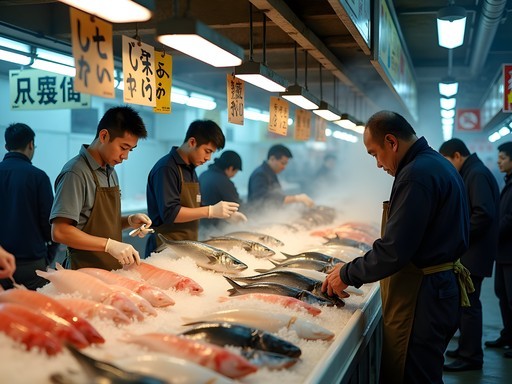
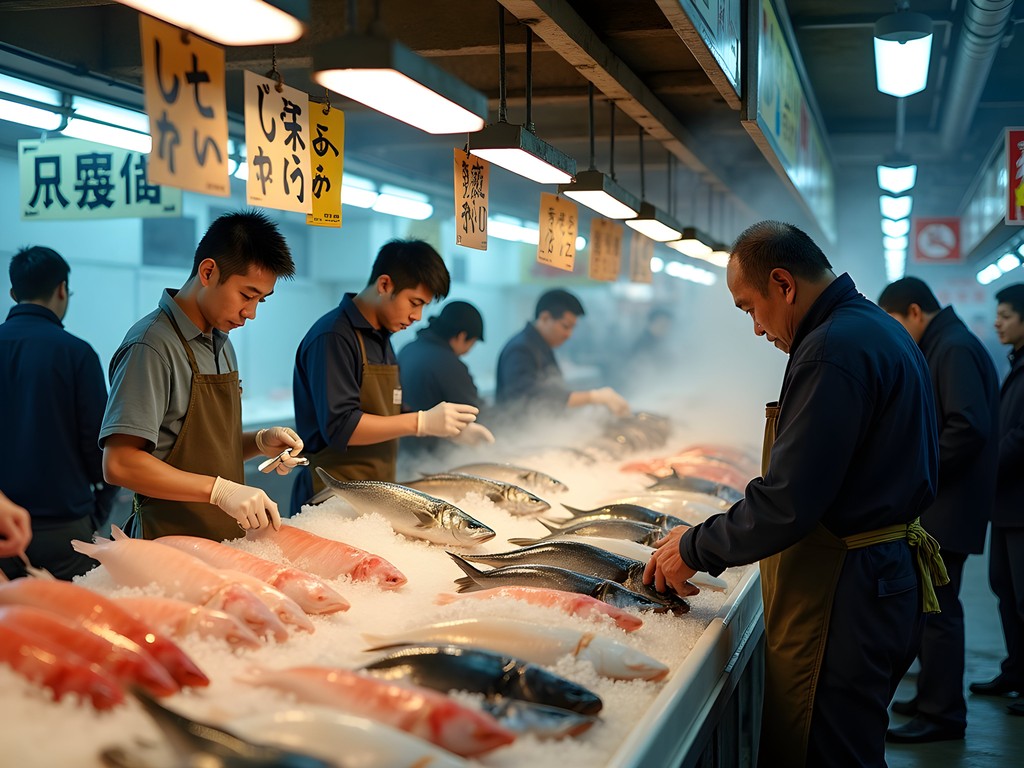
No visit to Fukuoka would be complete without exploring its renowned food culture, and there's no better place to do this economically than Yanagibashi Market—often called 'Fukuoka's Kitchen.' I arrived early, around 7:30 AM, when the market was bustling with local chefs securing the day's finest ingredients.
As someone who regularly advises patients on heart-healthy diets, I was impressed by the variety of omega-3 rich seafood available at remarkably reasonable prices. The market offers an opportunity to observe how Japanese culinary traditions emphasize freshness and seasonal availability—principles that align perfectly with cardiovascular nutrition recommendations.
While photography is restricted in some areas, vendors were generally welcoming when I showed genuine interest in their products. I engaged several fishmongers in conversation about sustainable fishing practices, drawing parallels between marine conservation and my work in preventative cardiology—both focused on preserving vital systems through mindful intervention.
For an economical breakfast, I purchased a small portion of fresh sashimi for ¥500 ($3.40) and enjoyed it at a standing counter within the market. The protein-rich start to the day provided sustained energy without the blood glucose spikes that refined carbohydrates would cause—a principle I often explain to my cardiac patients.
In the afternoon, I participated in a free walking tour offered by Fukuoka Free Walk (voluntary donations appreciated). Our guide led us through the city's historical districts, explaining how Fukuoka's position as a gateway city influenced its culinary development. The tour concluded at Kushida Shrine, bringing my exploration full circle.
For dinner, I experienced another Fukuoka specialty: yatai food stalls. These small, mobile restaurants appear at dusk along the Naka River and in Tenjin district. I selected a stall specializing in gyoza (dumplings) and enjoyed a filling meal for ¥600 ($4.05). The communal dining experience—sitting shoulder-to-shoulder with locals and fellow travelers—created connections that transcended language barriers.
To record these culinary adventures in low light conditions, my compact travel tripod proved invaluable. This lightweight support system stabilizes my camera for longer exposures without adding significant weight to my day pack—an efficiency principle that mirrors how the heart optimizes its workload.
💡 Pro Tips
- Visit markets 30-60 minutes before closing time for potential discounts on perishable items
- Learn basic Japanese phrases related to food allergies or dietary restrictions before visiting yatai stalls
- Many yatai owners welcome conversation—asking about their specialties often leads to generous portions
Day 7: Shofukuji Temple and Reflection Day
For my final day, I sought a space for reflection—something I encourage both in my patients' recovery journeys and in my own travels. Shofukuji Temple, Japan's first Zen Buddhist temple established in 1195, provided the perfect setting. Admission is free, embodying the Zen principle that enlightenment requires no material exchange.
The temple grounds feature Japan's oldest Zen meditation hall, where I participated in a morning meditation session (donation-based). As a cardiologist, I've followed research demonstrating meditation's benefits for cardiovascular health, including reduced blood pressure and heart rate variability improvements. Experiencing these practices in their traditional context deepened my appreciation for their therapeutic potential.
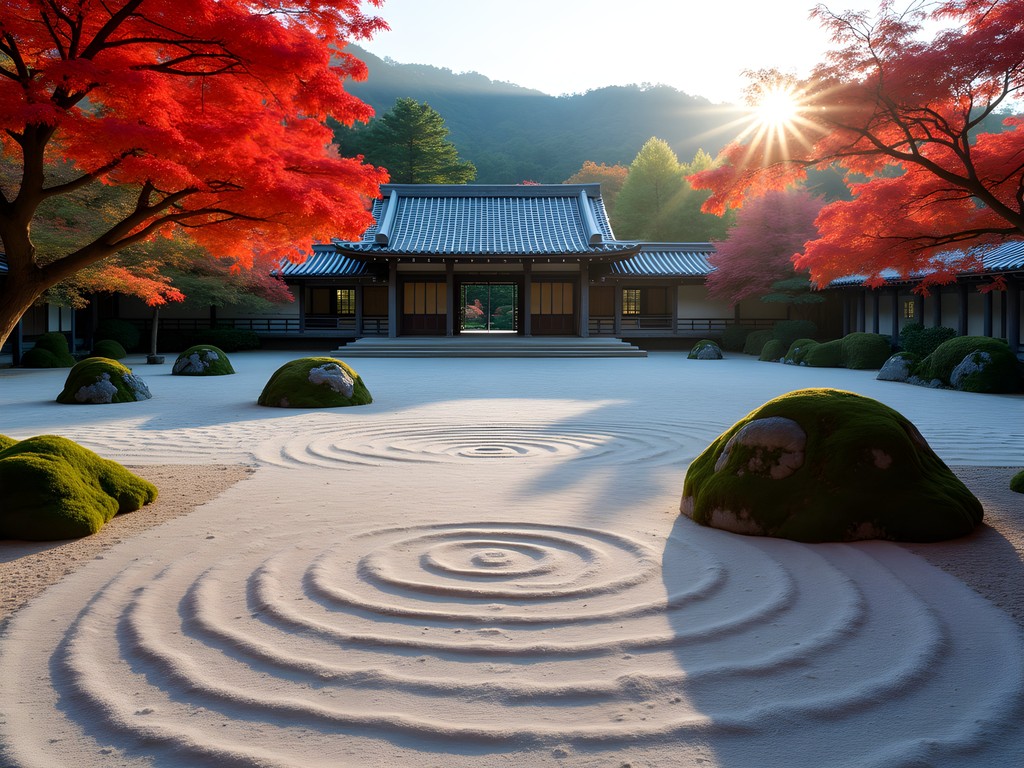
The temple's garden exemplifies the principle of ma—the Japanese concept of negative space that creates balance and harmony. This architectural approach parallels what we see in cardiac anatomy, where chambers and vessels are arranged with remarkable spatial efficiency.
Nearby Tochoji Temple houses a 10.8-meter wooden Buddha statue—one of Japan's largest. While photography is prohibited inside, the memory of this imposing yet serene figure remains vivid. A small museum (¥500 admission, approximately $3.40) displays artifacts related to Buddhist medicine, including herbal formulations historically used for heart conditions.
For a final budget-friendly meal, I visited the Kawabata Shopping Arcade—a covered shopping street where I discovered a small restaurant serving teishoku (set meals) for ¥800 ($5.40). These balanced meals typically include protein, vegetables, rice, and miso soup—a perfect example of the nutritionally complete approach to eating that I recommend to patients.
Before heading to the airport, I stopped at a local grocery store to purchase omiyage (souvenirs) for colleagues. Japanese snacks and teas make excellent gifts and cost significantly less at ordinary supermarkets than at airport shops. To organize these purchases efficiently in my luggage, I used packing cubes which have revolutionized my travel organization, allowing me to compartmentalize items while maximizing space—much like the heart's chambers efficiently manage blood flow through distinct pathways.
💡 Pro Tips
- Arrive at Shofukuji early (before 9 AM) to experience the temple grounds before tour groups arrive
- Check with your accommodation about luggage storage on your final day to enable comfortable exploration
- Consider purchasing a bento box from a department store for your return flight—they're often more satisfying and less expensive than airport meals
Final Thoughts
As my week in Fukuoka came to a close, I found myself reflecting on how this often-overlooked Japanese city offers an exceptional value proposition for the budget-conscious traveler. Like a well-functioning cardiovascular system that efficiently delivers resources throughout the body, Fukuoka provides rich cultural experiences without demanding excessive financial output. The city's blend of traditional wisdom and modern innovation mirrors my own professional journey—finding balance between established medical practices and emerging therapeutic approaches. Whether you're drawn to the historical temples, vibrant food culture, or natural landscapes, Fukuoka delivers authentic Japanese experiences at a fraction of the cost you'd find in Tokyo or Kyoto. As you plan your own journey to this remarkable city, remember that traveling mindfully—both financially and culturally—creates the most rewarding experiences. The heart knows that true richness comes not from extravagance but from meaningful connections and discoveries. I hope this itinerary serves as a useful roadmap for your own exploration of Fukuoka—a city that proves luxury isn't measured in yen spent, but in moments treasured.
✨ Key Takeaways
- Fukuoka offers authentic Japanese experiences at 30-40% lower costs than Tokyo or Kyoto
- Free and low-cost attractions like temples, parks, and markets provide cultural immersion without straining your budget
- Strategic meal planning—utilizing morning markets, department store food halls, and yatai stalls—allows for culinary exploration at reasonable prices
- Fukuoka's excellent public transportation system makes car rentals unnecessary, saving significant travel costs
📋 Practical Information
Best Time to Visit
Fall (October-November) for comfortable temperatures and autumn colors
Budget Estimate
¥7,000-10,000 ($47-67) per day including accommodation, food, and activities
Recommended Duration
5-7 days
Difficulty Level
Easy
Comments
winterbackpacker2101
Really helpful post, thanks for sharing!
Bryce Diaz
Brandon, this brings back memories! I did three weeks solo in Kyushu back in 2019 and Fukuoka was my base. You've nailed the budget aspect - it really is the most affordable major city in Japan. One thing I'd add for fellow solo travelers: the guesthouse scene there is fantastic for meeting people. I stayed near Tenjin and ended up joining spontaneous groups for day trips almost every other day. The onsen you can access on day trips from Fukuoka (Beppu is just 2 hours away) are absolutely worth it. My Japan Rail Pass paid for itself in like 4 days with all the regional trips I took. The flexibility was incredible.
blueguy
Love this!! Going to Fukuoka in March and this itinerary is perfect timing. The healthcare/traditional medicine angle is really interesting too - not something most travel blogs cover. Definitely adding Ohori Park to my list now.
oceanzone
How does Fukuoka compare to Osaka for budget travel? Trying to decide between the two
vacationnomad
How easy is it to get around without speaking Japanese?
winterbackpacker2101
Super easy! Subway signs are all in English and people are really helpful. I used Google Translate camera feature for menus and it worked great.
Ana Robinson
Love seeing Fukuoka get some attention! As someone living in Tokyo, I escape to Fukuoka with my family several times a year because it's so much more relaxed and affordable. Pro tip for families: the Fukuoka City Museum has free admission on certain days and my kids love the interactive exhibits about the city's history as a trading port. Also, if you're there on weekends, the farmers market near Ohori Park has incredible fresh produce and local snacks. The mentaiko (spicy cod roe) from the vendors there is the real deal, not the tourist stuff. And yes to everything about the yatai stalls - just go early because the popular ones fill up fast!
springlover
thanks for the museum tip!! def doing that
Kimberly Murphy
Brilliant post, Brandon! I absolutely love how you've broken down the costs so clearly. Fukuoka was one of my favourite surprises in Japan - arrived with low expectations and left completely smitten. The Dazaifu day trip you mentioned is spot on, and that shrine is absolutely stunning. I'd also recommend the Fukuoka Tower for sunset if you can snag a discount ticket (sometimes available at tourist info centers). The ramen museum experience was hilarious and delicious. Did you make it to Yanagibashi Market? It's where the locals shop and you can get amazing fresh food for picnics!
blueguy
Second the Yanagibashi Market recommendation! Got the best sushi of my life there for like $8
escapemate4380
We did the public transportation too and it was great. The subway day pass saved us so much money. Canal City was fun but honestly the best stuff was just wandering around Hakata and trying random restaurants. Also those convenience store meals are no joke - way better than expected!
hikingnomad
YES!! Fukuoka is so underrated! I spent 10 days there last year and honestly liked it better than Tokyo. The food scene is incredible and you're right about the prices - way more manageable. The yatai food stalls at night are an absolute must. Also hit up Momochi Beach if you have time, it's free and beautiful!
starbackpacker
Going there next month! Did you need to book anything in advance or just wing it?
Brandon Hunt
I winged most of it! Only thing I'd book ahead is accommodation if you're going during cherry blossom season or holidays. Everything else is super accessible.
Venture X
Premium card with 2X miles, $300 travel credit, Priority Pass