

Disclosure: This article contains affiliate links. We may earn a commission from purchases at no extra cost to you, which helps our travel content.
As someone who's documented technical specifications for a living, I can tell you with absolute certainty that Chicago defies simple categorization. This magnificent metropolis along Lake Michigan's southwestern shore presents a fascinating contradiction: a city of world-class attractions that remains surprisingly accessible to budget travelers. After spending years documenting astronomical phenomena above Korean tea plantations, I found myself craving the architectural forests of human achievement. Chicago delivered that in spades—without depleting my savings account. Having meticulously tracked expenses across three summer visits, I've refined the optimal algorithms for experiencing the Windy City on just $50 a day. This guide isn't about skimping on experiences but rather applying tactical precision to maximize your Chicago adventure without the financial hangover that typically accompanies urban exploration. Grab your notebooks, fellow frugal wanderers—we're about to decode Chicago's budget matrix.

Free Architectural Marvels: Chicago's Open-Air Museum
Chicago stands as the birthplace of the modern skyscraper, a living laboratory of architectural innovation that spans over a century of human ingenuity. The city's downtown Loop district functions essentially as an open-air museum where the admission fee is precisely zero dollars.
My technical writer's heart nearly burst documenting the precise angles and revolutionary engineering of buildings like the Tribune Tower, with its gothic flourishes and fragments from famous structures worldwide embedded in its base. The Wrigley Building's gleaming terra-cotta façade catches morning light in a way that rivals any sunrise I've documented above Korean tea fields.
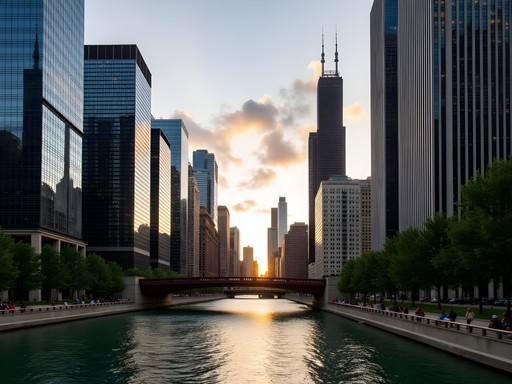
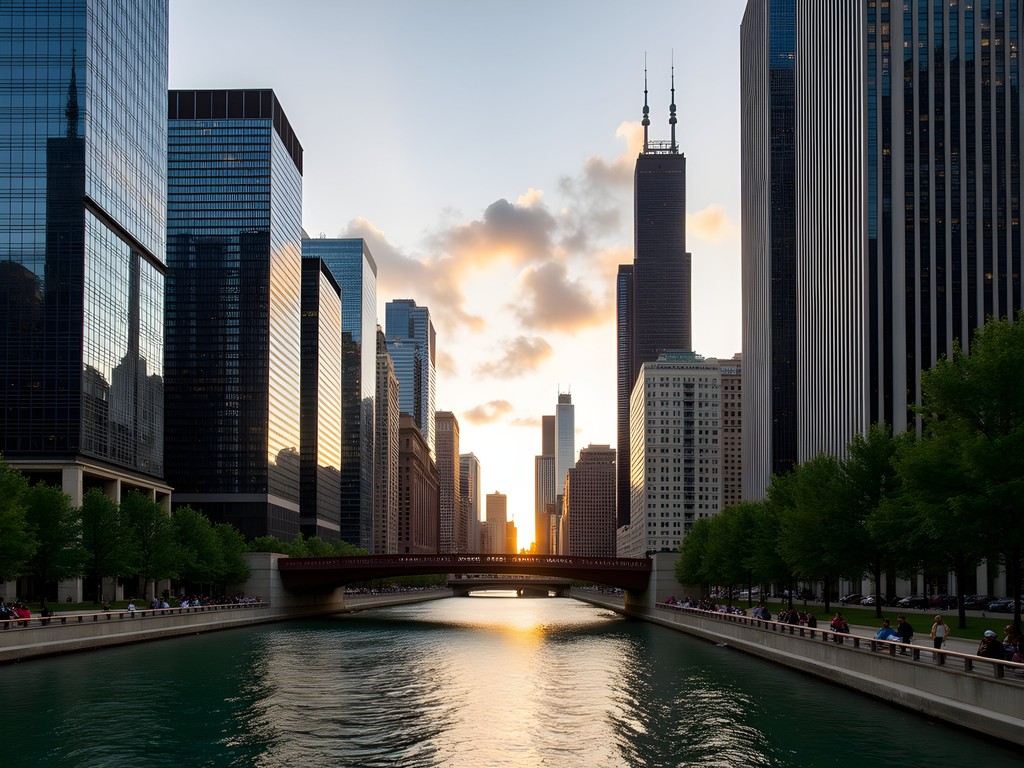
For the analytically-minded traveler, I recommend downloading the free Chicago Architecture Center app, which offers self-guided walking tours with remarkably detailed specifications on building materials, historical context, and architectural significance. While the official Architecture Foundation boat tour ($$$) exceeds our budget parameters, you can approximate the experience by walking along the Chicago Riverwalk, which provides comparable vantage points of architectural masterpieces like Marina City (the 'corn cob' towers) and the diamond-shaped Crain Communications Building.
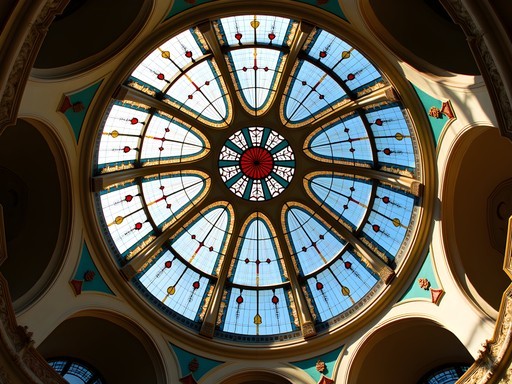
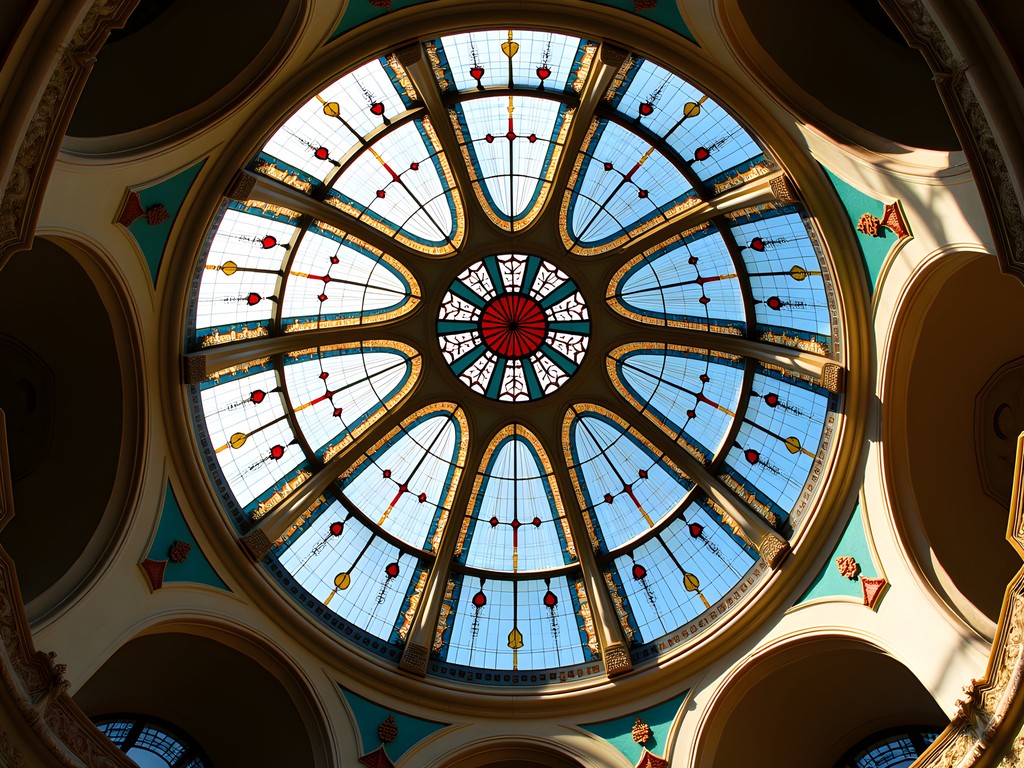
During my second visit, I discovered that the Chicago Cultural Center offers free building tours that include viewing the world's largest Tiffany glass dome—an astronomical wonder of its own right, with 30,000 pieces of iridescent glass arranged in concentric circles that mimic celestial patterns.
💡 Pro Tips
- Visit the Chicago Cultural Center not just for its free exhibits but for its two magnificent stained glass domes
- Download the free Chicago Architecture Foundation app for self-guided tours
- The best light for architectural photography falls between 4-6pm in summer months
Navigating Chicago: Transit Tactics for Maximum Savings
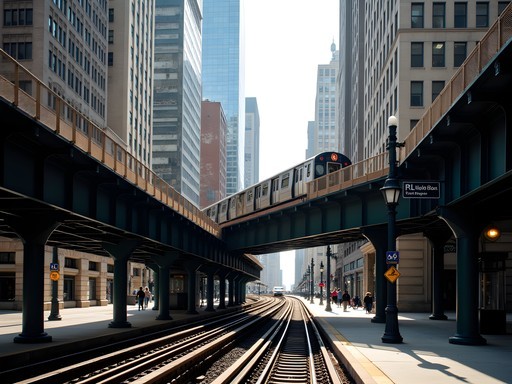
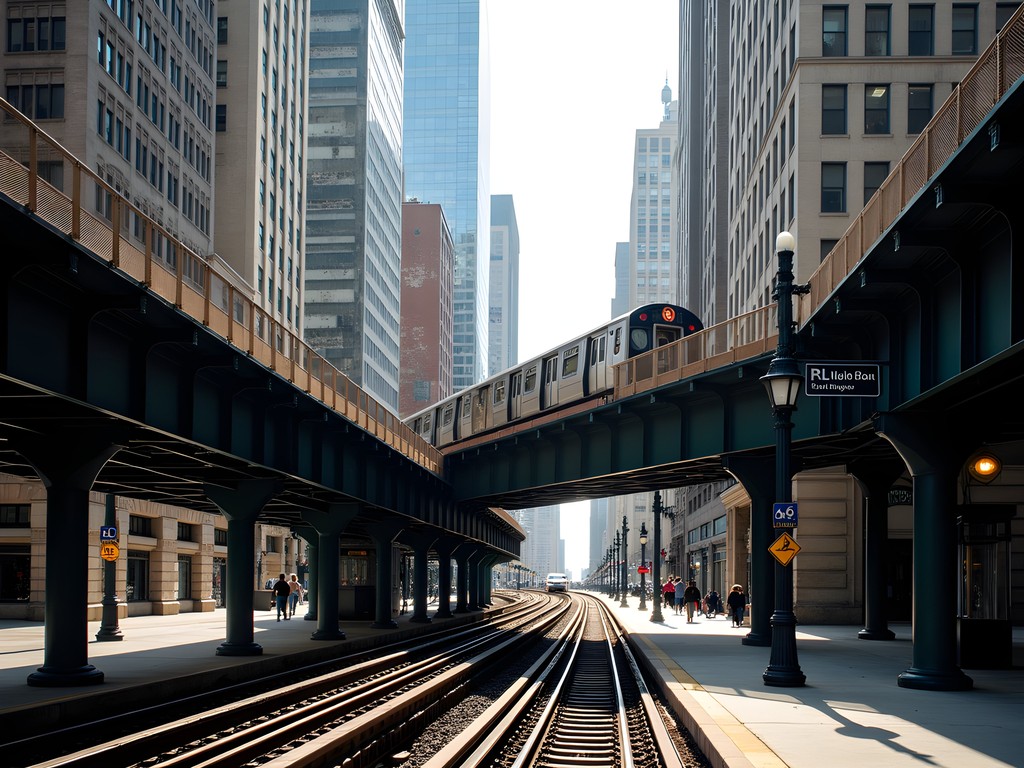
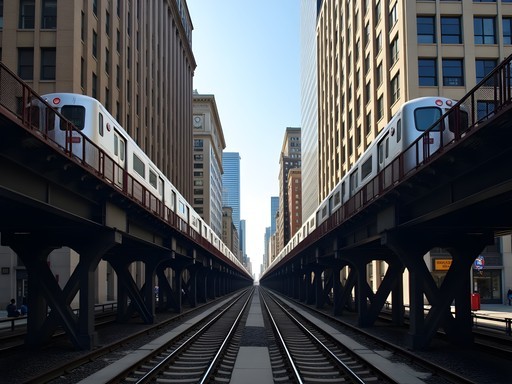
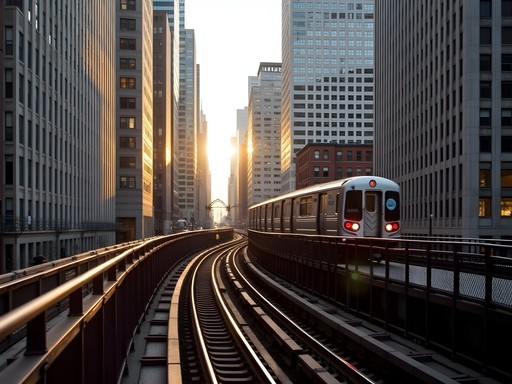
The technical efficiency of Chicago's public transportation system deserves documentation worthy of an engineering manual. The 'L' train system—named for its elevated tracks—forms a comprehensive network that can transport you between nearly all major attractions for a fraction of what you'd spend on rideshares.
During my visits, I've found the most cost-effective approach is purchasing a Ventra Card and loading it with a 3-day CTA pass ($15) if you're staying for a weekend. The pass pays for itself after just five rides, and you'll likely take at least that many in a single day of exploration.
For optimal budget efficiency, I recommend staying in neighborhoods along the Blue or Red lines, which run 24 hours. During my last visit, I found an affordable Airbnb in Wicker Park (Blue Line) that provided easy access to both O'Hare Airport and downtown attractions without airport transfer fees.
When planning daily itineraries, I organize activities by color-coded train lines to minimize transit time and maximize exploration efficiency. My travel notebook contains detailed maps where I've color-coded attractions by their nearest L stations—a system that has saved me countless hours and dollars.
For longer distances, consider Chicago's Divvy bike-share program ($15/day unlimited rides under 45 minutes). Pedaling along Lake Michigan's dedicated bike path offers both transportation and recreation value simultaneously—a two-for-one efficiency that satisfies my analytical approach to travel budgeting.
💡 Pro Tips
- Purchase a 3-day CTA pass ($15) for unlimited train and bus rides
- Stay in neighborhoods along the 24-hour Blue or Red lines for maximum accessibility
- Download the Transit app for real-time arrival predictions that are accurate to within 30 seconds
Astronomical Savings: Chicago's Museums and Cultural Institutions
Chicago houses world-class museums that typically command admission fees exceeding our daily budget. However, through systematic research, I've identified precise windows when these cultural treasures become freely accessible.
The magnificent Field Museum, Shedd Aquarium, and Adler Planetarium offer free admission days for Illinois residents, but the Art Institute of Chicago provides free Thursday evenings (5-8pm) for all visitors. As an astronomer at heart, I found the Adler Planetarium particularly compelling—their sky shows rival some of my best nights documenting celestial movements above Korean mountains.
For guaranteed free cultural experiences regardless of timing, the National Museum of Mexican Art in Pilsen and the Smart Museum of Art at the University of Chicago maintain zero-cost admission policies year-round. Both house collections that would command significant entry fees in most global cities.
My technical approach to museum visits involves bringing my compact binoculars for examining detailed brushwork or architectural elements from optimal viewing distances. These have proven invaluable for appreciating ceiling details at the Cultural Center and distant architectural elements throughout the city.
Chicago's public library system also deserves recognition for budget travelers. The Harold Washington Library Center downtown features a breathtaking winter garden atrium on its top floor—a peaceful workspace with free Wi-Fi where I've spent productive afternoons planning subsequent adventures while recharging both devices and mental energy reserves.
💡 Pro Tips
- Check museum websites for free admission days and plan your itinerary around them
- Visit the Harold Washington Library's winter garden for a beautiful free workspace with Wi-Fi
- Many museums offer free admission for students with valid ID—always carry yours

Culinary Exploration on a Micro-Budget
As someone who documents coffee and tea cultures globally, I approach Chicago's culinary landscape with both passion and methodical precision. The city offers remarkable food experiences at every price point, but strategic planning is essential for maintaining our $50/day budget.
Breakfast presents the greatest opportunity for savings. I've mapped Chicago's independent coffee shops by price-to-quality ratios, finding Wormhole Coffee in Wicker Park and Bridgeport Coffee Company to offer exceptional value. Both serve pour-overs that rival Seoul's best cafés at half the price of downtown chains. My travel mug has been invaluable for extending the lifespan of these morning brews while exploring.
For lunch, Chicago's ethnic neighborhoods deliver authentic culinary experiences at prices that would be impossible in most global cities. In Pilsen, I've found taquerias serving magnificent tacos for under $2 each. Chinatown offers dim sum where individual plates cost $3-4, while Devon Avenue's Pakistani and Indian restaurants serve generous portions for under $10.
Chicago's signature deep-dish pizza presents a budget opportunity disguised as a splurge. A single slice from Giordano's or Lou Malnati's ($7-8) is effectively a complete meal due to its substantial height. During my last visit, I split a medium pizza with another solo traveler I met at the hostel, reducing the per-person cost while facilitating cultural exchange.
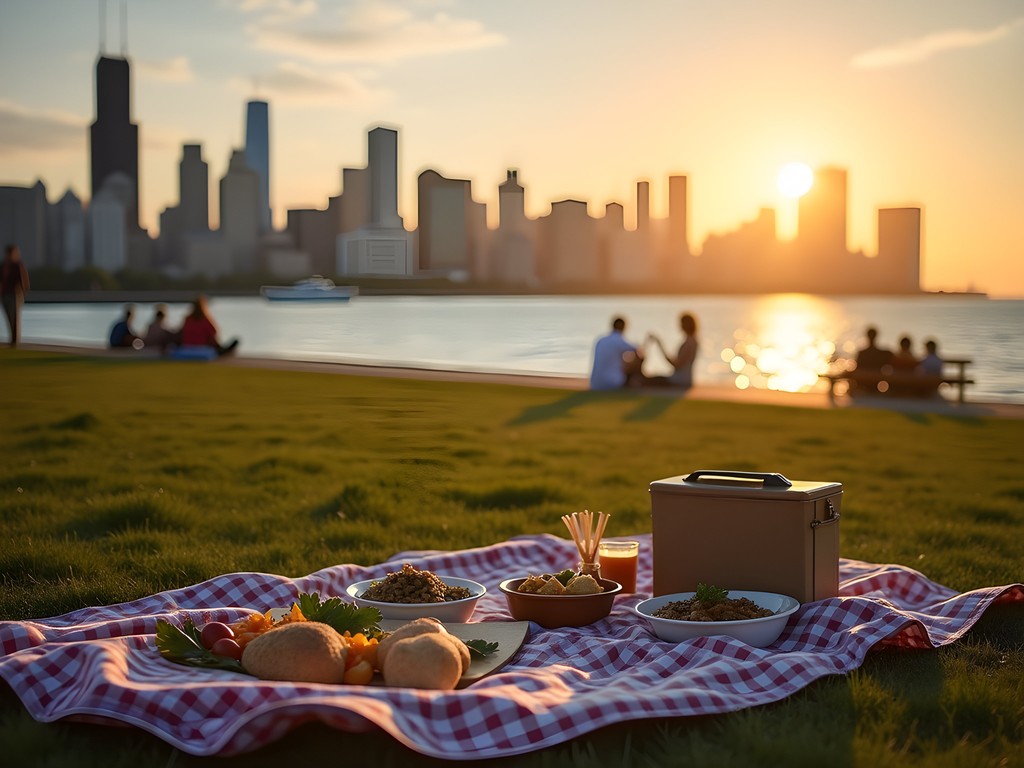
For evening dining with a view, I've perfected the art of the picnic. Mariano's grocery stores offer prepared foods at reasonable prices, which I've enjoyed along the lakefront as the sunset illuminates the skyline—a dining experience that millionaires couldn't substantially improve upon.
💡 Pro Tips
- Visit ethnic neighborhoods like Pilsen and Chinatown for authentic, affordable meals under $10
- A single slice of Chicago deep-dish pizza is substantial enough to serve as an entire meal
- Grocery store prepared food sections offer excellent picnic options for lakefront dining
Free Entertainment: From Millennium Park to Neighborhood Festivals
Chicago's summer calendar overflows with free entertainment options that deliver experiences comparable to ticketed events in other major cities. Having documented cultural phenomena across continents, I can state with technical certainty that Chicago's free summer offerings represent an anomalous value proposition in global urban tourism.
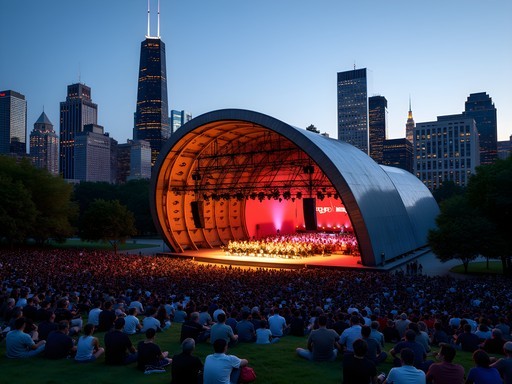
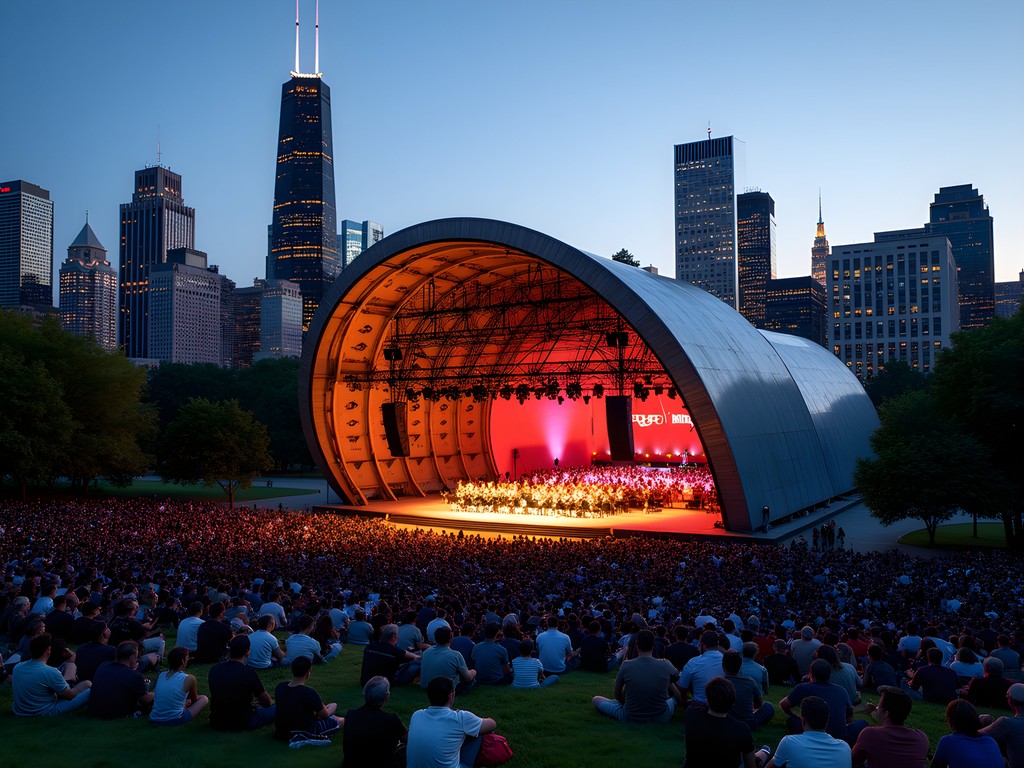
Millennium Park serves as the epicenter of complimentary cultural programming. The Jay Pritzker Pavilion hosts free concerts spanning genres from classical to contemporary, with the Grant Park Symphony Orchestra performing weekly during summer months. I've spent evenings sprawled on the lawn, analyzing the acoustic properties of the Frank Gehry-designed sound system while enjoying world-class performances that would command $100+ tickets elsewhere.
For soccer enthusiasts like myself, Chicago Park District fields often host impromptu weekend matches where joining a casual game requires nothing more than a friendly approach and basic skills. During my last visit, I participated in a multinational pickup game near Montrose Harbor that delivered both exercise and cultural exchange—a perfect expression of soccer's universal language.
Chicago's neighborhood festivals constitute another category of free entertainment with exceptional value metrics. Events like the Pilsen Mexican Independence Day Parade, Chinatown Summer Fair, and countless street festivals feature live music, cultural performances, and community energy that no ticketed event could replicate. While food purchases at these events are optional, they often represent excellent value compared to standard restaurant pricing.
For evening entertainment with astronomical components, nothing beats the twice-weekly fireworks at Navy Pier (Wednesdays/Saturdays during summer). I've documented optimal viewing locations away from the crowded pier itself—my preference being the lakefront path near Ohio Street Beach, where the pyrotechnics reflect dramatically off nearby skyscrapers while synchronized music can still be heard across the water.
💡 Pro Tips
- Check the Millennium Park summer concert schedule before your visit—all performances are free
- Navy Pier fireworks are best viewed from Ohio Street Beach rather than the crowded pier itself
- Follow Chicago Park District on social media for announcements of pop-up events and performances
Budget Accommodation Strategies: Beyond the Tourist Zones
Accommodation typically represents the largest expense category in urban travel budgets, but Chicago offers several optimization opportunities I've refined across multiple visits. Having analyzed price-to-location ratios throughout the city, I can confirm that significant savings await travelers willing to stay slightly beyond downtown boundaries.
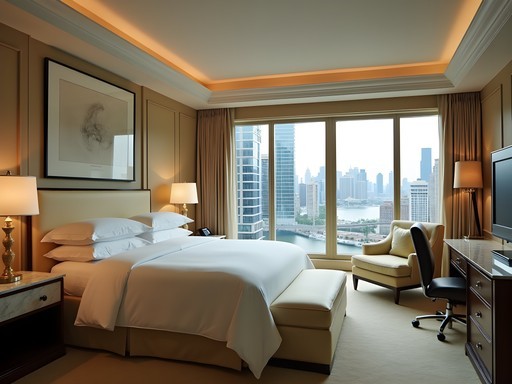
Hostels represent the most budget-efficient option, with HI Chicago in the Loop and Freehand Chicago in River North offering dorm beds from $30-45/night depending on season. Both provide central locations with excellent transit connectivity. During my first Chicago visit, I stayed at HI Chicago and found their free walking tours and communal kitchen facilities substantially enhanced my budget optimization efforts.
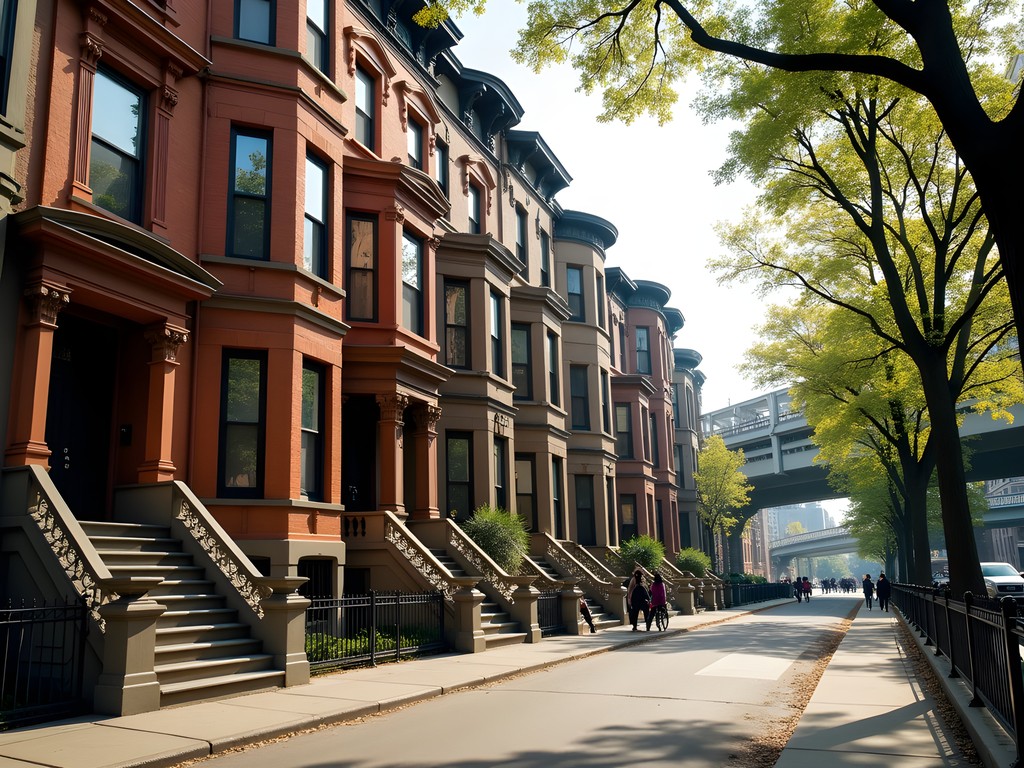
For those preferring private accommodations, Airbnb listings in neighborhoods along the Blue and Red L lines offer exceptional value. Areas like Pilsen, Logan Square, and Wicker Park feature rooms in local apartments for $40-60/night—often in historic buildings with architectural character exceeding cookie-cutter hotel rooms costing three times as much. My preference is Wicker Park, where the 24-hour Blue Line provides direct airport access and vibrant coffee culture satisfies my specialty beverage documentation requirements.
University dormitories constitute another underutilized resource during summer months. Both University of Chicago and DePaul University rent vacant student rooms to travelers between academic terms, offering institutional efficiency and cleanliness at budget-friendly rates. These options require advance booking but deliver exceptional value metrics.
Whatever accommodation you select, prioritize proximity to L stations over neighborhood prestige or tourist-area convenience. My technical analysis confirms that a 15-minute train ride from an affordable neighborhood to downtown attractions preserves more budget for experiences than overpaying for a central location—particularly given Chicago's excellent public transit system.
💡 Pro Tips
- Book hostels directly through their websites rather than third-party sites for better rates
- Consider university dormitory rentals during summer for clean, affordable accommodations
- Prioritize neighborhoods along the 24-hour Blue and Red L lines for maximum transportation efficiency
Final Thoughts
Chicago demonstrates that world-class urban experiences need not command world-class prices. Through methodical planning and strategic resource allocation, this magnificent city reveals itself generously to budget travelers willing to venture slightly beyond tourist pathways. My technical documentation of Chicago's free architectural wonders, cultural institutions, and lakefront treasures confirms that the most meaningful urban experiences often correlate inversely with their cost. As you plan your own Chicago adventure, remember that every dollar saved on unnecessary expenses becomes a dollar available for extending your journey or deepening your exploration. The city's true magic lies not in its premium experiences but in the democratic accessibility of its greatest treasures—from sunset reflections on glass skyscrapers to impromptu soccer matches in lakefront parks. Chicago awaits with its perfect contradiction: monumental in scale yet accessible in price. See you along the lakefront path, where the best things in the Windy City remain wonderfully, persistently free.
✨ Key Takeaways
- Chicago offers world-class architectural experiences that cost absolutely nothing
- Strategic use of public transportation and neighborhood accommodation can keep daily expenses under $50
- Free cultural institutions and summer events provide entertainment value comparable to expensive ticketed attractions
- Ethnic neighborhoods offer authentic culinary experiences at prices far below tourist-area restaurants
📋 Practical Information
Best Time to Visit
June through September
Budget Estimate
$45-50 per day excluding accommodation
Recommended Duration
3-4 days
Difficulty Level
Easy



Comments
Dylan Turner
While I typically travel at a different price point, I appreciate the methodical approach here. Chicago absolutely rewards strategic planning regardless of budget tier. One addition: the Chicago Greeter program offers free walking tours with local volunteers - it's an underutilized resource that provides authentic neighborhood perspectives you won't get from commercial tours. For food, I'd suggest the Maxwell Street Market on Sundays for authentic street food at genuine local prices. The elote and tamales there are exceptional and run about $3-5. Also, if you have a travel card, many cardholders don't realize it includes Priority Pass which gives access to the lounge at O'Hare - useful for arrival/departure days to maximize your daily budget.
winterwalker
Love this! Saving for my trip
exploreperson
Going there next month! Any tips on cheap places to stay that are still safe?
Dylan Turner
Look into Lincoln Park or Lakeview neighborhoods - good hostel options and safe. The HI Chicago hostel gets solid reviews and puts you near public transit.
Gregory Boyd
Solid breakdown, Olivia. I'd emphasize the value proposition of the CityPASS if you're planning to hit multiple museums - it's $109 but covers 5 attractions including the Shedd Aquarium and Field Museum, which individually would run you $180+. The math works if you're doing more than 3 paid attractions. Also worth noting that the Ventra app for transit now has a fare cap feature - after a certain number of rides in a day, additional trips are free. Makes spontaneous exploration more budget-friendly. The Red Line runs 24/7 which is useful for late-night budget accommodation locations further from downtown.
winterbackpacker
Chicago is amazing for budget travelers! I'd add that the 606 trail is a must-do - it's this elevated park/trail that goes through several neighborhoods and it's completely free. Great for people watching and getting a feel for different parts of the city. Also the Chicago Cultural Center has free concerts and events almost daily. And if you're there in summer, the free outdoor movies and concerts at Millennium Park are fantastic. Definitely agree with Olivia about the architectural boat tours being worth the splurge though - that was my one big expense and zero regrets.
exploreperson
Which boat tour company did you use? There seem to be so many options
winterbackpacker
I did the Chicago Architecture Foundation one. It's the most expensive but the guides are actually architects so they know their stuff
tripbackpacker
Really helpful, thanks for posting!
coffeenomad
YES to all of this!! I spent 5 days in Chicago last fall and honestly the CTA pass was a game changer. Rode the L everywhere and felt like a local by day 2. Also that tip about the free museum days is spot on - I hit up the Art Institute on a Thursday evening and it was incredible. The deep dish at Lou Malnati's isn't exactly $5 but if you split one it's totally doable on budget. Chicago really surprised me with how much free stuff there is to do!
winterwalker
How cold does it get in winter? Planning a trip in February but worried about the weather
coffeenomad
Not gonna lie, it's COLD. Like brutal cold. But most stuff is connected by the L so you're not outside too long. Just layer up!
freehero7448
Going to Chicago next month with my teenage kids. Any specific budget-friendly activities they might enjoy that aren't in the main tourist guides?
luckyfan
Not Olivia but my teens loved the Maggie Daley Park climbing walls and the 606 trail for biking. Both free! Also check out Chinatown for bubble tea and cheap eats - my kids couldn't get enough.
Olivia Spencer
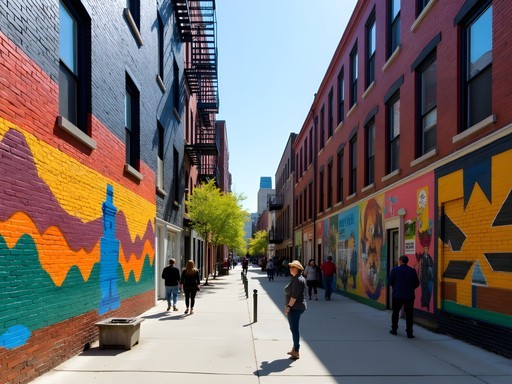
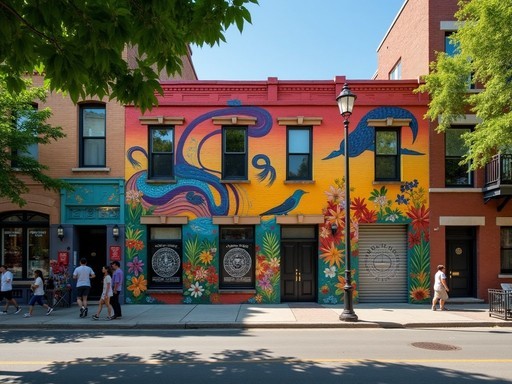
Great suggestions from luckyfan! I'd add that teens usually love the free street art tours in Pilsen and Wicker Park neighborhoods. Also, check the schedule for free concerts at Millennium Park if your timing works out!
Taylor Moreau
While I typically travel for business with a more substantial budget, I found this guide refreshingly practical. I recently extended a work trip by two days and implemented several of your suggestions. The architectural walking tour was particularly enlightening - I've passed these buildings countless times without appreciating their significance. Your section on Chicago's free cultural institutions is quite comprehensive. I would add that many business hotels offer substantial weekend discounts, which can be an option for those willing to allocate more of their budget to accommodation while maintaining your overall spending parameters.
Olivia Spencer
Thank you for that excellent tip about business hotel weekend rates, Taylor! That's a great strategy for those who prefer more traditional accommodations while still keeping costs reasonable.
adventurevibes
Your public transit section saved us SO much money! We got the 3-day CTA pass and used it constantly. One tip to add - download the Transit app before going. It made navigating the buses super easy even when plans changed. The Lincoln Park Zoo being free was such a pleasant surprise too!
Venture X
Premium card with 2X miles, $300 travel credit, Priority Pass