
Disclosure: This article contains affiliate links. We may earn a commission from purchases at no extra cost to you, which helps our travel content.
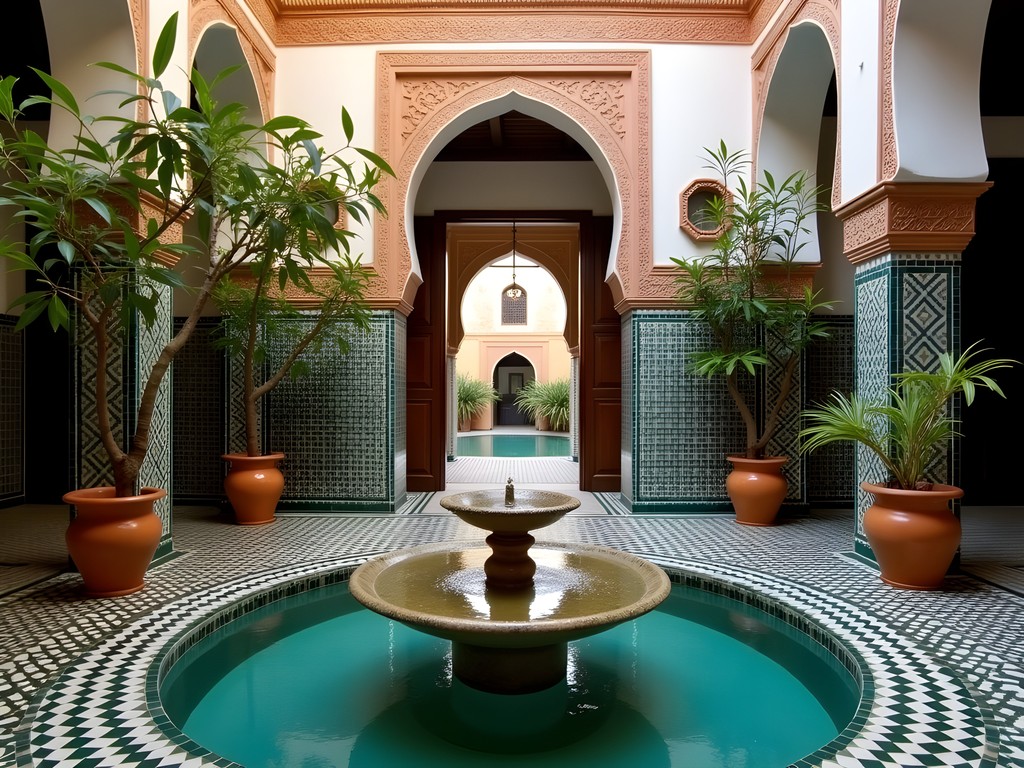
Morocco has always held a special place in my heart. The intricate geometric patterns of zellige tilework, the handcrafted wooden moucharabieh screens filtering light into intimate spaces, and the way traditional riads blend indoor and outdoor living—these design elements tell stories that have influenced my work for years. But what many don't realize is that experiencing the rich cultural tapestry of Morocco doesn't require emptying your bank account. After countless visits documenting vernacular architecture and connecting with local artisans, I've crafted this 10-day journey from the coastal modernism of Casablanca to the ancient medina of Marrakech that keeps costs remarkably low without sacrificing authentic experiences. This isn't just budget travel—it's thoughtful immersion that respects both your wallet and the cultural heritage that makes Morocco so extraordinary.

Planning Your $500 Morocco Adventure: Transportation & Logistics
Let's talk numbers first. Of your $500 budget, approximately $150 will go toward accommodations, $100 for transportation within Morocco, $150 for food, and $100 for activities and souvenirs—leaving a crucial buffer for unexpected expenses.
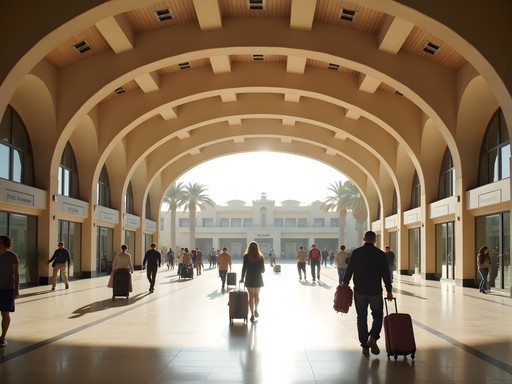
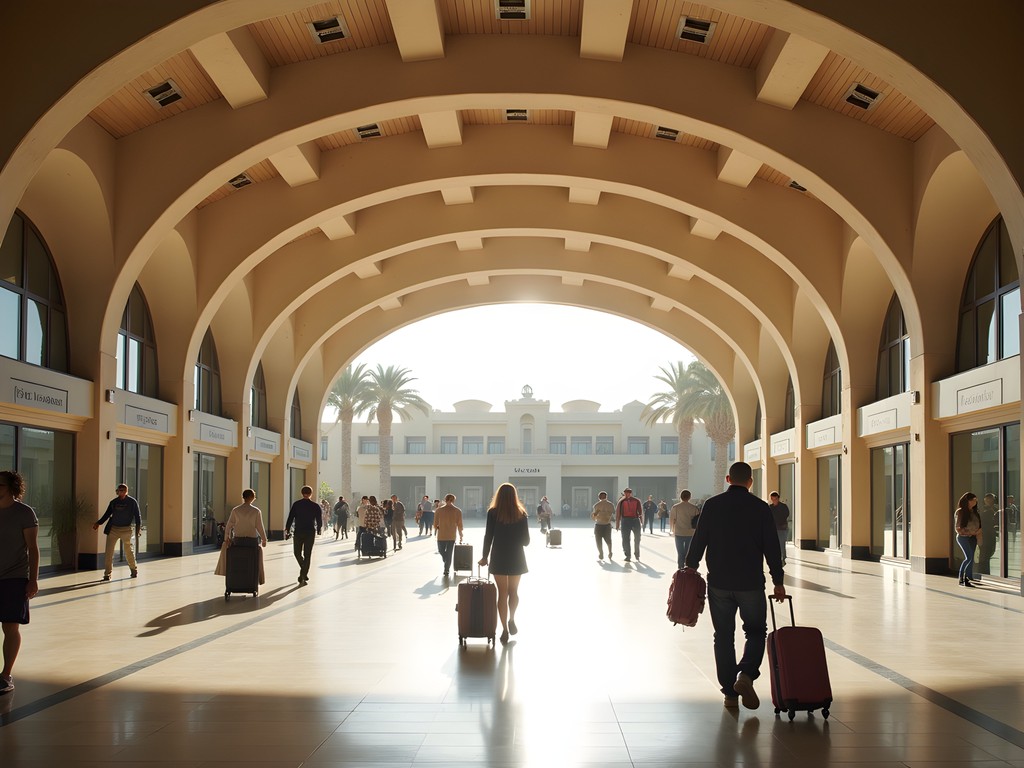
The most budget-friendly way to reach Morocco from Europe is through budget airlines flying into Casablanca Mohammed V Airport. If you're flexible with dates, I've found flights from Madrid, Barcelona, or Lisbon for under $100 round trip. Once in Morocco, local transportation becomes your best friend.
The train network connecting Casablanca to Marrakech is efficient, affordable, and offers a glimpse into everyday Moroccan life. A second-class ticket costs around $10 and takes about 3 hours. For navigating within cities, shared petit taxis are your budget lifeline—just be prepared to wait until the driver finds enough passengers heading in your direction.
Before leaving home, I always download maps.me for offline navigation and install a good language translation app with Arabic and French language packs. While many Moroccans in tourist areas speak English, knowing a few basic phrases in Arabic or French opens doors to more authentic interactions and better prices.
For staying connected, skip the expensive international plans from your home carrier. Upon arrival at Casablanca airport, purchase a local SIM card from Maroc Telecom or Orange. For about $10, you can get 10GB of data that will last your entire trip—essential for navigation, translation, and researching your next move on the go.
💡 Pro Tips
- Purchase train tickets a day in advance for popular routes
- Download offline maps and translation apps before arrival
- Always negotiate taxi fares before getting in
Days 1-3: Casablanca Beyond the Crowds
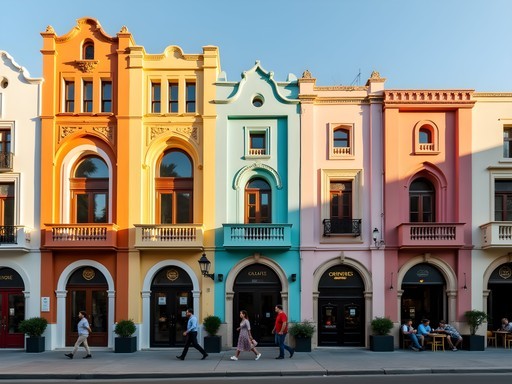
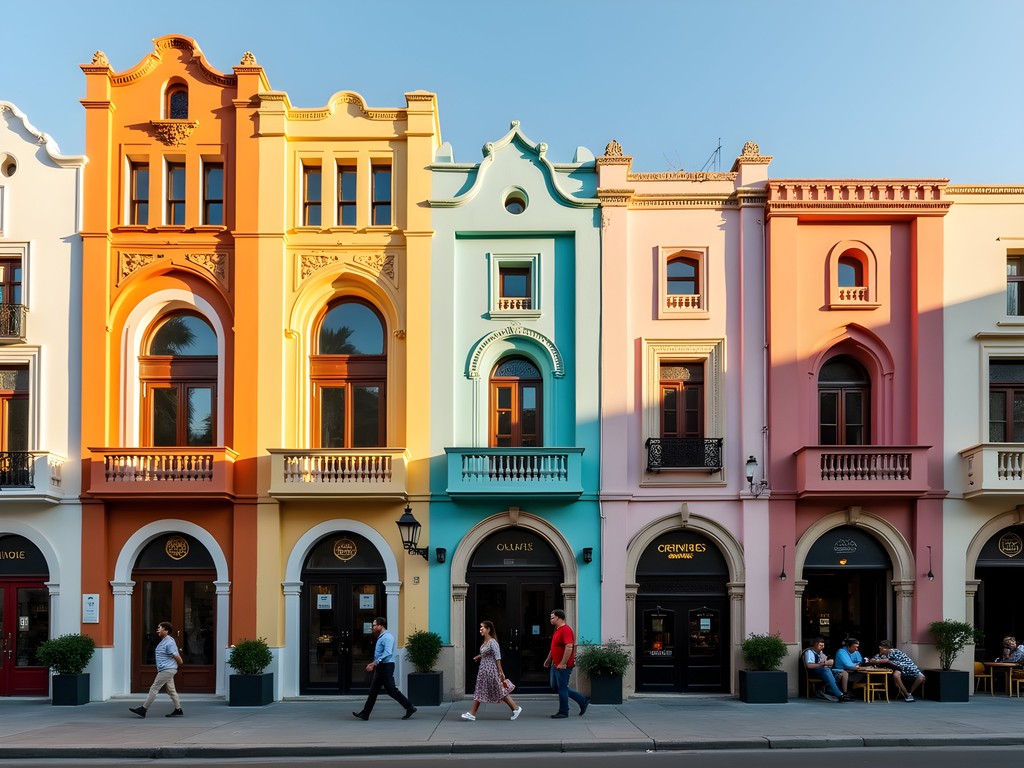
Most travelers rush through Casablanca, seeing only the Hassan II Mosque before hurrying to more 'Instagram-worthy' destinations. This is a mistake. As a designer, I find Casablanca's blend of Art Deco, Moorish, and French colonial architecture absolutely fascinating—and incredibly underrated.
Start your journey at the Hassan II Mosque ($10 for guided tours), one of the few mosques in Morocco open to non-Muslims. The craftsmanship is breathtaking—over 10,000 artisans worked on its construction, creating a masterpiece where traditional Moroccan design meets modern engineering. Go early morning to avoid crowds and capture the perfect light reflecting off the Atlantic Ocean.
For accommodations, skip the waterfront hotels and head to Derb Ghallef neighborhood where I discovered Hostel 7, a gem with dorm beds for $12/night and private rooms for $25. The rooftop terrace offers a perfect spot for connecting with fellow travelers while enjoying mint tea at sunset.
One of my favorite Casablanca experiences costs nothing at all—wandering the Habous Quarter, where the French attempted to recreate a traditional medina in the 1930s. The architecture tells the fascinating story of colonial powers trying to interpret Moroccan vernacular design. Stop by Patisserie Bennis, a local institution since 1930, where you can sample gazelle horns (crescent-shaped pastries) for less than $1 each.
For an authentic dinner experience, avoid tourist restaurants and head to Central Market where food stalls serve fresh seafood at a fraction of restaurant prices. My go-to meal: a plate of grilled sardines with bread and olives for about $3. Bring your reusable water bottle to stay hydrated throughout the day—Moroccan tap water isn't recommended for visitors, but your hostel will have filtered water for refills.
💡 Pro Tips
- Visit Hassan II Mosque during the first morning tour for fewer crowds
- Eat where locals eat—follow workers during lunch hour
- Explore the Art Deco district around Boulevard Mohammed V on foot
Days 4-6: Coastal Detours & Hidden Morocco
While direct trains run from Casablanca to Marrakech, the budget traveler with time to spare will discover magic in the detours. On day four, take the train to El Jadida ($5, 1.5 hours), a UNESCO World Heritage site featuring a Portuguese fortified city that offers a fascinating glimpse into Morocco's multicultural history.
I stumbled upon this gem during my second visit to Morocco while researching coastal architectural influences. The cistern, with its haunting forest of columns reflected in the shallow water below, demonstrates how foreign occupiers adapted their building techniques to local conditions. The entry fee is just $2, and you can easily explore the entire medina on foot in a day.
For accommodations in El Jadida, I recommend Dar Yasmina, a modest guesthouse where $20 gets you a simple but clean room with breakfast included. The owner, Fatima, shares incredible stories about the city's history if you speak some French.
From El Jadida, continue by local bus to Essaouira ($8, 3 hours), where the Atlantic winds have shaped both the landscape and culture. This laid-back coastal town offers a refreshing contrast to the intensity of bigger Moroccan cities. The medina here feels more navigable and less pressured than others you'll encounter.
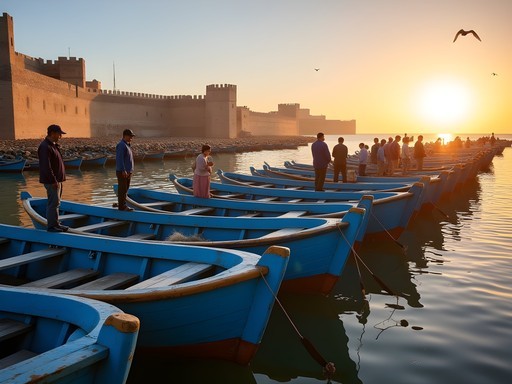
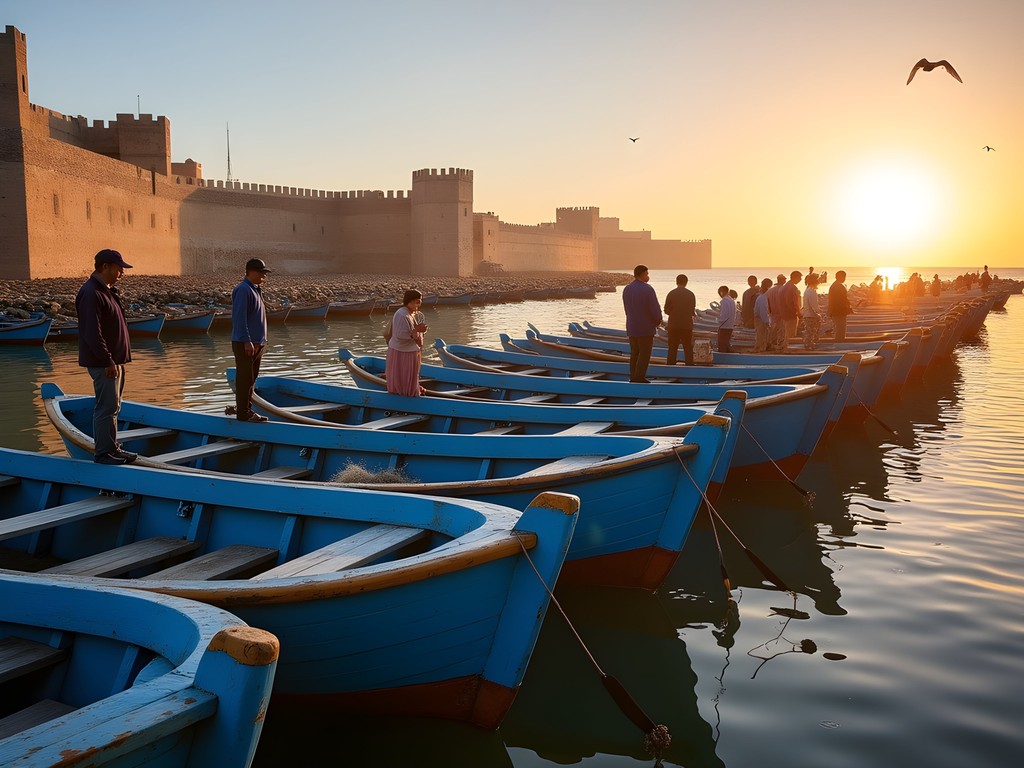
Essaouira's working port provides the freshest seafood you'll ever taste at prices that seem impossible. At the fish market, select your catch and have it grilled on the spot for about $5, including bread and salad. Watch for the blue boats returning in late afternoon for the best selection.
For budget accommodations, Atlantic Hostel offers dorm beds for $10 with a spectacular rooftop view. I spent countless evenings here sketching the distinctive blue fishing boats while chatting with travelers from around the world. When packing for these coastal areas, don't forget a lightweight travel scarf that can serve multiple purposes—sun protection during the day, warmth in the evening, and a cover for women visiting religious sites.
💡 Pro Tips
- Visit the fish market in Essaouira around 4-5pm when boats return
- Book accommodation in Essaouira in advance during windsurfing season
- Carry small denominations of dirhams for markets and street food

Days 7-10: Marrakech Like a Local, Not a Tourist
Arriving in Marrakech can overwhelm the senses—and your budget, if you're not careful. The key to experiencing this magical city affordably is to think like a local, not a tourist. While Jemaa el-Fnaa square is unmissable, the real Marrakech exists in the labyrinthine derbs (alleyways) beyond.
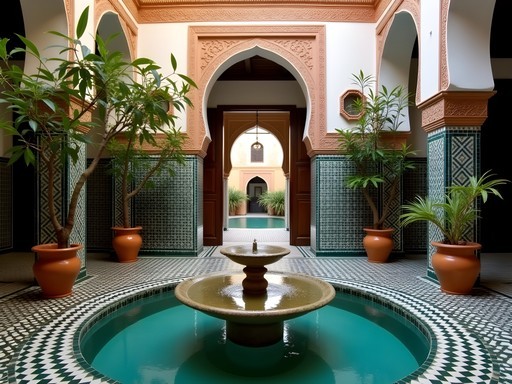
For accommodations, avoid the pricey riads in the heart of the medina. Instead, head slightly north to the authentic neighborhood of Bab Taghzout where I discovered Riad Radouane—$25/night including breakfast, with a peaceful courtyard where local design elements create natural cooling through thoughtful airflow patterns. The architectural ingenuity of traditional Moroccan homes continues to influence my sustainable design projects back home.
Food costs in Marrakech vary dramatically depending on where you eat. My strategy: breakfast at your accommodation, street food lunch (try msemen, flaky square pancakes filled with honey or savory toppings for $1), and dinner at local spots like Café Clock, where you can get a camel burger for $5 in a beautifully restored traditional home.
The best experiences in Marrakech are often free. Wander the souks, but with purpose—I spend hours studying the craftsmanship of everything from woven textiles to hammered brass lamps, often sketching details in my travel journal that later inspire my design work. When shopkeepers see my genuine interest in their craft, conversations flow naturally, often leading to invitations for tea and insights no guidebook could provide.
Don't miss Jardin Majorelle ($7 entry), not just for the famous cobalt blue villa but for the masterclass in desert landscaping and color theory. Go early morning to avoid crowds and harsh midday light. The adjacent Yves Saint Laurent Museum ($10) provides fascinating context on how Moroccan crafts influenced global fashion.
For an authentic hammam experience without tourist prices, Le Bain Bleu offers a traditional scrub and steam for women for about $15—a fraction of what you'd pay at hammams catering to visitors. This ritual of purification and renewal connects you to centuries of Moroccan wellness traditions while providing welcome relaxation for travel-weary muscles.
💡 Pro Tips
- Enter the souks with a general sense of direction but allow yourself to get pleasantly lost
- Negotiate firmly but respectfully—start at 1/3 of the initial asking price
- Visit Bahia Palace first thing in the morning before tour groups arrive
Cultural Connection on a Budget: Beyond Tourist Transactions
The most meaningful experiences in Morocco rarely come with a price tag. Throughout my travels documenting vernacular architecture, I've found that genuine cultural exchange happens when you step outside the typical tourist-vendor dynamic.
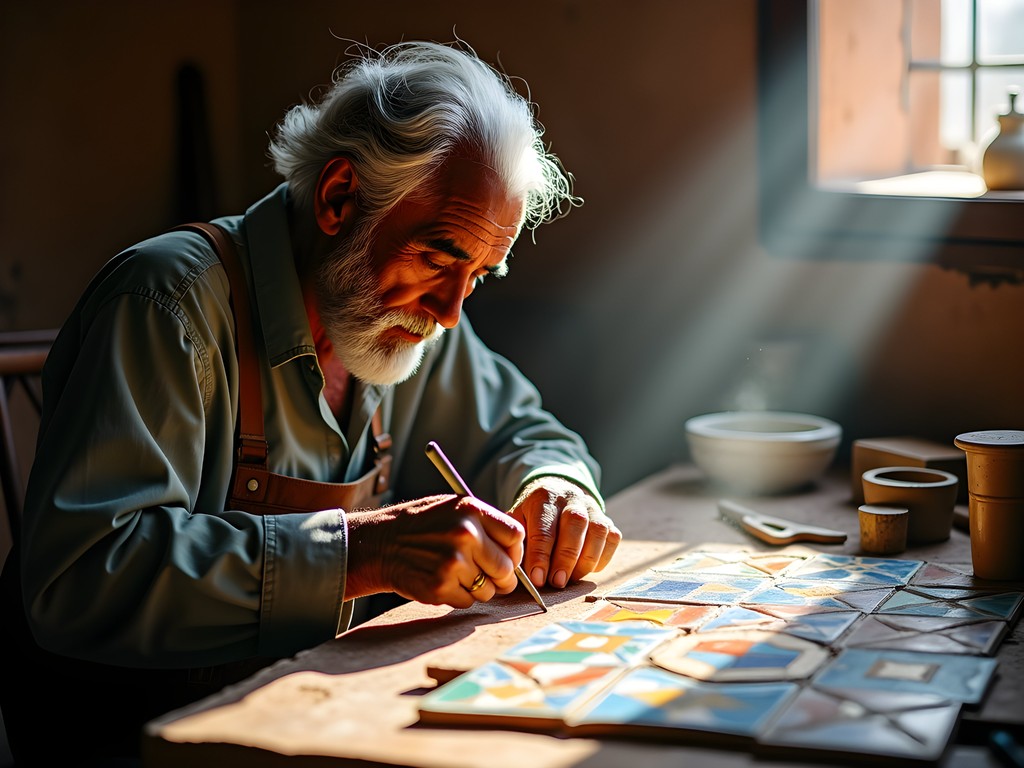
In Marrakech, I recommend visiting Ensemble Artisanal, a government-supported artisan center where fixed prices mean no haggling, but you can watch craftspeople at work without pressure to buy. This is where I first learned about the mathematical precision behind zellige tile patterns—knowledge that transformed how I incorporate geometric elements in my design projects.
For an immersive experience, consider a cooking class with The Amal Center, a non-profit organization that empowers disadvantaged women through culinary training. For about $30, you'll learn to prepare authentic Moroccan dishes while supporting a meaningful social enterprise. The center's courtyard design brilliantly adapts traditional elements for modern community use—another example of how thoughtful design shapes human experience.
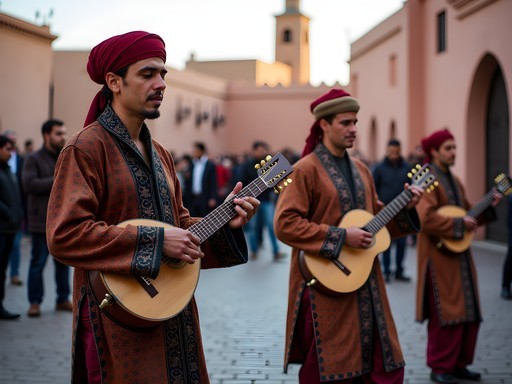
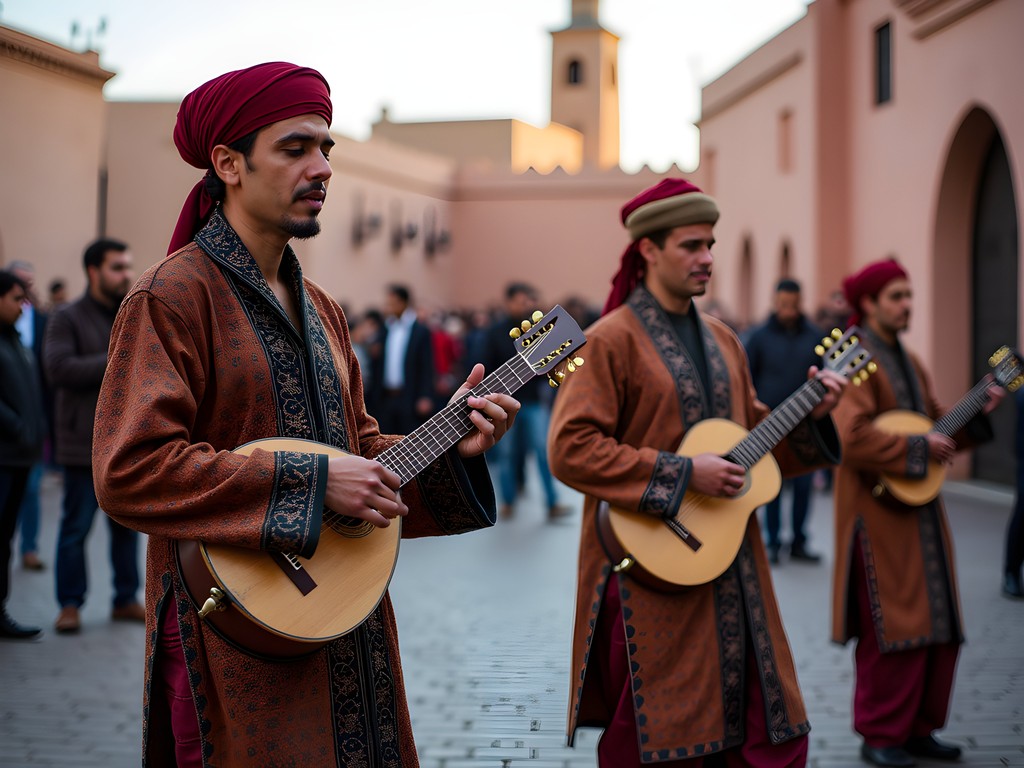
Street performance is integral to Moroccan culture, particularly in Jemaa el-Fnaa square. While photography often incurs a small fee, simply observing the halqa (street theater) traditions costs nothing. Spend an evening watching storytellers, musicians, and acrobats carry on cultural traditions that date back centuries.
During my last visit, I connected with a local architecture student through the Couchsurfing app who offered to show me hidden architectural gems in exchange for insights about American design markets. This cultural exchange cost nothing but resulted in friendships and professional connections that continue today.
When shopping for souvenirs, seek items that support traditional craftsmanship. I always pack a packing cube set with extra space specifically for bringing home textiles that showcase techniques at risk of disappearing. Your purchases become more meaningful when you understand the cultural significance behind them.
💡 Pro Tips
- Learn 5-10 basic Arabic phrases to show respect and open conversations
- Seek out community spaces like public gardens where locals gather
- Offer to share rather than give—exchange of photos, stories, or skills creates more meaningful connections than handouts
Final Thoughts
As I sit on the rooftop of my modest Marrakech riad, watching the sunset paint the ancient city walls in shades of amber that mirror the intricate woodwork around me, I'm reminded that travel's greatest luxury isn't found in five-star accommodations but in moments of genuine connection. Morocco on a budget isn't about sacrifice—it's about intentionality. By choosing local guesthouses over international hotels, street food over tourist restaurants, and conversations over commercial transactions, you experience a Morocco that many visitors miss entirely while keeping your expenses remarkably low. The $500 you've spent hasn't just bought you 10 days in a fascinating country—it's invested in stories, relationships, and perspectives that will influence your worldview long after you return home. As both a designer and a traveler, I've found that constraints often lead to the most creative solutions and authentic experiences. So pack light, bring an open heart, and discover how the richest journeys often come with the smallest price tags.
✨ Key Takeaways
- Budget travel in Morocco allows for deeper cultural immersion than luxury tourism
- Local transportation and accommodations not only save money but provide authentic experiences
- Understanding the cultural significance behind crafts and architecture transforms your appreciation
- Building genuine connections with locals creates memories more valuable than any souvenir
📋 Practical Information
Best Time to Visit
Fall (September-November) or Spring (March-May)
Budget Estimate
$45-50 per day
Recommended Duration
10-14 days
Difficulty Level
Intermediate
Comments
wavegal6476
Just wanted to add that your tip about negotiating at the souks was spot on! I always start at 1/3 of the initial price and work up from there. Also found some amazing hidden spots in Marrakech by getting purposely lost in the medina (during daytime of course). The food tour you recommended was worth every dirham - that tangia in Marrakech was life-changing! For anyone going, I'd suggest downloading maps offline since the medina can be confusing and data can be spotty.
mountainstar
Did you feel safe as a solo traveler? That's my biggest concern about the trip.
wavegal6476
Totally! I'm a solo female traveler and felt safe overall. Just use common sense - dress modestly, be aware of your surroundings, and don't wander empty streets at night. The locals are incredibly helpful if you ever feel lost.
Jean Wells
An excellent budget breakdown, Olivia. I've been to Morocco five times over the decades and your itinerary captures the essence while being remarkably cost-effective. One suggestion I would add: the train system between major cities is quite reliable and comfortable, especially first class which is still affordable by Western standards. I found your accommodation recommendations particularly astute - those small family-run riads offer authentic experiences that large hotels simply cannot match. I used my pocket phrasebook extensively during my travels, especially in smaller towns where English is less common. Did you explore any of the Jewish quarters (mellahs) during your trip? They offer fascinating historical perspectives often overlooked by standard itineraries.
Olivia Sanchez
Thank you for the thoughtful comment, Jean! I did briefly explore the mellah in Marrakech but wish I'd spent more time there. The architecture and history are incredible. And yes, the trains were a highlight - clean, punctual and such great value!
backpackrider
Love the photos! That sunset in Marrakech looks incredible.
mountainstar
Going to Morocco next month! How did you handle the language barrier? Did you learn any Arabic or French beforehand?
Olivia Sanchez
I learned basic greetings in Arabic and had some French phrases saved on my phone. In tourist areas, many people speak some English, but having Google Translate downloaded offline was super helpful in more remote spots!
wavegal6476
I found that learning just 'shukran' (thank you) and 'la shukran' (no thank you) went a long way with locals. They really appreciate the effort!
summerclimber
Just got back from Morocco last month and wish I had seen this before going! We spent way more than $500 for 10 days. The public transportation tip is gold - we took a taxi from the airport and got completely ripped off. Your section on finding local food spots away from tourist areas would have saved us so much money. The breakfast at that little place in Casablanca you mentioned sounds amazing. Did you feel safe walking around at night?
Olivia Sanchez
Thanks for reading! I generally felt very safe walking around in the evenings, especially in more populated areas. In Marrakech, I stuck to well-lit main streets after dark. The locals were incredibly helpful whenever I needed directions!
summerclimber
Good to know! I think we were just overly cautious as first-time visitors.
Hunter Thompson
Brilliant guide, Olivia! The coastal detour section is spot on - everyone rushes straight to Marrakech but Essaouira and El Jadida are absolutely worth it. I'd also add that haggling in the souks is expected but keep it friendly! I made some great friends that way. And pro tip: learn a few phrases in Darija (Moroccan Arabic). Even just 'shukran' and 'la shukran' goes a long way. The mint tea culture is real - you'll be offered tea everywhere and it's actually rude to refuse!
islandblogger
The photos are gorgeous! Really inspiring.
wanderlustone
Love this itinerary! Did you feel safe traveling around? I'm planning to go with my sister and we're trying to convince our parents it's safe lol
Sage Dixon
I've traveled through Morocco twice, once solo and once with my daughter. Honestly felt safer there than in a lot of European cities. Just use common sense - don't flash expensive stuff, be respectful of local customs, and trust your gut. The Moroccan people are incredibly welcoming. Your parents will worry regardless (mine still do and I'm 37!) but Morocco is a great destination for women travelers.
happyguide
YES YES YES! Morocco is absolutely magical and SO doable on a budget!! I spent 3 weeks there and honestly some of my best memories were the cheap meals and random conversations with locals. The train from Casa to Marrakech is gorgeous too - those mountain views! Anyone hesitating about this trip, just GO. You won't regret it. The hospitality alone is worth the flight!
escapeperson
Great post Olivia! I did a similar route in 2024 and totally agree about skipping the touristy restaurants in Marrakech. The food stalls near Bab Doukkala were incredible and so cheap. Also, for anyone reading this - the CTM buses are super reliable and comfortable. I paid like $8 for Casablanca to Essaouira. One tip: bring your own water bottle with filter because buying bottled water adds up fast and the plastic waste is crazy.
sunnychamp
good call on the water bottle!
Venture X
Premium card with 2X miles, $300 travel credit, Priority Pass