

Disclosure: This article contains affiliate links. We may earn a commission from purchases at no extra cost to you, which helps our travel content.
The question I get asked most frequently isn't about surviving my climbing accident in the Himalayas or the intricacies of Kathak dance—it's about how I manage to travel so extensively on a teacher's salary. Kaise ho sakta hai? How is it possible? Last summer, I embarked on perhaps my most ambitious budget adventure yet: traversing from the turquoise waters of Cancun to the ancient wonders of Beijing in 30 days, spending an average of just $50 daily. This wasn't a challenge in deprivation but rather in creative problem-solving, cultural immersion, and strategic planning. Whether you're a gap-year student, a budget-conscious graduate, or simply someone who believes that meaningful travel shouldn't require emptying your savings account, this journey proved that with the right approach, the world remains wonderfully accessible.

Planning the Impossible Route
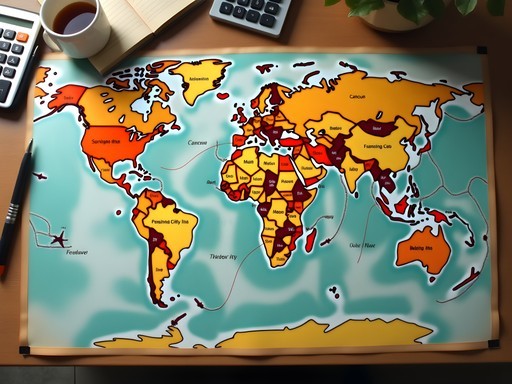
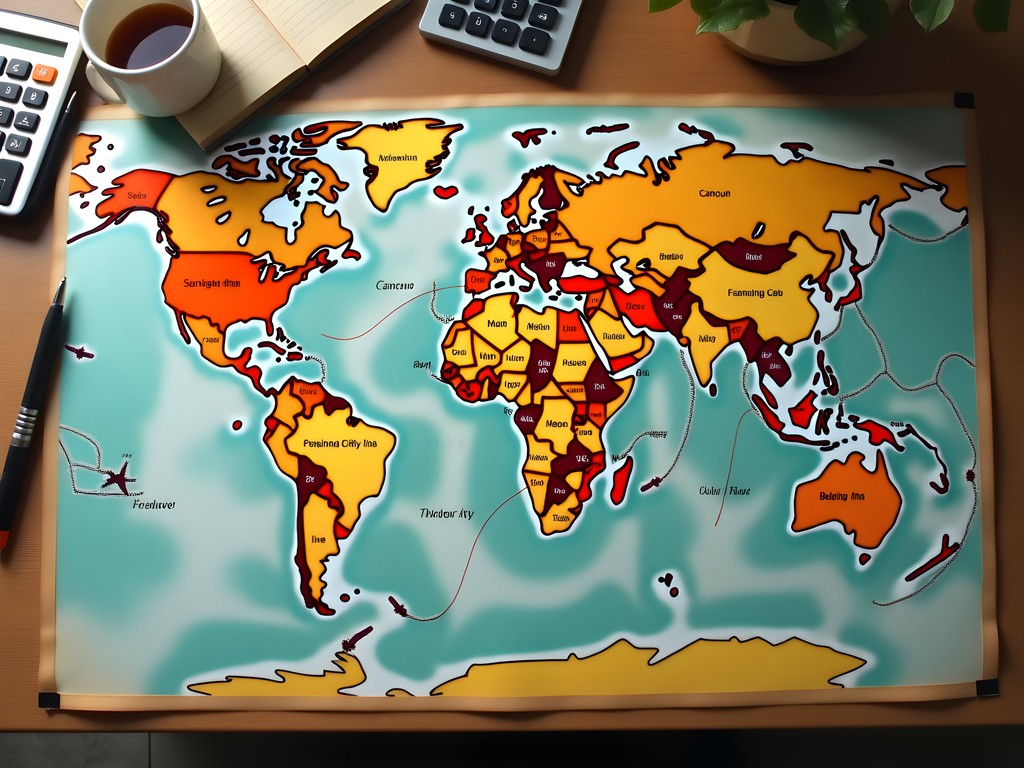
When I first mapped out this journey—Cancun to Havana, then to Mexico City, Lima, Tokyo, and finally Beijing—friends in my San Francisco tech circle thought I'd finally lost my mountaineer's mind. The conventional wisdom says multi-continent trips require deep pockets, but conventional wisdom hasn't spent years studying flight patterns and fare anomalies like I have.
The backbone of this journey was strategic use of airline mistake fares and fifth-freedom routes (where airlines fly between two foreign countries). I set fare alerts through flight tracker three months in advance, pouncing on a $187 Cancun-Havana-Mexico City combination and an incredible $340 Mexico City to Lima to Tokyo mistake fare that disappeared within hours.
For accommodations, I relied on a combination of hostel dormitories, homestays, and strategic overnight transportation. In Cancun, I bypassed the hotel zone entirely, staying at a family-run guesthouse in Puerto Juárez for $18 a night where the owner's grandmother taught me to make proper salbutes in the communal kitchen.
The most valuable planning tool wasn't financial, however—it was linguistic. I spent six weeks before departure using language learning app to brush up on my Spanish and learn basic Mandarin phrases. Those 20-minute daily sessions while commuting to my EdTech job paid dividends in negotiating prices, finding hidden local spots, and making meaningful connections that often translated to free experiences.
💡 Pro Tips
- Set fare alerts 3-6 months before your intended travel dates and be flexible with departure dates
- Research fifth-freedom routes which often offer significant savings on multi-country itineraries
- Learn 15-20 key phrases in the local language of each destination—prices magically drop when you can negotiate in the native tongue
The Accommodation Equation
The single biggest expense for most travelers is accommodation, which is why I've perfected the art of sleeping well for less. Across six countries, I spent an average of just $18 per night on lodging—without sacrificing safety, cleanliness, or cultural immersion.
In Havana, I stayed in a casa particular for $25 a night, where my host Mariela not only provided breakfast but also introduced me to an underground rumba performance that no guidebook mentioned. In Tokyo, where accommodations can devastate budgets, I alternated between a female-only capsule hotel in Shinjuku ($29/night) and a traditional homestay I found through a Japanese language exchange partner ($15/night contribution for the family's groceries plus helping their teenager with English homework).
One of my non-negotiables when traveling is carrying my own sleep system, which has served me well from Himalayan teahouses to questionable hostels. The ultralight silk liner takes up minimal space in my pack but provides both hygiene assurance and a psychological comfort that helps me sleep anywhere.
The real secret to budget accommodation, however, is timing. In Beijing, I arrived at 5:30 AM via overnight train from Shanghai (saving one night's accommodation cost) and negotiated my hutong guesthouse rate in person. The manager, impressed by my rudimentary Mandarin and early arrival determination, offered me a weekly rate that brought my nightly cost to just $14—less than half the online price.

💡 Pro Tips
- Contact homestay hosts directly instead of booking through platforms to avoid service fees
- Consider volunteering 2-3 hours daily in hostels for free accommodation—many have informal arrangements not advertised online
- Use overnight transportation strategically to save on accommodation costs while covering distance
Eating Like a Local, Spending Like a Minimalist
Food is both a major expense category and one of travel's greatest joys. My approach: eat like a local for breakfast and lunch, then selectively splurge for dinner experiences that define a destination.
In Cancun, I bypassed tourist traps for mercados where $2 bought enough fresh fruit for two breakfasts and $3 secured hearty tortas from family-run stalls. In Lima, I discovered that high-end restaurants offer lunch tasting menus at fraction of dinner prices—I enjoyed a five-course meal at a Gastón Acurio restaurant for $22 that would have cost $85 at dinner.
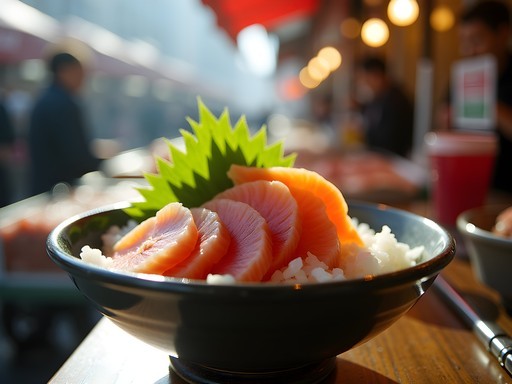
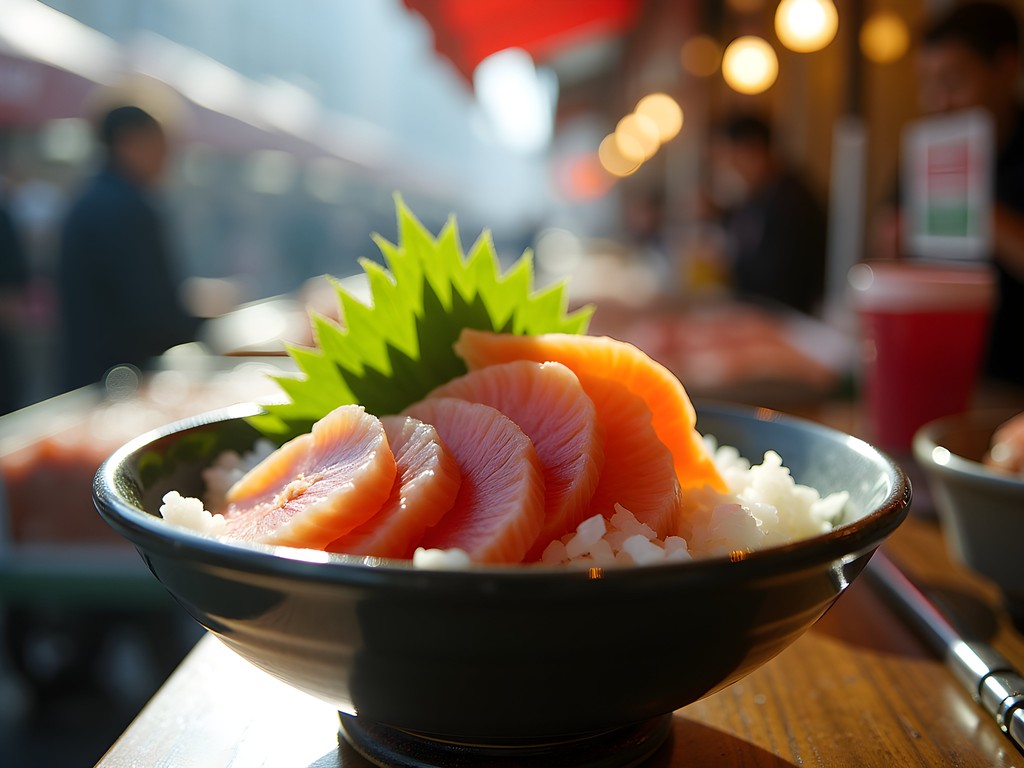
Street food became my culinary north star, not just for budget reasons but for authenticity. In Tokyo's Tsukiji Outer Market, I spent $7 on a supremely fresh chirashi bowl that rivaled $30 restaurant versions. In Beijing, I became a regular at a corner jianbing stand where $1.50 secured a perfect breakfast crepe, and the vendor eventually started adding extra cilantro after learning my preference.
For self-catering, I always travel with my compact travel utensil set and a collapsible silicone container. This setup allowed me to buy from markets and prepare simple meals in hostel kitchens or even hotel rooms when necessary.
The most valuable food strategy, however, was connecting with locals. In Havana, after joining an impromptu dance circle in a plaza and teaching some basic Kathak hand movements to curious onlookers, I was invited to a family dinner where I learned to make proper ropa vieja. These cultural exchanges around food consistently provided my most memorable meals—and often my most affordable ones.
💡 Pro Tips
- Research where locals eat breakfast and become a regular—vendors often increase portions for return customers
- Visit high-end restaurants for lunch rather than dinner to enjoy similar quality at 40-60% lower prices
- Shop at markets in the final hour before closing for significant discounts on perishable items

Transportation Tactics: Moving Between and Within Cities
Transportation typically consumes 30-40% of a travel budget, which is why mastering movement became my obsession during this journey. Between major flight legs, I employed a hierarchy of transportation options: overnight buses for distances under 8 hours (saving on accommodation), second-class trains for daytime journeys (often 50% cheaper than first class with minimal comfort difference), and ridesharing apps—but with a twist.
In Mexico City, rather than using Uber directly from the airport, I took the Metro to a residential neighborhood for $0.25, then called an Uber from there—cutting the fare by 60% by avoiding airport surcharges. In Tokyo, I purchased a transit card and loaded it with enough yen for the week, saving 30% compared to individual tickets while gaining access to discounted museum entries that partner with the transit system.
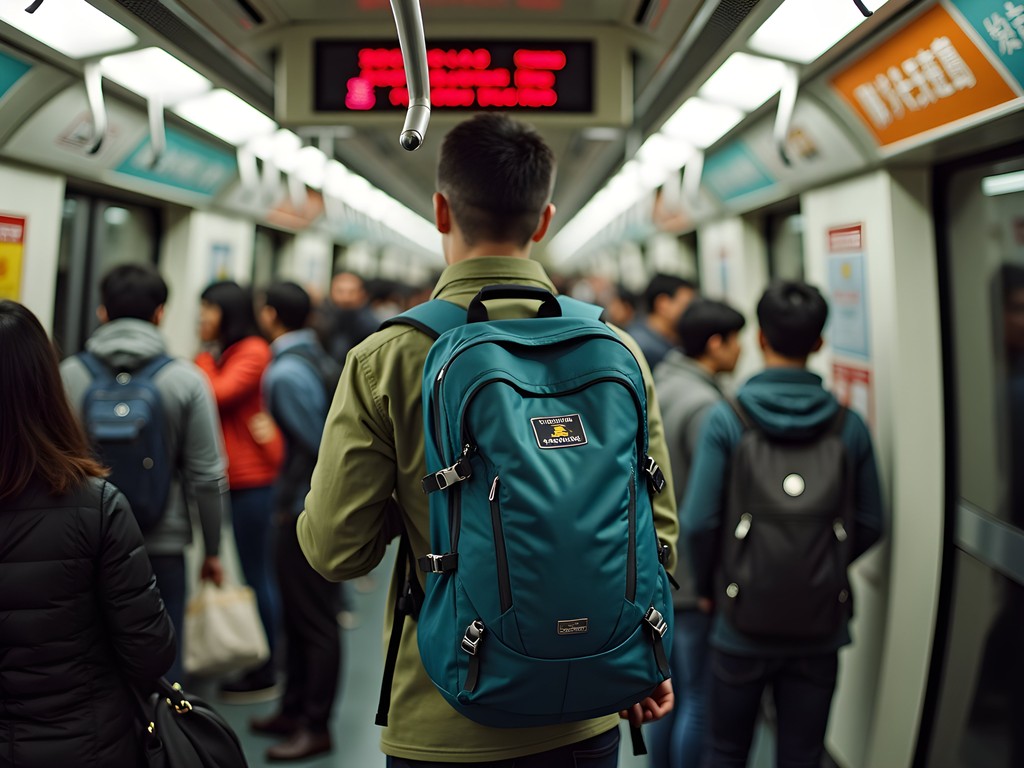
For city exploration, I relied heavily on free walking tour apps, public bike-sharing systems, and my own two feet. In Beijing, I logged over 20,000 steps daily, discovering hidden hutongs, local markets, and performances that no tour bus would ever encounter. When fatigue set in, I'd hop on public buses (averaging $0.30-$0.50 per ride) and practice my language skills with curious locals.
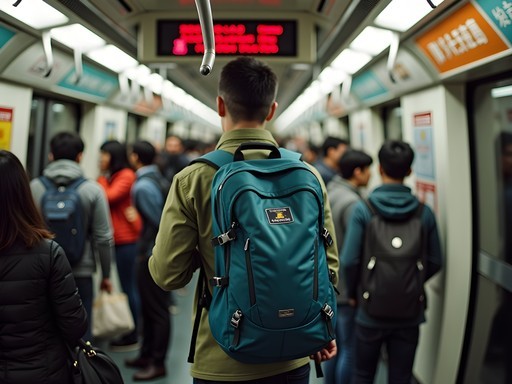
The most valuable transportation investment was actually my travel backpack, which allowed me complete mobility. Unlike travelers wrestling with wheeled luggage over cobblestones or up subway stairs, I could seamlessly transition between transportation modes, sprint for departing buses, and navigate crowded markets without becoming a spectacle. This mobility translated directly into saved time and money—I could walk the 15 minutes to a local bus stop rather than paying premium for taxis from tourist-area hotels.
💡 Pro Tips
- Exit airports via public transportation before calling rideshare services to avoid surcharges
- Research city bikes and transit passes that include museum discounts or other cultural benefits
- Use overnight transportation for journeys of 6-10 hours to save accommodation costs
Cultural Immersion Without the Price Tag
The greatest travel experiences often cost nothing at all—a truth I've embraced from Himalayan villages to Beijing's hutongs. While other travelers lined up for expensive tourist attractions, I sought authentic cultural exchanges that deepened my experience while preserving my budget.
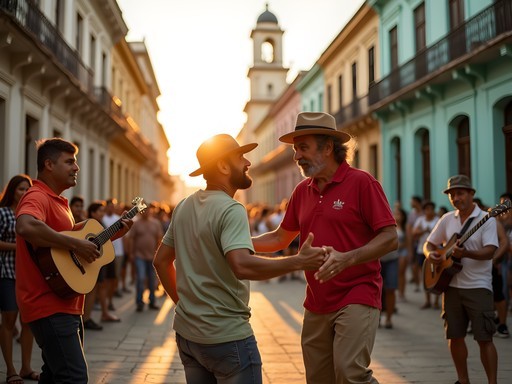
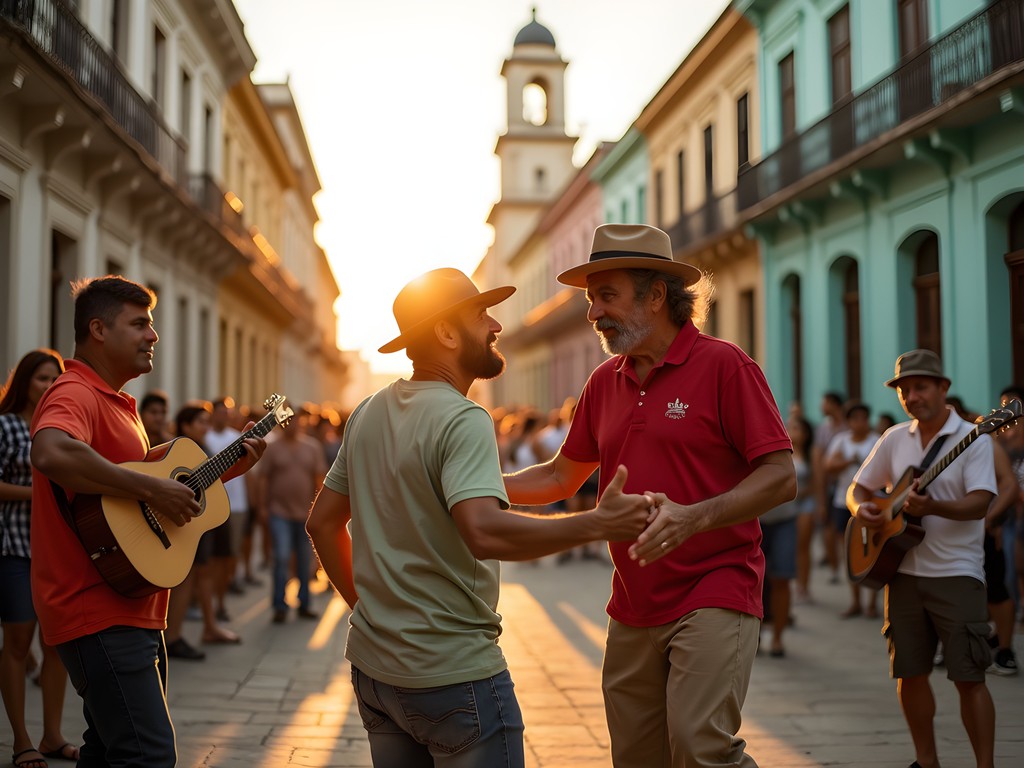
In Havana, I spent evenings in Plaza Vieja where locals gather for impromptu music and dance. When I demonstrated some Kathak footwork to complement their rumba, cultural barriers dissolved instantly. By my third evening, I was receiving informal dance lessons from a 72-year-old former professional dancer who refused payment but accepted my offer to help his grandson practice English.
In Tokyo, I visited major museums during their free admission hours (typically the final two hours on specific weekdays) and attended free university cultural performances. My most memorable Tokyo experience cost exactly zero yen: joining a group of elderly Japanese women for their 5:30 AM tai chi practice in Yoyogi Park, where they welcomed me despite my clumsy attempts to follow along.
In Beijing, I discovered that many historic temples offer free entry during morning prayer times if you're respectful and genuinely interested in the cultural practices. This approach not only saved money but provided a more authentic experience away from tourist crowds.
For documenting these cultural encounters, I relied on my compact camera rather than my phone. The superior low-light performance proved invaluable for capturing authentic moments in dimly lit cultural spaces without disrupting the atmosphere with flash photography.
💡 Pro Tips
- Research free museum days and university cultural performances through local event listings
- Visit religious sites during genuine prayer/practice times rather than peak tourist hours
- Offer language exchange or other skills instead of money for informal cultural lessons
Final Thoughts
As my journey from Cancun to Beijing proved, traveling across the world on $50 a day isn't about deprivation—it's about intentionality. By prioritizing cultural connections over consumerism, embracing public transportation, seeking out local food experiences, and remaining flexible, I experienced six countries across three continents without financial strain. The memories I cherish most—dawn tai chi in Tokyo, impromptu dance exchanges in Havana, sharing home-cooked meals in Beijing hutongs—weren't just free; they were priceless in ways no luxury experience could match. Yatra (journey) and vyaya (expense) need not be proportional. Whether you're a student with a semester break or simply someone who believes meaningful travel shouldn't require emptying your savings account, I hope this journey inspires your own budget-conscious adventure. The world remains wonderfully accessible to those willing to travel thoughtfully.
✨ Key Takeaways
- Strategic flight booking using fare alerts and fifth-freedom routes can reduce intercontinental travel costs by up to 70%
- Accommodation averaging $18/night is achievable without sacrificing safety or authentic experiences
- The most memorable cultural experiences often cost nothing—prioritize connection over consumption
- Learning basic phrases in local languages delivers both cultural connection and tangible budget benefits
📋 Practical Information
Best Time to Visit
Shoulder seasons (Apr-May, Sep-Oct)
Budget Estimate
$1,400-$1,600 for 30 days ($45-$55/day)
Recommended Duration
Minimum 3 weeks, ideally 4-5 weeks
Difficulty Level
Advanced


Comments
globepro
This might be a dumb question but how did you handle language barriers? I want to travel like this but I only speak English and I'm worried about getting lost or not being able to order food lol. Did you use a translation app or something?
exploreexplorer
not OP but google translate works great! download the offline languages before you go
Katherine Kumar
Not dumb at all! Translation apps are lifesavers. I also learned basic phrases in each place - hello, thank you, how much, where is bathroom. People really appreciate the effort even if your pronunciation is terrible 😅
journeylegend
Love this! The eating local section is 💯
Gregory Boyd
Excellent breakdown, Katherine. I've done similar routes through Asia and your accommodation strategy is spot-on. One thing I'd add for others considering this: the $50/day budget works brilliantly once you're in Southeast Asia and parts of China outside tier-1 cities, but that initial leg from Cancun requires some creative routing. Did you fly direct to Asia or break it up with stops? I found positioning flights through the US West Coast added costs but also allowed for strategic rest days that actually saved money in the long run by preventing burnout and impulsive spending.
Katherine Kumar
Thanks Gregory! I actually routed through LA and then Tokyo - you're absolutely right about those rest days. The mental reset was worth the slight detour.
tripstar1534
Quick question - did you book accommodations in advance or just wing it as you went? Planning a similar trip and trying to figure out the best approach!
Katherine Kumar
Great question! I booked about 3-5 days ahead in most places. Gave me flexibility but also peace of mind. The only places I booked further in advance were China (visa requirements) and a few popular spots in SE Asia during peak season.
tripstar1534
That makes so much sense, thanks!!
exploreexplorer
This is amazing!! $50 a day across the world is goals 🙌
globepro
right?? i can barely do $50 a day in my own city lol
Frank Garcia
I've analyzed your $50/day budget breakdown and it's impressively accurate for 2022 conditions. However, post-pandemic inflation has hit certain regions harder than others. Mexico's tourist areas have seen 15-20% price increases while China remains relatively stable. For anyone attempting this route in 2023, I'd recommend budgeting $60-65/day for the same experience. Katherine's transportation tactics are still solid gold though - especially the overnight train strategy which I've used extensively across Asia. The key metric isn't just daily cost but value-to-experience ratio, which this itinerary absolutely maximizes.
tripclimber
Thanks for the updated numbers, Frank! That's really helpful for planning.
dreammate
Great post! How did you handle banking/ATM fees while moving through so many countries? That always eats into my budget.
Katherine Kumar
I used a Charles Schwab checking account that refunds all ATM fees worldwide! Also carried a backup debit card and about $200 emergency cash. Always withdrew larger amounts less frequently to minimize transaction fees.
Bryce Diaz
Katherine, your journey reminds me of my 2019 trek from Santiago to Tokyo on $60/day. The accommodation equation is where most travelers fail - you nailed it with the homestay approach! I remember staying with a family in rural China who insisted I join their New Year celebration. Not only was it free (they refused payment), but it became the highlight of my entire trip. One tip I'd add: I found carrying a water filter bottle saved me hundreds on bottled water across multiple countries while reducing plastic waste. Your minimalist spending section resonated deeply - it's about experiences over souvenirs every time.
happymate
YES!! This is exactly the kind of content I've been looking for! I've been doing budget travel through Southeast Asia but never thought I could stretch it to include Mexico and China in one trip. Your transportation tactics section was gold - especially the tip about local transit apps. I used similar strategies in Vietnam and saved so much money compared to friends who were taking taxis everywhere.
dreammate
Which local transit apps did you use in Vietnam? I'm heading there next month!
happymate
In Vietnam I used Grab mostly! Super cheap and you can see the price upfront. For buses, I just used Google Maps + asked locals.
tripclimber
Those hostels you mentioned sound so cheap! Were they clean and safe though?
Venture X
Premium card with 2X miles, $300 travel credit, Priority Pass