


Disclosure: This article contains affiliate links. We may earn a commission from purchases at no extra cost to you, which helps our travel content.
When I tell colleagues at my Boston risk management firm that I spent a week in Bogota for less than what most people spend on coffee in a month, I'm met with raised eyebrows and skeptical glances. But as someone who's built a career analyzing cost-benefit scenarios, I can assure you that Colombia's capital offers one of the best value propositions in international travel today. My recent solo expedition proved you can immerse yourself in centuries of history, vibrant street art, and mouthwatering cuisine without decimating your savings account. The secret? Approaching travel with the same analytical mindset I apply to financial portfolios: maximizing cultural returns while minimizing unnecessary expenditures. Whether you're a student on semester break or simply someone who prefers to allocate resources wisely, this guide will demonstrate how $30 a day can unlock experiences in Bogota that would cost triple elsewhere. And no, that's not a miscalculation on my spreadsheet.

The Accommodation Equation: Where to Stay Without Breaking the Bank
Let me start with the foundation of any budget travel strategy: accommodations. In Bogota, this single variable can determine whether you're operating at a fiscal surplus or deficit by trip's end.
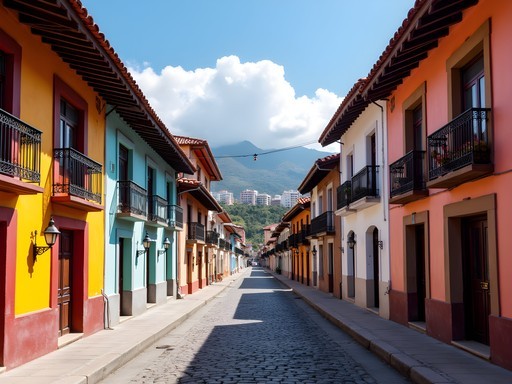
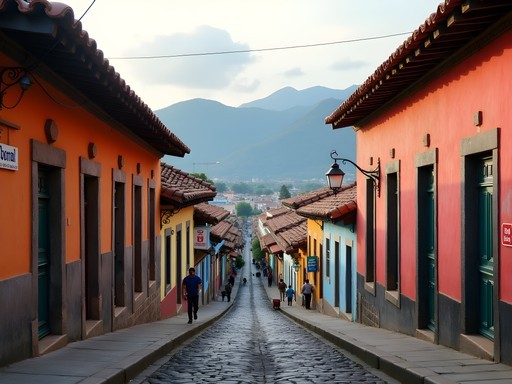
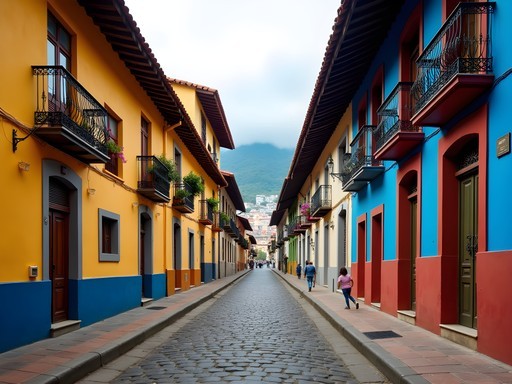
After analyzing numerous options across the city, I narrowed my selection to hostels in La Candelaria, Bogota's historic district. This colonial neighborhood isn't just aesthetically pleasing with its colorful facades and cobblestone streets—it's also strategically positioned near major attractions, eliminating transportation costs.
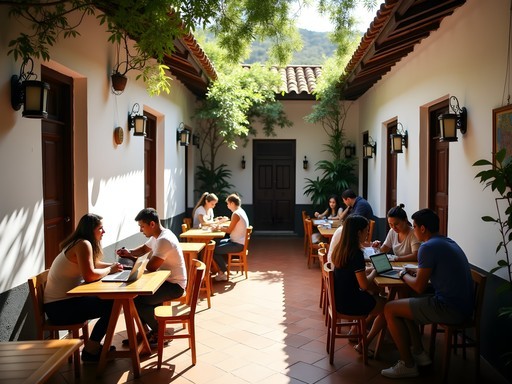
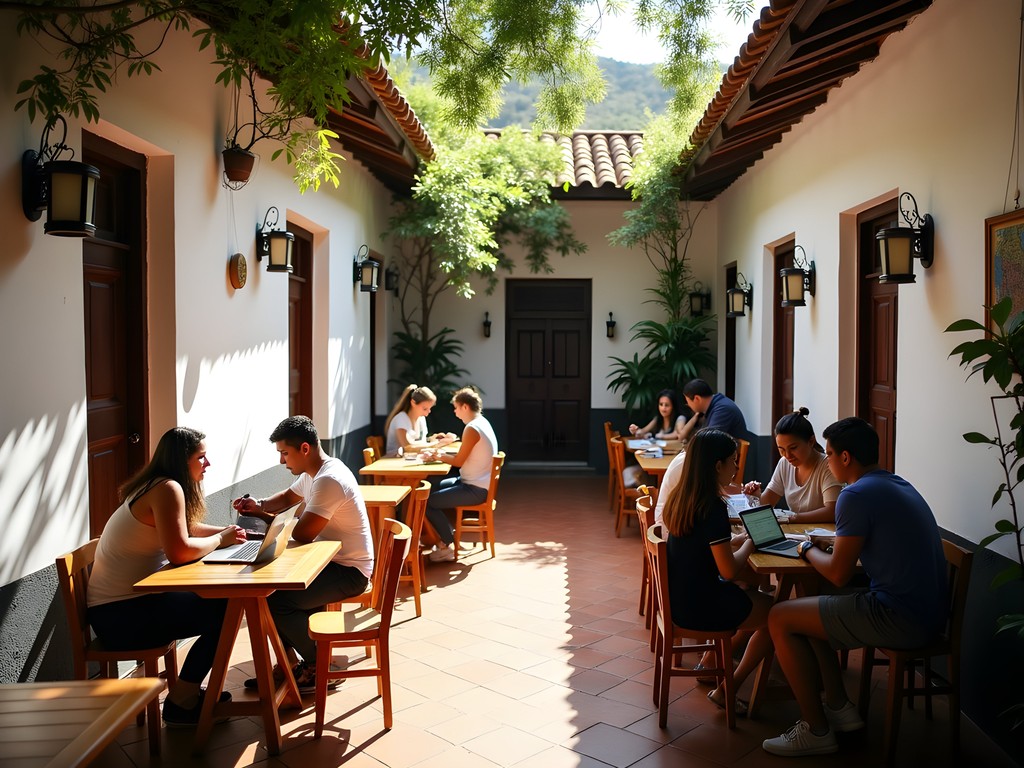
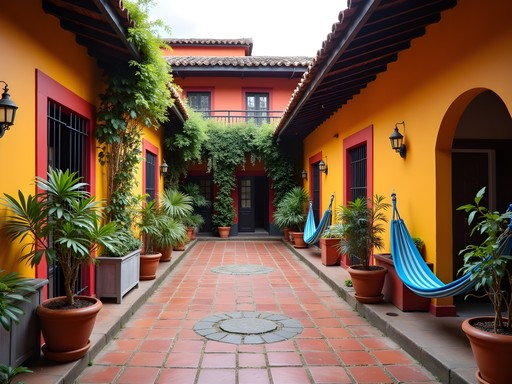
I selected Masaya Hostel ($10-15/night for dorms) for its optimal balance of affordability and amenities. The property occupies a restored colonial building with a central courtyard where I spent evenings comparing notes with fellow travelers from Mexico, Germany, and Australia. The free breakfast—while basic—provided sufficient caloric intake to power through morning explorations without additional expenditure.
For those seeking more privacy without premium pricing, Selina La Candelaria offers private rooms starting around $25, still within our daily budget when amortized with other expenses. Their co-working space proved invaluable when I needed to review some risk assessment documents from work.
A cost-saving technique I employed: booking directly through hostel websites rather than major booking platforms, which often secured a 5-10% discount. When I mentioned this to the German backpacker at Masaya, he calculated he'd spent an extra $37 on his two-week Colombia trip by booking exclusively through apps—enough for another day of adventures.
💡 Pro Tips
- Book hostels directly through their websites for 5-10% discounts
- Choose accommodations in La Candelaria to minimize transportation costs
- Consider 3-4 night stays for additional weekly rate discounts
Navigating Transportation: The TransMilenio Advantage
When I conducted my pre-trip risk assessment for Bogota, transportation emerged as both a potential cost center and safety consideration. After analyzing the variables, I concluded that mastering Bogota's TransMilenio bus system would yield substantial savings while maintaining acceptable safety parameters.
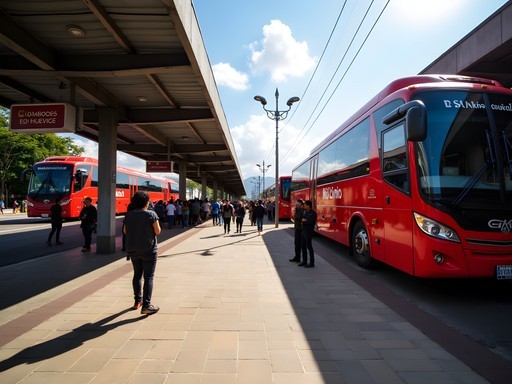
The TransMilenio operates like an above-ground metro with dedicated lanes that bypass Bogota's notorious traffic. A single journey costs approximately 2,650 Colombian pesos (about $0.65)—a fraction of taxi fares. I purchased a reloadable TuLlave card (5,000 pesos/$1.25) at the El Dorado airport station immediately upon arrival, a small initial investment that generated significant returns throughout my stay.
For context: a taxi from the airport to La Candelaria costs 25,000-35,000 pesos ($6-9), while the TransMilenio route (K86 to J72) costs just 2,650 pesos. This single decision preserved 7% of my daily budget.
During peak hours (7-9am, 5-7pm), the TransMilenio transforms into a densely-packed human tetris game. As a risk manager, I mitigated this by adjusting my schedule to travel during off-peak periods and keeping my anti-theft sling bag positioned against my chest rather than my back.
For exploring areas beyond the TransMilenio network, I utilized the SITP buses (blue buses) which integrate with the same payment card. When venturing into neighborhoods like Chapinero or Usaquén in the evenings, I budgeted for rideshare services (Uber/Didi/Cabify), applying approximately 15,000 pesos ($4) per journey to my daily calculations.

💡 Pro Tips
- Purchase a TuLlave card immediately upon arrival at the airport
- Travel during off-peak hours to avoid crowded buses
- Use the TransMilenio trip planner app to navigate routes efficiently
Cultural Immersion Without Financial Submersion
Bogota's cultural offerings present an exceptional value proposition, with many premier attractions available at minimal or zero cost—an anomaly in today's global tourism market.
The Gold Museum (Museo del Oro) houses over 55,000 pieces of pre-Hispanic gold work and typically charges 5,000 pesos ($1.25), but becomes completely free on Sundays. By structuring my itinerary to visit on Sunday afternoon, I gained access to what is arguably South America's most impressive collection while maintaining budget integrity. The museum's audio guide app is free—download it before visiting to maximize educational return on investment.
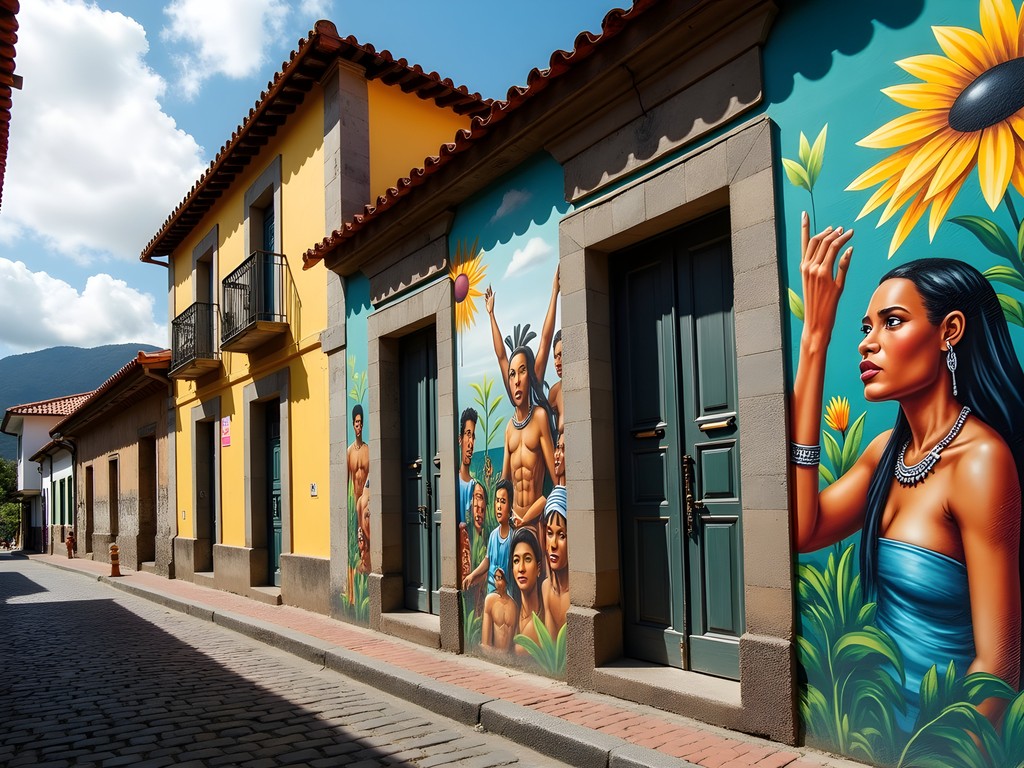
Bogota's graffiti scene represents another high-value cultural asset. The city has transformed urban art from vandalism to vibrant expression, particularly in the La Candelaria and Macarena districts. Rather than paying for organized tours, I created my self-guided route using the free Bogota Graffiti Map app, allowing me to appreciate the political commentary and artistic techniques at my own pace. The unexpected dividend: conversations with local artists who were adding new works to the urban landscape.
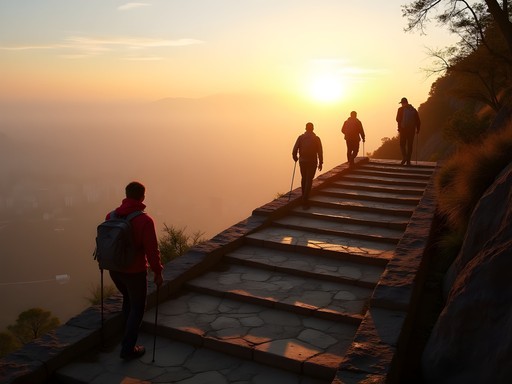
For a panoramic perspective of the city, I hiked up to Monserrate (3,152m elevation) using the walking path rather than the cable car. The trail opens at 5am (closes at 1pm), and the early morning ascent provided spectacular sunrise views over the city. Cost: completely free, though it required approximately 1.5 hours of moderate exertion. My hiking shoes proved essential on the occasionally slippery terrain—a worthwhile investment for travelers who plan multiple trips to mountainous regions.
The Botero Museum showcases works by Colombia's most famous artist, Fernando Botero, alongside pieces by Picasso, Dalí, and Monet. This world-class collection is permanently free to the public—an arrangement that would be financially inconceivable in Europe or North America. I visited on a Wednesday morning when the galleries were nearly empty, providing an intimate art experience that would cost hundreds of dollars in other global capitals.
💡 Pro Tips
- Visit museums on Sundays when many offer free entry
- Use free walking paths to Monserrate rather than paying for transportation
- Download free audio guide apps before visiting museums to avoid rental fees

The Gastronomic Value Portfolio: Eating Well for Less
Food expenditures represent a variable cost that can significantly impact overall budget compliance. In Bogota, I developed a three-tiered approach to maximize culinary experiences while maintaining fiscal discipline.
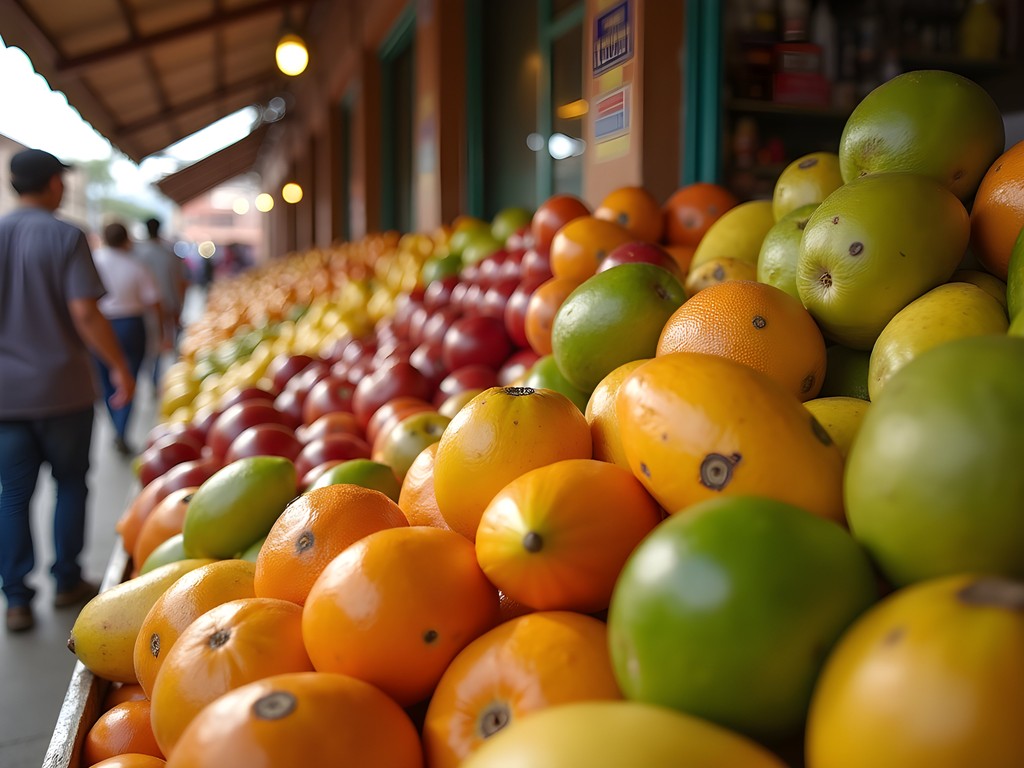
Tier 1: Market Meals ($1-3) Paloquemao Market became my primary food source, where I purchased fresh fruits at remarkably low prices. Exotic varieties like lulo, granadilla, and feijoa cost mere pennies compared to imported prices in Boston. A substantial fruit breakfast with coffee typically totaled 5,000-7,000 pesos ($1.25-1.75). The market also offers prepared meals where locals eat—follow the crowds to identify optimal vendors. My risk assessment approach: observe food handling practices and select stalls with high customer turnover to ensure freshness.
Tier 2: Menu del Día ($3-5) Many local restaurants offer set lunch specials (menu del día) that include soup, a main dish with rice, plantains and salad, dessert, and a fresh juice—all for 12,000-20,000 pesos ($3-5). These hearty midday meals often sustained me through dinner time. Restaurant La Puerta Falsa, operating since 1816, offers traditional Colombian dishes in this price range, though their tamales alone are worth the visit.
Tier 3: Strategic Splurges ($8-12) I allocated budget for two strategic culinary investments: a coffee tasting at Catación Pública (15,000 pesos/$4) to understand Colombia's regional bean variations, and dinner at Mini-Mal restaurant (45,000 pesos/$11) to experience contemporary Colombian cuisine using ingredients from indigenous communities. Both experiences provided exceptional educational and gustatory value that would have cost 3-4 times more in comparable U.S. establishments.
For those preparing their own meals, I recommend investing in a quality water filter bottle rather than buying bottled water. My calculations showed this saved approximately $2/day while reducing plastic waste—a win for both budget and environmental sustainability.
💡 Pro Tips
- Eat your main meal at lunch when menu del día offers best value
- Shop at Paloquemao Market for fresh, affordable produce
- Bring a reusable water bottle with filter to avoid buying bottled water
Day Trips: Expanding Your Portfolio Beyond City Limits
While Bogota offers substantial value, strategic day trips can diversify your Colombian experience without exceeding the $30/day threshold. My cost-benefit analysis identified two excursions with exceptional return on investment.
The Salt Cathedral of Zipaquirá, an underground church built within an active salt mine, represents a unique architectural and spiritual experience. Rather than booking a packaged tour ($40-60), I created a self-guided itinerary using public transportation:
- TransMilenio to Portal Norte: 2,650 pesos ($0.65)
- Bus to Zipaquirá: 5,500 pesos ($1.40) each way
- Cathedral entrance fee: 60,000 pesos ($15)
Total cost: approximately $18.45, with the flexibility to explore at my own pace. The cathedral's illuminated salt chambers and massive cross carved from halite present a fascinating intersection of mining history, engineering, and religious devotion. I spent four hours exploring the complex, significantly longer than the rushed 90-minute tour groups.
For nature enthusiasts, Chingaza National Park offers high-altitude páramo ecosystems and possible sightings of spectacled bears and condors. My transportation strategy:
- Early morning Uber to La Calera: 20,000 pesos ($5)
- Shared jeep to park entrance: 15,000 pesos ($3.75)
- Park entrance: 17,500 pesos ($4.50)
- Return transportation: approximately 35,000 pesos ($9)
Total: $22.25, including packed lunch from Paloquemao Market
A crucial risk management note: Chingaza sits at elevations between 3,000-4,000 meters. I mitigated altitude sickness by spending several days in Bogota (2,600m) before attempting this trip, and carrying my daypack with essential hydration and weather protection. The park's microclimates can shift rapidly, requiring preparation for both sun exposure and sudden rain.

💡 Pro Tips
- Use public transportation instead of tours for significant savings on day trips
- Acclimatize to Bogota's elevation before attempting higher-altitude excursions
- Visit the Salt Cathedral later in the afternoon when tour groups have departed
Final Thoughts
As my week in Bogota concluded, my financial spreadsheet confirmed what I'd set out to prove: this vibrant capital delivers exceptional cultural returns without requiring significant capital investment. By applying risk management principles to travel planning—identifying high-value opportunities, mitigating unnecessary expenses, and strategically allocating resources—I maintained a daily average expenditure of $28.75 while experiencing the full spectrum of what Colombia's capital offers. The next time a colleague claims international travel is prohibitively expensive, I'll share both my experiences and my ledger. In a world where authentic cultural experiences are increasingly commodified and priced accordingly, Bogota stands as a reminder that with analytical planning and thoughtful execution, transformative travel remains accessible to those with modest means but rich curiosity. Your assignment, should you choose to accept it: pack your travel journal, download the TransMilenio app, and discover how far $30 can truly take you in one of South America's most underrated capitals.
✨ Key Takeaways
- With strategic planning, Bogota can be experienced comprehensively for under $30/day
- Public transportation and accommodation in La Candelaria are key to maintaining budget integrity
- Free and low-cost cultural attractions in Bogota offer exceptional value compared to other world capitals
📋 Practical Information
Best Time to Visit
December-March and July-August (dry seasons)
Budget Estimate
$25-30/day
Recommended Duration
5-7 days
Difficulty Level
Easy
Comments
Marco Flores
Douglas, your budget breakdown reminds me of my first time in Bogota three years ago! I arrived with similar skepticism about keeping costs low but was amazed by the value. One thing that saved me tons was buying a prepaid SIM card at the airport (Claro has good coverage) for about $10 that lasted my entire 10-day Colombia trip. For anyone heading there, I'd add that the Paloquemao Market is incredible for cheap, authentic food. I spent hours photographing the exotic fruits before the vendors insisted I try everything! Also, don't miss Monserrate at sunset - yes, the cable car costs a bit, but you can hike up for free if you go before 1pm for safety reasons. I found having my pocket dictionary incredibly useful in markets where English wasn't common. Saved me from paying tourist prices more than once!
hikingbackpacker6475
The hike up Monserrate is no joke though! Definitely wear proper shoes and bring water. The view is totally worth it!
journeylegend
Great budget breakdown! I'm planning to visit next month. How did you handle safety concerns? I've heard mixed things about Bogota. Also, any specific food spots you'd recommend that fit within the budget?
Marco Flores
Not the author, but I was in Bogota recently! For safety, just use common sense - don't flash valuables, use Uber at night instead of walking, and ask locals about which areas to avoid. For food, you MUST try the street arepas (around 5000 COP) and there's an amazing soup place called Doña Elvira near Plaza Bolívar with huge portions for like 12000 COP. The fruit markets are incredibly cheap too!
journeylegend
Thanks Marco! This is super helpful. I'll definitely check out Doña Elvira. Did you use a particular app for getting around or just regular Uber?
hikingbackpacker6475
This is so spot on! I visited Bogota last year and also managed to keep costs super low. The TransMilenio was definitely confusing at first but saved me tons of money. One tip I'd add - the free walking tours in La Candelaria were amazing for getting oriented. My hostel was only $8/night in Chapinero and was surprisingly nice. Did you make it to the Sunday Ciclovía when they close roads for cyclists? That was my favorite free activity!
journeylegend
Which hostel did you stay at? I'm heading there next month and still looking for recommendations.
hikingbackpacker6475
I stayed at Selina Chapinero - great social vibe and they have cheap dorm beds. The coffee shop downstairs is a bit pricey though, so I'd grab breakfast elsewhere.
vacationguide
How long should I plan to stay? Is 4 days enough to see the main stuff?
luckytime
4 days is good for the city. Add more if you want day trips.
sunsetmate
Really cool! Love the financial breakdown approach
wildchamp
Going in 3 weeks!! So pumped after reading this
Nicole Russell
YES to all of this! I'm obsessed with budget Bogota! The $30/day challenge is totally doable and honestly, you don't feel like you're missing out on anything. I actually prefer eating at the local spots over touristy restaurants - the bandeja paisa I had in a neighborhood comedor was life-changing and cost like $4. Also want to add that the Museo del Oro has free entry on Sundays! Perfect for budget travelers. And the street art in La Candelaria is absolutely free and could keep you busy for hours. Douglas, did you try any of the fruit juices? The lulo juice was my favorite discovery!
luckyseeker4362
Is it safe for solo travelers? Planning my first international trip and kinda nervous
Nicole Russell
I've solo traveled through Colombia twice and felt totally safe! Just use common sense - don't flash expensive stuff, avoid empty streets at night, and stick to recommended neighborhoods. Bogota is amazing for solo travel!
luckyseeker4362
Thank you!! That makes me feel better
Sophia Gomez
Douglas, this brings back memories! I was in Bogota last year for a conference and extended my stay to explore on a shoestring. Your point about the gastronomic value is SO true - I found this tiny place in La Candelaria where the almuerzo corriente was maybe $3 and absolutely delicious. The soup alone was worth it. I also loved how you broke down the accommodation options. I stayed in Chapinero and felt super safe walking around at night. The cultural scene there is incredible for the price point. Did you make it to any of the free walking tours? They were phenomenal and the guides really knew their history.
sunsetmate
Which walking tour company did you use?
Sophia Gomez
I did the Free Walking Tour Bogota - meets in Plaza Bolivar. Just tip at the end!
luckytime
TransMilenio is legit. Used it every day.
Venture X
Premium card with 2X miles, $300 travel credit, Priority Pass