
Disclosure: This article contains affiliate links. We may earn a commission from purchases at no extra cost to you, which helps our travel content.
Standing in the bustling Mercato market, Ethiopia's pungent coffee aroma swirling around me, I realized Addis Ababa had completely defied my expectations. This high-altitude capital (2,355m) offers an incredible fusion of ancient traditions and modern African energy that budget travelers often overlook. Having spent years exploring coastal destinations, this landlocked cultural treasure proved that sometimes the most transformative journeys happen far from the sea. Here's my guide to experiencing the birr-illiance of Addis (yes, birr pun intended – it's Ethiopia's currency!) on just $30 a day.

Budget Accommodation: Where to Rest Your Head
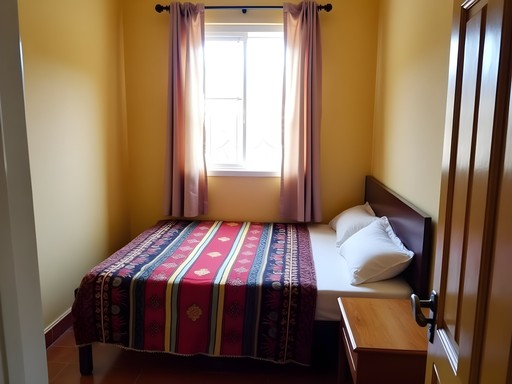
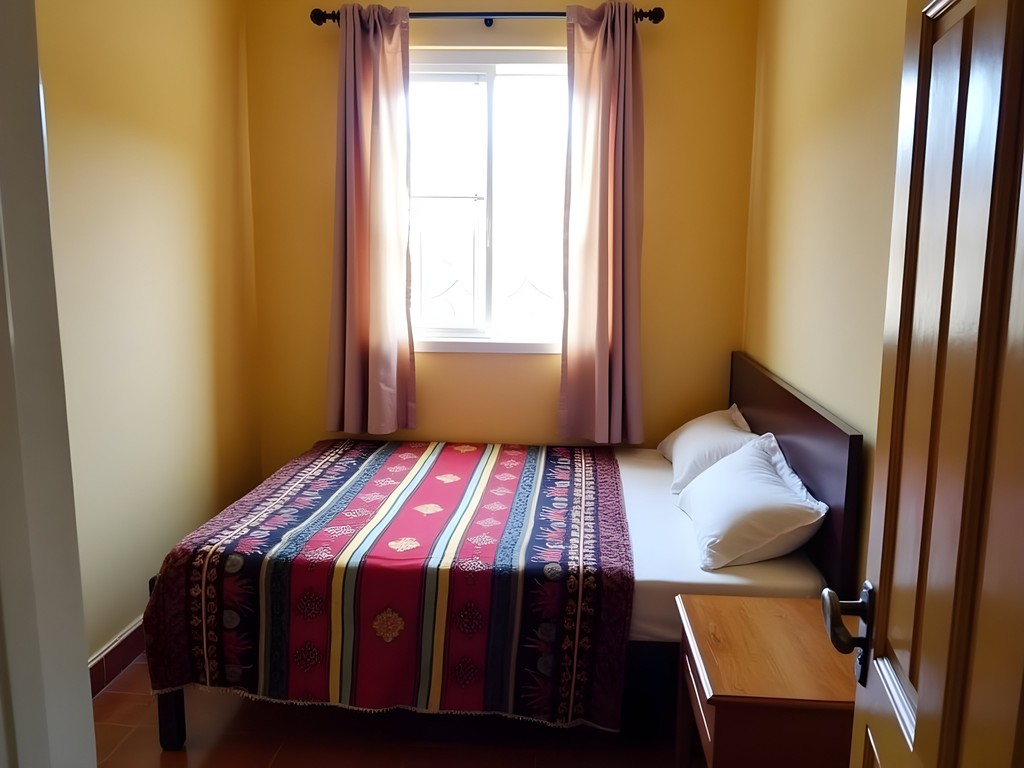
Finding affordable accommodation in Addis Ababa requires looking beyond international booking platforms. Local guesthouses called pension offer the best value, typically ranging from $8-15 per night. During my week-long stay, I chose Wutma Pension near Piazza, where $10 secured a clean private room with shared bathroom facilities. The family running it treated me like a long-lost relative, sharing morning coffee ceremonies and invaluable local insights.
For those seeking more social environments, Mr. Martin's Cozy Place and Salem's Ethiopia both offer dormitory beds around $8-12 with the added benefit of connecting with fellow travelers. Both locations provide free Wi-Fi and basic breakfast, stretching your budget further. I always pack my silk sleep liner for budget accommodations – it takes minimal space in my bag but provides peace of mind and extra comfort when bedding might be questionable.
💡 Pro Tips
- Book your first night in advance, then ask locals for pension recommendations
- Negotiate multi-night stays for better rates (I saved 15% by booking 5 nights)
- Bring earplugs – Addis nightlife and early morning calls to prayer can be loud
Coffee Culture & Budget Eats
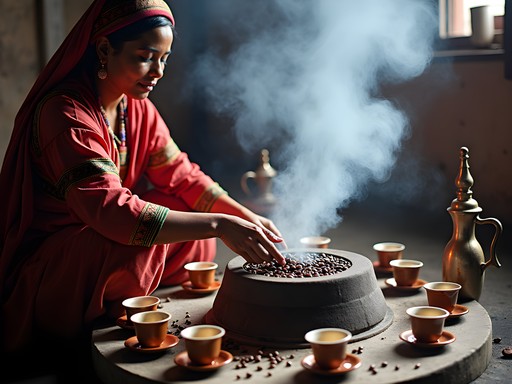
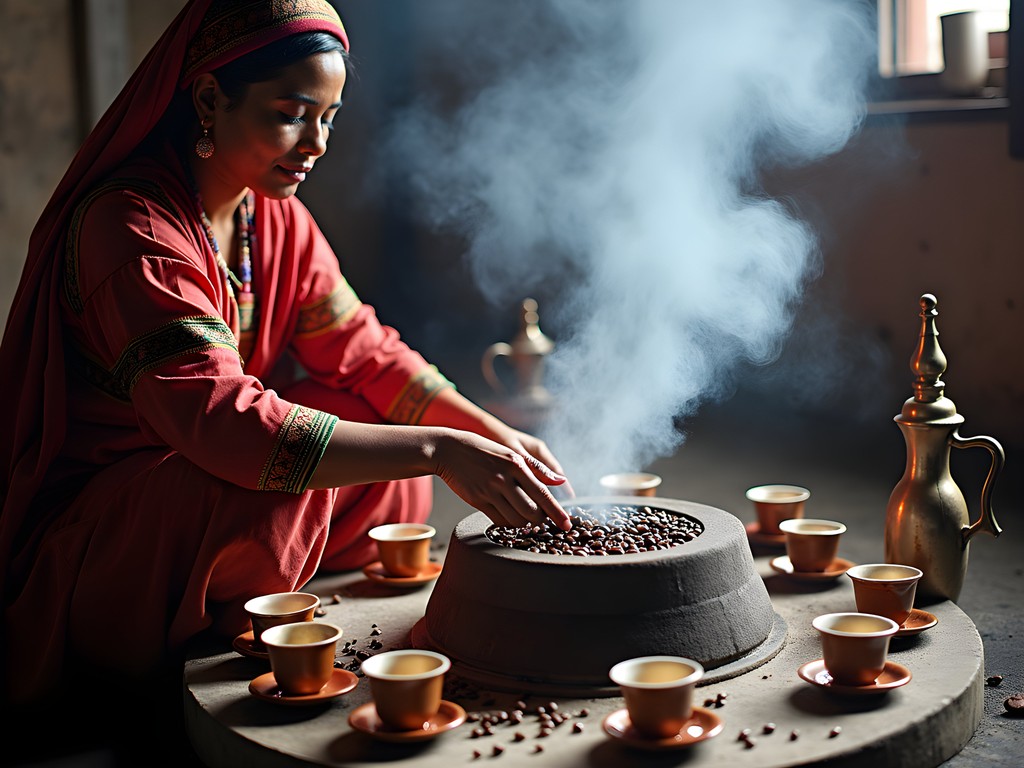
Ethiopia is coffee's birthplace, and participating in a traditional coffee ceremony is both a cultural education and incredible value. For just 30-50 birr ($1-2), you'll experience the meticulous preparation process from roasting to brewing, typically served with popcorn or small snacks. My favorite spot became Tomoca Coffee in Piazza, where I'd watch the world go by while savoring their exceptional macchiato for under $1.
For meals, local 'cafeterias' offer the best value. These simple eateries serve traditional Ethiopian dishes at a fraction of tourist restaurant prices. A filling plate of injera (sourdough flatbread) topped with various wats (stews) costs around 80-120 birr ($3-4). The vegetarian fasting dishes (beyaynetu) provide incredible value and introduce you to diverse Ethiopian flavors. I became addicted to shiro wat, a delicious chickpea stew that's both protein-packed and budget-friendly.
Street food provides the most economical option – sambusas (similar to samosas) for 10 birr ($0.30) make perfect snacks. When eating street food, I always carry my travel-sized hand sanitizer and my trusty reusable bamboo utensil set to reduce plastic waste while staying prepared for impromptu food adventures.
💡 Pro Tips
- Look for restaurants where locals eat – prices drop dramatically just one block away from tourist areas
- Learn the phrase 'konjo new' (it's good) to show appreciation to your hosts
- Budget 400-500 birr ($15-18) daily for three meals including coffee
Free & Low-Cost Cultural Experiences
Addis Ababa offers numerous cultural experiences that cost little to nothing. The National Museum of Ethiopia houses the famous 3.2-million-year-old 'Lucy' skeleton, with an entrance fee of just 100 birr ($3.50). Holy Trinity Cathedral, with its stunning architecture and Emperor Haile Selassie's tomb, charges only 200 birr ($7) and provides fascinating insight into Ethiopia's religious heritage.
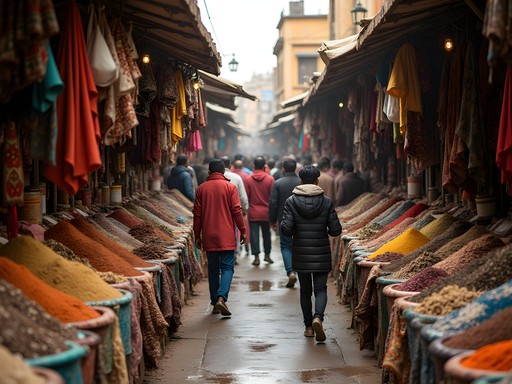
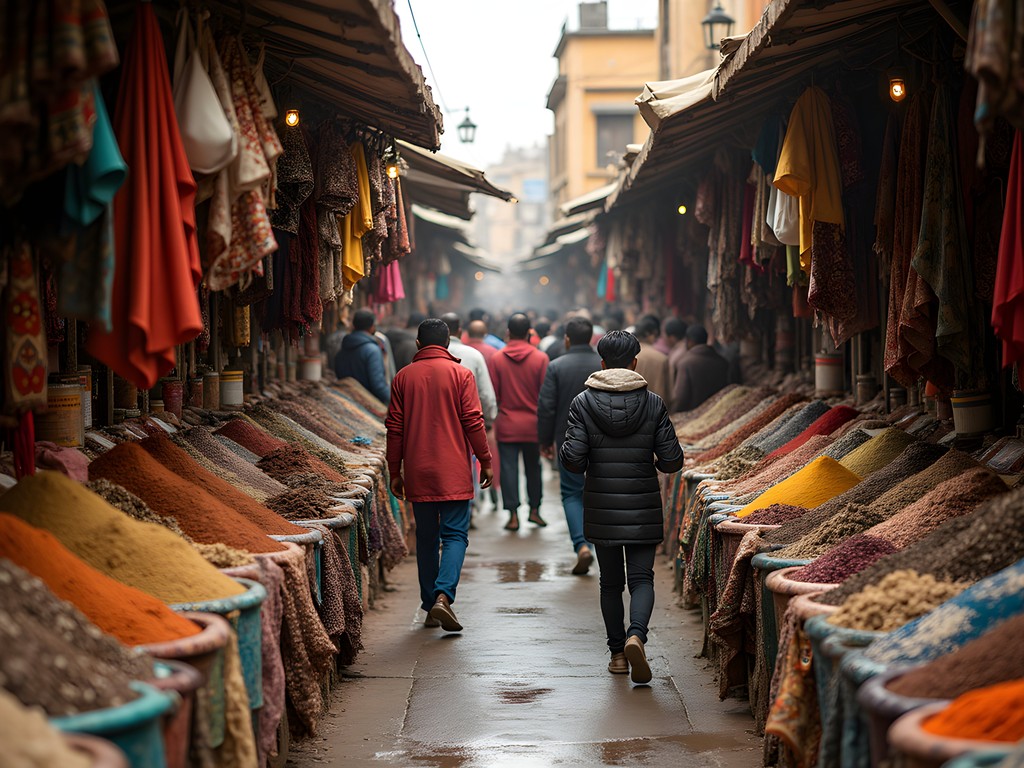
My most memorable experiences came from wandering through neighborhoods like Piazza and Kazanchis, where street art and everyday life create an immersive cultural education. The Mercato, Africa's largest open-air market, costs nothing to explore (though it might test your willpower not to shop!).
For music lovers, catching traditional Ethiopian jazz at African Jazz Village inside the Ghion Hotel can fit a budget if you go for just one drink (around 100 birr/$3.50) during their performances. The mesmerizing shoulder-dancing and eskista movements paired with Ethiopia's unique pentatonic scale creates an unforgettable evening.
To navigate between these attractions efficiently, I relied heavily on my offline map app which saved me both money on data and frustration when trying to communicate destinations to taxi drivers.
💡 Pro Tips
- Many museums offer student discounts – bring an ID if applicable
- Visit churches outside of service times for cultural appreciation without disrupting worship
- Download Amharic language basics before arrival – even simple greetings open doors

Transportation Hacks & Safety Tips
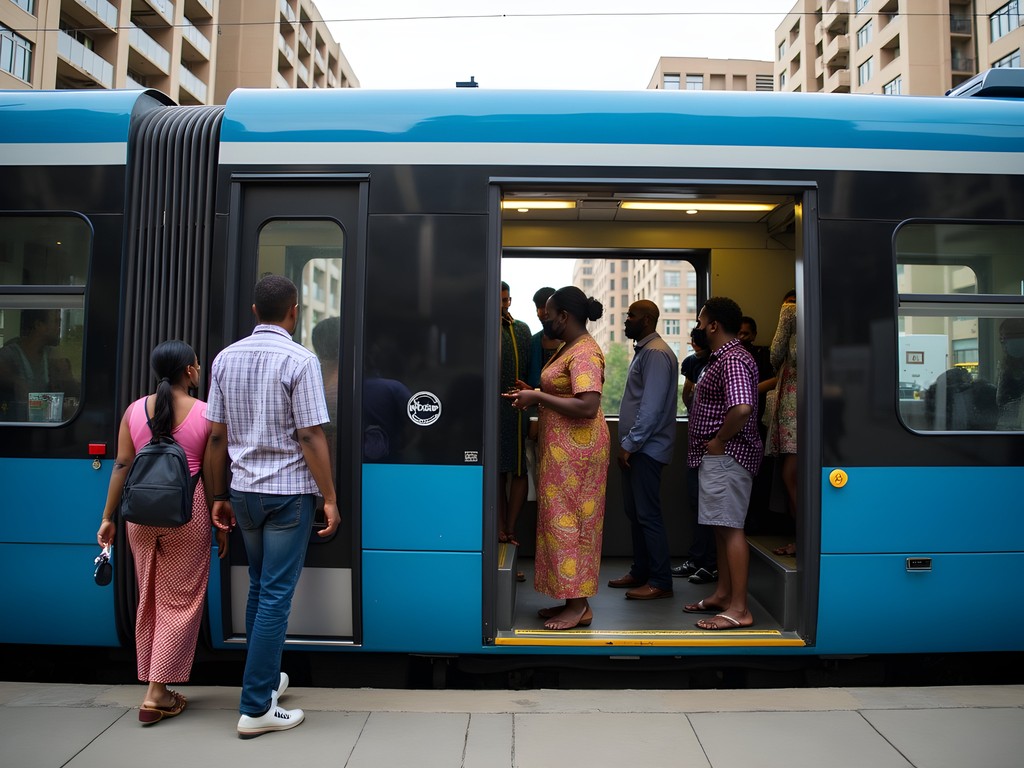
Transportation in Addis Ababa presents the greatest challenge for budget travelers, but also opportunities for significant savings. The blue and white minibuses (locally called 'weyeyet') crisscross the city for just 3-7 birr ($0.10-0.25) per ride. While crowded and sometimes confusing, they're how locals travel and offer authentic cultural immersion. I found that learning just a few key destinations in Amharic helped immensely when using this system.
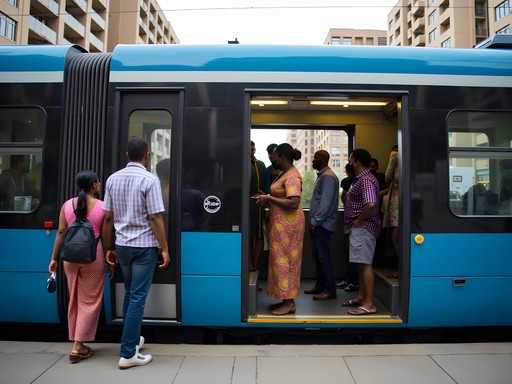
The light rail transit system is another budget gem, connecting many important areas for just 2-6 birr ($0.07-0.20) per journey. It's clean, efficient, and avoids the notorious Addis traffic jams.
For those times when safety or convenience outweighs cost, the 'Ride' app (Ethiopia's version of Uber) offers much better rates than traditional taxis. I'd typically budget one Ride trip daily (around 100-150 birr/$3.50-5) for evening returns to my accommodation or reaching more distant attractions.
As a solo female traveler, I always kept my valuables secure in my anti-theft crossbody bag which has slash-proof construction and RFID-blocking pockets. For daytime exploration, my packable daypack proved perfect – it folds into a tiny pouch when not needed but expands to hold market purchases and daily essentials.
💡 Pro Tips
- Ask your accommodation to write down your destination in Amharic to show minibus conductors
- Avoid carrying large amounts of cash – divide money between different secure pockets
- Use landmarks rather than street names when navigating – Addis locals think in terms of areas and notable buildings
Daily Budget Breakdown & Money-Saving Tips
Stretching $30 a day in Addis Ababa is entirely feasible with some planning. Here's how I allocated my daily budget:
- Accommodation: $10 (basic pension room)
- Food: $12 (breakfast $2, lunch $4, dinner $5, coffee/snacks $1)
- Transportation: $5 (combination of light rail, minibuses, and occasional Ride)
- Attractions: $3 (averaged across free activities and paid museums)
To maximize this budget, I adopted several money-saving strategies. First, I brought a water purifier bottle which paid for itself within days by eliminating the need for bottled water while protecting me from potential stomach issues. This simple tool saves both money and reduces plastic waste.
Second, I practiced the art of gentle negotiation – not aggressive bargaining that drives prices down unfairly, but rather building rapport with vendors before discussing prices. Learning to say "Tillik waga new" (it's expensive) with a smile often led to more reasonable offers.
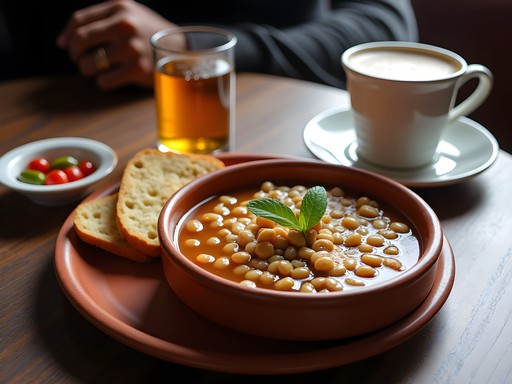
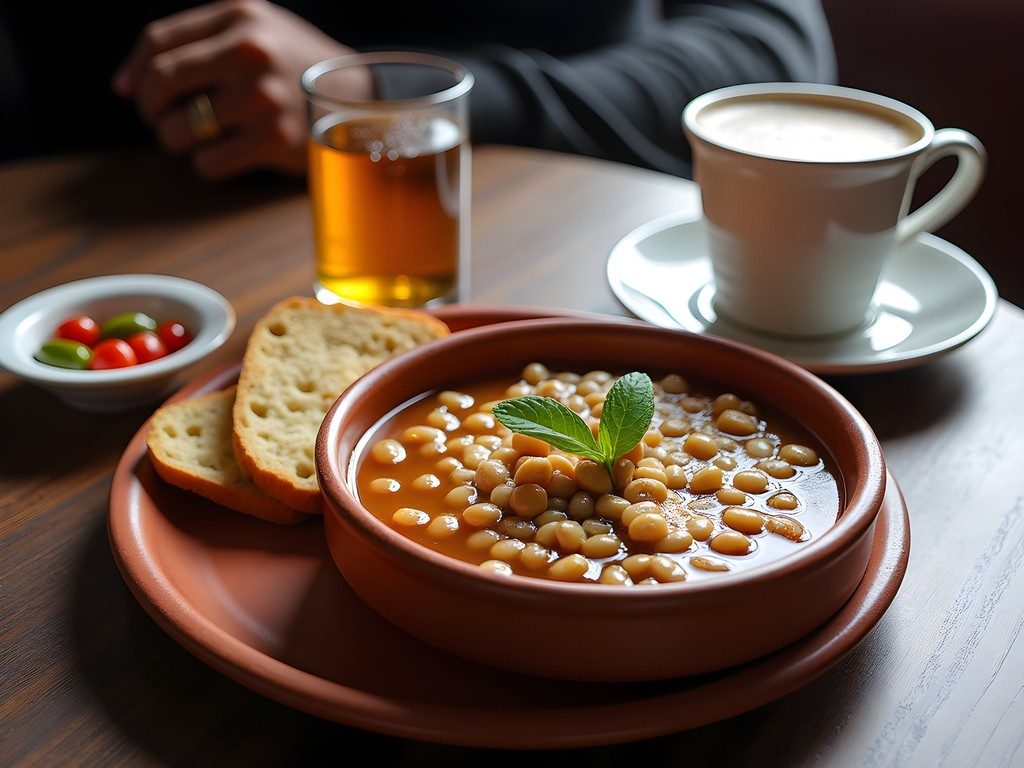
Third, I embraced the local breakfast of ful (fava bean stew) which costs around 40-60 birr ($1.50-2) but provides protein and energy for hours of exploration. Paired with Ethiopia's world-class coffee, it became a morning ritual I genuinely looked forward to.
Finally, connecting with locals through language exchange apps before my trip led to invitations for home-cooked meals and insider knowledge that no guidebook could provide – creating both authentic experiences and budget savings.
💡 Pro Tips
- Withdraw larger amounts less frequently from ATMs to minimize transaction fees
- Carry small denominations for easier transactions at markets and with minibuses
- Consider a multi-day museum pass if you plan to visit several major attractions
Final Thoughts
As my week in Addis Ababa drew to a close, I found myself sitting in a tiny café near Meskel Square, sipping macchiato and reflecting on how this high-altitude capital had shifted my perspective. Ethiopia challenges Western narratives about African travel – it's safe, culturally rich, and incredibly affordable when approached mindfully.
What makes budget travel here so rewarding isn't just the cost savings but the authenticity it demands. By navigating local transportation, eating where Ethiopians eat, and stepping away from tourist bubbles, you'll experience the genuine hospitality and cultural depth that make this country special.
As both a mental health counselor and traveler, I've observed how budget constraints often lead to more meaningful connections and personal growth. In Addis Ababa, this proves especially true – when you can't insulate yourself with luxury, you must engage with the reality of a place, its challenges and its beauty.
So pack your phrase book, bring an open mind, and prepare to be transformed by Ethiopia's capital. The coffee ceremony awaits, and at just $30 a day, this might be the most affordable perspective shift you'll ever experience.
✨ Key Takeaways
- Local pensions offer the best accommodation value at $8-15/night
- Ethiopian food is not only affordable but incredibly diverse – vegetarian 'fasting dishes' provide the best value
- Public transportation (light rail and minibuses) can get you almost anywhere for pennies
- Cultural experiences like coffee ceremonies and museum visits fit easily within a $30 daily budget
- Learning basic Amharic phrases opens doors to authentic experiences and better prices
📋 Practical Information
Best Time to Visit
October-June (avoiding the heavy rainy season of July-September)
Budget Estimate
$25-35 per day
Recommended Duration
5-7 days
Difficulty Level
Moderate
Comments
Douglas Bradley
Great breakdown of the budget options, Sakura. I spent three weeks in Addis last year and your accommodation recommendations are spot-on. One thing I'd add: the minibus system seems chaotic at first, but once you learn a few key routes it's incredibly efficient. I mapped out the routes to the National Museum, Mercato, and Entoto on my first day which saved me a ton in taxi fares. The conductors are usually patient with tourists too. Did you make it up to Entoto for the views? Absolutely worth the trip if anyone reading is planning a visit.
Sakura Lawson
Yes! Entoto was amazing. Should have mentioned that in the post - the eucalyptus forest and city views are incredible. And totally agree on the minibuses, they're a game-changer once you get the hang of it.
happyclimber
How safe is it to walk around at night? Planning a trip in August and trying to figure out the neighborhoods.
Sakura Lawson
Hey! I stuck to well-lit areas after dark and took taxis when needed. Bole and Piazza are pretty safe in the evening. Just use common sense like you would in any big city. Locals are super friendly and helpful too!
happyclimber
Thanks! That's helpful
springadventurer4544
Going there next month! Super excited now
Sophia Gomez
You're going to love it! Bring layers - the altitude means mornings are chilly but afternoons get warm.
Sophia Gomez
Great post, Sakura! I was in Addis last year for a conference and ended up extending my stay because I fell in love with the city. Your budget breakdown is spot-on. I'd add that the National Museum (where Lucy is!) is only 10 birr and absolutely worth it. Also, if anyone's doing business there, the coffee ceremonies are actually amazing networking opportunities - I closed two partnerships over bunna! The contrast between the modern business district and traditional neighborhoods like Mercato is fascinating. Did you make it to any of the jazz clubs? Fendika has live music most nights and it's incredibly affordable.
Sakura Lawson
Yes! I mentioned Fendika briefly in the nightlife section. Such an incredible vibe there. And totally agree about the National Museum - can't believe I spent 2 hours there for less than a dollar!
sunsetwanderer
This looks amazing! How safe did you feel using the minibuses? I'm planning my first solo trip to Africa and a bit nervous about getting around.
Sakura Lawson
Honestly felt pretty safe! The minibuses are packed during rush hour which can be overwhelming, but people were really helpful pointing me in the right direction. Just keep your bag in front of you and avoid them after dark. Ride-share apps are super cheap for evening trips.
sunsetwanderer
Thanks so much! That's really helpful
photoking
Those shots from the Entoto Hills are stunning! What time of day did you go up there? The light looks perfect!
luckyway
Going to Addis next month! Did you find it easy to get vegetarian food there? Any specific places you'd recommend?
Sakura Lawson
Ethiopia is actually amazing for vegetarians! They have fasting days where many locals eat only vegetarian food. Try 'beyaynetu' - it's a colorful platter of different veggie dishes served on injera. Taitu Hotel has a great affordable vegetarian buffet, and most local places offer plenty of options!
Savannah Torres
Sakura, your budget breakdown is so helpful! We just got back from Ethiopia with our toddler and found Addis surprisingly kid-friendly. One budget tip I'd add - the cultural restaurants with traditional dancing (like Yod Abyssinia) are pricey by local standards but still reasonable by Western prices (~$15-20 per person) and worth the splurge for one night. For ultra-budget travelers, we discovered the university cafeteria near the National Museum is open to the public and serves huge portions for under $2! The free walking tour that starts at Meskel Square was also fantastic - though we tipped our guide generously because he was so knowledgeable. Oh, and for those with kids, many hotels will add an extra bed for free if you ask nicely, saving the cost of an additional room.
wavestar
How did you handle money there? ATMs or cash? And what about internet access?
mountainbuddy
Not the author but I can share my experience - ATMs are reliable in Addis but bring some USD as backup. Most places are cash-only. For internet, I bought a local SIM card at the airport (Ethio Telecom) for about $5 and got decent data coverage in the city.
smartblogger
Just booked my flight to Ethiopia after reading this! Can't wait to try the macchiatos you mentioned.
Venture X
Premium card with 2X miles, $300 travel credit, Priority Pass