


Disclosure: This article contains affiliate links. We may earn a commission from purchases at no extra cost to you, which helps our travel content.
After decades of tracking down missing persons across America, I've developed a knack for finding things others overlook. Perhaps that's why Okinawa's hidden beaches called to me—these pristine stretches of sand scattered across Japan's southernmost prefecture remain surprisingly undiscovered by mass tourism. Unlike mainland Japan with its neon cityscapes and ancient temples, Okinawa offers a different kind of Japanese experience: turquoise waters, coral reefs, and a distinct island culture that feels more tropical than traditional. Having visited Japan numerous times over the years, I finally decided to dedicate a full week to island-hopping through this archipelago that locals call the 'Japanese Hawaii.'

Planning Your Okinawa Island-Hopping Adventure
Okinawa Prefecture comprises over 150 islands spanning 700 miles, making strategic planning essential. My investigative instincts told me to base myself in Naha on the main island (Okinawa Honto) for the first three nights before island-hopping to more remote locations.
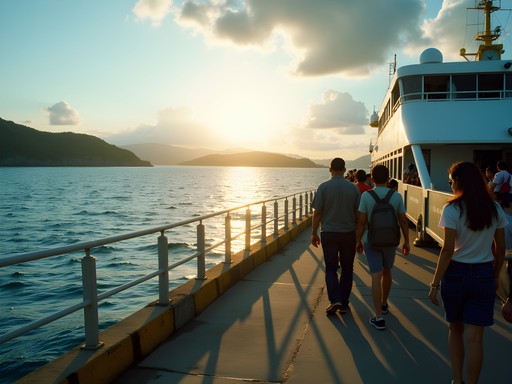
For transportation between islands, the ferry system is comprehensive but requires advance planning. I downloaded the Japan Transit Planner which proved invaluable for checking ferry schedules that often change with seasons and weather conditions. For the main island, I recommend renting a car—public transportation exists but is limited outside urban areas.
Accommodation ranges from international resorts to family-run minshuku (Japanese B&Bs). I opted for mid-range hotels with ocean views, averaging ¥12,000-18,000 per night. The quick-dry beach towel I packed saved precious luggage space and dried rapidly between island jaunts—essential when beach-hopping daily.

💡 Pro Tips
- Book ferries at least one day in advance during summer season
- Consider the JR Okinawa Rail Pass if you'll be using trains on the main island
- Many smaller islands have limited or no ATMs—bring sufficient cash
Okinawa Honto: Beyond the Tourist Beaches
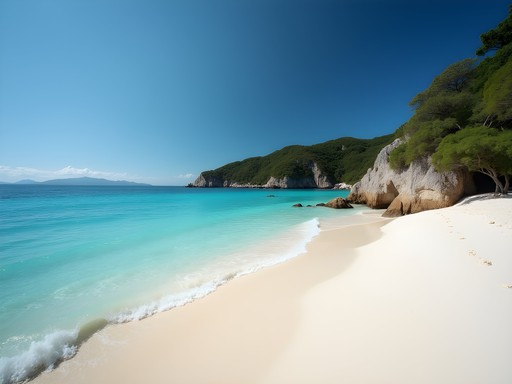
The main island offers more than the popular Manza and Emerald beaches that crowd travel brochures. My investigation led me to Odo Beach on the southern tip—a local secret with shallow, crystal-clear waters perfect for snorkeling. The beach's unique feature is its natural limestone formations creating tidal pools teeming with marine life.
Even more secluded is Hatenohama Beach on the eastern coast. You'll need to navigate some unmarked roads (reminiscent of tracking down reluctant witnesses in my former career), but the reward is a 7-kilometer stretch of white sand with rarely more than a handful of visitors. I spent an entire afternoon here watching hermit crabs navigate the shoreline while fishing boats dotted the horizon.
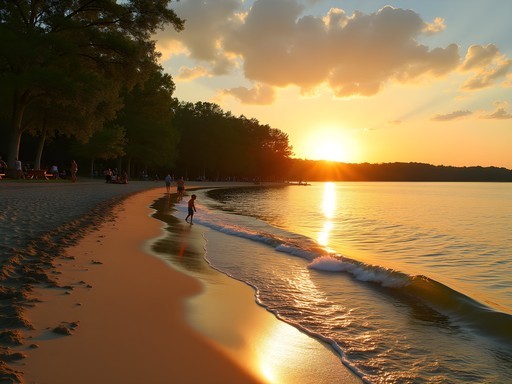
For sunset enthusiasts, Sunset Beach in the northwest lives up to its name, but I preferred the less-visited Ou Beach nearby. The western exposure creates spectacular golden hour conditions that had me reaching for my polarizing filter to capture the vibrant colors without glare from the water.

💡 Pro Tips
- Visit Odo Beach at low tide for the best tidal pool exploration
- Bring your own supplies to Hatenohama—there are no facilities
- Sunsets on western beaches occur earlier than you might expect due to mountainous terrain
Kerama Islands: The Blue Coral Paradise
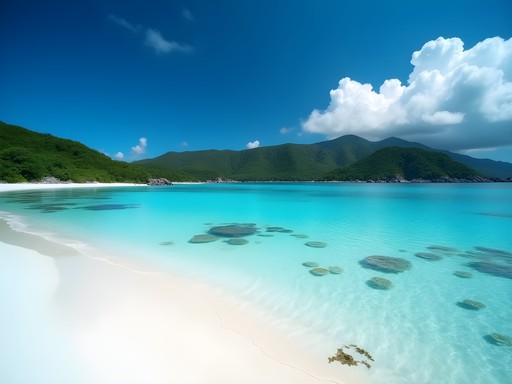
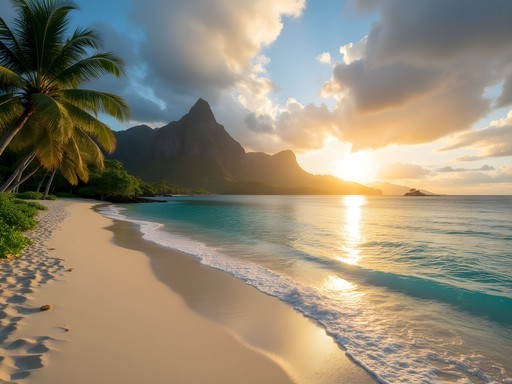
A 50-minute ferry ride from Naha transported me to the Kerama Islands, where I discovered what locals call 'Kerama Blue'—a mesmerizing azure water color created by white sand reflecting sunlight through clear waters.
Zamami Island became my base for two nights. Unlike my usual accommodation choices, here I splurged on a small beachfront cabin at Kerama Beach Hotel with direct access to Furuzamami Beach. The investment was worthwhile—I woke at dawn to have this paradise entirely to myself for early morning swims.
The snorkeling here surpassed all expectations. I spotted sea turtles, vibrant coral formations, and tropical fish just meters from shore. My full-face snorkel mask eliminated the usual snorkel discomfort and allowed me to breathe naturally while observing marine life—a game-changer for extended exploration.
Aka Island, connected to Zamami by a small local ferry, offers the spectacular Nishibama Beach. What caught my investigator's eye was a hidden path leading from the main beach to a secluded cove accessible only at low tide. Following it revealed a private swimming spot framed by dramatic rock formations—the kind of discovery that makes island-hopping worthwhile.

💡 Pro Tips
- Check ferry schedules carefully—service to Zamami is limited to 2-3 departures daily
- Bring reef-safe sunscreen as regular sunscreen is prohibited to protect coral
- Pack a lightweight dry bag for island-hopping with electronics

Miyako and Yaeyama: Japan's Final Frontier
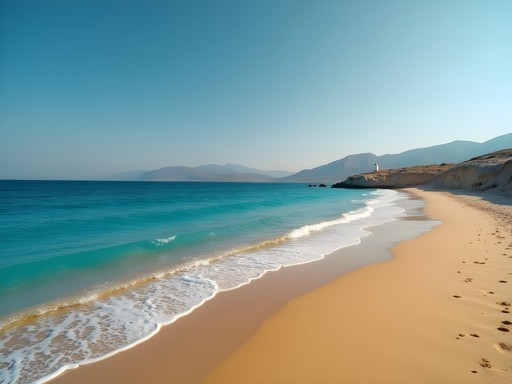
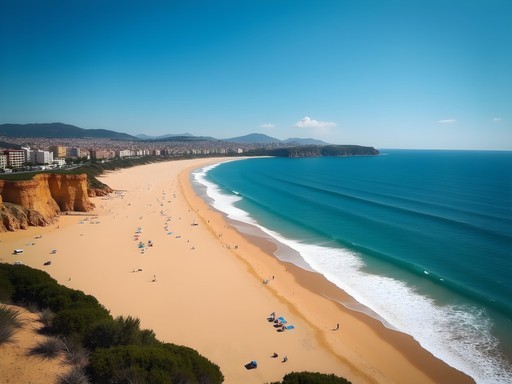
For travelers willing to venture further, the Miyako and Yaeyama island groups represent Okinawa's final frontier. A one-hour flight from Naha to Miyako revealed Yonaha Maehama Beach—consistently ranked among Japan's best beaches and for good reason. The 7-kilometer stretch of powder-soft sand meets shallow turquoise water so clear you can see your shadow on the seafloor.
On Miyako, I discovered my preference for staying at traditional minshuku guesthouses, where owners shared local knowledge no guidebook could provide. My host directed me to Sunayama Beach, distinguished by its natural limestone arch framing the ocean view. Arriving at 7am meant I had this photogenic spot entirely to myself for an hour.
The most memorable experience came on Taketomi Island in the Yaeyama group. This preserved traditional Ryukyu village island is small enough to circle by bicycle in under an hour. Kondoi Beach on the western shore offers spectacular snorkeling, but the true magic happens at Kaiji Beach with its star-shaped sand—actually tiny exoskeletons of marine organisms that wash ashore.
For beach picnics across these remote islands, my insulated cooler bag maintained perfect temperature for hours despite the tropical heat. It was particularly useful on Iriomote Island, where I packed lunch for a day exploring mangrove-lined beaches accessible only by kayak.


💡 Pro Tips
- Rent a bicycle on Taketomi—the island has no cars and is perfect for cycling
- Star sand is protected—observe but don't collect at Kaiji Beach
- Book accommodations well in advance for Yaeyama islands as options are limited
Cultural Immersion: Beyond the Beaches
While Okinawa's beaches are the main attraction, understanding the distinct Ryukyu culture enhances the experience. Unlike mainland Japan, Okinawa was once the independent Ryukyu Kingdom with its own language, cuisine, and traditions—many of which survive today.
Between beach visits, I explored local markets and sampled Okinawan specialties like goya champuru (bitter melon stir-fry) and umibudo (sea grapes). The pocket translator I carried helped bridge communication gaps with elderly villagers who spoke more Okinawan dialect than standard Japanese.
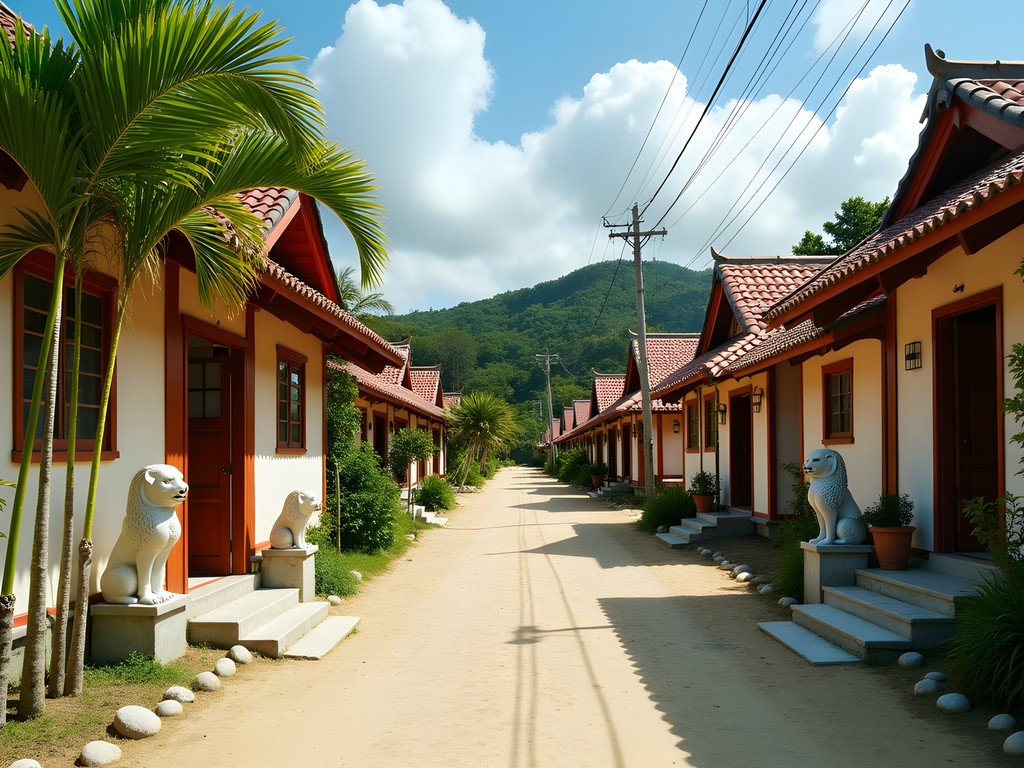
On Taketomi, I witnessed traditional music performances featuring the sanshin (a three-stringed instrument similar to a banjo). The island's preserved architecture with coral stone walls and red-tiled roofs provides a glimpse into traditional Ryukyuan village life.
The most moving cultural experience came from visiting Okinawa's peace memorials. The island suffered devastating losses during WWII, and these sites offer somber reflection on the region's complex history. Understanding this context made me appreciate even more deeply the warmth and resilience of Okinawan people I encountered throughout my journey.
💡 Pro Tips
- Try awamori, Okinawa's traditional distilled rice spirit, at local izakayas
- Look for yachimun pottery workshops where you can purchase authentic Okinawan ceramics
- Learn a few basic Okinawan phrases—locals appreciate the effort
Final Thoughts
As I've discovered through decades of investigations and now in my travels, the most valuable findings often lie just beyond where most people stop looking. Okinawa's hidden beaches exemplify this truth. While tourists cluster at the handful of beaches mentioned in popular guidebooks, countless pristine shores remain relatively untouched across this archipelago.
What makes these islands special isn't just the postcard-perfect scenery, but the way beach culture intertwines with Okinawa's unique heritage. The unhurried pace, the genuine interactions with islanders, and the sense of discovery when finding your own perfect stretch of sand—these are the true souvenirs of an Okinawan adventure.
As you plan your own journey through these islands, remember that flexibility is key. Weather can change ferry schedules, and some of the most magical moments come from unexpected detours. Pack light, bring cash for remote islands, and most importantly, bring the patience to slow down and experience island time. After all, the best beaches aren't just found—they're experienced, one gentle wave at a time.
✨ Key Takeaways
- Base yourself in Naha before island-hopping to more remote locations
- Rent a car on the main island but use bicycles on smaller islands
- Visit during May-June or September-October for ideal weather without peak crowds
- Bring sufficient cash for smaller islands with limited banking facilities
- Allow extra days in your itinerary for weather-related transportation changes
📋 Practical Information
Best Time to Visit
May-June or September-October (avoiding rainy season and typhoon season)
Budget Estimate
¥15,000-25,000 ($100-175) per day including accommodations, food, transportation and activities
Recommended Duration
7-10 days minimum to experience multiple islands
Difficulty Level
Moderate (Requires Planning For Inter-Island Transportation)

Comments
backpacknomad
Any recommendations for budget accommodations near these hidden beaches? Hostels or guesthouses?
oceanlegend3007
Minshuku (family-run guesthouses) are your best bet! I stayed at one in Zamami for about ¥4000/night. Basic but clean with amazing home-cooked breakfast. There's also a great hostel in Naha called Guesthouse Fushinuyauchi that's perfect for planning day trips.
Hunter Thompson
Really cool!
sunnychamp
We did the public transportation on Okinawa Honto and it worked fine for us. Just plan ahead because buses don't run super frequently. The island hopping ferries were really easy to book too.
Frank Carter
Brilliant write-up, Yuki! Your investigator background clearly gives you a unique perspective on travel. I spent three weeks exploring Okinawa last year, and the cultural aspects are just as fascinating as the beaches. The Ryukyu Kingdom's history is evident everywhere, from castle ruins to traditional crafts. If anyone's heading there, I highly recommend learning a few Uchinaaguchi phrases (Okinawan language) - locals really appreciate the effort. Also, rent a car on the main island - public transportation is limited, and some of the best beaches Yuki mentions are hard to reach otherwise. The drive along the eastern coast of Okinawa Honto at sunrise is something I'll never forget.
backpacknomad
Did you need an international driving permit for renting a car there?
Frank Carter
Yes, absolutely! You need both your home country license and an International Driving Permit. Most rental agencies won't accept you without both documents.
nomadnomad2908
Just got back from Miyako-jima and YES to everything in this post!! Sunayama Beach was absolutely deserted when we went at sunrise. The water is legitimately the bluest I've ever seen and I've been to 30+ countries. Can't believe more people don't know about this place. Already planning to go back next year!
escapeguide
Sunayama is unreal right?? That natural arch is stunning
nomadway
Is it better to rent a car or use public transport? Going in August with my partner
Jean Wells
Depends on your itinerary. For Okinawa Honto, a car gives you freedom to reach those hidden beaches Yuki mentions - many aren't on bus routes. The smaller islands like Zamami or Taketomi are walkable or bikeable. I'd recommend car for the main island, then go car-free on the smaller ones. International driving permits are required.
escapewanderer7793
Just booked tickets after reading this! Can't wait for March!
sunnychamp
Love the photos! Adding this to my bucket list
Hunter Thompson
Yuki, brilliant guide! I spent three weeks island-hopping Okinawa last autumn on a shoestring budget and it was absolutely magical. Pro tip for backpackers: the local ferries are WAY cheaper than the tourist boats and you get to hang with locals. Also, camping is allowed on some of the smaller Kerama islands if you get permits from the village offices. Woke up to sunrise over Tokashiki Beach and it cost me basically nothing. The investigator-turned-traveler angle is fascinating btw - love how you approach finding hidden spots!
oceanlegend3007
YES! Finally someone writing about the REAL Okinawa beaches! Yonehara on Ishigaki is my absolute favorite snorkeling spot in all of Japan - the coral gardens are INCREDIBLE and you can swim right from the beach. The local Okinawan people are so welcoming too. Did you try taco rice? It's this amazing fusion food that originated in Okinawa - perfect beach day lunch! Your photos of the Kerama Islands brought back so many memories. That blue... there's nothing like it anywhere else!
Venture X
Premium card with 2X miles, $300 travel credit, Priority Pass