


Disclosure: This article contains affiliate links. We may earn a commission from purchases at no extra cost to you, which helps our travel content.
The relationship between communities and their coastlines has always fascinated me. Having grown up along Australia's northern shores, I've developed a particular sensitivity to how beaches shape local culture—and vice versa. Jacksonville's 35 kilometers of Atlantic coastline represents something uniquely American yet deeply universal: spaces where natural ecosystems, recreation, and community identity converge in constantly shifting ways. During my recent research trip to document coastal craft traditions in the American Southeast, I found myself with an unexpected free weekend in Jacksonville. What began as a casual exploration evolved into a three-day immersion in a beach culture that surprised me with its diversity and accessibility. While markedly different from the remote shores of my Northern Territory childhood, Jacksonville's beaches offer something I didn't anticipate: a fascinating microcosm of American coastal life that deserves more attention than it typically receives in travel narratives.

Jacksonville Beach: The Accessible Heart of Local Beach Culture
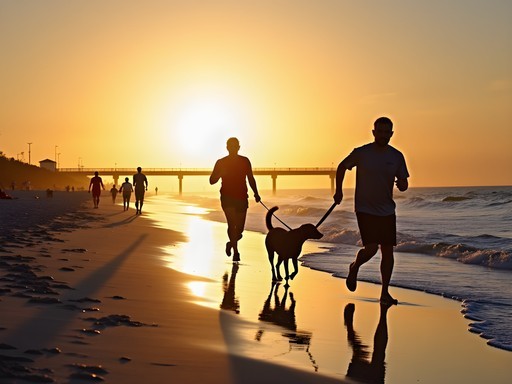
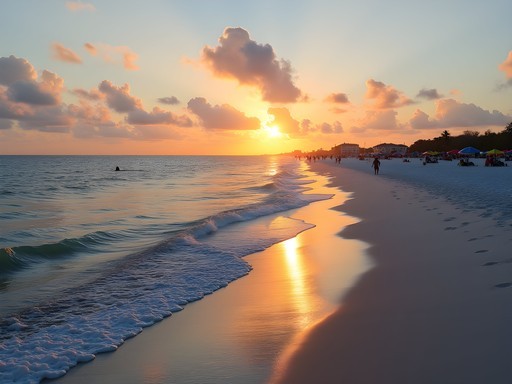
Jacksonville Beach functions as the communal living room of the city's coastal life—a space that democratizes access to the Atlantic in ways that reminded me of Australia's commitment to public shoreline access. The 800-meter fishing pier stretches like an anthropological transect line through multiple social worlds: families with coolers and umbrellas nearest the shore, teenagers navigating social hierarchies mid-pier, and serious anglers at the furthest reaches sharing specialized knowledge systems about tides and fish behavior.
What struck me most was the temporal rhythm of this beach. Arriving at 7 AM revealed a completely different social landscape than the same spot at noon or sunset. Early mornings belong to joggers, shell collectors, and contemplative walkers—many clearly locals who perform daily rituals along the water's edge. By midday, the demographics shift dramatically toward families with young children, the beach becoming a multigenerational space where I observed fascinating patterns of play knowledge being transmitted between parents and children.
The boardwalk area offers surprisingly good food options for a beach zone that could easily rely on captive audience economics. I recommend bypassing the obvious tourist spots for the small fish shack near the northern access point. Their grouper sandwich represents the kind of coastal food that hasn't been reimagined for visitor palates—straightforward, fresh, and connected to actual local fishing practices rather than abstract 'beach cuisine.'
For families needing beach gear without the hassle of transport, I found the beach wagon to be a lifesaver when helping a young family I befriended haul their equipment. The terrain here transitions from boardwalk to soft sand, making wheeled transport essential for anyone bringing more than the basics.

💡 Pro Tips
- Visit Jacksonville Beach early (before 9 AM) or late afternoon (after 4 PM) to avoid peak crowds and experience more authentic local beach culture
- The northern section near 16th Avenue offers a slightly less congested experience while still providing amenities
- Look for the small wooden shack selling fresh coconut water—it's run by a local family who've been in the same spot for three generations
Neptune Beach & Atlantic Beach: Where Local Identity Thrives
The adjoining communities of Neptune and Atlantic Beach represent something I've observed repeatedly in coastal settlements worldwide—how slight geographical separation often preserves distinct cultural identities even within essentially contiguous beaches. These communities maintain a deliberate small-town atmosphere that serves as a counternarrative to Florida's more commercialized coastal experiences.
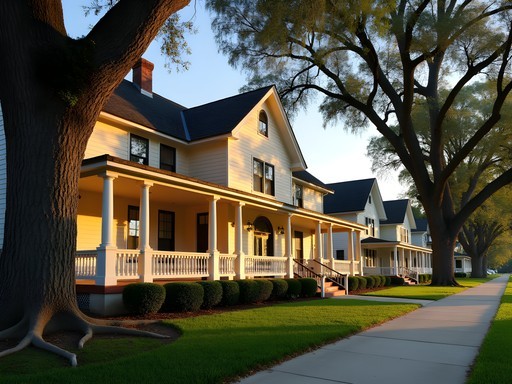
The boundary between these neighboring beaches is imperceptible to the untrained eye, but locals navigate these spaces with an implicit understanding of their different characters. Atlantic Beach emanates a slightly more affluent energy with its carefully maintained dune ecosystem and historic homes, while Neptune Beach cultivates a more bohemian, youthful atmosphere.
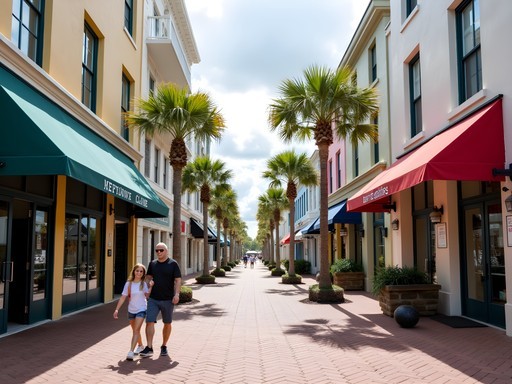
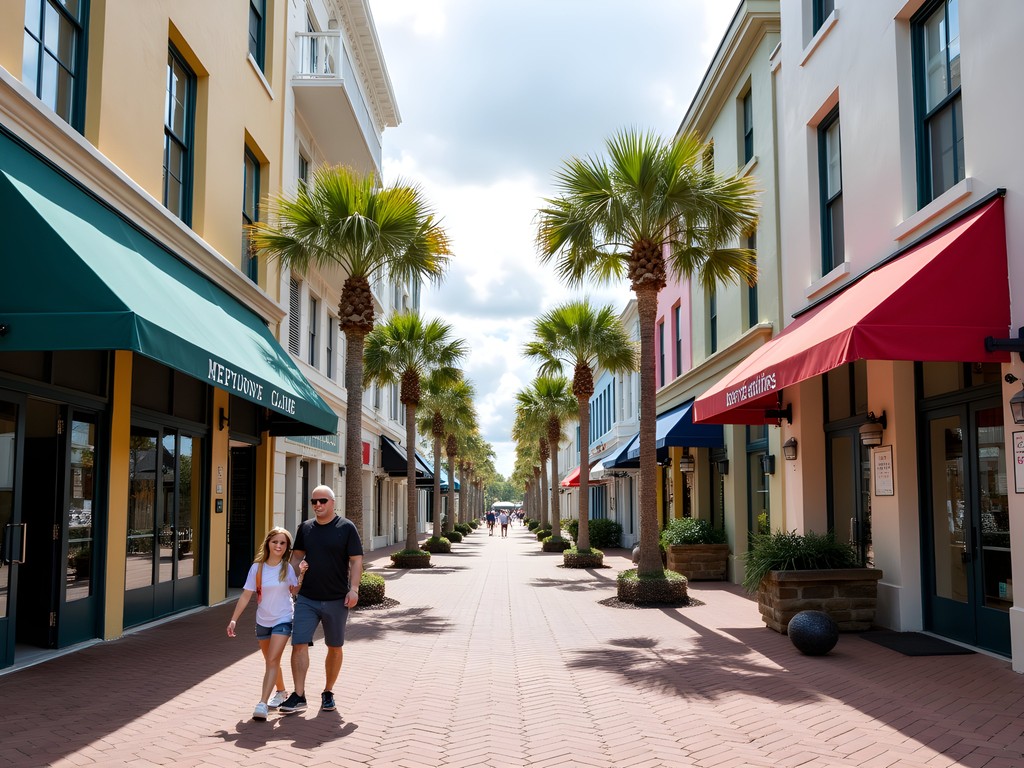
The Town Center at Atlantic Boulevard serves as a fascinating cultural crossroads where beach culture meets small-town American life. Spending an afternoon observing the social interactions at the local bookstore and ice cream shop revealed patterns of community connection that tourist areas rarely foster. Families here aren't performing vacation—they're living ordinary lives in an extraordinary setting.
For families, these beaches offer a more manageable scale than Jacksonville Beach proper. The waves tend to be gentler, parking less competitive, and the overall experience more intimate. I watched parents allowing children slightly more autonomy here than at the main beaches—a subtle but important distinction for families seeking to balance safety with the developmental benefits of exploration.
While exploring these beaches, I found myself constantly reaching for my quick-dry travel towel. Unlike traditional beach towels, its compact size and rapid drying made it perfect for my habit of spontaneous ocean dips between exploring different sections of coastline. For families moving between multiple beach locations in one day, this practicality becomes even more valuable.
💡 Pro Tips
- Visit the Atlantic Beach Arts Market (second Saturday monthly) to connect with local makers and see how coastal life influences regional crafts
- The small public library in Neptune Beach has an excellent local history section with fascinating archives of beach community development
- Respect residential areas when parking—these are functioning neighborhoods, not just tourist destinations
Hanna Park: Ecological Diversity Beyond the Shoreline
Kathryn Abbey Hanna Park represents a refreshing counterpoint to the anthropocentric focus of Jacksonville's main beaches. This 450-acre coastal preserve demonstrates how even heavily developed shorelines can maintain ecological corridors when community values prioritize conservation alongside recreation.
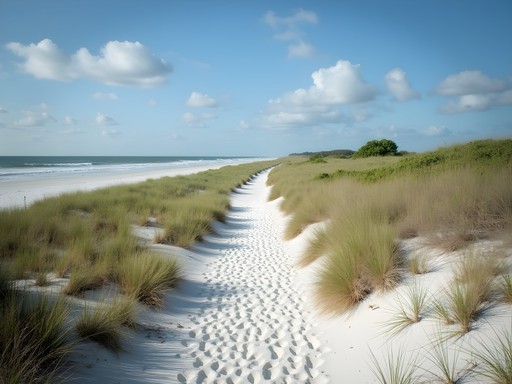
The beach here offers a distinctly different experience—less manicured, more wild, with a shoreline that requires visitors to engage with coastal ecology rather than simply occupy space upon it. The dramatic dune systems and maritime forest create a layered transition from ocean to inland environments that reminded me of undeveloped sections of Australia's coast.
For families, Hanna Park offers an invaluable opportunity to experience what coastal ecologists call 'succession zones'—the gradual transition from beach to dune to maritime forest—all within a manageable walking distance. Children I observed here engaged differently with the landscape compared to the main beaches, their play more exploratory and environmentally interactive.
The 1.5-mile freshwater lake within the park creates a fascinating freshwater/saltwater juxtaposition that's particularly valuable for helping children understand coastal ecosystems. The rental kayaks provide an accessible way for families to experience this aquatic environment, though I'd recommend morning hours when wildlife is more active and the Florida heat less intense.
The network of hiking and biking trails offers varying difficulties, though most are manageable for families with children beyond toddler age. I encountered several multi-generational family groups using these trails as spaces for knowledge transmission about local plants and animals—a pattern of intergenerational learning I've documented in indigenous communities worldwide.
When exploring the trails and beach areas with children, I strongly recommend packing a reliable insect repellent. The ecological diversity that makes Hanna Park special also supports more varied insect life than the main beaches, particularly in the transitional zones between beach and maritime forest.

💡 Pro Tips
- Visit during weekdays if possible—the park's popularity with locals makes weekends significantly more crowded
- The northern section of beach typically has fewer visitors and more shorebird activity
- Pack water shoes for children to protect against occasional shell fragments while still allowing safe exploration of tidal pools

Huguenot Memorial Park: Where Wildlife and Recreation Coexist
Huguenot Memorial Park presents one of the more fascinating human-environment interfaces I've studied along the American Atlantic coast. This is one of the few remaining beaches in Northeast Florida where vehicles are permitted directly on the sand—creating a distinctive social space where tailgating culture merges with traditional beach recreation in ways that would be unimaginable in my native Australia.
Despite this seemingly incompatible mix of automobiles and natural beach processes, the park maintains strict environmental controls that have allowed it to become one of the region's most important shorebird nesting areas. The seasonal closure of sensitive habitat areas represents a pragmatic compromise between recreation and conservation that actually functions effectively—something I've rarely seen achieved in coastal management elsewhere.
The inlet location creates dramatic tidal variations that families should approach with informed caution. I watched local parents teaching children to read tide charts and understand current patterns—practical knowledge transmission that connects younger generations to maritime awareness increasingly absent in digital childhoods. This isn't just safety instruction but cultural education in human-ocean relationships.
The bird-watching opportunities here are exceptional, particularly during spring and fall migrations. For families, this offers a natural opportunity to introduce children to concepts of hemispheric connectivity and seasonal rhythms. I spent a fascinating morning with my compact binoculars observing piping plovers—tiny shorebirds whose migration patterns connect this Jacksonville beach to ecosystems thousands of miles away. These lightweight binoculars proved perfect for spotting distant shorebirds without the bulk of traditional birding equipment.
The fishing culture at Huguenot offers another dimension of local ecological knowledge. Conversations with multigenerational fishing families revealed sophisticated understanding of seasonal fish movements, habitat preferences, and sustainable harvesting practices—often communicated through storytelling rather than formal instruction. For visiting families, even those not interested in fishing themselves, these knowledge-keepers offer windows into local environmental history that no guidebook can provide.

💡 Pro Tips
- Check tide schedules carefully before visiting—parts of the beach disappear completely at high tide
- The northern observation platform offers the best shorebird viewing without disturbing nesting areas
- Speak with local fisherfolk respectfully—many are willing to share knowledge about coastal ecosystems if approached with genuine interest rather than tourist entitlement
Little Talbot Island: The Wild Atlantic Experience
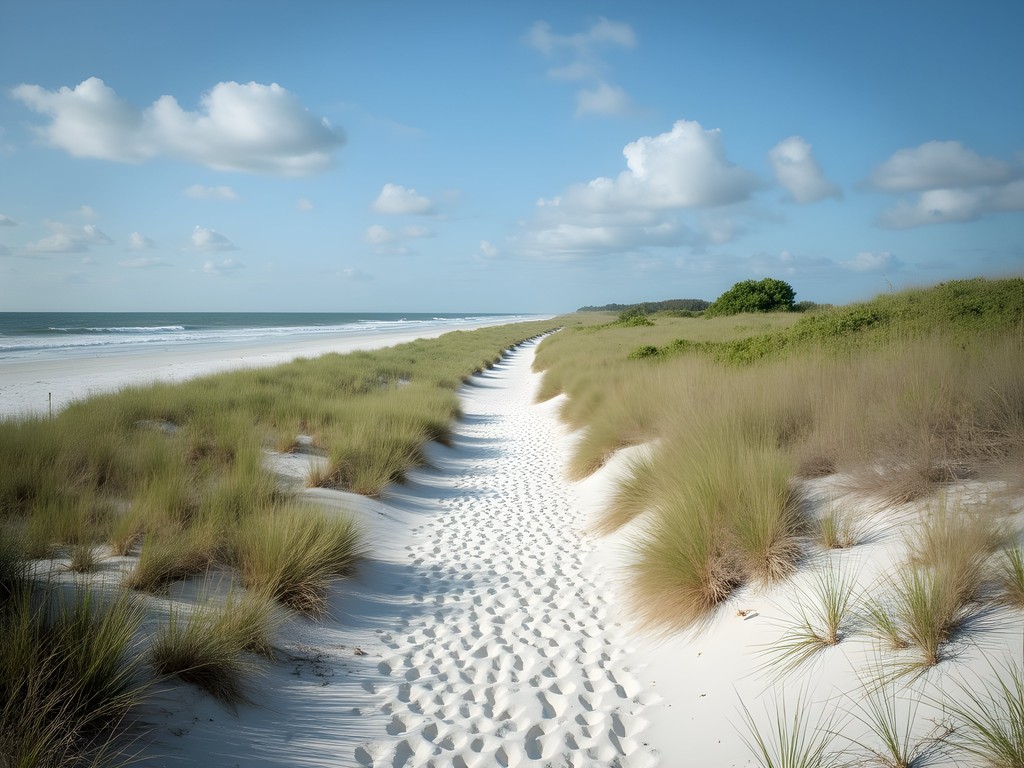
Little Talbot Island State Park represents the ecological baseline against which Jacksonville's more developed beaches can be measured—a reminder of what this coastline looked like before extensive human modification. As an undeveloped barrier island, it preserves coastal processes that have largely disappeared elsewhere along Florida's Atlantic shore.
The island's five miles of beach offer a study in dynamic shoreline processes. Walking the beach after recent storms, I documented patterns of erosion and accretion that tell stories of geological time—narratives typically invisible beneath beach umbrellas and volleyball courts on more developed shores. For families accustomed to manicured beaches, this wilder landscape provides valuable opportunities to discuss coastal resilience and change.
The maritime hammock forest behind the dunes contains some of the oldest live oak ecosystems in the region, creating a cathedral-like environment that contrasts dramatically with the open beach. The interpretive trail system offers excellent educational signage that contextualizes these environments without overwhelming younger visitors with technical information.
For families with older children, the ranger-led programs provide exceptional value. Unlike more commercial 'nature experiences' elsewhere, these sessions are led by staff with genuine scientific backgrounds and teaching skill. I participated in a morning ecology walk where the ranger seamlessly adjusted content between adult and child participants—maintaining intellectual integrity while ensuring accessibility.
The north end of the island offers a fascinating study in inlet dynamics, though families should approach this area with appropriate caution regarding currents. The constantly shifting sandbar formations create an excellent opportunity to discuss concepts of impermanence and adaptation with children—natural metaphors that extend beyond ecological understanding.
When visiting more remote sections of the island, I relied heavily on my waterproof dry bag to protect camera equipment and field notes. For families, these bags prove equally valuable for keeping phones, car keys, and extra clothing dry during longer beach explorations, particularly when tide patterns might necessitate wading through shallow water areas between beach sections.
💡 Pro Tips
- The island has no food services—pack sufficient water and snacks for your entire visit
- The Shoreline Nature Trail (1.5 miles) offers the best combination of accessibility and ecological diversity for families
- Visit during weekday mornings for the best wildlife viewing opportunities, particularly for shore and wading birds
Final Thoughts
Jacksonville's beaches offer far more than the sun-and-surf simplicity suggested by tourism brochures. They present a living laboratory in how American communities negotiate relationships with their coastal environments—balancing recreation, conservation, development, and cultural identity in ways that reveal deeper values. For families seeking more than passive beach experiences, these shores offer opportunities for children to develop what environmental educators call 'place attachment'—meaningful connections to natural spaces that foster long-term environmental stewardship. As climate change continues altering coastal landscapes worldwide, these connections become increasingly vital. My research consistently shows that children who develop nuanced understanding of beach ecosystems carry those insights into adulthood, regardless of where life takes them. Whether you have a weekend or a week, Jacksonville's diverse coastal environments offer your family something increasingly precious: not just memories of sun and sand, but meaningful engagement with living systems that transcend our brief human timelines.
✨ Key Takeaways
- Jacksonville's beaches offer distinct experiences ranging from developed family-friendly shores to nearly wild barrier islands
- Early mornings and weekdays provide the most authentic and uncrowded beach experiences
- Ecological diversity increases as you move away from the central beaches toward the state parks
- Local knowledge enhances beach experiences—take time to engage respectfully with residents and park staff
📋 Practical Information
Best Time to Visit
Late May through September for warmest water; April-May and September-October for milder temperatures and fewer crowds
Budget Estimate
$50-100 per day for a family of four (excluding accommodation)
Recommended Duration
2-3 days minimum to experience diverse beach environments
Difficulty Level
Easy

Comments
wanderguy
Great guide, really helpful!
Casey Andersson
What a gorgeous piece, Claire. Your Australian perspective on American beach culture adds such depth here. I visited Jacksonville last winter during a Southeast US road trip and was completely charmed by Atlantic Beach. There's something about those smaller beach towns that just feels more authentic, you know? The One Ocean Resort was lovely if anyone's looking for accommodation recommendations. I spent an afternoon at the Atlantic Beach Art Walk and the local gallery scene was surprisingly vibrant. Would love to return in summer to experience the full beach season.
islandninja7280
If anyone's heading to Jax with kids, the splash pad at Jacksonville Beach is a lifesaver when they need a break from the sand! Also, we parked for free a few blocks inland and just walked to avoid the beachfront parking fees.
tripvibes3176
Smart move with the parking! We did the same thing near Neptune Beach.
exploreace
We stayed near Jacksonville Beach last spring and really enjoyed the local restaurant scene. The beach itself was clean and not too crowded on weekdays. My only complaint was the parking situation - it got pretty tight on Saturday afternoon. But overall a great family destination. The pier area is nice for an evening walk.
freevibes
Which beach has the best sunset views?
travelmate
Huguenot for sure! The wildlife makes it even better
Sarah Powell
Claire, this is such a thoughtful analysis of Jacksonville's beach ecosystems. I particularly appreciated your observations about how Neptune Beach maintains its distinct local character despite being sandwiched between larger tourist areas. The way you connected community identity to coastal access really resonated with me. I visited last fall and was struck by the same thing - each beach has such a different vibe. Did you get a chance to observe any of the sea turtle nesting activity at Huguenot? I'd love to hear more about the conservation programs there.
wanderguy
The turtle nesting season is May-October if anyone's interested!
smartstar
YES to Hanna Park!! We spent a whole day there last summer and it was amazing. The trails through the maritime forest are so beautiful and way less crowded than the main beaches. Pro tip - get there early on weekends because the parking fills up fast. Also the freshwater pond is perfect for kids if the ocean waves are too rough. Such a hidden gem!
exploreace
Good to know about the parking! Planning to go in August
smartstar
You'll love it! Bring bug spray for the trails though
photolegend
Those Hanna Park shots are incredible
travelmate
Love this!! Never thought of Jacksonville as a beach destination but now I'm totally adding it to my list!
wildstar
Claire, your perspective on Neptune Beach is refreshing! Everyone talks about Jacksonville Beach, but Neptune and Atlantic Beach have this authentic local vibe that's hard to find these days. We stayed at One Ocean last month and loved walking to those little cafes you mentioned. The morning crowd at Beaches Town Center is so different from the touristy areas - actual locals getting coffee and walking dogs. And that taco place on the corner (forgot the name) had the best fish tacos I've had on the East Coast!
Venture X
Premium card with 2X miles, $300 travel credit, Priority Pass