

Disclosure: This article contains affiliate links. We may earn a commission from purchases at no extra cost to you, which helps our travel content.
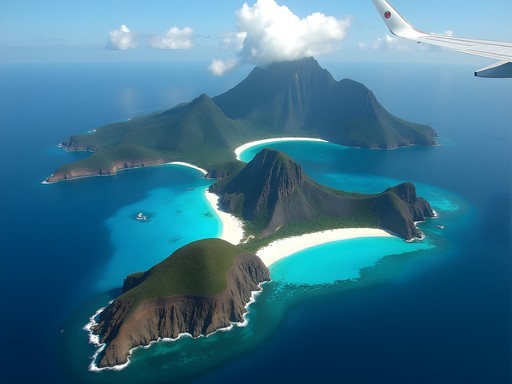
As the small aircraft began its descent toward Fernando de Noronha, I pressed my face against the window like an excited child. The emerald archipelago, surrounded by waters in impossible shades of blue, emerged from the Atlantic like a mirage. Having documented coastlines affected by climate change across the Pacific and Latin America, I wasn't prepared for the pristine preservation of this Brazilian paradise. This UNESCO World Heritage site, with strict visitor limitations (only 500 tourists permitted daily), represents something increasingly rare in our changing world - a coastal ecosystem largely untouched by mass tourism and environmental degradation. ¡Qué maravilla! What a marvel indeed. As someone who splits time between emergency dispatching in Christchurch and documenting climate impacts on sacred coastlines, I can confidently say Fernando de Noronha offers couples the ultimate luxury beach escape while maintaining environmental integrity. Let me guide you through the seven most breathtaking beaches on this remote Brazilian archipelago that will redefine your understanding of paradise.

Baía do Sancho: The Crown Jewel
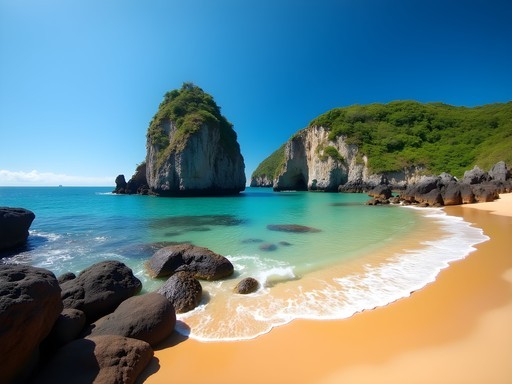
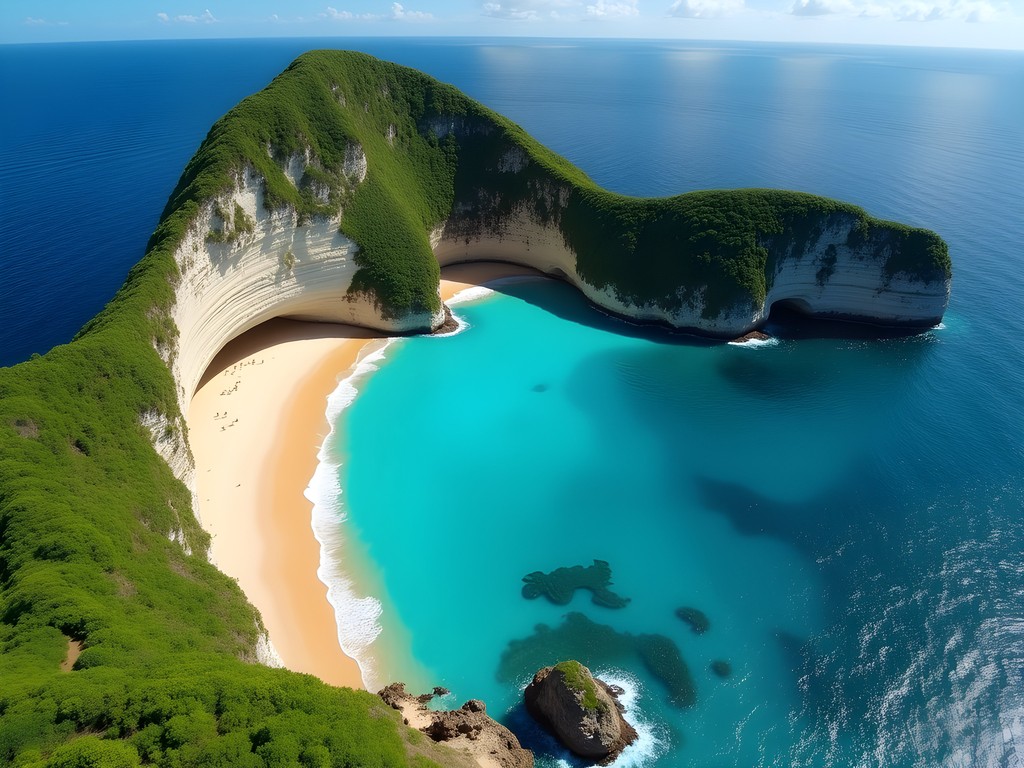
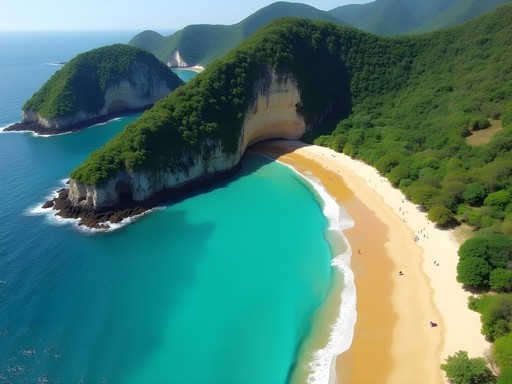
Consistently ranked among the world's best beaches, Baía do Sancho deserves every accolade it receives. My first glimpse came after descending a metal ladder through a narrow rock crevice - a journey that builds anticipation for the reveal. Once your feet touch the soft golden sand, you're greeted by a perfectly curved bay embraced by verdant cliffs and crystal waters in graduated shades of turquoise.
The beach's protected location within a marine park means strict conservation measures are in place. During my visit, I observed park rangers monitoring turtle nesting sites and educating visitors about the fragile ecosystem. As an emergency dispatcher accustomed to crisis management, I was impressed by the park's methodical approach to preservation.
The snorkeling here is unparalleled - I encountered schools of tropical fish mere meters from shore. The visibility often exceeds 30 meters, revealing a thriving underwater ecosystem that has been carefully protected from the ravages affecting many coastal regions worldwide.
For couples seeking privacy, I recommend arriving early (around 8 AM) before the day-trippers. Pack a picnic breakfast and enjoy the beach nearly to yourselves. I brought my underwater camera which captured stunning footage of the marine life in remarkable clarity - an investment well worth making for underwater memories this exceptional.
💡 Pro Tips
- Visit early morning (8-10 AM) or late afternoon (3-5 PM) to avoid crowds
- Bring proper footwear for the ladder descent - flip-flops won't cut it
- Pack all necessities as there are no services on the beach itself
Praia do Leão: Where Sea Turtles Reign
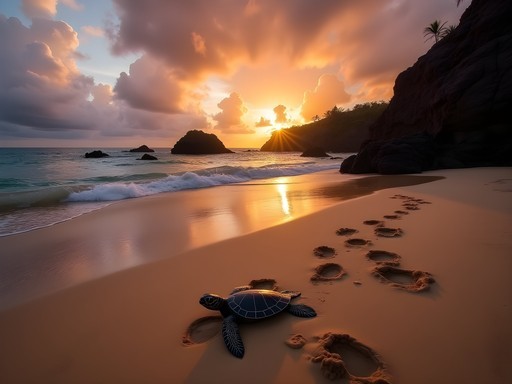
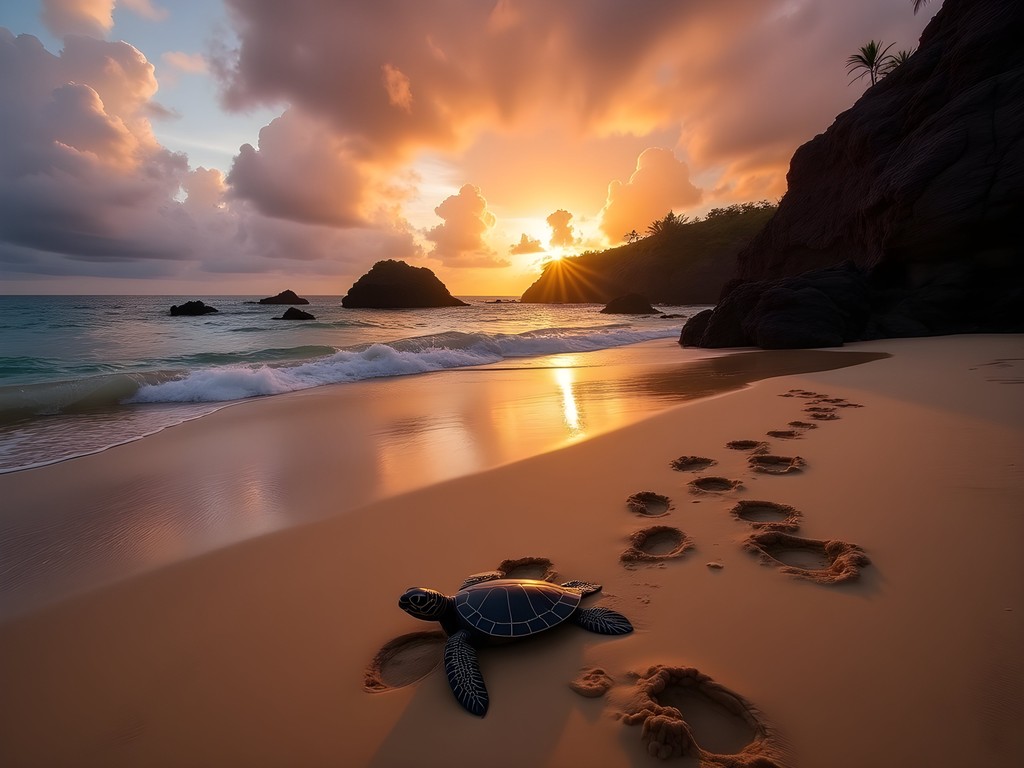
Named for a rock formation resembling a lion (leão in Portuguese), this beach holds special significance for both marine conservation and my personal connection to climate research. During my visit in October, I witnessed something extraordinary - olive ridley sea turtles coming ashore to nest under the watchful eye of TAMAR Project conservationists.
As someone who has documented climate impacts on nesting sites throughout the Pacific, witnessing successful conservation efforts was profoundly moving. The TAMAR team explained how rising sea temperatures affect turtle gender determination - a critical climate impact often overlooked in broader discussions.
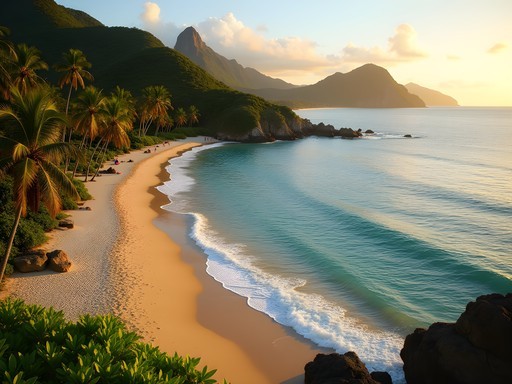
The beach itself is a dream - wide golden sands backed by dramatic cliffs with waves that range from gentle to powerful depending on the tide. The southern location means fewer visitors venture here compared to northern beaches, creating a more intimate experience for couples.
Sunset at Praia do Leão is magical. The fading light bathes the cliffs in golden hues while the Atlantic transforms into a canvas of oranges and purples. I set up my portable beach chairs with a bottle of Brazilian sparkling wine and watched the day end in spectacular fashion - a memory my partner and I still treasure.
For conservation-minded travelers, timing your visit to witness turtle hatching (February-June) offers a profound connection to the natural cycles that continue despite our changing climate.
💡 Pro Tips
- Check with TAMAR Project about turtle activity during your visit
- Strong currents make swimming challenging - always check conditions
- Bring a hat and sunscreen as shade is limited
Baía dos Porcos: The Hidden Gem
Don't let the name fool you - 'Bay of Pigs' harbors no political history, only natural perfection. Accessing this small cove requires a moderate hike along coastal trails, deterring many visitors and preserving its pristine state. As an emergency dispatcher, I instinctively assess accessibility challenges, and I must note this beach isn't suitable for those with mobility issues.
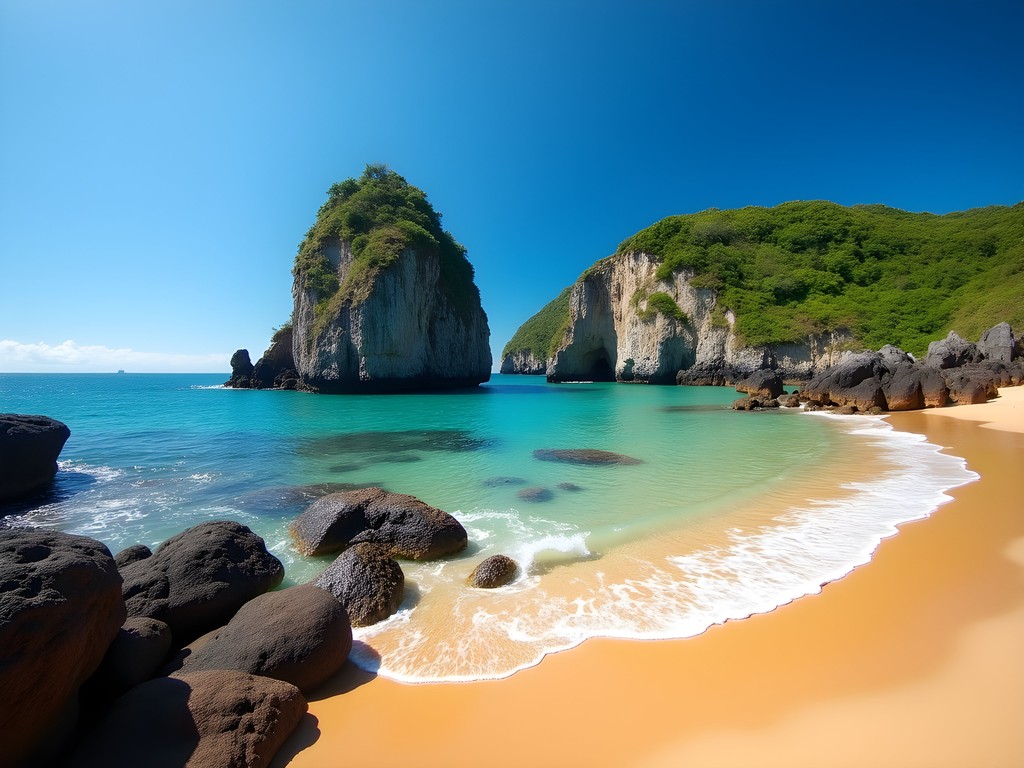
The effort is richly rewarded. Baía dos Porcos features dramatic rock formations emerging from impossibly clear waters, creating natural swimming pools at low tide. The visibility is so exceptional that snorkeling here feels like swimming in an aquarium. Schools of sergeant majors, parrotfish, and occasionally small reef sharks glide beneath you in waters so clear they seem unreal.
For photography enthusiasts, the iconic Dois Irmãos (Two Brothers) rock formation frames your shots perfectly. I spent hours capturing different angles with my telephoto lens which proved ideal for both wildlife and landscape compositions. The contrast between the volcanic rocks, azure waters, and verdant backdrop creates images that barely need editing.
During my week on Fernando de Noronha, I returned to Baía dos Porcos three times - each visit revealing new details and perspectives. The changing tides transform the landscape dramatically, offering a different experience morning versus afternoon.
For couples seeking privacy, this beach offers secluded spots among the rocks where you can spend hours undisturbed, watching the interplay of light on water and feeling completely removed from the world's pressures.
💡 Pro Tips
- Visit at low tide to access the natural pools
- Pack water shoes to navigate the rocky sections comfortably
- Bring polarized sunglasses to fully appreciate the underwater visibility

Praia de Atalaia: The Ecological Wonder
Access to Praia de Atalaia represents conservation management at its finest - a model I wish more vulnerable coastlines would adopt. Visitor numbers are strictly limited to protect the delicate tide pools, with only 100 people permitted daily in controlled 30-minute sessions. Reservations are mandatory and made through ICMBio (Chico Mendes Institute for Biodiversity Conservation).
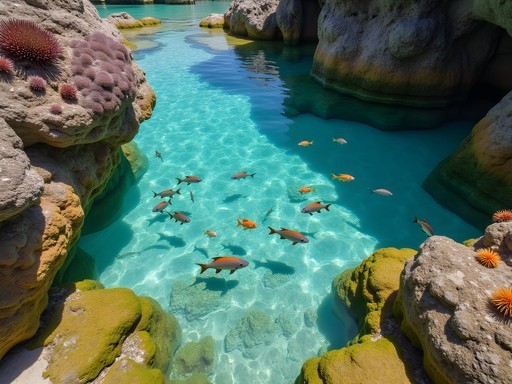
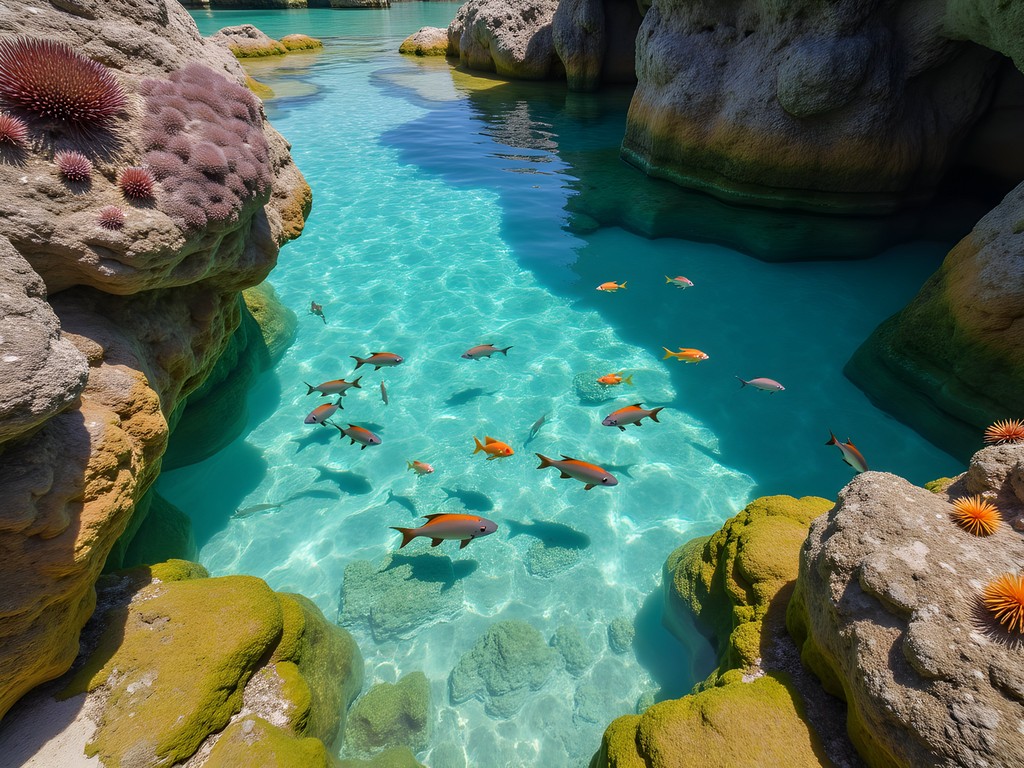
As someone who has witnessed the devastating effects of overtourism on marine ecosystems from Mexico to New Zealand, I deeply appreciate this approach. The results speak for themselves - the natural aquarium remains pristine, offering glimpses into marine microcosms rarely seen elsewhere.
During my allocated time slot, I observed juvenile reef fish, sea urchins, octopuses, and various crustaceans in their natural nursery. The park ranger explained how these tide pools serve as critical developmental habitats before species venture to the open reef systems.
This beach isn't about sunbathing or swimming - it's a living classroom. For couples interested in marine biology or conservation, the experience creates profound shared memories and conversations about our relationship with fragile ecosystems.
I recommend booking your visit for day three or four of your trip - by then, you'll have context about the island's ecosystem to fully appreciate what you're seeing. Wear appropriate footwear and follow all guidelines meticulously - this experience is a privilege, not a right.
For underwater viewing, I found my reef-safe sunscreen essential, as conventional sunscreens are strictly prohibited to protect the delicate marine life. The park rangers actually check products before allowing entry - a level of environmental protection I found both impressive and necessary.
💡 Pro Tips
- Book your time slot immediately upon arriving on the island
- Wear reef shoes and avoid touching anything in the pools
- Bring a waterproof identification guide to marine species
Praia do Cacimba do Padre: Surfer's Paradise
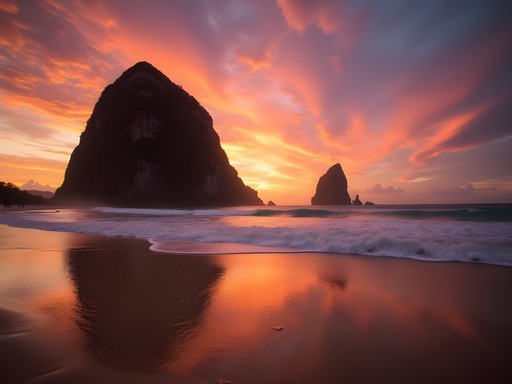
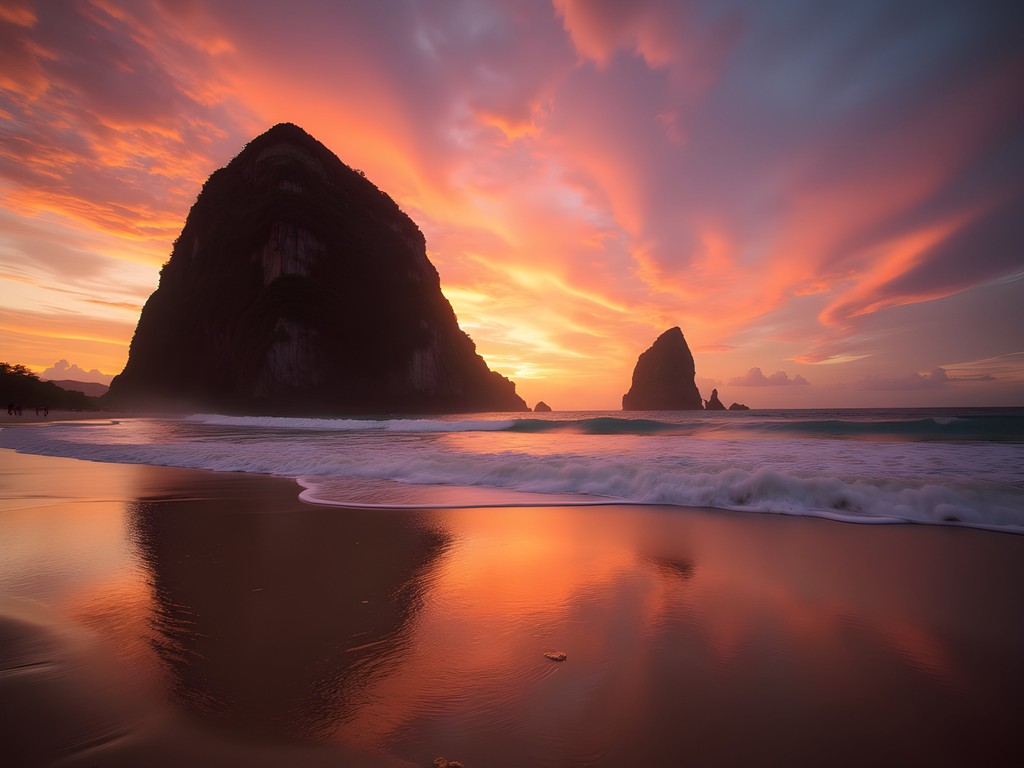
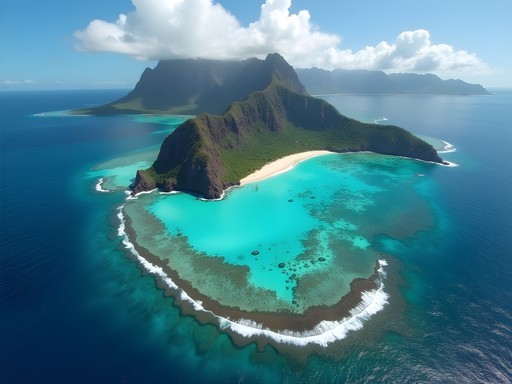
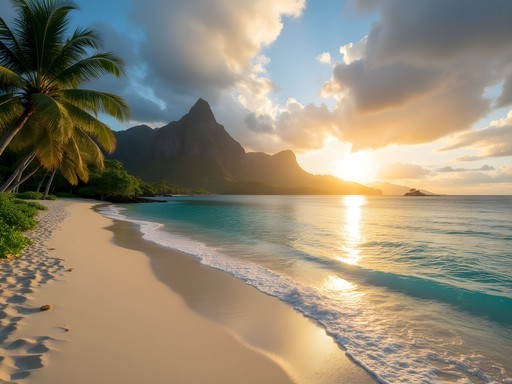
The dramatic backdrop of Morro Dois Irmãos makes Praia do Cacimba do Padre instantly recognizable - it's the beach featured in most Fernando de Noronha promotional materials. What those perfect images don't convey is the beach's dual personality: serene paradise during calm periods and surfer's haven when the swells arrive.
During my week-long stay, I witnessed both faces. Early in the trip, the beach offered gentle waters perfect for floating and watching the abundant marine life. By day five, a swell had arrived, transforming the bay into a world-class surfing spot where Brazilian pros showcased their talents on impressively large waves.
This beach exemplifies why timing matters in coastal travel. As someone who documents climate impacts on coastlines, I've observed how changing weather patterns affect wave conditions worldwide. The locals explained that swell patterns have become less predictable in recent years - another subtle indicator of our changing climate.
For couples, Cacimba do Padre offers excellent infrastructure - unlike some of the more remote beaches. The beachfront restaurant serves exceptional seafood, and comfortable chairs can be rented for the day. After a morning exploring more rugged beaches, we found this combination of comfort and beauty perfect for afternoon relaxation.
At sunset, locals and visitors gather to watch the day end behind the iconic rock formations. The atmosphere becomes festive yet intimate - musicians sometimes play, couples walk the shoreline, and the sky performs its nightly color show.
For photography enthusiasts, I recommend a travel tripod for capturing the iconic sunset shots. The lightweight carbon fiber construction made it easy to carry during our daily beach explorations, and the stability was crucial for those perfect golden hour exposures.
💡 Pro Tips
- Check with locals about current wave conditions if swimming is a priority
- Arrive for sunset at least 30 minutes early to secure a good viewing spot
- The beach is extensive - the northern end tends to be less crowded
Praia da Conceição: The Versatile Beauty
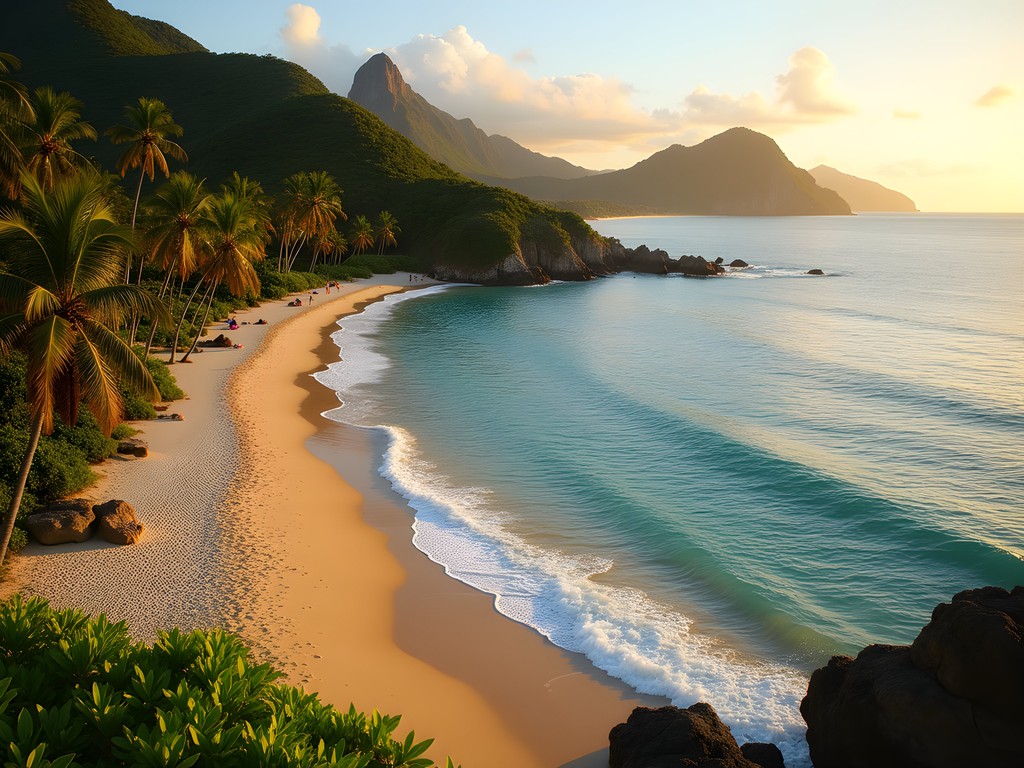
Located near the main village of Vila dos Remédios, Praia da Conceição offers the perfect balance of accessibility and beauty. Its central location made it our default morning spot - we'd often start the day with a swim here before venturing to more remote beaches.
The protected bay creates ideal swimming conditions most days, with gentle waves and a gradual depth increase that makes it suitable for all swimmers. What fascinated me as a climate observer was the beach's perfect positioning to witness both sunrise and sunset - a rarity that allows visitors to track the sun's path and contemplate our place in the natural world.
During my stay, I connected with local fishermen who have witnessed changes in fish populations and weather patterns over decades. These conversations provided valuable perspective on how even protected areas like Fernando de Noronha feel the subtle impacts of our changing climate - insights that don't make it into typical travel guides.
For couples, Conceição offers romantic potential beyond the obvious beach activities. The adjacent hill provides an easy hike to a perfect picnic spot overlooking the bay. We packed local cheese, fruit, and wine for an unforgettable afternoon watching the interplay of light on water from above.
The beach's proximity to town means you can easily combine beach time with cultural exploration. After a morning swim, we'd wander into Vila dos Remédios for lunch at local restaurants, connecting with island residents and learning about life in this remote paradise.
Conceição also offers the island's best balance of natural beauty and amenities. Beach chairs and umbrellas are available for rent, making it comfortable for longer stays. After testing various spots around the island, we found this beach ideal for reading, relaxation, and reflection.
💡 Pro Tips
- Visit at different times of day to experience how dramatically the light changes the landscape
- The northern end offers more privacy and shade
- Combine with a morning visit to the local market in Vila dos Remédios for fresh fruit
Luxury Accommodation & Sustainable Tourism
Fernando de Noronha presents an intriguing paradox - it offers ultra-luxury experiences while maintaining strict environmental protection. This balance particularly resonated with me as someone who documents both climate impacts and sacred places worldwide.
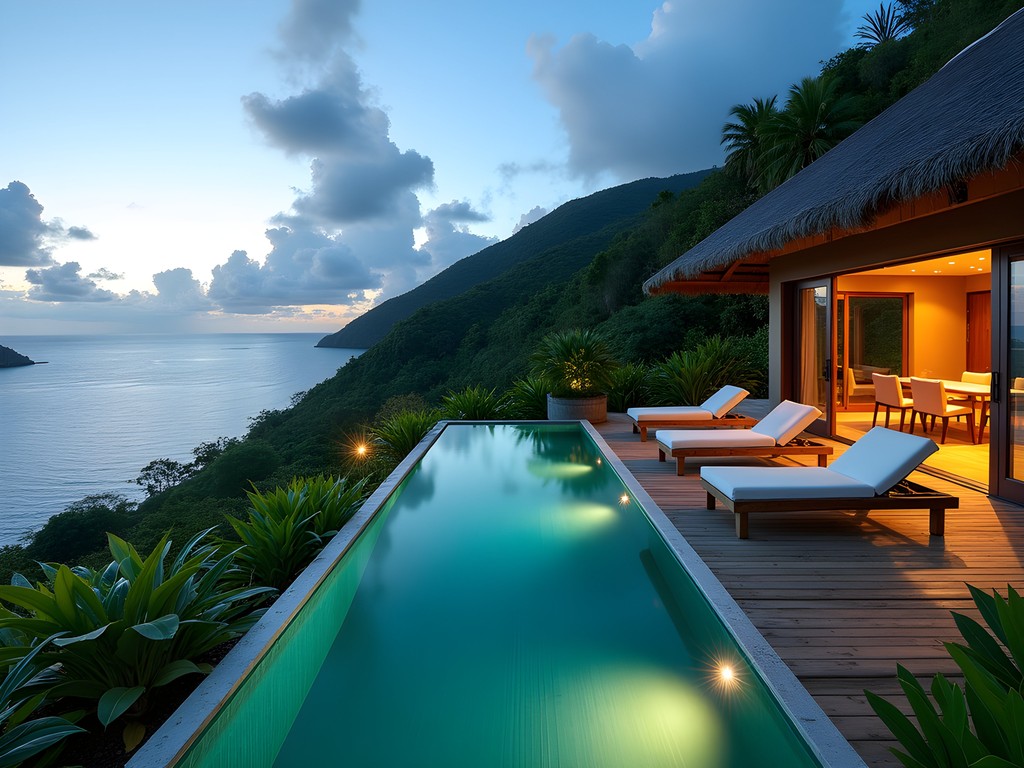
For couples seeking the ultimate romantic retreat, Pousada Maravilha represents the pinnacle of sustainable luxury. Perched on a hillside overlooking Sueste Bay, its five bungalows and three apartments blend seamlessly into the landscape. The infinity pool creates the perfect illusion of merging with the Atlantic, while the restaurant serves exceptional seafood caught using sustainable methods.
What impressed me most was the property's commitment to environmental stewardship - rainwater collection systems, solar power, and strict waste management protocols that exceed the island's already stringent requirements. This approach proves luxury and conservation can coexist beautifully.
For those seeking more intimate accommodations, Pousada Teju-Açu offers charming rooms set in lush gardens, with exceptional service and a commitment to supporting local conservation efforts. Their breakfast featuring island-grown fruits and locally sourced ingredients became a highlight of our mornings.
Regardless of where you stay, understanding the island's conservation model enhances appreciation of your experience. The daily environmental preservation tax (currently around R$83 per person) directly funds conservation efforts. While initially seeming steep, witnessing the results of this funding - pristine beaches, protected marine life, and well-maintained trails - quickly justifies the expense.
As visitors to this fragile paradise, we have a responsibility to embrace its conservation ethos. This means respecting all guidelines, using reef-safe products, minimizing water usage, and supporting businesses committed to sustainability. The luxury of Fernando de Noronha isn't found in excessive consumption but in privileged access to one of Earth's most perfectly preserved coastal ecosystems.
💡 Pro Tips
- Book accommodation at least 6 months in advance for high season
- Request ocean-view rooms for spectacular sunrise viewing
- Discuss sustainability practices with hosts - they're often passionate about sharing their conservation efforts
Final Thoughts
As our small aircraft lifted off from Fernando de Noronha's runway, I pressed my face against the window once more - this time to bid farewell to an island that represents hope in our changing world. These seven beaches, each with distinct character and beauty, demonstrate what's possible when conservation and tourism find harmony. For couples seeking connection - with each other and with nature - Fernando de Noronha offers rare perfection. The luxury here isn't found in excess but in privileged access to pristine beauty that grows increasingly rare on our planet. As someone who has witnessed the impacts of climate change on coastlines worldwide, I left with renewed determination to share this model of sustainable paradise. Whether you're drawn by the world-class beaches, marine life, or conservation success story, Fernando de Noronha will redefine your understanding of true luxury travel. Hasta pronto, paraíso - until we meet again, paradise.
✨ Key Takeaways
- Book accommodations and beach permits (especially for Atalaia) well in advance
- Visit during fall (September-November) for ideal weather and turtle nesting season
- Embrace the conservation ethos - the strict regulations preserve the very beauty you're there to experience
- Allocate at least 5-7 days to fully appreciate the diverse beaches and marine ecosystems
📋 Practical Information
Best Time to Visit
September to November (fall) offers ideal conditions with less rain, comfortable temperatures, and good visibility for snorkeling and diving
Budget Estimate
$800-1200 USD per day for couples seeking ultra-luxury experiences, including premium accommodation, private guides, and fine dining
Recommended Duration
7 days minimum to experience all beaches and allow for weather variations
Difficulty Level
Intermediate - Some Beaches Require Moderate Hiking And Ladder Descents


Comments
luckyhero
Is it expensive to stay there? Heard mixed things about costs
vacationblogger
How many days would you recommend staying to see all these beaches?
Sarah Powell
I'd say minimum 4-5 days to really enjoy it without rushing. Some beaches are tide-dependent too, so having extra time helps.
happyway
Love this place! Was there in 2024
Kimberly Murphy
Brilliant write-up! Praia do Leão is absolutely magical during turtle nesting season (December to June). I was lucky enough to witness hatchlings making their way to the sea at sunrise - genuinely one of the most incredible moments of my life. Pro tip: bring proper reef-safe sunscreen as they're very strict about protecting the marine ecosystem. The fines are hefty if you're caught with regular sunscreen! Also, the climb down to Baía do Sancho is no joke - wear proper footwear, not flip-flops like I did my first time!
luckyhero
Which brand of reef-safe sunscreen do you recommend?
Kimberly Murphy
I used Stream2Sea - worked perfectly and didn't irritate my skin in the salty water. You can find it at most eco-shops or online before you go.
springguy
This is paradise! Thanks for sharing
freephotographer
Really nice shots! What time of day did you shoot Baía dos Porcos?
Sarah Powell
Great post, Noah! I visited Fernando de Noronha last year and completely agree about Baía do Sancho being the crown jewel. One thing I'd add for readers: you need to book your permits well in advance, especially for Praia de Atalaia. The ecological preservation limits are strict (only 96 visitors per day to certain areas), but it's absolutely worth the planning. The marine life visibility is unmatched. Did you get a chance to do any diving while you were there?
vacationblogger
How far in advance should we book? Planning for next year
Sarah Powell
I'd recommend at least 2-3 months ahead for peak season (December-February). You can book through the island's official tourism site once you have your accommodation confirmed.
starway
OMG this looks absolutely stunning!! Adding to my bucket list right now!
exploremood
Just got back from Fernando de Noronha last week and it lived up to the hype! Baía dos Porcos was actually my favorite - smaller than Sancho but just as beautiful and less crowded. We saw a sea turtle there! Pro tip: the island has strict visitor limits, so book your flights and accommodation WAY in advance. We almost couldn't go because flights were full. Also, bring cash as many places don't accept cards and ATMs can run out of money. The preservation fee was around $50 per day but totally worth it for keeping this paradise pristine. Thanks for the great article, Noah!
oceanseeker
Been to 60+ countries and Fernando de Noronha is STILL in my top 3 beaches ever. Praia do Leão at sunset with the sea turtles... I mean come on. Nothing beats it.
Venture X
Premium card with 2X miles, $300 travel credit, Priority Pass