


Disclosure: This article contains affiliate links. We may earn a commission from purchases at no extra cost to you, which helps our travel content.
The air in Williston carries stories - tales of boom and bust, of earth's ancient formations and modern extractions. Most travelers breeze past North Dakota en route to more Instagram-famous destinations, but there's something profoundly honest about this landscape that resonates with those who seek to understand a place through its most elemental aspects: earth, labor, and sustenance. As someone who has devoted his life to uncovering how geography shapes food traditions, I found unexpected parallels between the preservation techniques of the northern plains and the fermentation practices I've documented across continents.

The Badlands: Nature's Fermentation Laboratory
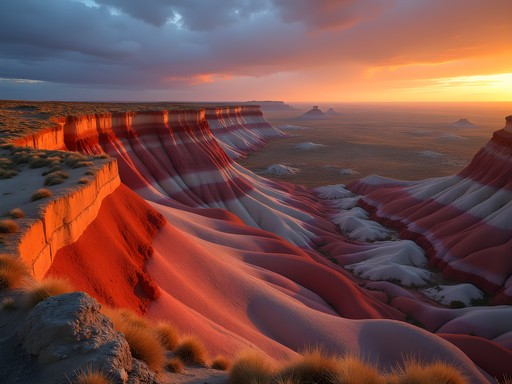
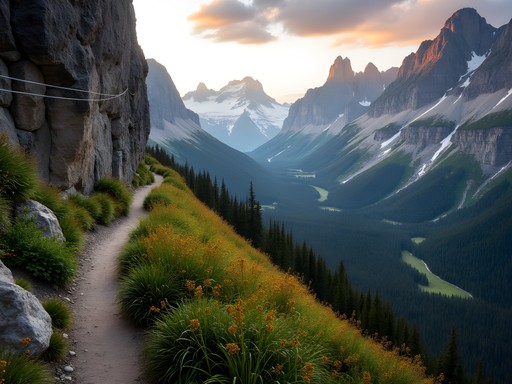
Theodore Roosevelt National Park's North Unit sits just an hour's drive from Williston, and it's here that I begin every visit to the region. The striated buttes and painted canyons aren't just visually striking—they're a living timeline of geological fermentation. Much like the controlled decay that transforms cabbage into kimchi, these badlands are the result of erosion breaking down ancient seabeds and volcanic ash into something entirely new and complex.
Hiking the Caprock Coulee Trail at dawn, I've watched the rising sun illuminate layers of history in the sedimentary rock. The trail demands proper footwear—I learned this lesson the hard way when my city shoes disintegrated on the bentonite clay that turns from concrete-hard to slippery muck with just a hint of moisture. My hiking boots have become non-negotiable companions for these treks, offering the ankle support and grip needed when navigating the deceptively challenging terrain.
What fascinates me most is how the microclimate of these badlands—with temperature swings of 50°F in a single day—mirrors the conditions we chefs deliberately create for certain fermentation processes. The wild yeasts here are resilient survivors, much like the homesteaders who first settled this unforgiving landscape.

💡 Pro Tips
- Start badlands hikes early morning to avoid afternoon heat that regularly exceeds 100°F in summer
- Pack at least 1 gallon of water per person per day—the dry air dehydrates you faster than you realize
- Look for wild prairie turnips (timpsula) growing along trail edges—indigenous peoples have harvested these nutritious roots for centuries
Oil Field Expeditions: Industrial Fervor
Williston sits at the heart of the Bakken oil formation, and while most travel blogs would shy away from recommending oil field tours, I find them fascinating studies in human ingenuity and environmental complexity. Several local companies offer guided expeditions to working sites—though these aren't your typical tourist experiences. They're raw, industrial, and offer unvarnished glimpses into the energy economy that transformed this region.
Before attempting these tours, invest in proper safety gear. My safety helmet has accompanied me on industrial tours worldwide, and the oil fields demand no less. Many tour operators provide basic equipment, but having your own ensures proper fit and comfort during the often lengthy excursions.
What struck me most during these tours was the parallel between oil extraction and certain traditional food preservation methods. Both involve drawing something valuable from deep within the earth, both require precise temperature control and specialized tools, and both transform raw materials into something entirely different. The workers I've spoken with—many from diverse backgrounds who came during the boom years—have created their own preservation traditions, adapting recipes from their homelands to utilize local ingredients available at Williston's surprisingly international grocery stores.

💡 Pro Tips
- Book oil field tours at least 3 weeks in advance as security clearances are often required
- Respect photography restrictions—some areas prohibit cameras for safety and proprietary reasons
- Bring your own steel-toed boots if possible—borrowed safety equipment rarely fits well
Wild Food Foraging: The Ultimate Local Cuisine
Between the badlands and oil fields lies a prairie ecosystem teeming with edible treasures that few visitors ever discover. I've spent days with local foraging guides learning to identify the wild foods that sustained indigenous peoples and homesteaders alike. The juneberries, chokecherries, and wild plums that grow along creek beds are transformed by locals into syrups and wines that capture the essence of this harsh climate.
Foraging here requires specialized tools. My foraging knife has proven invaluable for harvesting everything from prairie turnips to wild asparagus. For carrying your bounty, skip the plastic bags and invest in a foraging basket that allows spores from mushrooms and seeds from berries to disperse as you walk, ensuring future harvests.
What fascinates me most is how the preservation techniques developed here—drying berries with minimal sugar, fermenting wild greens to last through brutal winters—mirror methods I've documented in mountainous regions worldwide. The extremes of climate demand extreme preservation measures, creating flavor profiles impossible to replicate elsewhere. During summer visits, I always bring my food dehydrator to process the abundance of wild foods into portable, preserved treasures to carry home.

💡 Pro Tips
- Always forage with an experienced local guide—many edible plants have toxic lookalikes
- Focus on creek beds and north-facing slopes for the richest diversity of edible plants
- Respect private property—much of the best foraging land requires permission from ranchers or tribal authorities

Lake Sakakawea: Extreme Water Adventures
The massive reservoir created by damming the Missouri River offers water adventures of a scale uncommon in the American interior. Lake Sakakawea stretches for 178 miles with over 1,500 miles of shoreline—numbers that become meaningful only when you're in the middle of this inland sea, with waves that can reach oceanic proportions during summer storms.
I've learned to pack specialized gear for these waters. My dry bag has protected my fermentation journals and camera equipment through unexpected squalls and intentional plunges from kayaks into the surprisingly clear waters. The lake's immensity means weather can change dramatically across its expanse—I've paddled through calm waters only to face whitecaps an hour later.
What draws me repeatedly to Sakakawea is the intersection of water recreation and food culture. Local anglers have developed specialized preservation techniques for the lake's abundant walleye, northern pike, and salmon. In summer, makeshift smoking operations appear along the shoreline, where generations-old brining recipes create fish jerky unlike anything I've tasted elsewhere. I've spent evenings with fishing families learning cold-smoking techniques that utilize the native juniper wood, creating preserved proteins that sustained their ancestors through harsh winters.

💡 Pro Tips
- Monitor weather forecasts obsessively—the lake's size creates its own weather patterns that can change rapidly
- Rent kayaks from Lewis & Clark State Park for the best access to protected bays
- Pack twice the water you think you'll need—the combination of sun reflection off water and prairie winds creates extreme dehydration conditions
Cultural Immersion: The Boom Town Experience
Williston itself deserves attention beyond its role as a gateway to natural wonders. This is a town transformed by oil booms and busts, creating a cultural landscape as layered as the badlands themselves. The population nearly doubled between 2010 and 2015, bringing workers from across America and dozens of countries worldwide. The result is a fascinating cultural fermentation—new ideas and traditions bubbling alongside generations-old practices.
The town's dining scene reflects this diversity. Skip the chain restaurants and seek out the family operations where authentic cuisines have adapted to local ingredients. I've discovered Filipino adobo made with local bison, Mexican ceviche featuring Lake Sakakawea walleye, and Eastern European pierogi stuffed with native prairie turnips.
For accommodations, I recommend the locally-owned guesthouses over hotel chains. My favorite is a converted homesteader cabin renovated with reclaimed materials from decommissioned oil rigs—the perfect symbolism for this region's layered history. When packing for Williston's extreme temperature swings, my merino wool base layer has proven essential even in summer, when evenings can drop below 50°F after 100°F days.
The most authentic cultural experiences come through conversations. Locals initially eye outsiders with skepticism—too many journalists and tourists have come seeking sensationalist boom town stories. Show genuine interest in their foodways and work lives, and you'll find remarkable openness and hospitality.

💡 Pro Tips
- Visit Williston Brewing Company for surprisingly sophisticated craft beers and conversations with locals from all backgrounds
- Shop at the seasonal farmers market (Saturdays, June-September) to meet local producers and sample regional specialties
- Respect the working-class nature of the town—flashy attire or obvious tourism marks you as an outsider
Final Thoughts
Williston and its surrounding landscapes demand a certain surrender from travelers—to extreme temperatures, to vast distances, to industrial realities alongside natural wonders. This is not a destination for those seeking comfortable predictability or Instagram perfection. But for adventurers willing to engage with a place on its own terms, North Dakota offers profound rewards.
What I value most about this region is its unflinching authenticity. The badlands don't apologize for their harshness, the oil fields make no attempt to disguise their industrial purpose, and the people speak plainly about the boom-and-bust cycles that have shaped their communities. As a chef who has sought authentic food traditions across continents, I find something deeply refreshing about this honesty.
The preservation techniques I've documented here—from wild berry wines in root cellars to smoked fish preparations along lakeshores—speak to human ingenuity in the face of environmental extremes. They remind me that the most meaningful culinary traditions emerge not from abundance but from necessity and limitation.
When you visit, come with an open mind and a willingness to look beyond surface appearances. The truest adventures in Williston happen in conversations with fourth-generation ranchers and first-generation immigrants, in the subtle flavors of foraged foods, and in the humbling vastness of landscapes that have witnessed countless booms and busts long before humans arrived to extract their wealth.
✨ Key Takeaways
- Extreme landscapes demand proper preparation—weather conditions can change dramatically within hours
- The intersection of industrial and natural worlds creates unique adventure opportunities unavailable elsewhere
- Local food traditions reflect both long-standing preservation techniques and recent multicultural influences
- The most authentic experiences come through respectful engagement with locals from diverse backgrounds
- Williston rewards travelers willing to embrace discomfort and look beyond conventional tourism
📋 Practical Information
Best Time to Visit
June through early September
Budget Estimate
$150-250 per day including accommodations, vehicle rental, and activities
Recommended Duration
5-7 days
Difficulty Level
Challenging


Comments
Olivia Sanchez
This post hits different. I love how you're reframing what counts as "adventure." We're so conditioned to think adventure means pristine wilderness, but there's something powerful about engaging with landscapes that show human impact so clearly. The foraging section especially resonated—I did something similar in Iceland, learning about traditional food gathering in volcanic landscapes. One question: how did you prepare for the extreme cold? I'm planning a winter trip to Montana and North Dakota next year and trying to figure out the gear situation without going broke on technical clothing.
moonlife4248
YESSS finally someone writing about the real North Dakota!! I grew up in Bismarck and Lake Sakakawea is incredible. The fishing there is world-class but nobody knows about it. Did you make it to any of the wildlife refuges? Also pro tip - the local diners in Williston have some surprisingly good food, way better than you'd expect!
Olivia Sanchez
Would love diner recommendations! Always looking for authentic local spots.
greennomad
This is really interesting but I'm a total beginner. Is this doable in summer or is winter actually better? And do you need a 4WD to get around the badlands areas? Planning a road trip for July and this could be a cool detour.
moonlife4248
Summer would be WAY easier! Winter up there is no joke. I'd definitely recommend summer for your first time.
greennomad
Thanks! That's what I figured but wanted to check
photomood
THE BADLANDS PHOTOS!!! 😍😍😍 Adding this to my bucket list immediately. How cold was it when you went??
Sage Dixon
Noah, this is brilliant! I did a similar industrial tourism trip through West Texas oil country last year and it completely changed how I think about "adventure travel." There's something raw and honest about these working landscapes that polished tourist destinations lack. The wild food foraging angle is genius—did you connect with any local foragers or figure it out on your own? I'm curious about safety protocols for the oil field tours. Are these officially sanctioned visits or more informal arrangements with workers?
greennomad
I was wondering the same thing about the oil field access!
blueadventurer
Never thought of North Dakota as a destination but this looks wild!
Sage Dixon
Noah, this piece really captures something most travel writers miss - the beauty in America's working landscapes. I spent three days in western North Dakota last year researching a story, and you're right about that surrender. The distances are punishing, the winds relentless, but there's an honesty to the place. The wild food foraging angle is brilliant too. I met a local who showed me prairie turnips and chokecherries. Did you connect with any of the Fort Berthold community? Their perspective on the oil boom adds another layer to understanding the region.
moonmate
Would love to hear more about the indigenous perspective on this
journeytime
Never would have considered ND but this looks awesome!
moonmate
What time of year did you go? Those extreme temperatures you mentioned have me worried lol
Sage Dixon
Summer (June-August) is your best bet. Winter in Williston can drop to -30°F or colder. I've traveled through North Dakota in February once, and you need serious cold weather gear. The landscape is hauntingly beautiful though - frozen and desolate in a way that feels like another planet.
islandfan
Wow never thought about North Dakota as a destination but this sounds wild! The oil field tours are such a unique angle. I've done industrial tourism in Iceland (geothermal plants) and it's surprisingly fascinating to see how we extract energy. The contrast between the badlands and the drilling operations must be intense. How accessible are the oil field tours? Do you need special permissions or can you just book them?
Sage Dixon
The industrial tourism angle is exactly what makes Williston special! Most tours need advance booking through local operators. It's definitely not your typical tourist experience.
islandfan
Thanks! Gonna look into this for summer
Venture X
Premium card with 2X miles, $300 travel credit, Priority Pass