


Disclosure: This article contains affiliate links. We may earn a commission from purchases at no extra cost to you, which helps our travel content.
Let me tell you something about adrenaline and perspective shifts. After years of working in a correctional facility where every day follows the same rigid routine, I've learned to crave those moments when my heart pounds for all the right reasons. Costa Rica became my sanctuary for this exact purpose. Just a few hours from San Jose's urban sprawl lies a playground for adventure seekers that has called me back three times in the last five years. Whether you're escaping your own version of concrete walls or simply need to feel gloriously alive, these 10 adventures around San Jose deliver the perfect cocktail of thrill, natural beauty, and that indescribable Costa Rican pura vida spirit. Pack light, bring courage, and prepare for experiences that will recalibrate your entire sense of what's possible in this world. Trust this correctional officer turned adventure junkie – these activities might just set you free in ways you never imagined.

1. Pacuare River: White Water Rafting at its Finest
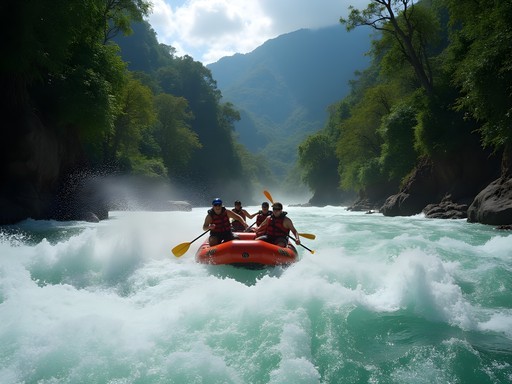
The Pacuare River isn't just Costa Rica's premier rafting destination—it's a full-body reset button disguised as water. My first encounter with its Class III-IV rapids came after a particularly grueling month at work, and I still remember the moment when the guide shouted 'Forward paddle!' and everything else in my life temporarily ceased to exist.
The journey typically begins with an early morning pickup from San Jose (around 5:30 AM—yes, early, but absolutely worth it). After about a 2.5-hour drive through misty mountains and past coffee plantations, you'll reach the put-in point where guides provide safety briefings that are refreshingly thorough.
The river itself is a 16-mile stretch of pure adrenaline interspersed with moments of jaw-dropping beauty—think emerald gorges, cascading waterfalls, and the occasional sloth watching your chaotic descent with what I imagine is mild amusement. The rapids have colorful names like 'Huacas' and 'Double Drop' that become personal achievements as you conquer each one.
Most tours include a riverside lunch that somehow tastes like the best meal you've ever had (there's something about terror-induced hunger that enhances flavor). I'd recommend booking with Rios Tropicales or Exploradores Outdoors—both companies employ guides who masterfully balance safety with the thrill you're seeking.
Bring a waterproof phone case because you'll want photographic evidence of your transformation from composed adult to gleeful, soaking wet adventure-child. The memory of crashing through 'Cimarrones' rapid while screaming with strangers who quickly became friends is something your Instagram followers deserve to witness.

💡 Pro Tips
- Wear quick-dry clothing and secure water shoes—flip flops are a rookie mistake I made once and never again
- Book during green season (May-November) for higher water levels and more intense rapids
- Consider the overnight rafting trip if your schedule allows—camping by the river adds a whole new dimension
2. Arenal Volcano: Night Hiking the Giant
There's something uniquely humbling about hiking an active volcano after dark. Arenal, located about 3 hours from San Jose, isn't just any mountain—it's a 7,000-year-old testament to Earth's raw power that reminds you how small your everyday problems really are.
While daytime hikes offer stunning views, it's the night tours that truly captured my soul. The first time I ventured up Arenal's slopes after sunset, equipped with nothing but a headlamp and a healthy dose of respect for nature, I experienced a sensory adventure unlike any other. Without visual distractions, every sound becomes amplified—the distant rumbling from deep within the earth, the chorus of nocturnal creatures, even the sound of your own heartbeat as you navigate volcanic terrain in near darkness.
The trails wind through solidified lava fields and secondary rainforest, with knowledgeable guides pointing out sleeping birds, active frogs, and if you're lucky, the red-eyed tree frog (which I've spotted twice in three visits). What makes these night hikes particularly special is the occasional glimpse of glowing red lava rocks in the distance—a reminder that you're trekking on a sleeping giant that's not entirely dormant.
Most tours depart from La Fortuna town around 5:00 PM and last about 3 hours. I recommend Arenal Natura Ecological Park or Arenal Volcano Guided Night Tour with Sunset Views for the most educational experience. The guides' passion for volcanology is contagious, and you'll leave with a newfound appreciation for these geological wonders.
A good headlamp is absolutely essential—I learned this lesson when my cheap dollar store flashlight died halfway up the mountain during my first visit. Trust me, you want reliable illumination when navigating volcanic terrain.

💡 Pro Tips
- Layer your clothing—temperatures drop significantly after sunset on the volcano
- Wear hiking boots with ankle support rather than sneakers for the uneven terrain
- Bring a camera with good low-light capabilities—your phone likely won't capture the magic
3. Monteverde Cloud Forest: Extreme Canopy Adventures
Working in corrections, I spend most days with my feet firmly on the ground—perhaps that's why flying through misty cloud forests at 40mph feels like such profound liberation. Monteverde, about 2.5 hours from San Jose, offers what I consider the gold standard of zipline experiences in Costa Rica.
Unlike tourist-oriented canopy tours elsewhere, Monteverde's operations cater to those seeking legitimate thrills. My personal favorite is the Selvatura Park course with its heart-stopping 'Superman' cable that stretches over 1 kilometer across the forest canopy. You're harnessed face-down, arms extended, literally flying above one of the world's most biodiverse ecosystems. The first time I did this, I experienced a moment of perfect clarity about halfway across—a rare sensation of being completely present in my body while simultaneously feeling weightless.
For those looking to push boundaries even further, 100% Aventura offers Central America's longest zipline (1.5 km) and a terrifying-but-worth-it Tarzan swing that drops you 148 feet before swinging you in a massive arc through the forest. The initial free-fall triggered what I can only describe as a full-body reset—pure, cleansing adrenaline.
What makes these experiences particularly special is the setting. You're not just seeking thrills; you're immersed in a cloud forest ecosystem that scientists travel the world to study. Between ziplines, guides often point out rare birds, flowering epiphytes, and if you're exceptionally lucky, the resplendent quetzal.
Wear layers including a light rain jacket since cloud forests are, well, cloudy and often misty. My first visit taught me that even supposedly 'dry' days in Monteverde can surprise you with sudden moisture.

💡 Pro Tips
- Book the first tour of the day (usually 7:30 AM) for better wildlife spotting and shorter wait times between platforms
- Bring a GoPro with a secure chest or helmet mount—you'll want to document the experience
- Consider the Sky Walk hanging bridges tour the following day for a more contemplative view of the same ecosystem

4. Canyoning in Los Cañones de la Vieja
If you've never rappelled down a 150-foot waterfall with nothing but a rope and harness between you and gravity, you're missing one of life's most clarifying experiences. Los Cañones de la Vieja, about 3 hours from San Jose near Rincon de la Vieja National Park, offers canyoning adventures that make even seasoned adrenaline seekers pause before taking the literal plunge.
My first canyoning experience here came after a particularly difficult week at work—the kind where you question your career choices. Let me tell you, nothing puts office politics into perspective like backing off a cliff edge into the spray of a tropical waterfall. The initial moment when you lean back into nothingness requires a profound trust in both equipment and guides that translates into an almost spiritual surrender.
The full-day adventure typically includes 4-5 rappels of increasing difficulty and height, interspersed with river hiking and natural pool swimming. What separates this location from other canyoning spots is the raw, uncommercial feel—these aren't manufactured courses but actual river canyons carved over millennia.
Hacienda Guachipelin offers the most comprehensive experience, combining canyoning with white water tubing and hot springs access. Their guides possess that perfect balance of humor and hypervigilance that makes you feel simultaneously safe and adventurous.
A quick-dry microfiber towel is essential for the brief breaks between rappels—I've found it makes the experience much more comfortable than using a standard cotton towel that just stays soaked all day.

💡 Pro Tips
- Wear synthetic clothing rather than cotton—you'll be soaked all day and quick-drying materials make a huge difference
- Don't wear expensive sunglasses without a secure strap—I watched mine disappear into the canyon on my first descent
- Consider your fitness level honestly—upper body strength is required for controlling your descent
5. Class V Rapids on the Chorro River
For those who found the Pacuare River experience merely 'exciting' rather than 'life-altering,' the Chorro River awaits to recalibrate your threshold for adventure. Located about 2 hours from San Jose near Turrialba, this is Costa Rica's most technical whitewater experience and not for the faint of heart.
Unlike most commercially rafted rivers, the Chorro only runs during green season (May-November) when heavy rains transform what looks like a gentle mountain stream into a roaring Class V beast. The river drops an astonishing 30 feet per kilometer in some sections, creating rapids that require split-second decisions and perfect paddle synchronization.
My first Chorro experience came after two previous Costa Rica trips where I'd mastered the Pacuare and Reventazon rivers. Even with that background, the first major rapid—appropriately named 'Indigestion'—had me questioning my life choices. But that's precisely the point: this river demands your complete presence, forcing everyday worries to evaporate in the spray of adrenaline and river water.
Only a handful of companies run this river, and for good reason. I recommend Explornatura, whose guides train specifically for these conditions and maintain an impeccable safety record despite the extreme nature of the activity. Groups are kept small (maximum 6 per raft), and a comprehensive safety briefing includes practicing high-side maneuvers and swimmer rescues before you even approach the river.
A good waterproof action camera is essential for capturing these moments. My footage from 'Double Drop' rapid has become something of a legend among my colleagues who can't quite believe their straight-laced correctional officer coworker transforms into this person on vacation.

💡 Pro Tips
- Be honest about your experience level—this river requires previous rafting experience and strong swimming ability
- Expect to be physically exhausted afterward—the continuous paddling through technical rapids is an intense workout
- Consider booking this adventure toward the end of your trip when your confidence and river-reading skills are sharpened
6. Cerro Chirripó: Costa Rica's Ultimate Hiking Challenge
Some adventures aren't about the immediate adrenaline rush but the sustained challenge that pushes you beyond perceived limits. Cerro Chirripó, Costa Rica's highest peak at 12,533 feet, falls firmly in this category. Located about 4 hours from San Jose in the Talamanca range, this hike demands both physical endurance and mental fortitude.
The standard route covers 12.4 miles one-way with over 7,200 feet of elevation gain—statistics that don't fully convey the journey's intensity. Most hikers break the ascent with an overnight stay at the Crestones Base Camp (reservations required months in advance through the official website), but particularly fit adventurers attempt the infamous 'single-day push.'
My Chirripó experience came during my third Costa Rica trip, after months of training hikes back home. Despite preparation, nothing quite readies you for the ecological transitions as you climb from tropical lowlands through cloud forest, páramo, and finally into the alpine tundra. The trail itself is well-marked but relentlessly steep, with sections like 'Los Arrepentidos' (The Regretful Ones) named for the hikers who question their decisions while gasping for breath.
The summit reward, however, erases all memory of suffering. On clear days, you can simultaneously see both the Pacific Ocean and Caribbean Sea—a perspective that physically represents what this mountain metaphorically provides: the ability to see beyond immediate challenges to the broader horizon.
Proper hiking gear is essential, including a trekking poles which saved my knees on the punishing descent. I've hiked extensively across four continents, and these collapsible poles remain among my most valued gear investments.

💡 Pro Tips
- Secure permits and base camp reservations at least 3 months in advance—they sell out quickly
- Train specifically for descents, not just ascents—the downhill journey causes most injuries
- Start your summit day well before dawn (around 2:30 AM) to reach the top for sunrise and avoid afternoon cloud cover
7. Cave Exploration in Barra Honda National Park
When I tell fellow travelers about descending 200 feet vertically into the earth through a narrow limestone opening, their first question is usually, 'Why would anyone voluntarily do that?' The answer lies in what awaits below in Barra Honda National Park, about 3 hours from San Jose near Nicoya Peninsula.
Unlike the commercialized cave systems you might find elsewhere, Barra Honda's 42 limestone caverns remain largely primitive, with only a handful open to visitors under strict guidance. The most accessible and spectacular is Terciopelo Cave, requiring a 17-meter vertical descent via rope system through an opening barely wider than your shoulders.
As someone who spends workdays in confined spaces with artificial lighting, there's profound irony in seeking out dark, enclosed environments on vacation. But cave exploration offers something unique: a complete sensory reset. Once you reach the cave floor and guides instruct everyone to turn off headlamps, you experience darkness so complete it's almost tangible—a darkness that existed for millions of years before humans first entered these spaces.
The three-hour underground journey reveals chambers filled with stalactites, stalagmites, and formations with evocative names like 'The Organ' and 'The Wedding Cake.' What makes Barra Honda special is the cave's living nature—many formations remain active, growing incrementally with each water droplet over centuries.
I recommend booking through Barra Honda National Park directly rather than through hotels or third parties. Their guides are primarily geology students or graduates with deep knowledge of the cave systems. The experience costs around $80 USD including all necessary equipment.
A reliable headlamp with fresh batteries is essential despite guides providing equipment. Having your own light source provides peace of mind when you're hundreds of feet underground.

💡 Pro Tips
- Wear clothes you don't mind getting permanently stained with cave mud—the red clay never fully washes out
- Consider your comfort with enclosed spaces honestly before booking—some passages require crawling through narrow openings
- Bring a small waterproof bag for your camera—the humidity and occasional water droplets can damage electronics
8. Volcano Boarding on Rincón de la Vieja
Sometimes the best adventures are the ones that sound slightly ridiculous when you describe them later. Case in point: sliding down the side of an active volcano on what amounts to a reinforced cafeteria tray. Volcano boarding on the ash slopes of Rincón de la Vieja, about 4 hours from San Jose in Guanacaste province, delivers exactly this peculiar thrill.
Unlike the more famous volcano boarding at Cerro Negro in Nicaragua, Costa Rica's version remains relatively under-the-radar, making for a more authentic experience. The activity begins with a challenging 45-minute hike up loose volcanic scree—a workout that makes the eventual descent all the more satisfying.
At the boarding zone, guides provide equipment that looks deceptively simple: a wooden board with a metal bottom, elbow pads, knee pads, gloves, goggles, and a jumpsuit that will definitely be ruined by day's end. After basic instructions (lean back to slow down, lean forward to speed up, pull up on the rope to brake), you're left staring down a 35-degree slope of black volcanic ash with nothing but your own judgment to determine your speed.
My first run was cautious, experimental. By the third, I was channeling my inner daredevil, reaching speeds that sent volcanic dust flying into every conceivable opening in my clothing and equipment. The sensation combines elements of sledding, snowboarding, and controlled falling, with speeds reaching up to 30mph for the truly brave (or foolish, depending on perspective).
I recommend booking through Hotel Hacienda Guachipelin, which offers volcano boarding as part of their adventure pass. The guides maintain a perfect balance of safety consciousness and encouragement to push boundaries.
Invest in a good bandana to cover your mouth and nose—volcanic ash finds its way everywhere, and you'll be finding black dust in unexpected places for days afterward.

💡 Pro Tips
- Wear contact lenses instead of glasses if possible—the goggles fit better and provide better protection
- Bring a change of clothes for afterward—you will be covered head-to-toe in black volcanic dust
- Consider your first run a practice run and don't get discouraged if you wipe out—technique improves quickly
9. Waterfall Jumping at Montezuma Falls
The remote beach town of Montezuma on the Nicoya Peninsula (about 4 hours from San Jose including a ferry crossing) holds what might be Costa Rica's perfect natural playground: a three-tiered waterfall with jumping platforms of increasing heights. For those seeking the raw thrill of free-falling into emerald pools, Montezuma Falls delivers an experience that's both accessible and authentically wild.
The falls themselves require a moderate 20-minute hike from town along a river trail that serves as a perfect warm-up for the adventures ahead. The lowest tier features a natural pool perfect for swimming, while the second tier offers jumping platforms at various heights (approximately 15, 25, and 35 feet). For the truly adventurous, the upper falls presents an 80-foot cliff jump that demands respect and proper technique.
My Montezuma experience began cautiously at the lower platforms, working up both courage and proper form before attempting higher jumps. There's a unique psychological process in standing at an edge, calculating risks, and ultimately surrendering to gravity. Each successful jump builds confidence for the next, creating an addictive progression.
What makes Montezuma Falls special is its natural setting—unlike commercial adventure parks, this is simply a beautiful waterfall where locals and travelers gather to challenge themselves. No waivers, no entrance fees, just personal responsibility and respect for nature's power.
While guides aren't required, I recommend connecting with local guides in Montezuma who can show you the safest jumping spots and techniques. Proyecto Montezuma offers excellent guided tours that include safety instruction and local ecological knowledge.
For underwater photography, a simple waterproof camera captures the experience beautifully. The slow-motion video of my friend's perfectly executed cliff jump remains one of my favorite Costa Rica memories.

💡 Pro Tips
- Always check water depth before jumping—levels fluctuate seasonally and after heavy rains
- Jump with shoes on—the rocks underwater can be sharp and unexpected currents stronger than they appear
- Visit early morning (before 9 AM) to have the falls mostly to yourself before day-trippers arrive
10. Night Diving with Bioluminescence at Isla Tortuga
Some adventures change not just how you see the world, but how you understand your place within it. Night diving in bioluminescent waters off Isla Tortuga, accessible via a 90-minute boat ride from Puntarenas (about 1.5 hours from San Jose), provided exactly this kind of perspective shift for me.
The experience begins with a sunset departure from the mainland, arriving at the island as darkness falls. After a comprehensive briefing and equipment check, you enter the water as night fully descends. The initial moments are disorienting—even with dive lights, the darkness feels absolute compared to daytime dives.
Then comes the magic. With lights extinguished and eyes adjusted, each movement creates swirls of blue-green light in the water—bioluminescent plankton responding to your presence. Wave your hand, and it leaves a glowing trail. Exhale bubbles, and they rise like luminous pearls toward the surface. The experience is both scientifically fascinating and emotionally profound.
Beyond the bioluminescence, night diving reveals a completely different ecosystem than daytime excursions. Nocturnal creatures emerge—octopuses hunting, parrotfish in their mucus cocoons, lobsters venturing from crevices. The reef becomes a different world entirely.
I recommend Isla Tortuga Diving Center for this experience. Their divemasters are exceptionally knowledgeable about marine biology and maintain small groups (maximum 4 divers per guide) for safety and minimal environmental impact. The experience costs around $150 USD including equipment.
For those not certified in scuba, snorkeling options are available that still showcase the bioluminescence, though less dramatically than the full dive experience. If you're on the fence about getting certified, this experience might be the motivation you need.

💡 Pro Tips
- Complete at least 5-10 daytime dives before attempting night diving—comfort with basic skills is essential
- Bring your own dive light as backup—equipment failure in dark water is particularly disorienting
- Consider moon phases when booking—bioluminescence is most visible during new moon periods with minimal ambient light
Final Thoughts
These ten adventures around San Jose have become more than just thrilling experiences for me—they're touchstones I return to mentally during particularly challenging days at the correctional facility. When inmates are being difficult or paperwork seems endless, I close my eyes for just a moment and recall the sensation of free-falling into Montezuma's emerald pools or the perfect silence of Barra Honda's caves.
Costa Rica offers that rare combination of accessibility and raw adventure that makes it perfect for solo travelers seeking both challenge and transformation. Whether you choose one adventure or attempt all ten, approach each with respect for both the natural environment and your own limitations. Push boundaries, but do so mindfully.
The adrenaline will fade, but the perspective shifts these experiences create will remain. That's the true souvenir of adventure travel—not the GoPro footage or Instagram posts, but the quiet confidence that comes from discovering what you're capable of when you step beyond comfort into the realm of the extraordinary. Pura vida, fellow adventure seekers. See you on the trails, in the rapids, or perhaps dangling from a volcano somewhere.
✨ Key Takeaways
- Book adventures through reputable companies that prioritize both safety and environmental sustainability
- Consider visiting during green season (May-November) for more intense water-based adventures and fewer crowds
- Build your adventure itinerary progressively, starting with less technical activities and working up to more challenging ones
- Pack technical gear appropriate for tropical adventures—quick-dry fabrics, reliable headlamps, and waterproof cases for electronics
📋 Practical Information
Best Time to Visit
Year-round, though water activities are most thrilling during green season (May-November)
Budget Estimate
$1,500-2,500 for one week including accommodations, transportation, and adventure activities
Recommended Duration
7-10 days to experience multiple adventures without rushing
Difficulty Level
Moderate To Challenging, With Options To Adjust Based On Experience






Comments
smartguy
How's the weather in February for these activities? Planning a trip then.
Marco Flores
February is perfect - dry season so less chance of cancellations, but everything is still lush and green from the previous rainy season. The rivers might be a bit calmer though, so rafting is more like class III instead of IV.
adventureguide4054
Just booked the Pacuare rafting trip for next month! So pumped after reading this!
Savannah Torres
I was hesitant about bringing my kids (10 and 12) on our Costa Rica trip, wondering if they'd be too young for these adventures. We ended up doing a modified version of the Arenal night hike with a family-focused guide, and it was the highlight of our trip! The kids still talk about seeing the red lava glow against the night sky and spotting nocturnal animals with their headlamps. We also did the gentler sections of Monteverde, skipping the extreme zip lines but still enjoying the hanging bridges. Stephanie, I really appreciate how your post breaks down the difficulty levels - it helped us plan appropriately. For families considering this: most tour operators are amazing at customizing experiences based on your comfort level.
beachguide
Which tour company did you use for the family-friendly night hike? Thinking about bringing my nephew.
Savannah Torres
We used Arenal Jungle Tours - ask for Carlos, he was amazing with the kids!
escapelover
Did the canyoning trip last year! Make sure you bring a good pair of water shoes - the rocks can be super slippery and regular sneakers just don't cut it.
dreambackpacker
Those photos from the cloud forest are unreal! 😍
nomadguy
Going to San Jose next month! Which of these adventures would you recommend for someone with moderate fitness but major fear of heights?
adventureguide4054
Definitely skip Monteverde if you're afraid of heights! The hanging bridges are terrifying if you don't like heights. The white water rafting would be perfect though!
Marco Flores
I did the Pacuare River rafting last year and it completely changed my perspective on adventure travel. Class IV rapids are no joke! Our guide Manuel was incredible though - kept us safe while making sure we felt the full adrenaline rush. The overnight stay at the riverside lodge was magical too - falling asleep to the sound of rushing water and waking up to toucans calling. Stephanie, your description brought back all those memories. For anyone considering this, I'd recommend going during the rainy season (May-November) when the river is at its wildest!
smartguy
Was it scary? I'm thinking about doing it but I'm not a strong swimmer.
Marco Flores
They provide great life jackets and safety training before you start. I saw people of all swimming abilities on our trip. Just be honest with the guides about your comfort level!
smartguy
Thanks! That makes me feel better about trying it.
beachguide
OMG that night hike on Arenal Volcano looks insane! Definitely adding to my bucket list!
Taylor Moreau
Stephanie, I appreciate how you've framed these adventures through the lens of breaking from routine - it resonates deeply. I was in San Jose for a conference last year and managed to squeeze in the Pacuare rafting on my final day. As someone who typically travels for business, I've found these adrenaline activities to be excellent for mental reset between meetings. The contrast you mention between structured environments and wild experiences is spot on. I'm curious if you found any of these activities particularly suitable for solo travelers? I often have limited windows and find group tours can be hit or miss for networking with other professionals.
coffeemood
not stephanie but i did most of these solo and everyone was super friendly! ended up hanging out with people from the tours after
moongal
How many days would you recommend staying in the area to do most of these? Trying to plan my itinerary and not sure if a week is enough.
Stephanie Romano
A week is perfect for 4-5 of these! Some are day trips from San Jose, others like Arenal you might want to stay overnight nearby.
Venture X
Premium card with 2X miles, $300 travel credit, Priority Pass