



Disclosure: This article contains affiliate links. We may earn a commission from purchases at no extra cost to you, which helps our travel content.
There's something about the Sonoran Desert that speaks to the scientist in me. The way ecosystems adapt to extreme conditions mirrors our own human resilience—something I've been studying professionally for years. But during my recent week in Mesa, Arizona, I wasn't collecting data or running experiments. I was testing my own limits, heart pounding against my ribcage as I navigated rugged terrain on a mountain bike, scaled desert rock faces, and paddled through rippling waters reflecting the amber glow of sunset. Mesa isn't just a living laboratory; it's an adventure playground waiting to be explored.

Conquering the Superstition Mountains: Hiking and Rock Climbing
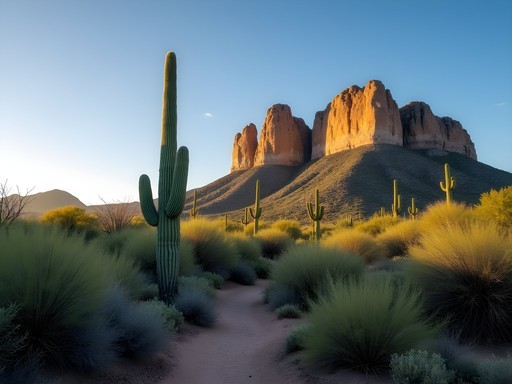
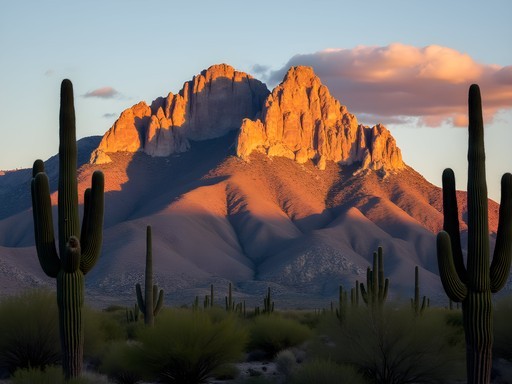
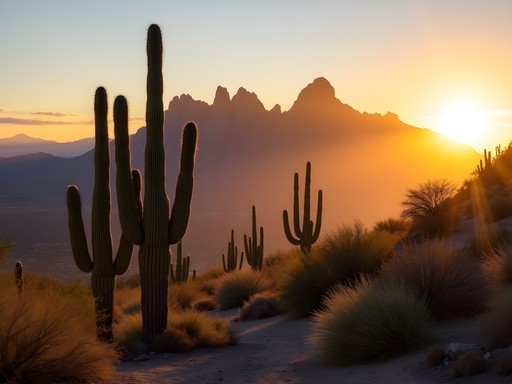
The silhouette of the Superstition Mountains against the dawn sky is enough to make even a data-driven researcher like me pause in pure appreciation. These jagged formations aren't just geologically fascinating—they're an adventure seeker's paradise.
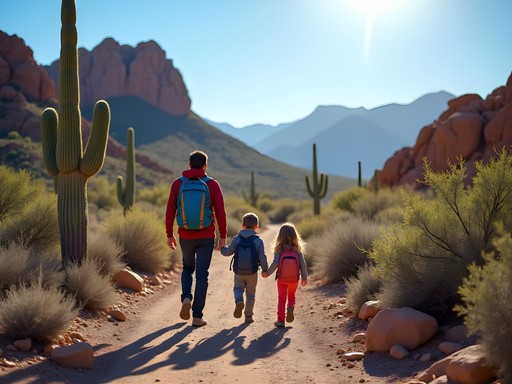
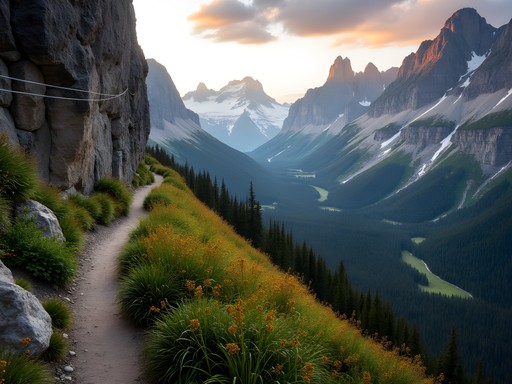
I started with the classic Siphon Draw Trail to Flatiron, a challenging 6-mile round trip with over 2,600 feet of elevation gain. The trail transitions from well-marked path to a scramble up slickrock that had me using both hands and feet. The scientific part of my brain noted how the vegetation changed with elevation, while the thrill-seeker in me was simply exhilarated by the climb.
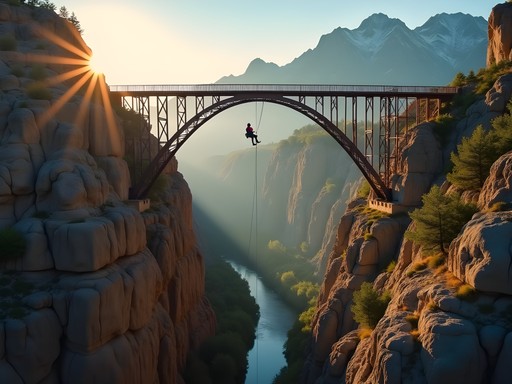
For those seeking vertical challenges, Atlantis Canyon offers sport climbing routes ranging from 5.6 to 5.12. I spent a full day here with local guide Sarah from Desert Rock Adventures, who pointed out how the unique mineral composition of the rock creates those distinctive handholds that make the climbing so technical and rewarding. My climbing shoes earned their keep that day—the rubber gripped the volcanic rock perfectly, giving me confidence on the more exposed sections.
While climbing, I couldn't help but notice how the desert ecosystem has adapted to thrive in such harsh conditions—a perfect natural parallel to the research I've been conducting on environmental resilience back in Charlotte.

💡 Pro Tips
- Start hikes before 9 AM to avoid the worst of the heat, even in fall
- Bring at least 3 liters of water per person for a half-day hike
- Hire a local guide for your first climbing experience—they'll know which routes match your skill level
Shredding Desert Singletrack: Mountain Biking the Mesa Trail Network
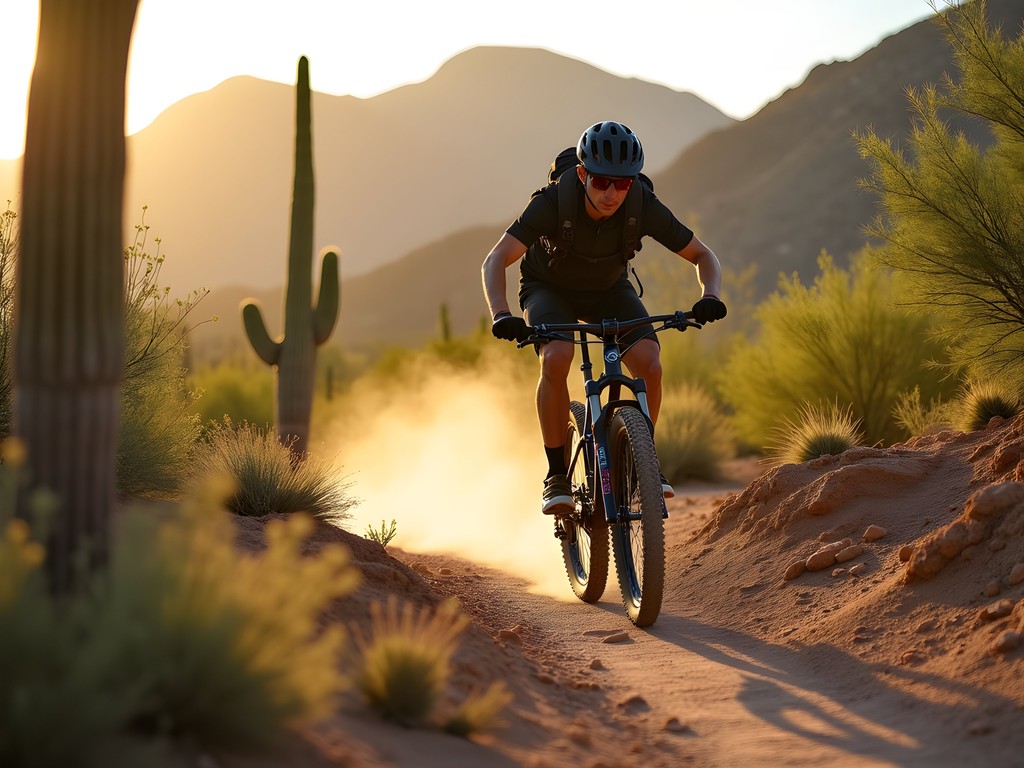
As a researcher who spends most days in a lab, there's nothing quite like the sensory overload of bombing down a desert singletrack trail. Mesa's mountain biking scene has exploded in recent years, and the trail network at Hawes Trail System has quickly become my favorite testing ground.
The Hawes system offers over 20 miles of interconnected trails ranging from flowy beginner routes to technical rock gardens that had me white-knuckling my handlebars. Ridge Trail delivers stunning views of Four Peaks and the Salt River, while Mine Trail tests your technical skills with tight switchbacks and rocky descents.
I rented a full-suspension Specialized Stumpjumper from Arizona Outdoor Adventures, but serious riders might want to bring their own rigs. My hydration pack proved essential—I went through nearly all 3 liters during my 4-hour ride despite the moderate fall temperatures.
What makes Mesa's mountain biking unique is the ecosystem you're riding through. As someone who studies environmental impacts on health, I was fascinated by how the trail builders have minimized erosion while maximizing flow. The trails here are sustainable by design, allowing riders to experience the desert without damaging the delicate ecosystem.
Pro tip: Download the Trailforks app before you go. Cell service can be spotty, and having offline maps saved me when I took a wrong turn at the Mine Trail junction.
💡 Pro Tips
- Tubeless tires are a must—the desert is full of thorns that will puncture standard tubes
- Ride early morning or late afternoon for the best temperatures and lighting
- Bring more water than you think you'll need, plus electrolyte replacements
Water Adventures: Kayaking the Salt River
It might seem counterintuitive to find water adventures in the desert, but Mesa's proximity to the Salt River creates the perfect opportunity for paddling enthusiasts. As someone who studies ecosystem interactions, the riparian habitat along the Salt River is a fascinating transition zone between aquatic and desert environments.
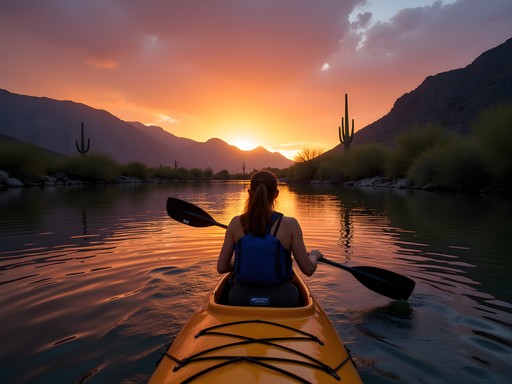
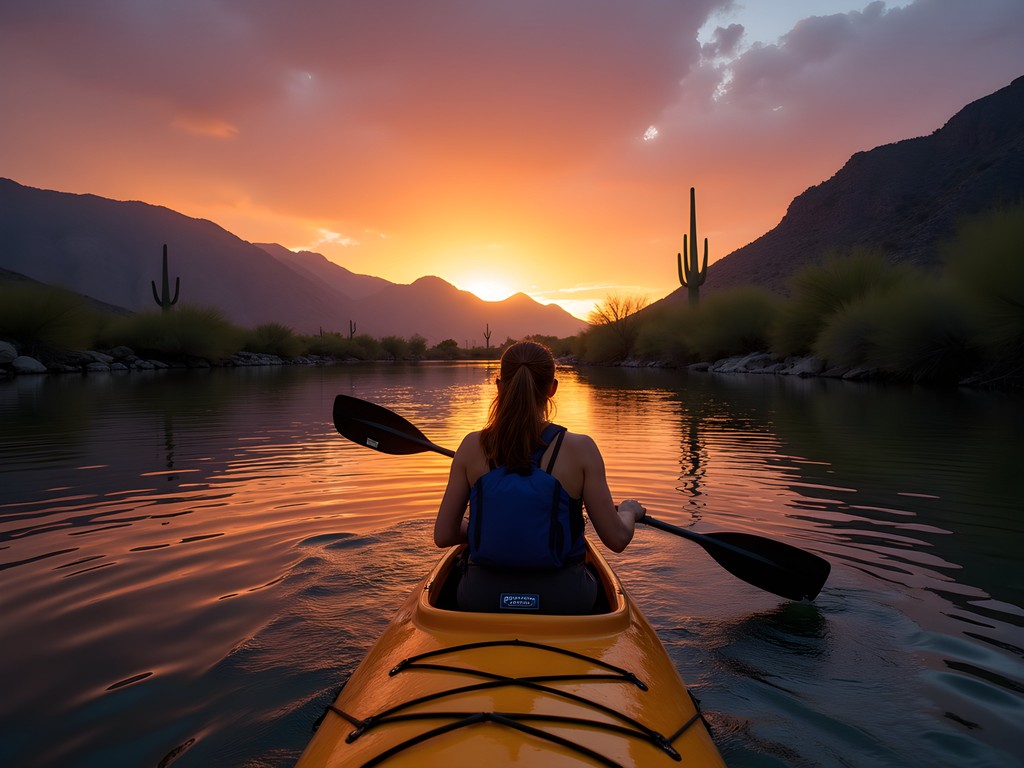
I booked a guided sunset kayak tour with Desert Paddleboards, which provided all the necessary equipment and transportation. Launching from Water Users Recreation Site, we paddled a 4-mile stretch that offers both peaceful flat water and small rapids that add just enough excitement without requiring whitewater skills.
The dry bag I brought protected my research journal and camera perfectly—essential for documenting the surprising biodiversity along the river. We spotted great blue herons stalking the shallows, bald eagles perched on saguaros, and even a family of river otters playing near the banks.
The real magic happened as the sun began to set, casting the surrounding Tonto National Forest in a golden glow that photographers dream about. Our guide explained how the Salt River is a crucial water source in this arid region, supporting not just wildlife but the agricultural heritage of the area.
For those seeking more adrenaline, whitewater rafting is available in spring when snowmelt increases the flow rate. I've already added this to my list for a return trip—there's something about combining scientific observation with adventure that feeds both my professional curiosity and my need for outdoor experiences I can eventually share with my daughter.
💡 Pro Tips
- Book kayak tours at least 3 days in advance during peak season (September-November)
- Wear quick-dry clothing and water shoes that can handle getting wet
- Bring polarized sunglasses to cut glare and better spot wildlife beneath the water's surface

Desert After Dark: Night Adventures and Stargazing
As a scientist, few experiences compare to observing the night sky from the desert—the reduced light pollution reveals astronomical features that remain hidden in our urban environments. Mesa's proximity to dark sky territory makes it perfect for nocturnal adventures.
I joined a guided night hike at Lost Dutchman State Park, where our group set out with headlamps equipped with red-light settings to preserve our night vision. Our guide pointed out nocturnal wildlife including kangaroo rats, desert scorpions (which fluoresce under UV light!), and several owl species. The ecological adaptations these creatures have developed to thrive in the harsh desert environment parallel many of the resilience mechanisms I study in my research.
For serious stargazing, I drove 30 minutes to the Lost Dutchman Observatory at Tonto National Monument. The star chart I brought helped me identify major constellations, but the volunteer astronomers with their high-powered telescopes revealed celestial details I'd never seen before—from the rings of Saturn to distant nebulae where new stars are forming.
For those seeking more adrenaline after sunset, several outfitters offer night mountain biking excursions on beginner-friendly trails. I opted for a sunset-to-stars ride with Wild Arizona Adventures, which combined moderate technical riding with stops for astrophotography. The juxtaposition of physical exertion and cosmic contemplation created one of those perspective-shifting experiences that remind me why I travel in the first place.

💡 Pro Tips
- Allow 20-30 minutes for your eyes to fully adjust to darkness for optimal stargazing
- Bring layers—desert temperatures can drop 30+ degrees after sunset
- Book astronomical viewings around the new moon for the darkest skies
Recovery and Refuel: Mesa's Adventure-Worthy Eats
Any scientist will tell you that proper recovery is as important as the activity itself, and Mesa's food scene delivers exactly what adventure-depleted bodies need. As someone who values both nutrition science and culinary exploration, I've mapped out my favorite refueling stations.
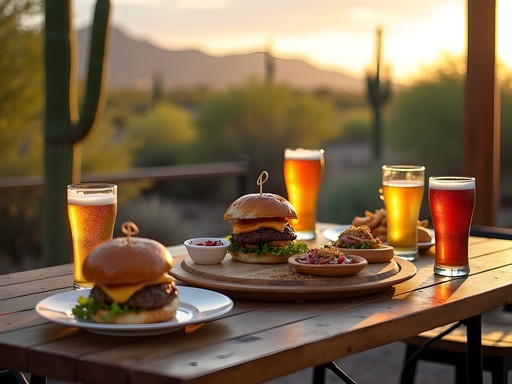
After my mountain biking excursion, I headed straight to Jalapeno Bucks, an unassuming BBQ joint housed in an old citrus stand. Their Arizona-style brisket with prickly pear BBQ sauce delivers the perfect protein-carb ratio for muscle recovery, plus it's a fascinating fusion of Southwestern and traditional BBQ flavors. The picnic tables under citrus trees create a perfect outdoor dining lab for analyzing the relationship between good food and post-adventure euphoria.
For breakfast before hiking, Worth Takeaway's avocado toast with an egg delivers complex carbs and proteins that sustain energy throughout the morning. I added their cold brew coffee concentrate to my insulated water bottle with ice—the caffeine boost helped sharpen my senses on technical terrain.
My scientific curiosity led me to True Food Kitchen at Dana Park, where the anti-inflammatory menu is based on actual nutritional research. Their Ancient Grains Bowl with wild-caught salmon provided the omega-3s and complete proteins my muscles needed after a full day of climbing.
For those seeking post-adventure libations, Arizona Wilderness Brewing Co. experiments with foraged local ingredients in their craft beers. Their Superstition Coffee Stout incorporates beans from local roaster Peixoto Coffee, creating a delicious example of Mesa's interconnected food ecosystem.

💡 Pro Tips
- Hydrate with electrolytes before hitting the craft beer scene—desert adventures deplete minerals quickly
- Most adventure spots are 30+ minutes from restaurants, so pack substantial snacks
- Many local restaurants source ingredients from Mesa's Fresh Foodie Trail—ask about seasonal specialties
Final Thoughts
Mesa exists at the intersection of scientific wonder and adventure opportunity—a combination that resonates deeply with me both professionally and personally. The Sonoran Desert's resilience mirrors the human capacity to adapt and thrive in challenging environments, something I've witnessed firsthand on the trails, cliffs, and waterways of this remarkable destination.
What makes Mesa truly special for solo adventurers is the accessibility of its natural playground. Within a 30-minute drive from downtown, you can be scaling volcanic rock faces, navigating technical singletrack, or paddling past nesting bald eagles. The fall season offers that perfect temperature sweet spot where desert exploration becomes not just possible but genuinely enjoyable.
As both a scientist and adventure enthusiast, I've found Mesa to be a destination that feeds both the mind and the spirit. Whether you're analyzing the ecological adaptations of desert flora while mountain biking or contemplating our cosmic insignificance under the desert's star-filled sky, Mesa offers experiences that transcend the typical adventure destination. I'll be back next year—perhaps with my daughter for her first desert adventure—because some laboratories are too beautiful not to revisit.
✨ Key Takeaways
- Fall offers the ideal temperature window for desert adventures in Mesa
- Combining water-based activities with land exploration provides a comprehensive desert experience
- Local guides enhance both the adventure and educational aspects of Mesa's outdoor offerings
- The ecological diversity of the Sonoran Desert creates unique adventure opportunities not found elsewhere
- Mesa's food scene perfectly complements its adventure offerings with recovery-focused nutrition
📋 Practical Information
Best Time to Visit
Mid-September through November
Budget Estimate
$1,000-1,500 for one week including accommodations, activities, and meals
Recommended Duration
5-7 days
Difficulty Level
Intermediate
Comments
Gregory Boyd
Wesley's focus on the scientific aspects of the Sonoran ecosystem is spot-on. I spent three weeks in the Mesa area last year analyzing trail sustainability patterns, and what struck me most was how the desert forces you to be methodical about adventure planning. The temperature differentials between dawn and midday are extreme - I logged 18°C at sunrise versus 38°C by noon in April. For anyone planning multi-day adventures, water caching becomes essential. The Salt River kayaking section particularly interests me - how reliable is the water flow outside spring runoff season?
greenclimber
What time of year did you do this? Trying to plan a trip and wondering about best season
happypro
This looks amazing but I'm a total beginner - is any of this doable for someone who's never done desert hiking?
Gregory Boyd
Absolutely. Start with the easier trails in Lost Dutchman State Park - they're well-marked and manageable for beginners. The key is going early morning (before 8am in summer), bringing twice as much water as you think you need, and knowing your limits. I'd recommend starting with the 2-3 mile loops before attempting anything in the Superstitions proper. The desert is unforgiving if you're unprepared, but incredibly rewarding when you respect it.
happypro
Thanks! That's really helpful
mountainlegend
How technical is the climbing in Superstition Mountains? Been looking for somewhere new to try
greenclimber
Not OP but I've climbed there a few times. Lots of variety - some easier sport routes around 5.8-5.9, but also some gnarly trad lines if that's your thing. Definitely bring extra water though, desert heat is no joke
adventureway
Can you do the stargazing on your own or are there tours?
Douglas Bradley
Interesting approach connecting the scientific elements with adventure tourism. From a cultural perspective, it's worth acknowledging that the Superstition Mountains hold significant meaning for indigenous communities in the region. The adventure activities exist within a landscape rich with Apache history and ongoing cultural connections. I appreciated how the night sky section touched on natural observation—this ties into traditional astronomical knowledge systems. For those interested in deeper context, the nearby Mesa Grande Cultural Park offers important perspective on the area's Hohokam heritage.
mountainhero
The mountain biking trails are legit! Hawes Trail System is my go-to—technical enough to be fun but not crazy difficult. The desert terrain is different from what I'm used to (mostly ride in Colorado) so took me a run to get used to the sandy sections. Cactus dodging adds an extra challenge lol. Also the Salt River kayaking is super chill, great way to cool off after a morning ride.
wanderlustbuddy2885
How technical is the rock climbing? I've done some indoor climbing but never outdoor desert routes. Is it beginner-friendly or should I hire a guide?
mountainhero
Definitely get a guide for your first time! The rock quality is different than gym climbing and route finding can be tricky. There are some easier routes but better safe than sorry in the desert.
Jean Wells
Wesley, your scientific perspective on the Sonoran ecosystem adds wonderful depth to this adventure guide. I visited Mesa solo last autumn and found the juxtaposition of extreme environment and biodiversity fascinating. The night stargazing section particularly resonated—the light pollution levels are remarkably low compared to most urban areas. I'd recommend timing visits around the new moon phase for optimal astronomical viewing. The temperature differential between day and night activities is also worth noting for proper gear planning. Did you encounter any wildlife during your dawn hikes?
adventureway
What's the best time of year to go? I'm worried about the heat
Jean Wells
October through April is ideal. November and March offer the best balance—comfortable hiking temperatures without summer crowds.
backpackbuddy1854
YES! The Superstition Mountains are absolutely incredible. Did the Peralta Trail last spring and the views from Fremont Saddle blew my mind. Pro tip: start EARLY because the desert heat is no joke, even in March. Brought 3 liters of water and went through all of it. The rock formations are insane and totally worth the climb. Have you done the Siphon Draw trail? That's on my list for next time!
mountainhero
Siphon Draw is tough but SO worth it! The Flatiron summit is one of my favorite desert hikes ever.
Venture X
Premium card with 2X miles, $300 travel credit, Priority Pass