

Disclosure: This article contains affiliate links. We may earn a commission from purchases at no extra cost to you, which helps our travel content.
Standing at the edge of Vatnajökull, Europe's largest glacier, I felt that familiar tension between awe and insignificance that only nature's grandest spectacles can evoke. The crystalline blue ice stretched before me like a frozen ocean, sculpted over millennia into a landscape both alien and mesmerizing. After exploring hot springs across three continents, I found myself drawn to their polar opposite—Iceland's magnificent ice formations near the charming fishing town of Höfn. What followed was a week of exhilarating glacier adventures that balanced luxury accommodations with raw, untamed wilderness experiences that few travelers truly discover.

Höfn: Where Luxury Meets Wilderness
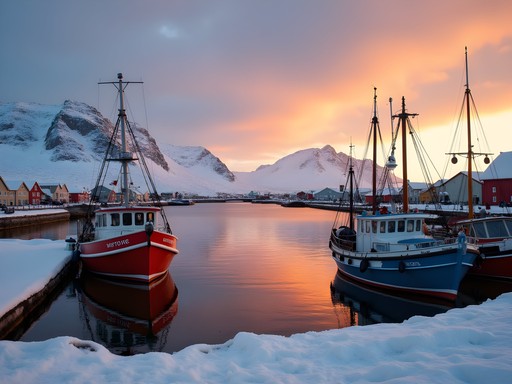
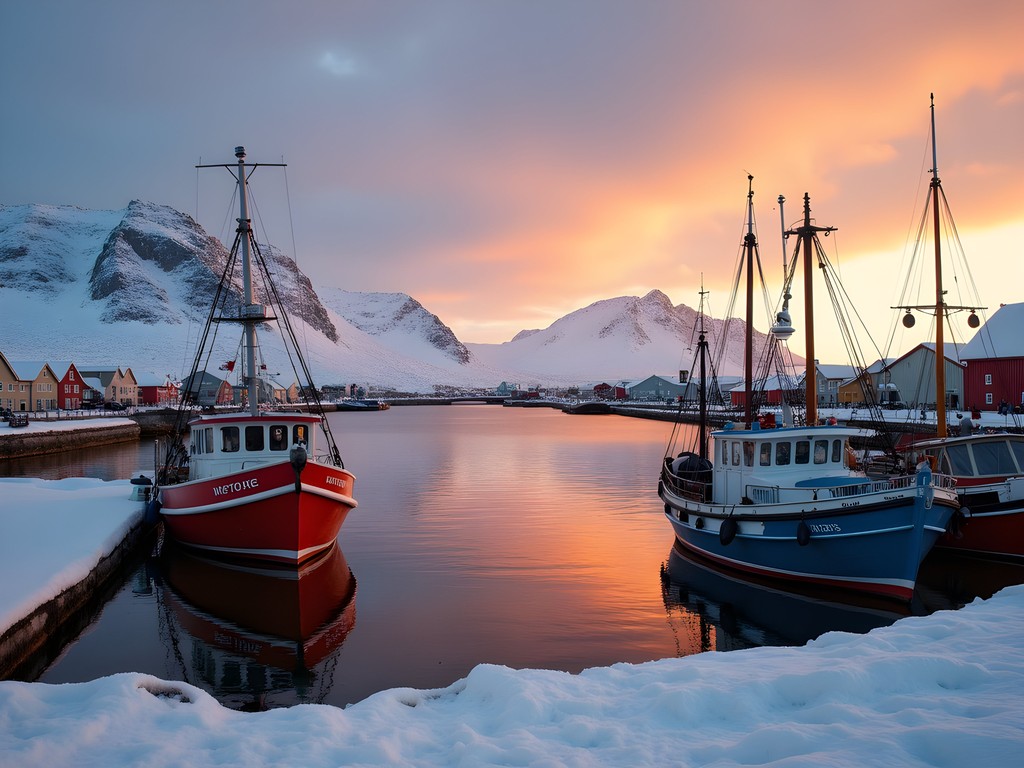
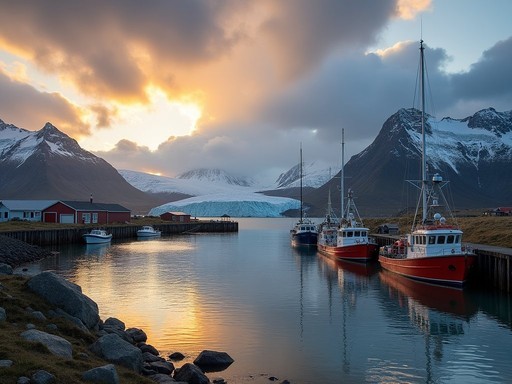
Nestled between the imposing Vatnajökull glacier and the dramatic Atlantic coastline, Höfn (pronounced like 'hup' with a slight n) offers a perfect base for glacier adventures without sacrificing comfort. After years of exploring luxury accommodations worldwide, I've developed a particular appreciation for properties that honor their surroundings, and Fosshotel Glacier Lagoon exemplifies this philosophy beautifully.
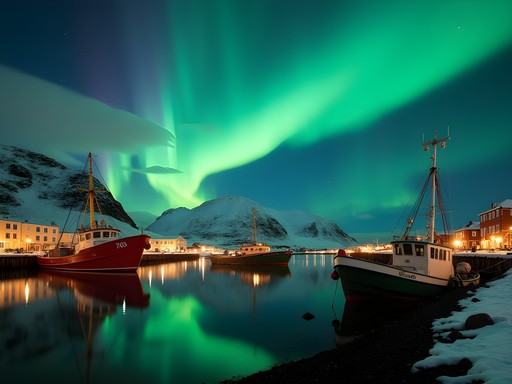
The hotel's minimalist Scandinavian design features floor-to-ceiling windows that frame the surrounding mountains like living artwork. After each day's adventure, I found myself unwinding in their geothermal hot tub, watching the Northern Lights dance across the sky while sipping hot chocolate spiked with Brennivín (Iceland's signature spirit).
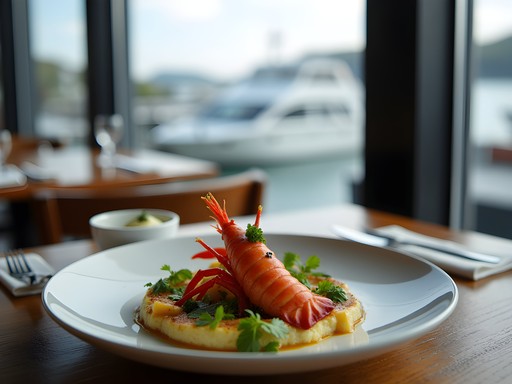
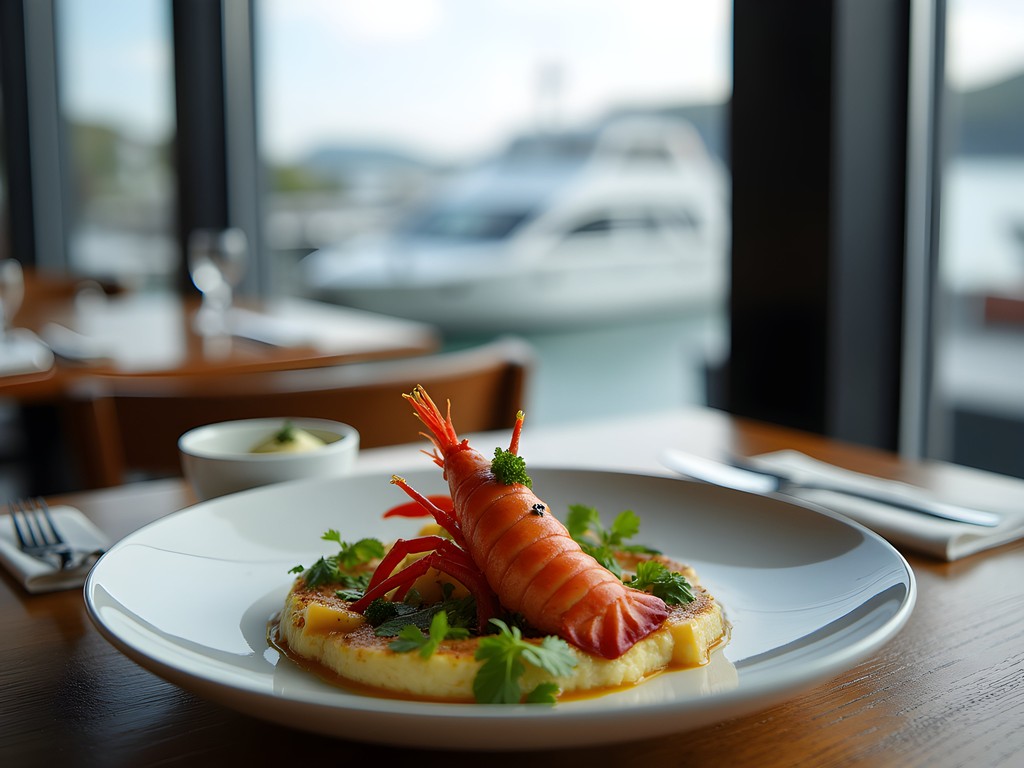
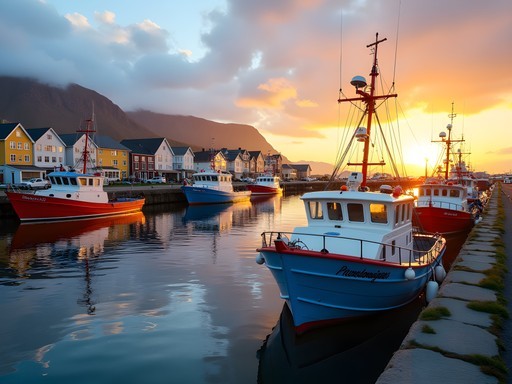
For dining, Pakkhús Restaurant in town serves the freshest langoustine (Höfn's specialty) in a converted warehouse overlooking the harbor. The contrast between the rugged landscape outside and the refined dining experience within perfectly encapsulates Iceland's unique approach to luxury—one that celebrates rather than conquers its wild surroundings.
💡 Pro Tips
- Book Fosshotel Glacier Lagoon at least 3 months in advance for winter stays
- Request a north-facing room for potential Northern Lights viewing from your window
- Make dinner reservations at Pakkhús before arriving in Höfn—it fills quickly even in winter
Vatnajökull's Crystal Ice Caves: A Fleeting Winter Wonder
Of all my travels across 27 countries, few experiences have left me as speechless as entering Vatnajökull's natural ice caves. These ephemeral wonders—formed anew each winter as meltwater carves passages through the glacier—offer a glimpse into what feels like another planet.
I booked a private tour with local guides who have spent decades studying the glacier's movements. While group tours are available, the private experience allowed me to linger in the caves, capturing photographs of the surreal blue light filtering through centuries-old ice without other tourists in frame. My guide Gunnar explained how each bubble trapped in the ice was ancient air, preserved from a time before human industrialization.
The journey to the caves requires specialized transportation. Our super jeep navigated terrain I wouldn't have believed passable, equipped with glacier tires that seemed to grip the impossible. For the adventure, I wore my heated gloves which proved invaluable for maintaining dexterity for photography in the sub-zero temperatures of the caves.
Inside, the translucent blue walls seemed to pulse with an inner light—a phenomenon created by the compression of ice that eliminates air bubbles and absorbs all colors of the light spectrum except blue. The experience connects you to geological time in a way few other natural wonders can.

💡 Pro Tips
- Book ice cave tours at least 2 months in advance—they sell out quickly
- Bring a tripod for long-exposure photography inside the caves
- Wear waterproof everything—the caves can drip as temperatures fluctuate
Glacier Hiking on Skaftafellsjökull: Walking on Ancient Ice
Growing up in Kyoto, where history is measured in centuries, Iceland's glaciers offered a humbling perspective—here, time is measured in millennia. Skaftafellsjökull, an accessible outlet glacier of the massive Vatnajökull ice cap, provides one of the most rewarding hiking experiences in Iceland, particularly for those willing to venture beyond the typical tourist routes.
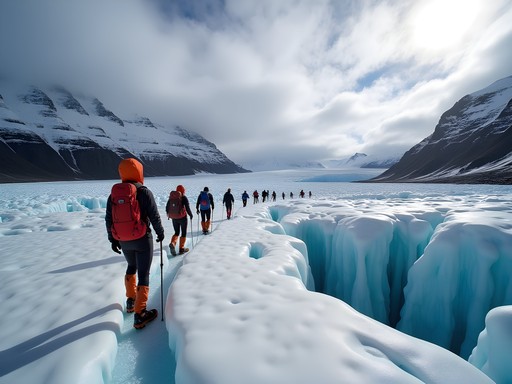
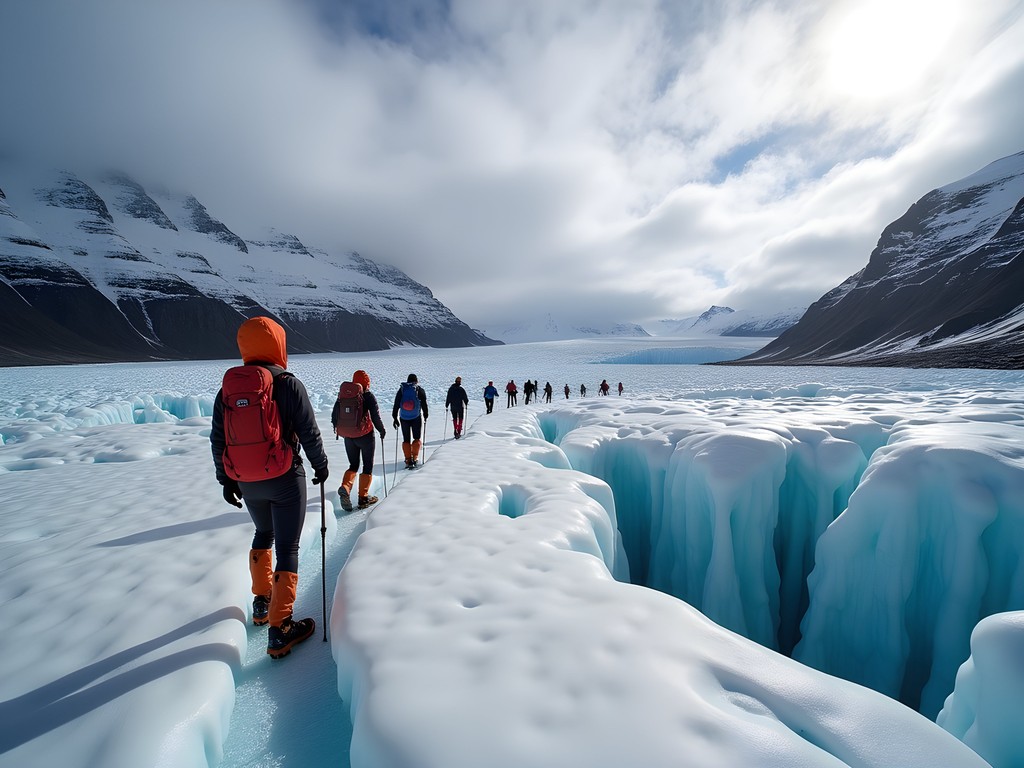
After being fitted with crampons and safety equipment at the Skaftafell Visitor Center, our small group began the ascent onto the glacier with our guide Ásta, a glaciologist who shared insights about the accelerating retreat of Iceland's ice caps. The specialized equipment transformed what would be impossible terrain into an accessible adventure—though one that still demanded respect and careful attention.
The glacier's surface resembles an alien landscape: deep crevasses of electric blue, volcanic ash layers that tell stories of eruptions centuries past, and meltwater streams carving ever-changing pathways through the ice. I was particularly fascinated by the glacier tables—large rocks that protect the ice beneath them, creating pedestals that rise higher as surrounding ice melts.
For this technical hike, my merino base layers proved essential, regulating body temperature despite the exertion and freezing ambient conditions. What struck me most was the glacier's soundtrack—a symphony of cracking, dripping, and occasional deep rumbles that reminded us of the living, moving nature of what appeared solid beneath our feet.
💡 Pro Tips
- Choose an advanced glacier hike for the best experience—basic tours only reach the very edge
- Bring polarized sunglasses to cut glare and see the true colors of the ice
- Pack high-energy snacks—the cold burns calories faster than you'd expect

Jökulsárlón: Where Glacier Meets Ocean
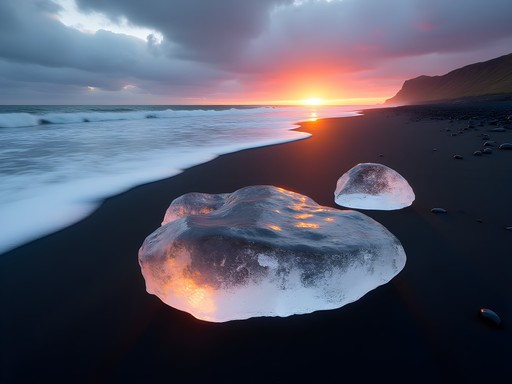
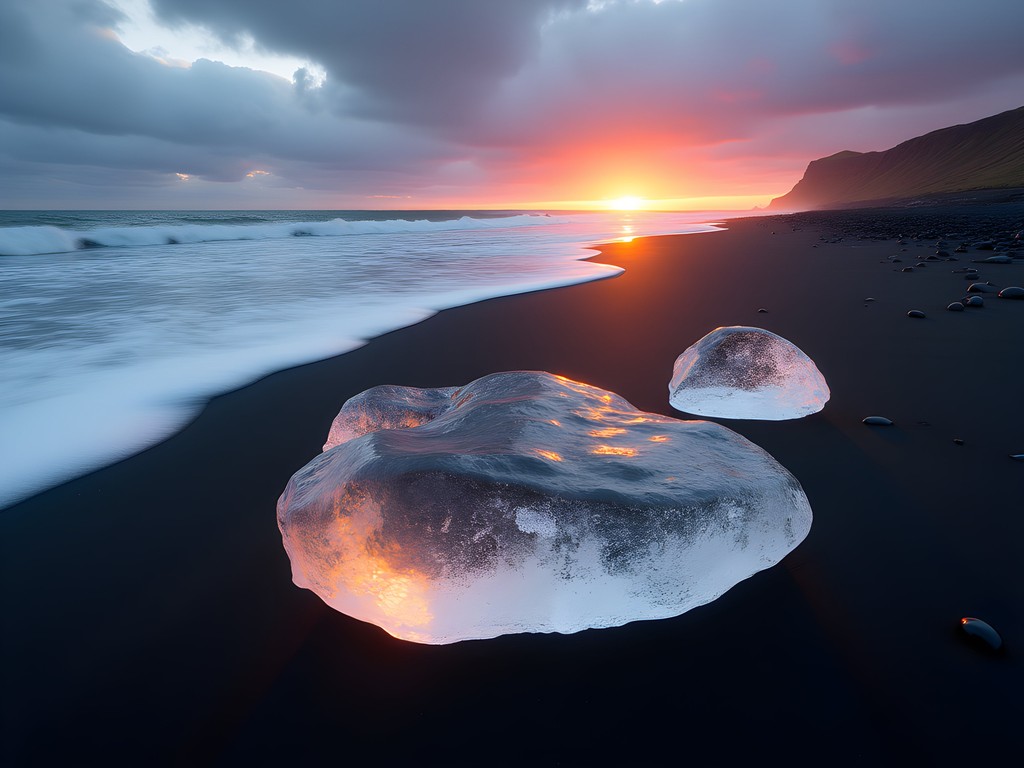
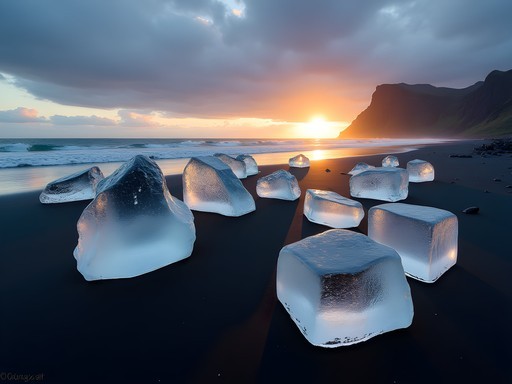
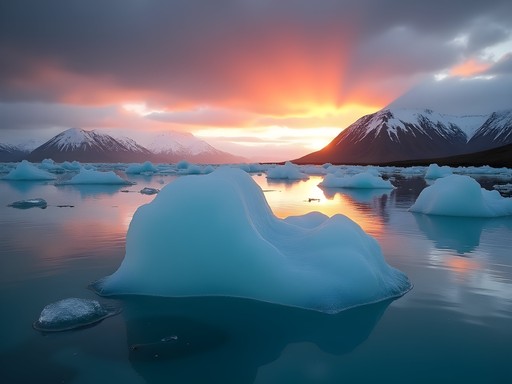
Just a short drive from Höfn lies what many consider Iceland's most photogenic location: Jökulsárlón glacier lagoon and the adjacent Diamond Beach. Here, massive icebergs calved from Breiðamerkurjökull glacier drift slowly through the lagoon before reaching the Atlantic, where wave action polishes them into crystalline sculptures that wash ashore on black sand.
I visited at both sunrise and sunset, when the low arctic winter sun bathes the ice in golden light. For the ultimate perspective, I booked a zodiac boat tour that navigated between towering icebergs—some larger than houses—providing intimate views impossible from shore. The boat captain shared that each iceberg contains ice up to 1,000 years old, and you can actually hear the ancient air bubbles popping as they melt.
Photography here presents unique challenges and rewards. My lens warming pouch prevented condensation when moving between the heated car and the frigid outdoors, a trick I learned from a National Geographic photographer I met in New Zealand. For time-lapse sequences of the moving ice, my remote timer allowed me to capture the subtle movements while keeping my hands warm inside the car.
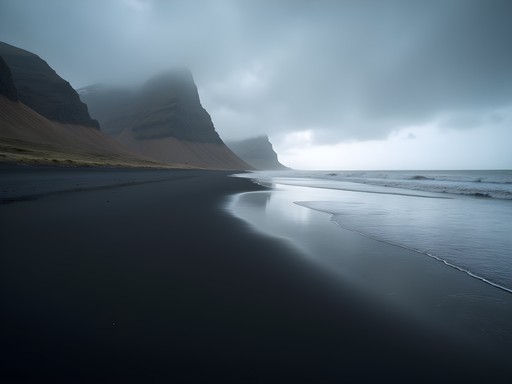
Diamond Beach, just across the road from the lagoon, offers perhaps the most striking juxtaposition in all of Iceland—crystalline ice fragments scattered across black volcanic sand like diamonds on velvet. The scene changes hourly as new ice washes ashore and existing pieces melt or get carried back to sea.
💡 Pro Tips
- Visit Jökulsárlón at both sunrise and sunset for dramatically different lighting
- Book zodiac tours in advance, but be prepared for cancellations due to weather
- Bring waterproof boots with good traction for Diamond Beach—the combination of waves and ice makes for slippery conditions
Beyond Ice: Hofn's Cultural and Culinary Treasures
While glaciers may be the headline attraction around Höfn, the region's cultural offerings provide perfect counterpoints to days spent in the ice and cold. The Þórbergssetur museum in nearby Hali offers fascinating insights into Icelandic literature and rural life through the works of author Þórbergur Þórðarson. The building itself—designed to resemble a stack of books—reflects the Japanese concept of shakkei or borrowed scenery, with windows perfectly framing the glacier views beyond.
After growing up in a family involved in ryokan management, I've developed a deep appreciation for hospitality that honors local traditions. Nowhere is this more evident than at Hali Country Hotel's restaurant, where the Arctic char is caught from the property's own waters and served with foraged herbs that somehow thrive in this harsh climate.
For a truly unique experience, I visited a local farm that produces hand-knit items from the wool of Icelandic sheep—a breed unchanged since Viking settlement. The farmer explained how the dual-layer wool (with water-resistant outer fibers and insulating inner fibers) evolved specifically for Iceland's climate. I couldn't resist purchasing a traditionally-patterned Icelandic wool sweater that has since become my favorite winter travel companion.
Don't miss the opportunity to sample Höfn's famous langoustine (often called Iceland's lobster). The sweet, delicate meat rivals any luxury seafood I've had worldwide, and pairs beautifully with the surprisingly excellent local craft beers from Jón Ríki microbrewery.
💡 Pro Tips
- Ask locals about the day's langoustine boats—the freshest catch goes to restaurants the same evening
- Visit the Höfn swimming pool to experience local culture—Icelanders treat their geothermal pools as social hubs
- Look for knitting workshops offered in winter—a perfect activity for storm days when glacier tours might be cancelled
Final Thoughts
As my helicopter lifted off from Höfn for the return journey to Reykjavík, I gazed down at Vatnajökull one last time—a sprawling white giant streaked with volcanic ash, slowly retreating in our warming world. The glaciers around Höfn offer more than just adventure; they provide perspective. In a world increasingly defined by immediate gratification, these ancient ice formations remind us of deeper rhythms and longer timeframes.
Visiting Iceland's southeastern coast is not merely about checking off bucket-list experiences—though the ice caves and glacier hikes certainly qualify. It's about developing a relationship with a landscape that challenges our human-centered view of time and permanence. The Japanese concept of mono no aware—the pathos of things—feels particularly relevant here, where the very attractions we travel to see are ephemeral, changing dramatically with each passing year.
If you're seeking a luxury adventure that balances physical challenge with cultural depth and extraordinary natural beauty, Höfn offers a perfect gateway to experiences that will remain with you long after your crampons are packed away. Just remember that in Iceland, nature always has the final word—be flexible, respect local expertise, and prepare to be humbled by a landscape that operates on a timescale all its own.
✨ Key Takeaways
- Book specialized glacier experiences well in advance, especially for winter visits when ice caves are accessible
- Balance adventure with cultural experiences—Höfn's culinary scene and local museums provide perfect counterpoints to glacier exploration
- Invest in proper cold-weather gear—comfort in harsh conditions makes the difference between a challenging ordeal and an exhilarating adventure
📋 Practical Information
Best Time to Visit
November through March for ice caves; year-round for glacier hiking
Budget Estimate
$4,000-6,000 per person for one week including accommodation, private tours, and dining
Recommended Duration
5-7 days
Difficulty Level
Moderate To Challenging Depending On Specific Activities

Comments
happyclimber8418
Just got back from Hofn last week and this post is spot on! The ice caves are absolutely surreal - like being inside a blue crystal. We lucked out with weather and got perfect visibility. One tip: dress in layers! It's warmer inside the caves than you'd think. Also we saw the Northern Lights from our guesthouse which was the cherry on top. Can't wait to go back!
springmate5994
So jealous!! Which guesthouse did you stay at?
smarttime8142
This looks amazing!! Thanks for sharing
Taylor Moreau
Excellent guide, Kayla. I visited Höfn during a business trip to Iceland last year and managed to squeeze in a glacier walk - absolutely worth rearranging meetings for. For those concerned about fitness levels, the Skaftafellsjökull hike is quite manageable for most fitness levels. The guides provide crampons and ice axes. I'd recommend bringing a good quality action camera if you have one - the lighting conditions in the ice caves are tricky but the footage is spectacular.
beachblogger
Been to Hofn twice now and it never gets old. One thing I'd add - don't skip Jökulsárlón glacier lagoon! We spent hours there just watching the ice float by. Also the lobster in Hofn is phenomenal, there's a reason they call it the lobster capital. If you're doing the glacier hike, make sure you have proper waterproof boots. I made the mistake of wearing regular hiking boots my first time and my feet were soaked within an hour.
explorequeen
Your photos are stunning!! Really captured the vibe
hikingblogger
Going in October - is that too early for the ice caves?
Taylor Moreau
October is typically too early - the ice caves are usually accessible from mid-November through March. However, glacier hiking is excellent in October with fewer crowds.
Olivia Sanchez
Kayla, this brought back so many memories! I visited Vatnajökull three years ago and it completely changed how I think about adventure travel. The scale of that glacier is just humbling. One thing I'd add for folks planning a trip - consider staying in Hofn for at least 2-3 days instead of just doing a day trip from Reykjavik. The town itself is charming and you get much earlier access to the tours, plus the langoustine at the local restaurants is incredible. We had the most magical evening watching the Northern Lights from our guesthouse there. The slower pace really let us appreciate the landscape instead of rushing through. Iceland rewards those who take their time.
springmate5994
WOW those glacier photos!! 😍 Really cool post
islandnomad
We visited the ice caves in February and it was absolutely worth it. Just FYI for anyone planning - book your tour at least a week in advance because they fill up fast, especially in winter. Also the caves change every year so each visit is unique. We went with a local guide company from Hofn and they were super knowledgeable about the glacier formations. The blue ice is even more stunning in person than photos can capture. Dress warm though - it's COLD inside!
mountainlover
Thanks for the tip about booking ahead! Did you need any special gear or do they provide everything?
islandnomad
They provided crampons and helmets. Just bring good waterproof boots and layers!
Nicole Russell
Kayla, this brought back so many memories! I did the Vatnajökull ice caves last February and it was absolutely magical. The blue ice is even more stunning in person. Pro tip for anyone going: book your ice cave tour as early in the season as possible (November-December). By March, some caves can become unstable. Also, the helicopter ride you mentioned sounds incredible but totally not in my solo travel budget 😅 I took the bus from Reykjavik and it was totally doable!
smarttime8142
Which tour company did you use? Planning my first Iceland trip!
Nicole Russell
I went with Local Guide - they were great and the guide was super knowledgeable about glacier safety. Definitely worth it!
Venture X
Premium card with 2X miles, $300 travel credit, Priority Pass