


Disclosure: This article contains affiliate links. We may earn a commission from purchases at no extra cost to you, which helps our travel content.
Having observed celestial phenomena across six continents, I find myself continually drawn back to Hawaii Island's eastern shores. Hilo presents a rare convergence of astronomical and geological marvels that speaks to both my scientific curiosity and adventurous spirit. The island's active volcanism offers couples a unique opportunity to witness Earth's primordial forces firsthand—a reminder that our planet remains very much alive and in constant flux, much like the dynamic celestial bodies I've studied throughout my career.

Volcanoes National Park: Where Earth Reveals Its Inner Workings
Hawaii Volcanoes National Park serves as the crown jewel of any Hilo adventure. As someone who has studied the heavens professionally, I find equal wonder in exploring Earth's geological processes. The park encompasses two active volcanoes—Kilauea and Mauna Loa—offering accessible glimpses into planetary formation that typically requires powerful telescopes to observe elsewhere in our solar system.
During my most recent visit, I spent three days exploring the Chain of Craters Road, which winds 19 miles from the summit of Kilauea down to the sea. The landscape transforms dramatically along this route, from lush rainforest to barren lava fields where previous flows have consumed everything in their path. For night hiking near steam vents or lava viewing, I rely on my headlamp, which offers both standard and red-light modes—the latter preserving night vision for stargazing afterward.
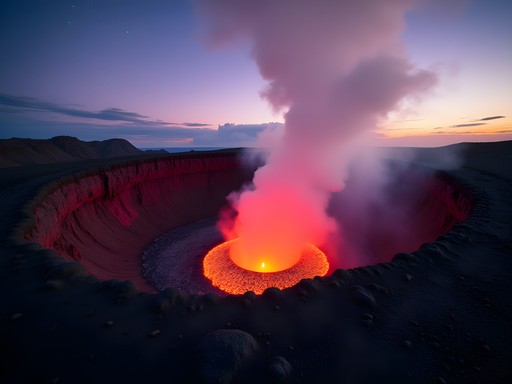
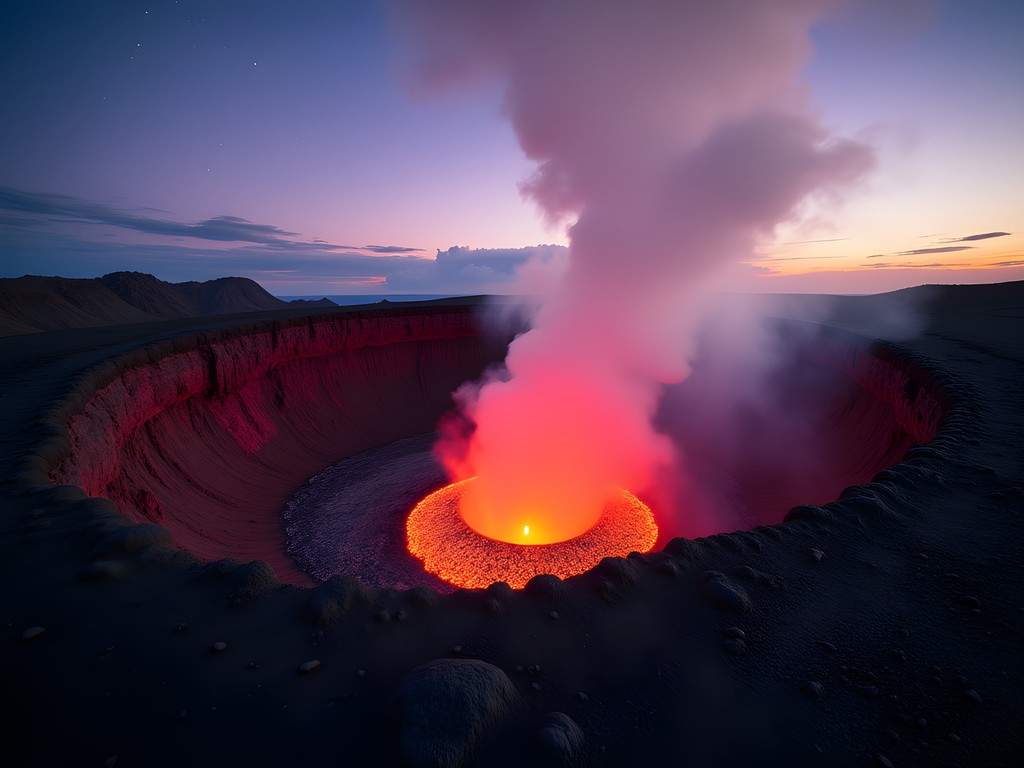
The Jaggar Museum area, though the building itself remains closed after 2018's eruption, provides the safest and most spectacular vantage point for observing Halema'uma'u crater. I recommend bringing a portable chair for comfortable extended viewing—you'll want to stay for hours as daylight fades and the crater's glow intensifies against the darkening sky.
💡 Pro Tips
- Visit the Kilauea Visitor Center first for current eruption updates and safety information
- Plan crater viewing for sunset to witness both daylight features and nighttime incandescence
- Bring layers—temperatures at the summit can drop significantly after dark
Lava Tube Exploration: Journey Through Ancient Volcanic Arteries
While the celestial bodies I've studied throughout my career remain distant, Hawaii's lava tubes offer the rare opportunity to literally step inside volcanic processes. Thurston Lava Tube (Nāhuku) within the national park provides an accessible introduction, but for couples seeking more adventurous exploration, I recommend venturing to the less-visited Kaumana Caves just outside Hilo.
During my exploration of Kaumana, I was struck by the parallels between these subterranean passages and the celestial tunnels formed by solar magnetic fields that I once studied. Both represent energy pathways of enormous magnitude, though operating at vastly different timescales. The caves extend for miles, though only the first quarter-mile is easily accessible without specialized equipment.
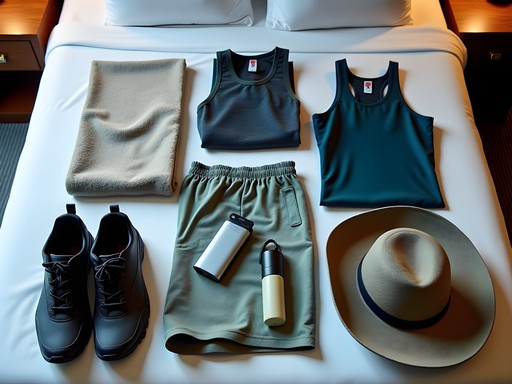
For such explorations, proper footwear is essential. I've found my hiking boots provide the necessary traction on slippery surfaces while protecting against the sharp volcanic rock. Equally important is a reliable flashlight with extended battery life—the darkness within these tubes is absolute, and cellular signals don't penetrate the dense volcanic rock overhead.

💡 Pro Tips
- Wear gloves to protect hands when scrambling over rough lava surfaces
- Bring backup lighting sources—darkness is absolute if your primary light fails
- Never explore beyond the developed sections without proper caving equipment and experienced guides
Mauna Kea Summit: Where Astronomy Meets Adventure
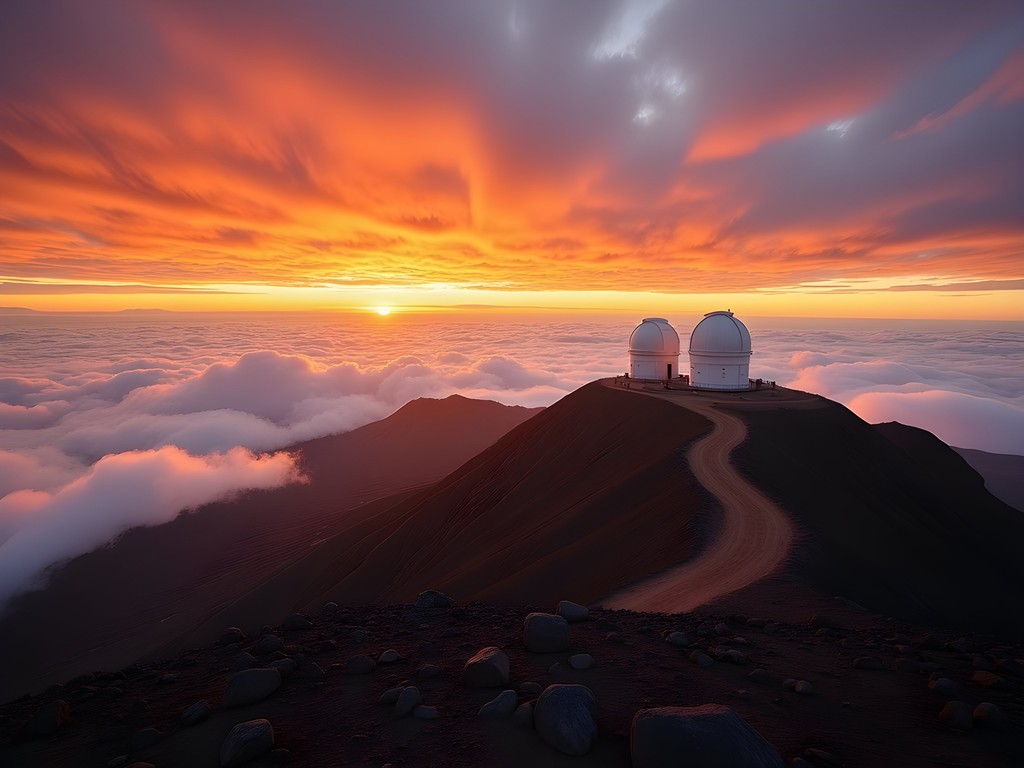
No visit to Hilo would be complete without experiencing Mauna Kea, the dormant volcano that rises 13,803 feet above sea level. As an astronomer who has conducted research at observatories worldwide, I find this mountain particularly special—not only for its world-class astronomical facilities but also for the cultural significance it holds for Native Hawaiians as a connection point between earth and sky.
The summit's high altitude, combined with minimal light pollution and stable air conditions, creates one of Earth's premier stargazing locations. While the professional observatories aren't generally open to the public, the Visitor Information Station at 9,200 feet hosts regular stargazing programs. Here, you can observe celestial objects through provided telescopes while knowledgeable staff explain both the scientific and cultural significance of the night sky.
The journey to Mauna Kea's summit requires preparation. Altitude sickness is a genuine concern, so I always recommend spending at least 30 minutes acclimating at the Visitor Information Station before proceeding higher. For the summit's often frigid conditions, I pack my down jacket which provides exceptional warmth while compressing small enough to fit in my daypack when not needed.
For couples interested in photography, the summit offers unparalleled opportunities for astrophotography. I've captured some of my most treasured images here using a sturdy travel tripod to stabilize long exposures in the often windy conditions.
💡 Pro Tips
- Acclimate at the Visitor Information Station for at least 30 minutes before continuing to the summit
- Visit for sunset, then return to the Visitor Station for stargazing—the combination provides the complete experience
- Four-wheel drive vehicles are required for summit access; book a tour if your rental car doesn't qualify

Wailuku River State Park: Volcanic Forces Meet Tropical Waters
While Hilo's volcanic features rightfully command attention, the interaction between these ancient lava flows and more recent water systems creates equally fascinating landscapes. Wailuku River State Park, just minutes from downtown Hilo, showcases this dynamic through two remarkable features: Rainbow Falls (Waiānuenue) and Boiling Pots (Pe'epe'e Falls).
Rainbow Falls derives its name from the frequent morning rainbows that appear in its mist when the sun hits at just the right angle. As someone accustomed to analyzing light spectra professionally, I find particular delight in these natural prisms. The waterfall plunges 80 feet over an ancient lava cave that, according to Hawaiian mythology, houses Hina, the goddess of the moon—a celestial connection I find particularly meaningful.
Upstream, Boiling Pots presents a series of large pools connected by cascading rapids. These depressions formed when rapidly cooling lava created bubbles and depressions that were later filled by the river. During heavy rains, water churns through these formations, creating the boiling appearance that gives the area its name.
For exploring these areas, particularly after rain when rocks become slippery, I recommend trekking poles for additional stability. When photographing around waterfalls, I protect my electronics with a waterproof phone case that allows touchscreen use while providing complete protection against both water and volcanic grit.

💡 Pro Tips
- Visit Rainbow Falls in the morning hours (around 9-10am) for the best chance of seeing the namesake rainbows
- Never swim in Boiling Pots or the pools above Rainbow Falls—underwater currents are extremely dangerous
- The short trails around both attractions become very slippery after rain; appropriate footwear is essential
Night Lava Viewing: Earth's Cosmic Light Show
When Kilauea is actively erupting, few experiences rival witnessing molten lava against the night sky. As someone who has spent decades studying celestial light sources, I find Earth's own luminous display equally mesmerizing. The current eruption activity varies, so checking with the National Park Service before planning your visit is essential.
During active periods, several viewing opportunities exist. The most accessible is from designated viewing areas within Hawaii Volcanoes National Park. For more adventurous couples, guided hikes to closer viewing locations are available when conditions permit. These typically depart in late afternoon, arriving at optimal viewing locations as darkness falls.
My most profound experiences have come during these nighttime excursions, where the boundary between astronomy and geology seems to dissolve. The incandescent glow of molten rock—reaching temperatures of approximately 2,000°F—illuminates gas plumes from within, creating ethereal formations against the star-filled Hawaiian night.
For these excursions, I rely on my thermal insulated water bottle to keep hydration readily available without condensation issues in the humid environment. I also recommend a cooling towel for managing heat from both volcanic sources and hiking exertion.

💡 Pro Tips
- Check the Hawaii Volcanoes National Park website or call the visitor center for current eruption status before planning your visit
- Book guided lava viewing tours well in advance during active eruption periods
- Bring red-filtered lighting to preserve night vision while navigating dark trails
Final Thoughts
After decades studying celestial phenomena across the globe, I find Hilo's volcanic landscape offers a uniquely accessible window into planetary processes usually reserved for distant worlds. The island presents couples with a rare opportunity to witness Earth's creative and destructive forces simultaneously—where new land emerges even as existing formations erode and transform. This dynamic between permanence and impermanence mirrors what I've observed in star formations throughout my astronomical career.
As you plan your own volcanic adventures around Hilo, remember that these landscapes demand both respect and preparation. The very features that make this region extraordinary also present genuine hazards to unprepared visitors. Yet with proper planning and equipment, couples can safely experience these primordial forces together, creating shared memories of standing at the boundary between Earth's molten heart and the infinite cosmos above.
I encourage you to approach Hilo's volcanic wonders with both scientific curiosity and cultural reverence. The Hawaiian people have developed sophisticated understanding of these landscapes over centuries, interweaving geological knowledge with cultural practices that honor the profound connection between land, sea, and sky. In doing so, you'll discover that volcanoes offer not just thrilling adventures, but deeper insights into our planet's place in the cosmic order.
✨ Key Takeaways
- Hilo offers accessible volcanic experiences found nowhere else on Earth, from lava tubes to active eruptions
- Proper preparation with appropriate gear ensures both safety and comfort in diverse volcanic environments
- The combination of geological and astronomical features creates unique opportunities for understanding cosmic processes
- Respecting both natural hazards and cultural significance enhances the experience of these powerful landscapes
📋 Practical Information
Best Time to Visit
Year-round, though December-March has higher rainfall. Eruption activity varies unpredictably.
Budget Estimate
$1,500-2,500 per couple for one week including accommodations, car rental, activities, and meals
Recommended Duration
5-7 days minimum to experience major volcanic features without rushing
Difficulty Level
Moderate - Requires Reasonable Fitness For Hiking On Uneven Terrain With Some Elevation Changes
Comments
islandclimber
Been to Hilo four times now and it never gets old! Pro tip - bring rain gear no matter what the forecast says. The weather on that side of the island is so unpredictable. I got caught in a downpour on the Kilauea Iki trail last year but honestly it made it even more dramatic. Also if you're into the astronomy side, the visitor center at Mauna Kea is free and has great stargazing even if you don't go all the way to the summit. The rangers do free programs most nights.
exploremood
ooh didn't know about the free programs, thanks!!
exploremood
OBSESSED with these photos!! The lava tube shots are insane! Going in March and literally cannot wait. Did you do the Kilauea Iki trail? Heard it's incredible but wondering about the weather situation
Taylor Moreau
Excellent overview, Scarlett. I visited Hilo during a business trip to Honolulu last year and made the effort to drive over for a long weekend - absolutely worth it. One tip for readers: book your Mauna Kea summit tour well in advance, especially during peak season. Many operators have limited spots due to altitude acclimatization requirements. The sunset from the summit was genuinely one of the most spectacular experiences of my travels. Also recommend staying at least 3-4 days to properly explore both the volcano park and the surrounding waterfalls without rushing.
exploremood
Thanks for the tip about booking ahead!! Almost made that mistake
winterway
How hard is the lava tube hike? I'm in decent shape but not super athletic. Also do you need a guide or can you explore on your own?
islandclimber
The main lava tubes at Volcanoes NP are super easy - basically flat walking. Thurston Lava Tube is paved and lit! Some of the private tour ones can be more adventurous though.
winterway
oh perfect, thanks!
journeylegend
wow this looks amazing! adding to my bucket list
Hunter Thompson
Brilliant write-up Scarlett! Did the Mauna Kea summit trek last February and it absolutely wrecked me - the altitude is no joke. Started feeling proper rough around 11,000ft. My advice: spend at least 30 mins at the visitor center to acclimatize, bring loads of water, and layers because it goes from tropical to freezing in like an hour. The sunset up there though... honestly one of the best things I've ever witnessed. Worth every bit of suffering haha
sunsetchamp
Good to know about the altitude!
sunsetchamp
The lava tubes sound amazing! Did you do a guided tour or can you explore on your own?
Hunter Thompson
Not OP but I went last year - Thurston Lava Tube in the park is self-guided and free! Super easy walk. If you want something more adventurous there are guided tours that take you to less accessible tubes with helmets and torches. Both worth it tbh
sunsetchamp
Perfect, thanks!
Marco Flores
Scarlett, your post brought back incredible memories! I hiked through Kilauea Iki crater last year - walking across that solidified lava lake was like being on another planet. The steam vents, the cracked earth beneath your feet, the story of that massive 1959 eruption... absolutely humbling. For anyone planning to go, I highly recommend starting early morning before the crowds and heat. The contrast between the barren crater floor and the lush rainforest rim creates some of the most dramatic landscapes I've ever photographed.
happyrider
Those Mauna Kea sunset photos are incredible! Adding this to my bucket list!
Bryce Diaz
November can actually be great! Temperatures at the summit drop to around 30-40°F, so definitely bring warm layers. The viewing conditions tend to be excellent though. Just be aware that weather can change quickly - always check with the visitor center before heading up.
happyrider
Thanks for the tips! Definitely packing my warm clothes then!
adventurelegend
Right?! I'm wondering if November would be a good time to visit or if it gets too cold up at the summit?
freewanderer
Great post! How safe is it to visit with the volcanic activity? Planning a trip in January and wondering if there are any areas to avoid or safety precautions to take?
ScarlettCox
Adding to Marco's excellent advice - the park updates conditions daily, and the visitor center staff are incredibly knowledgeable. Most trails don't require reservations, but specialty ranger-led programs do. January should be wonderful timing!
Marco Flores
Not Scarlett, but I was there last month! The park rangers are amazing at keeping visitors informed. Check the NPS website before going as some areas close temporarily depending on activity. I used my volcanic gas mask in some areas with vog (volcanic smog) and it was really helpful for those with respiratory sensitivity.
freewanderer
Thanks Marco! Good to know about checking for closures. Did you need advance reservations for any of the hikes?
Venture X
Premium card with 2X miles, $300 travel credit, Priority Pass