Disclosure: This article contains affiliate links. We may earn a commission from purchases at no extra cost to you, which helps our travel content.
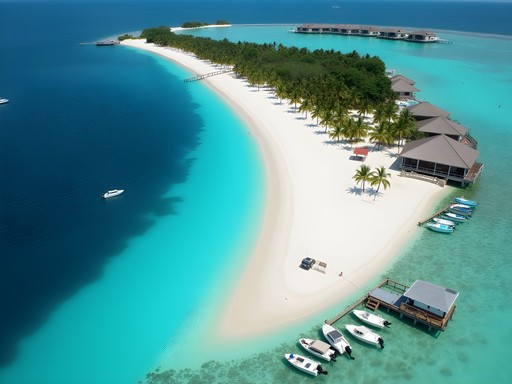
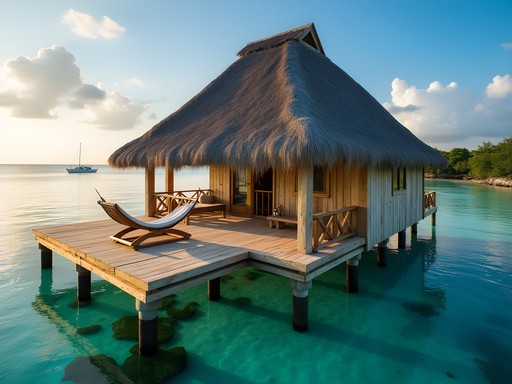
The Maldives has long been synonymous with exclusive luxury—those iconic water villas perched above impossibly blue lagoons, accessible only to the financially privileged. But what if I told you there's a cultural and economic revolution happening on the small island of Maafushi? As someone who's spent two decades studying how communities adapt their built environments to changing economic pressures, I've been fascinated watching this 1.2km island transform from a traditional fishing community to a model of locally-owned tourism that makes the Maldivian dream accessible to us ordinary mortals. During my recent field research trip, I documented accommodations across every price point, from simple $50 guesthouses to $250 boutique resorts that rival their $1000+ counterparts on private islands. This isn't just about finding a bed—it's about understanding how this remarkable community has created a sustainable tourism model that preserves local ownership while delivering that quintessential Maldivian experience.
Understanding Maafushi's Accommodation Landscape
Before diving into specific recommendations, let's establish some context about Maafushi's unique development pattern. Unlike the one-island-one-resort model that dominates the Maldives, Maafushi represents a fascinating case study in community-based tourism development.
When the Maldivian government changed regulations in 2009 to allow guesthouses on local islands, Maafushi entrepreneurs seized the opportunity. What began as simple homestays has evolved into a sophisticated accommodation ecosystem spanning multiple price points—all while keeping ownership primarily local. This is remarkably different from many tourism-dependent economies I've studied in Southeast Asia, where outside investment often displaces local ownership.
The island now features roughly four distinct accommodation tiers:
- Budget guesthouses ($50-80): Simple, clean rooms often run by fishing families who've converted portions of their homes
- Mid-range guesthouses ($80-120): Purpose-built with more amenities and often beachfront locations
- Boutique hotels ($120-180): Offering pools, quality restaurants, and more refined service
- Premium properties ($180-250+): Providing experiences comparable to private resort islands at a fraction of the cost
What's particularly fascinating from an anthropological perspective is how the physical layout of these properties reflects Maafushi's cultural values. Even the most upscale accommodations maintain connections to the community rather than walling themselves off—a refreshing departure from the enclave tourism model prevalent elsewhere.
💡 Pro Tips
- Book directly with properties when possible as they often offer better rates than online platforms
- Request room photos before booking budget options as quality can vary significantly
- Consider location carefully—the eastern beaches offer better swimming but more noise from speedboats
Budget Gems: Experiencing Maafushi Under $80
My research typically takes me to remote villages where accommodation options range from 'basic' to 'bring your own tent,' so I've developed quite the knack for finding comfortable yet affordable lodging. On Maafushi, the budget category surprised me with its remarkable value.
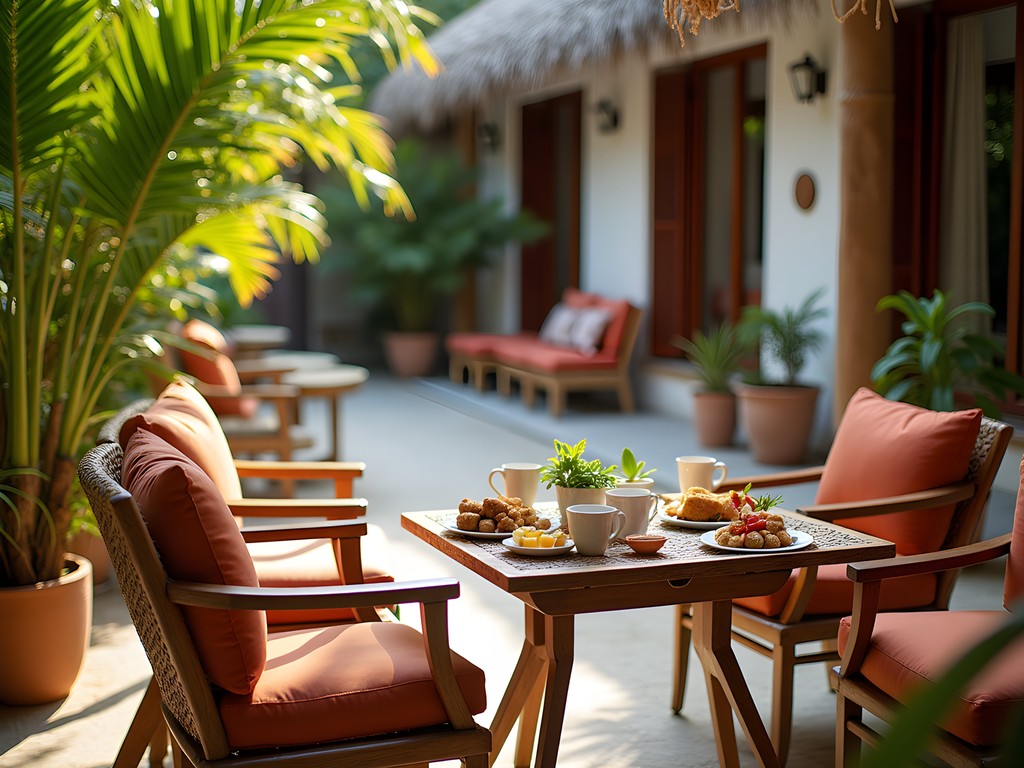
My first three nights were spent at Kaani Village & Spa, where $65 secured a clean, air-conditioned room with decent WiFi—essential for uploading my field notes. What distinguishes the better budget options isn't fancy amenities but the genuine Maldivian hospitality. The family running Kaani invited me to join them for hedhikaa (traditional afternoon tea with savory snacks), providing cultural insights no guidebook could offer.
White Coral Guesthouse ($55-70) represents another excellent budget choice, particularly for solo travelers. Their communal dining setup facilitates connections with fellow travelers, and the owner, Hassan, organizes informal walking tours that reveal Maafushi's transformation from fishing village to tourism hub.
For those requiring more reliable internet connectivity, I recommend the portable WiFi device I now carry on all research trips. Cellular data is surprisingly affordable in the Maldives, and having your own connection means you're not at the mercy of sometimes patchy guesthouse WiFi.
What these budget properties lack in luxury, they make up for in authenticity. You're not just visiting Maafushi—you're living within its community fabric, shopping at the same small stores as locals, and contributing directly to family-owned businesses rather than international chains.
💡 Pro Tips
- Request rooms away from the mosque if you're sensitive to the early morning call to prayer
- Budget properties often include breakfast but vary significantly in quality—check recent reviews specifically mentioning meals
- Many budget guesthouses offer free airport pickup with minimum 3-night stays
Mid-Range Marvels: The Sweet Spot ($80-120)
If my academic budget allows for a splurge, the mid-range category on Maafushi offers what I consider the optimal balance between comfort and value. These properties have professionalized beyond the family guesthouse model while maintaining a distinctly Maldivian character.
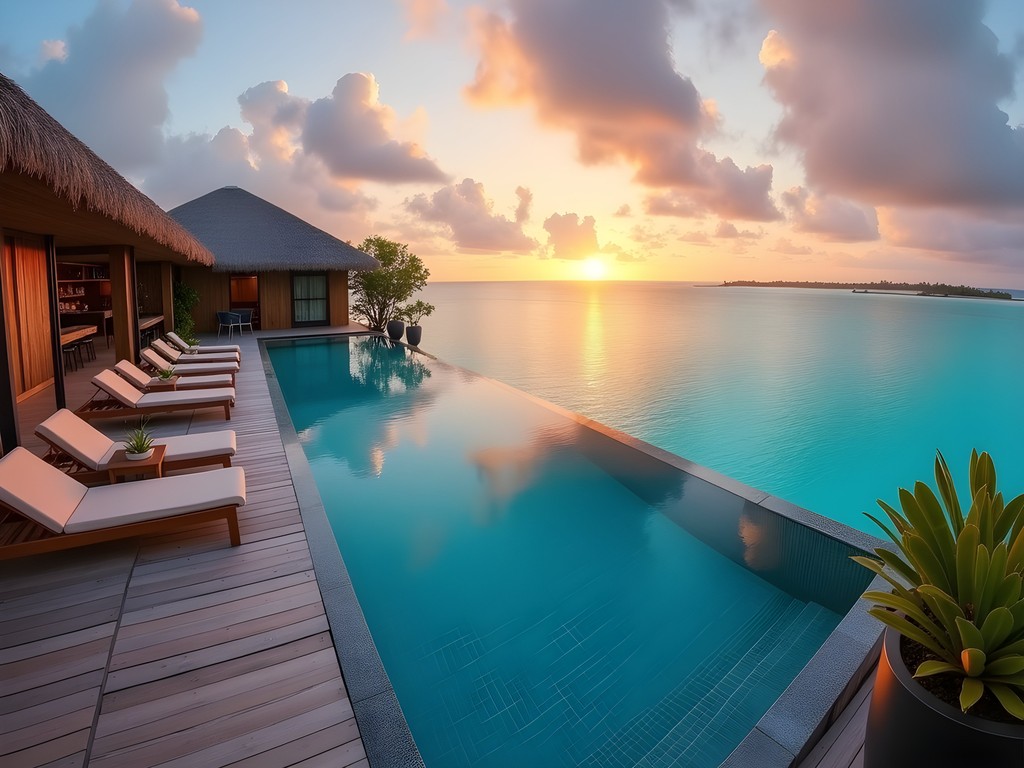
Arena Beach Hotel became my base for the latter half of my stay, offering a proper work desk (a rarity in the Maldives) and a rooftop pool that proved perfect for evening reflection after days of interviews and observations. At $95-110 per night including a substantial breakfast, it exemplifies the mid-range sweet spot.
What distinguishes these properties from budget options is thoughtful design rather than mere luxury. Kaani Palm Beach incorporates traditional Maldivian architectural elements while providing modern amenities. Their beachfront restaurant serves as an ideal observation point for studying how tourists and locals interact in shared spaces—a key aspect of my research into sustainable tourism models.
For those planning extended stays, I recommend considering the packing cubes that have revolutionized my field research organization. The humid Maldivian climate means clothing never quite dries completely, and these moisture-resistant cubes keep everything organized and relatively fresh.
While conducting interviews with property owners, I discovered an interesting pattern: many mid-range establishments are owned by former resort employees who returned to their home islands with hospitality expertise. This knowledge transfer has created a level of service that belies the modest pricing. At Arena Beach, the staff anticipated needs with the precision I've experienced at properties costing five times as much.
💡 Pro Tips
- Mid-range properties often have the best location-to-price ratio—prioritize those on the less developed eastern beaches
- Look for properties with water refill stations to reduce plastic waste and save on bottled water costs
- Many mid-range hotels offer substantial discounts (15-25%) for stays longer than 5 nights

Boutique & Premium Options: Luxury Without the Exorbitance
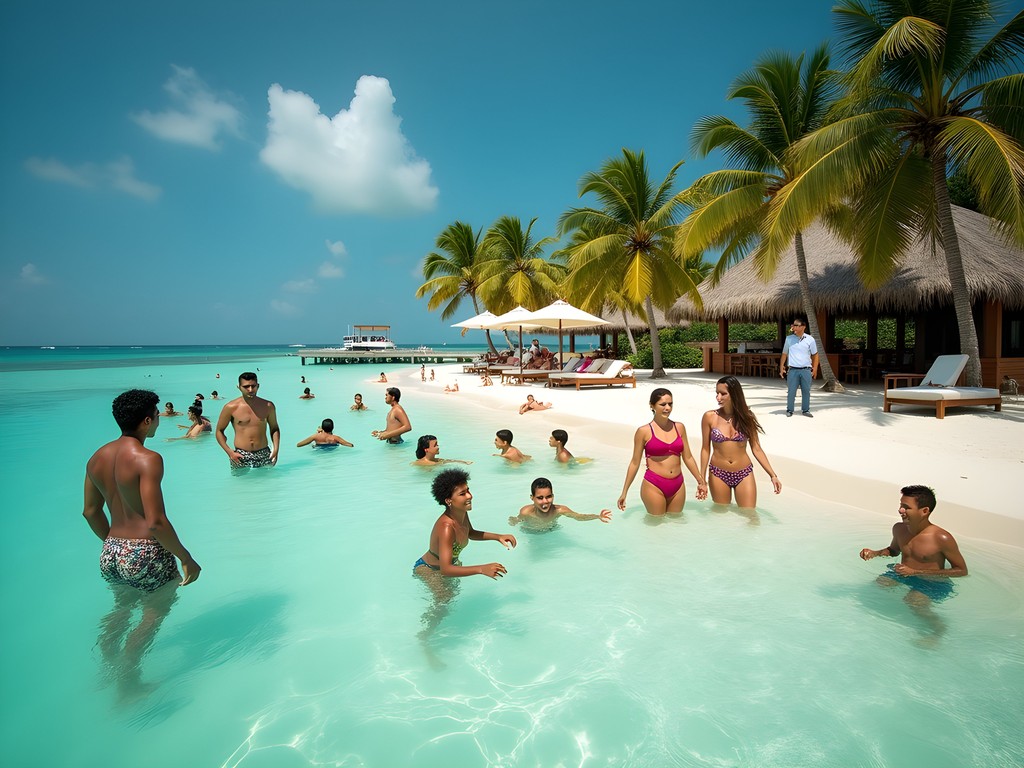
My academic curiosity (and admittedly, a desire to experience the full spectrum of Maafushi's offerings) led me to spend one night at Kaani Grand Seaview, representing the island's premium category at $210. What's remarkable isn't just the quality—it's how these properties have adapted luxury concepts to fit within Maafushi's community-based tourism model.
Unlike private resort islands where boundaries between guests and locals are deliberately maintained, Maafushi's premium properties serve as permeable interfaces between visitors and the community. The architecture reflects this philosophy: Kaani Grand's design opens toward the community rather than walling it off, while still providing privacy when desired.
The South Palms Resort ($180-220) exemplifies another fascinating adaptation—the creation of a private beach club on an uninhabited island 15 minutes away by boat. This ingenious solution addresses the bikini prohibition on Maafushi's public beaches (due to cultural norms) while keeping accommodation costs reasonable. The day I visited, I documented three distinct social groups—Western tourists, Middle Eastern families, and local Maldivians—all enjoying the same space while respecting different norms of dress and behavior, a remarkable example of cultural negotiation in shared tourism spaces.
For capturing these subtle cultural interactions, my compact zoom lens has proven invaluable, allowing unobtrusive documentation from a respectful distance.
What particularly impressed me about these premium options was their commitment to environmental sustainability. Kaani Grand has eliminated single-use plastics and implemented water conservation systems—practices I've documented as increasingly important to the eco-conscious traveler demographic that's growing in the Maldives market.
💡 Pro Tips
- Premium properties often include free excursions that budget options charge for—factor this into your total cost comparison
- Book half-board packages as dinner options on Maafushi are limited and hotel restaurants often offer the best quality meals
- Even at luxury properties, request specific rooms—those facing east offer stunning sunrises but early morning light
Practical Considerations: Bikini Beaches, Alcohol, and Cultural Sensitivity
Understanding Maafushi's accommodation landscape requires acknowledging the cultural context that shapes the visitor experience. The Maldives is a 100% Muslim country, and while Maafushi has embraced tourism, certain Islamic principles remain fundamental to daily life.
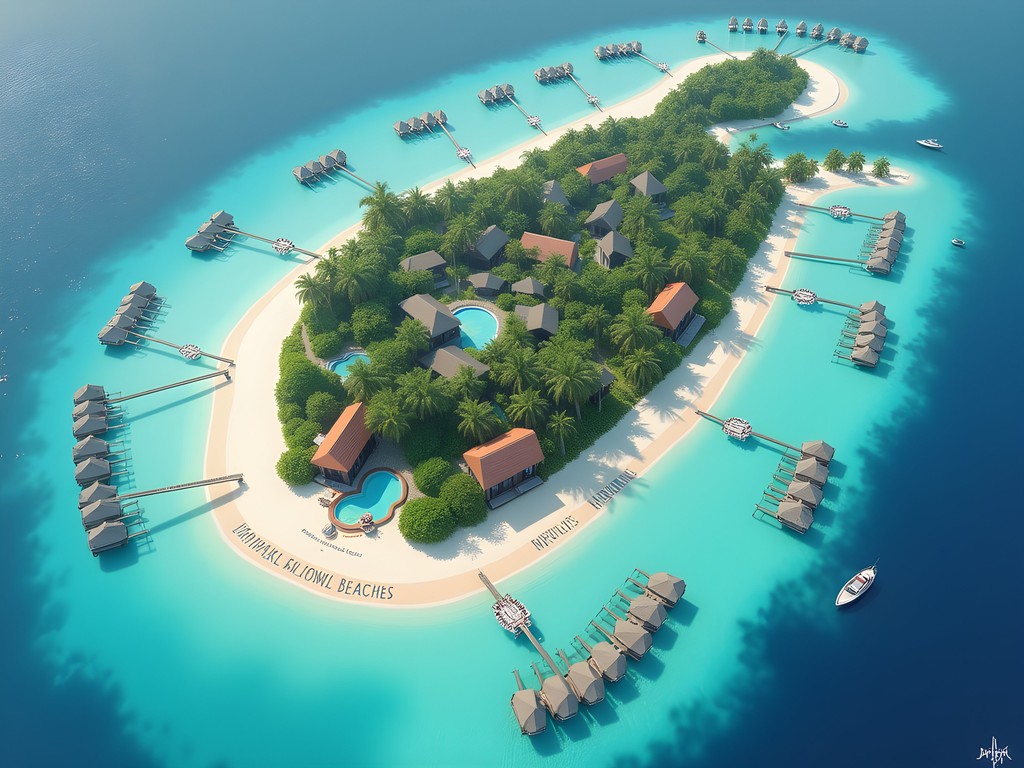
First, let's address the 'bikini beach' situation. Unlike private resort islands where Western dress norms prevail everywhere, Maafushi designates specific areas where tourists can wear typical beach attire. When evaluating accommodations, consider their proximity to these designated beaches—properties on the northern and eastern shores generally offer better access.
Another significant difference from resort islands: alcohol is prohibited on local islands including Maafushi. Most premium properties have developed a workaround by offering 'booze cruises' or excursions to offshore platforms where alcohol is served. If evening cocktails are essential to your holiday experience, inquire about these options when booking.
During my fieldwork interviews with property owners, I discovered fascinating adaptations in room design that reflect these cultural considerations. Many premium properties have created private balcony plunge pools and screened outdoor areas where guests can sunbathe according to Western norms while respecting local cultural expectations.
For documenting your travels while respecting cultural sensitivities, I recommend a discreet camera that doesn't draw attention. Throughout my anthropological fieldwork, I've found that conspicuous photography equipment can change how people behave, while a pocket-sized camera allows for more authentic documentation.
What impressed me most was how Maafushi has developed a tourism model that doesn't require residents to compromise their cultural values. This stands in stark contrast to many tourism destinations I've studied where local cultures often bend to tourist expectations rather than the reverse.
💡 Pro Tips
- Pack a lightweight sarong or cover-up for walking through town between your accommodation and bikini beach
- Choose accommodations that provide clear information about local customs—the best hosts help bridge cultural understanding
- Properties that offer private outdoor space (like balconies or terraces) provide more flexibility for sunbathing
Final Thoughts
Maafushi represents something I rarely encounter in my research: a genuine alternative to the economic stratification that typically characterizes island tourism. Here, visitors of virtually any budget can experience the essential Maldives—those impossibly blue waters, pristine beaches, and vibrant marine life—without the financial barriers of private resort islands. More importantly, your tourism dollars flow directly into the local economy rather than offshore corporate accounts. As an anthropologist who's documented the often problematic relationship between tourism and local communities across four continents, Maafushi stands out as a model worth supporting. Whether you choose a simple guesthouse or splurge on a premium property, you're participating in a community-based tourism experiment that challenges the exclusivity that has defined the Maldives for decades. Pack your reef-safe sunscreen, bring your cultural sensitivity, and prepare to experience the Maldives not just as a destination, but as a community that's writing its own rules for tourism development.
✨ Key Takeaways
- Maafushi offers authentic Maldivian experiences across all budget levels from $50-250/night
- The island's community-based tourism model keeps profits local while providing quality accommodations
- Understanding cultural context (bikini beaches, alcohol regulations) is essential for choosing the right property
- Premium properties offer creative solutions that respect both visitor expectations and local cultural norms
📋 Practical Information
Best Time to Visit
November to April (dry season)
Budget Estimate
$70-250 per night for accommodation
Recommended Duration
5-7 days
Difficulty Level
Easy
Comments
Douglas Bradley
Excellent breakdown, Olivia. Maafushi really does represent an interesting case study in democratizing luxury destinations. I visited in 2019 and was impressed by how the local guesthouse model has evolved since tourism opened up on inhabited islands. One thing worth noting for readers: the cultural expectations are quite different from resort islands. Modest dress outside bikini beach, no alcohol in guesthouses, and Friday prayer times affect some services. But that cultural immersion is actually part of the appeal - you get authentic Maldivian interaction rather than the sanitized resort experience. The economic impact on the local community is also significantly more direct than resort tourism.
happymood
We just got back from Maafushi in October and it was incredible! Stayed at Kaani Beach Hotel which was in that mid-range category you mentioned. The sunset dolphin cruise was the highlight - only $25 per person and we saw dozens of dolphins. Also the local restaurants are super cheap, we ate amazing curry dinners for like $8. Pro tip: bring reef-safe sunscreen because they're really strict about it on the snorkeling trips. The house reef snorkeling was better than I expected too!
sunsetway
OMG finally someone writing about affordable Maldives!! I've been dreaming about going for years but thought it was impossible on our budget. This guide is exactly what I needed - bookmarking this right now!! The mid-range options look amazing and still SO much cheaper than the resorts. Can't wait to start planning our trip!
bluechamp
How far in advance should we book?
Douglas Bradley
I'd recommend 2-3 months ahead if you're traveling during peak season (December-March). The better budget places fill up quickly, and you'll have more negotiating power for excursions if you book accommodation early. Off-season you can sometimes find deals booking just a few weeks out.
beachseeker
This is spot on! Stayed in Maafushi last year and couldn't believe how affordable it was compared to the resort islands. We paid like $65/night for a really clean guesthouse with breakfast included. The bikini beach was nice and the snorkeling trips were way cheaper than booking through resorts. Only downside was the speedboat transfer from Male was a bit rough on a windy day lol
sunsetway
Which guesthouse did you stay at? Planning our trip now!
beachseeker
It was called Arena Beach Hotel - nothing fancy but super friendly staff and great location
Savannah Torres
Olivia, thank you for breaking down these accommodation options so thoroughly! As a family traveler, I've been trying to show my readers that the Maldives isn't just for honeymooners or the ultra-wealthy. We stayed in Maafushi in a family room at Kaani Beach Hotel and had an incredible experience for around $110/night. The kids could walk right out to the beach, we had amazing local meals for $8-15 per person, and the excursions were reasonably priced. The bikini beach was perfect for us - clean and not overcrowded. One thing I'd add is that the island's small size makes it perfect for families with young kids since everything is walkable. Looking forward to your next budget-friendly paradise guide!
wanderlustzone
Savannah - did you feel the local culture restrictions (no alcohol on the island, modest dress code) affected your family vacation at all?
Savannah Torres
Not really! The bikini beach has no restrictions, and we just covered shoulders/knees when walking through town (good practice anyway with the sun). For drinks, there's a 'floating bar' boat offshore where you can get cocktails if you want. My kids actually loved learning about the local culture - it was educational!
wanderlustzone
Just got back from Maafushi last month and this guide is spot on! We stayed at Kaani Grand Seaview in the mid-range category and it was fantastic value. The rooftop infinity pool overlooking the ocean was incredible for sunset drinks. One tip: bring a good reef-safe sunscreen as it's expensive to buy locally. Also, don't miss the sandbank excursion - absolute highlight of our trip!
mountainhero
That rooftop pool sounds amazing! Was it easy to get from Male to Maafushi?
wanderlustzone
Super easy! We took the public ferry ($2) which takes about 90 mins, but there are also speedboats ($25) that get you there in 30 mins. Most hotels can arrange the transfers if you email them in advance.
mountainhero
This is exactly what I've been looking for! I always thought Maldives was completely out of my budget. Has anyone stayed at any of these budget places? How was the beach access?
Savannah Torres
I stayed at Arena Beach Hotel last year with my family. It was around $75/night and had great beach access! The staff arranged a snorkeling trip for us that my kids still talk about. The rooms were basic but clean, and the location was perfect.
mountainhero
Thanks Savannah! That's so helpful. Did you feel like you were missing out by not staying at one of those fancy water villas?
Savannah Torres
Not at all! We actually did a day trip to one of the luxury resorts (about $150/person) so we got that experience without the $1000/night price tag. Best of both worlds!
Nicole Russell
This guide is exactly what I needed! I'm planning a solo trip to the Maldives in December (my first time!) and was torn between the traditional resort experience and trying local islands. Maafushi seems like the perfect compromise - I get the gorgeous beaches and water but can actually meet locals and other travelers too. Quick question for Olivia or anyone who's been - how's the internet situation there? I'll need to check in with work occasionally. Also wondering about solo female traveler safety since it's a conservative Muslim country?
vacationdiver
WiFi was decent at our hotel but spotty elsewhere. As for safety, my wife felt totally comfortable there. Just respect the local dress code outside the bikini beach area (shoulders and knees covered) and you'll be fine!
dreamclimber
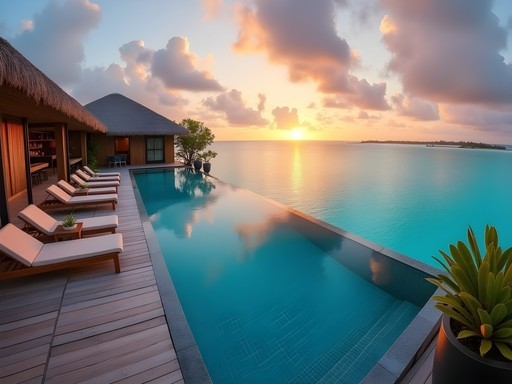
Those sunset photos are incredible! The colors don't even look real.
Venture X
Premium card with 2X miles, $300 travel credit, Priority Pass