
Disclosure: This article contains affiliate links. We may earn a commission from purchases at no extra cost to you, which helps our travel content.
There's something wonderfully disarming about Dublin—a city where literary giants and pub storytellers are equally revered, where medieval streets lead to modern tech headquarters, and where the warmth of the people defies the often-gray skies overhead. After covering Six Nations rugby tournaments here over the years, I've developed a particular fondness for this compact capital that punches well above its weight in cultural significance. During my most recent summer visit—a week-long exploration with an old colleague from my cricket reporting days—I made it my mission to truly understand Dublin's neighborhood dynamics. What follows is my carefully mapped guide to where you should lay your head in this fair city, whether you're watching your euros or prepared to splurge on something special.

Temple Bar: The Lively Heart of Tourist Dublin
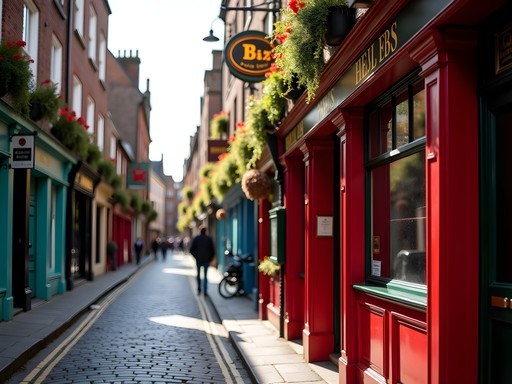
Temple Bar sits at the cultural crossroads of Dublin—equal parts authentic Irish heritage and well-packaged tourism experience. This cobblestoned district straddling the River Liffey's south bank reminds me of certain parts of Wellington's Cuba Street, though with centuries more history and considerably more pubs per square meter.
During my stay, I spent two nights at the boutique accommodation to experience Temple Bar's energy firsthand. The location proved unbeatable for first-time Dublin visitors—we were steps from the iconic Temple Bar Pub (yes, the neighborhood shares its name with its most famous establishment), the Ha'penny Bridge, and Dublin Castle.
The tradeoff becomes apparent around 10 pm when the district transforms into Dublin's premier nightlife zone. Street musicians compete with pub sessions, and revelers (many from bachelor and bachelorette parties) fill the narrow lanes. The atmosphere is generally good-natured but undeniably boisterous.
Accommodation in Temple Bar spans from hostels to boutique hotels, though genuine budget options are increasingly rare as the area's popularity drives prices upward. Mid-range travelers can find reasonable quality, but you'll pay a premium for the central location. For those seeking luxury, The Morgan and The Clarence (owned by U2's Bono and The Edge) offer stylish digs with celebrity cachet.

💡 Pro Tips
- Book accommodations on side streets rather than directly on main thoroughfares for slightly quieter nights
- Request rooms facing internal courtyards rather than streets if you're a light sleeper
- Most Temple Bar accommodations don't offer parking—consider alternatives if you're driving
Grafton Street & St. Stephen's Green: Upscale Shopping District
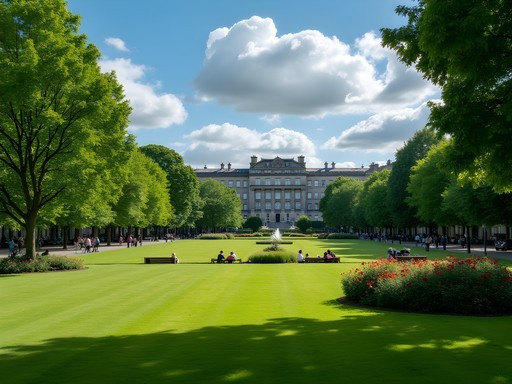
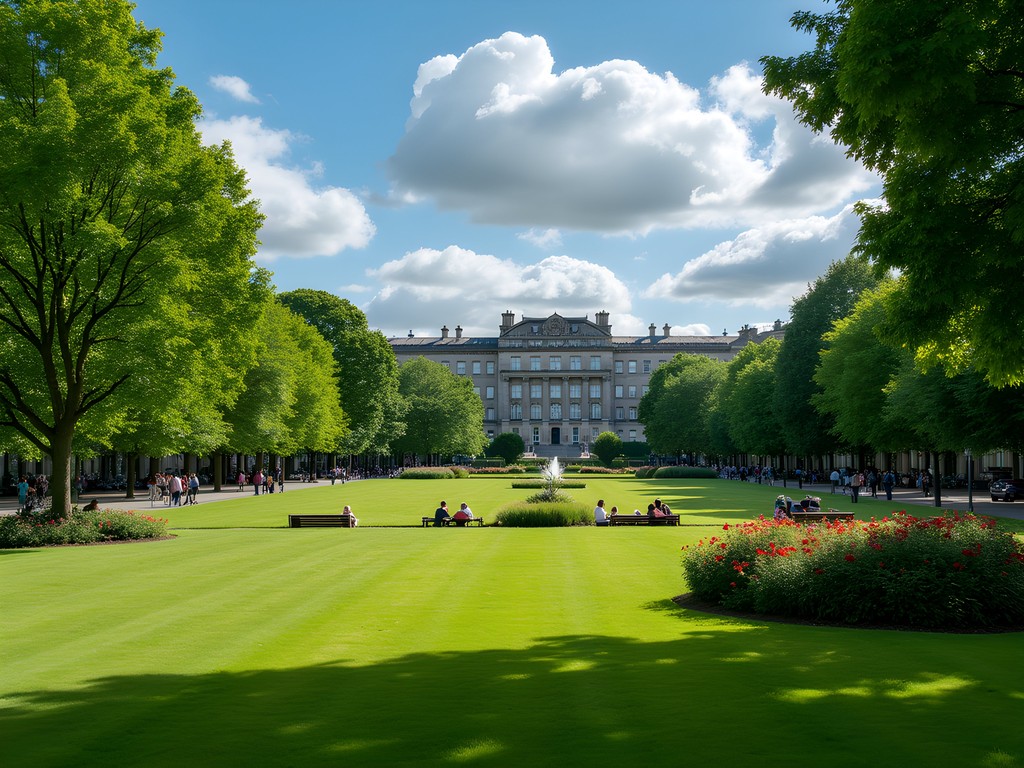
Moving slightly south from Temple Bar, you'll find Dublin's premier shopping district anchored by pedestrianized Grafton Street and the verdant oasis of St. Stephen's Green. This area represents Dublin at its most cosmopolitan—high-end retailers and elegant Georgian architecture create an atmosphere that feels simultaneously historic and contemporary.
During my Dublin week, I relocated to this district for two nights at The Shelbourne, a historic property overlooking St. Stephen's Green that has hosted everyone from Princess Grace to Michael Collins during pivotal moments in Irish history. While undeniably a splurge, the hotel's afternoon tea experience and impeccable service offered a glimpse into Dublin's refined side.
What makes this neighborhood particularly appealing is its dual nature—step off busy Grafton Street with its street performers and shoppers, and within minutes you're strolling through St. Stephen's Green's manicured gardens or exploring the quiet lanes around Merrion Square where Georgian townhouses display their colorful doors.
Accommodation here leans toward the upper end of the spectrum, with luxury options like The Shelbourne and The Westbury setting the standard. Mid-range travelers can find smaller boutique hotels and guesthouses tucked away on side streets, though true budget options are limited. Many properties in this district occupy converted Georgian buildings, offering architectural character that chain hotels simply cannot match.
For capturing those perfect Dublin memories, I relied on my compact travel camera which proved ideal for street photography and low-light interior shots in Dublin's historic buildings and pubs.
💡 Pro Tips
- Book accommodations with park views for a more tranquil experience in this otherwise bustling district
- Many hotels in Georgian buildings have limited elevator access—specify ground floor rooms if mobility is a concern
- The area is extremely walkable—prioritize location over amenities like pools or gyms that you likely won't use
The Liberties: Dublin's Historic Working-Class Quarter
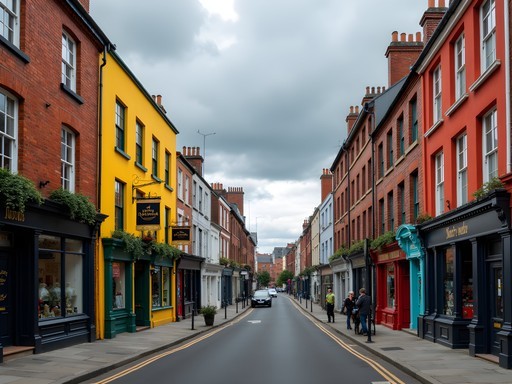
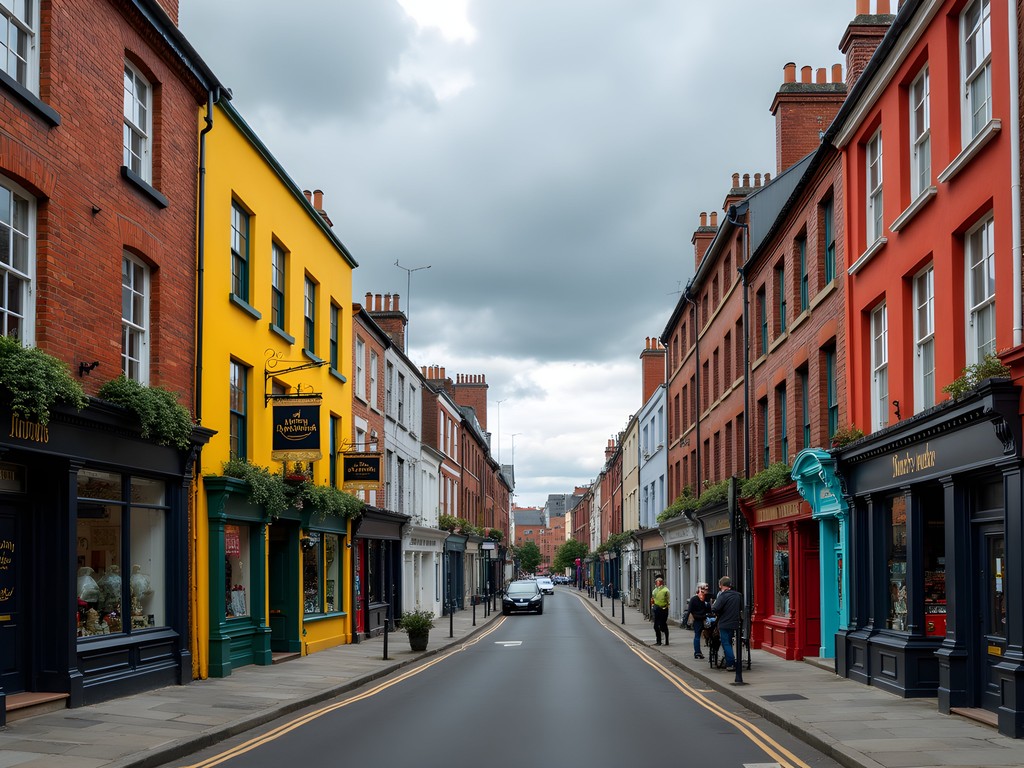
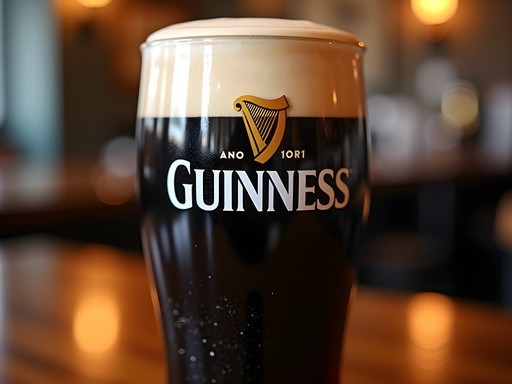
For travelers seeking an experience closer to everyday Dublin life, The Liberties offers a compelling alternative to the more tourist-oriented districts. This historic neighborhood—one of Dublin's oldest—sits southwest of Temple Bar and houses attractions like the Guinness Storehouse and Teeling Whiskey Distillery, yet retains a distinctly local character.
During my exploration of The Liberties, I was struck by its architectural contrasts—medieval street patterns leading to contemporary urban regeneration projects, historic churches neighboring modern apartment complexes. The area has undergone significant transformation in recent years, yet maintains working-class roots that provide a counterbalance to Dublin's more polished tourist districts.
Accommodation options in The Liberties have expanded dramatically, with several mid-range hotels opening to accommodate visitors drawn to the Guinness Storehouse and nearby Irish Museum of Modern Art. Budget travelers will appreciate the area's selection of guesthouses and apartment rentals, which typically offer better value than equivalent options in Temple Bar or around Grafton Street.
I spent two nights at the Hyatt Centric The Liberties, which exemplifies the neighborhood's evolution—a contemporary hotel that incorporates archaeological elements discovered during construction, including remnants of medieval city walls now preserved in the hotel basement.
Navigating Dublin's varied neighborhoods became significantly easier with a reliable travel guidebook that provided historical context for each district and practical walking tours that connected major attractions while revealing hidden corners of the city.
💡 Pro Tips
- The area is still gentrifying—research specific streets as some remain considerably rougher than others
- Book accommodations near Thomas Street for the best balance of local character and tourist convenience
- Many buildings in The Liberties lack air conditioning—request fans if visiting during rare summer heat waves

Docklands: Modern Dublin's Business District
For those who prefer contemporary comforts and sleek design over historic charm, Dublin's Docklands presents an intriguing option. This regenerated waterfront district—home to European headquarters for tech giants like Google and Facebook—offers a glimpse of modern Ireland's economic renaissance.
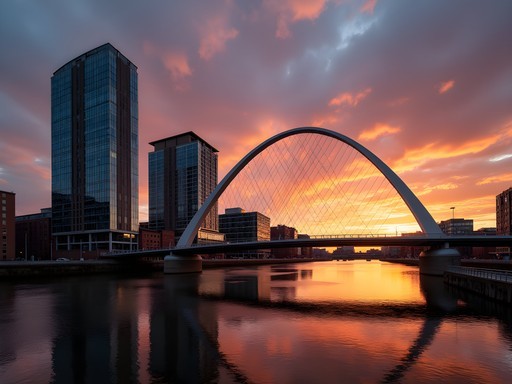
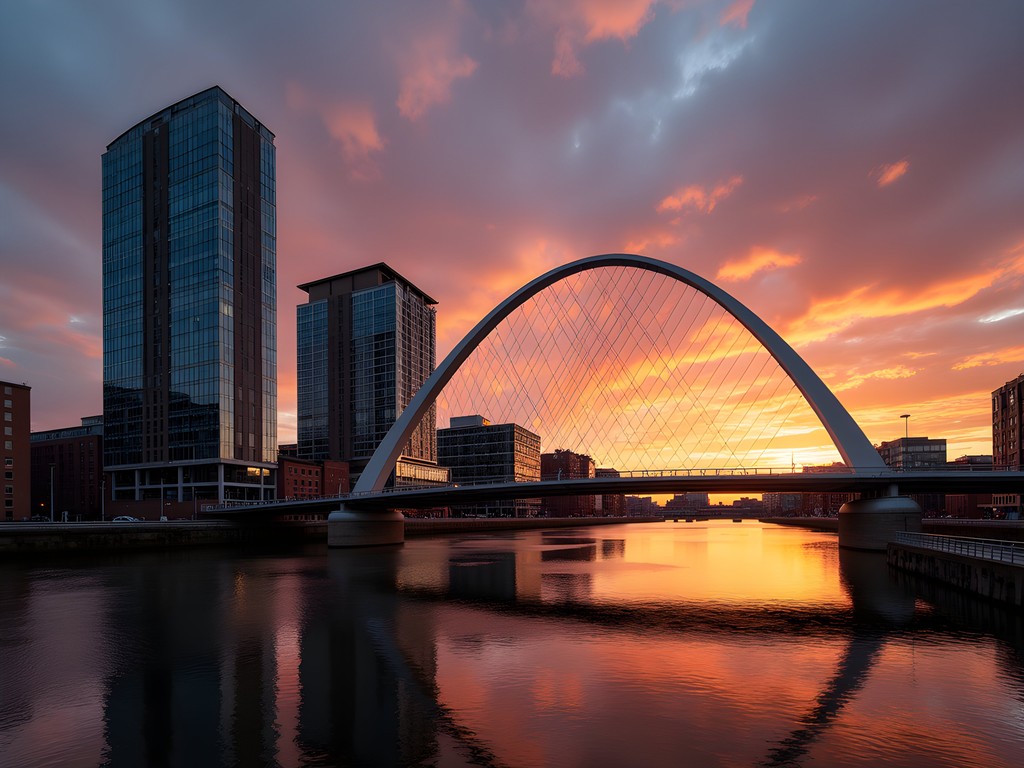
The Docklands stretches along both sides of the River Liffey's eastern reaches, connected by the iconic Samuel Beckett Bridge whose harp-shaped design has become a symbol of 21st-century Dublin. The area's architecture is decidedly contemporary—glass and steel structures that would look at home in any global financial center.
Accommodation in the Docklands primarily consists of upscale international hotel chains and serviced apartments catering to business travelers. During my stay at the waterfront hotel, I appreciated the property's rooftop bar offering panoramic city views and the proximity to the Bord Gáis Energy Theatre for evening performances.
While lacking the obvious charm of Dublin's historic districts, the Docklands offers practical advantages: modern accommodations with reliable amenities, excellent public transportation connections via the LUAS tram system, and relative tranquility compared to Temple Bar's constant activity. The neighborhood also provides convenient access to EPIC The Irish Emigration Museum—one of Dublin's newest and most thoughtfully curated attractions.
For couples seeking a romantic Dublin base, the Docklands delivers unexpectedly well. Evening walks along the illuminated riverfront promenade offer spectacular city views, while restaurants in converted warehouse spaces serve contemporary Irish cuisine that highlights the country's emerging culinary credentials.
💡 Pro Tips
- Request river-facing rooms for the best views, particularly those overlooking the Samuel Beckett Bridge
- The area becomes quiet after business hours—perfect for light sleepers but potentially too subdued for nightlife enthusiasts
- Sunday mornings bring excellent food markets to the district—an opportunity to experience local Dublin life
Dún Laoghaire: Coastal Charm Beyond City Center
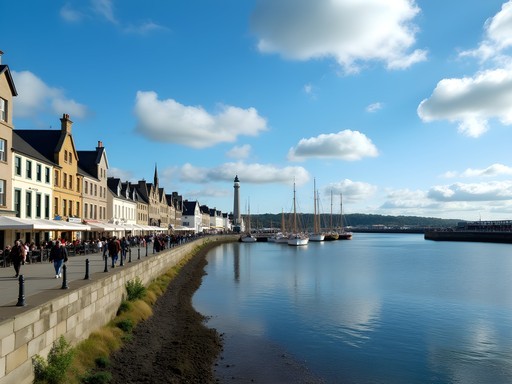
While technically outside Dublin proper, the seaside suburb of Dún Laoghaire (pronounced dun leery) merits consideration for travelers seeking coastal charm within easy reach of city attractions. Located just 12km southeast of central Dublin and connected by frequent DART trains, this historic port town offers a distinctly different accommodation experience.
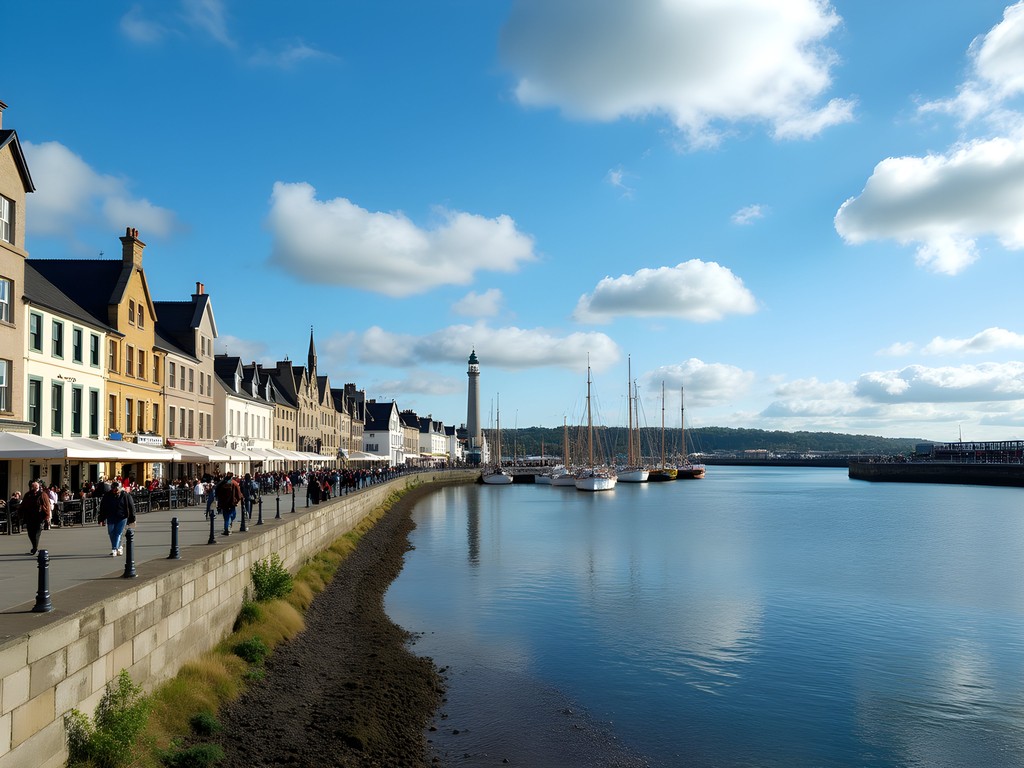
As someone who gravitates toward water whenever possible—perhaps a consequence of my Wellington residence—I found Dún Laoghaire's sweeping harbor and Victorian seafront promenade instantly appealing. During my final two nights in Dublin, I based myself at a boutique guesthouse overlooking the harbor, using the 25-minute DART connection for city explorations while enjoying evening walks along the East Pier.
The town offers accommodation across budget ranges, though mid-range guesthouses and B&Bs predominate. What you sacrifice in immediate proximity to Dublin attractions, you gain in space, value, and seaside atmosphere. Many properties occupy restored Victorian and Edwardian buildings with character that chain hotels cannot replicate.
Dún Laoghaire itself offers several worthy attractions, including the National Maritime Museum of Ireland, the James Joyce Tower at nearby Sandycove (where Ulysses opens), and the People's Park with its excellent weekend farmers market. The town also serves as gateway to coastal walks along Dublin Bay, with the Forty Foot swimming spot and Dalkey village within walking distance.
For capturing Dublin's varied coastal and urban landscapes, I relied on my versatile travel lens which proved invaluable for everything from wide harbor views to detailed architecture shots without changing lenses.
💡 Pro Tips
- Confirm DART schedules for your stay—service reduces significantly after midnight which may impact late-night returns from Dublin
- Request sea-view rooms when booking—the premium is typically modest compared to the enhanced experience
- Consider Dún Laoghaire for summer visits when sea breezes provide natural cooling absent in many city center accommodations
Final Thoughts
Dublin's diverse neighborhoods each tell a different story about this complex, evolving city. Your choice of accommodation base should align with your priorities—whether that's historic immersion in Temple Bar, refined elegance near St. Stephen's Green, local authenticity in The Liberties, contemporary comfort in the Docklands, or coastal charm in Dún Laoghaire. As a frequent visitor who has experienced Dublin through multiple lenses—from rushed rugby reporting trips to leisurely cultural explorations—I've found that the city reveals different facets depending on where you choose to stay. Perhaps that's Dublin's greatest strength: its ability to simultaneously honor its storied past while embracing an optimistic future, all within a remarkably compact urban footprint. Whatever neighborhood you choose, Dublin's legendary hospitality transcends postal codes and price points.
✨ Key Takeaways
- Book accommodations aligned with your priorities—central convenience, quiet nights, local authenticity, or coastal charm
- Consider splitting your stay between different neighborhoods to experience Dublin's varied character
- Weigh the tradeoffs between location premium and accommodation quality—especially for mid-range budgets
📋 Practical Information
Best Time to Visit
Summer (June-August)
Budget Estimate
€120-250 per night for mid-range accommodations
Recommended Duration
5-7 days
Difficulty Level
Beginner



Comments
George Hayes
One thing I'd add - if you're traveling with family, consider staying near Merrion Square instead of right on Grafton Street. It's literally a 3 minute walk but hotels are cheaper and it's much more residential. We found this great family-run guesthouse there that had connecting rooms and the kids loved feeding the ducks in the square every morning before we started sightseeing. Sometimes being just slightly off the main drag makes all the difference!
winterone
LOVE Dublin so much!! Been three times and still finding new things. The Liberties tip is gold - that's where the real Dublin is. Also totally agree about avoiding the Temple Bar tourist trap restaurants. Walk literally two blocks in any direction and you'll find better food for half the price!
travellegend4565
Going in March! Any tips for what to pack weather-wise?
winterone
Layers and a good rain jacket for sure! It can change like 5 times in one day lol
Sophia Gomez
The Docklands section is spot-on. I've stayed there three times for work conferences and it's become my go-to Dublin base even for personal trips now. The LUAS tram makes getting around ridiculously easy, and honestly the modern hotels there often have better rates than the older properties in Temple Bar. Plus if you're working remotely, the WiFi and workspace setups are generally excellent. The neighborhood does empty out after business hours though, so it's not great if you want that buzzy evening atmosphere.
sunnybuddy
Really helpful guide, thanks for sharing!
islandmood
Is Temple Bar really loud at night? Planning my first trip and not sure if I should stay there or somewhere quieter?
sunnybuddy
It can get pretty rowdy on weekends tbh. If you're a light sleeper maybe look at Grafton Street area instead - still central but way quieter
George Hayes
We made the mistake of staying right in Temple Bar with our two kids last spring. The music and crowds went until 2am most nights - not ideal with a 6 and 8 year old! Ended up loving the St. Stephen's Green area much more when we went back in summer. Still walkable to everything but the kids could actually sleep. Plus there's a gorgeous park right there for them to run around in the mornings.
luckyguy
Stayed in the Liberties last year and honestly it was perfect. Way cheaper than Temple Bar and still walkable to everything. The local pubs were amazing - no tourist crowds, just actual Dubliners. Only downside was fewer restaurants nearby but totally worth it for the authentic vibe.
winterone
Yes!! The Liberties is so underrated. Did you check out the Guinness Storehouse from there? Super close walk.
luckyguy
Yeah we walked there in like 10 minutes, it was great
wanderguide
Love the photos! Dublin looks amazing
nomadwanderer
Really helpful guide, thanks for sharing!
Megan Martin
Excellent neighborhood analysis. I've stayed in Docklands for business conferences multiple times and it's ideal for that purpose - modern infrastructure, reliable wifi, close to the convention center. However, for leisure travel I'd echo your recommendation of The Liberties or the Grafton Street area. The character and walkability make a significant difference in the overall experience. One addition: the DART rail system is excellent for reaching coastal areas like Howth or Dun Laoghaire if you want a day trip from the city.
Venture X
Premium card with 2X miles, $300 travel credit, Priority Pass