

Disclosure: This article contains affiliate links. We may earn a commission from purchases at no extra cost to you, which helps our travel content.
The moment my dusty boots crossed the threshold of my first Dolisie guesthouse, I knew this overlooked Congolese city would redefine my understanding of hospitality. Nestled between the Mayombe mountains and the vast equatorial forests, Dolisie serves as both gateway to Congo's wilderness and a cultural crossroads where traditional Congolese warmth meets the practical needs of the weary traveler. After two weeks navigating this fascinating frontier city on a tight budget, I've compiled my experiences from spartan guesthouses to surprisingly comfortable eco-lodges that won't break your bank account.

Navigating Dolisie's Accommodation Landscape
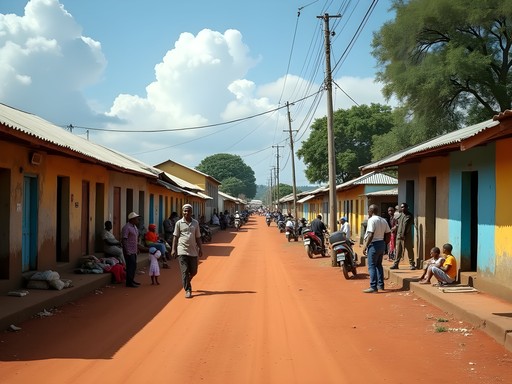
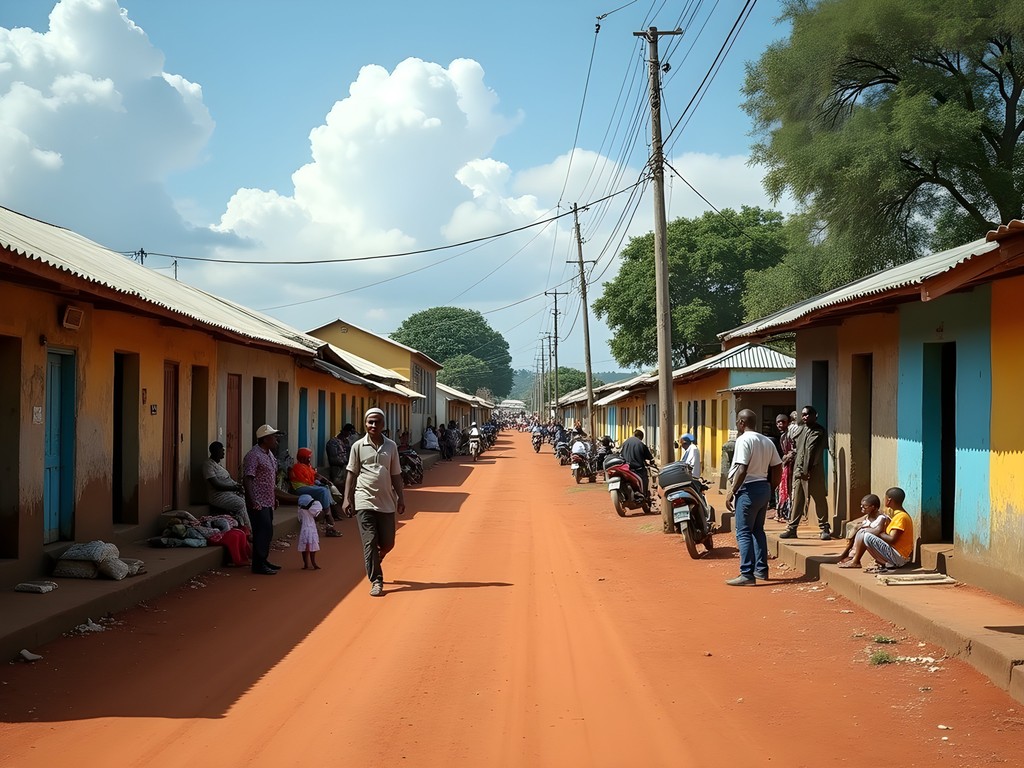
Dolisie isn't gracing the cover of travel magazines, and that's precisely its charm. As Congo's third-largest city and a former colonial railway hub, it offers a fascinating blend of faded grandeur and vibrant local life. Accommodation options reflect this duality—expect everything from basic rooms in family compounds to more structured guesthouses catering to NGO workers and the occasional intrepid traveler.
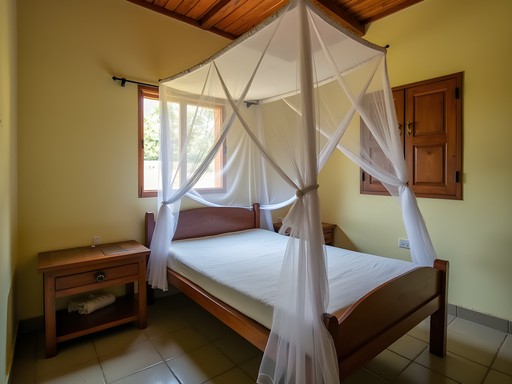
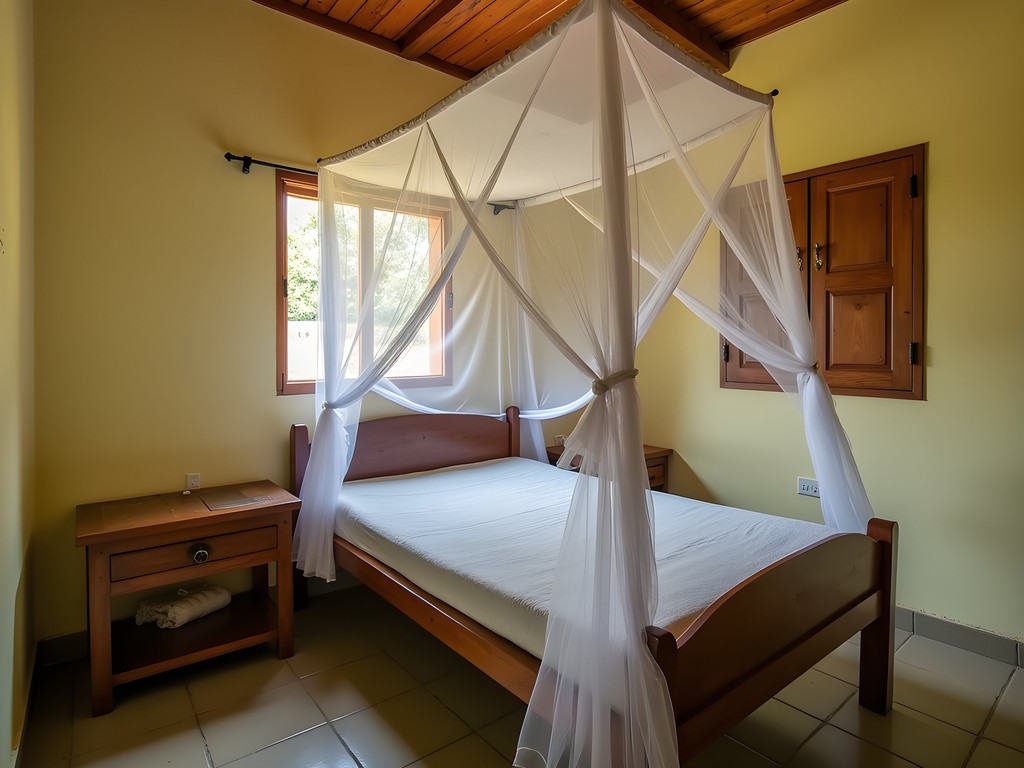
During my first days, I stayed at Chez Madeleine, a family-run guesthouse where my 15,000 CFA ($25) room came with a firm bed, mosquito net, and cold-water bucket shower. What it lacked in amenities, it more than compensated for in authenticity. The owner, Madeleine, insisted I join her family for breakfast each morning, introducing me to mbala, a delicious fermented cassava bread that reminded me of my sourdough experiments back in New Zealand.
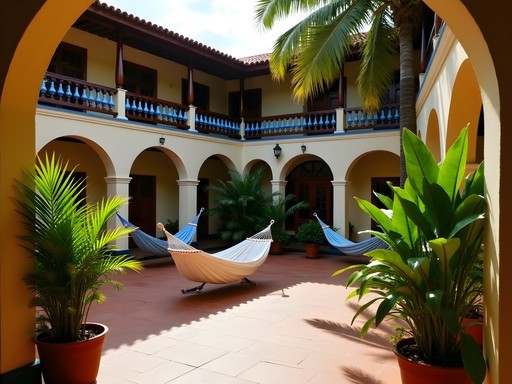
For those seeking slightly more comfort, Hôtel de la Gare offers rooms with functioning ceiling fans and occasionally reliable WiFi for around 25,000 CFA ($42) per night. Their courtyard restaurant serves surprisingly good poulet à la moambe (chicken in palm sauce)—perfect after a day exploring the nearby Mayombe Forest.
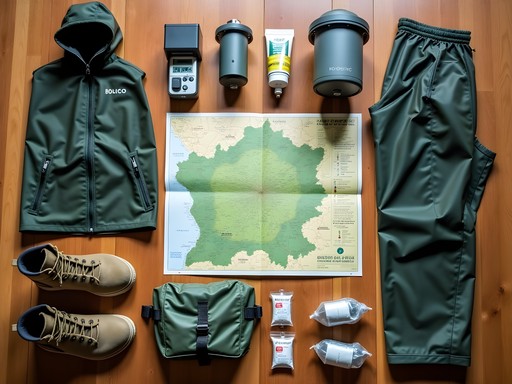
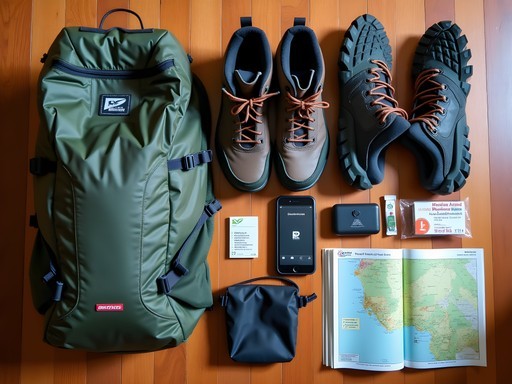
Before venturing into Dolisie's accommodation scene, I equipped myself with a water purifier bottle that proved invaluable throughout my stay. Tap water isn't safe to drink, and plastic waste management is virtually non-existent here.
💡 Pro Tips
- Always carry small denominations of CFA for payments as change is often unavailable
- Bring your own toiletries and a quick-dry travel towel as these are rarely provided
- Confirm if your accommodation has a generator for power outages—they're common in Dolisie
Mayombe Eco-Lodge: Sustainable Sanctuary
After a week in the city center, I craved closer connection to Congo's legendary forests. Just 12km from Dolisie, Mayombe Eco-Lodge offered exactly what I needed. This collection of simple wooden bungalows sits at the forest edge, providing basic but comfortable accommodation for 30,000 CFA ($50) per night including meals.
The French-Congolese couple who established this place ten years ago have created something special—solar power, composting toilets, and a permaculture garden supplying the kitchen. As someone working in sustainable tourism development, I was impressed by their genuine commitment to environmental principles despite Congo's challenging context.
My bungalow's veranda became my morning meditation spot, where I'd sip locally grown coffee while watching hornbills and turaco birds flitting through nearby trees. The lodge offers guided forest treks ranging from easy two-hour walks to challenging full-day expeditions. My guide, Pascal, demonstrated encyclopedic knowledge of medicinal plants, pointing out leaves used in traditional fermentation processes that fascinated my inner biochemist.
Nights at Mayombe are remarkably peaceful, though you'll want a good headlamp for navigating between bungalows and the main lodge after dark. I also found my portable mosquito repeller essential for comfortable evenings on the veranda—the forest mosquitoes are particularly enthusiastic at dusk!

💡 Pro Tips
- Book Mayombe Eco-Lodge at least two weeks in advance via WhatsApp as they have limited bungalows
- Arrange transportation through the lodge as reaching it independently can be challenging
- Bring binoculars for wildlife spotting from your bungalow
Community Homestays: The Hidden Gems
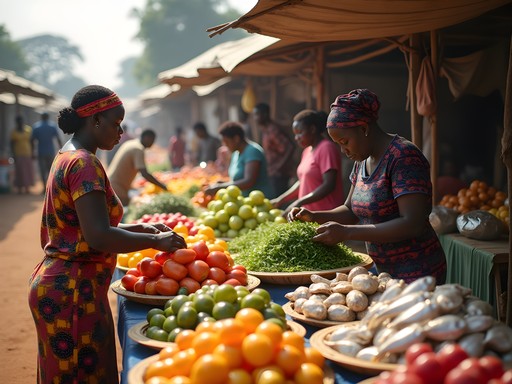
My most profound experiences came from Dolisie's emerging community homestay network. Through a contact at the local market (where I'd become a regular while sourcing fermented foods for my research), I connected with the Association des Femmes Hospitalières de Dolisie, a women's collective offering authentic homestays.
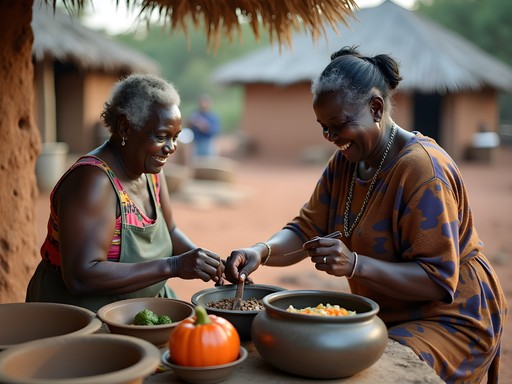
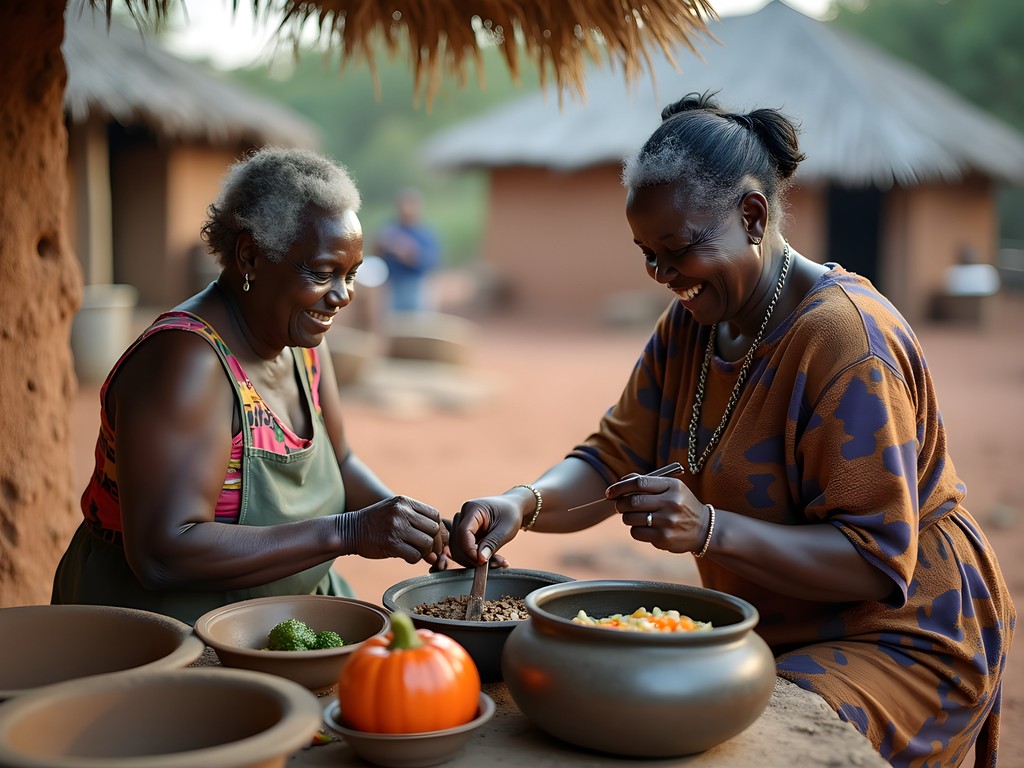
For just 10,000 CFA ($17) per night including meals, I spent three nights with Mama Josephine's family in their compound on Dolisie's eastern edge. My room was basic—a foam mattress on a platform bed with a mosquito net—but the cultural immersion was priceless. Each evening, I joined three generations of family around the outdoor cooking fire, attempting to learn phrases in Kituba while helping prepare fufu (cassava dough) and saka-saka (cassava leaves stew).
These homestays aren't listed online; they operate through word-of-mouth and local connections. Finding them requires patience and networking, but they offer unparalleled insight into Congolese daily life. The language barrier can be challenging—a good French-English dictionary is essential as English is rarely spoken outside official establishments.
"Chez nous, on partage tout" (In our home, we share everything), Mama Josephine told me on my first night, insisting I try her homemade lotoko fermented palm wine. As a fermentation enthusiast, I was fascinated by her traditional techniques passed down through generations. The parallels with my research in New Zealand and Japan were striking—fermentation truly connects cultures across continents.
💡 Pro Tips
- Learn basic Kituba greetings to show respect to your host family
- Bring a small gift for your host family—photos from your country or school supplies for children are appreciated
- Respect water usage as most homestays have limited supply from community wells

Practical Survival Tips for Dolisie Accommodations
Dolisie demands flexibility from travelers—power outages are frequent, water supply intermittent, and comfort standards vastly different from Western expectations. Yet these challenges create the conditions for genuine connection and adventure that mass tourism destinations rarely offer.
Power banks are non-negotiable here. My solar power bank proved invaluable during the frequent blackouts, especially since I could recharge it during daylight hours without electricity. Similarly, a sleep sheet gave me peace of mind in various beds of questionable cleanliness.
Security concerns are often exaggerated for Dolisie. I felt safe walking main streets during daylight hours, though I avoided night wanderings and always kept valuables secured. Most guesthouses have watchmen, and Congolese people are generally protective of visitors. That said, discretion with expensive equipment is wise—I kept my phone charging setup hidden and used my anti-theft daypack for market excursions.
Stomach issues are almost inevitable for visitors. Beyond purifying water, I relied heavily on electrolyte packets to stay hydrated during a brief bout of digestive distress. Pack twice as many as you think you'll need—you might share with fellow travelers in similar straits.
Perhaps most importantly, bring patience and humility. Things in Dolisie operate on heure congolaise (Congolese time)—flexible, unpredictable, but somehow always working out in the end.
💡 Pro Tips
- Download offline maps before arrival as internet connectivity is unreliable
- Register with your embassy or consulate before visiting this remote region
- Establish a relationship with a trusted taxi driver for your entire stay
Final Thoughts
Dolisie won't coddle you with luxury accommodations or Instagram-perfect settings. Instead, it offers something increasingly rare in our hyperconnected world—genuine human connection and the opportunity to experience a place still writing its own story outside the influence of mass tourism. From the moment Mama Josephine insisted I take seconds of her saka-saka, to Pascal's patient explanations of forest ecology at Mayombe Eco-Lodge, I found myself embraced by a hospitality that transcends commercial transactions.
As I prepare to leave Congo for my next adventure, I'm struck by how these simple accommodations have provided such profound experiences. My French father always said, "Ce n'est pas l'hôtel qui fait le voyage, mais les gens que l'on y rencontre" (It's not the hotel that makes the journey, but the people you meet there). Nowhere has this proven truer than in Dolisie.
If you're seeking authentic experiences over comfort, connections over convenience, and stories over souvenirs, Dolisie's humble accommodations offer richness that luxury cannot buy. Pack your patience, open your heart, and prepare to be transformed by this challenging yet rewarding corner of Congo.
✨ Key Takeaways
- Budget accommodations in Dolisie range from $17-50 USD per night
- Community homestays offer the most authentic cultural experiences but require local connections to arrange
- Mayombe Eco-Lodge provides the best balance of comfort and nature immersion
- Basic French language skills are essential for finding and negotiating accommodations
📋 Practical Information
Best Time to Visit
June-August (dry season)
Budget Estimate
$25-50/night for accommodation, $15-30/day for food and local transport
Recommended Duration
3-5 days in Dolisie, longer if exploring surrounding forests
Difficulty Level
Challenging

Comments
citylife
I stayed in Dolisie for three nights back in 2024 on my way to Pointe-Noire. Totally agree about the hospitality - people were so welcoming even though I was one of maybe five tourists in the whole town lol. The guesthouse I stayed at didn't have hot water but the family who ran it made incredible food every morning. It's definitely not for everyone but if you want real Africa and not the safari tourist version, this is it.
Douglas Bradley
Really appreciate this write-up, Ana. The Republic of Congo gets overshadowed by its larger neighbor, but the cultural immersion opportunities are incredible. I spent time in Brazzaville last year and found the same authentic hospitality you describe. The Mayombe Eco-Lodge sounds particularly interesting from a sustainable tourism perspective. Did you find the language barrier challenging in the homestays? My French is passable but I struggled with the local Kikongo dialects in rural areas. Would love to hear more about how the eco-lodge balances tourism with forest conservation.
citylife
Yeah the language thing is real. Basic French gets you pretty far though in my experience traveling through Central Africa.
roamguide
How do you actually book the homestays? Is there a website or do you just show up?
citylife
Most places in smaller African cities you gotta arrange through WhatsApp or local contacts. Email doesn't really work there in my experience.
roamguide
Good to know, thanks!
luckystar
This looks amazing! Never even heard of Dolisie before.
Douglas Bradley
Ana, excellent documentation of an under-reported destination. Your analysis of the accommodation spectrum in Dolisie fills a real gap - most Congo travel content focuses exclusively on Brazzaville or Pointe-Noire. I'm particularly interested in the Mayombe Eco-Lodge's sustainability practices. Are they working with any established certification programs, or is this more grassroots environmental stewardship? The distinction matters for readers trying to make informed choices about genuine eco-tourism versus greenwashing. Also, for context: what's the approximate price range across these accommodation types? Even rough figures help travelers budget appropriately for this region.
Ana Armstrong
Douglas, great question. It's more grassroots - they're working directly with Mayombe forest communities on conservation rather than pursuing international certifications. Prices ranged from $15-20/night for basic homestays to $60-80 for the eco-lodge. Mid-range guesthouses around $30-40.
roambuddy
The homestay section really hit home. Did something similar in rural Gabon last year and it completely changed how I travel. These experiences aren't on Booking.com but they're what you remember years later. Quick tip for anyone heading there - bring small gifts from your home country for host families. Nothing expensive, just postcards, photos, maybe some tea or coffee. They appreciated that way more than extra payment. Also, patience with electricity and water schedules is essential. My headlamp was a lifesaver during evening power cuts.
oceanstar
Great tip about the gifts! What kind of postcards worked best?
roambuddy
Anything showing your hometown or famous landmarks. Kids especially loved them. One family put mine on their wall!
photohero
That sunset shot over the Mayombe foothills is stunning! What did you shoot with?
oceanstar
Is it safe for solo female travelers? Thinking about going but a bit nervous
Ana Armstrong
I felt very safe, actually safer than in some bigger cities. The guesthouse owners look out for you and community is tight-knit. Just use normal travel precautions and connect with accommodations before arriving.
photohero
Agreed with Ana. Smaller cities in Congo are generally welcoming. Just arrange airport pickup through your guesthouse
Amanda Morris
Ana, this brought back so many memories! I stayed in a similar community homestay outside Brazzaville three years ago and you've captured that exact feeling - where hospitality isn't transactional, it's just... life. The shared meals, the children's curiosity, the grandmother who insisted on teaching me to prepare manioc properly. Did you find language barriers challenging in the homestays? My French is decent but the local Kikongo phrases made all the difference in connecting with families. Your point about Dolisie not coddling travelers really resonates - sometimes the best experiences come from places that ask something of us in return.
Ana Armstrong
Amanda! Yes, the language dance was real. My French got me by, but learning even basic Kikongo greetings opened so many doors. One host family practically adopted me after I attempted their morning greeting ritual!
roamhero
Wow never even heard of this place! Adding to my list
Venture X
Premium card with 2X miles, $300 travel credit, Priority Pass