

Disclosure: This article contains affiliate links. We may earn a commission from purchases at no extra cost to you, which helps our travel content.
The moment my boots hit Djerba's sun-baked soil, I knew this Tunisian island wasn't just another business stopover. I'd come to consult on sustainable grazing practices for a local agricultural development project, but what I discovered was an architectural wonderland where centuries-old building techniques meet modern luxury. After five visits spanning different seasons, I've compiled my definitive guide to the island's most remarkable accommodations – places where the structural integrity impresses as much as the cultural experience.

Traditional Houara Cave Dwellings: Underground Luxury
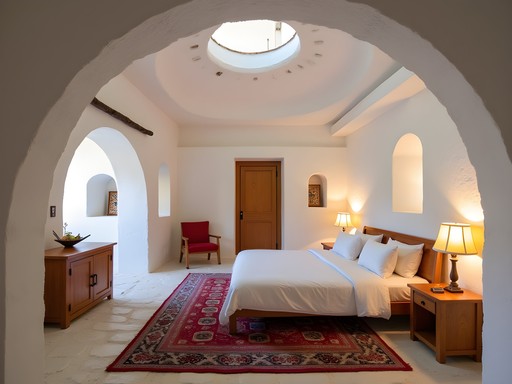
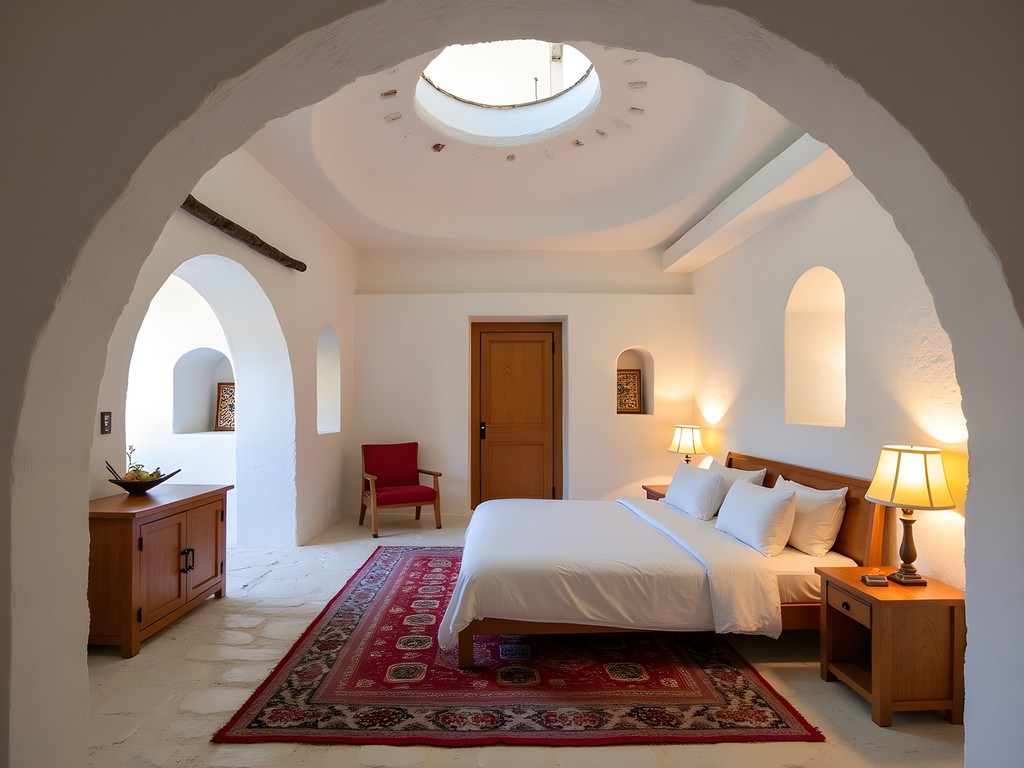
My first Djerban accommodation experience came through a local contact who insisted I experience the island's traditional underground dwellings. These aren't primitive caves but sophisticated structures where generations of engineering knowledge have created naturally climate-controlled spaces that maintain a perfect 72°F year-round without mechanical assistance.
I stayed at Dar Dhiafa, a meticulously restored complex of connected cave dwellings in Erriadh village. The 14th-century structure features thick limestone walls, domed ceilings, and a central courtyard that creates natural airflow patterns I've only otherwise observed in certain Rocky Mountain canyon formations. The owners have masterfully integrated modern plumbing and electricity without compromising the structural integrity or historical significance.
What struck me most was how the thermal mass principles mirror sustainable ranch home designs I've implemented back in Virginia – proof that environmental adaptation transcends continents and centuries. Each morning, I'd wake to sunlight filtering through small, strategic apertures in the ceiling, illuminating the handwoven Berber carpets that insulate the cool stone floors.
💡 Pro Tips
- Request room #7 for the most authentic cave experience with private courtyard access
- Pack a light sweater even in summer – the natural cooling can feel chilly after sunset
- Ask the staff about the water collection system – it's an engineering marvel
Menzel-Style Boutique Hotels: Fortified Luxury
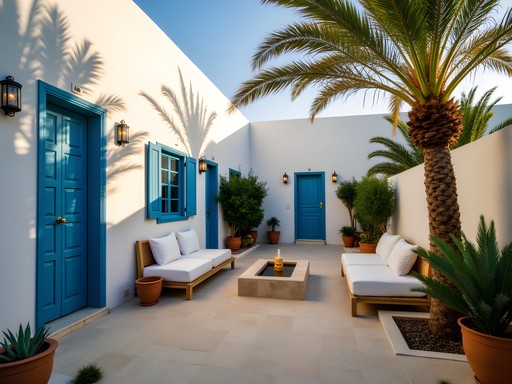
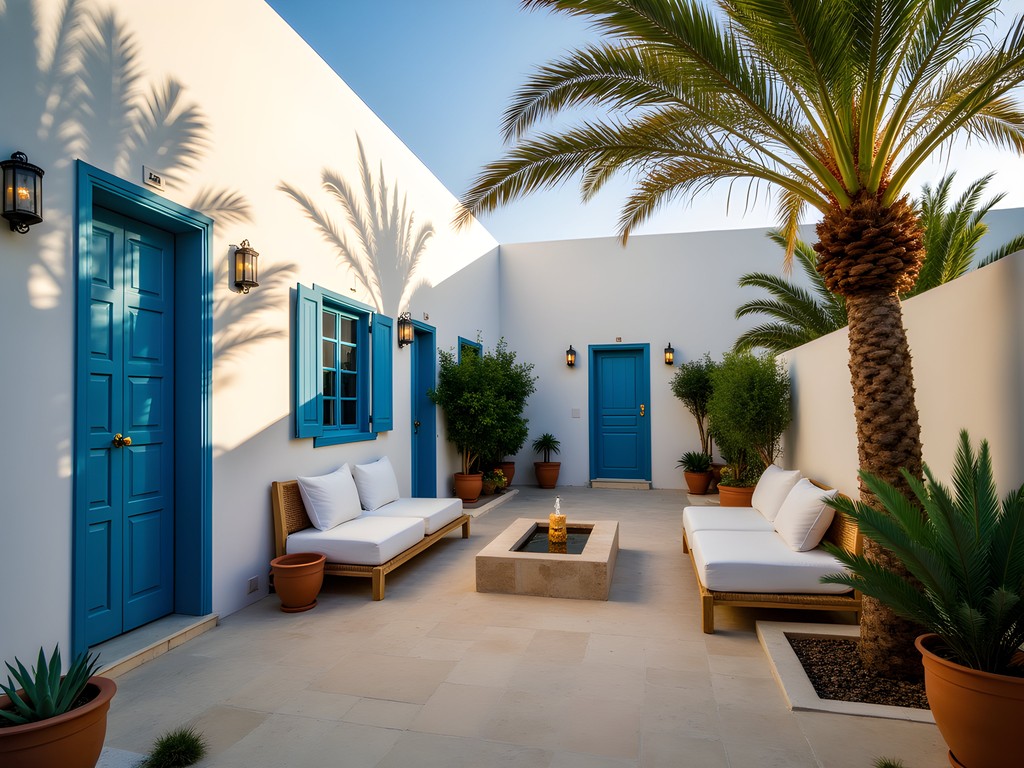
Djerba's traditional fortified homes, known as menzels, represent some of the most fascinating defensive architecture I've encountered outside of medieval European castles. These square structures with interior courtyards were originally designed to protect families and livestock from raids, but today they've been transformed into boutique accommodations that balance historical authenticity with modern comfort.
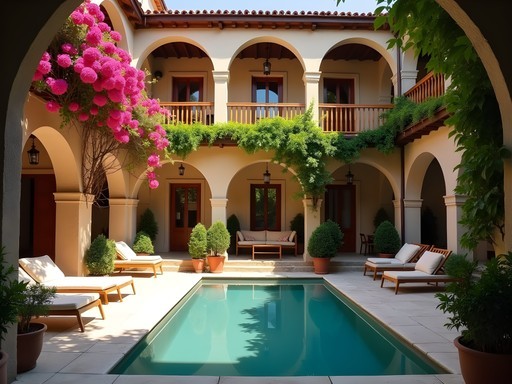
During my spring visit, I stayed at Dar Bibine, where the owners have preserved the original 18th-century defensive walls while transforming the interior courtyard into a lush garden oasis. Each room opens directly onto this central space, creating a community atmosphere reminiscent of the ranch bunkhouses I grew up with, though considerably more luxurious.
The most impressive feature is the rooftop terrace, where I spent evenings tracking the stars with my portable telescope. The absence of light pollution in this part of Djerba creates ideal stargazing conditions, and the elevation offers uninterrupted views across palm groves to the Mediterranean beyond. For wildlife enthusiasts, this vantage point provides excellent opportunities to spot migratory birds during spring and fall seasons.
💡 Pro Tips
- Book the corner suite for dual exposure and cross-ventilation
- Bring a star chart for incredible rooftop stargazing
- Request dinner on your private rooftop terrace at least once during your stay
Converted Fondouks: Merchant History Reimagined
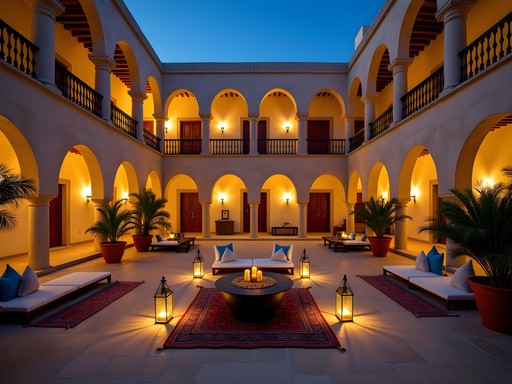
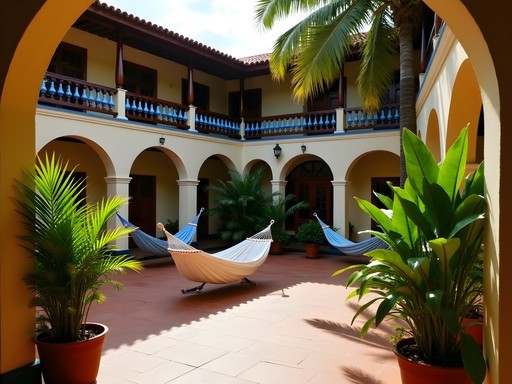
Perhaps the most architecturally fascinating accommodations on Djerba are the converted fondouks – historical merchant inns that once housed traders, their goods, and their animals. These two-story structures built around central courtyards represent a commercial architectural style that spread throughout North Africa and parts of the Middle East along trade routes.
I spent three nights at Fondouk Ellamma, a meticulously restored 16th-century structure where each guest room was once a merchant's chamber. The ground floor stables have been converted into a hammam spa and restaurant, while maintaining structural elements like the original stone feeding troughs and hitching posts – now repurposed as design features.
What impressed me most was how the renovation preserved the building's soul while introducing modern amenities. The original wooden support beams still bear load after five centuries, a testament to the engineering knowledge of medieval Berber builders. My room featured 24-inch thick walls that created natural soundproofing and temperature regulation that outperformed any modern hotel I've experienced.
During my stay, I found myself tracking the sun's movement through the central courtyard, noting how the original architects had designed the space to maximize shade during summer months while capturing warming rays during winter – passive solar design principles that predate modern sustainable architecture by centuries.

💡 Pro Tips
- Request an upper-floor room for better airflow and views of the central courtyard
- The hammam experience is exceptional – book in advance and try the traditional olive oil scrub
- Don't miss the rooftop breakfast with views across Houmt Souk's skyline

Eco-Luxury Beachfront Resorts: Sustainable Opulence
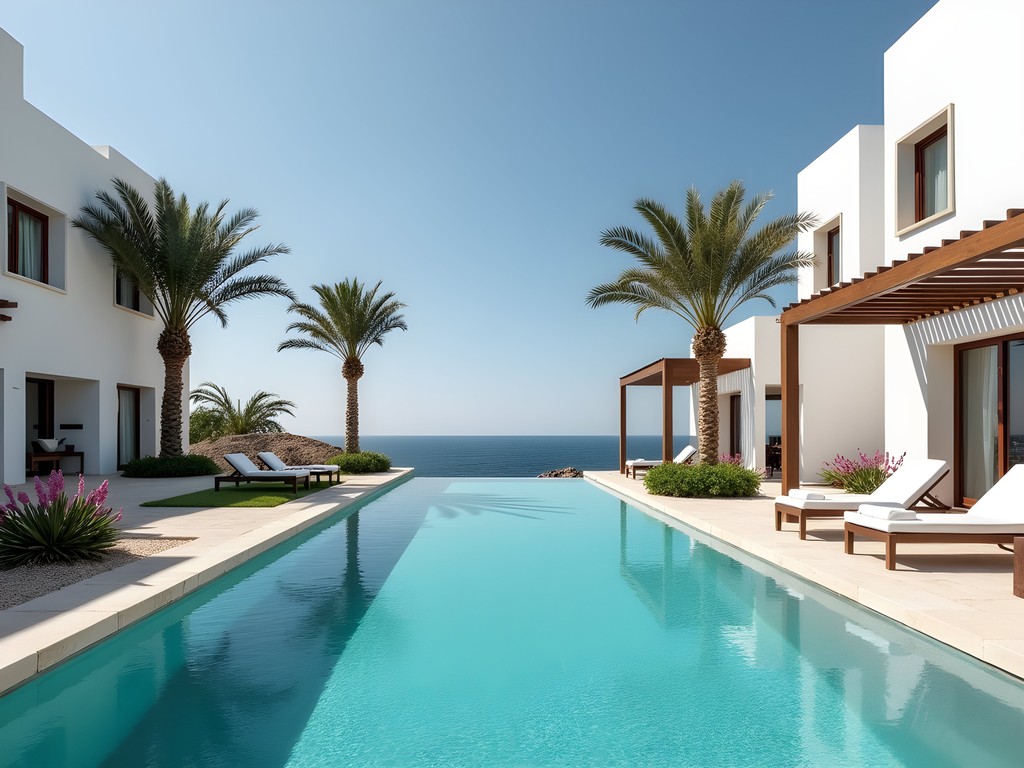
While historical accommodations offer cultural immersion, Djerba's eco-luxury beachfront resorts provide a different kind of architectural experience – one where modern sustainable design meets Mediterranean opulence. For those seeking high-end amenities without compromising environmental values, these properties represent the island's most impressive contemporary building achievements.
During my most recent visit, I splurged on three nights at Radisson Blu Palace Resort & Thalasso, where the design team has created a remarkable water conservation system that would impress any drought-conscious rancher. The property recycles 85% of its water through a sophisticated filtration system, uses solar heating for pools and hot water, and maintains extensive gardens with native drought-resistant species.
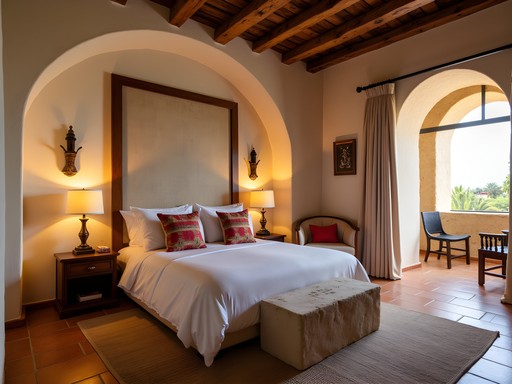
The architecture itself draws heavily from traditional Djerban forms – domed ceilings, thick walls, and strategic shading – while incorporating modern materials and technology. My suite featured floor-to-ceiling windows with specialized glazing that prevented heat gain while maximizing natural light, eliminating the need for daytime artificial lighting.
For beach days, I relied heavily on my reef-safe sunscreen to protect both my skin and the delicate Mediterranean marine ecosystem. The resort's private beach stretches for nearly a kilometer, with carefully designed access points that prevent erosion and protect the dune system that serves as a natural barrier against storm surges.
💡 Pro Tips
- Book a south-facing room for the best balance of views and natural cooling
- Pack a quick-dry beach towel for excursions to more remote beaches
- The thalassotherapy treatments use locally harvested sea minerals – worth the splurge
Converted Olive Oil Mills: Industrial Heritage Reimagined
Perhaps my most unexpected accommodation discovery came through a local agricultural contact who recommended I experience one of Djerba's converted olive oil mills. These industrial structures, some dating back 300 years, have been transformed into boutique hotels that showcase the island's agricultural heritage while providing truly unique accommodations.
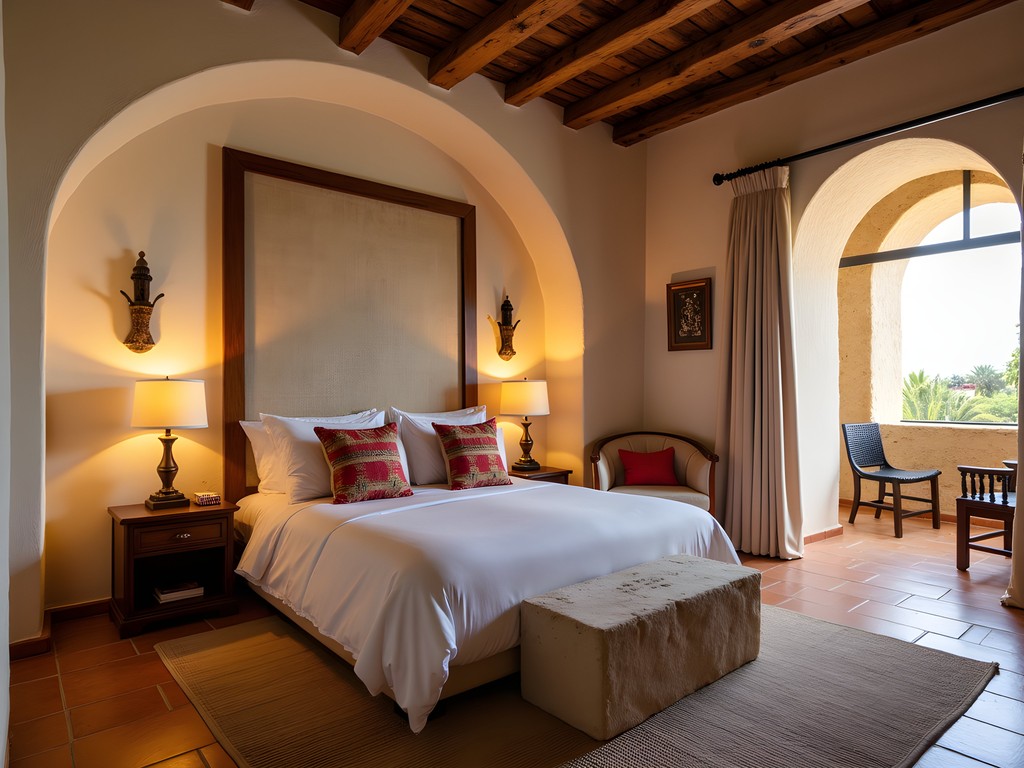
I spent two nights at Dar Zahra, housed in a restored 18th-century olive mill where the massive stone grinding wheels and wooden presses have been preserved as architectural features. My suite was built within what was once the olive storage room, with 20-foot ceilings and the original stone storage bins now serving as room dividers and display niches.
What fascinated me most was how the conversion honored the building's industrial past while creating surprisingly luxurious spaces. The main pressing room now serves as a restaurant where guests dine alongside the massive wooden screw presses that once extracted precious oil. The current owners still produce small-batch olive oil using traditional methods during harvest season, creating an agritourism experience that reminds me of the working ranch stays I've experienced in Montana.
For olive oil enthusiasts, I recommend bringing a olive oil journal to document the various local varieties you'll encounter. The hotel offers tastings featuring oils produced from different microclimates around the island, highlighting how terroir affects flavor profiles – something I found surprisingly similar to wine tasting.
💡 Pro Tips
- Book during November if you want to witness the traditional olive harvest and pressing
- Request room 4 or 5 – they feature the original stone arches and best preserved industrial elements
- Bring a headlamp for exploring the fascinating underground storage caverns
Luxury Desert Camp Experiences: Nomadic Heritage
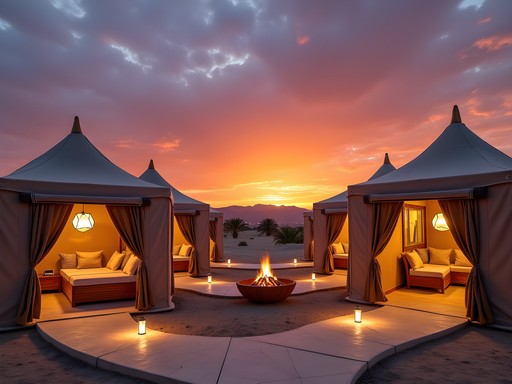
While Djerba is an island, its southern reaches feature remarkable desert landscapes where several operators have established luxury camps that blend nomadic traditions with high-end amenities. These accommodations offer a completely different experience from the coastal resorts, focusing on isolation, stargazing, and connection to the landscape.
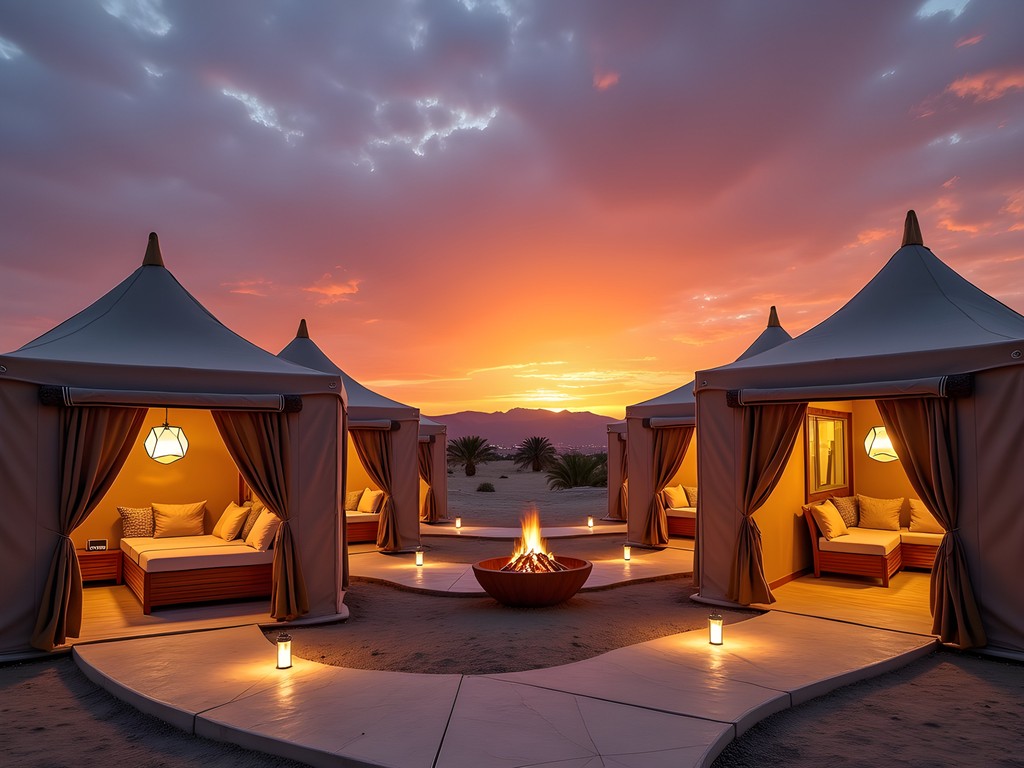
I spent an unforgettable night at Desert Rose Camp during my spring visit, staying in a traditional tent that had been upgraded with a proper bed, electricity, and even air conditioning powered by solar panels. What impressed me most was how the camp was designed to leave virtually no permanent footprint on the fragile desert ecosystem – a principle we practice religiously in sensitive grazing areas back home.
The camp's water conservation systems would impress any rancher accustomed to drought conditions. Showers use a gravity-fed system that limits flow while maintaining pressure, and all greywater is filtered and used for the small garden of native plants that surrounds the central dining tent.
For desert stargazing, I found my red light headlamp essential for navigating between tents without disrupting night vision. The absence of light pollution creates stargazing conditions that rival the best I've experienced in remote parts of the Canadian Rockies.
The camp arranged a sunset camel trek that followed ancient caravan routes, culminating in a traditional dinner served on dunes overlooking the salt flats. Our guide explained how these routes once connected Djerba to trans-Saharan trade networks that stretched across the continent – a fascinating glimpse into the island's historical significance beyond its beaches.
💡 Pro Tips
- Book during new moon for the most spectacular stargazing conditions
- Pack a insulated water bottle – staying hydrated in the desert heat is crucial
- Request the eastern-facing tent for spectacular sunrise views over the dunes
Historic Lighthouse Keeper's Quarters: Coastal Isolation
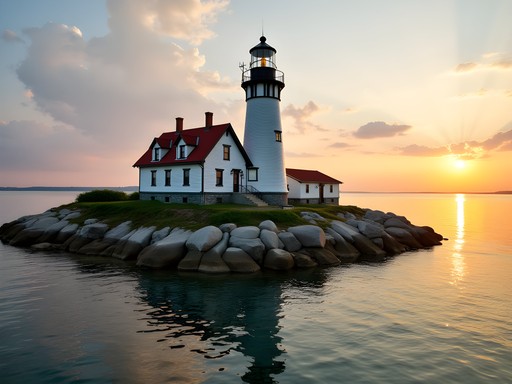
My final recommendation comes from pure serendipity – during a coastal survey of erosion patterns affecting agricultural land, I discovered that Djerba's historic Taguermess Lighthouse offers accommodations in the former keeper's quarters. This isn't widely advertised and requires booking directly through the Tunisian maritime authority, but the experience is unparalleled for those seeking coastal isolation and maritime history.
The quarters have been minimally modernized – there's electricity and running water, but no air conditioning or television – creating an experience that feels like stepping back in time. What you sacrifice in modern convenience, you gain in authenticity and location. The stone structure, built by French engineers in 1885, features walls three feet thick that keep the interior remarkably cool even during summer heat.
My three-night stay coincided with a full moon, and watching it rise over the Mediterranean from the lighthouse gallery was a photographer's dream. The current keeper, who maintains the automated light system, offers informal tours of the operational portions of the lighthouse, providing fascinating insights into maritime navigation history and modern technology.
For this stay, I was grateful for my portable power station to keep camera batteries and devices charged, as the electrical outlets are limited and somewhat unreliable. Birdwatchers should bring their best optics – the lighthouse is positioned along a major migration route, and the elevated observation platform offers unparalleled viewing opportunities during spring and fall passages.

💡 Pro Tips
- Book at least 3 months in advance – there's only one guest accommodation and it fills quickly
- Bring all food supplies with you – there are no nearby restaurants or shops
- Pack a waterproof dry bag for protecting electronics during coastal exploration
Final Thoughts
Djerba's accommodation landscape represents a masterclass in architectural adaptation and reinvention. From cave dwellings that employ passive cooling techniques perfected over millennia to modern eco-resorts implementing cutting-edge sustainability technology, the island offers a remarkable study in how buildings can work harmoniously with their environment.
What struck me throughout my stays was how each property type tells a different chapter of Djerba's story – the defensive menzels speaking to its history of resilience, the fondouks highlighting its commercial importance, and the converted industrial buildings showcasing its agricultural heritage.
As someone who spends my professional life thinking about how human structures interact with natural landscapes, Djerba offered unexpected lessons in sustainability and adaptation that I've carried back to my ranching operations in Virginia. Whether you're drawn to historical immersion or luxury amenities, the island delivers accommodations that go far beyond mere places to sleep – they're portals to understanding this remarkable Mediterranean crossroads.
When you visit, I encourage you to ask questions about the buildings themselves – how they were constructed, how they've been adapted, and what they can teach us about living thoughtfully within our environments. The answers might just change how you think about the spaces you inhabit back home.
✨ Key Takeaways
- Book accommodations that align with your interests – architectural history, sustainability, or cultural immersion
- Spring offers the ideal balance of comfortable temperatures and lower tourist numbers
- The most unique properties require advance booking, especially the lighthouse keeper's quarters
- Pack for both beach and desert environments if you plan to explore the full range of the island
📋 Practical Information
Best Time to Visit
March through May
Budget Estimate
$200-600 per night depending on property
Recommended Duration
7-10 days
Difficulty Level
Intermediate
Comments
nomadpro
Just booked for March based on this post! Found some good deals on the boutique hotels if you book direct instead of through the big sites. Also grabbed this guidebook to prep - has a whole section on Djerba's architecture that goes deeper into the history.
escapemate
thanks for the tip about booking direct!
greenlover4583
You mentioned sustainable practices - are the eco resorts actually legit or just greenwashing? Really want to travel more responsibly but hard to know what's real
Claire Hawkins
This post came at the perfect time! We're planning a family trip for next spring and I've been struggling to find somewhere that feels authentic but still comfortable for traveling with kids. The menzel-style boutique hotels sound ideal - that fortified architecture is fascinating and my 8-year-old would lose his mind over staying somewhere that looks like a castle. Are any of these places particularly family-friendly? Also curious about the beaches nearby since we'll need some downtime between cultural experiences. Tunisia has been on my radar but Djerba specifically wasn't until now!
wintervibes
i went with my sister's kids last year and they loved it! beaches are amazing and super safe
Claire Hawkins
Oh that's so good to hear! Did you stay on the island the whole time or do day trips to the mainland?
wildlegend2558
Love the photos! That sunset shot is gorgeous
dreamclimber
This is exactly what I needed! Going to Djerba in January - is that a good time for the eco-luxury resorts? Or would another season be better? Been saving up for this trip forever!
Justin Cruz
January is actually perfect for Djerba if you're not focused on swimming! Temperatures are mild (around 15-20°C) and you'll have most places to yourself. The eco-resorts often have heated pools and indoor amenities too. I'd recommend bringing a good jacket for evenings - I used my packable down jacket which was perfect for the cool nights but packed down tiny during warmer days. Enjoy your trip!
dreamclimber
That's great to know! Mild temps sound perfect after our freezing winters. Just booked the Menzel-style hotel you recommended - can't wait!
escapemate
how do you book the cave dwellings?
Jose McDonald
Justin this is AMAZING!! I've been looking for something different than the usual Mediterranean spots and Djerba sounds perfect. The converted fondouks really caught my eye - staying in an actual merchant caravanserai would be so cool for content. How was the connectivity there? I need decent wifi for uploading but also want that authentic experience you described. The sustainable grazing angle is really interesting too, would love to hear more about that project!
nomadpro
same question about wifi! working remotely and want to go but need reliable internet
wintervibes
Those cave dwellings look absolutely incredible!! Adding this to my bucket list right now
happylover
We stayed at a menzel-style place last April and it was honestly one of our best accommodation experiences ever. The passive cooling thing is real - no AC needed even though it was pretty hot outside. The breakfast spread every morning was incredible, all local ingredients. Pro tip: bring a good travel adapter because the outlets in these older buildings can be quirky. Also the stargazing from the rooftop terrace was unreal!
Nicole Russell
Justin, your timing is perfect! I just got back from Djerba last month and stayed at one of those converted fondouks you mentioned. The architecture was INCREDIBLE - all those merchant corridors transformed into these cozy little nooks with modern amenities but still keeping the historical vibe. The courtyard had this amazing stargazing setup at night. Did you get a chance to try any of the local food spots near Houmt Souk? There was this tiny place serving the best brik I've ever tasted, literally dripping with tuna and egg. I'm heading back in spring and definitely want to try those cave dwellings - the passive cooling sounds perfect for those hot days!
dreamclimber
Those cave dwellings look amazing! Were they claustrophobic at all? I've always wanted to try something like that but get a bit anxious in enclosed spaces...
Nicole Russell
@dreamclimber Not at all! The ones I peeked at were surprisingly spacious. They're carved out pretty generously and most have been modernized with bigger windows and doorways. Plus they keep them so bright inside with strategic lighting. If you're worried, maybe start with just one night?
dreamclimber
That's so helpful, thanks Nicole! One night sounds like a good plan to test it out.
Venture X
Premium card with 2X miles, $300 travel credit, Priority Pass