
Disclosure: This article contains affiliate links. We may earn a commission from purchases at no extra cost to you, which helps our travel content.
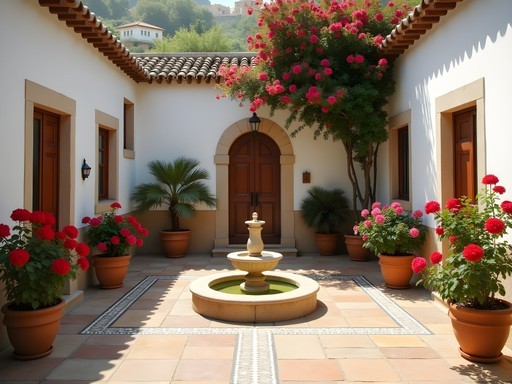
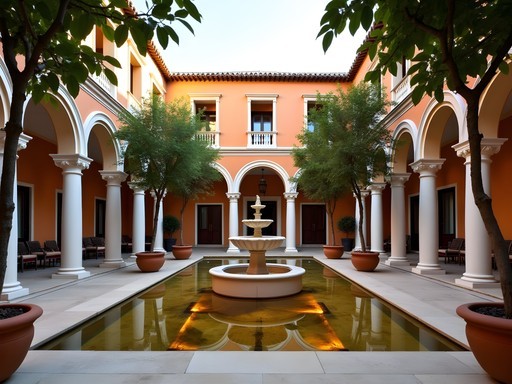
The first time I wandered through Cordoba's labyrinthine streets during spring, I was mesmerized not just by the famous Mezquita or the Roman Bridge spanning the Guadalquivir, but by what lay behind the unassuming white-washed facades: courtyards bursting with geraniums in terracotta pots, the gentle trickle of fountains cooling the Andalusian air, and families gathering in these oases of calm. These traditional patios aren't just architectural features—they're living museums of Cordoba's multicultural heritage, spaces where Roman, Islamic, and Christian influences have merged over centuries to create something uniquely Cordobés. Today, many of these historic homes have transformed into intimate accommodations that offer travelers a genuine connection to the city's soul. As someone who seeks out healing spaces and cultural authenticity in my travels, I've discovered that where you stay in Cordoba can be as transformative as the landmarks you visit.

The Magic of Staying in Historic Patio Houses
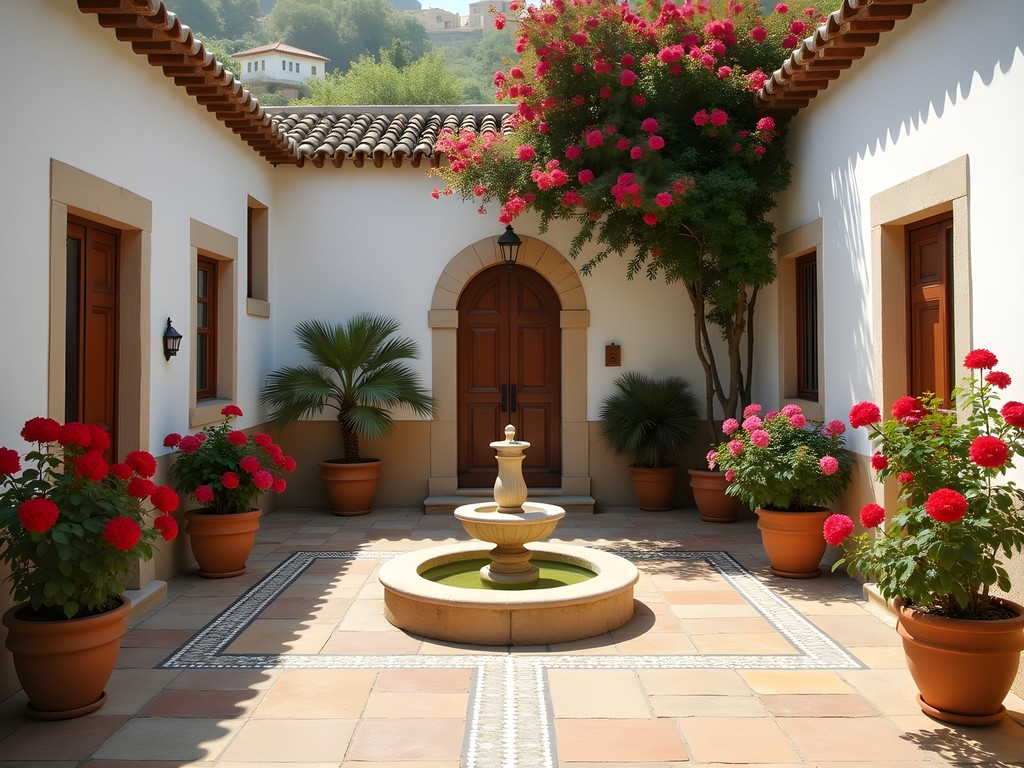
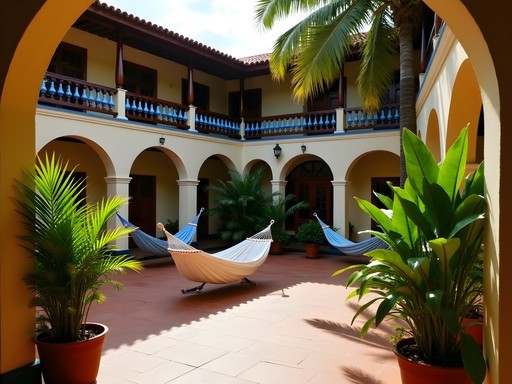
There's something almost medicinal about waking up in a traditional Cordobés patio house. These architectural gems—many dating back to the 16th and 17th centuries—were designed with an intuitive understanding of wellbeing that modern hotels often lack. The central courtyard acts as a natural cooling system, creating a microclimate that has helped residents survive Andalusia's scorching summers for generations without modern air conditioning.
During my first stay at Hospedería del Atalia in the Jewish Quarter, I was struck by how the morning light filtered through the orange trees, casting dappled shadows across ancient stones. The owner, Señora Carmela, explained that the positioning of plants, water features, and seating areas wasn't random but followed principles passed down through generations—creating spaces that naturally reduced anxiety and promoted rest.
For an authentic experience, consider staying at Casa de los Naranjos, where each room opens to a different section of the fragrant courtyard. The rooms maintain their historic character while subtly incorporating modern comforts. What makes these accommodations special isn't luxury in the conventional sense, but the opportunity to participate in a living tradition.
My grandmother would have appreciated how these spaces embody what she called baraka—a kind of blessed energy that accumulates in places where people have lived well for generations. You feel it in the worn marble steps, in the ancient wooden beams, and in the particular quality of silence that settles over the patio at dusk.
Many patio houses participate in Cordoba's famous Patio Festival each May, when private courtyards open to the public in a celebration of floral artistry. Booking a stay during this period means you'll be living inside one of the festival's star attractions—though reservations need to be made many months in advance.
💡 Pro Tips
- Book patio houses 6-8 months in advance if visiting during the May Patio Festival
- Request a room facing the courtyard rather than the street for the full experience
- Ask proprietors about the history of specific plants or architectural elements—many have fascinating stories
Boutique Hotels Blending Tradition with Modern Luxury
For travelers seeking the soul of historic Cordoba without sacrificing modern comforts, the city's boutique hotels offer an elegant compromise. These establishments—often housed in restored historic buildings—honor Andalusian architectural traditions while incorporating contemporary design and amenities.
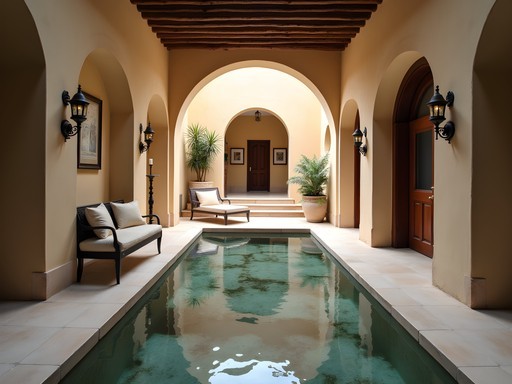
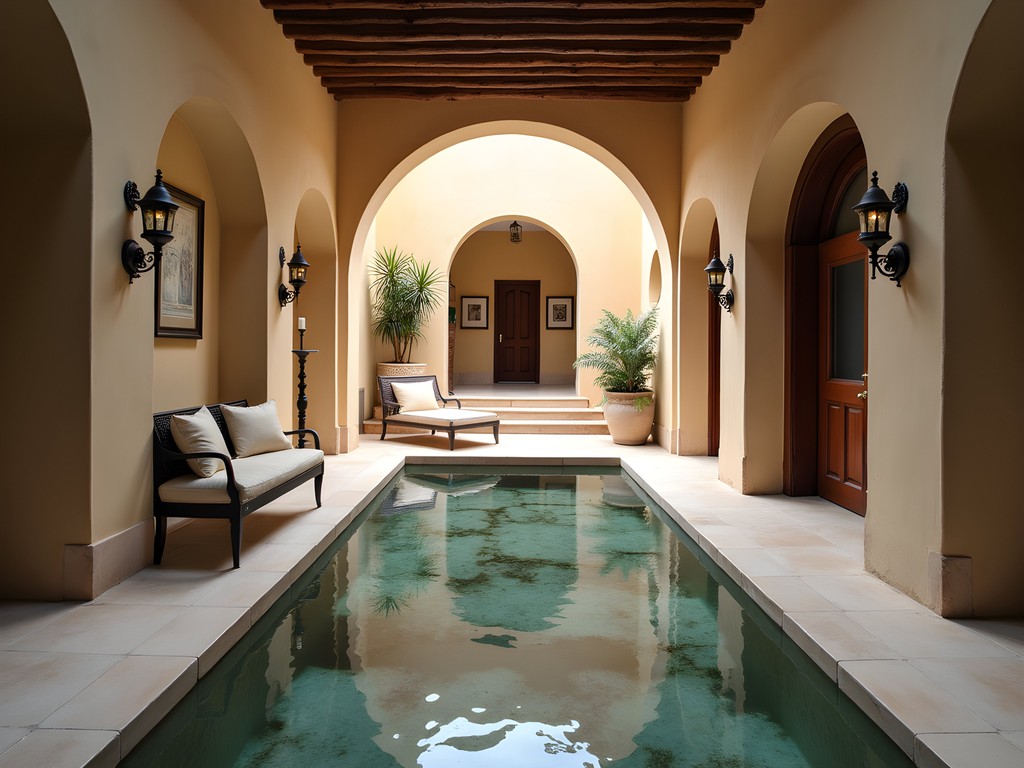
Hotel Hospes Palacio del Bailío stands as perhaps the finest example of this balance. Set in a 16th-century palace, the hotel preserves its historical essence while adding thoughtful modern touches. During my stay last spring, I spent hours in their Roman-inspired spa, where ancient bathing rituals have been reimagined for contemporary wellness seekers. The thermal circuit, featuring a series of pools at varying temperatures, follows principles remarkably similar to the hammam traditions my Algerian grandmother practiced—a reminder that healing wisdom often transcends cultural boundaries.
For a more intimate experience, H10 Palacio Colomera occupies a beautifully restored 19th-century mansion surrounding a traditional Andalusian courtyard. What impressed me most was how they've maintained the building's original pharmacy cabinets in the lounge area—a nod to the property's history as a place of healing and community gathering.
When packing for these boutique properties, I always bring my silk sleep mask, which has been essential for those mornings when the brilliant Andalusian sunshine streams through historic windows earlier than I might prefer to wake.
These boutique hotels typically offer excellent concierge services that can arrange experiences rarely found in guidebooks—from private patio tours to visits with local herbalists who maintain Andalusia's mixed Arab-Christian healing traditions. Don't hesitate to inquire about these deeper cultural connections.
💡 Pro Tips
- Request rooms facing interior courtyards rather than streets for a more authentic experience
- Book spa treatments that incorporate local ingredients like olive oil and orange blossom
- Ask concierges about neighborhood-specific experiences rather than just the major attractions
Staying in Cordoba's Historic Neighborhoods
The neighborhood you choose in Cordoba dramatically shapes your experience of the city. Each district carries its own rhythm, stories, and healing energy—a concept my grandmother would have called the ruh al-makan (the spirit of place).
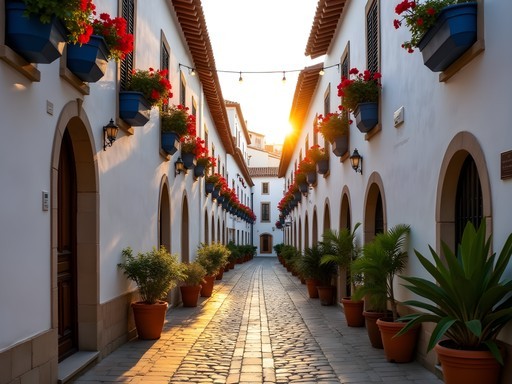
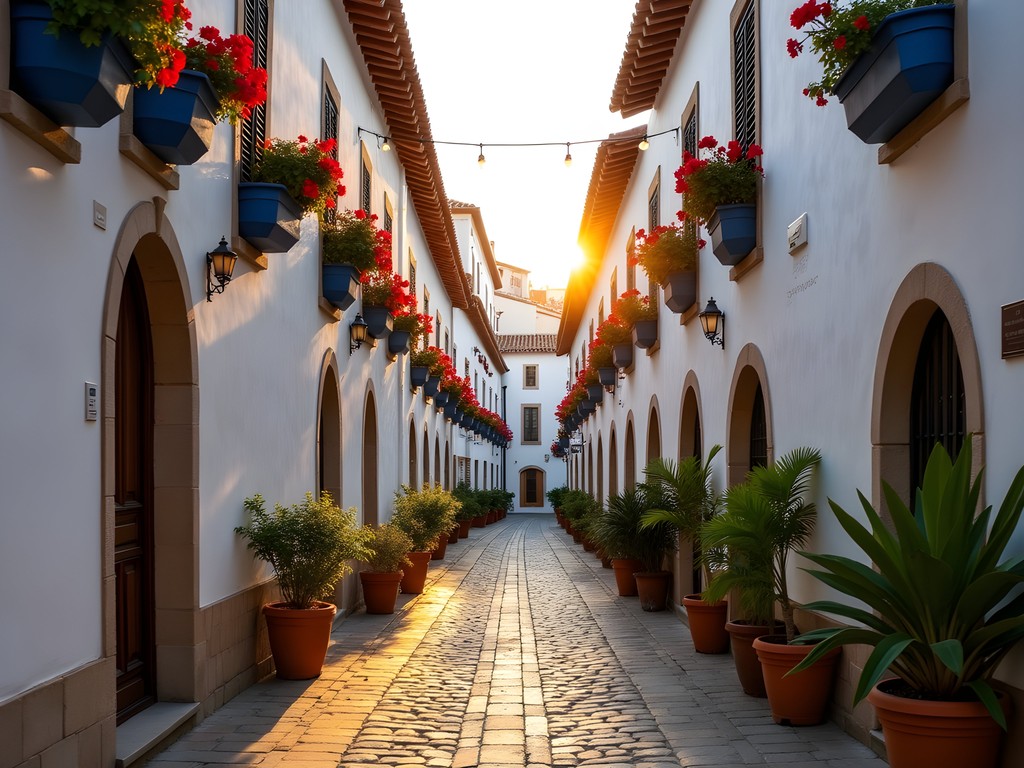
The Judería (Jewish Quarter) remains the most popular area for visitors, and with good reason. Its narrow, winding streets create a labyrinth of discovery where time seems to slow down. Staying here places you steps from the Mezquita-Cathedral and allows for early morning or evening visits when the crowds thin and the true spiritual essence of the monument emerges. During my research on traditional healing spaces, I've found that experiencing these sacred sites during quieter hours reveals their therapeutic qualities that get lost in the daytime bustle.
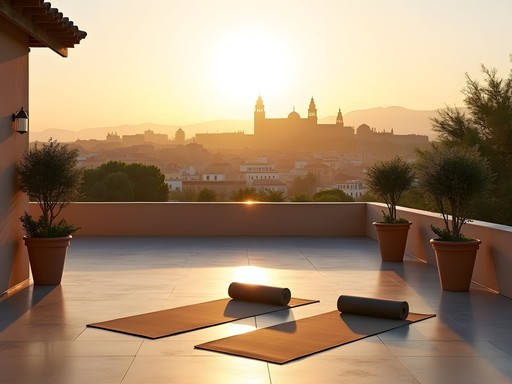
Hotel Viento10 exemplifies the perfect Judería accommodation—a thoughtfully restored 16th-century home with just six unique rooms. What makes it special is how the renovation preserved the building's original healing elements—the natural ventilation system, the courtyard's microclimate, and the roof terrace where guests can practice morning meditation overlooking ancient rooftops.
For those seeking a less touristy experience, I recommend accommodations in the San Basilio district, home to the famous Alcázar Viejo patios. This neighborhood maintains a stronger local character while still being walkable to major sites. The family-run Casa Baños de la Villa offers rooms surrounding a traditional courtyard and includes access to a restored Arab bath—a perfect way to experience the water-based healing traditions that have defined Mediterranean wellness for centuries.
For longer stays, I suggest the San Lorenzo neighborhood, where daily life unfolds around you rather than tourist attractions. Here, you'll find excellent apartment rentals in historic buildings, often at better rates than the city center. My portable espresso maker has been invaluable during apartment stays, allowing me to enjoy morning coffee in hidden plazas where locals gather.
💡 Pro Tips
- In the Judería, request upper-floor rooms to minimize street noise
- Book accommodations with roof terraces for private evening views of the city
- Choose San Basilio for proximity to the Alcázar gardens—perfect for morning walks

Family-Run Guesthouses with Authentic Andalusian Hospitality
My most profound connections to Cordoba have come through stays in family-run guesthouses, where hospitality isn't a service but a deeply held cultural value. In Andalusia, this tradition is called acogida—a concept that goes beyond mere welcome to embrace the stranger as family.
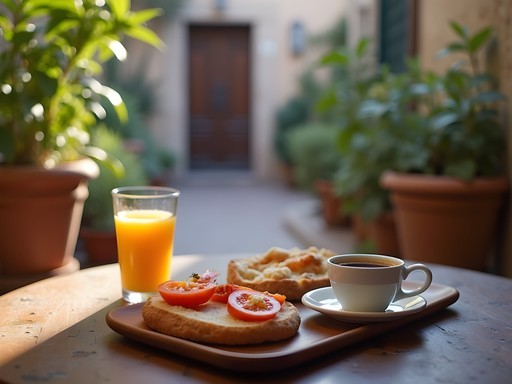
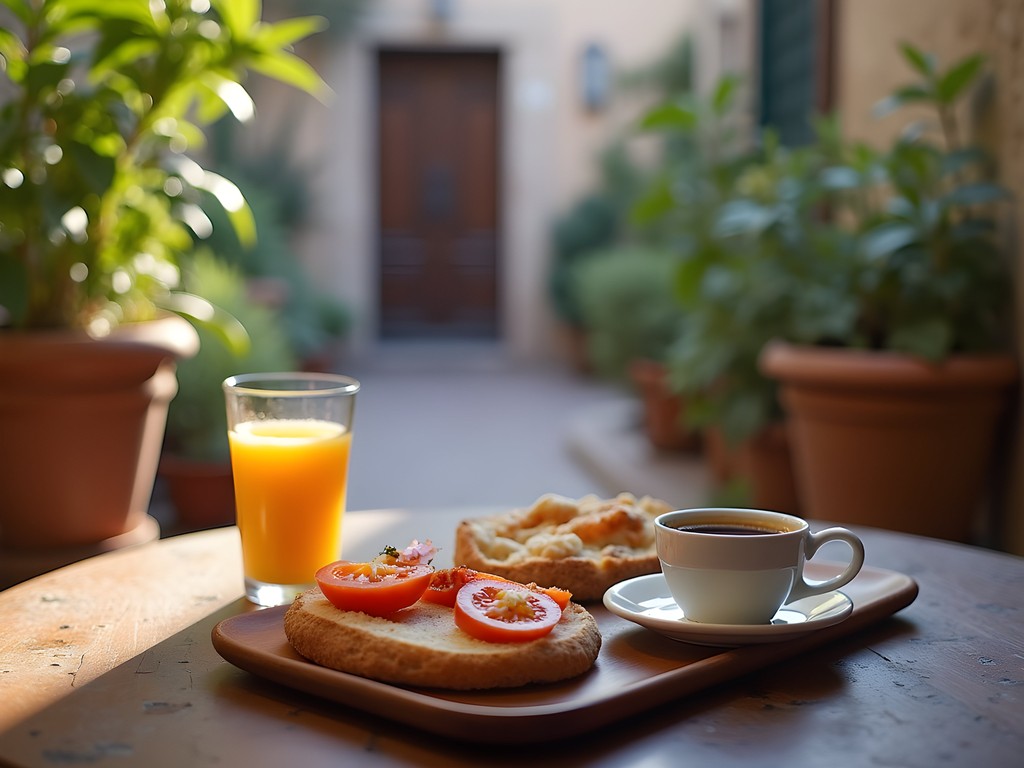
Casa de Hospedes Maestre sits on a quiet street near the Mezquita, run by three generations of the same family. What appears at first glance to be a simple guesthouse reveals itself as a treasury of local knowledge and tradition. Señora Isabel, the grandmother who still oversees breakfast preparation each morning, once shared with me her family's orange blossom tea recipe—a remedy for insomnia that has been passed down through generations of Cordoban women.
The rooms at these guesthouses may lack the polished luxury of boutique hotels, but they offer something more valuable: authenticity. At Hospedería El Churrasco, the rooms surround a flower-filled courtyard where guests often gather in the evening to share stories. The owner, Miguel, is a repository of local folklore and can point you toward experiences most tourists never discover—from neighborhood healers who still practice traditional medicine to the best time to visit the Arab baths for maximum therapeutic benefit.
For families traveling together, these guesthouses often offer connected rooms or small apartments that allow for togetherness while experiencing local life. Many provide simple kitchenettes where you can prepare some meals using ingredients from nearby markets—an opportunity to engage with local food traditions.
During my stays, I've found my travel journal essential for recording the stories and remedies shared by these keepers of local wisdom. These encounters have formed the heart of my research into Mediterranean healing traditions and provided insights no guidebook could offer.
💡 Pro Tips
- Ask guesthouse owners for recommendations on local tabernas where tourists rarely go
- Inquire about family recipes—many hosts are delighted to share traditional Cordoban dishes
- Request rooms facing interior courtyards for authentic patio experiences
Sustainable and Wellness-Focused Accommodations
A growing number of Cordoba's accommodations are embracing sustainability principles that align remarkably well with traditional Andalusian architectural wisdom. These properties offer mindful travelers spaces that honor both environmental consciousness and cultural heritage.
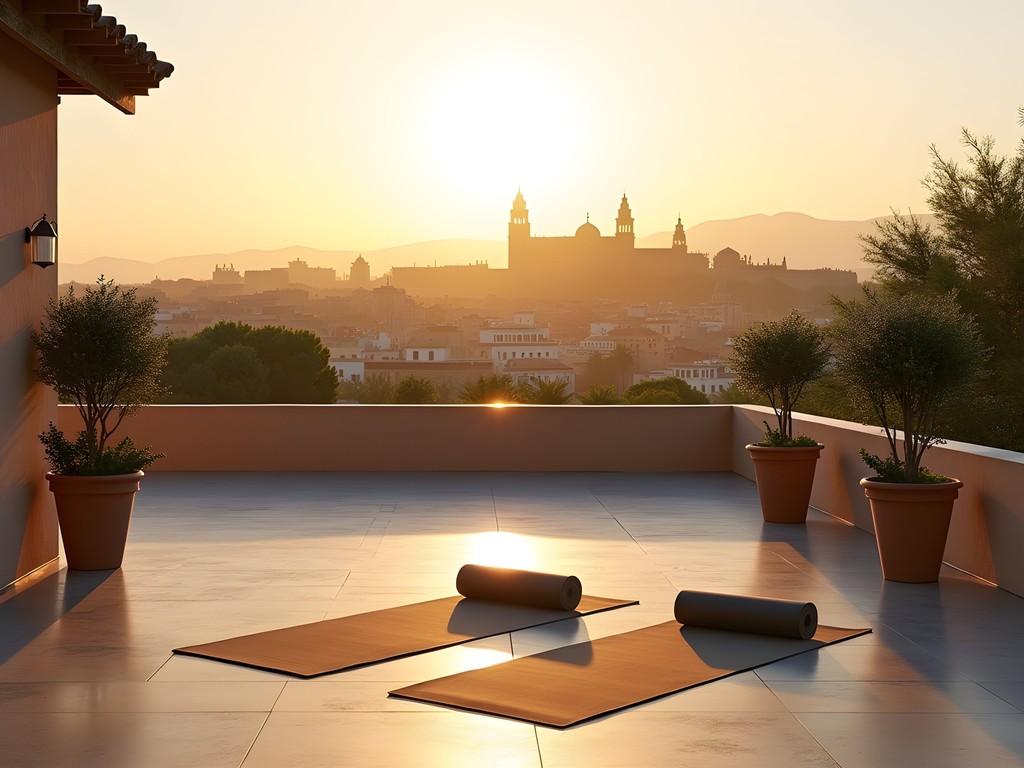
Hotel Caireles, located near the Roman Bridge, exemplifies this approach with its careful restoration of a historic building using local materials and artisanal techniques. What drew me to this property was their rooftop yoga space overlooking the Guadalquivir River—a perfect setting for morning practice as the city awakens. The hotel works with local wellness practitioners to offer guests experiences rooted in Andalusian traditions, from herbal workshops to guided meditation in historic gardens.
For those seeking deeper wellness experiences, Balcón de Córdoba offers rooms designed according to principles that would have been familiar to my grandmother—proper air circulation, natural materials, and strategic use of light and shadow to promote rest. Their breakfast features organic produce from nearby farms, including medicinal herbs that have been used in Andalusian folk medicine for centuries.
During my spring visits, I've found these properties particularly attuned to the seasonal rhythms that traditional healing systems emphasize. Many organize special activities during spring equinox and other seasonal transitions that were considered powerful healing times in Mediterranean traditions.
When staying at wellness-focused properties, I always bring my travel yoga mat for impromptu practices in peaceful courtyards or roof terraces. These moments of mindful movement in historically significant spaces create a unique connection to the cultural practices that have sustained wellbeing in this region for centuries.
What makes these accommodations special isn't just their environmental commitment but how they've recognized that traditional Andalusian architecture—with its emphasis on natural cooling, communal spaces, and integration with nature—was inherently sustainable long before the concept became fashionable.
💡 Pro Tips
- Book properties with roof access for morning meditation or yoga with city views
- Ask about seasonal wellness offerings tied to traditional Andalusian calendar
- Look for accommodations that partner with local herbalists for unique wellness experiences
Final Thoughts
Choosing where to stay in Cordoba isn't merely a logistical decision—it's an opportunity to participate in living traditions that span centuries. Whether you select a historic patio house where generations have found respite from summer heat, a boutique hotel honoring Andalusian architectural wisdom, or a family guesthouse where recipes and remedies are shared alongside breakfast, your accommodation becomes part of your healing journey through this remarkable city. As my grandmother often reminded me, the spaces we inhabit shape our experiences in profound ways. In Cordoba, where Roman, Islamic, Jewish, and Christian influences have created unique environments for rest and renewal, this wisdom feels especially relevant. I invite you to look beyond star ratings and amenities to find accommodations that connect you to the city's soul—places where the whispers of history might just offer exactly the medicine your modern spirit needs.
✨ Key Takeaways
- Book accommodations with traditional patios for an authentic Cordoban experience
- Consider staying in different neighborhoods to experience distinct aspects of the city
- Family-run guesthouses offer cultural insights rarely found in larger hotels
- Spring visits coincide with the famous Patio Festival, requiring advance booking
📋 Practical Information
Best Time to Visit
Spring (April-May) for moderate temperatures and the Patio Festival
Budget Estimate
€80-150 per night for quality mid-range accommodations
Recommended Duration
2-3 nights minimum
Difficulty Level
Beginner



Comments
exploreace
Those patio photos are incredible!
Sage Dixon
Liam, this brings back so many memories! I stayed in one of those converted patio houses near Plaza de las Tendillas two years ago. The owner, an elderly Andalusian woman, would leave fresh orange juice and pastries in the courtyard every morning. She didn't speak much English, but we'd sit together while she explained the history of each tile pattern. That personal connection made the trip unforgettable. One tip for readers: many of these family-run places aren't on the big booking sites - sometimes you have to email directly or call. Totally worth the extra effort though.
exploreace
How did you find places not on booking sites?
Sage Dixon
I used this Cordoba guide which lists some family guesthouses with contact info. Also just walking around the Judería - many have small signs outside!
beachclimber7964
Going in April! Which neighborhood did you stay in?
Sage Dixon
April is perfect timing for the patio festival! I stayed in the Judería last spring and it was magical. You can walk to the Mezquita in like 5 minutes, and the narrow streets keep things cool during the day. Book early though - places fill up fast during patio season.
beachclimber7964
Thanks! Will look into Judería spots now
Jean Wells
Excellent breakdown of Cordoba's accommodation options, Liam. I'd add that timing your visit is crucial. I've visited in both May (during the Patios Festival) and October. While May showcases the famous flower-filled courtyards in their full glory, October offered a more relaxed experience with significantly fewer tourists. For solo travelers like myself, I found the smaller guesthouses in the Judería particularly welcoming. The owners often shared local insights you won't find in guidebooks. I always carry my pocket phrasebook which helped immensely with these meaningful local interactions. One tip: many historic properties have steep stairs and no elevators, so travelers with mobility concerns should inquire before booking. The more modern boutique hotels typically offer better accessibility options.
skyace
This is super helpful Jean! Did you find it easy to get around Cordoba on foot from the Judería area?
Jean Wells
Absolutely! The Judería is perfectly positioned for exploring on foot. Everything from the Mezquita-Cathedral to the Alcázar is within 10-15 minutes walking. The streets are narrow and atmospheric, though they can be confusing - I got pleasantly lost several times!
skyace
Great post! We're heading to Cordoba in November. Has anyone stayed in those patio houses during the off-season? Wonder if they're still worth booking when it's not flower season?
Jean Wells
I stayed at Hospes Palacio del Bailío in late October last year and the patios were still lovely. The architecture and ambiance are worth experiencing year-round. The courtyards have permanent plantings and water features that maintain their charm regardless of season. You'll miss the flower explosion of May, but gain more peaceful surroundings and better rates.
skyace
Thanks Jean! That's super helpful. Definitely going to book one then. Any particular neighborhood you'd recommend?
Jean Wells
The Judería (Jewish Quarter) is atmospheric and convenient - you're steps from the Mezquita and major sites. But I also enjoyed my time in San Basilio, slightly less touristy but still walkable. If you want to experience authentic Cordoban life, consider staying in San Lorenzo or Santa Marina neighborhoods.
smartchamp
We stayed near San Basilio last summer and honestly it was too hot in July lol. The patio was gorgeous but even with the fountain it was like 38 degrees. If you're going in summer maybe look for places with AC not just 'traditional cooling' because that traditional cooling didn't cut it for us. The neighborhood was super quiet and charming though, lots of local bars. Would definitely go back in spring instead!
luckylife
how do you even book these patio houses? are they on booking sites?
Jean Wells
Most are on standard booking platforms now. Search for 'casa patio' or 'patio cordobés' in the filters. Some smaller family-run ones still prefer direct email booking - check their websites.
Jean Wells
Excellent breakdown, Liam. I stayed in the Judería last spring and the experience was transformative. The family-run guesthouse I chose had a 16th-century patio with original tiles - breakfast among the jasmine and orange blossoms was worth the premium price. One analytical observation: the location trade-offs are significant. Historic center properties offer immersion but can be challenging with luggage on cobblestones. The newer boutique hotels near Tendillas offer easier access but less authentic atmosphere. For solo travelers especially, I'd prioritize walkability to evening dining options over morning proximity to Mezquita.
luckylife
Good point about the luggage!! didn't think of that
waveadventurer
Those patio houses look amazing! Going in April hopefully
smartchamp
April is perfect timing! The patios are in full bloom then. Try to catch the Patio Festival if you can - it's usually early May but some places start decorating in late April. Book early though, places fill up fast!
waveadventurer
oh nice didn't know about the festival! thanks
backpack_wanderer
Love your photos of the interior courtyards! So charming!
Venture X
Premium card with 2X miles, $300 travel credit, Priority Pass